

Whole Judgement vs Whole Agony

Yes Indeed, Life is Complicated. The complexity of Life involves the separation between the singular entity called Man and the building blocks of his life called cells. The cells exist as independent individuals and the man does not rule or govern the cells of his own body. The concepts of Sin, Repentance, and Atonement are not applicable to the living functions performed by the cells.

The Day of Atonement does not deliver me from The Agony of the Cup

Yes Indeed, Life is Complicated. The complexity of Life involves the separation between the singular entity called Man and the building blocks of his life called cells. The cells exist as independent individuals and the man does not rule or govern the cells of his own body. The concepts of Sin, Repentance, and Atonement are not applicable to the living functions performed by the cells.

Yom Kippur / יום כפור

The Day of Atonement or Yom Kippur is the most important and solemn of the Jewish holidays. It is the tenth and final day of the Ten Days of Repentance which begins with Rosh Hashanah.

Yom Kippur (Hebrew: יוֹם כִּפּוּר or יום הכיפורים), Also known as Day of Atonement, is the holiest day of the year for the Jews. Its central themes are atonement and repentance. Jews traditionally observe this holy day with a 25-hour period of fasting and intensive prayer, often spending most of the day in synagogue services. Yom Kippur completes the annual period known in Judaism as the High Holy Days (or sometimes “the Days of Awe”).

Yom Kippur 2025 (the Day of Atonement): Wednesday, October 01 to Thursday, October 02:

Yom Kippur is the holiest day of the year—the day on which we are closest to God and to the quintessence of our own souls. It is the Day of Atonement—“For on this day He will forgive you, to purify you, that you be cleansed from all your sins before God” (Leviticus 16:30).

“For nearly twenty-six hours—from several minutes before sunset on 9 Tishrei (Wednesday, October 01) to after nightfall on 10 Tishrei (Thursday, October 02)—we “afflict our souls”: we abstain from food and drink, do not wash or anoint our bodies, do not wear leather footwear, and abstain from marital relations. Instead our time is spent in prayer to God.“

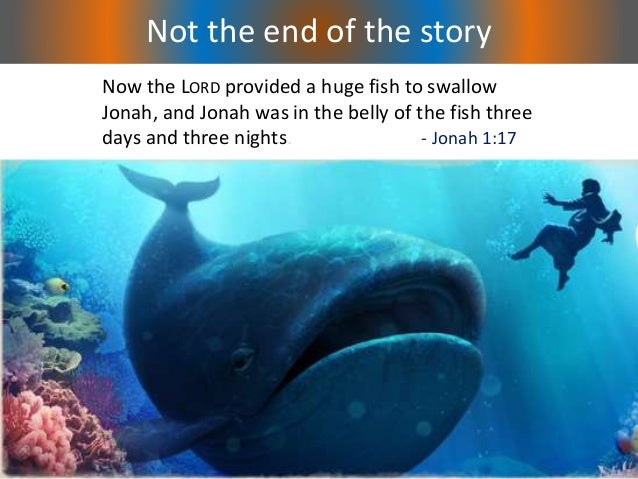
On this holy day of Atonement, I am trapped in the belly of a huge fish with no chance to seek the forgiveness of either my friend or of my enemy.

I am just a refugee without a refuge. I do not know my final destination. How will I find peace while I exist as a slave in a free country? If I have to suffer, I ask God to grant me His Mercy, Grace, and Compassion. LORD, let me suffer living as a prisoner in the enemy’s camp.

Simon Cyrene


The idea of repentance is well expressed in different Cultures but the interpretation of its consequences is not the same. The Jews associate the idea of repentance with Divine Atonement and Absolution of sins.
Judaism and The Doctrine of Atonement:

Repentance is a common theme of Old Testament Prophets. Prophet Jeremiah had more to say about repentance than any other Prophet. He called upon Jews to repent and condemned them for their false worship and social injustice.
To Jews, repentance means living in obedience to Yahweh’s Will for the individual and the nation of Israel. For a Jew, atonement is expiation for his own sin in order to attain God’s forgiveness. He may achieve this in various ways, including repentance, payment for a wrong action, good works, suffering, and prayer. Repentance and changed conduct are stressed as the most important aspects of Atonement.

God set up Laws for the Israelites mostly regarding holiness and worship. The Old Testament Book of Leviticus, Chapter 16, verse 34: “This is to be a lasting ordinance for you; Atonement is to be made once a year for all the sins of the Israelites.”
The Day of Atonement or Yom Kippur is the most important and solemn of the Jewish holidays. It is the tenth and final day of the Ten Days of Repentance which begins with Rosh Hashanah.

God has issued a lasting ordinance and has called upon the Jews to obtain Atonement once a year. After the destruction of the Second Temple at the Temple Mount in Jerusalem, Jews discontinued the practice of ritualistic animal sacrifice to make the sin and burnt offerings to seek Atonement.
The observance of Yom Kippur includes a 25 hour period of fasting and intensive prayer. At the end of Yom Kippur, the man considers himself absolved from his sin and is reconciled to God.

Repentance is not a personal choice for the Jews. It is a divine instruction given to the Jews.

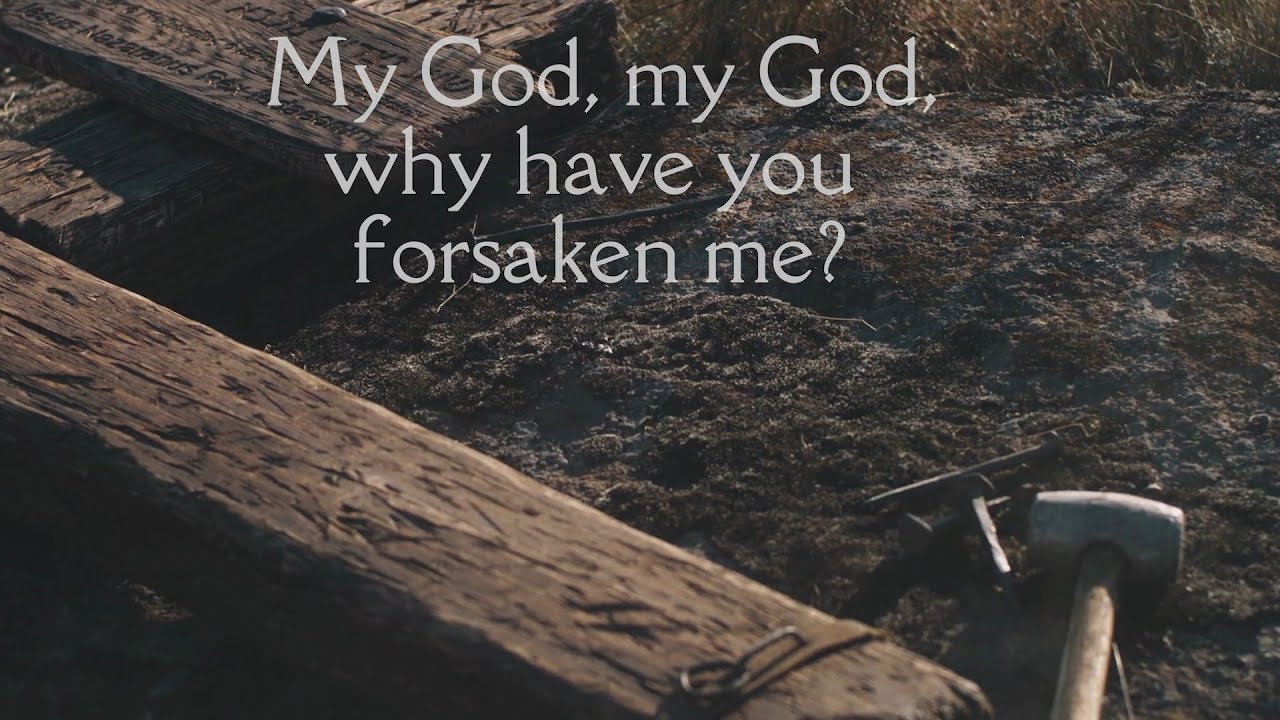
Yes Indeed, Life is Complicated. The fundamental complexity of Life involves the problem of Sin which dates back to the very beginning of the man. Fortunately, the Bible offers a Second Chance to the man to remove the burden of Sin. But, the burden of Sin got transformed into The Agony of the Cup and Jesus had to drink from the Cup with no other choice.

What is Sin?
In common usage, the word ‘Sin’ refers to the blame attached to any behavior or action that is not acceptable to established standards. At the Workplace, there are over one hundred rules of conduct and behavior; the terms and conditions for workplace behavior and conduct are explicitly stated. It is not easy to avoid blame or ‘sin’ while you work for wages or salary. The workplace often uses a scoring system by awarding points for each type of misconduct and the points earned will invariably lead to corrective action which includes dismissal from service.


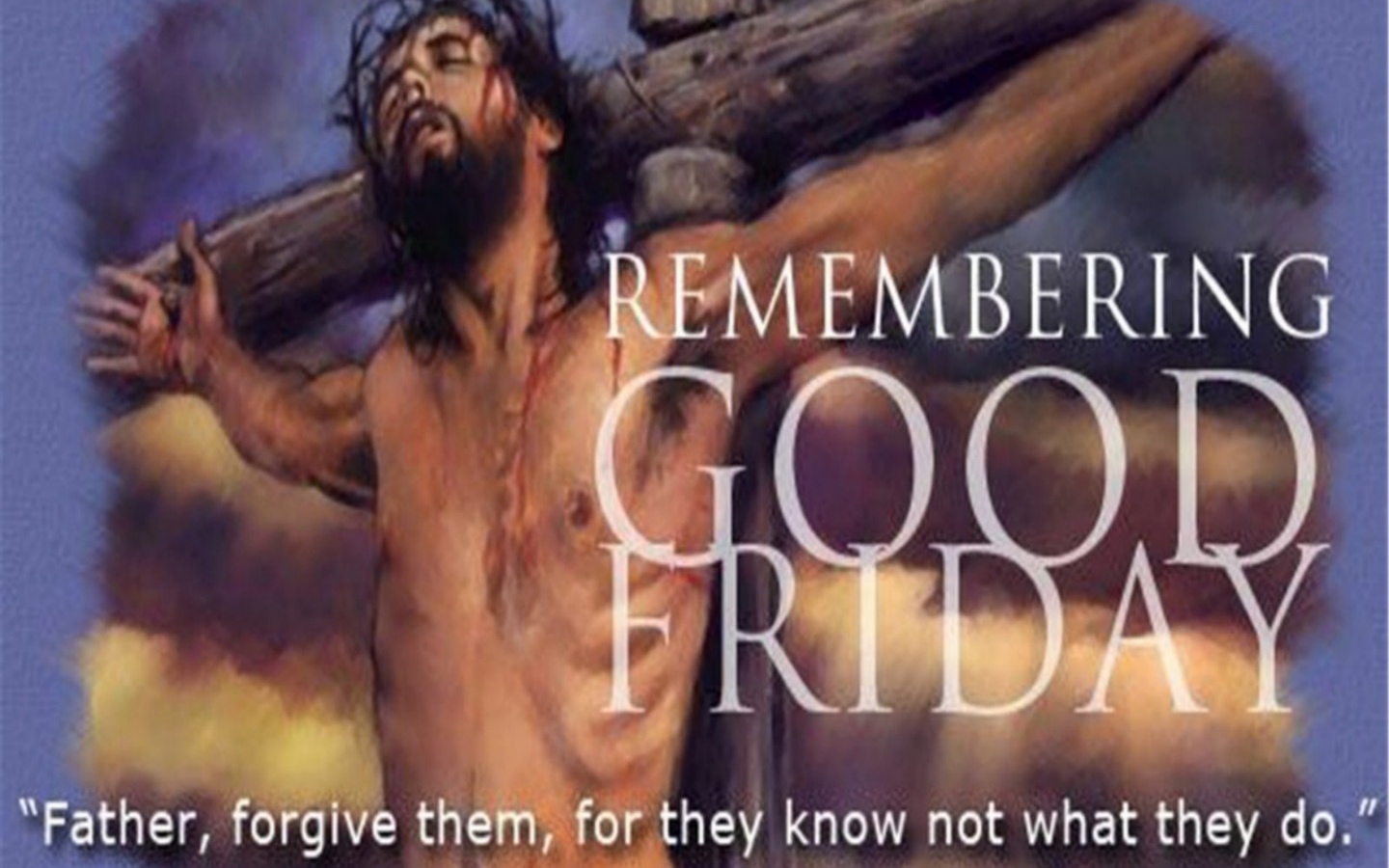
Scapegoating is the practice of singling out an employee or the member of a group for unmerited negative treatment or blame. Particularly in the case of Jesus, no Gift of Atonement came to his rescue as he consumed The Agony of the Cup. I fully condemn the unjust and unfair practice that is popularly known as “Scapegoating.”

What is the meaning of the Scapegoat?

In Hebrew tradition, ‘ScapeGoat’ is a specially chosen he-goat over the head of which the ‘High-Priest’ of the ancient Jews confessed the sins of the people on ‘The Day of Atonement’ (YOM KIPPUR), after which the goat was allowed to escape into the wilderness.

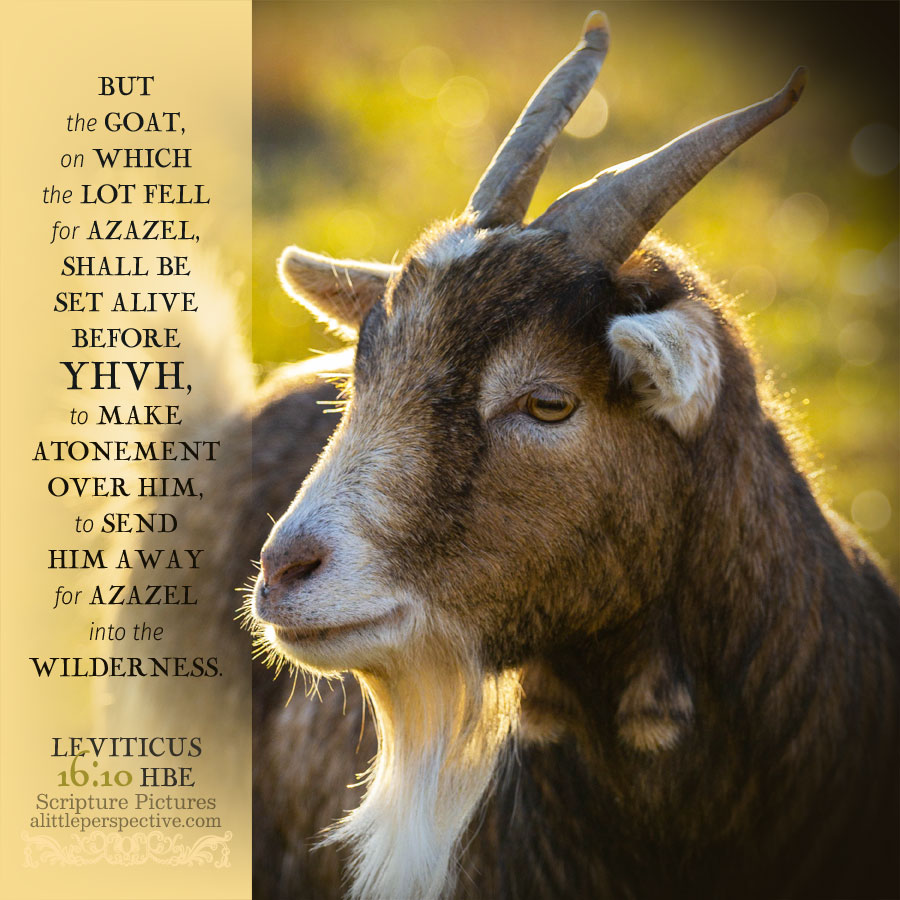
This practice of transferring the sins of a selected group of people such as the Israelites and placing the burden of sin on an entirely blameless creature was duly sanctioned by the LORD God. However, to make this practice a success, we must take care of the details; and in that context, I may quote a well-known statement, “The Devil is in the Details.” Firstly, we have to understand the Biblical traditions and the division of humanity into two separate kinds called the SHEEP and the GOATS.
Jesus, the Lamb of God who takes away the sin of the World is not a Goat:

I read some articles posted by biblical scholars that compare Jesus Christ to the goats described in the Old Testament Book of Leviticus, Chapter 16, verses 7 to 26. Their interpretation is totally incorrect. The word ‘SHEEP’ when applied to man, it describes a person who is meek, submissive, and obedient. The word ‘GOAT’ when applied to man, it describes a person who could be wicked, rebellious, and lecherous. Sheep and Goats are animals that are often mentioned in the Holy Scriptures and Jesus Christ is best portrayed as “The Good Shepherd.”
It will be equally important to note that the Hebrew people made images or idols of calves and he-goats and even appointed priests to worship those idols. The Old Testament Book, 2 CHRONICLES, Chapter 11, Verse 15 mentions that King Rehoboam, son of King Solomon appointed priests for the goat and calf idols he made. Whereas there are no reported incidents that involve the worship of images or idols of sheep.
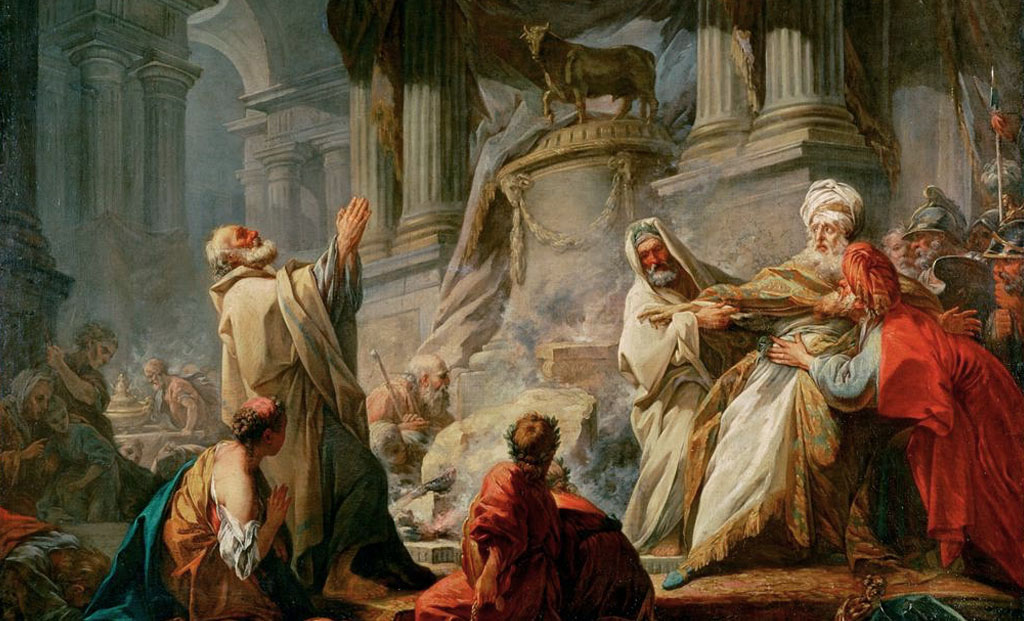

In the Book of Leviticus, Chapter 17, Verse 7, LORD GOD Commands, “They must no longer offer any of their sacrifices to the ‘goat idols’ (goat devils or demons) to whom they prostitute themselves.” Hebrew religious ceremonies and offerings at the Tabernacle included the sacrifice of both sheep and goats.
Lord God condemned the practice of idol worship and he blamed the people of Israel and the animals that are used in the practice of idolatry. The worship of he-goat idols constitutes the worship of devil or devils.

However, it must be noted that the plural word “Devils” occurs four times in The Old Testament. Twice, the term ‘devils’ represents “Sa irim” which means he-goats.
The Separation of the Sheep and the Goats:

In The New Testament Book Matthew, Chapter 25, Verses 31 to 46, the separation of human beings into Sheep and Goats is fully described. “When the Son of Man comes in His glory, and all the angels with Him, He will sit on His throne in heavenly glory. All the nations will be gathered before Him, and He will separate the people one from another as a shepherd separates the sheep from the goats. The sheep will inherit the Kingdom prepared for them since the creation of the world. The righteous sheep receive the blessings of eternal life. But, the goats are cursed into the eternal fire and they will go away to eternal punishment.”
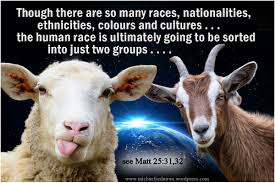
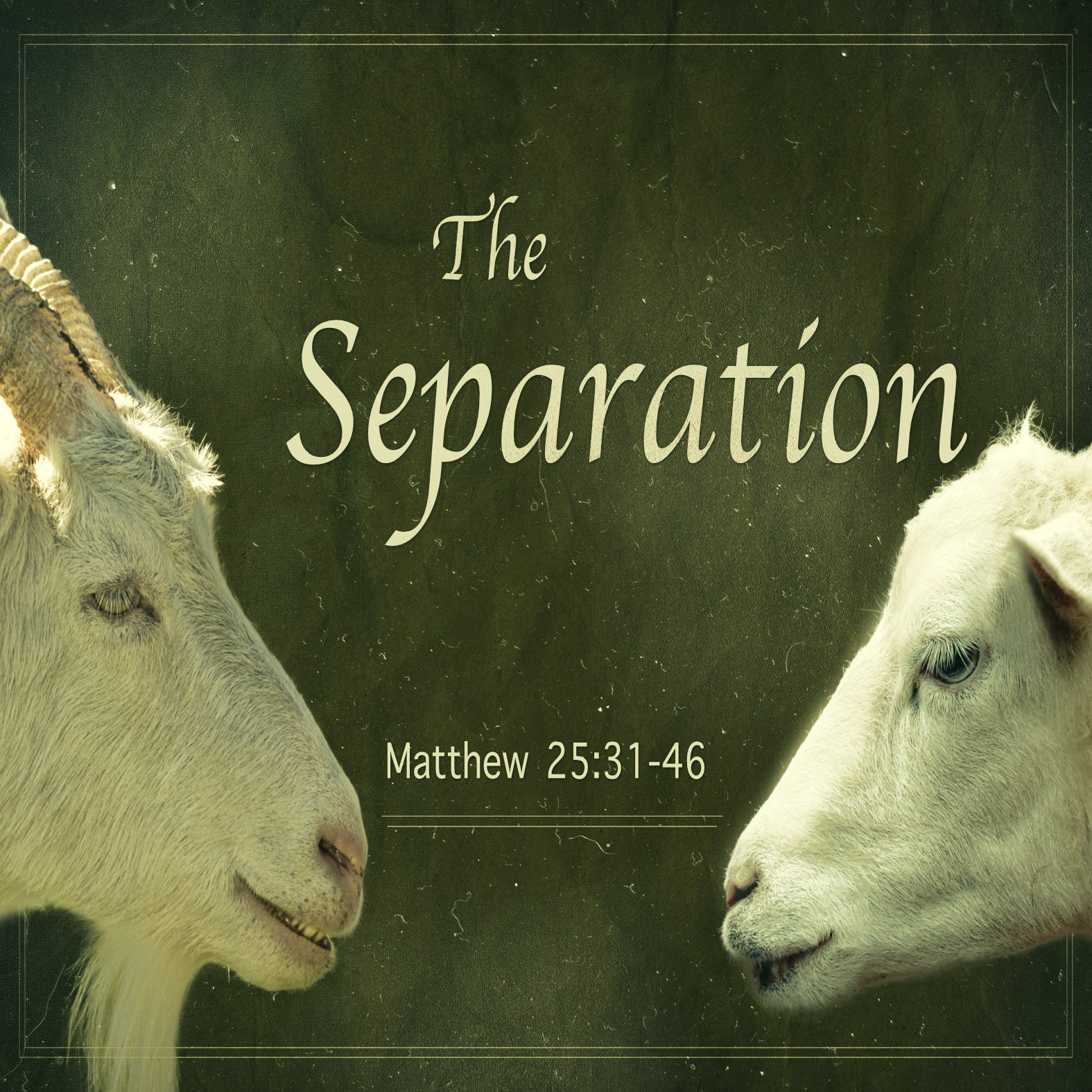


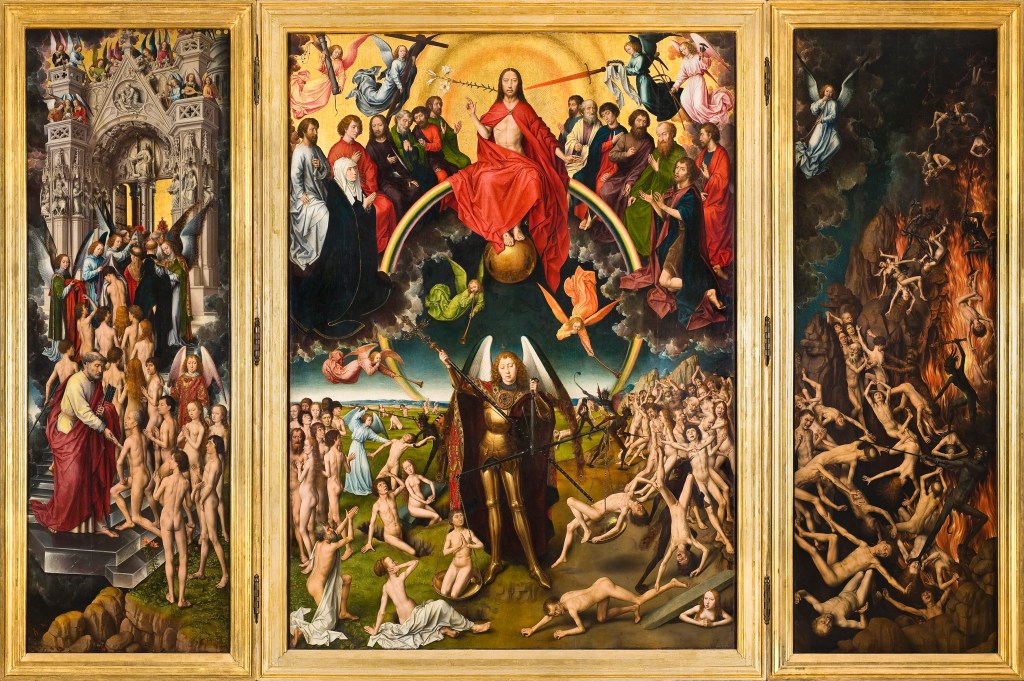
It makes abundantly clear the concept of Reward and Punishment and explains the meaning of sheep and goats as applied to mankind.
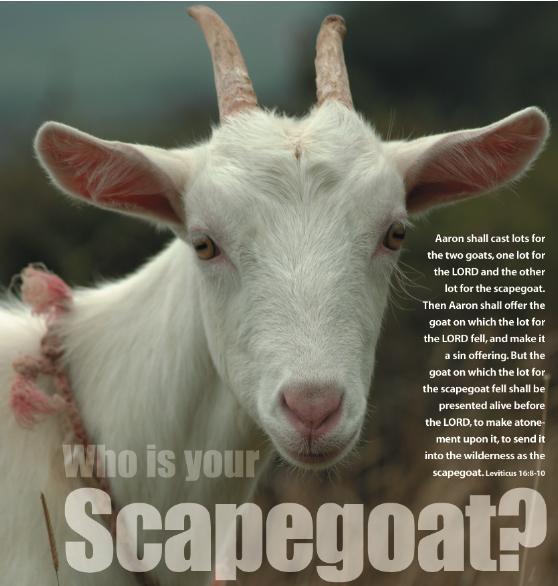
Who is Your Scapegoat?

The ‘ScapeGoat’ is spared its life for a specific reason and it has a specific purpose and a mission to accomplish when set free in the wilderness.
The Concept of the Escaped Goat or Azazel:
The “escaped goat” is a fallen angel and got transformed into a desert demon or devil and must be recognized as a female or a she-goat.

I carefully examined the concepts of The Scapegoat and The Escaped Goat and found that the ‘ScapeGoat’ is an ’emissary goat’ that is sent to the wilderness to specifically meet the ‘escaped goat’. The Hebrew word “AZAZEL” primarily refers to “escape.” The ‘escaped goat’ did not escape from the Israeli camp. The ‘escaped goat’ had ‘escaped’ from God’s Kingdom in Heaven. For that reason, the ‘escaped goat’ is a ‘fallen angel’, a devil, or a demon. The gender of this ‘fallen angel’ must be interpreted as female for the ‘escaped goat’ is a she-goat or “ez + azal.” A male or he-goat is purposefully chosen as the ‘Escape Goat’ for it has the natural ability to deliver the sin to the devil or demon which is thought to be a she-goat.
It is surprising to note that both Hebrew and Christian Scholars have failed to interpret the word “AZAZEL.” Is that a place? Is that a person? Is that an action called ‘Escape’? In my view, “AZAZEL” describes a “Fallen Angel”, an Angel that deliberately escaped from God’s Kingdom in Heaven. Having escaped, the Angel got transformed into a ‘Devil’ and the ‘Devil’ can be easily recognized for the ‘Devil’ has horns and a tail.
We have to carefully understand the Biblical principles and practices to save people from punishment and harsh retaliation for their sinful conduct and behavior. While the Bible recommends a very rigid conduct code, it uses a flexible approach while giving punishment. Bible does not always demand punitive or retaliatory action while it deals with the problem of sinful conduct.
The Old Testament Book LEVITICUS, Chapter 16, verses 7 – 26 give a very detailed description of the practice called “The Day of Atonement.” The Bible gives the man a second chance, a chance to atone, redeem, and save himself for his shortcomings.
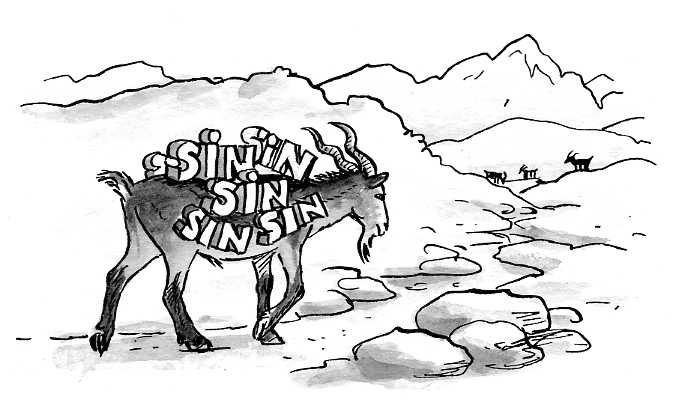
It is very interesting to find that the Bible has devised a mechanism to transfer the sins of an individual, or even a large group of individuals and place the burden on the head of an innocent creature whose life is spared while it finds an opportunity to dispose of the sins in a place far away from the community.
“But the goat chosen by lot as the scapegoat shall be presented alive before the LORD to be used for making atonement by sending it into the desert as a scapegoat (Leviticus 16:10).” Further, the Bible carefully describes the entire practice by which sin can be transferred. “He (the High Priest) is to lay both hands on the head of the live goat and confess over it all the wickedness and rebellion of the Israelites – all their sins – and put them on the goat’s head. He shall send the goat away into the desert in the care of a man appointed for the task. The goat will carry on itself all their sins to a solitary place; and the man shall release it in the desert (Leviticus 16:21-22).”
It is very clear that the Bible does not intend to punish or retaliate against the scapegoat which is used for Sin Removal and Sin Disposal Service and the Bible insists that the life of the scapegoat must be protected by appointing a man for the task of dispatching it into the wilderness or desert.
The Biblical Legend about “Escaped Goat”

The phrase “ScapeGoat” was coined by William Tyndale in 1530. Tyndale was an English reformer and translator of the Bible. His work is the basis for the Authorized or King James Version of the Bible of 1611. But, unfortunately, he was executed for heresy in 1536. He could not get the chance or fortune to be a “ScapeGoat” and he carried the burden for the faults of the Church and its Clergy.
The phrase combines Scape + Goat and it is probably derived from Latin. Caper Emissarius which means Emissary Goat, or Greek. Tragos Aperchomenos which means Departing Goat. In the Hebrew tradition, the phrase is derived from “Sair La Azazel” which means a “Goat that Leaves.” But, the Hebrew word “AZAZEL” also refers to the name of a ‘Desert Demon’. In Hebrew, the phrase was coined to imply that the “ScapeGoat” is always a He-Goat and that the “She-Goat” or “EZ + AZAZEL had already left or escaped. The Emissary Goat or the Departing Goat has a purpose for it is sent to the wilderness to meet “AZAZEL” the Escaped She-Goat or its transformation, a Desert Demon. There is some connection between the Escaped She-Goat and the Desert Demon. To seek atonement, the Hebrew tradition is placing the burden of sins on a He-Goat and then releasing it in the desert or wilderness where it may have the opportunity to find the She-Goat or the Desert Demon which may eventually accept the burden of Sin delivered by the He-Goat.
The Gift of Atonement did not give the opportunity to Jesus from not accepting the Gift of The Agony of the Cup. For I am not able to avoid the Agony of the Cup, I seek the Mercy, Grace, and Compassion of the Lord to give me the chance to suffer the indignity of the life of a prisoner spending the days of his life in the enemy’s camp.


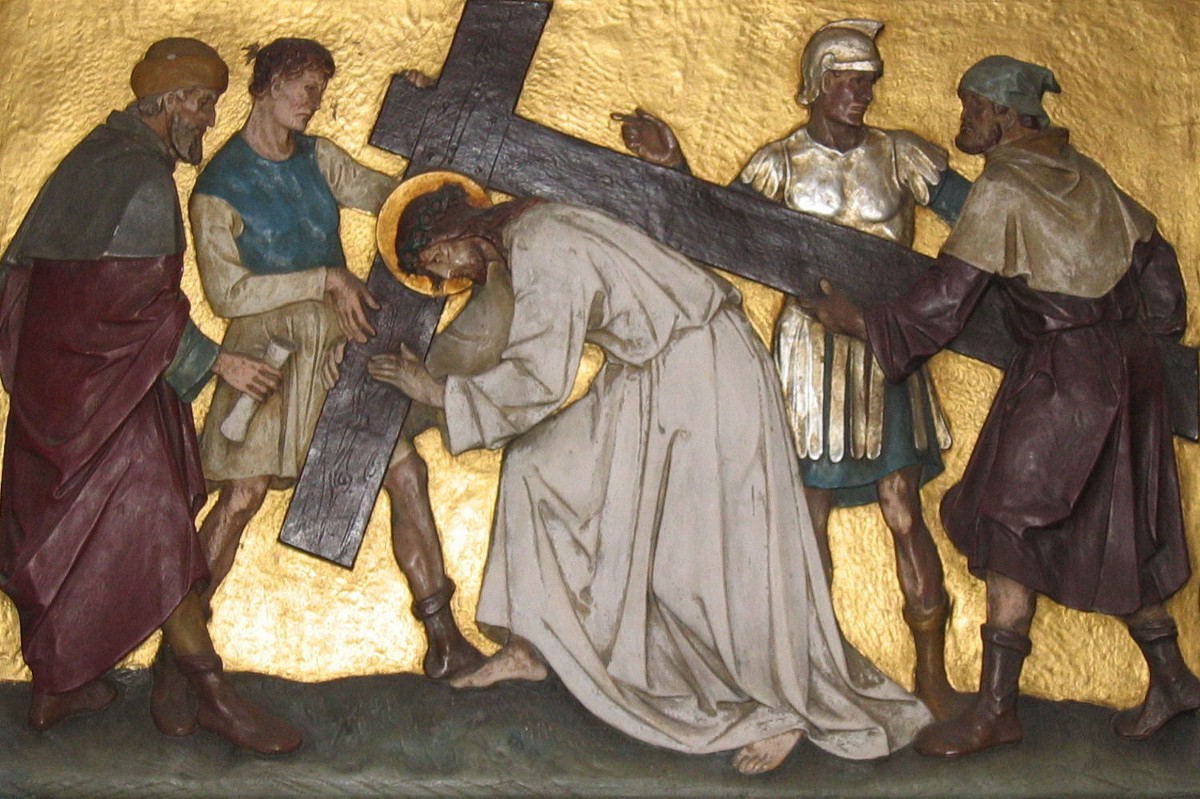

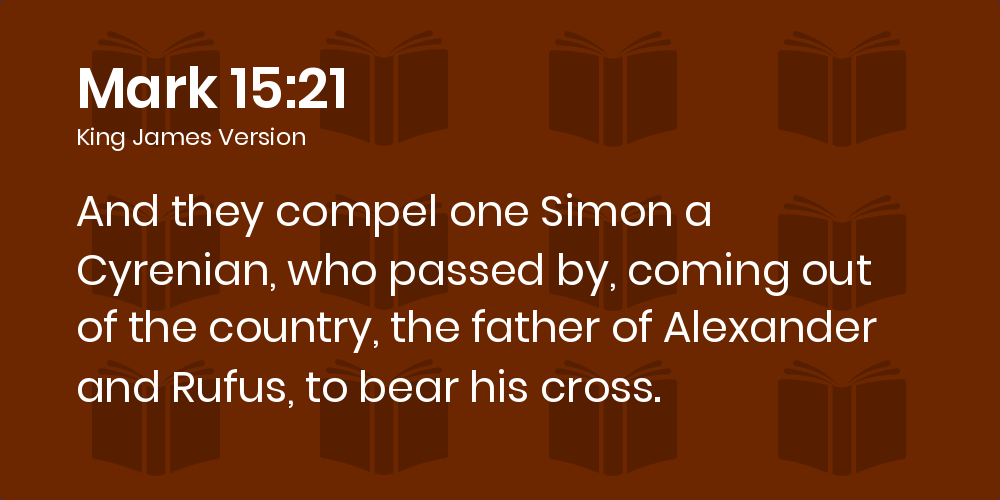






















 Whole Dude - Whole Concept