Whole Tyrant – Red China Micromanages Tibet

Tibet Awareness – Red China Micromanages Tibet

TIBET AWARENESS - RED CHINA - NEOCOLONIALIST - MICROMANAGES TIBET. TIBET WILL SURVIVE. TIBET WILL ENDURE. TIBET WILL REEMERGE.
TIBET AWARENESS – RED CHINA – NEOCOLONIALIST – MICROMANAGES TIBET. TIBET WILL SURVIVE. TIBET WILL ENDURE. TIBET WILL REEMERGE FROM THE SHADOWS OF OCCUPATION.

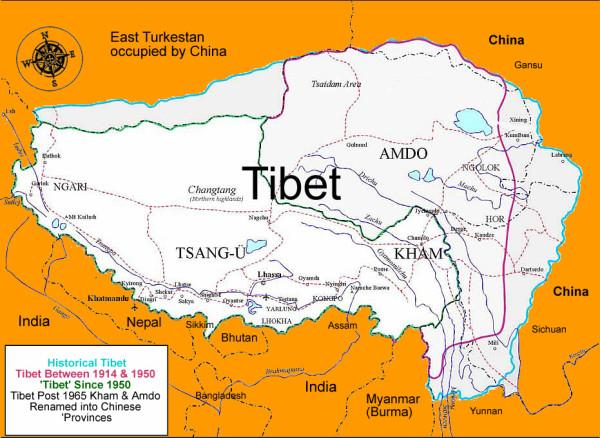
Red China after invading Tibet in 1950, systematically consolidated its occupation controlling every aspect of Tibetan life, economy, and governance. I predict Beijing’s sudden downfall due to a catastrophic event in her own territory. Tibet will survive. Tibet will endure. Tibet will reemerge from dark shadows of occupation.

China micromanages Tibet, floods it with money to woo locals

By Aritz Parra, Associated Press | Posted Sep 30th, 2015 @ 2:31am

LHASA, China (AP) — Ji Yunpeng misses hot-pot dinners with his wife and daughter back in Beijing and fights insomnia caused by the high altitude in the Tibetan capital by playing computer games, and, occasionally, studying Tibetan Buddhism.

“It’s just out of pure intellectual curiosity,” he said, aware that genuine religious interest would be a breach of discipline in China’s nominally atheist Communist Party.

Ji is in Lhasa on a three-year loan from the Beijing municipal government to oversee the school curriculum in Tibetan classrooms. In return, he gets a double salary and a shortcut up the party ladder. Nearly 6,500 civil servants like him have been dispatched to manage hefty budgets and shape Tibet’s modernization.

They are the human face of top-down development that has poured more than $100 billion dollars into the region since 1952. Critics say that Beijing’s obsession with social stability also has led to widespread human right abuses. But as incomes finally begin to increase across the Tibetan countryside, Chinese authorities are hopeful they can dispel international criticism over their rule in Tibet while winning the hearts of Tibetans and pulling some of their loyalty away from the exiled Dalai Lama.

“The strategy for Tibet is now shifting from the overall kind of repression that we have seen in the past to actually moving toward luring sections of the community and trying to work with those who cooperate with the authorities,” Tibet researcher Tsering Shakya said in an interview from University of British Columbia in Vancouver.

For most Tibetans in exile, the region has been unlawfully occupied by China since it was overrun by the People’s Liberation Army in 1951, and no material gains justify Beijing’s repression. But even skeptics like Shakya acknowledge that “without its intervention, the disparities between the development in Tibet and in China would be even greater.”

In a sign of new confidence, authorities this month invited a handful of foreign media organizations, including The Associated Press, on a tightly scripted visit to showcase Tibet’s development, timed to the 50th anniversary of the creation of the Tibet Autonomous Region.

STRINGS-ATTACHED DEVELOPMENT

Ji oversees the $40 million dollar Lhasa-Beijing Experimental Middle School, where many of the 2,500 students are from rural Tibet. Acting as deputy to the head of Lhasa’s education bureau, Ji explains how the pupils are entitled to nine years of free schooling.

As government minders watched, a Tibetan teacher wrote in Tibetan on a chalkboard crowned by the national flag, the Communist Party emblem and a portrait of President Xi Jinping. School officials explained that all subjects are taught in Mandarin, China’s official language, but that the curriculum includes mandatory Tibetan language.

In Lhasa, Beijing has also paid for housing projects, hospitals, an amusement park, an $80 million stadium and the Tibet Yak Museum, honoring the “hairy cow” of the grasslands.
“Beijing and Lhasa are still like two worlds apart,” Ji says. “But in a place like this, where things are still backward, there is a sense of achievement in every step forward.”

Robert Barnett, leading academic of Tibetan studies at Columbia University in New York, questions whether the two-decade-old policy is truly benefiting Tibetans. Economic gains of the development have for decades gone largely to migrants from China’s ethnic Han minority, who make up only 8 percent of the Tibet’s 3.2 million inhabitants. Only recently, he said, have they started to trickle down to the countryside.

“If you pour in money in that amount to an area that is fragile in its ecosystem and social composition and you just remove barriers for migration, you attract income seekers, with a huge negative effect and a domination of the economy,” Barnett said.

MOVING IN FROM GRASSLANDS

Perfectly identical “new socialist villages” have sprouted in the countryside of the Tibetan plateau during the past decade, compelling former nomads to take on a sedentary lifestyle, but also giving them immaculate two-floor villas with running water, latrines and biogas cookers.

Dawa, a 55 year-old herder resettled in Lhoka prefecture’s Gongkar county, proudly showed visiting officials and journalists how each member of the family now has a separate room. “Even in my dreams I never thought of having a house like this,” he said.

When repeatedly prompted about what he misses from his old life, Dawa paused and stared at the officials seated in his living room before answering.
“We have become selfish,” he said finally. “Now that living standards have improved, eating a piece of meat doesn’t make me as happy as eating a potato once did.”

THE INFLUX OF TOURISTS

Looking ahead, the government hopes to develop the mineral water industry, wool garment weaving workshops and factories of byproducts of traditional Tibetan medicine that will directly benefit the locals. Tourism development is, however, the biggest priority.

With plans to go from 15.5 million tourists in 2014 — five times Tibet’s population and most of them Chinese — to 20 million in the next five years, the industry already is transforming Lhasa’s landscape. Four huge pyramids of concrete and glass, the skeleton of a 2,000 room five-star resort, are joining new shopping malls, karaoke parlors and theme parks.
Visitors sweep through chambers of the labyrinthine Potala palace and compete for space with local pilgrims at the iconic Jokhang temple.

“There is a great deal of unhappiness and resentment among Tibetans over the way their culture and religion is being exploited,” said spokesman Alistair Currie of the London-based activist group Free Tibet, which is campaigning against foreign hotel chains in the autonomous region.

STABILITY ON THE PLATEAU

More than 140 Tibetans, men and women, lay people and monks, have died since 2009 protesting Beijing’s rule and demanding the return of the Dalai Lama, who fled to exile in 1959 following an aborted uprising by Tibet’s elites against the Communist Party.

Tibet’s security budget increased by 28 percent annually from 2007 to 2012, a similar pace as in Xinjiang, home to the Turkic-speaking and Islam-practicing Uighurs. The per capita spending in Tibet was 3.6 times the national average in 2012, said the Center for Human Rights and Democracy in Tibet.

Penpa Tashi, an ethnic Tibetan party member who is the region’s vice chairman, blames the tight security on unrest linked to the Dalai Lama, the spiritual leader of Tibetans, many of whom revere him as a demigod. “Only by remaining stable can we achieve development and improve people’s livelihood,” he said.

The paramilitary police who were ubiquitous following deadly riots in 2008 have retreated from the spotlight, leaving the streets in the hands of lightly armed patrols and police stations on every block. More subtle forms of surveillance — from CCTV cameras to plainclothes agents and monitored communications —have taken the lead.

COMMUNISTS IN THE MONASTERY

The party in the past installed “special working groups” at Tibet’s county levels to ensure patriotism. Those groups now have been extended to every village and every monastery, exercising an unprecedented level of control while also funneling money and resources to groups who cooperate.

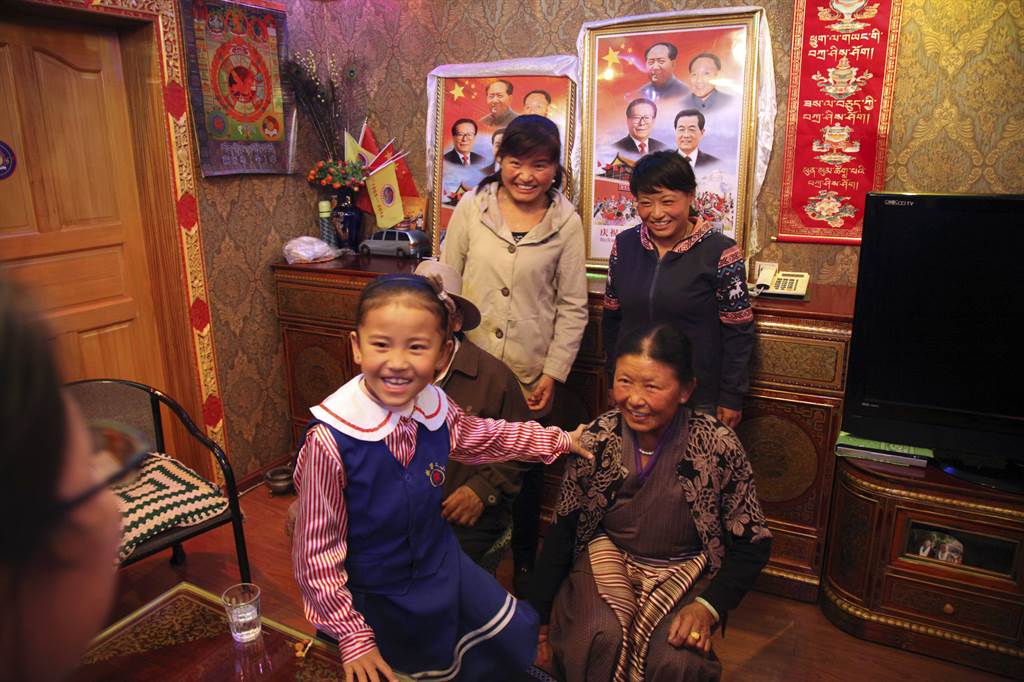
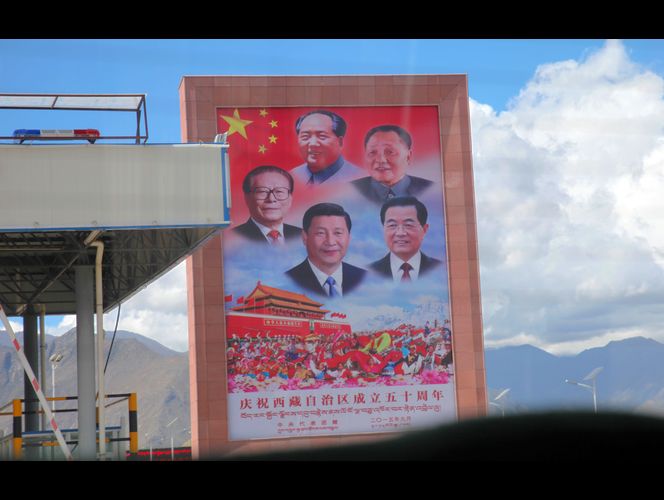
In Lhoka’s Tradruk monastery, the secular management office has obtained funds for the latest renovation of this 12-century-old institution, one of the earliest Buddhist constructions in Tibet. As Han Chinese workers placed the last slate slabs in a courtyard, congregation head Migmar Tsering explained how the monastery can get electricity, televisions and libraries in exchange for displaying the Communist leaders’ portraits and topping the complex with the red flag of China.

In addition, monks meet once a week with the monastery’s Communist Party branch to receive legal and patriotic education.

“We now enjoy complete freedom of religion,” Migmar Tsering, 43, said in an interview arranged by the county propaganda office.
Shakya said the new system is actually helping to revive Buddhism throughout Tibet, although under the controlling eyes of the party.

However, other experts dispute that there has been any revival, especially given that the government has been providing the same figure of nearly 1,800 religious sites and more than 46,000 monks and nuns in the autonomous region since the early 90’s.

“You can have television sets, roads and flags in monasteries but you are not allowing the number of people to grow,” said Barnett, the Columbia University professor. “It’s hard to have monastic life thrive if you have a cadre team overseeing them.”

DALAI LAMA’S LONG SHADOW

The current, 14th Dalai Lama, who is now 80, remains the nemesis of China’s interests in Tibet. Despite an obsessive vilification of the man by Chinese government and party officials, he remains immensely popular and influential among Tibetan Buddhists.

He has said he may not reincarnate, to undercut Beijing’s plans to pick his successor. This has forced the atheist Communist Party to embrace a practice introduced seven centuries ago by a Qing dynasty emperor to control the selection by having names drawn from a government-controlled golden urn.

The region’s vice governor, Penpa Tashi, told reporters over a dinner of yak meat that, without doubt, the 15th Dalai Lama will be approved by the Chinese government and that the 14th has been an “anomaly” who made no contribution to Tibet’s development and sought only to split the region away from China.

“His attempt to split and destroy will never be realized,” he said. “The 14th Dalai is just like a pustule or a weed. A pustule must be squeezed to make the body healthier, the same way that a weed must be uprooted.”

Copyright © The Associated Press. All rights reserved. This material may not be published, broadcast, rewritten or redistributed.

© 2015 KSL.com | KSL Broadcasting Salt Lake City UT
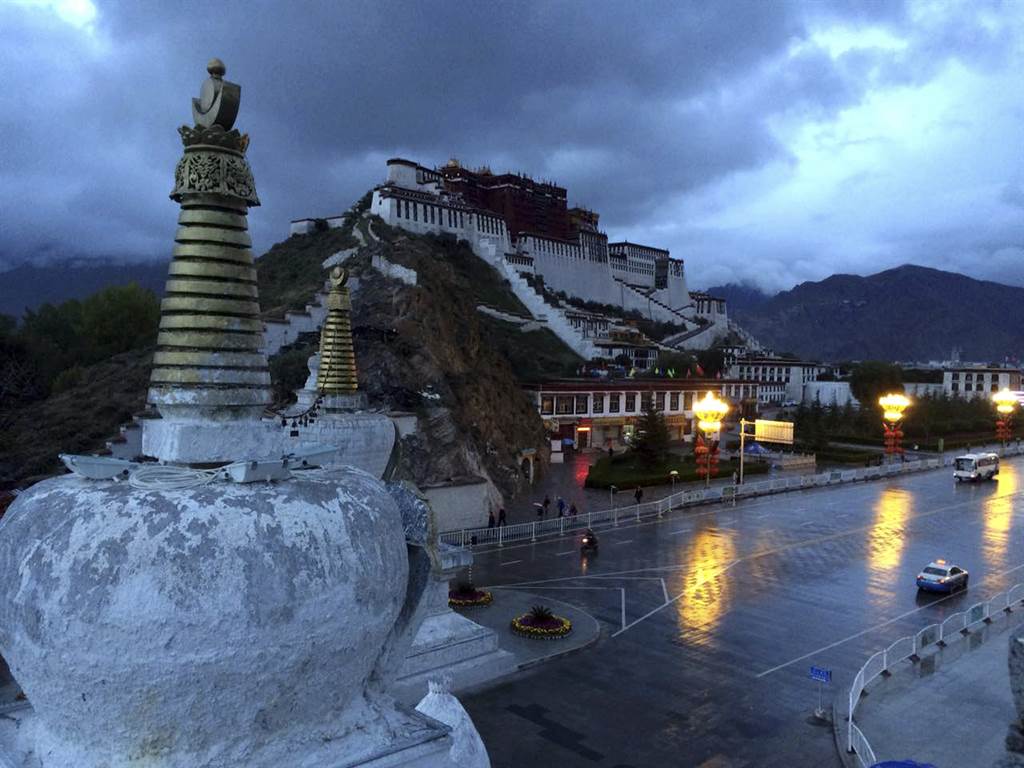
TIBET AWARENESS – RED CHINA – NEOCOLONIALIST – MICROMANAGES TIBET. TIBET WILL SURVIVE. TIBET WILL ENDURE. TIBET WILL REEMERGE FROM SHADOWS OF OCCUPATION.
China micromanages Tibet, floods it with money to woo locals ...
TIBET AWARENESS – RED CHINA – NEOCOLONIALIST – MICROMANAGES TIBET. TIBET WILL SURVIVE. TIBET WILL ENDURE. TIBET WILL REEMERGE FROM SHADOWS OF OCCUPATION.
Glimpses of Tibet: Plateaus, people and faith
TIBET AWARENESS – RED CHINA – NEOCOLONIALIST – MICROMANAGES TIBET. TIBET WILL SURVIVE. TIBET WILL ENDURE. TIBET WILL REEMERGE.
Glimpses of Tibet: Plateaus, people and faith
TIBET AWARENESS – RED CHINA – NEOCOLONIALIST – MICROMANAGES TIBET. TIBET WILL SURVIVE. TIBET WILL ENDURE.
Tibetan women weed the highland barley field with hand in Neymo, Tibet ...
TIBET AWARENESS – RED CHINA – NEOCOLONIALIST – MICROMANAGES TIBET. TIBET WILL SURVIVE. TIBET WILL ENDURE. BARLEY FIELD, NEYMO, TIBET.
Glimpses of Tibet: Plateaus, people and faith
TIBET AWARENESS – RED CHINA – NEOCOLONIALIST. TIBET WILL SURVIVE. TIBET WILL ENDURE.
Glimpses of Tibet: Plateaus, people and faith
TIBET AWARENESS – RED CHINA – NEOCOLONIALIST – MICROMANAGES TIBET. TIBET WILL SURVIVE. TIBET WILL ENDURE.
Photo exhibition: Glimpses of Tibet, 1914-2010
TIBET AWARENESS – RED CHINA – NEOCOLONIALIST – MICROMANAGES TIBET. TIBET WILL SURVIVE. TIBET WILL ENDURE.
Glimpse of Tibet
TIBET AWARENESS – RED CHINA – NEOCOLONIALIST – MICROMANAGES TIBET. TIBET WILL SURVIVE. TIBET WILL ENDURE.
Glimpses of Tibet: Plateaus, people and faith
TIBET AWARENESS – RED CHINA – NEOCOLONIALIST – MICROMANAGES TIBET. TIBET WILL SURVIVE. TIBET WILL ENDURE.
Amazing colors of Tibet
TIBET AWARENESS – RED CHINA – NEOCOLONIALIST – MICROMANAGES TIBET. TIBET WILL SURVIVE. TIBET WILL ENDURE.
TIBET AWARENESS – RED CHINA – NEOCOLONIALIST – MICROMANAGES TIBET. TIBET WILL SURVIVE. TIBET WILL ENDURE. TIBET WILL REEMERGE.

Whole Awareness – Tibet is the first victim of Red China’s Hegemonism

Tibet Awareness – Red China – Hegemonist

Deng Xiaoping General Assembly Speech
TIBET AWARENESS – RED CHINA – HEGEMONIST – CHINESE PREMIER DENG XIAOPING IN HIS SPEECH AT UN GENERAL ASSEMBLY DELIBERATELY, PURPOSEFULLY LIED ABOUT RED CHINA’S HEGEMONIST POLICY.

Chinese Premier Deng Xiaoping in 1974 during his maiden appearance at United Nations General Assembly assured UN members that China is not and never will be a superpower or seek dominance over others. Deng Xiaoping carefully avoided using the term “Hegemon” while describing Communist China’s state policy. Hegemonism is the policy or practice of a nation in aggressively expanding its influence over other countries. Hegemony refers to dominance of one nation over others. Tibet is the first victim of Red China’s Hegemonist Policy.

Tracing China’s long, convoluted relationship with the UN

BEIJING (AP) — China’s President Xi Jinping is poised to address the U.N. General Assembly for the first time on Monday. Here are some milestones in China’s long, convoluted relationship with the world body:

1945 — The Republic of China, led by Chiang Kai-shek, becomes the first nation to sign the U.N. charter. As one of the victors in World War II, China assumes one of five permanent seats on the U.N. Security Council over the objections of some world leaders, including Britain’s Winston Churchill. Chinese representatives also help draft and sign the Universal Declaration of Human Rights.

1949 — Chiang’s Nationalists lose the Chinese civil war to Mao Zedong’s Communists and retreat from the Chinese mainland to the island of Taiwan. The Republic of China, however, retains China’s Security Council seat with the key backing of the U.S. in order to restrain Mao’s ally, the Soviet Union, as the Cold War unfolds.

1950 — The Korean War breaks out. With Soviet encouragement, Chinese forces are sent to bolster North Korea’s military. The Security Council recognizes North Korea’s attack on the South as an invasion and dispatches a 21-nation force led by the U.S. to repulse the aggression. U.N. forces frequently fight against Chinese troops until the signing of an armistice in 1953.

1950s and 1960s — Mao’s People’s Republic of China attempts repeatedly to replace the ROC as the legitimate representative of China at the U.N. However, with Washington’s strong support, the Republic of China manages to hang on even as support in the General Assembly steadily erodes.

1971 — Amid a thaw in relations between Beijing and Washington, the People’s Republic of China secures the votes of 26 newly independent African nations and finally prevails in its campaign to win the China seat. Passed on the 21st attempt, U.N. Resolution 2758 expels the representatives of Chiang Kai-shek from the body, effectively casting Taiwan into the diplomatic wilderness.

1974 — Soon-to-be paramount leader Deng Xiaoping becomes the first major Chinese politician to address the General Assembly. In his speech, Deng assures the body that China is not and never will be a superpower or seek dominance over others (replacing “hegemon”), assertions increasingly at odds with China’s rising global influence in the 21st century.

1991 — The Republic of China applies to join the U.N. separately from mainland China as the representative of Taiwan and its related islands, saying that Resolution 2758 was irrelevant to Taipei’s status. The move is fiercely condemned by China and is never included in the General Assembly’s agenda or put to a formal vote.

1992 — Having dropped its objections to U.N. peacekeeping on grounds of non-intervention, China sends its first contribution in the form of an engineering company to join in a mission in Cambodia. In subsequent years, China becomes far and away the biggest contributor of personnel to peacekeeping operations among the five permanent Security Council, with more than 3,000 troops and police committed as of this year.

2013 — China is granted a seat on the U.N. human rights council despite frequent criticisms of its authoritarian political system and heavy restrictions on civil liberties. Opponents say that move not only provides cover for China’s detention of political opponents and other abuses, but also allows it to suppress all U.N. human rights initiatives and attempts to hold rights violators accountable.

Copyright 2015 The Associated Press. All rights reserved. This material may not be published, broadcast, rewritten or redistributed.

Yahoo – ABC News Network

Tibet is the first victim of Red China’s Hegemonist Policy.

1973: Deng Xiaoping Came Back to Power (邓小平复出)

President Gerald Ford meets with Chairman Mao Tse-tung in Peking

!The year of the Sheep (or Goat or Ram) begins today. President Ford ...

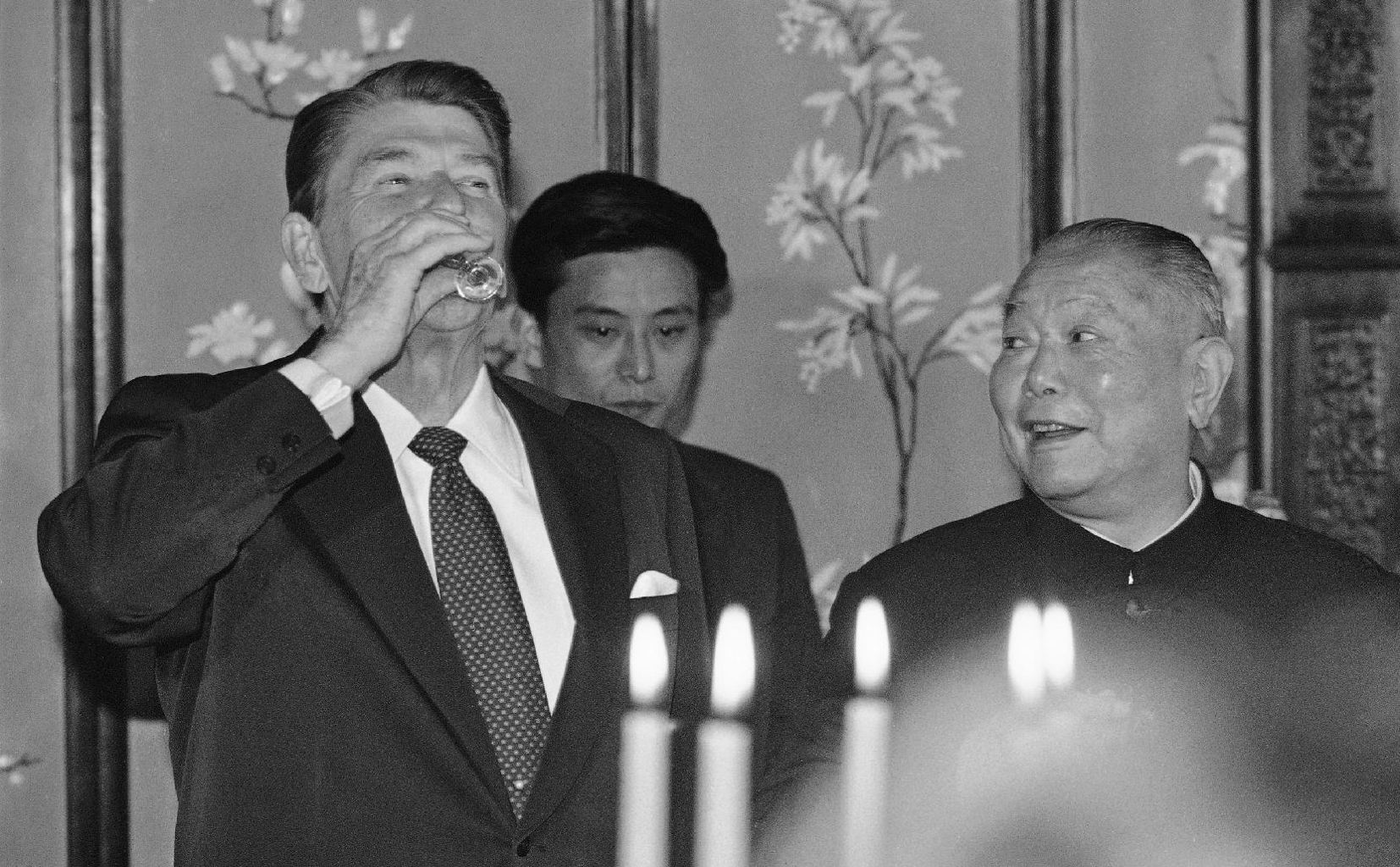
... Sin-April 26-1984-President Li Xiannian-President Ronald Reagan-Peking

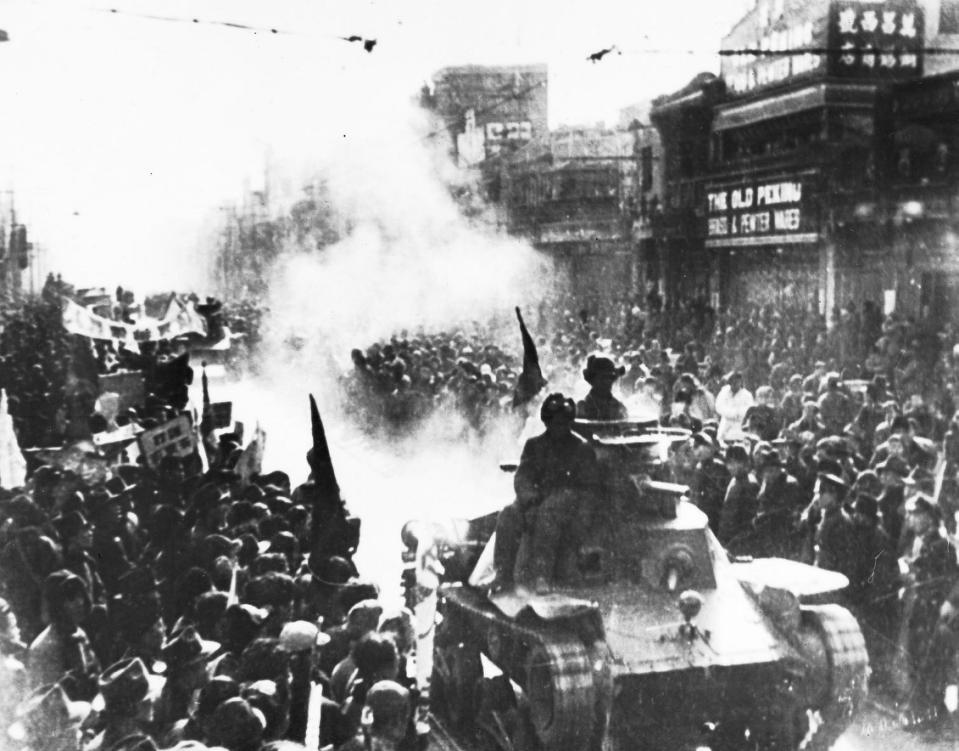
FILE In this May 2, 1949 file photo, a column of Chinese Communist light tanks enter the streets of Peking, which are filled with people watching the conquerors pass. In 1949, Chiang Kai shek’s Nationalists lost the Chinese civil war to Mao Zedong’s Communists and retreat from the Chinese mainland to the island of Taiwan. The Republic of China, however, retained China’s Security Council seat with the key backing of the U.S. in order to restrain Mao’s ally, the Soviet Union, as the Cold War unfolds. (AP Photo, File)
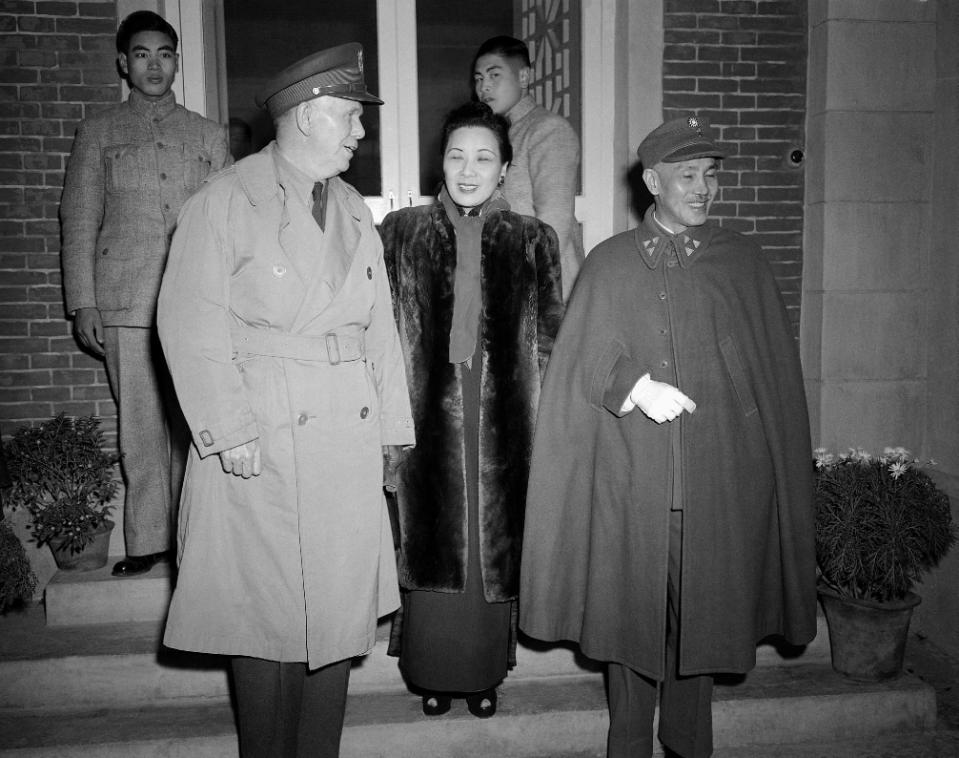
FILE In this Dec. 22, 1945 file photo, Gen. George C. Marshall, left, special envoy of U.S. President Harry Truman to China with rank of ambassador, poses with Generalissimo Chiang Kai Shek, right, and Madame Chiang at Chiang’s Nanking home shortly after his arrival in Nanjing. In 1945 the Republic of China, led by Chiang Kai shek, became the first nation to sign the U.N. charter. As one of the victors in World War II, China assumed one of five permanent seats on the U.N. Security Council over the objections of some world leaders, including Britain’s Winston Churchill. Chinese representatives also helped draft and sign the Universal Declaration of Human Rights. (AP Photo, File)
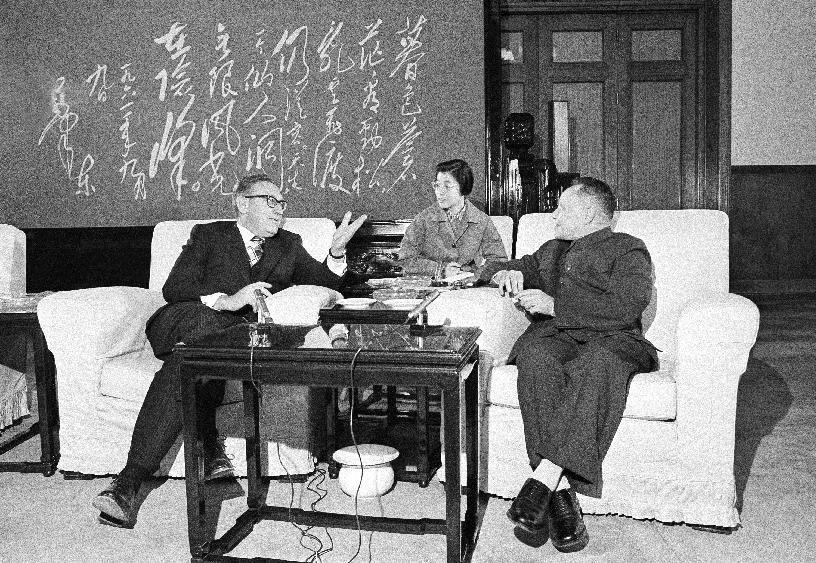
FILE In this Nov. 27, 1974 file photo, Chinese Premier Deng Xiaoping, right, listens to U.S. Secretary of State Henry Kissinger, left, during their meeting in Beijing. In 1974, soon to be paramount leader Deng became the first major Chinese politician to address the General Assembly. In his speech, Deng assured the body that China is not and never will be a superpower or seek dominance over others (replacing “hegemon”), assertions increasingly at odds with China’s rising global influence in the 21st century. (AP Photo, File)
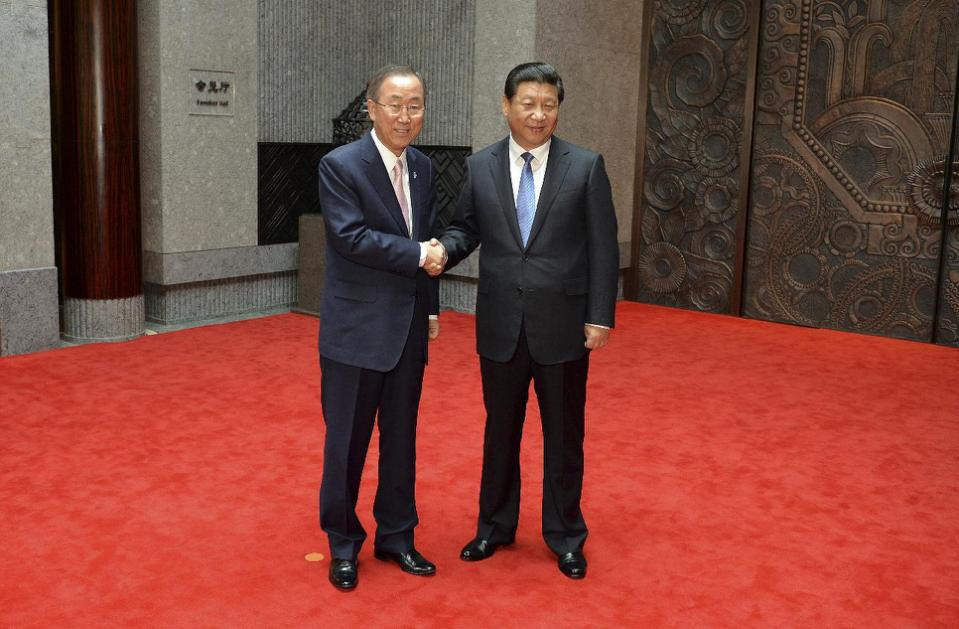
FILE In this May 19, 2014 file photo, Chinese President Xi Jinping, right, shakes hands with United Nations Secretary General Ban Ki moon, left, as they pose for photos on the eve of the fourth Conference on Interaction and Confidence Building Measures in Asia (CICA) summit at the Xijiao State Guesthouse in Shanghai, China. China’s President Xi is poised to address the U.N. General Assembly for the first time on Monday, Sept. 28, 2015. (Mark Ralston/Pool Photo via AP, File)

Tibet is the first victim of Red China’s Hegemonist Policy.

Whole Tyrant – Red Dragon – Red China – Dictatorial Regime

Red Dragon – Red China – Dictatorial Regime

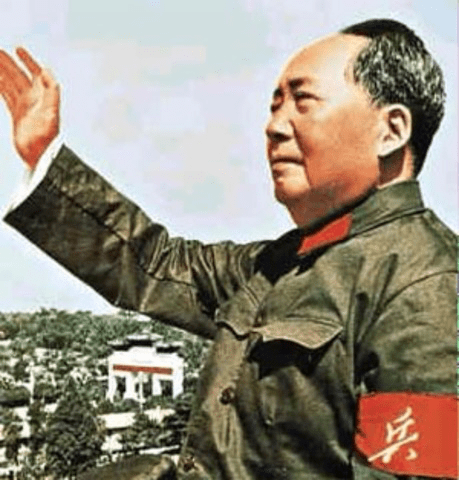
RED DRAGON – RED CHINA – DICTATORIAL REGIME: RED CHINA IS AUTOCRATIC, DOMINEERING, AND TYRANNICAL. RED CHINA’S MAO TSE-TUNG RULED OVER CHINA AS A DICTATOR AND THE COMMUNIST PARTY OF CHINA INHERITED HIS LEGACY.
Red China is autocratic, domineering, and tyrannical for she exercises power suppressing the views of other nations. Her actions are arbitrary, unreasoned, and unpredictable. Red China uses power or authority in accord only with her own will or desire. Red China’s Communist Party is a dictatorial regime that created territorial disputes with Tibet and all other regional neighbors to dominate them with her superior military power.

RED DRAGON - RED CHINA - DICTATORIAL REGIME: RED CHINA IS AUTOCRATIC, DOMINEERING, AND TYRANNICAL. RED CHINA'S MAO TSE-TUNG RULED OVER CHINA AS A DICTATOR AND THE COMMUNIST PARTY OF CHINA INHERITED HIS LEGACY.
RED DRAGON – RED CHINA – DICTATORIAL REGIME: RED CHINA IS AUTOCRATIC, DOMINEERING, AND TYRANNICAL. RED CHINA’S MAO TSE-TUNG RULED OVER CHINA AS A DICTATOR AND THE COMMUNIST PARTY OF CHINA INHERITED HIS LEGACY.

ValueWalk

BRINDA BANERJEE

HERE’S THE LATEST ON THE SOUTH CHINA SEA ISSUE

The Philippines has confirmed that it will meet the United States’ appeals to resolve the South China Sea dispute. Following a regional security conference organized at Kuala Lampur, Albert del Rosario, the Secretary of Foreign Affairs of the Philippines, stated that, “As a means of de-escalating tensions in the region, the Philippines fully supports and will pro-actively promote the call of the United States on the ‘three halts’- a halt in reclamation, halt in construction and a halt in aggressive actions that could further heighten tensions.”

RED DRAGON – RED CHINA – DICTATORIAL REGIME. RED CHINA CREATED TERRITORIAL DISPUTES WITH ALL OF HER REGIONAL NEIGHBORS FOR SHE IS EVIL POWER.

The Foreign Affairs Secretary was quick to add that the Philippines would only observe these commitments if other claimants in the South China Sea dispute, including China, agree to do the same.

The South China Sea Issue

The South China Sea issue is one of the most compelling examples of maritime geopolitical disputes in the modern-day, with several nation-states laying claim over the sea. The claimants include Brunei, China, Malaysia, the Philippines, Taiwan and Vietnam.

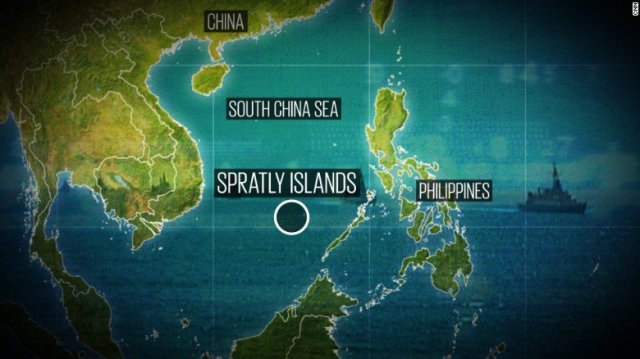
The Spratly Islands – at the heart of the dispute, are a collection of 750 islands, reefs, cays and atolls in the South China Sea. The region is rich in extensive natural gas and oil reserves and is recognized for the fishing opportunities it offers. The islands enjoy a strategic location in Northeast Asia’s most prominent maritime commerce routes; the waterway
facilitates international sea-borne trade worth $5 trillion every year.

It is widely acknowledged that authority over the islands will allow the controlling party unprecedented clout over any and all maritime activity in the region. As such, whoever controls the South China Sea will enjoy a monopoly over resources, commerce, military influence and geopolitical power in the region.

Tensions came to a head in 2014 when China began construction artificial islands in the sea. China has staked a claim over 3000 acres in the region, over the course of the last one-and-a-half years. The figure far outstrips the comparatively paltry 100 acres that have been reclaimed by Malaysia, the Philippines, Taiwan and Vietnam spread over four decades.

U.S. Concerns Over South China Sea ‘Militarization

The United States remains opposed to the South China Sea island building project over the threat it poses to peace and security in the region. The South China Sea has become a severely disputed region, with numerous claimants, and the United States is concerned that any move to further these declarations will escalate hostilities.

Even as the primary players continue to debate the economic and trade repercussions of China establishing control over the entire sea, Washington’s reservations are rooted along security and military lines. The construction of military structures on the islands creates a severe threat to stability in the region an issue that has become a priority matter ever since the proposed use of the South Johnson Reef as a Chinese air base has come to light. Both the United States and Japan have formally expressed reservations over the possibility of China establishing maritime monopoly in the region.

U.S. Calls For ‘Three Halts’

In a bid to stabilize the situation and prevent the militarization of what is primarily a political and diplomatic conflict as yet, the United States has called for all the disputants in the South China Sea issue to observe ‘three halts’:

The stoppage of building infrastructure and islands in the sea. A stop to repossessing and reoccupying different islands in the sea. Desisting from any provocative action that carries the potential to exacerbate the conflict.Washington is committed to helping all the involved actors contain the conflict and solve the same through diplomatic channels.

The Chinese Position

Beijing maintains that China’s activities in the South China Sea fall within the purview of the country’s sovereign territorial rights. Asked to comment on the issue in March 2015, Foreign Ministry Spokesperson Hua Chunying said, “China’s normal construction activities on our own islands and in our own waters are lawful, reasonable and justifiable”.
In the months since, China has offered greater insight into its actions in the region, claiming that the work on the islands was aimed at improving the livings conditions of those already inhabiting the islands. In a statement in April 2015, Ms. Chunying asserted that China has worked on the garrisons on the islands with a view to “Optimizing their functions, improving the living and working conditions of personnel stationed there, better safeguarding territorial sovereignty and maritime rights and interests, as well as better performing China’s international responsibility and obligation in maritime search and rescue, disaster prevention and mitigation, marine science and research, meteorological observation, environmental protection, navigation safety, fishery production service and other areas.”

By way of these explanations, Beijing has sought to establish its historical claim to the islands, stressing the existence of its structures and properties in the region prior to the dispute becoming an international issue. Beijing has also emphasized its intention to use the islands for public benefit, advancement and security.

In the time since, Chinese Foreign Minister Wang Yi, speaking at the recent bilateral talks, has shared that the general situation in the region is stable and that China is ready to work with all the concerned parties vis-a-vis regional peace and stability. Wang has asked that the dispute be resolved peacefully through negotiations and consultations.

International Law And Island Building

Under the United Nations Convention on the Law of the Sea (UNCLOS), countries must abide by the maritime jurisdiction awarded to them as per international law and recognise the rights of other countries over their portions of the world’s oceans. As such, countries cannot lay claims to the islands, marine life, natural resources and trade activities in the waters belonging to another country. The convention also stipulates that submerged entities that cannot sustain human habitation or economic activities will not be recognized as exclusive economic zones. This means that even if China were to establish its claim on the Spratly Islands,it would still control only 12 nautical miles of territorial waters without any exclusive economic privileges over at the same.

Other states in the region have recognized a catch in the aforementioned law: if any of the submerged entities are converted into islands capable of and characterized by human habitation, the UNCLOS stipulations would cease to apply. This realization has served as the primary driving force for the other states’ opposition to China’s construction of manmade islands on submerged bodies in the South China Sea.

The Chinese constructions are also in direct violation of the 2002 Declaration on the Conduct of Parties in the South China Sea. As per the treaty, the signees are to desist from engaging in any actions that carry the potential to escalate tensions amongst them. The agreement parties, of which China is one, have also vowed to refrain.

About the author

Brinda Banerjee is a researcher working on security, armed conflict and military policies.

BRINDA BANERJEE

Brinda Banerjee is a researcher working on security, armed conflict and military policies. She holds a Bachelor’s in Journalism (with Honors), a Master’s in Peace and Conflict Studies and is currently pursuing her Ph.D. in state responses to internal conflict. Brinda writes extensively about current events, conflict resolution and geopolitical dynamics in the modern world.

Copyright © 2015 ValueWalk

RED DRAGON – RED CHINA – DICTATORIAL REGIME. RED CHINA CREATED TERRITORIAL DISPUTES WITH ALL OF HER REGIONAL NEIGHBORS FOR SHE IS EVIL POWER.
Red China Expansionism South China Sea. RED DRAGON – RED CHINA – DICTATORIAL REGIME. RED CHINA CREATED TERRITORIAL DISPUTES WITH ALL OF HER REGIONAL NEIGHBORS FOR SHE IS EVIL POWER.
RED DRAGON – RED CHINA – DICTATORIAL REGIME. RED CHINA CREATED TERRITORIAL DISPUTES WITH ALL OF HER REGIONAL NEIGHBORS FOR SHE IS EVIL POWER.

Whole Tyrant – The Battle of Right against Might

The Evil Red Empire – Red China vs Tibet:

THE  EVIL  RED  EMPIRE  -  RED  CHINA  VS  TIBET :  WHO  DECIDES  THE  RESULTS  OF  A  BATTLE  BETWEEN  RED  CHINA  AND  TIBET ????
Red China vs Tibet: Who decides the results of a battle? The outcome of the fight is not always controlled by the relative military strengths of the opposing parties.

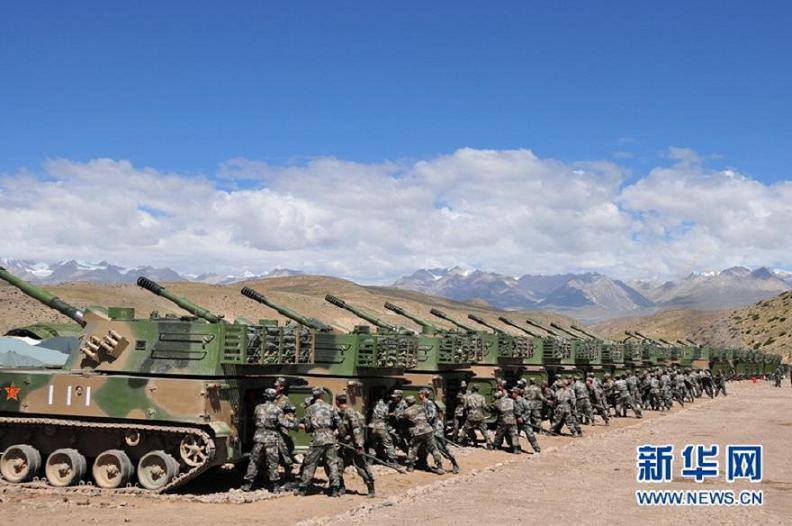
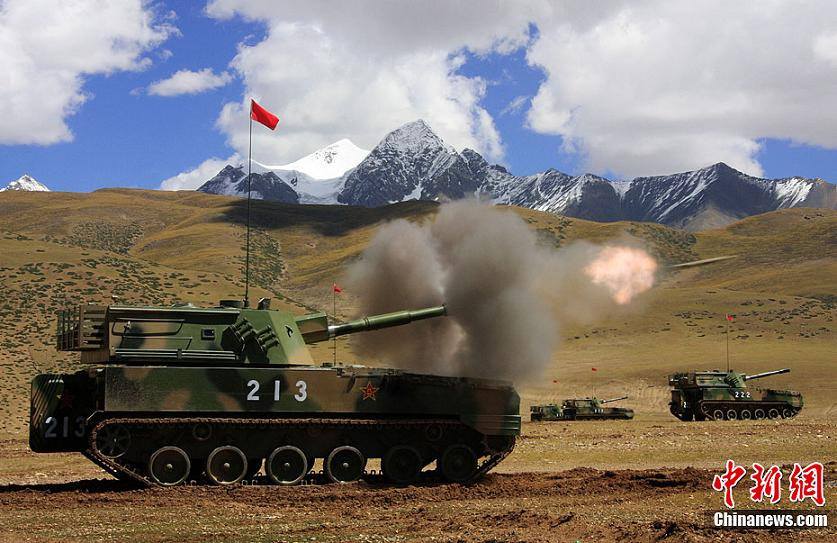
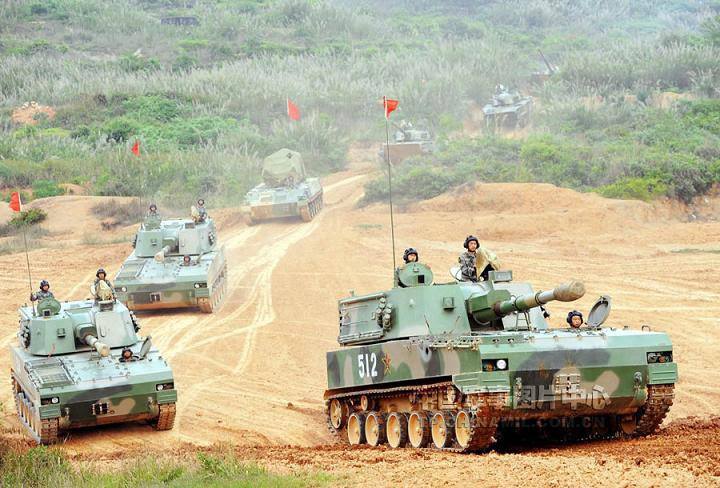
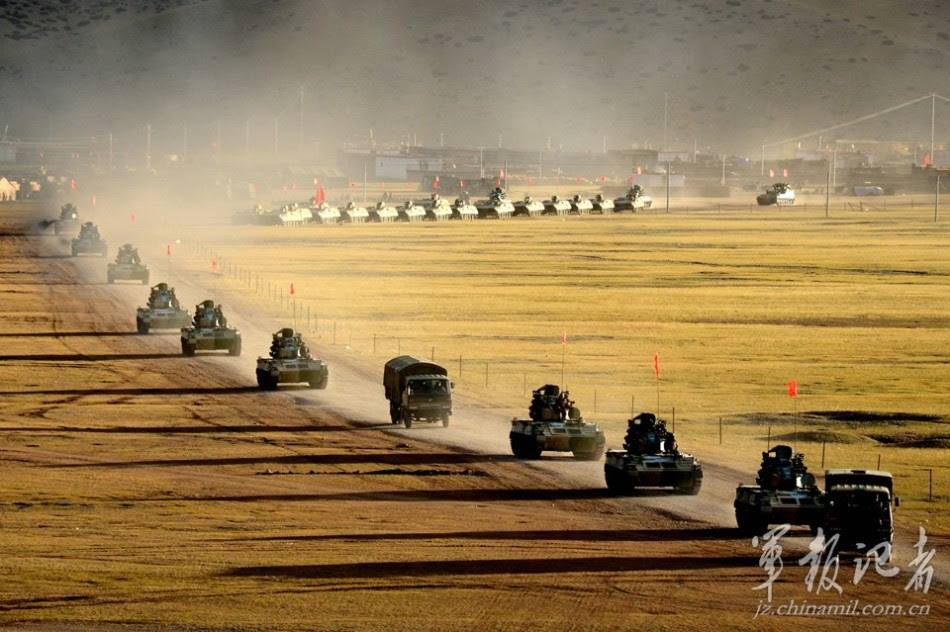
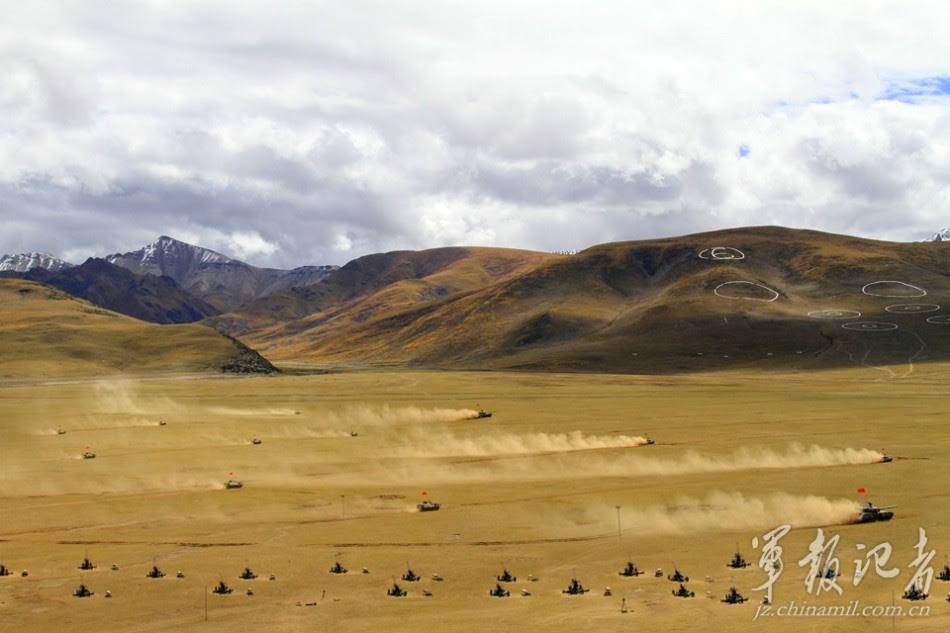
Red China has claimed that it is  expanding  its defense spending to increase its global military reach to defend its economic interests and territorial rights which includes Red China’s claim for territorial rights in Occupied Tibet. People’s Liberation Army maintains an impressive military force in Tibet with which it brutalized and represses people who offer Resistance to Red China’s occupation. Red China rules over Tibet with its Iron Fist.

THE  EVIL  RED  EMPIRE  -  RED  CHINA  VS  TIBET :  WHO  DECIDES  THE  RESULTS  OF  A  BATTLE ????
Red China vs Tibet: Who decides the results of a battle? The outcome of the fight is not always controlled by the relative military strengths of the opposing parties.

Everyday deeds by ordinary folks can break the knuckles of the military grip over Tibet. Who decides the results of a battle? The outcome of the fight is not always controlled by the relative military strengths of the opposing parties.

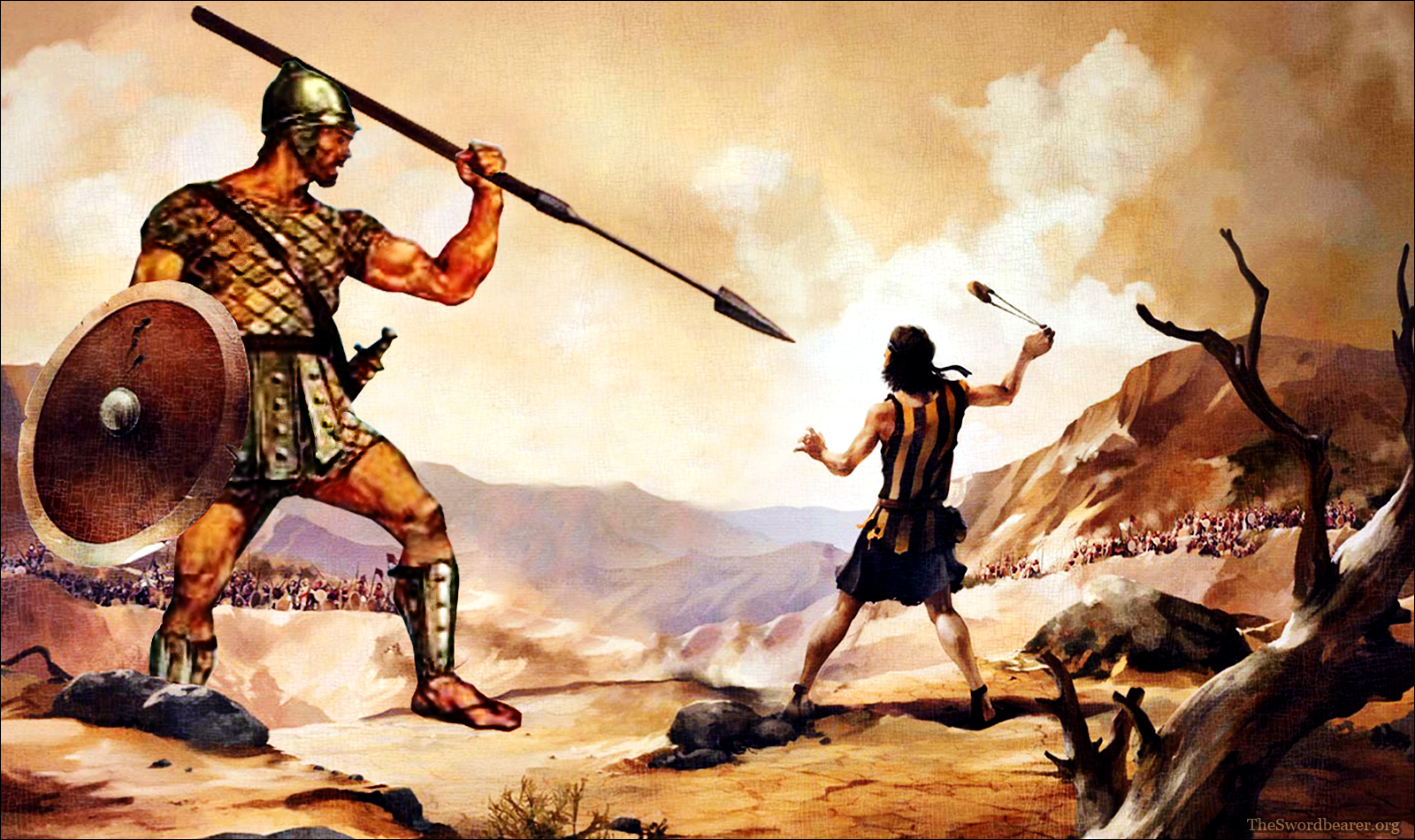
RED CHINA vs TIBET – THE FIGHT BETWEEN DAVID AND GOLIATH:

red china vs tibet david facing goliath
Red China vs Tibet: Who decides the results of a battle? The outcome of the fight is not always controlled by the relative military strengths of the opposing parties.

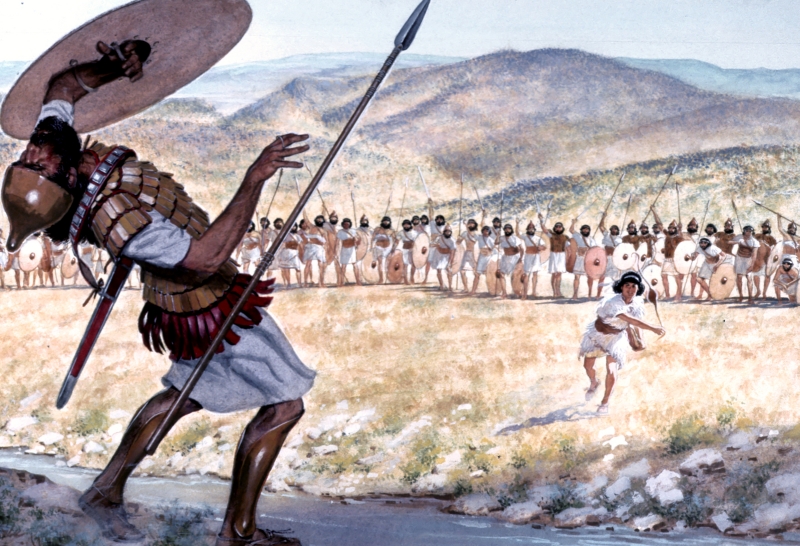
Wars in ancient times were sometimes decided by “representative combat”; Champions from each side would fight, and the results of their combat would determine the battle’s result. People believed the outcome of the fight was controlled by the warriors’ gods more than by the two sides’ military strength.The Old Testament Book of 1 Samuel, Chapter 17 described an interesting fight between David, a young Israeli shepherd and Goliath, a gigantic warrior of the Philistine army. David had no prior experience of warfare but was confident in his God. Whereas Goliath was an experienced soldier and was especially scornful of Israelites who openly proclaimed that they are God’s chosen people.

red china vs tibet david vs goliath
Red China vs Tibet: Who decides the results of a battle? The outcome of the fight is not always controlled by the relative military strengths of the opposing parties.

The Philistines had ventured into Israel’s territory and had taken a firm position on the slope of a hill, with Israel camped on the opposite hill. From the Philistine camp Goliath made daily challenges to personal combat, but after forty days no one accepted his challenge as Israelites were simply terrified and dismayed by the Philistine. Goliath’s size was extraordinary. He was over nine feet (or even over eleven feet) in height. Goliath had a bronze helmet on his head and wore a coat of scale armor of bronze, on his legs he wore bronze greaves, and a bronze javelin was slung on his back. He also held a sword and a spear. For forty days, Goliath came forward every morning and evening and took his stand demanding Israelites to send a soldier to fight him. David had been sent to Israeli camp to deliver some provisions to his three brothers who served as soldiers in Israeli army. When David heard Goliath’s challenge, he made repeated inquires about its meaning. After being told, David agreed to respond to Goliath’s challenge and demand for personal combat without any concern for his lack of war experience.

red china vs tibet david versus goliath
Red China vs Tibet: Who decides the results of a battle? The outcome of the fight is not always controlled by the relative military strengths of the opposing parties.

David took his staff in his hand, chose five smooth stones from the stream, put them in the pouch of his shepherd’s bag and with his sling in hand ,went to face Goliath. He approached him and said to Goliath, “You come against me with sword and spear and javelin, but I come against you in the name of the LORD Almighty, the God of the armies of Israel, whom you have defied…… All those gathered here will know that it is not b sword or spear that the LORD saves; for the battle is LORD’s, and He will give all of you into our hands.” (1 Samuel 17: 45-47)

red china vs tibet david goliath by erikbragalyan
Red China vs Tibet: Who decides the results of a battle? The outcome of the fight is not always controlled by the relative military strengths of the opposing parties.

As Goliath moved closer to attack David, he ran quickly toward the battle line to meet Goliath. David reached into his bag and took out a stone, slung it striking Goliath on his forehead. The stone found its mark, sank into Goliath’s forehead, and Goliath fell facedown on the ground.

red china vs tibet david defeats goliath
Red China vs Tibet: Who decides the results of a battle? The outcome of the fight is not always controlled by the relative military strengths of the opposing parties.

So David triumphed over Goliath with a sling and stone without a sword in his hand; he struck down Goliath and killed him.

red china vs tibet guillaime courtois david goliath
Red China vs Tibet: Who decides the results of a battle? The outcome of the fight is not always controlled by the relative military strengths of the opposing parties.

David took hold of Goliath’s sword and drew it from the scabbard and he cut off his head with the sword.

THE BATTLE OF RIGHT AGAINST MIGHT. Just like David who had defeated the Philistine Champion Goliath, Tibet will prevail in its just battle against the military giant called China.
Red China vs Tibet: Who decides the results of a battle? The outcome of the fight is not always controlled by the relative military strengths of the opposing parties.

In my analysis, David overwhelmed Goliath, taking full advantage of a small portion of Goliath’s huge body to strike it at a most vulnerable spot in a very precisely executed attack.

Whole Dude-Whole Satyagraha: MAHATMA GANDHI'S APPEAL FOR SYMPATHY FOR HIS BATTLE - A STRUGGLE FOR JUSTICE
Red China vs Tibet: Who decides the results of a battle? The outcome of the fight is not always controlled by the relative military strengths of the opposing parties.

I am not concerned about the religious beliefs of people who fight on behalf of Tibet or those of Red China. I visualize this as a ‘Battle of Right Against Might’. Military occupation of Tibet is illegal, unjust, and it reveals the evil intent of Red China. For Red China’s actions are evil, Red China has no choice other than that of experiencing the fruits of their own actions. For that reason, I predict that Beijing Is Doomed. Red China will come down, its downfall will be sudden and very quick as mentioned in The New Testament Book Revelation Chapter 18, Verse 21.

THE  EVIL  RED  EMPIRE  -  RED  CHINA  VS  TIBET :  BEIJING  IS  DOOMED .
Red China vs Tibet: Who decides the results of a battle? The outcome of the fight is not always controlled by the relative military strengths of the opposing parties.

CHINESE MILITARY SETS COURSE TO EXPAND GLOBAL REACH AS ‘NATIONAL INTERESTS’ GROW

The Washington Post

Simon Denyer

THE  EVIL  RED  EMPIRE  -  RED  CHINA  VS  TIBET :
Red China vs Tibet: Who decides the results of a battle? The outcome of the fight is not always controlled by the relative military strengths of the opposing parties.

© Bao Xuelin/Xinua via AP In this photo released Sunday
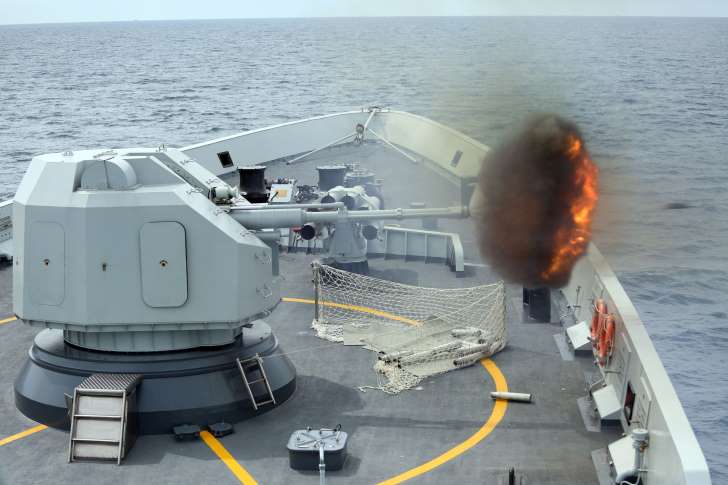
by China’s Xinhua News Agency, an anti-surface gunnery is fired from China’s Navy missile frigate Yulin during the “Exercise Maritime Cooperation 2015” by Singapore and Chinese navies in the South China Sea.

BEIJING — China said Tuesday that it plans to extend its global military reach to safeguard its economic interests, while defending its territorial claims at sea against “provocative actions” by neighbors and “meddling” by the United States.

A policy document setting out China’s military strategy, issued by the State Council, or cabinet, underlined the dramatic growth of the country’s defense ambitions — especially its naval ambitions — in tandem with its rapid economic rise.

Beijing insisted in the document that its military is dedicated to
“international security cooperation” and peaceful development. But it also said the navy will expand its focus from “offshore waters defense” to a greater emphasis on “open seas protection” as China aims to establish itself as a maritime power. The air force, meanwhile, will shift its focus from “territorial
air defense to both defense and offense.”

Patrick Cronin, director of the Asia-Pacific Security Program at the Center for a New American Security, called the white ­paper ­“a blueprint for achieving ­slow-motion regional hegemony.”

“It asserts a confidence backed by growing capability on land and
increasingly at sea,” he said. “While it calls for balancing China’s territorial ‘rights’ with ‘stability,’ there should be little doubt on the part of its neighbors that China is building a maritime force to assert the former.”

China’s officially disclosed defense budget was expanded by just over 10 percent this year, to $141 billion, marking two decades of nearly unbroken double-digit growth. The navy is reportedly
building a second aircraft carrier and has invested heavily in submarines and warships.

“China has made it a strategic goal to become a maritime power,” Senior Col. Wang Jin said at a news conference Tuesday. “Therefore, we need to build a strong navy.”

He added that the development of long-range precision weapons means that the battlefield at sea is widening. “Offshore-waters defense alone can no longer provide effective defense of the country’s maritime interests,” he said.

In Washington, State Department spokesman Jeff Rathke said the administration was aware of the paper and continued to monitor China’s military developments carefully. “We also continue to urge China to exhibit greater transparency with respect to its capabilities and to its intentions,” he said.

According to a Pentagon report released this month, China is developing missiles designed to “push adversary forces — including the United States — farther from potential regional
conflicts.”

The Chinese military is mainly focused on readying for possible conflict in the Taiwan Strait but also is investing to prepare for “contingencies” in the East China Sea and the South China Sea, where it is engaged in several territorial disputes, the Pentagon report said.

Chinese officials say that the country’s declared annual defense spending is significantly below the global average when compared with the size of its economy. Its actual defense spending is almost certainly higher than the declared number but is still far lower than the Pentagon’s fiscal 2015 budget of $560
billion, experts say.

In a move welcomed by other nations, China sent a 700-strong peacekeeping force in December to South Sudan, where it has extensive oil interests, marking the first time it has sent an infantry battalion on a U.N. mission.

Beijing also is negotiating with the strategic port nation of Djibouti to open a military base there to support anti-piracy naval escort missions in the Gulf of Aden and off the coast of Somalia, the Agence France-Presse news agency reported this month. The United States and France already have a military presence in the tiny Horn of Africa country.

Mapping Asia’s Chinese fears

“With the growth of China’s national interests, the security of our overseas energy and resources, strategic sea lines of communication and the safety of our overseas institutions, personnel and assets have become prominent issues,”
Senior Col. Zhang Yuguo said at Tuesday’s news conference.

Zhang added, however, a note of outreach apparently aimed at the United States and other countries watching China’s military growth. “China will never seek hegemony or divide up spheres of power, nor will it engage in military alliances or expansion,” he said.

In addition to rattling its neighbors, China’s military growth has set the nation on a possible collision course with the United States.

This year in particular, the Obama administration has repeatedly condemned a program of rapid land reclamation and construction on disputed islands and reefs in the South China Sea.
A U.S. surveillance plane was warned to leave the area by the Chinese navy last week, while Beijing lodged a formal diplomatic complaint.

Senior Col. Yang Yujun, a Defense Ministry spokesman, on Tuesday likened China’s construction activities on the islands to “everyday actions” such as the building of houses, roads and bridges. But he acknowledged that the facilities being constructed, including an airstrip and radar stations, will have both military and civilian uses.

[Chinese warships could one day outnumber U.S. fleet]

Rathke, the State Department spokesman, said the United States took a different view, saying that China’s land reclamation efforts in the South China Sea have “contributed . . . to rising tensions” and suggesting that other countries in the region share that view.

Yang said that the Chinese military was responding to increasingly frequent surveillance flights in a “legal and professional manner” but that the issue was being hyped up to “throw mud” at China.

“There’s no ruling out the possibility that some country is seeking an excuse for its potential action in the future,” he said. “I don’t think this is a new trick. It’s an old trick.”

On Monday, the state-owned tabloid the Global Times warned that battle is “inevitable” if the United States tries to prevent China from finishing its reclamation and construction work. It said the risks would be “still under control” if Washington accepts China’s peaceful rise.

Although not necessarily fully reflecting official thinking, the editorial shows China’s determination to continue its projects in the South China Sea.

Yang said Sino-U.S. relations are generally good and noted that both
militaries have signed agreements to govern air and maritime encounters and prevent crises.

But the policy paper expressed concern about the United States’
“ ‘rebalancing’ strategy,” which has led China to enhance its military presence and strengthen military alliances in the Asia-Pacific region and worry about more assertive military and security policies in Japan. It accused China’s neighbors of provocative actions by reinforcing their military presence on “China’s reefs and islands that they have illegally occupied.”

“Some external countries are also busy meddling in South China Sea affairs,” it said, adding in a clear reference to the United States: “A tiny few maintain constant close-in air and sea surveillance and reconnaissance against China.”

Philippines President Benigno Aquino III was quoted as saying Monday that his nation will continue flying over disputed islands
in the South China Sea, while Defense Minister Voltaire Gazmin said he was seeking a “stronger
commitment” from the United States to help its ally, according to news agency reports.

China responded angrily.

“I would like to remind the Philippines that China will not bully small
countries, but small countries must not ceaselessly and willfully make trouble,”
Foreign Ministry spokeswoman Hua Chunying said at a news conference. “We hope the Philippines can cease its instigation and provocation and return to the correct path of resolving the problem through negotiation and consultation.”

On Tuesday, state media reported that China had held a groundbreaking ceremony for the building of two lighthouses on the disputed Spratly Islands, a move that Hua said was meant to fulfill the nation’s international obligations but that is unlikely to ease concerns about Beijing’s expanding influence.

The military strategy paper also outlined threats emanating from instability on the Korean Peninsula, from separatist forces in its western regions of Tibet and Xinjiang and from forces attempting to instigate a “color revolution” to overthrow the Communist Party.
It also noted growing threats in outer space and cyberspace.

Xu Yangjingjing in Beijing and Dan Lamothe in Washington contributed to this report.

Red China vs Tibet: Who decides the results of a battle? The outcome of the fight is not always controlled by the relative military strengths of the opposing parties.

Whole Evil – Red China’s Nuclear Expansionism

The Evil Red Empire – Red China’s Nuclear Expansionism

Mao Zedong proclaims the founding of the People's Republic of China in Beijing on Oct. 1, 1949. HE  WAS  ENRAGED  BY  MOSCOW'S  DECISION  TO  SUSPEND ASSISTANCE  TO  RED  CHINA'S  NUCLEAR  PROGRAM  ON  JUNE 20, 1959. FROM  THAT  TIME  RED  CHINA  PURSUED  A  VERY  AMBITIOUS  NUCLEAR  POLICY  TO  COMPETE  AGAINST  UNITED  STATES  AND  SOVIET  UNION .
Whole Evil – Red China’s Nuclear Expansionism: MAO ZEDONG PROCLAIMS THE BIRTH OF PEOPLE’S REPUBLIC OF CHINA ON OCTOBER 01,1949.  HE WAS ENRAGED BY MOSCOW’S DECISION TO SUSPEND ASSISTANCE TO RED CHINA’S NUCLEAR PROGRAM ON JUNE 20, 1959. FROM THAT TIME RED CHINA PURSUED A VERY AMBITIOUS NUCLEAR POLICY TO COMPETE AGAINST UNITED STATES AND SOVIET UNION .
THE  EVIL  RED  EMPIRE  -  NUCLEAR  EXPANSIONISM :  RED  CHINA  CONDUCTED  ITS  FIRST  NUCLEAR  TEST  ON  OCTOBER 16,  1964  AT  LOP  NOR,  INSIDE  OCCUPIED  TIBET .  FROM  THAT  TIME  SPECIAL  FRONTIER  FORCE  STARTED  MONITORING  RED  CHINA'S  NUCLEAR  ACTIVITIES  INSIDE  TIBET .
THE EVIL RED EMPIRE – NUCLEAR EXPANSIONISM: RED CHINA CONDUCTED ITS FIRST NUCLEAR TEST ON OCTOBER 16, 1964 AT LOP NOR, INSIDE OCCUPIED TIBET . FROM THAT TIME SPECIAL FRONTIER FORCE STARTED MONITORING RED CHINA’S NUCLEAR ACTIVITIES INSIDE TIBET .

The US Department of Defense in its annual report of 2015 informed the US Congress on Red China’s nuclear capabilities apart from its advances in conducting conventional warfare. Special Frontier Force has been assisting US in monitoring Red China’s nuclear activities after it conducted its first Nuclear Test on October 16, 1964 at Lop Nor, inside Occupied Tibet. It is the only site Red China uses for its nuclear tests. It is important to remember that US President John F. Kennedy and Soviet Premier Nikita Khrushchev agreed for the first Limited or Partial Nuclear Test Ban Treaty during 1963. Since that time United States is making a steady progress on Nuclear Disarmament issue with full cooperation from the Soviet Union and later Russia.

THE EVIL RED EMPIRE -  NUCLEAR  EXPANSIONISM -  NUCLEAR  STRATEGY .
THE EVIL RED EMPIRE – NUCLEAR EXPANSIONISM – NUCLEAR STRATEGY. RED CHINA DEVELOPED AND DEPLOYED A VARIETY OF BALLISTIC MISSILES THAT CAN EASILY TARGET MOST PLACES IN THE UNITED STATES.

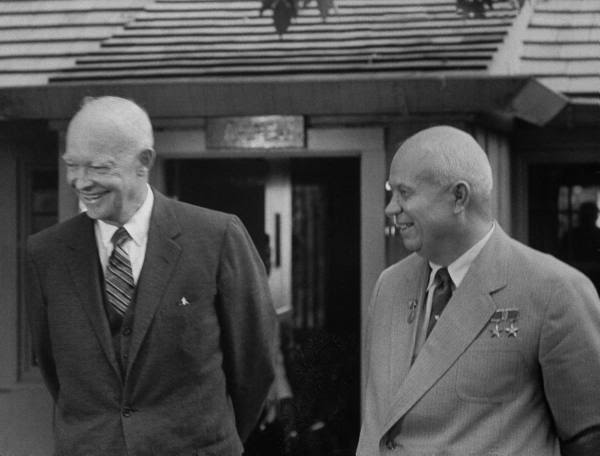
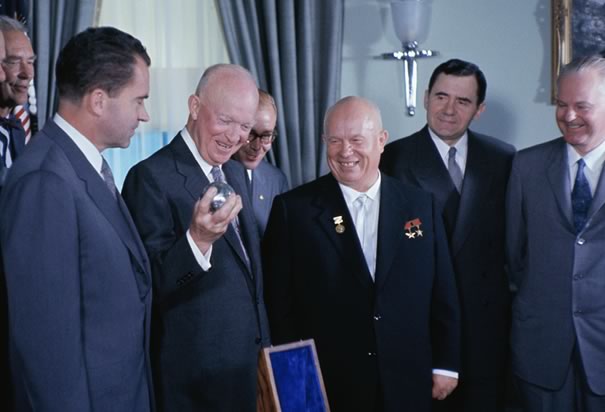
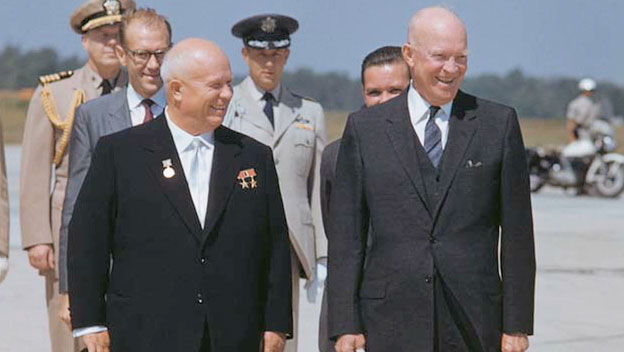
I ask my readers to recognize the role played by Soviet Premier Nikita Sergeyevich Khrushchev(April 17, 1894 to September 11, 1971) in curbing Red China’s nuclear ambitions. Khrushchev was the USSR Communist Party Secretary from 1956 and its Premier from 1958 to 1964. In 1956, in the 20th Communist Party Congress, he gave his famous six-hour “Secret Speech” denouncing “The Crimes of the Stalin Era.” After the US, Britain, France, and Soviet Union Geneva Summit Conference in July 1955, he formulated a policy of “Peaceful Coexistence” with the West. He traveled to the US in 1959 and 1960. He stopped assisting Red China’s Nuclear Program on 20 June 1959. His insistence on “Peaceful Coexistence” with the West contributed to a rupture with Red China’s Mao Tse-Tung or Mao Zedong. Khrushchev eased relations with the West but antagonized Red China. Nixon-Kissinger took advantage of this Sino-Soviet Split to formulate US-China Relations without any concern for Red China’s Nuclear ambitions. United States and Soviet Union held Strategic Arms Limitation Talks from 1969 to 1972 (SALT I), Strategic Arms Limitation Talks from 1972 to 1979 (SALT II), Strategic Arms Reduction Talks (START) from 1982, signed several treaties in 1972, 1987, 1991, 1993 and more recently in April 2010.

While US and Russia continue to make progress in reducing strategic offensive arms, Red China rapidly pursued a Nuclear Expansionism Policy to strengthen its nuclear offensive capabilities and to establish itself as a global superpower that can seriously challenge the US supremacy in both conventional and nuclear warfare. Nixon-Kissinger initiative to befriend Red China during 1970-72 has totally compromised the US Nuclear Strategy, a costly mistake that the US would regret forever. United States has underestimated the nature of Red China’s Imperialism.

Pentagon report: Chinese ballistic missiles can target nearly the entirety of the US

By Jeremy Bender

China now has dozens of nuclear-capable missiles that could target almost the entirety of the US, according to the Department of Defense’s 2015 report on the Chinese military.

The annual report to Congress focuses on China’s military modernization, possible invasion plans for the self-governing and US-allied island of Taiwan, advances in space technology, and Beijing’s rapidly advancing missile capabilities.

China’s conventional capabilities are improving. But Beijing also now has what could be considered the ultimate military asset for a rising superpower: the ability to deliver nuclear warheads nearly anywhere on earth (outside of South America, at least).

The following map from the report highlights the maximum missile ranges of China’s medium and intercontinental ballistic missiles (ICBMs). The longest-ranging of the missiles, the CSS-4, can target almost the entirety of the US (except for Florida).

THE EVIL RED EMPIRE -  NUCLEAR  EXPANSIONISM -  NUCLEAR  STRATEGY .
THE EVIL RED EMPIRE – NUCLEAR EXPANSIONISM – NUCLEAR STRATEGY. RED CHINA DEVELOPED AND DEPLOYED A VARIETY OF BALLISTIC MISSILES THAT CAN EASILY TARGET MOST PLACES IN THE UNITED STATES.

(Screenshot/Department of Defense)

The CSS-4 has the largest range of any Chinese ICBM. The missile is nuclear-capable, according to the DoD report, and is housed in silos across the Chinese countryside. Beijing is estimated to have between 50 and 60 silo-based ICBMs.

The DF-31A has the second-longest range of any Chinese missile. It is capable of hitting the majority of the US’ Pacific coast in addition to portions of the mid-West. Unlike the CSS-4, the DF-31A is a road-mobile missile. This means Beijing can move the ICBM to various points throughout the country to better target various locations and avoid possible incoming strikes.

The DF-31, the CSS-3, and the CSS-5 are all also road-mobile and nuclear-capable. But unlike the CSS-4 or the DF-31A, these missiles are intended for regional deterrence against neighboring powers like Russia and India.

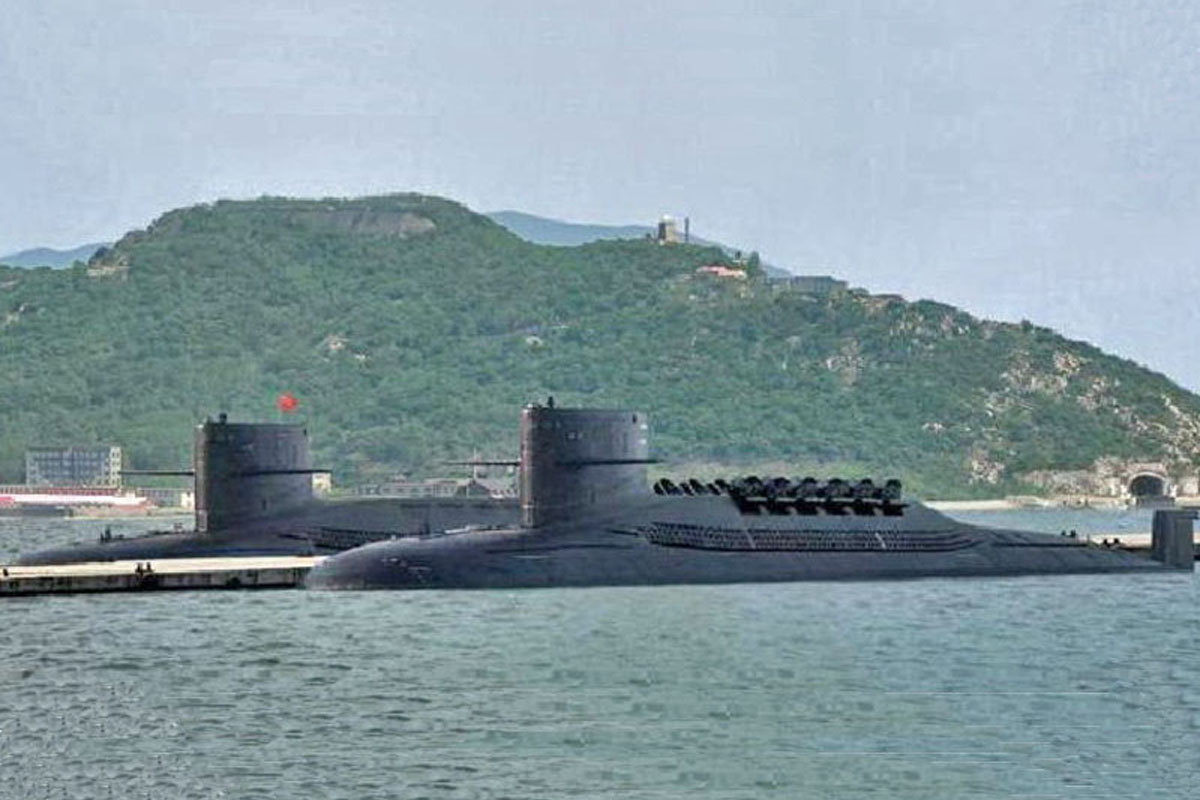
Unlike the other land-based missiles on the chart, the JL-2 is a sea-based nuclear-capable ballistic missile. According to the DoD, the JL-2 will be carried by China’s future JIN-class ballistic missile submarine as a nuclear deterrent. So far China has commissioned four JIN-class submarines with a fifth one under construction. The Pentagon report expects the JIN to begin patrols in 2015.

the evil red empire nuclear submarine 2009 plan type094 02
THE EVIL RED EMPIRE –  JL-2  IS  A  SEA-BASED  NUCLEAR-CAPABLE  BALLISTIC MISSILE CARRIED BY RED CHINA’S JIN-CLASS  BALLISTIC MISSILE SUBMARINE.

(Navy Office of Legislative Affairs) A Chinese JIN-class submarine

The improvement in China’s nuclear deterrent has been spurred by developments in countries that China might consider to be its strategic competitors.

China modernized its missile forces because of “continued advances in the US and, to a lesser extent, Russian strategic ISR [Intelligence, surveillance and reconnaissance], precision strike, and missile defense capabilities,” the report notes.

Likewise, India’s own nuclear force has put pressure on China to continuously update and better its own capabilities.

Red China’s Nuclear Expansionism since 1964 while the US and the Soviets/Russia were engaged in Arms Control Negotiations:  

I included photo images of historical progress being made by US and Soviet Union to reduce nuclear tensions by limiting offensive nuclear weapons and limiting antiballistic missiles.

THE  EVIL  RED  EMPIRE - NUCLEAR  EXPANSIONISM -  DURING  COLD  WAR  ERA,  BOTH  THE  US  AND  SOVIET  UNION  TRIED  TO  REDUCE  TNSIONS .  JULY 1955 GENEVA  CONFERENCE . LEFT  TO  RIGHT: SOVIET  PREMIER NIKOLAI  BULGANIN, US  PRESUDENT  DWIGHT  EISENHOWER,  FRENCH  PRIME  MINISTER  EDGAR  FAURE, AND  BRITISH  PRIME  MINISTER  SIR  ANTHONY  EDEN .
THE EVIL RED EMPIRE – NUCLEAR EXPANSIONISM – DURING COLD WAR ERA, BOTH THE US AND SOVIET UNION TRIED TO REDUCE TENSIONS. JULY 1955 GENEVA CONFERENCE. LEFT TO RIGHT: SOVIET PREMIER NIKOLAI BULGANIN, US PRESIDENT DWIGHT EISENHOWER, FRENCH PRIME MINISTER EDGAR FAURE, AND BRITISH PRIME MINISTER SIR ANTHONY EDEN.
THE  EVIL  RED  EMPIRE  -  NUCLEAR  EXPANSIONISM :  SOVIET  PREMIER  KHRUSHCHEV  VISITED  THE  US  IN  SEPTEMBER  1959.
THE EVIL RED EMPIRE – NUCLEAR EXPANSIONISM: SOVIET PREMIER KHRUSHCHEV VISITED THE US IN SEPTEMBER 1959.
THE  EVIL  RED  EMPIRE  -  NUCLEAR  EXPANSIONISM :  MAO  ZEDONG  OF  RED  CHINA  CRITICIZED  PREMIER  KHRUSHCHEV  AS  A  "PSALM-SINGING  BUFFOON"  WHO  UNDERESTIMATED  THE  NATURE  OF  WESTERN  IMPERIALISM .
THE EVIL RED EMPIRE – NUCLEAR EXPANSIONISM: MAO ZEDONG OF RED CHINA CRITICIZED PREMIER KHRUSHCHEV AS A “PSALM-SINGING BUFFOON” WHO UNDERESTIMATED THE NATURE OF WESTERN IMPERIALISM.
THE  EVIL  RED  EMPIRE  -  NUCLEAR  EXPANSIONISM :  RED  CHINA'S  MAO  ZEDONG  CRITICIZED  KHRUSHCHEV'S  POLICY  OF  PEACEFUL  COEXISTENCE . KHRUSHCHEV  VISITED  THE  US  IN  1959 .
THE EVIL RED EMPIRE – NUCLEAR EXPANSIONISM: RED CHINA’S MAO ZEDONG CRITICIZED KHRUSHCHEV’S POLICY OF PEACEFUL COEXISTENCE. KHRUSHCHEV VISITED THE US IN 1959.
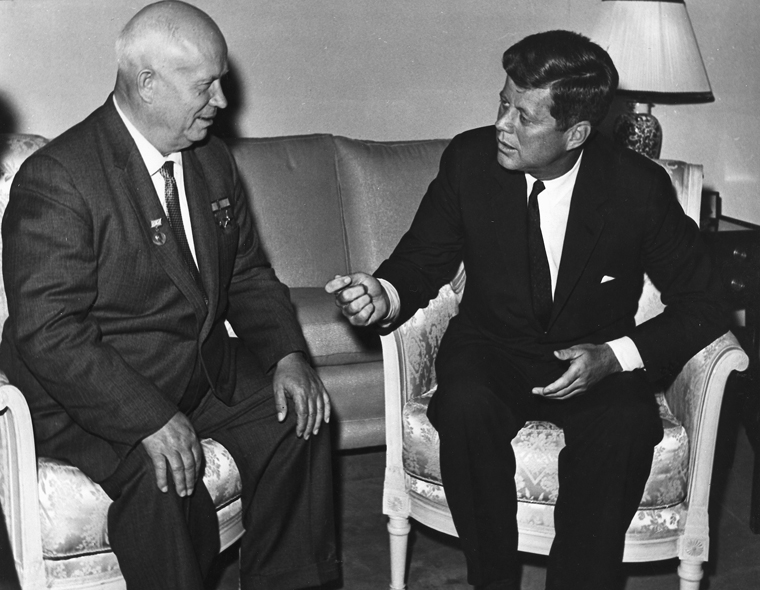
03 June 1961  President Kennedy meets with Chairman Khrushchev at the U. S. Embassy residence, Vienna. U. S. Dept. of State photograph in the John Fitzgerald Kennedy Library, Boston.
Whole Evil – Red China’s Nuclear Expansionism: 03 June 1961 President Kennedy meets with Chairman Khrushchev at the U. S. Embassy residence, Vienna. U.S. Dept. of State photograph in the John Fitzgerald Kennedy Library, Boston.
the evil red empire the expansionist . RED CHINA'S  NUCLEAR  EXPANSIONISM .
THE EVIL RED EMPIRE –  RED CHINA’S NUCLEAR EXPANSIONISM WAS  INITIALLY SUPPORTED BY THE SOVIET UNION UNTIL 1959. SINO-SOVIET RELATIONS BECAME SOUR AFTER JUNE 1959 WHEN SOVIETS SUSPENDED NUCLEAR ASSISTANCE.
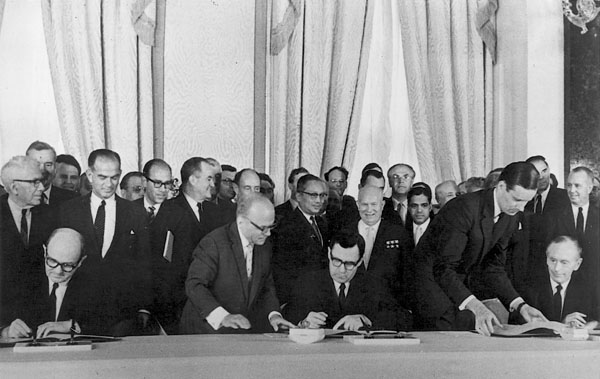
THE  EVIL  RED  EMPIRE  -  NUCLEAR  EXPANSIONISM :  ON  AUGUST 05,  1963,  IN  MOSCOW,  THE  US  AND  SOVIET  UNION  SIGNED  THE  LIMITED  NUCLEAR  TEST  BAN  TREATY .
THE EVIL RED EMPIRE – NUCLEAR EXPANSIONISM: ON AUGUST 05, 1963, IN MOSCOW, THE US AND SOVIET UNION SIGNED THE LIMITED NUCLEAR TEST BAN TREATY.
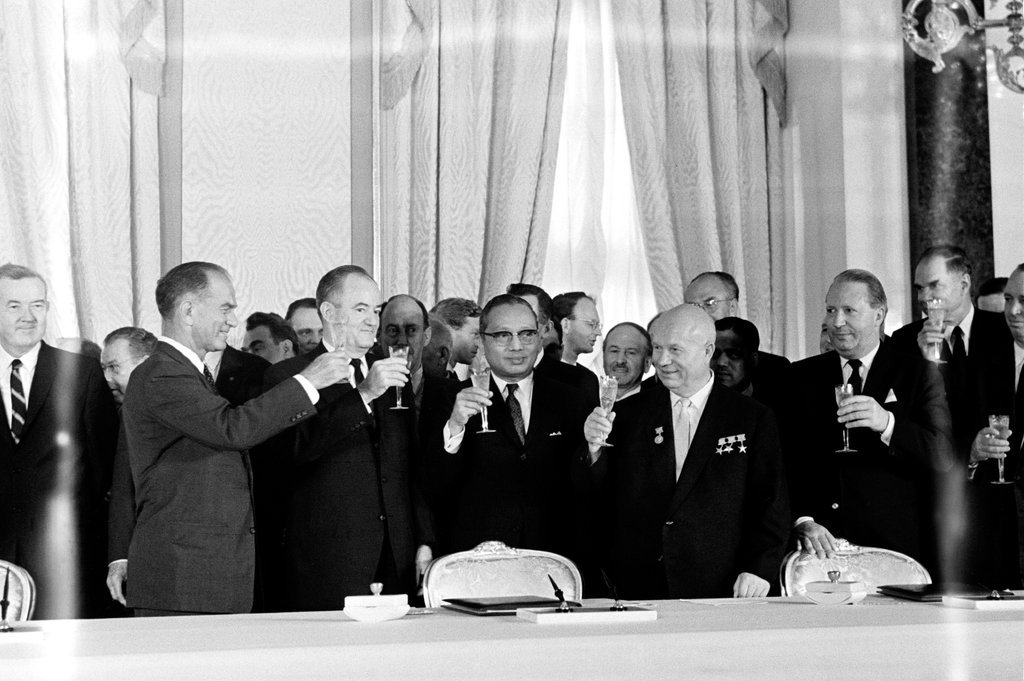
MOSCOW, SOVIET UNION AUGUST   05, 1963 .  THE  CELEBRATION  FOLLOWING  THE  SIGNING  OF  LIMITED  OR  PARTIAL  NUCLEAR  TEST  BAN  TREATY .
Whole Evil – Red China’s Nuclear Expansionism: MOSCOW, SOVIET UNION AUGUST 05, 1963. THE CELEBRATION FOLLOWING THE SIGNING OF LIMITED OR PARTIAL NUCLEAR TEST BAN TREATY.
WASHINGTON  D. C.  US  PRESIDENT  JOHN  F  KENNEDY  SIGNS  THE  LIMITED  OR  PARTIAL  NUCLEAR  TEST  BAN  TREATY  IN  OCTOBER ,  1963  AFTER  THE  US  SENATE  RATIFIED  THE  TREAT  BEGINNING  A  NEW  ERA  IN  NUCLEAR  DISARMAMENT  IN  WHICH  RED  CHINA  REFUSES  TO  PARTICIPATE .
Whole Evil – Red China’s Nuclear Expansionism: WASHINGTON D. C. US PRESIDENT JOHN F KENNEDY SIGNS THE LIMITED OR PARTIAL NUCLEAR TEST BAN TREATY IN OCTOBER, 1963 AFTER THE US SENATE RATIFIED THE TREAT BEGINNING A NEW ERA IN NUCLEAR DISARMAMENT IN WHICH RED CHINA REFUSES TO PARTICIPATE.
THE  EVIL  RED  EMPIRE  -  NUCLEAR  EXPANSIONISM :  JULY  01, 1968.  AT  LANCASTER  HOUSE, LONDON, BRITISH  FOREIGN  SECRETARY  SIGNS  THE NUCLEAR  NON-PROLIFERATION  TREATY  WITH  SOVIET(LEFT),  AND  THE  US(RIGHT) AMBASSADORS  .
THE EVIL RED EMPIRE – NUCLEAR EXPANSIONISM: JULY 01, 1968. AT LANCASTER HOUSE, LONDON, BRITISH FOREIGN SECRETARY SIGNS THE NUCLEAR NON-PROLIFERATION TREATY WITH SOVIET (LEFT), AND THE US (RIGHT) AMBASSADORS .
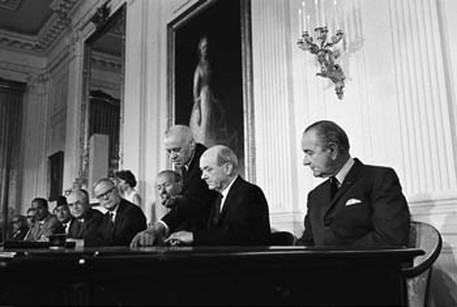
THE  EVIL  RED  EMPIRE -  NUCLEAR  EXPANSIONISM : US  SECRETARY  OF  STATE  DEAN  RUSK  AND  US  PRESIDENT  LYNDON B.  JOHNSON  AT  THE  SIGNING  OF  NUCLEAR  NON-PROLIFERATION  TREATY  ON  JULY 01,  1968 .
THE EVIL RED EMPIRE – NUCLEAR EXPANSIONISM: US SECRETARY OF STATE DEAN RUSK AND US PRESIDENT LYNDON B. JOHNSON AT THE SIGNING OF NUCLEAR NON-PROLIFERATION TREATY ON JULY 01, 1968 .
THE  EVIL  RED  EMPIRE  -  NUCLEAR  EXPANSIONISM :  US  PRESIDENT  BEFRIENDED  MAO  ZEDONG  BEFORE  MAKING  THIS  HISTORIC  TRIP  TO  MOSCOW  ON  MAY  24,  1972  WHEN  HE  SIGNED  STRATEGIC  ARMS  LIMITATION - SALT I  TREATY  WITH  SOVIET  PREMIER  ALEXI  KOSYGIN .
THE EVIL RED EMPIRE – NUCLEAR EXPANSIONISM: US PRESIDENT BEFRIENDED MAO ZEDONG BEFORE MAKING THIS HISTORIC TRIP TO MOSCOW ON MAY 24,1972 WHEN HE SIGNED STRATEGIC ARMS LIMITATION – SALT I TREATY WITH SOVIET PREMIER ALEXI KOSYGIN .
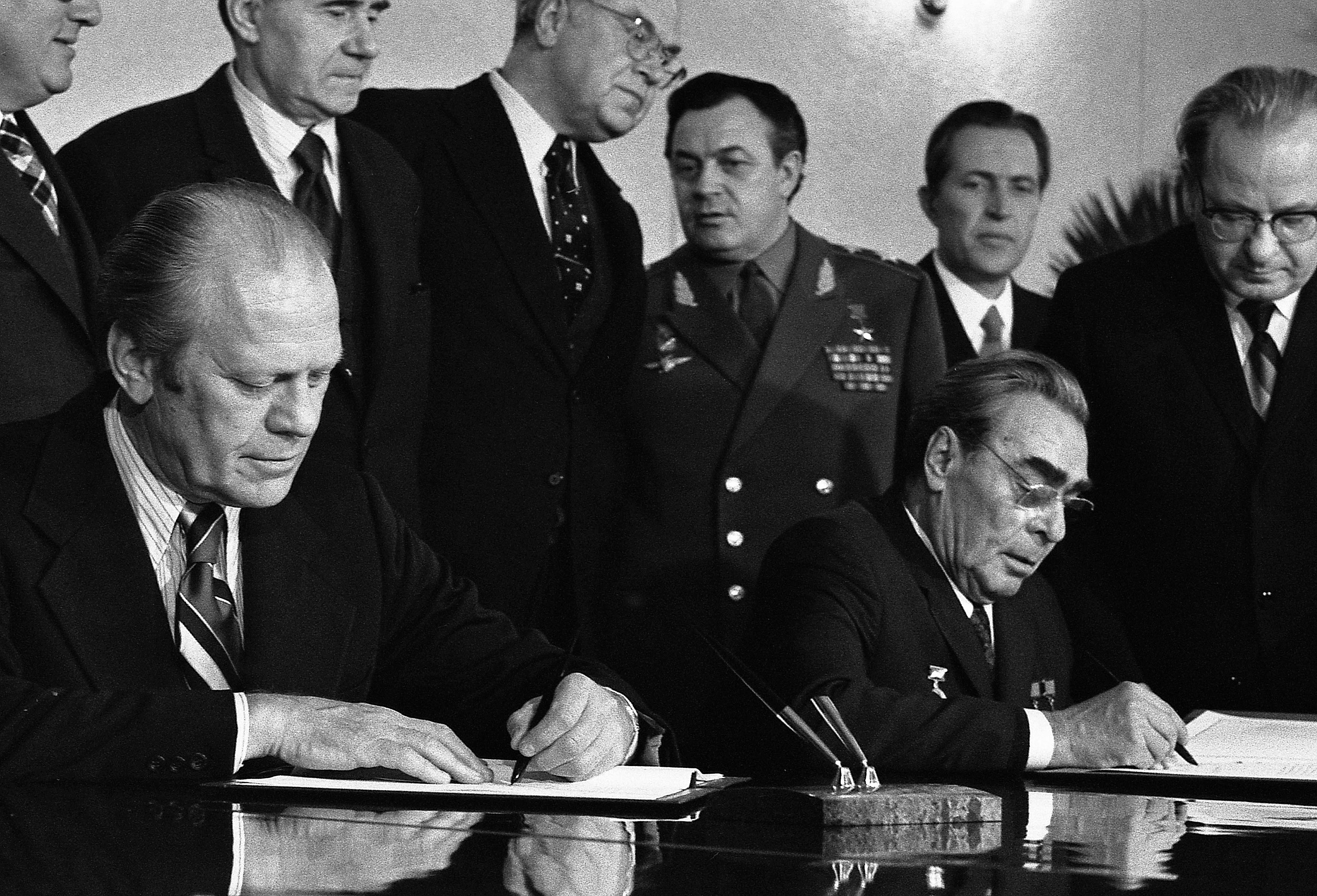
THE  EVIL  RED  EMPIRE  -  NUCLEAR  EXPANSIONISM :  RED  CHINA  EXPANDED  HER  NUCLEAR  CAPABILITIES  WHILE  THE US  AND  THE  SOVIETS  CONSTANTLY  ENGAGED  IN  STRATEGIC  ARMS  LIMITATION  TALKS .  US  PRESIDENT  HENRY  FORD  AND  SOVIET  PREMIER  LEONID  BREZHNEV  SIGNING TREATY  ON  NOVEMBER 24, 1974 .
THE EVIL RED EMPIRE – NUCLEAR EXPANSIONISM: RED CHINA EXPANDED HER NUCLEAR CAPABILITIES WHILE THE US AND THE SOVIETS CONSTANTLY ENGAGED IN STRATEGIC ARMS LIMITATION TALKS. US PRESIDENT HENRY FORD AND SOVIET PREMIER LEONID BREZHNEV SIGNING TREATY ON NOVEMBER 24, 1974 .
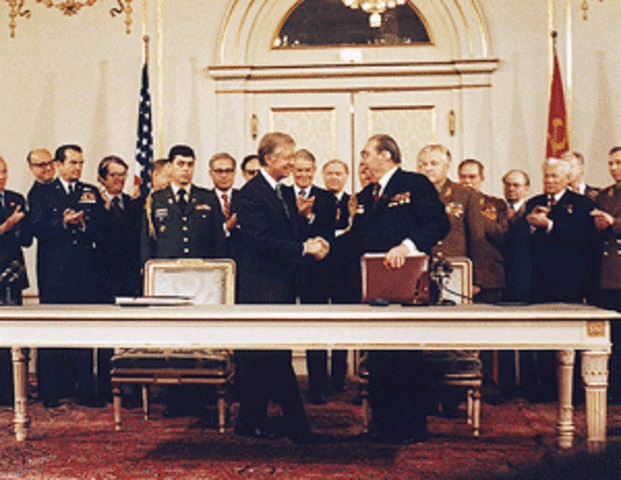
THE  EVIL  RED  EMPIRE  -  NUCLEAR  EXPANSIONISM :  STRATEGIC ARMS LIMITATION TALKS -  SALT II  ON  JUNE  16, 1979. US  PRESIDENT  JIMMY  CARTER  AND  SOVIET  PREMIER  LEONID  BREZHNEV .
THE EVIL RED EMPIRE – NUCLEAR EXPANSIONISM: STRATEGIC ARMS LIMITATION TALKS – SALT II ON JUNE 16, 1979. US PRESIDENT JIMMY CARTER AND SOVIET PREMIER LEONID BREZHNEV .
18 Jun 1979, Vienna, Austria     Soviet President Leonid Brezhnev  and US President Jimmy Carter meet in Vienna to negotiate the strategic arms limitation treaty (SALT II), June 18, 1979.     Image by © CORBIS
Whole Evil – Red China’s Nuclear Expansionism: 18 Jun 1979, Vienna, Austria Soviet President Leonid Brezhnev and US President Jimmy Carter meet in Vienna to negotiate the strategic arms limitation treaty (SALT II), June 18, 1979. Image by © CORBIS
the evil red empire reagan gorbachev 1987
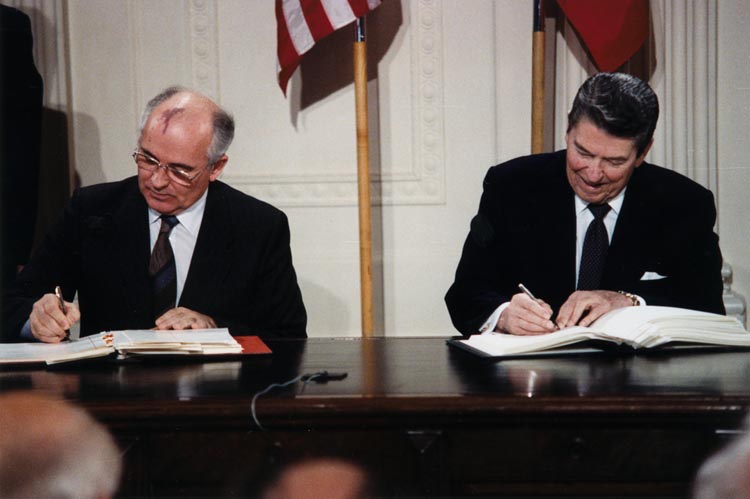
THE EVIL RED EMPIRE – NUCLEAR EXPANSIONISM: US  PRESIDENT Ronald Reagan and Soviet President Gorbachev 1987. INTERMEDIATE-RANGE NUCLEAR FORCES (INF) TREATY SIGNED ON DECEMBER 10, 1987. STRATEGIC ARMS REDUCTION TALKS (START).
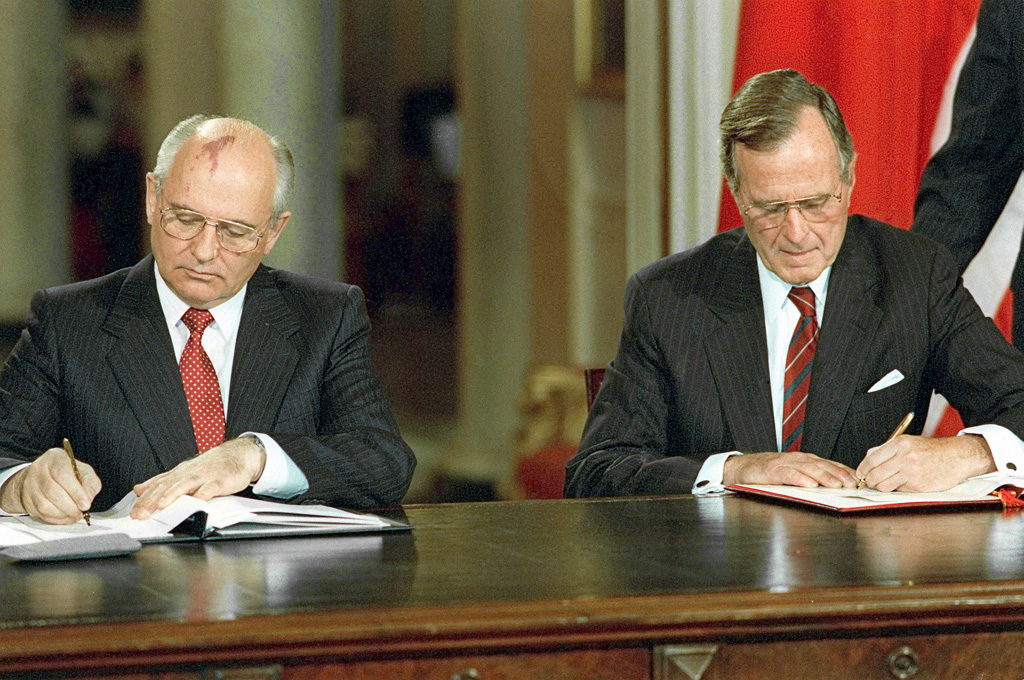
THE  EVIL  RED  EMPIRE  -  NUCLEAR  EXPANSIONISM :  SOVIET  PRESIDENT  MIKHAIL  GORBACHEV  WITH  US  PRESIDENT  GEORGE  BUSH  SIGNING  TREATY  ON  DECEMBER 06,  1990.
THE EVIL RED EMPIRE – NUCLEAR EXPANSIONISM: SOVIET PRESIDENT MIKHAIL GORBACHEV WITH US PRESIDENT GEORGE BUSH SIGNING TREATY ON DECEMBER 06, 1990. A FIFTY PERCENT REDUCTION IN STRATEGIC NUCLEAR FORCES ON EACH SIDE
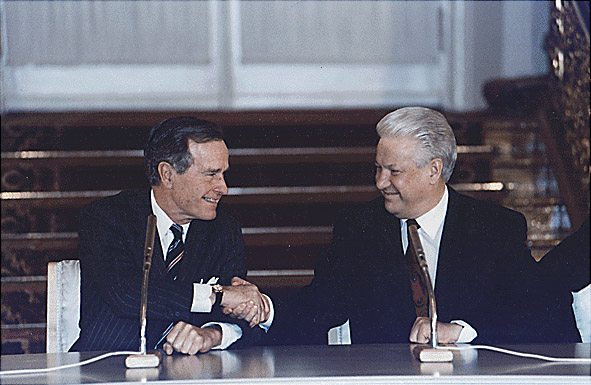
the evil red empire george bush boris yeltsin 01 03 1993
The Evil Red Empire – Nuclear Expansionism: US PRESIDENT GEORGE H W Bush with  Russian President Boris Yeltsin January 03, 1993
the evil red empire bush putin - SORT.
THE  EVIL  RED  EMPIRE –  NUCLEAR  EXPANSIONISM: RUSSIAN PRESIDENT VLADIMIR PUTIN WITH US PRESIDENT GEORGE BUSH.  STRATEGIC OFFENSIVE ARMS REDUCTION TREATY (SORT) MAY 24, 2002 IN MOSCOW .
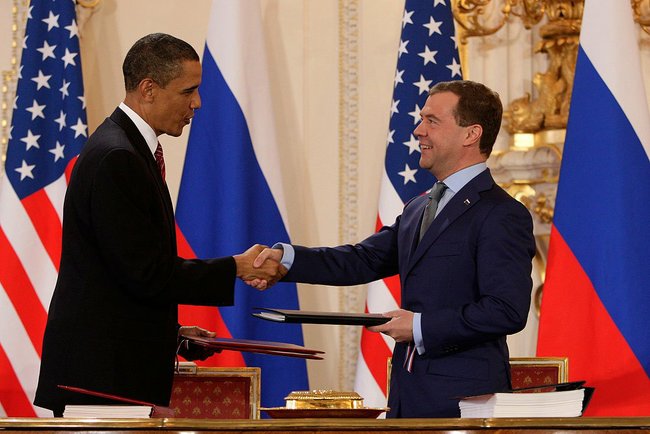
the evil red empire obama medvedev prague treaty 04 08 2010
Whole Evil – Red China’s Nuclear Expansionism: US president Obama and Russian foreign secretary Medvedev Prague Treaty , APRIL  08, 2010. “NEW START.”
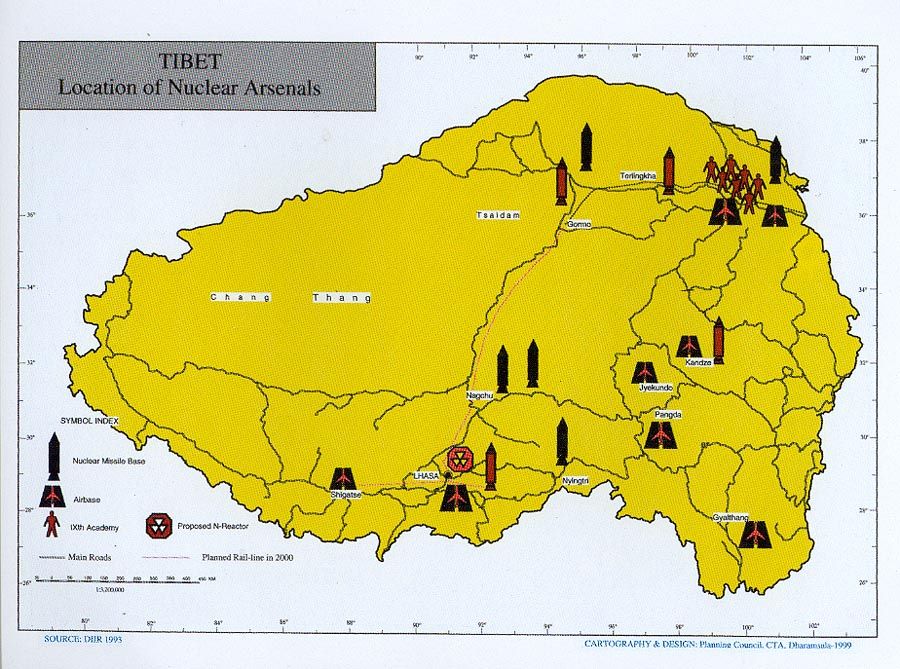
the evil red empire nuclear expansionism
Whole Evil – Red China’s Nuclear Expansionism: Tibet – Location of Nuclear Arsenals
the evil red empire 10 01 2009
Whole Evil – Red China’s Nuclear Expansionism: The Evil Red Empire 10 01 2009
china cv 16 liaoning aircraft carrier pla navy j 15 flying shark takeoff
Whole Evil – Red China’s Nuclear Expansionism: China cv 16 Liaoning aircraft carrier PLA  Navy j 15 flying shark takeoff
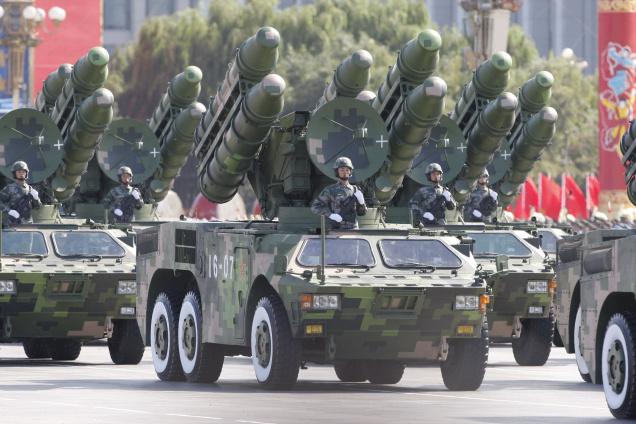
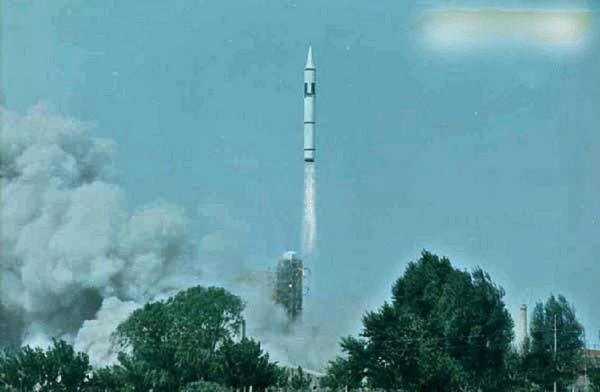
the evil red empire long range ballistic missile
Whole Evil – Red China’s Nuclear Expansionism: China’s long range ballistic missile
the evil red empire china missile capabilities
Whole Evil – Red China’s Nuclear Expansionism: China’s missile capabilities
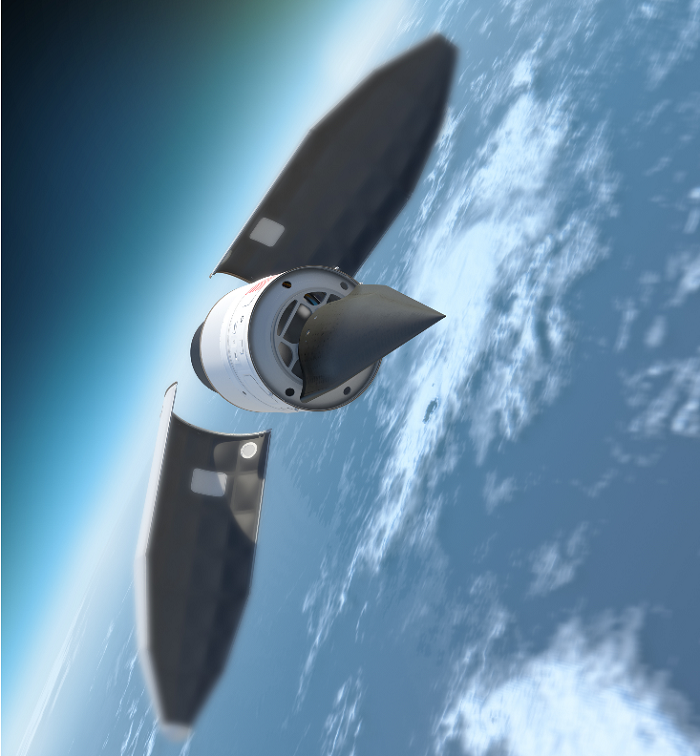
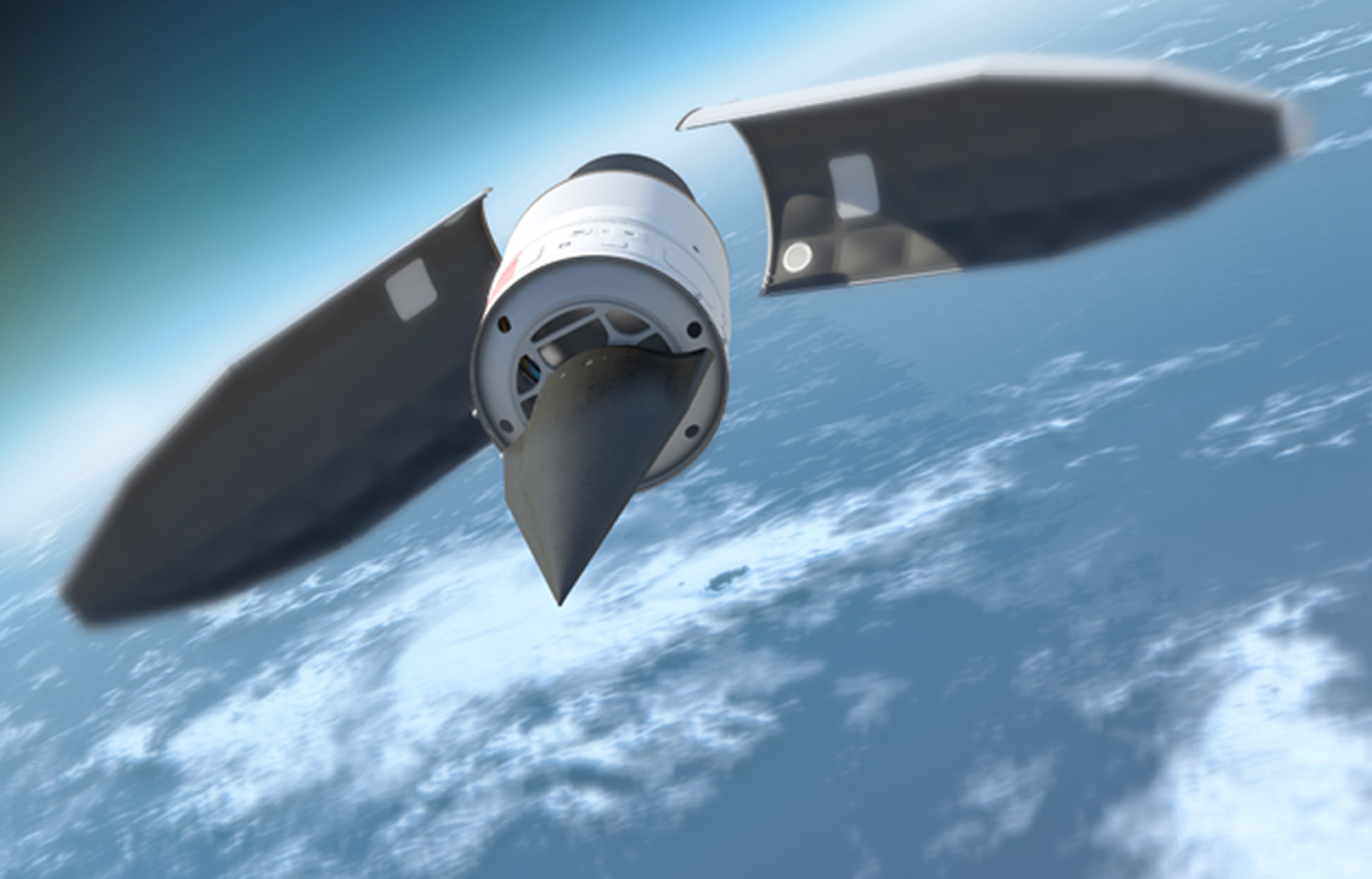
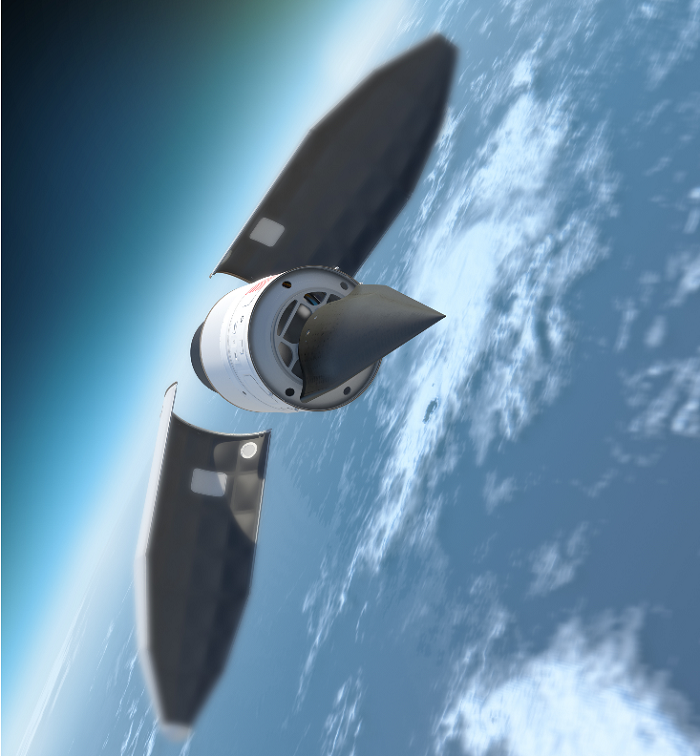
specialfrontierforce china hypersonic glide vehicle
Whole Evil – Red China’s Nuclear Expansionism: China’s hypersonic glide vehicle
An artist's illustration of DARPA's Hypersonic Technology Vehicle 2 (HTV 2) travelling at 13,000 mph, or Mach 20, during its Aug. 11, 2011 test flight.
Whole Evil – Red China’s Nuclear Expansionism: An artist’s illustration of DARPA’s Hypersonic Technology Vehicle 2 (HTV 2) traveling at 13,000 mph, or Mach 20, during its Aug. 11, 2011 test flight.
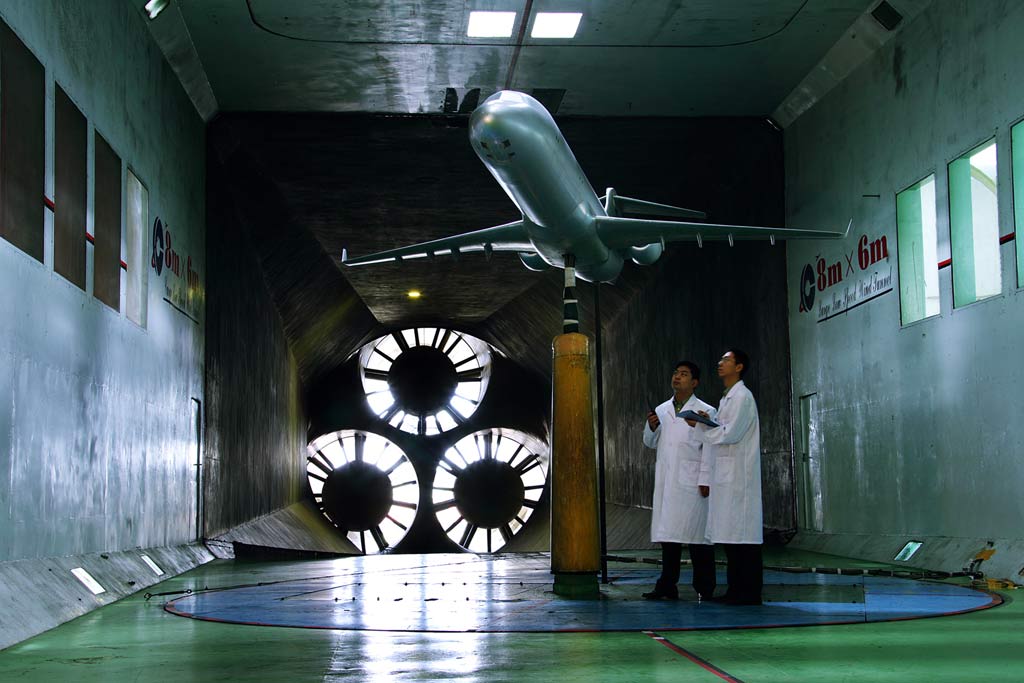
specialfrontierforce china military threat wind tunnel
Whole Evil – Red China’s Nuclear Expansionism: Wind Tunnel to test missiles
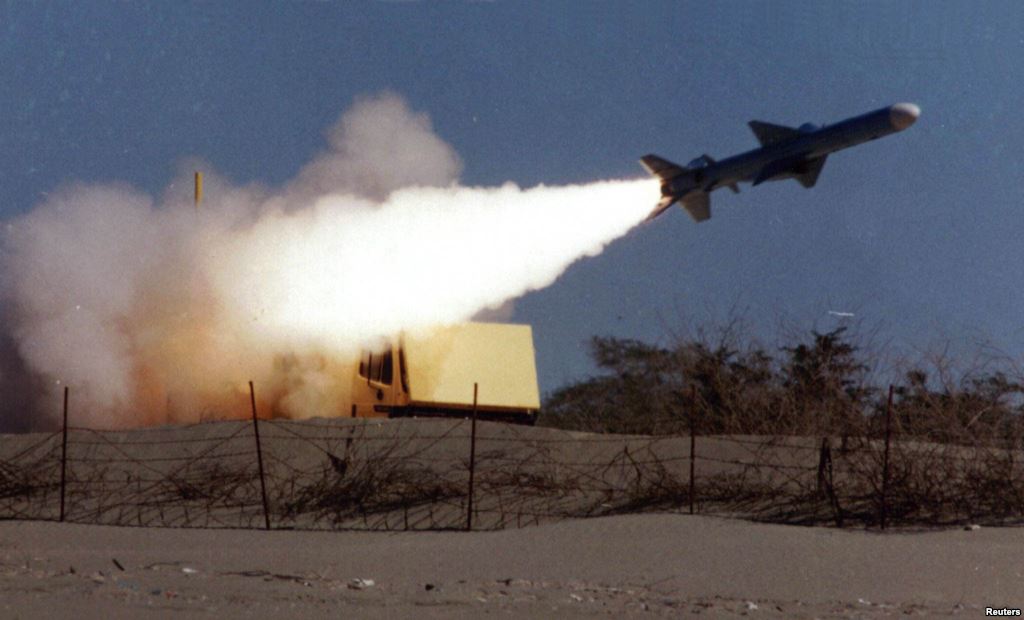
the evil red empire china anti ship missile sizzler
Whole Evil – Red China’s Nuclear Expansionism. China’s anti-ship missile sizzler
the evil red empire first nuclear submarine
Whole Evil – Red China’s Nuclear Expansionism. China’s first nuclear submarine

Whole Tyrant – Red China – Imperialist

The Evil Red Empire – Red China – Imperialist

Mao Zedong proclaims the founding of the People's Republic of China in Beijing on Oct. 1, 1949.
The Evil Red Empire – Red China – Imperialist. Mao Zedong proclaims the founding of the People’s Republic of China in Peking on Oct. 1, 1949.

The term ‘Imperialism’ refers to  extension of rule or influence by one government or nation over another. From the dawn of the written history, local rulers extended their realms by conquering other states. Industrial Revolution introduced a form of Imperialism in which Imperial State pursued the policy and practice of forming and maintaining an Empire in seeking to control raw materials and world markets by the conquest of other countries. The British Empire represented Imperialist Power called Great Britain. Marxists argued that Imperialism was the ultimate state of Capitalism. It gave an impression that Communism is fundamentally opposed to the practice of forming and maintain an Empire to control raw materials and global markets. The Evil Red Empire proclaimed by Mao Zedong or Mao Tse-Tung slowly transformed itself into an Imperial State. Now, Red China exploits raw materials and vast quantities of natural resources from nations across the globe and it supplies manufactured products to the rest of the world including all nations in the West which take pride in their belief called Capitalism.

the evil red empire secretary of state john kerry
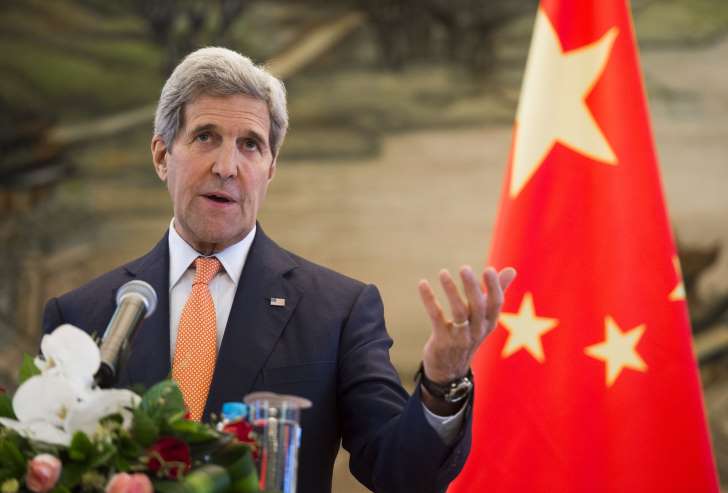
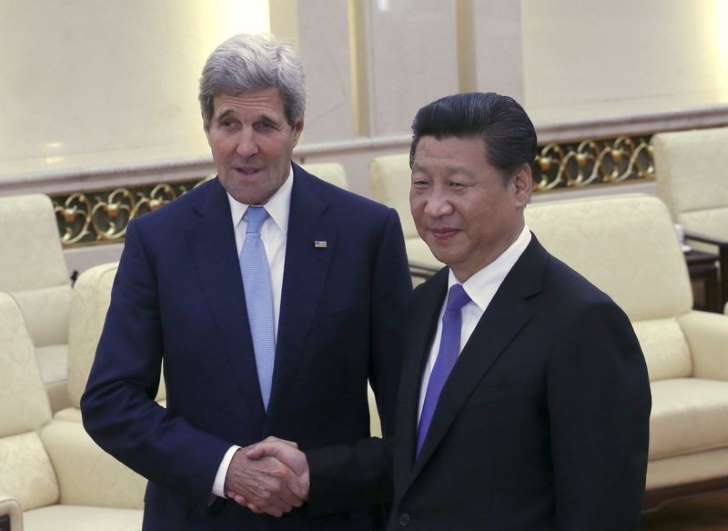
US Secretary of State John Kerry visited Beijing on Saturday, May 16, 2015 with the hope of resolving the problems posed by Red China’s Empire building.

US Secretary of State John Kerry visited Beijing on Saturday, May 16, 2015 with the hope of resolving the problems posed by Red China’s Empire building. He is soundly rebuffed while Red China’s President Xi Jinping announced that the US-China relations are stable. The economic and political influence of Red China give it the status of Imperialist State. Red China acts and behaves in a most assertive manner that signifies her full confidence of her military power to defend its Empire built since 1949 without fighting bloody battles that were common in the past.

Despite tension, Xi says U.S.-China relations are stable

By David Brunnstrom

the evil red empire kerry xi jinping
The Evil Red Empire – Red China – Imperialist © REUTERS/Kim Kyung-Hoon U.S. Secretary of State John Kerry shakes hands with Chinese President Xi Jinping at the Great Hall of the People in Beijing.

China’s relations with the United States remain stable, Chinese President Xi Jinping said on Sunday, as he sought to defuse tension over a territorial dispute in the South China Sea that has pitted Washington against Beijing.

“I look forward to continuing to develop this relationship with President Obama and to bring China-U.S. relations to a new height along a track of a new model of major country relationship,” Xi told U.S. Secretary of State John Kerry at the end of Kerry’s two-day trip to China.

Kerry’s trip has been dominated by deepening security concerns about Beijing’s maritime ambitions in the South China Sea. China’s rapid reclamation effort around seven reefs in the Spratly archipelago of the South China Sea has alarmed claimants such as the Philippines and Vietnam.

Kerry’s trip is intended to prepare for the annual U.S.-China Strategic and Economic Dialogue next month in Washington and Xi’s expected visit to Washington in September, a trip that Xi said he looked forward to.

Xi has repeatedly told Obama of his desire for a “new model of major country relationship,” in which China would be viewed as an equal global player.

the evil red empire kerry xi jinping the great hall of the people
US Secretary of State John Kerry visited Beijing on Saturday, May 16, 2015 with the hope of resolving the problems posed by Red China’s Empire building.

© REUTERS/Kim Kyung-Hoon U.S. Secretary of State John Kerry talks with Chinese President Xi Jinping at the Great Hall of the People in Beijing.

But the model also outlines a respect for “each other’s sovereign and territorial integrity as well as political system and development path”.

“In my view the China-U.S. relationship has remained stable,” Xi told Kerry at Beijing’s Great Hall of the People at a session open to reporters.
China claims about 90 percent of the 3.5 million sq km (1.35 million sq mile) sea. The Philippines, Taiwan, Malaysia, Brunei and Vietnam also claim large parts of it.

Recent satellite images have shown that since about March 2014, China has conducted reclamation work at seven sites in the Spratlys and is constructing a military-sized air strip on Fiery Cross Reef and possibly a second on another reef.

The Philippines, a U.S. treaty ally, has called for urgent action.
Kerry said the United States had stated its concerns about the pace and scope of China’s land reclamation in the South China Sea.

On Saturday, China’s top diplomat, Yang Jiechi, urged Kerry to “properly control our differences and sensitive issues” as well as “view our strategic intentions objectively and rationally”, according to a report by state-run China News Service.

“I hope the United States can do more for peace and stability in the region,” Yang, who holds the title of State Councillor, was quoted as telling Kerry, referring to the South China Sea.
China has expressed its concern about a possible U.S. plan to send military aircraft and ships to assert freedom of navigation in the South China Sea.
China rejects U.S. involvement in the dispute and has blamed the United States for stoking tension by encouraging countries to engage in “dangerous behavior”.

(Additional reporting and writing by Sui-Lee Wee; Editing by Robert Birsel)

The Evil Red Empire – Red China – Imperialist

Whole Threat – Military Occupation of Tibet remains a threat to the World

China’s Military Threat is worsening since 1950

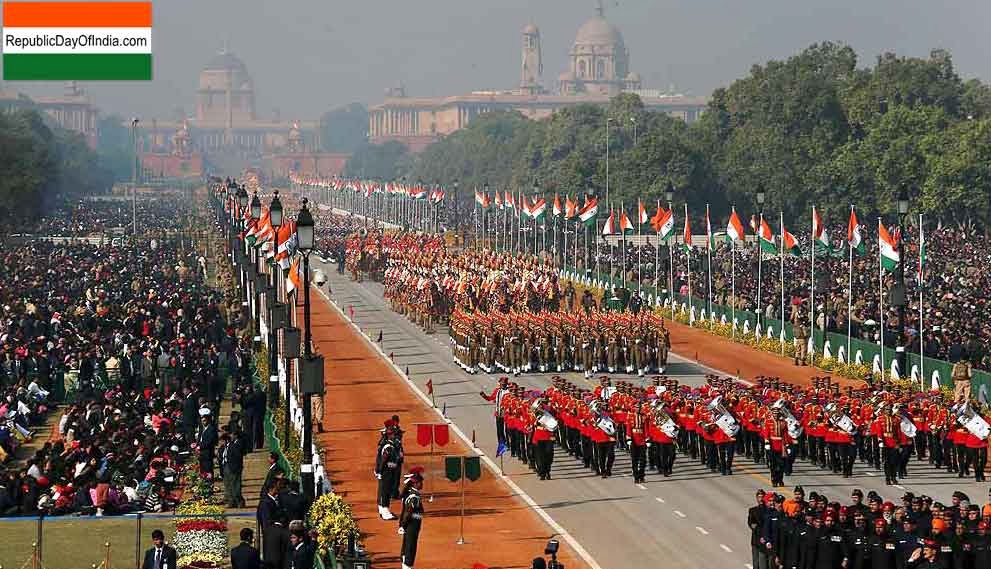
Special Frontier Force - China's Military Threat: On the happy occasion of the celebration of India's Republic Day on January 26, 2014, I would like to speak about the military threat posed by China's military occupation of Tibet.
China’s Military Threat is worsening since 1950: On the happy occasion of the celebration of India’s Republic Day on January 26, 2014, I speak about the military threat posed by China’s military occupation of Tibet.

India declared itself as a sovereign Republic on January 26, 1950.  As Indians celebrate Republic Day on this day, I share an article titled “AIM OF CHINA’S MILITARY REFORMS” authored by  Professor Jayadeva Ranade, a member of the National Security Advisory Board, Distinguished Fellow with the Centre for Air Power Studies, New Delhi and who had in the past served as the additional Secretary in the Cabinet Secretariat. The threat posed by China by its military invasion of Tibet since 1950 is worsening without any respite.

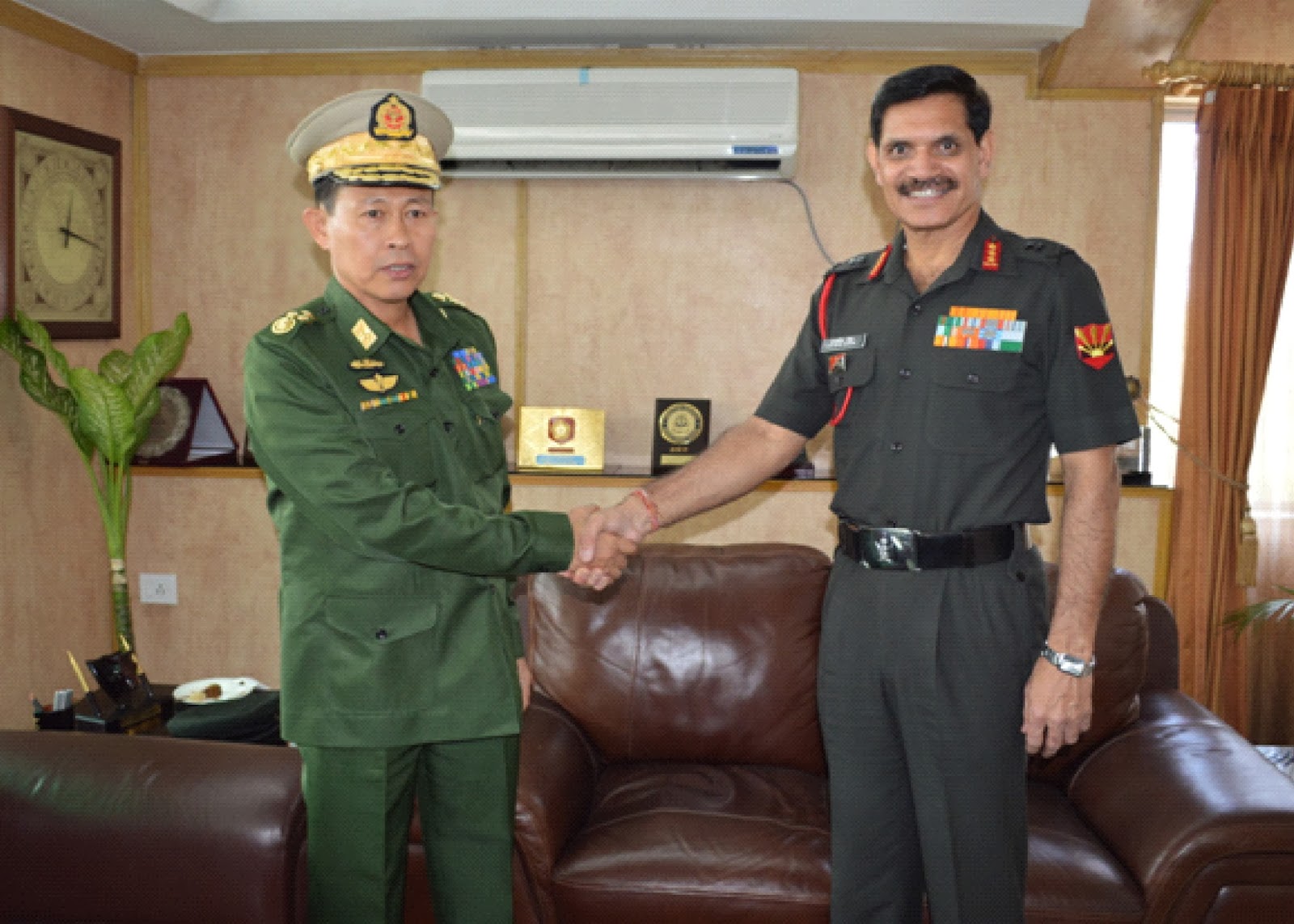
Special Frontier Force - China's Military Threat: The Deputy Commander-in-Chief, Myanmar Defence Service and Commander-in-Chief, Myanmar Army Vice Senior General Soe Win visited the Indian Army Eastern Command Headquarters in Fort William, Kolkata on December 10, 2013. He is seen with Eastern Army Commander Lieutenant General Dalbir Singh Suhag who served as the Inspector General Special Frontier Force from April 2009 to March 2011.
China’s Military Threat: The Deputy Commander-in-Chief, Myanmar Defence Service and Commander-in-Chief, Myanmar Army Vice Senior General Soe Win visited the Indian Army Eastern Command Headquarters in Fort William, Kolkata on December 10, 2013. He is seen with Eastern Army Commander Lieutenant General Dalbir Singh Suhag who served as the Inspector General Special Frontier Force from April 2009 to March 2011.

For the first time in the history of Special Frontier Force, its Inspector General is now appointed as the Vice Chief of Army Staff (VCOAS). Lieutenant General Dalbir Singh Suhag served as Inspector General Special Frontier Force from April 2009 to March 2011. He served as the GOC-in-C, Eastern Command from June 16, 2012 to December 31, 2013. His present appointment as the Vice Chief of Army Staff indicates that he will become the next Indian Army Chief in August 2014.

In my opinion, China’s military power, military strategy, and military tactics will not assure the inevitability of peace that is imposed by its military occupation of Tibet. Peace and War are conditions that prevail in relationship with an external reality called Natural Order. Tibetan Resistance is a symptom of the absence of Natural Order in Tibet. Resistance will prevail, and Resistance will endure if Natural Order is not restored in Tibet. Tibetans love Tibet and the Love of one’s own country is neither a moral, nor a religious virtue for it is a Natural Virtue. Speaking of War and Peace in Tibet, I ask, “Can we order Peace for the sake of War, and not War for the sake of Peace?” If Perseverance is the Secret of all Triumphs, Tibetan Resistance can hope for its Victory.

Special Frontier Force - China's Military Threat: China's Military Power, China's Military Strategy, and China's Military Tactics cannot overcome the Power of Perseverance, the Perseverance of Tibetan Resistance.
China’s Military Threat: China’s Military Power, China’s Military Strategy, and China’s Military Tactics cannot overcome the Power of Perseverance, the Perseverance of Tibetan Resistance.

Aim of China’s Military Reforms

By Jayadeva Ranade

SPECIAL FRONTIER FORCE - CHINA'S MILITARY THREAT: WORLD PARLIAMENTARIANS CONVENTION ON TIBET HELD IN OTTAWA, CANADA, 2012. Carl Gershman, President of the National Endowment for Democracy, Washington, DC, Professor Jayadeva Ranade, Distinguished Fellow with the Centre for Air Power Studies, New Delhi, with Richard Gere, Chairman of the International Campaign for Tibet.
CHINA’S MILITARY THREAT: WORLD PARLIAMENTARIANS CONVENTION ON TIBET HELD IN  OTTAWA,  CANADA, 2012. Carl Gershman, President of the National Endowment for Democracy, Washington, DC, Professor Jayadeva Ranade, Distinguished Fellow with the Centre for Air Power Studies, New Delhi, with Richard Gere, Chairman of the International Campaign for Tibet.

Published: 21st January 2014 06:00 AM

The writer is a member of the National Security Advisory Board and former additional secretary in the cabinet secretariat, Indian government.

Special Frontier Force - China's Military Threat: China CV-16 Liaoning Aircraft Carrier. Navy J-15 Flying Shark takeoff. China has modernized its military cpabilities.
China’s Military Threat: China CV-16 Liaoning Aircraft Carrier. Navy J-15 Flying Shark takeoff. China has modernized its military capabilities.

Modernization of China’s People’s Liberation Army (PLA) has entered the final stage of its current phase. The Chinese Communist Party (CCP)’s Third Plenum, which was held in November 2013 and represents a major advance in China’s reforms, provided a substantive push to the PLA’s modernization when it approved proposals for major organizational restructuring. The reforms coincide with China’s continuing assertiveness that has unsettled its neighbors.
Appointments to the Central Military Commission (CMC) effected earlier by the CCP’s 18th Congress in Beijing in November 2012 accelerated the drive to strengthen and modernize the 2.3 million-strong PLA. Within days of his appointment as the CMC chairman, Xi Jinping not only endorsed the military modernization policies of his predecessors Hu Jintao and Jiang Zemin, but also began bluntly advocating more rapid modernization and technological upgrade of the PLA.
The organizational reforms approved by the CCP’s Third Plenum indicate that changes are imminent in the PLA’s command structure comprising the four principal departments and seven military regions. The PLA Navy (PLAN), PLA Air Force (PLAAF) and China’s strategic missile strike force, namely the Second Artillery, have clearly been allotted an enhanced operational role and will receive priority in allocation of budgets and manpower. Personnel of the Second Artillery, PLAAF and PLAN already receive higher salaries than their counterparts in the PLA’s ground forces. Within days of the Third Plenum, CMC vice-chairman and till recently the PLAAF commander, Xu Qiliang, wrote an article in the party mouthpiece People’s Daily confirming the reforms will be implemented. He mentioned that the number of non-combatants would be drastically reduced and that the reforms would enable the PLA to win wars.
Quite separately, reports filtering out of Beijing and disclosed initially in the solitary official English-language China Daily, suggest that plans have been finalized to merge the military regions. These envisage reorganizing the seven military regions into five “combat zones” (zhan chu) within the next five years. Over the past few years China’s military literature has hinted at such impending change with occasional references to “Theatre Commands”. The reorganization is intended to concentrate firepower and troops trained for a specific type of warfare within a single theatre or zone for ease of rapid deployment. Land and sea warfare forces are to be grouped separately. This reorganization gives the PLA a definite “outward orientation” neatly meshing with its doctrine of “active defence”.

Special Frontier Force - China's Military Threat: Shenyang SAC J-16 Stealth Fighter Aircraft.
China’s Military Threat: Shenyang SAC J-16 Stealth Fighter Aircraft. Military Spending will not increase Military Power.

According to these reports, the three mainly coastal military regions of Jinan, Nanjing and Guangzhou are to be converted into three “combat zones.” Adopting a mainly maritime role, their primary objective will be to reinforce China’s efforts to establish dominance over the East China Sea and South China Sea and face up to the US-Japan alliance. By 2020, all three zones will be reinforced by three aircraft carrier combat groups. Reports suggest existing aircraft carrier Liaoning will be deployed in the East China Sea, while the other two aircraft carriers will be in the South China Sea. Interestingly on January 1, Xinhua showed pictures of Liaoning returning to its home base in Qingdao after month-long exercises in the South China Sea, but avoided mention of the run-in with the US-guided missile warship USS Cowpens.
In April 2013, Xinhua reported Rear Admiral Song Xue, deputy chief of staff of the PLA Navy, saying a second aircraft carrier was under construction. He told foreign military attaches that it would be larger and carry more fighter aircraft. On January 18, 2014, party secretary of Liaoning province Wang Min disclosed China’s second domestically produced aircraft carrier is being built at Dalian and would be ready in six years.
The four inland military regions of Shenyang, Beijing, Chengdu and Lanzhou are to similarly be merged into two large combat zones. Chengdu and Lanzhou both exercise operational jurisdiction over the India-China border. Each of the two new zones will have units of the PLA Navy, Air Force and Second Artillery integral to them. They will function under a new unified combat command. These reports also disclose that the PLA’s 300,000 non-combatant personnel will be eliminated by 2022. Though China’s ministry of defence denied the reports, it is pertinent that mention was first made in China Daily and that its contents are generally in consonance with Xu Qiliang’s assertion in People’s Daily and the reforms approved at the CCP CC’s Third Plenum.

Special Frontier Force - China's Military Threat:  China has built over 39 Wind Tunnels that include Subsonic, Supersonic, Hypersonic, and others to improve its ability to design and test its military aircraft.
China’s Military Threat: China has built over 39 Wind Tunnels that include Subsonic, Supersonic, Hypersonic, and others to improve its ability to design and test its military aircraft.
Special Frontier Force - China's Military Threat: China has reportedly developed a WU-14 Hypersonic Glide Vehicle. China's Military Empire will collapse under its own weight as things in Nature change while Natural Order remains Unchanging.
China’s Military Threat: China has reportedly developed a WU-14 Hypersonic Glide Vehicle. China’s Military Empire will collapse under its own weight as things in Nature change while Natural Order remains Unchanging.

Rapid advances have also been made in the indigenous development of advanced defence technology and hardware in the past three years. Emphasis was underscored with the appointment of General Zhang Youxia, a known proponent of indigenous development of modern advanced defence technology, as director of the PLA’s General Armaments Department (GAD) in October 2012. The latest development was the announcement on January 9 that China had conducted the first flight test of a new hypersonic glide vehicle, dubbed the WU-14 by the Pentagon, thus becoming one of five nations to possess this capability. The hypersonic vehicle, capable of travelling at speeds between Mach 8 and 12, represents a major advance in China’s secretive strategic nuclear and conventional military and missile programmes. China had in May 2012 opened a new JF12 shockwave hypersonic wind tunnel—the largest of its kind—that replicates flying conditions between Mach 5 and 9.

Also this month, pictures of the new two-seater J-16 stealth fighter built by the Shenyang Aircraft Corporation were posted online. Slated to first be inducted by PLAN and later the PLAAF, the J-16 is loaded with eight tons of air-to-air and anti-ship missiles and has a combat radius of several hundred miles, enabling it to help Chinese warships battle for control of regional waters claimed by China. Some reports claim two dozen J-16 are ready for induction.
These military reforms will give the PLA an outward focus, implying that “recovery” of territories claimed by Beijing will be a central feature of China’s strategic agenda. They will reinforce diplomacy aimed at realising “China’s Dream”. Xi Jinping, meanwhile, continues to further tighten his and the CCP’s grip on the PLA. An important example is the Third Plenum approving the PLA being brought within the ambit of the party’s anti-corruption watchdog, the Central Discipline Inspection Commission.

Professor Jayadeva Ranade is a member of the National Security Advisory Board and former additional secretary in the cabinet secretariat, Indian government.

China’s Military Threat: Nuclear Submarine 2009 plan type094 02