Whole Dude – Whole Beauty: Beauty is in the eye of the beholder who lives in Whole Harmony to experience Whole Beauty.
Beauty inheres in the object itself and may be judged objectively. Hume identified beauty with that which pleases the observer. Apart from the observer and the object, there is an entity called Artist who may have created the artistic form which generates the visual and the psychological experience described as Beauty.
Whole Dude – Whole Beauty: Beauty is in the eye of the beholder; a living person who can process sensory information and the feelings attached to the form generating the visual experience.
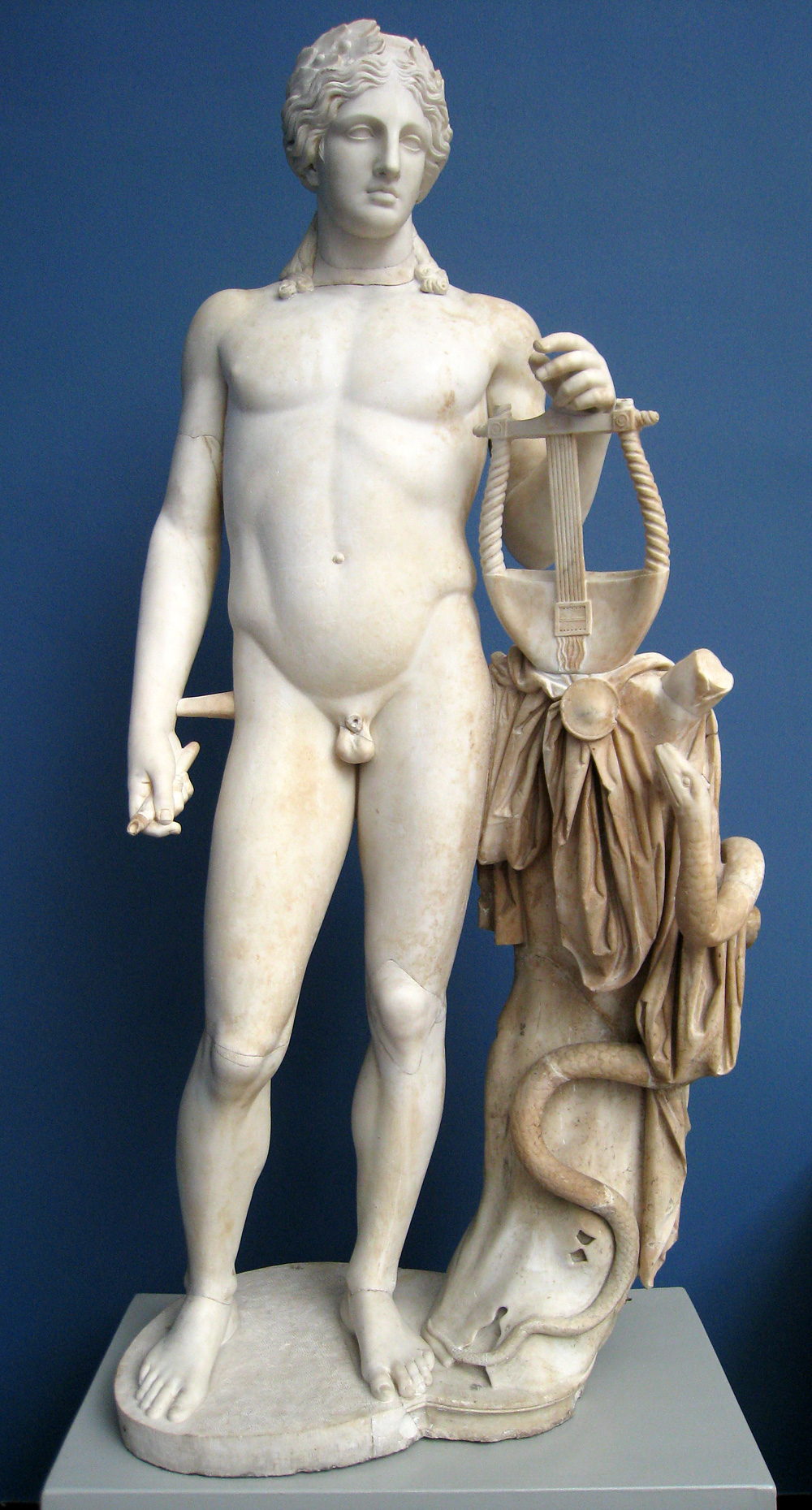
I ask my readers to reflect upon the concept of Beauty while viewing the marble statue of Aphrodite, the Greek goddess of erotic love. The experience called Beauty essentially involves three entities, 1. The observer, 2. The Object, and 3. The Artist which includes the original creator of the human form or of the artistic elements that an observer can easily recognize. For that reason, the study of Beauty will always involve the concept of a Designer who paves the way for the creation of any work of art.
Whole Dude – Whole Designer-Whole Beauty
Whole Dude-Whole Designer- Whole Beauty: Alexander Gottlieb Baumgarten (1714-1762), German philosopher coined the term ‘Aesthetics’ from the Greek word for Perception (aisthesis). It denotes a realm of concrete knowledge in which content is communicated in sensory form.
Aesthetics is a branch of philosophy dealing with the nature of art and the criteria of artistic judgment.
Aesthetics involves the study or theory of beauty and of the psychological responses to it.
Aesthetics has developed into a broad field of knowledge and inquiry. The term was coined by Alexander Gottlieb Baumgarten to denote a realm of concrete knowledge in which content is communicated in sensory form. Now the term is applied to the study of all the works of the fine arts, the useful arts (crafts) and natural phenomena (eg., landscapes, the human face and body) that have aesthetic value and generate an experience called aesthetic experience.
Plato and Aristotle formulated the conception of art as an imitation of nature.
Baumgarten emphasizes on the importance of feeling. If art imitates nature, the artist must deliberately alter nature by adding elements of feeling to perceive reality.
The artistic process involves the use of illusion to mirror the creative process of the world.
A Study in Aesthetics – The Birth of Tragedy out of the Spirit of Music:
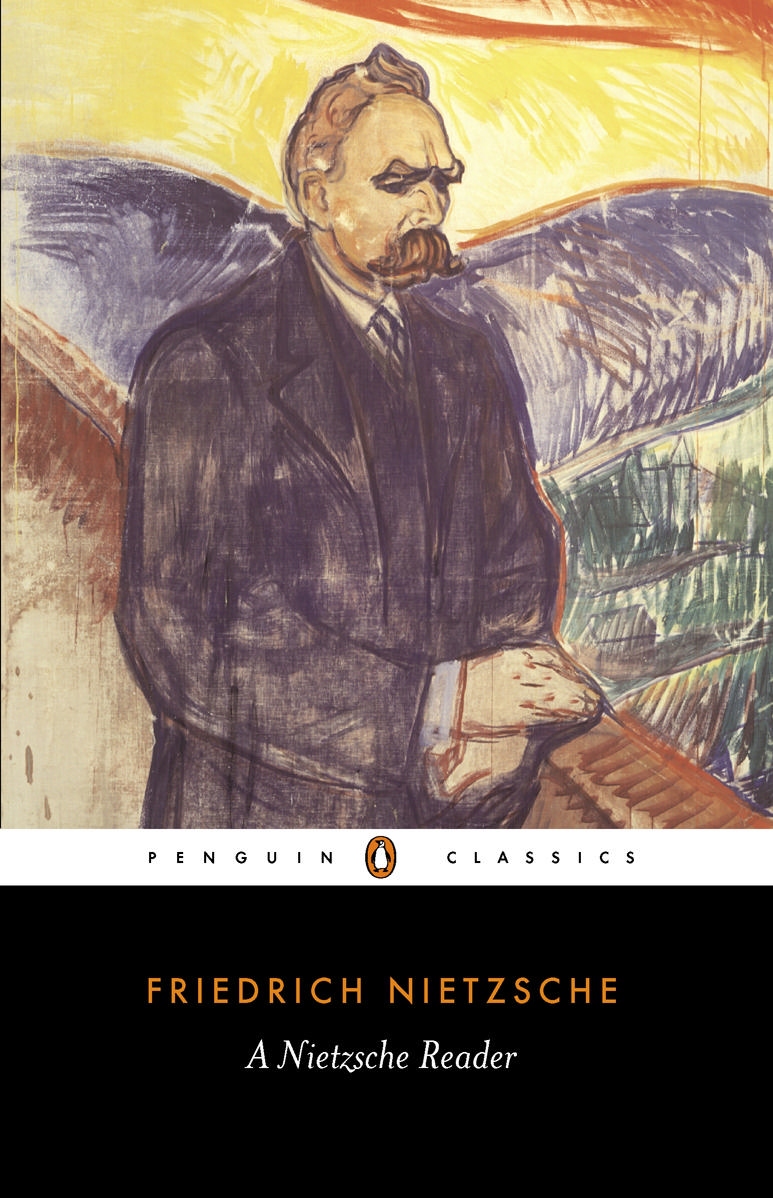
Whole Dude – Whole Designer – Whole Beauty: In his first book, The Birth of Tragedy Out of the Spirit of Music (1872), Friedrich Wilhelm Nietzsche presented a theory of Greek mythology and of the foundations of art. It remains a classic in the history of Aesthetics to this day.
In his first book, The Birth of Tragedy Out of the Spirit of Music (1872), German philosopher Nietzsche presents a theory of Greek mythology and of the foundations of art. He introduced his famous distinction or dichotomy between the Apollonian or rational element in human nature, and the Dionysian or passionate element of human nature as exemplified in the Greek gods Apollo and Dionysus. In Nietzsche’s view, man achieves a momentary harmony with the Primordial Mystery when the two principles of rational and passionate nature are blended either in art or in life. His book remains a classic in the history of Aesthetics to this day.
Whole Dude-Whole Designer-Whole Beauty: Son of Zeus, Greek god Apollo is the god of all plastic energies, the deity of light, god of reason, and god of life and form giving force. In art, Apollo is portrayed as the perfection of Youth and Beauty. Nietzsche describes Apollo as the reality that is ordered and differentiated by forms.Whole Dude-Whole Designer-Whole Beauty: Greek god Dionysus is the god of fertility, and passion. He taught mankind viticulture. He is capable of dreadful revenge upon those who deny his divinity. According to Nietzsche, Dionysus represents reality as disordered and undifferentiated by forms. Dionysus is the god of Choral Music, self-forgetting, embraces chaos and frees the self to seek unity with others and gives way to a primal unity with Nature.
Nietzsche describes an art form that transcends the pessimism and nihilism of a fundamentally meaningless world. The tragedy of Ancient Greece was the highest form of art. The Apollonian element represents measure, restraint, and harmony The Apollonian element is found in the dialogue which gives a concrete symbolism that balances the Dionysian element. The Apollonian spirit is able to give form to the abstract Dionysian. Nietzsche claims that the Dionysian element is to be found in the music of the chorus. Under the influence of wine or of narcotic draught, the Dionysian element makes everything subjective to vanish into complete self-forgetfulness.
Whole Dude-Whole Designer-Whole Beauty: In Greek mythology, Orpheus, son of Apollo and Muse Calliope, played the Lyre beautifully that he charmed the beasts, trees, and rivers. He is seen recovering his wife Eurydice from Hades after her death. It describes the pain and suffering of human existence and the struggle to overcome it.Whole Dude-Whole Designer-Whole Beauty: Greek god Orpheus brings his wife Eurydice from Hades after her death. But, tragically, he loses her when he turns to look back and he was not allowed to see her while she followed him out of Hades. The Greek religion of Orphism is based upon the dual aspect of human nature described as Good and Evil. Orpheus worshiped Apollo above Dionysus and Dionysus retaliated by killing him.
Nietzsche describes the inseparable ecstasy and suffering of human existence. He states that man’s ability to live creatively in optimistic harmony with the sufferings of life demand the use of both Apollonian and Dionysian elements. Plato reasons that it is only an aesthetic phenomenon that existence and world are eternally justified.
However, Nietzsche claims that knowledge and rationality in themselves do nothing to justify existence and the world. In Nietzsche’s view, life finds meaning only through art, music and tragedy. Existence and world become meaningful not as objects of knowledge but as artistic experiences. Nietzsche includes the Buddhist or the Eastern philosophy of pain and suffering as an inescapable attribute of human existence and emphasizes a tragic longing for nothingness and the absence of will. Nietzsche recommends to live a life in a human-dreamt world of illusions. He sees existence as an illusion of illusion. Nietzsche bemoaned the final destruction of Greek tragedy by Greek philosophical inquiry which sought a more logical connection between Nature and mankind. Euripides, Socrates and their disciples demanded a rational explanation of the Greek myths and caused the final destruction of Ancient Greece’s religion and culture.
The Concept of Whole Artist:
Whole Dude – Whole Beauty: The concept of Whole Beauty: Who is the Artist? An artist uses colors with imagination to create forms and to generate a desired visual effect. A “Whole Artist” is a person who creates his own canvas, his own tools, his own pigments, and creates the desired visual effects while the forms that are created have no such creative and cognitive abilities.
The term artist is used to describe a person who works in, or is skilled in the technique of any of the fine arts, especially in painting, drawing, and sculpture. The term artistry describes the artistic ability which includes the use of imagination, a feeling for form, and a feeling for effect.
I coined the phrase Whole Artist to describe a person who uses imagination to create his own canvas, his own tools, his own pigments, and creates the desired visual effects while the forms that are created have no such creative and cognitive abilities.
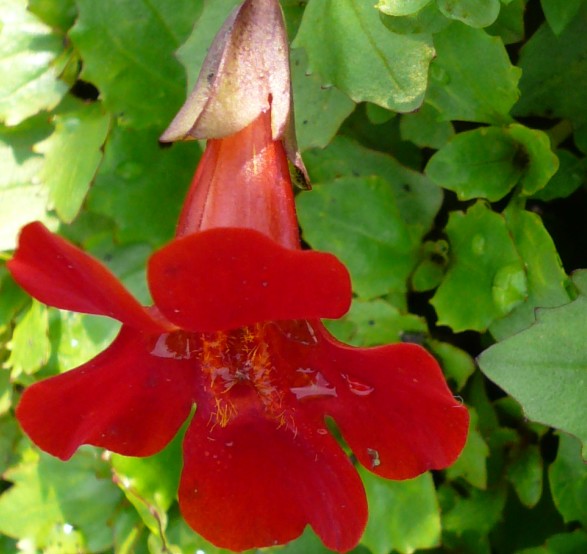
WholeDude – Whole Artist – The Colors of Chilean Mimulus flowers. Mimulus cupreus (Red Emperor). Who is the artist who produced this visual effect?
For example, plants may produce flowers of different colors while they essentially lack cognitive abilities to recognize the visual effect of the color they produce. The concept of Whole Artist helps me to visualize the beauty of these flowers by reflecting upon the artistic abilities of the Whole Designer who creates plants and flowers while giving the benefit of visual experience to the man.
The study, the theory of beauty, or Aesthetics helps us to know the nature of the Whole Artist.
Whole Beauty – Whole Existence -Whole Unity – Whole Harmony:
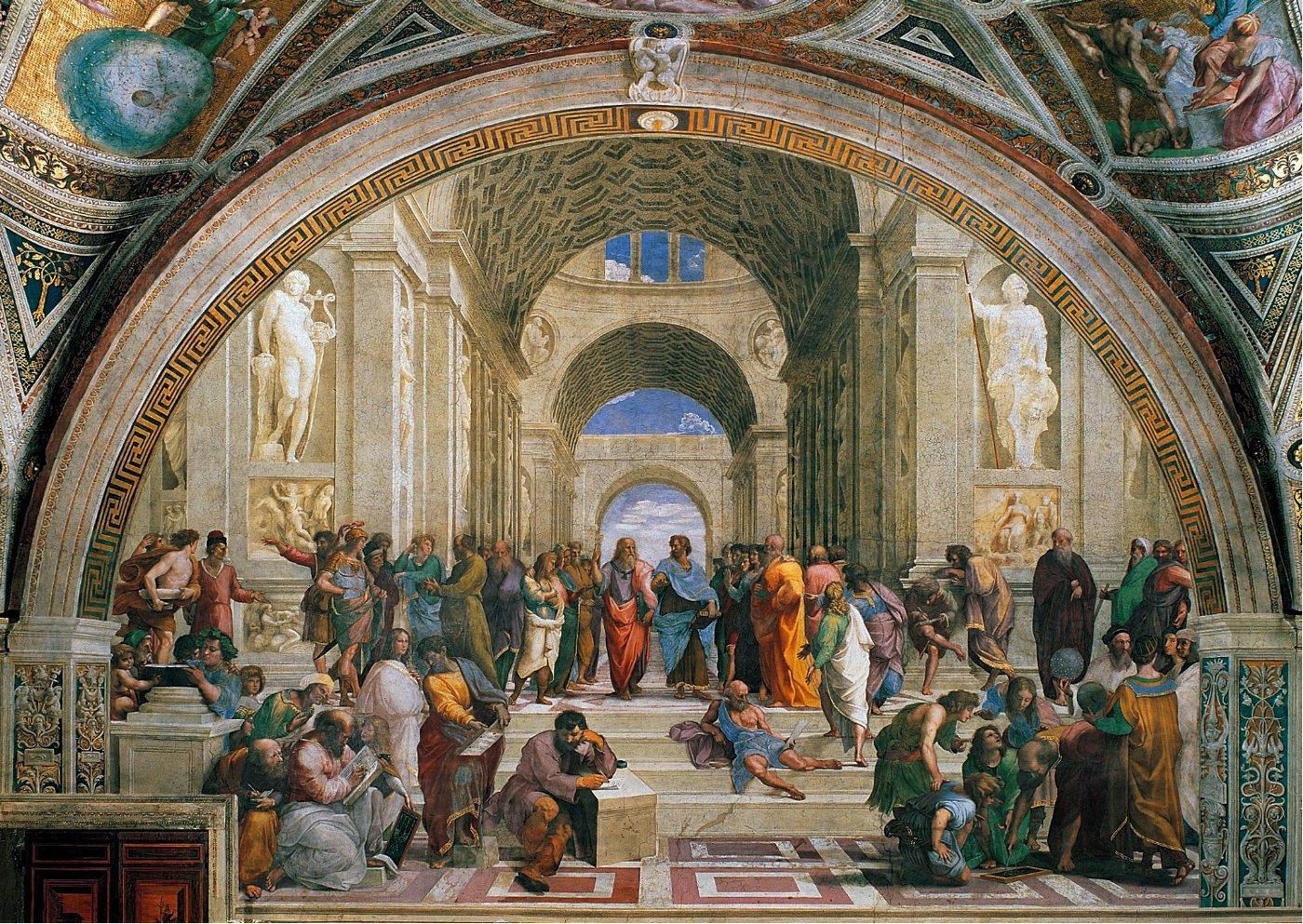
Whole Dude-Whole Designer-Whole Beauty: Greek philosophical inquiry sought a more logical connection between nature and mankind. Euripides and Socrates demanded a rational explanation of Greek myths and caused the final destruction of Homeric pantheon. I use the term ‘Whole Beauty’ to describe the ‘Wholeness’ of Human Existence that requires the ‘Whole Harmony’ between Dependence and Freedom, the Whole Harmony between Illusion and Reality, the ‘Whole Unity’ between Body, Mind, Spirit and Soul. At the School of Athens, artist Raphael uses the illusion of an artistic process to create a scene where Plato and Aristotle are debating their conflicting views about Human Nature and Human Existence.
Aesthetics involves the study of objects that have an inherent aesthetic quality to generate an aesthetic experience in the mind of an observer who has the capacity to interpret sensory information. An artist uses the artistic process to capture the creative process of the world by integrating illusion with reality.
In my analysis, the conflict in the nature of human existence is caused by the tension between the two basic elements called Dependence, and Freedom. Human Dependence upon an external source of energy and sustenance is made possible by the vital, animating principle called Spirit or Soul. The Joy, the Happiness, the Blissful condition of Existence gives the man the desire for Freedom, the Freedom or the Independence from Dependence that establishes the Existence. The pursuit of Freedom may make man to live dangerously with a spirit of recklessness. Finally, Death is inevitable as there is no escape from the nature of Dependent Existence. The man uses the power of Imagination to secure his Freedom from Death and Dependence. The man creates an illusion of eternal Life in which he sees the illusion of his Freedom. Spirit is the principle that governs the man’s desire for Freedom, and Independence. It is with the principle of Spirit the man is able to dream, imagine, and create an illusion that gives him the relief or the escape from the reality of pain and suffering.
Whole Dude – Whole Beauty: The Vitruvian Man c. 1492. The painting by Leonardo da Vinci displays the spirit of scientific inquiry. We must investigate the biological basis of Human Existence to know about Human Nature. The Nature is a reflection of the potency that keeps the Object existing.
I use the term ‘Whole Beauty’ to describe the integration of the human body with the principles of soul and spirit to bring ‘Whole Unity’ and ‘Whole Harmony’ between the conflicting elements of Dependence and Freedom.
I find the application of this artistic process in the works of Whole Artist or Whole Designer who makes the man to live on the surface of a fast spinning object called planet Earth where the Power of Time churns every future instant into a past instant without ever giving man the chance to recognize the experience of a present instant.
Whole Beauty captures the beauty of the reality of human existence derived from the experience of a Grand Illusion which effectively blocks the man from experiencing the harsh realities of existence in a world which is constantly moving at an amazing speed.
Whole Dude – Whole Beauty: To perceive beauty, I must not have no sensory experience of the harsh realities of existence on the surface of a fast, spinning object.
Whole Dude – Whole Artist – Whole Aesthetics: Beauty is in the eye of the beholder
What is Color and What is Coloration?
Whole Dude – Whole Artist – Whole Aesthetics: Beauty is in the eye of the beholder
The term ‘color’ refers to the spectral qualities of emitted or reflected light. The term ‘coloration’ is a dynamic and complex characteristic that has captured human interest and attention for a long time. The human interest to coloration ranges from purely aesthetic to the rigidly pragmatic.
Biological Coloration:
Whole Dude – Whole Artist – Whole Aesthetics: Beauty is in the eye of the beholder
Biological Coloration refers to the general appearance of an organism as determined by the quality and quantity of light that is reflected or emitted from its surface. This Coloration depends upon several factors:
1. The integrity and deployment of the structural units and features involved in the generation of color,
2. The color and distribution of the organism’s pigments, and the relative location of differently colored areas,
3. The shape, posture, position, and movement of the organism,
4. The quality and quantity of light striking the organism, including the seasonal light and temperature variations,
5. The psychological, behavioral, hormonal, and other physiological conditions associated with the use of color,
6. The visual capacity of the viewer.
The Concept of Whole Artist:
Whole Dude – Whole Artist – Whole Aesthetics: Beauty is in the eye of the beholder
The term artist is used to describe a person who works in, or is skilled in the technique of any of the fine arts, especially in painting, drawing, and sculpture. The term artistry describes the artistic ability which includes the use of imagination, a feeling for form, and a feeling for effect. I am using the term ‘Whole Artist’ to discover the person who may have used imagination to create forms to produce desired effects while the form itself lacks the cognitive abilities to generate its own form. Plants may produce flowers of different colors while they essentially lack cognitive abilities to recognize the visual effect of the color they produce. The study, the theory of beauty, or Aesthetics helps us to know the nature of the Whole Artist.
Whole Dude – Whole Artist – Whole Aesthetics: Beauty is in the eye of the beholder.
Aesthetics is a branch of philosophy dealing with the nature of art and the criteria of artistic judgment. Aesthetics involves the study or theory of beauty and of the psychological responses to it. Aesthetics has developed into a broad field of knowledge and inquiry. The term was coined by Alexander Gottlieb Baumgarten to denote a realm of concrete knowledge in which content is communicated in sensory form. Now the term is applied to the study of all the works of the fine arts, the useful arts (crafts) and natural phenomena (eg., landscapes, the human face and body) that have aesthetic value and generate an experience called aesthetic experience. Plato and Aristotle formulated the conception of art as an imitation of nature. Beauty inheres in the object itself and may be judged objectively. Hume identified beauty with that which pleases the observer. Baumgarten emphasized on the importance of feeling. If art imitates nature, the artist must deliberately alter nature by adding elements of feeling to perceive reality. The artistic process involves the use of illusion to mirror the creative process of the world.
Whole Dude – Whole Artist – Whole Aesthetics: Beauty is in the eye of the beholder.
Aesthetics involves the study of objects that have an inherent aesthetic quality to generate an aesthetic experience in the mind of an observer who has the capacity to interpret sensory information. An artist uses the artistic process to capture the creative process of the world by integrating illusion with reality.
I use the term ‘Whole Aesthetics’ to describe the integration of the human body with the principles of soul and spirit to bring ‘Whole Unity’ and ‘Whole Harmony’ between the conflicting elements of Dependence and Freedom by using an artistic process of combining Reality with Illusion. I use the term ‘Whole Aesthetics’ to describe the ‘Wholeness’ of Human Existence that requires the ‘Whole Harmony’ between Dependence and Freedom, the Whole Harmony between Illusion and Reality, the ‘Whole Unity’ between the human body, spirit and soul.
I find the application of this artistic process in the works of Whole Artist or Whole Designer who makes the man to live on the surface of a fast spinning object called planet Earth where the Power of Time churns every future instant into a past instant without ever giving man the chance to recognize the experience of a present instant. Whole Aesthetics captures the beauty of the reality of human existence derived from the experience of illusion.
Whole Designer – Whole Artist-Whole Aesthetics:
WholeDude – Whole Artist : Chilean Mimulus flowers. Mimulus luteus. Who is the artist that caused this visual effect?
Plants have the ability of Photoreception but do not have organs of sense perception like eyes. They produce flowers as if an artist is at work. The flowers below all have two things in common: They’re beautiful, and they remind the human eye of something else entirely. These are flowers are just stunning works of art by nature.I am pleased to share the photo images of Orchids to explain the concept of Whole Designer and Whole Artist.
Masters of Plant Pareidolia
Whole Dude – Whole Artist – Whole Aesthetics: Beauty is in the eye of the beholder.
Pareidolia is the tendency to see familiar or significant images in places where none is intended. Classic examples are sightings of Jesus or the Virgin Mary in wood grain or the pastime of looking for shapes in clouds. Pareidolia is encouraged in the Rorschach inkblot test. There are plenty of examples in the natural world, and orchids are particularly notable for looking like something else.
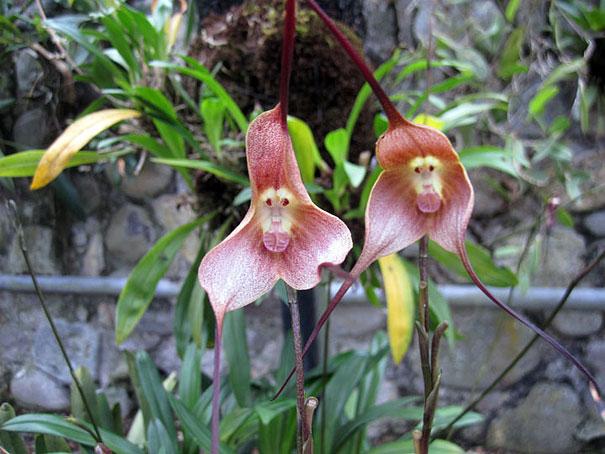
Monkey Face Orchid (Dracula simia)
Dracula simia is another species in the Dracula genus. As the name implies, the blooms of this orchid look exactly like a monkey’s face.
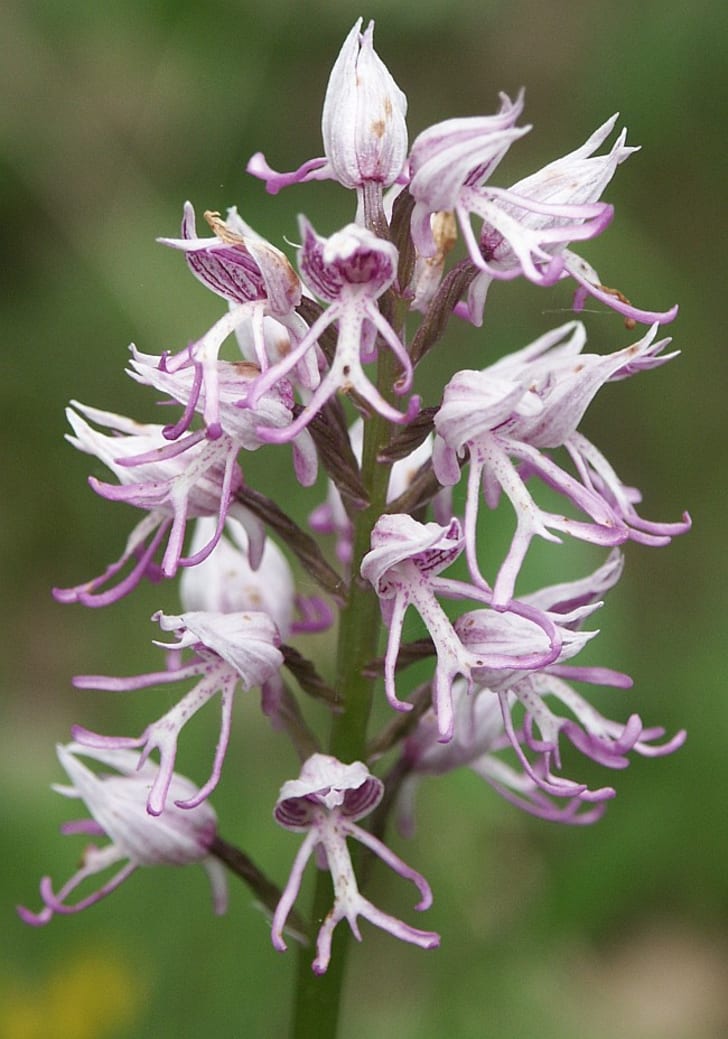
The monkey orchid (Orchis simia) is said to be shaped like a monkey’s body. A male monkey, to be sure.
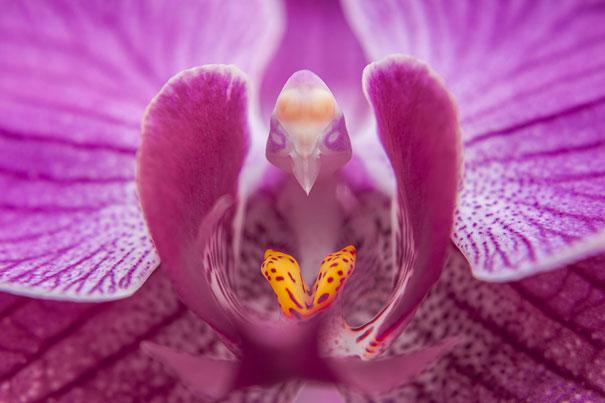
Moth Orchid ( Phalaenopsis )
There are about 60 species of Moth Orchids (Phalaenopsis), which are native to Asia and popular among orchid growers. Many of them, if you look really close, appear to have a small bird emerging from their center. Get a closer look at this pink specimen.
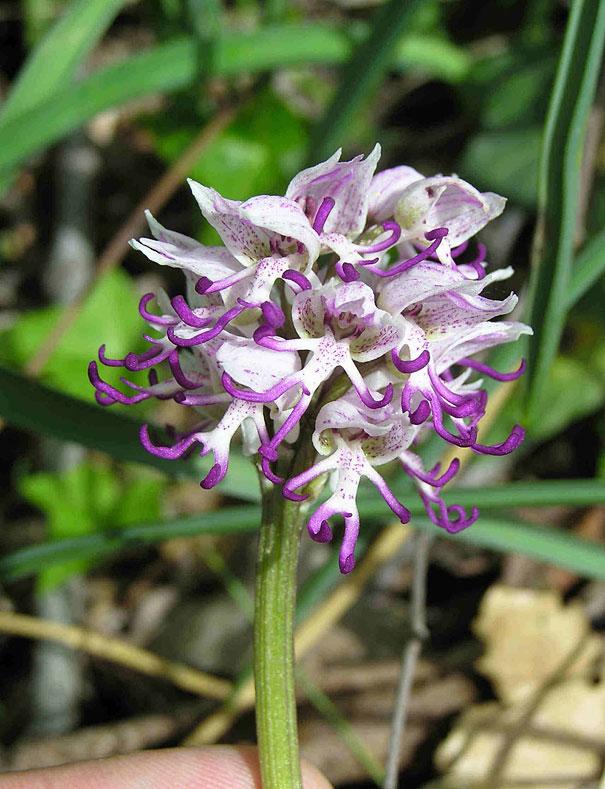
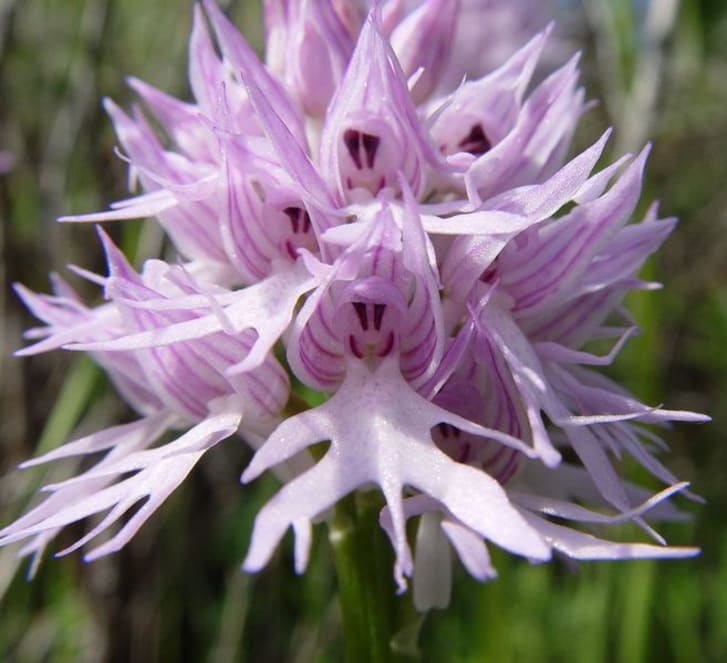
Naked Man Orchid (Orchis italica)
Orchis italica is native to the Mediterranean area, and is sometimes called the Naked Man Orchid. You can see why. The blossoms even have little eyes and smiles!
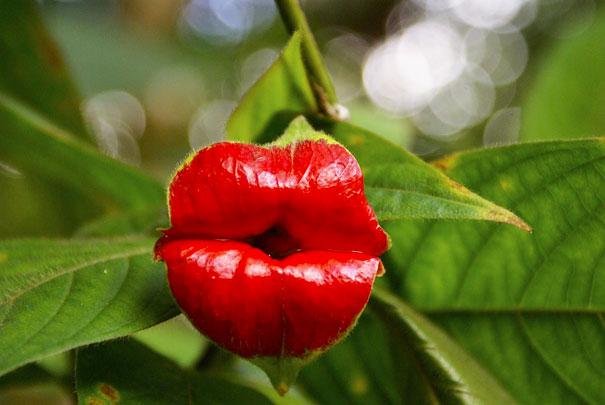
Hooker’s Lips (Psychotria elata)
Orchids may be the masters of plant pareidolia, but they aren’t the only plants that look like something else. Psychotria elata is a tropical plant that produces the psychedelic chemical DMT. The plant is also called Hooker’s Lips. I can’t imagine why.
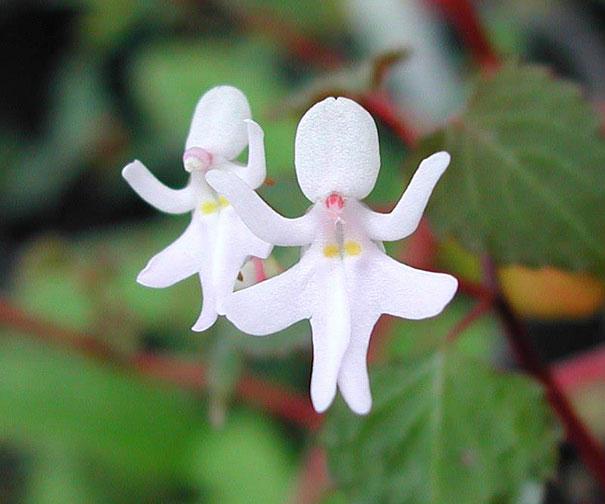
Dancing Girls (Impatiens bequaertii)
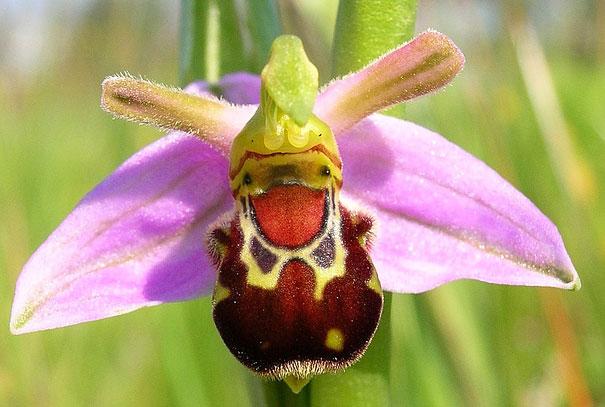
Laughing Bumble Bee Orchid (Ophrys bomybliflora)
While we can’t say that nature intended for an orchid to look like a male body or a flying duck, the orchid genus Ophrys has a simple reason for looking the way it does. The Bee Orchid (Ophrys apifera) bloom resembles a bee in order to attract bees. When a male bee tries to mate with the flower (because it’s so pretty), he ends up pollinating it. Using an insect to achieve plant sex is common, but using insect sex to achieve plant sex is brilliantly weird. It apparently works well, because Ophrys ranges over several continents.
Swaddled Babies (Anguloa uniflora)
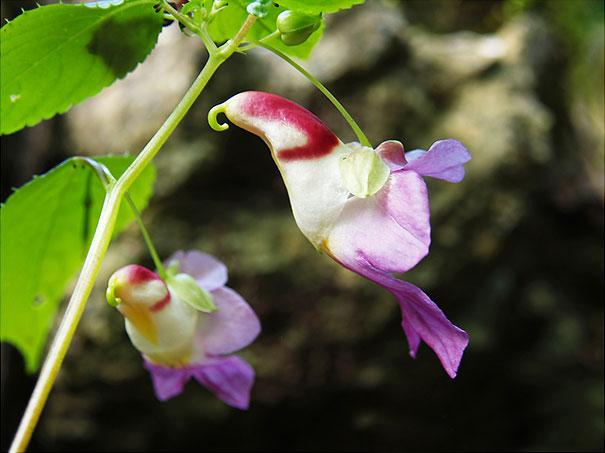
Parrot Flower (Impatiens psittacina)
Snap Dragon Seed Pod (Antirrhinum)
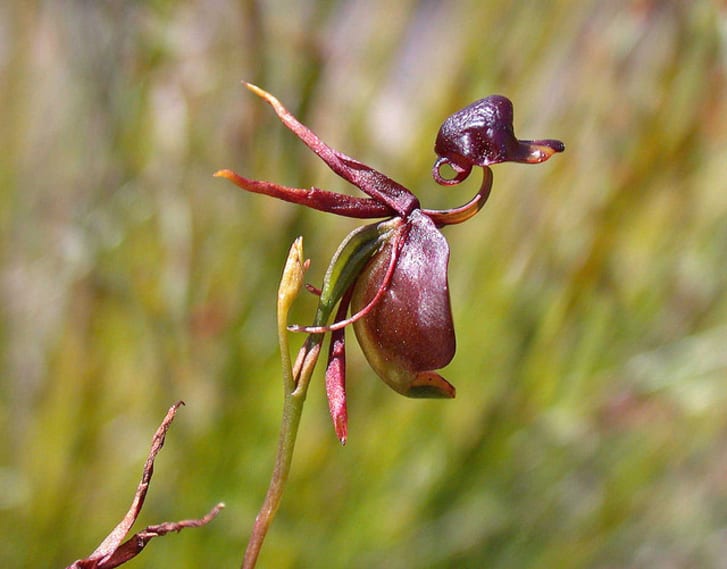
Flying Duck Orchid (Caleana major)
The Australian orchid genus Caleana is still not fully classified, but it is commonly called the Flying Duck Orchid. The shape attracts the sawfly, which pollinates the plant. Each component of the flower is design to use the sawfly, like a bright color for it to see, a place to land, and a petal that traps the fly into taking a pollen-rich route out. That’s one smart duck!
An orchid that looks remarkably like a tiger
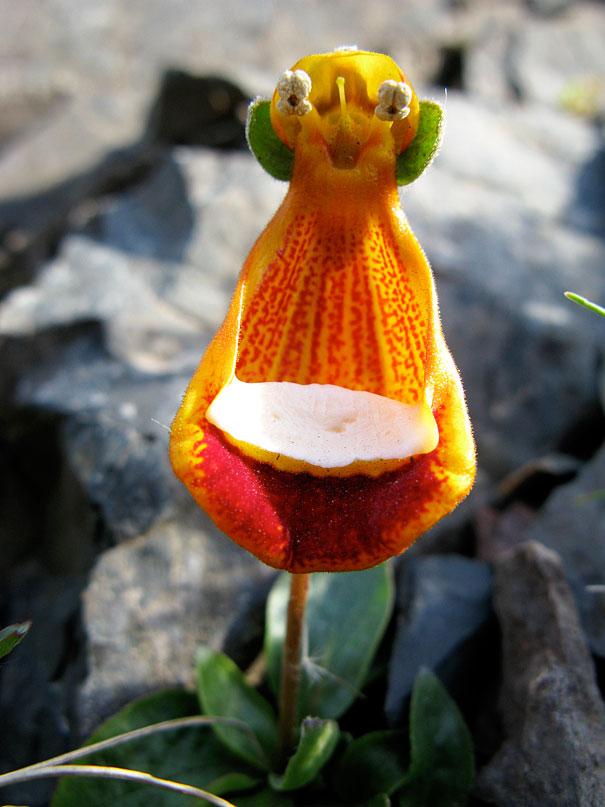
Happy Alien (Calceolaria uniflora)
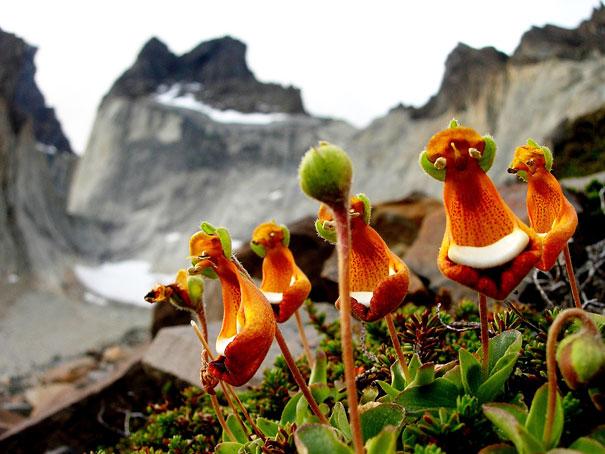
And his fellow aliens
Angel Orchid (Habenaria grandifloriformis)
Dove Orchid Or Holy Ghost Orchid(Peristeria elata)
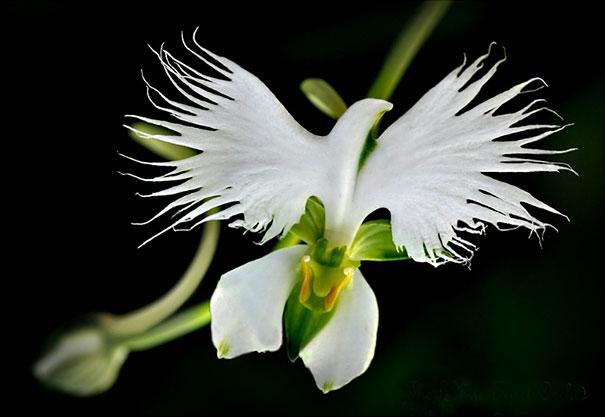
White Egret Orchid (Habenaria radiata )
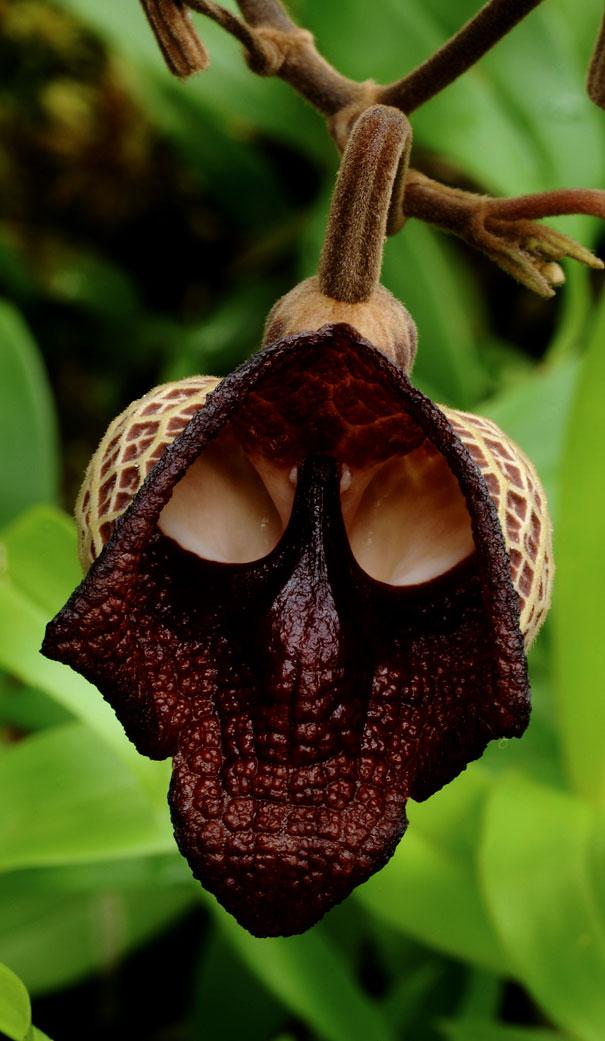
The Darth Vader (Aristolochia salvadorensis)
An Orchid that looks like a Ballerina
Whole Dude – Whole Artist – Whole Aesthetics: Beauty is in the eye of the beholder.Whole Dude – Whole Artist – Whole Aesthetics: Beauty is in the eye of the beholder
What is Matter? and What is Spirit? What is the Color of Money? If materialism is about the influence of material wealth, I would like to use the Power/Force/Energy called Money to talk about Life and Death. The Laws of Conservation are applicable to both the living, and the non-living matter. Hence, it can be stated that “Life can neither be created nor destroyed.” If any person can refute my claim using valid, scientific information, I would offer the person a US $1,000 bill as a reward.
What it is to be a Substance? and What it is to Exist? We need to establish knowledge about the man and the world on a firm basis and the information it provides must be tested for its accuracy and consistency with an external reality. We have to make the fundamental distinction between the living and the non-living matter. The scientific advances of the 19th and 20th centuries reinforced the materialistic position concerning the basic similarity of organic living and inorganic physical matter. The man is viewed as a product of natural evolution and is thought to be subject to the same laws of Physics and Chemistry or mechanistic principles.
We need a methodology to study philosophy and to understand philosophical statements. Logical Positivism, also known as Scientific Empiricism aims to clarify concepts in both everyday and scientific language. It describes analysis of language as the function of philosophy. This analysis of language and of concepts is important to understand questions of belief and ideology which affect what we think we ought to do individually and socially. I would use this method of ‘Applied Philosophy’ to analyze the concept of Spiritual Optics, the Spiritual dimension of biological coloration.
WHAT IS COLOR AND WHAT IS COLORATION?
The Material Basis of Spirituality Science. Spiritual Optics. What is Color? White Light is composed of every color in the Spectrum. But, color is more than an optical function.
The term ‘color’ refers to the spectral qualities of emitted or reflected light. The term ‘coloration’ is a dynamic and complex characteristic that has captured human interest and attention for a long time. The human interest to coloration ranges from purely aesthetic to the rigidly pragmatic.
BIOLOGICAL COLORATION:
The Material Basis of Spirituality Science. Spiritual Optics. Who is the Artist? The study, the theory of beauty, or Aesthetics helps in knowing the nature of the artist.
Biological Coloration refers to the general appearance of an organism as determined by the quality and quantity of light that is reflected or emitted from its surface. This Coloration depends upon several factors:
1. The integrity and deployment of the structural units and features involved in the generation of color,
2. The color and distribution of the organism’s pigments, and the relative location of differently colored areas,
3. The shape, posture, position, and movement of the organism,
4. The quality and quantity of light striking the organism, including the seasonal light and temperature variations,
5. The psychological, behavioral, hormonal, and other physiological conditions associated with the use of color,
6. The visual capacity of the viewer.
The Concept of Whole Artist:
The Material Basis of Spirituality Science. Spiritual Optics. Who is the Artist? An artist uses colors with imagination to create forms and to generate a desired visual effect. A “Whole Artist” is a person who creates his own canvas, his own tools, his own pigments, and creates the desired visual effects while the forms that are created have no such creative and cognitive abilities.
The term artist is used to describe a person who works in, or is skilled in the technique of any of the fine arts, especially in painting, drawing, and sculpture. The term artistry describes the artistic ability which includes the use of imagination, a feeling for form, and a feeling for effect. I am using the term ‘Whole Artist’ to discover the person who may have used imagination to create forms to produce desired effects while the form itself lacks the cognitive abilities to generate its own form. Plants may produce flowers of different colors while they essentially lack cognitive abilities to recognize the visual effect of the color they produce. The study, the theory of beauty, or Aesthetics helps us to know the nature of the artist.
The Material Basis of Spirituality Science. Spiritual Optics. The concept of Whole Aesthetics. These Bumble Bee Orchid flowers look like the work of an artist and the artistic process involves combining illusion with reality.
Aesthetics is a branch of philosophy dealing with the nature of art and the criteria of artistic judgment. Aesthetics involves the study or theory of beauty and of the psychological responses to it. Aesthetics has developed into a broad field of knowledge and inquiry. The term was coined by Alexander Gottlieb Baumgarten to denote a realm of concrete knowledge in which content is communicated in sensory form. Now the term is applied to the study of all the works of the fine arts, the useful arts (crafts) and natural phenomena (eg., landscapes, the human face and body) that have aesthetic value and generate an experience called aesthetic experience. Plato and Aristotle formulated the conception of art as an imitation of nature. Beauty inheres in the object itself and may be judged objectively. Hume identified beauty with that which pleases the observer. Baumgarten emphasized on the importance of feeling. If art imitates nature, the artist must deliberately alter nature by adding elements of feeling to perceive reality. The artistic process involves the use of illusion to mirror the creative process of the world.
Aesthetics involves the study of objects that have an inherent aesthetic quality to generate an aesthetic experience in the mind of an observer who has the capacity to interpret sensory information. An artist uses the artistic process to capture the creative process of the world by integrating illusion with reality.
I use the term ‘Whole Aesthetics’ to describe the integration of the human body with the principles of soul and spirit to bring ‘Whole Unity’ and ‘Whole Harmony’ between the conflicting elements of Dependence and Freedom by using an artistic process of combining Reality with Illusion. I use the term ‘Whole Aesthetics’ to describe the ‘Wholeness’ of Human Existence that requires the ‘Whole Harmony’ between Dependence and Freedom, the Whole Harmony between Illusion and Reality, the ‘Whole Unity’ between the human body, spirit and soul.I find the application of this artistic process in the works of Whole Artist or Whole Designer who makes the man to live on the surface of a fast spinning object called planet Earth where the Power of Time churns every future instant into a past instant without ever giving man the chance to recognize the experience of a present instant. Whole Aesthetics captures the beauty of the reality of human existence derived from the experience of illusion.
WHOLE DESIGNER-WHOLE ARTIST-WHOLE AESTHETICS :
Plants have the ability of Photoreception but do not have organs of sense perception like eyes. They produce flowers as if an artist is at work. The flowers below all have two things in common: They’re beautiful, and they remind the human eye of something else entirely. These are flowers are just stunning works of art by nature.I am pleased to share the photo images of ‘ORCHIDS’ to explain the concept of ‘Whole Designer’ and ‘Whole Artist’.
MASTERS OF PLANT PAREIDOLIA
Pareidolia is the tendency to see familiar or significant images in places where none is intended. Classic examples are sightings of Jesus or the Virgin Mary in wood grain or the pastime of looking for shapes in clouds. Pareidolia is encouraged in the Rorschach inkblot test. There are plenty of examples in the natural world, and orchids are particularly notable for looking like something else.
Monkey Face Orchid ( Dracula simia )
The Material Basis of Spirituality Science. Spiritual Optics. The concept of Whole Aesthetics. The artistic process involves the combination of illusion with reality.
Dracula simia is another species in the Dracula genus. As the name implies, the blooms of this orchid look exactly like a monkey’s face.
The Material Basis of Spirituality Science. Spiritual Optics. The concept of Whole Aesthetics. The artistic process involves the combination of illusion with reality.
The monkey orchid (Orchis simia) is said to be shaped like a monkey’s body. A male monkey, to be sure.
Moth Orchid ( Phalaenopsis )
The Material Basis of Spirituality Science. Spiritual Optics. The concept of Whole Aesthetics. The artistic process involves the combination of illusion with reality.The Material Basis of Spirituality Science. Spiritual Optics. The concept of Whole Aesthetics. The artistic process involves the combination of illusion with reality.
There are about 60 species of Moth Orchids (Phalaenopsis), which are native to Asia and popular among orchid growers. Many of them, if you look really close, appear to have a small bird emerging from their center. Get a closer look at this pink specimen.
Naked Man Orchid (Orchis italica)
The Material Basis of Spirituality Science. Spiritual Optics. The concept of Whole Aesthetics. The artistic process involves the combination of illusion with reality.The Material Basis of Spirituality Science. Spiritual Optics. The concept of Whole Aesthetics. The artistic process involves the combination of illusion with reality.
Orchis italica is native to the Mediterranean area, and is sometimes called the Naked Man Orchid. You can see why. The blossoms even have little eyes and smiles!
Hooker’s Lips (Psychotria elata)
The Material Basis of Spirituality Science. Spiritual Optics. The concept of Whole Aesthetics. The artistic process involves the combination of illusion with reality.
Orchids may be the masters of plant pareidolia, but they aren’t the only plants that look like something else. Psychotria elata is a tropical plant that produces the psychedelic chemical DMT. The plant is also called Hooker’s Lips. I can’t imagine why.
Dancing Girls (Impatiens bequaertii)
The Material Basis of Spirituality Science. Spiritual Optics. The concept of Whole Aesthetics. The artistic process involves the combination of illusion with reality.
Laughing Bumble Bee Orchid(Ophrys bomybliflora)
While we can’t say that nature intended for an orchid to look like a male body or a flying duck, the orchid genus Ophrys has a simple reason for looking the way it does. The Bee Orchid (Ophrys apifera) bloom resembles a bee in order to attract bees. When a male bee tries to mate with the flower (because it’s so pretty), he ends up pollinating it. Using an insect to achieve plant sex is common, but using insect sex to achieve plant sex is brilliantly weird. It apparently works well, because Ophrys ranges over several continents.
Swaddled Babies (Anguloa uniflora)
The Material Basis of Spirituality Science. Spiritual Optics. The concept of Whole Aesthetics. The artistic process involves the combination of illusion with reality.
Parrot Flower (Impatiens psittacina)
The Material Basis of Spirituality Science. Spiritual Optics. The concept of Whole Aesthetics. The artistic process involves the combination of illusion with reality.
Snap Dragon Seed Pod (Antirrhinum)
The Material Basis of Spirituality Science. Spiritual Optics. The concept of Whole Aesthetics. The artistic process involves the combination of illusion with reality.
Flying Duck Orchid (Caleana major)
The Material Basis of Spirituality Science. Spiritual Optics. The concept of Whole Aesthetics. The artistic process involves the combination of illusion with reality.The Material Basis of Spirituality Science. Spiritual Optics. The concept of Whole Aesthetics. The artistic process involves the combination of illusion with reality.
The Australian orchid genus Caleana is still not fully classified, but it is commonly called the Flying Duck Orchid. The shape attracts the sawfly, which pollinates the plant. Each component of the flower is design to use the sawfly, like a bright color for it to see, a place to land, and a petal that traps the fly into taking a pollen-rich route out. That’s one smart duck!
An orchid that looks remarkably like a tiger
The Material Basis of Spirituality Science. Spiritual Optics. The concept of Whole Aesthetics. The artistic process involves the combination of illusion with reality.
Happy Alien (Calceolaria uniflora)
The Material Basis of Spirituality Science. Spiritual Optics. The concept of Whole Aesthetics. The artistic process involves the combination of illusion with reality.
And his fellow aliens
The Material Basis of Spirituality Science. Spiritual Optics. The concept of Whole Aesthetics. The artistic process involves the combination of illusion with reality.
Angel Orchid (Habenaria grandifloriformis)
The Material Basis of Spirituality Science. Spiritual Optics. The concept of Whole Aesthetics. The artistic process involves the combination of illusion with reality.
Dove Orchid Or Holy Ghost Orchid(Peristeria elata)
The Material Basis of Spirituality Science. Spiritual Optics. The concept of Whole Aesthetics. The artistic process involves the combination of illusion with reality.
White Egret Orchid ( Habenaria radiata )
The Material Basis of Spirituality Science. Spiritual Optics. The concept of Whole Aesthetics. The artistic process involves the combination of illusion with reality.
The Darth Vader ( Aristolochia salvadorensis )
The Material Basis of Spirituality Science. Spiritual Optics. The concept of Whole Aesthetics. The artistic process involves the combination of illusion with reality.
An Orchid That Looks Like A Ballerina
The Material Basis of Spirituality Science. Spiritual Optics. The concept of Whole Aesthetics. The artistic process involves the combination of illusion with reality.
Flying Duck Orchid
The Material Basis of Spirituality Science. Spiritual Optics. The concept of Whole Aesthetics. The artistic process involves the combination of illusion with reality.(Photo credit: Lorraine Phelan)
Lady Orchid
The Material Basis of Spirituality Science. Spiritual Optics. The concept of Whole Aesthetics. The artistic process involves the combination of illusion with reality.Photo credit: Jeantosti
Orchis purpurea, or Lady Orchid, range through Europe and Northern Africa. The lovely blossoms show a wide purple skirt and a fabulous hat, under which you can almost see a pair of demure eyes. We don’t know why a plant would grow flowers that look like a lady, but we can sure see it.
Dracula Orchid
The Material Basis of Spirituality Science. Spiritual Optics. The concept of Whole Aesthetics. The artistic process involves the combination of illusion with reality.
Dracula radiosa is an orchid native to Colombia. It might not look the way you picture Dracula from the movies, but it certainly has a creepy face staring at you. Dracula is the genus name, and there are over 100 species, so the face in this flower has nothing to do with Dracula. Still creepy.
Fly Orchid
Another species of Orphys is the Fly Orchid (Ophrys insectifera). The flowers not only look like flies, but also smell of insect pheromones. Found all over Europe, the Fly Orchid does not even have to produce nectar to draw flies for pollination purposes.
A well-dressed Orchid
The Material Basis of Spirituality Science. Spiritual Optics. The concept of Whole Aesthetics. The artistic process involves the combination of illusion with reality.
Javier Diaz Barrera took this picture of an unidentified orchid in Spain. Can you see the little smiling man wearing a suit and tie? You have to wonder what kind of insects this is supposed to attract! It may belong to the Ophrys genus.
WHO IS THE ARTIST?
No single function can explain the coloration of living things. We need a comprehensive theory that predicts the lines and patterns of coloration of plants and animals. An artist’s palette containing only three properly chosen colors is entirely adequate under most circumstances to produce the various visual effects of color that is observed. The optical mechanisms involved in the production of color are complex. Coloration is a dynamic and complex characteristic and the term must be clearly distinguished from the term ‘color’ which only refers to the spectral qualities of emitted or reflected light. It is apparent that plants, and animals have no cognitive abilities to produce the coloration by which they are recognized. However, the coloration displayed gives us a clue about the nature of the “Whole Artist” who could be using imagination, has feelings for the forms created and seeks satisfaction from the visual effects that he produced. If man has the ability called visual perception, he must use the ability to visualize the “Whole Artist” who is at work.
What is Matter? and What is Spirit? What is the Color of Money? If materialism is about the influence of material wealth, I would like to use the Power/Force/Energy called Money to talk about Life and Death. The Laws of Conservation are applicable to both the living, and the non-living matter. Hence, it can be stated that “Life can neither be created nor destroyed.” If any person can refute my claim using valid, scientific information, I would offer the person a US $1,000 bill as a reward.
WholeDude – WholeDesigner – Whole Aesthetics: Alexander Gottlieb Baumgarten(1714-1762), German philosopher coined the term ‘Aesthetics’ from the Greek word for Perception(aisthesis). It denotes a realm of concrete knowledge in which content is communicated in sensory form.
Aesthetics is a branch of philosophy dealing with the nature of art and the criteria of artistic judgment. Aesthetics involves the study or theory of beauty and of the psychological responses to it. Aesthetics has developed into a broad field of knowledge and inquiry. The term was coined by Alexander Gottlieb Baumgarten to denote a realm of concrete knowledge in which content is communicated in sensory form. Now the term is applied to the study of all the works of the fine arts, the useful arts(crafts) and natural phenomena(eg., landscapes, the human face and body) that have aesthetic value and generate an experience called aesthetic experience. Plato and Aristotle formulated the conception of art as an imitation of nature. Beauty inheres in the object itself and may be judged objectively. Hume identified beauty with that which pleases the observer. Baumgarten emphasized on the importance of feeling. If art imitates nature, the artist must deliberately alter nature by adding elements of feeling to perceive reality. The artistic process involves the use of illusion to mirror the creative process of the world.
A Study in Aesthetics – The Birth of Tragedy out of the Spirit of Music:
WholeDude – WholeDesigner – Whole Aesthetics: In his first book, The Birth of Tragedy Out of the Spirit of Music(1872), Friedrich Wilhelm Nietzsche presented a theory of Greek mythology and of the foundations of art. It remains a classic in the history of Aesthetics to this day.
In his first book, The Birth of Tragedy Out of the Spirit of Music (1872), German philosopher Nietzsche presented a theory of Greek mythology and of the foundations of art. He introduced his famous distinction or dichotomy between the Apollonian or rational element in human nature, and the Dionysian or passionate element of human nature as exemplified in the Greek gods Apollo and Dionysus. In Nietzsche’s view, man achieves a momentary harmony with the Primordial Mystery when the two principles of rational and passionate nature are blended either in art or in life. His book remains a classic in the history of Aesthetics to this day.
WholeDude – WholeDesigner – Whole Aesthetics: Son of Zeus, Greek god Apollo is the god of all plastic energies, the deity of light, god of reason, and god of life and form giving force. In art, Apollo is portrayed as the perfection of Youth and Beauty. Nietzsche describes Apollo as the reality that is ordered and differentiated by forms.WholeDude – WholeDesigner – Whole Aesthetics: Greek god Dionysus is the god of fertility, and passion. He taught mankind viticulture. He is capable of dreadful revenge upon those who deny his divinity. According to Nietzsche, Dionysus represents reality as disordered and undifferentiated by forms. Dionysus is the god of Choral Music, self-forgetting, embraces chaos and frees the self to seek unity with others and gives way to a primal unity with Nature.
Nietzsche described an art form that transcended the pessimism and nihilism of a fundamentally meaningless world. The tragedy of Ancient Greece was the highest form of art. The Apollonian element represents measure, restraint, and harmony The Apollonian element is found in the dialogue which gives a concrete symbolism that balances the Dionysian element. The Apollonian spirit is able to give form to the abstract Dionysian. Nietzsche claims that the Dionysian element is to be found in the music of the chorus. Under the influence of wine or of narcotic draught, the Dionysian element makes everything subjective to vanish into complete self-forgetfulness.
WholeDude – WholeDesigner – Whole Aesthetics: In Greek mythology, Orpheus, son of Apollo and Muse Calliope, played the Lyre beautifully that he charmed the beasts, trees, and rivers. He is seen recovering his wife Eurydice from Hades after her death. It describes the pain and suffering of human existence and the struggle to overcome it.
WholeDude – WholeDesigner – Whole Aesthetics: Greek god Orpheus brings his wife Eurydice from Hades after her death. But, tragically, he loses her when he turns to look back and he was not allowed to see her while she followed him out of Hades. The Greek religion of Orphism is based upon the dual aspect of human nature described as Good and Evil. Orpheus worshiped Apollo above Dionysus and Dionysus retaliated by killing him.
Nietzsche describes the inseparable ecstasy and suffering of human existence. He states that man’s ability to live creatively in optimistic harmony with the sufferings of life demand the use of both Apollonian and Dionysian elements. Plato reasons that it is only an aesthetic phenomenon that existence and world are eternally justified. However, Nietzsche claims that knowledge and rationality in themselves do nothing to justify existence and the world. In Nietzsche’s view, life finds meaning only through art, music and tragedy. Existence and world become meaningful not as objects of knowledge but as artistic experiences. Nietzsche includes the Buddhist or the Eastern philosophy of pain and suffering as an inescapable attribute of human existence and emphasizes a tragic longing for nothingness and absence of will. Nietzsche recommends to live a life in a human-dreamt world of illusions. He sees existence as an illusion of illusion. Nietzsche bemoaned the final destruction of Greek tragedy by Greek philosophical inquiry which sought a more logical connection between Nature and mankind. Euripides, Socrates and their disciples demanded a rational explanation of the Greek myths and caused the final destruction of Ancient Greece’s religion and culture.
WholeDude – WholeDesigner – Whole Aesthetics: Greek philosophical inquiry sought a more logical connection between nature and mankind. Euripides and Socrates demanded a rational explanation of Greek myths and caused the final destruction of Homeric pantheon. I use the term ‘Whole Aesthetics’ to describe the ‘Wholeness’ of Human Existence that requires the ‘Whole Harmony’ between Dependence and Freedom, the Whole Harmony between Illusion and Reality, the ‘Whole Unity’ between Spirit and Soul. At the School of Athens, artist Raphael uses the illusion of an artistic process to create a scene where Plato and Aristotle are debating their conflicting views about Human Nature and Human Existence.
Aesthetics involves the study of objects that have an inherent aesthetic quality to generate an aesthetic experience in the mind of an observer who has the capacity to interpret sensory information. An artist uses the artistic process to capture the creative process of the world by integrating illusion with reality.
I describe the conflict in the nature of human existence is caused by the tension between the two basic elements called Dependence, and Freedom. Human Dependence upon an external source of energy and sustenance is made possible by the vital, animating principle called Soul. The Joy, the Happiness, the Blissful condition of Existence gives the man the desire for Freedom, the Freedom or Independence from Dependence that establishes the Existence. The pursuit of Freedom may make man to live dangerously with a spirit of recklessness. Finally, Death is inevitable as there is no escape from the nature of Dependent Existence. Man uses the power of Imagination to secure his Freedom from Death and Dependence. Man creates an illusion of eternal life in which he sees the illusion of his Freedom. Spirit is the principle that governs man’s desire for Freedom, and Independence. It is with the principle of Spirit man is able to dream, imagine, and create an illusion that gives him the relief or the escape from the reality of pain and suffering.
I use the term ‘Whole Aesthetics’ to describe the integration of the principles of Soul and Spirit to bring ‘Whole Unity’ and ‘Whole Harmony’ between the conflicting elements of Dependence and Freedom by using an artistic process of combining reality with illusion. I discern the application of this artistic process in the works of Whole Artist or Whole Designer who makes man to live on the surface of a fast spinning object called planet Earth where the Power of Time churns every future instant into a past instant without ever giving man the chance to recognize the experience of a present instant. The reality of human existence is the experience of grand illusion.
Whole Dude – Whole Aesthetics: I use the term ‘Whole Aesthetics’ to describe the integration of the principles of Soul and Spirit to bring ‘Whole Unity’ and ‘Whole Harmony’ between the conflicting elements of Dependence and Freedom by using an artistic process of combining reality with illusion





















 Whole Dude - Whole Concept

