THE LEGACY OF TIBET – INDIA – US RELATIONS – THE QUEST FOR TIBET EQUILIBRIUM

THE LEGACY OF TIBET – INDIA – US RELATIONS – THE QUEST FOR TIBET EQUILIBRIUM
TIBET - INDIA - US - RELATIONS - THE QUEST FOR TIBET EQUILIBRIUM. TIBET IS STILL IMPORTANT FOR INDIA'S SECURITY. US WANTS POWER BALANCE IN SOUTHEAST ASIA.
TIBET – INDIA – US – RELATIONS – THE QUEST FOR TIBET EQUILIBRIUM. TIBET IS STILL IMPORTANT FOR INDIA’S SECURITY. US WANTS POWER BALANCE IN SOUTHEAST ASIA.
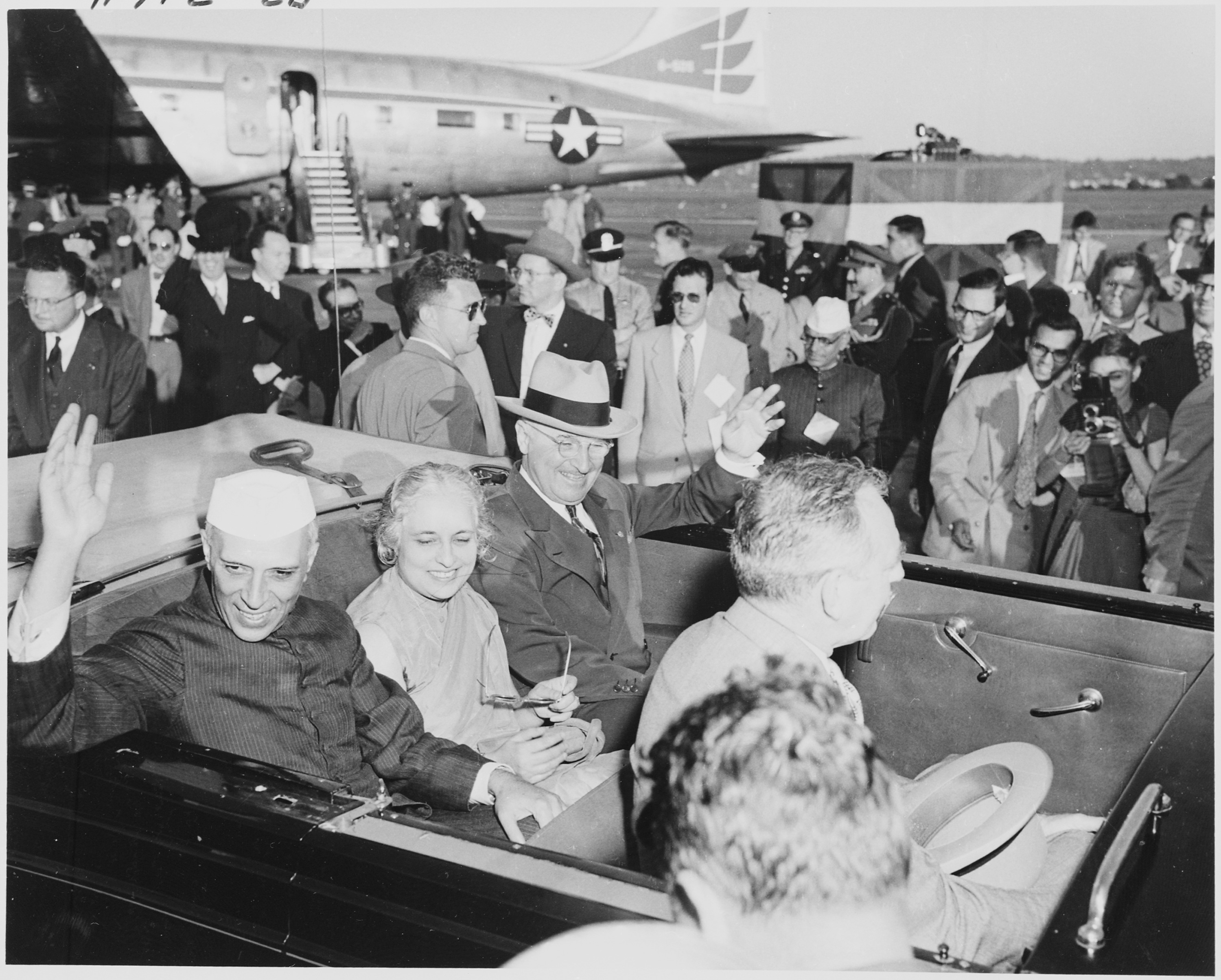
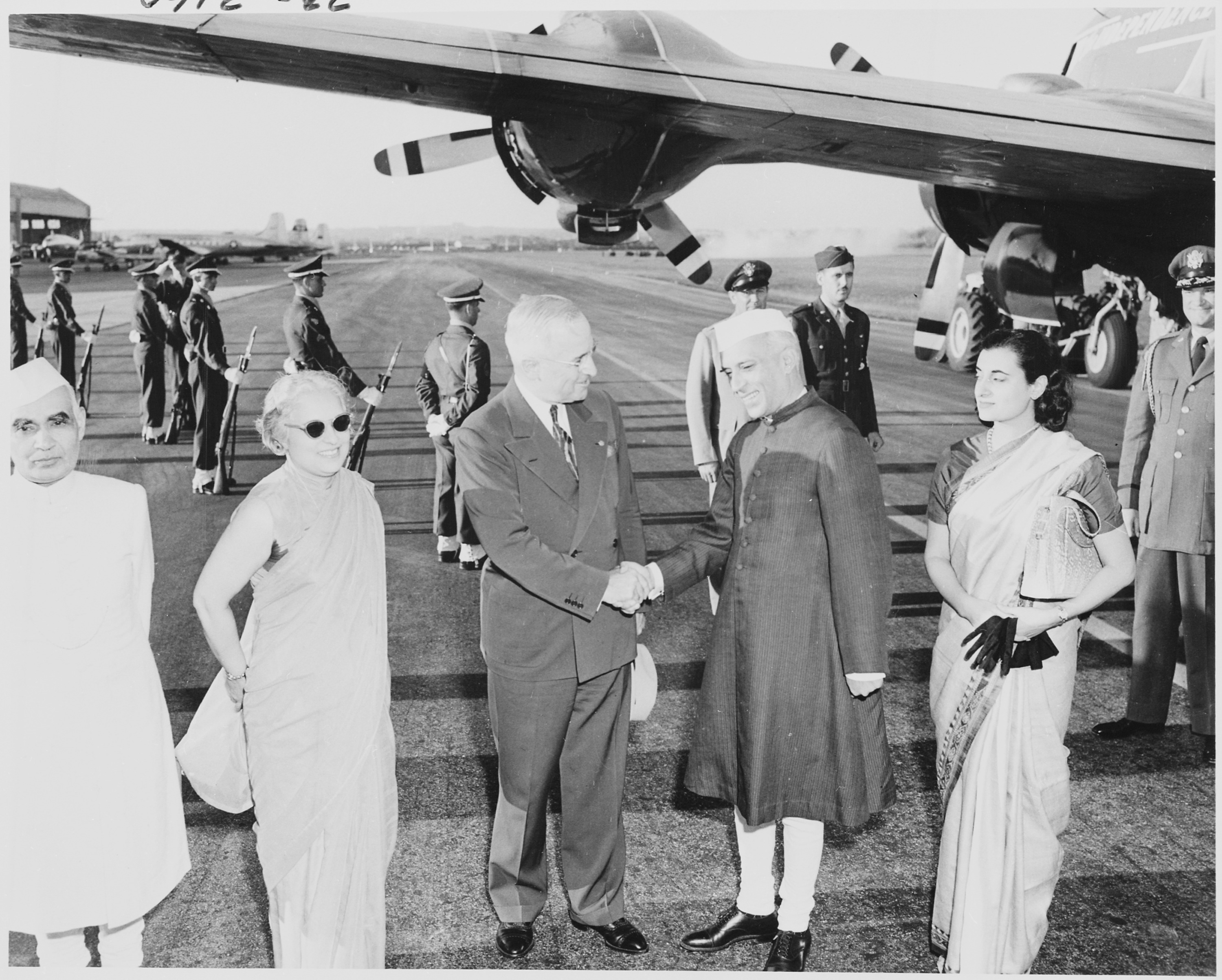
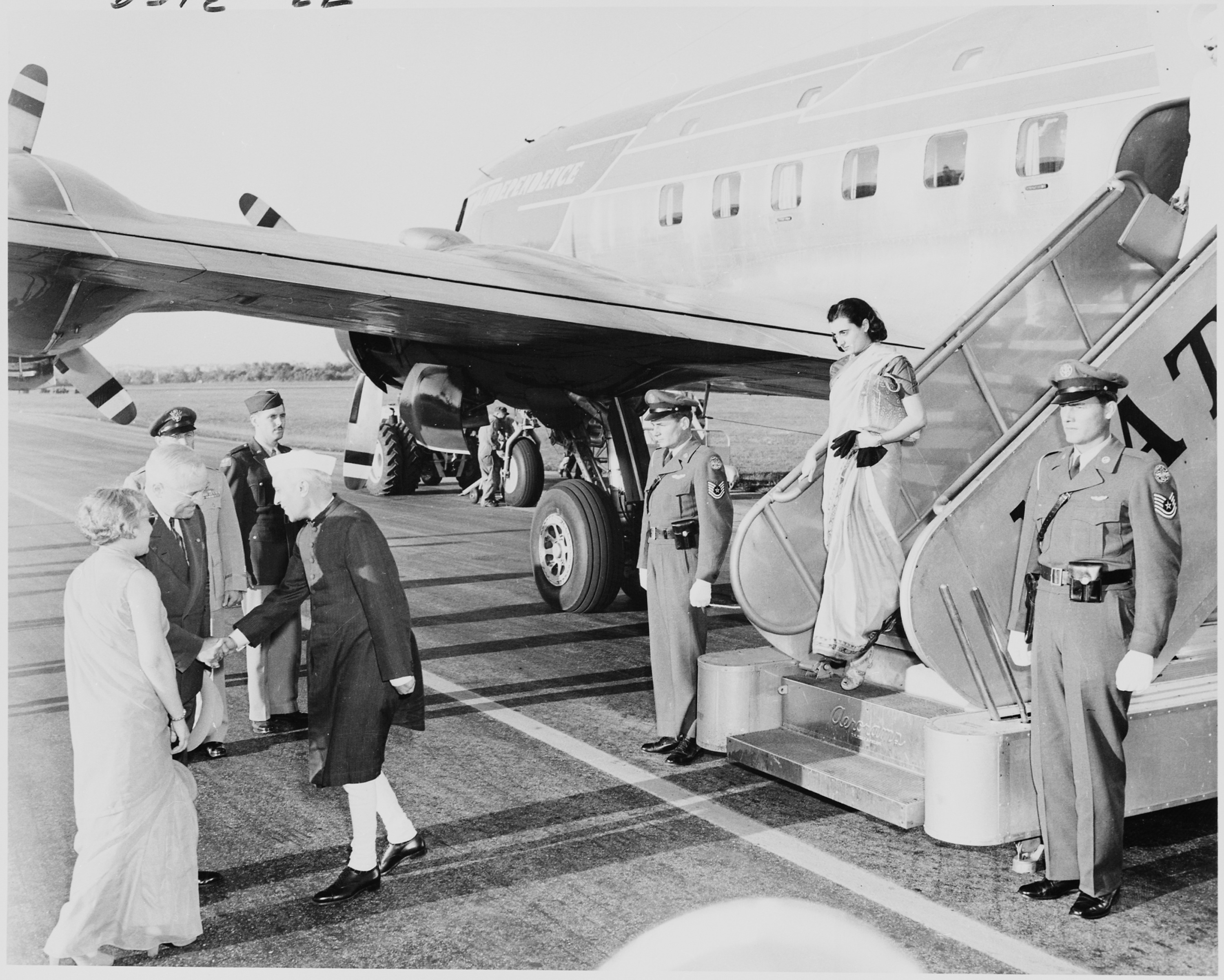
TIBET – INDIA – US RELATIONS – THE QUEST FOR TIBET EQUILIBRIUM. US PRESIDENT HARRY TRUMAN WITH INDIAN PRIME MINISTER JAWAHARLAL NEHRU AT THE NATIONAL AIRPORT IN WASHINGTON DC, ON OCTOBER 11, 1949.

People’s Republic of China came into her existence on October 01, 1949. Red China openly declared to world her ‘Expansionist’ Policy and it immediately raised security concerns in Tibet, India, and the United States. Tibet – India – US relations began with Indian Prime Minister Jawaharlal Nehru’s visit to Washington DC on October 11, 1949 to meet US President Harry Truman. Red China posed a direct threat to power balance in Southeast Asia. I would characterize Tibet – India – US relations as ‘The Quest for Tibet Equilibrium’. Tibet – India – United States remain united and have this common purpose for their historical relationship. The issue is not that of Middle Way or of meaningful autonomy for Tibetans. The issue is not that of Tibet’s Independence. It doesn’t matter if Tibet is part of China or not. Tibet, India, and the US view Communist China as “AGGRESSOR” nation in Tibet which endangered Power Balance in Southeast Asia. The issue is that of restoring Balance and Equilibrium in Tibet. Special Frontier Force is prepared to restore Balance and Equilibrium in Tibet by application of physical force to counteract Red China’s Force of Oppression in Tibet.

Rudranarasimham Rebbapragada

Ann Arbor, MI 48104-4162 USA
SPECIAL FRONTIER FORCE


The Spirits of Special Frontier ForceThe Spirits of Special Frontier Force, Ann Arbor, MI. At Special Frontier Force, I host ‘The Living Tibetan Spirits’…
 
View on www.Facebook.com


Why the Legacy of Tibet’s Cold War Freedom Fighters Still Matters

NOLAN PETERSON @nolanwpeterson October 29, 2015

TIBET – INDIA – US RELATIONS – THE QUEST FOR TIBET EQUILIBRIUM. TIBETAN RESISTANCE MOVEMENT REPRESENTS THE QUEST FOR TIBET EQUILIBRIUM. LHASANG TSERING. Photo. Nolan Peterson. The Daily Signal.

Lhasang Tsering, 68, a Chushi-Gangdruk veteran who served in Nepal’s Mustang region in the 1970s. (Photo: Nolan Peterson/The Daily Signal)

DHARAMSHALA, India—When Sonam Dorjee was a Buddhist monk at the Debung Monastery in the Tibetan capital of Lhasa, he would not kill an insect. After all, that annoying fly buzzing in your ear could be the reincarnation of a beloved family member.

But when Chinese soldiers opened fire on the Tibetan refugees with whom Dorjee was fleeing across the Himalayas in 1959, the then-25-year-old monk picked up a rifle and fought back.
“It was a journey to become a different man,” Dorjee, now 81 years old, said during an interview at his home in the misty mountain village of McLeod Ganj, just outside Dharamshala.

“I had to develop a totally different mentality,” he said. “I lost my country and saw the Chinese kill many people in front of me. If you meet such a situation, it helps you to convert your mind. I had to do something for my country. There was no other choice.”

After Chinese soldiers began to shell Lhasa in 1959, Dorjee fled across the Himalayas with a group of monks and other refugees who were escorted by Chushi-Gangdruk guerilla fighters. When Chinese soldiers attacked Dorjee’s group, the fighting spirit of the Tibetan guerillas inspired the young monk. “If not for the Chushi-Gangdruk,” he said, “His Holiness and no other Tibetans would have escaped Tibet.”

“They saved Tibet,” he added. “I saw what they did, and I was thinking that I could take a weapon and I could fight for my country too.”

TIBET – INDIA – US RELATIONS – THE QUEST FOR TIBET EQUILIBRIUM. SONAM DORJEE, ESTABLISHMENT NO. 22, SPECIAL FRONTIER FORCE. Photo. Nolan Peterson. The Daily Signal.

Sonam Dorjee, 81, a veteran of India’s Establishment 22 and a former bodyguard of the Dalai Lama. (Photo: Nolan Peterson/The Daily Signal)

Six years later, a 31-year-old Dorjee decided to abandon his monk’s robes for good when he joined Establishment 22—a secret all-Tibetan unit in the Indian army created after China attacked India in the 1962 Sino-Indian war. For the former monk, becoming a soldier meant abandoning some of his most elemental philosophies and beliefs—including the prohibition on killing.

“It was very difficult to give up being a monk,” he said. “It was a totally different life. As a monk, we do puja and we pray. As a soldier we trained to kill people.”

The CIA initially provided training and equipment for Establishment 22, and Dorjee remembers the CIA instructors fondly. He said their support gave the Tibetan resistance movement a morale boost. “America trained us, and gave us food and weapons,” he said. “I have a deep appreciation and a great respect for America.”

Dorjee served in Establishment 22 for 10 years before he was selected for the Dalai Lama’s bodyguard, a post he held for 11 years. Establishment 22 never faced Chinese soldiers in combat, but saw action in operations against Pakistan, including the 1971 Indo-Pakistani war.

Establishment 22 is still active and draws recruits from Tibetan refugees in India and Nepal. A dispute over pensions has tempered Dharamshala’s support for the unit, but even today, the possibility of one day fighting the Chinese lures Tibetan recruits.

“When I joined the army, I wanted to kill Chinese,” Dorjee said. “All I wanted was to kill just one Chinese soldier. I was very angry.”
“It didn’t work out like that,” he continued. “I regretted not killing any Chinese. Now I don’t hate China, but I don’t regret the fighting. I tried my best. I have no anger left.”

STUCK IN THE MIDDLE

The predominant narrative of the Tibetan resistance has been the Dalai Lama’s push for nonviolence and the “middle way”—a policy dating back to the 1970s that does not call for full Tibetan independence but a status of “genuine autonomy,” in which Tibetans control internal matters and are able to preserve their culture and religion but relegate international affairs and defense to Beijing.

Yet, the Dalai Lama is only one part of the Tibetan resistance story. From the 1950s through the mid-1970s a CIA-backed Tibetan freedom fighter army called the Chushi-Gangdruk waged a bloody guerilla war against China from inside Tibet and bases in Nepal. And after the 1962 Sino-Indian war, thousands of Tibetan men signed up for Establishment 22 (which the CIA trained and supported with arms and supplies) for a chance to fight China.

The combined combat history of the Chushi-Gangdruk and Establishment 22 challenges the Tibetan nonviolent resistance narrative. And the legacy of Tibet’s freedom fighters continues to inspire generations of Tibetan refugees to retain their hope for freedom and to resist Chinese oppression off the battlefield. While most Tibetan refugees still support the Dalai Lama’s middle way approach, recent signs of wavering in China’s economy have sparked a debate within the refugee community about how Tibetans should react if China’s Communist Party collapses.

“The Chushi-Gangdruk legacy has inspired younger generations,” said Tenzin Nyinjey, researcher at the Tibetan Center for Human Rights in Dharamshala—home of the Tibetan government in exile.

“The hope for freedom hasn’t faded at all,” he added. “We’re going to see something really explosive within our lifetime.”

The debate orbits around whether the Tibetan government in exile should continue pushing for autonomy, as the Dalai Lama has advocated, or push for full-fledged independence, which Tibet’s freedom fighters fought for during the Cold War. And with the Dalai Lama’s 80th birthday this year, there is also quiet debate within the refugee community about how long support for the middle way will last after his death.

“We know armed resistance is impossible, the CCP [Chinese Communist Party] has to collapse or the system has to change,” Nyinjey said. “This is not the Cold War, no one is going to arm or train Tibetans to fight. But Tibetans are quite ready to declare independence if the Communist system collapses. We have the institutions of political democracy already built here in India.”
“Independence usually doesn’t require picking up a gun,” he added. “But when the time comes, young Tibetans will do what it takes.”

Many Tibetan refugees, however, still prefer the middle way approach over full independence. They base their support for the policy on a combination of pragmatism and their faith in the Dalai Lama.

“With Gorbachev, the USSR ended in an instant,” said Norbu Dorjee, 61, a business owner in Leh, the capital of India’s Himalayan Ladakh region. “China’s problems are good for us. We hope that China will become democratic, that the Communist party will collapse and we can go home.”

“But,” Dorjee added, “we are still only asking for internal autonomy, not total independence. We have to maintain faith in the path His Holiness has chosen for us.”

“I believe the middle way will last,” said Thupten Gyantso, 41, a Tibetan refugee living in Pokhara, Nepal. “The reality is that China is too powerful for us to win independence. And even if we become independent, we will still rely on China for many things.”

Opponents of the middle way claim the 40-year-old policy has achieved little for Tibetan refugees and that human rights inside Tibet have worsened in the intervening decades.
“So long as Tibet insists on only achieving autonomy, it will not be an international issue,” said Lhasang Tsering, 68, a Chushi-Gangdruk veteran who served in Nepal’s Mustang region in the 1970s. He now lives in Dharamshala and owns a bookshop called “Bookworm.”

“Unless the Dalai Lama makes freedom the ultimate goal, for peace and justice, other countries won’t help us,” Tsering said. “It might be too late for Tibet by the time China collapses.”
Some point to the recent Tibetan government in exile’s elections for prime minister as a bellwether for a renewed independence movement. The candidate who has arguably created the most media attention within the Tibetan refugee community is LukarJam—who has stirred controversy by openly challenging the Dalai Lama’s middle way policy and arguing for independence.

“It’s fashionable to talk about the middle way, but it kills the passion to act,” Jam said, according to the Associated Press. “I have separated the spiritual and political Dalai Lama and criticize only his political policies.”
“His popularity shows skepticism about the middle way,” Nyinjey said, referring to Jam. “There’s a movement happening that shows a fracturing of Tibetan opinion, and proponents of the middle way are being forced to defend their policies.”

TIPPING POINT?

Paralleling the middle way debate is a mounting resistance movement inside Tibet against Chinese rule—evidenced by protests in 2008 and a wave of self-immolations in Tibet that began in 2009. And with Beijing hosting the 2022 Winter Olympics, some speculate that there could be a repeat of the protests that swept across Tibet in advance of the 2008 Beijing Summer Olympics.

During the 2008 protests, Tibetans sacked Chinese-owned businesses and attacked Han Chinese on the streets, underscoring simmering ethnic tensions inside China’s Tibet Autonomous Region.

“In 2008 this major uprising happened across Tibet,” said Sherab Woeser, visiting fellow at The Tibet Policy Institute, a think tank in Dharamshala. “No one expected it, and it was young people who led it. They want to have Tibetan textbooks in school and to be able to wave their flag and honor the Dalai Lama. Young people are expressing themselves in Tibet saying they want to be free.”

After the 2008 protests, Chinese authorities cracked down in the Tibet Autonomous Region. Surveillance increased, as did reports of arbitrary arrest and torture. Pictures of the Dalai Lama and the Tibetan flag were outlawed, new travel restrictions were put in place and the borders with India and Nepal were sealed, practically stemming the flow of refugees out of Tibet.

Since 2009, 142 Tibetans have self-immolated inside China as a reaction to China’s crackdown. While the Tibetan self-immolators comprise all ages and spectrums of society, the average age of the self-immolators is 24, reflecting what some claim is increasing resistance against Chinese rule among Tibetan youth.

“The self-immolations are just a continuance of the Chushi-Gangdruk resistance,” Nyinjey said. “Nothing has changed. The occupation and the oppression have always been there. The same causes of the resistance are still there, but the form of resistance has changed.”

“Tibetans have seen so much death, pain and oppression, and that shows in the way they protest,” Woeser said.
Some also speculate that a renewed Tibetan independence movement could spark a chain reaction of secessionist movements in China’s Inner Mongolia and Xinjiang autonomous regions.

“Tibet can be the Tunisia, the trigger, for the breakup of China,” Nyinjey claimed, referencing the self-immolation of a street vendor in Tunisia in December 2010 that was a catalyst for the Arab Spring.
LEGACY

Despite the overwhelming odds against them, Tibet’s guerilla fighters fought fiercely, suffering heavy casualties as they faced Chinese artillery, tanks and bombers from horseback, armed with swords and World War I rifles.

“They had no knowledge of how to fight, they were just very patriotic and wanted to fight for their country,” said Tenpa Dhargyal, 37, general secretary of the Welfare Society of Central Dokham Chushi-Gangdruk, a New Delhi-based organization dedicated to caring for Chushi-Gangdruk veterans and their families.

Dhargyal’s grandfather was a Chushi-Gangdruk fighter who died fighting the Chinese. “Their courage came from their anger,” he said.

The Chushi-Gangdruk played a key role in establishing Tibet’s government in exile. In 1959, the Chushi-Gangdruk’s control over territory in southern Tibet created a protected corridor through which the Dalai Lama escaped to India. And after the Dalai Lama was safely in exile, the Chushi-Gangdruk subsequently protected the tens of thousands of refugees who fled across the Himalayas into India and Nepal.

TIBET – INDIA – US RELATIONS – THE QUEST FOR TIBET EQUILIBRIUM. TENPA DHARGYAL, GENERAL SECRETARY, THE WELFARE SOCIETY OF CENTRAL DOKHAM CHUSHI-GANGDRUK. Photo. Nolan Peterson. The Daily Signal.

“We don’t want to live under Chinese rule. We want our country back.” —Tenpa Dhargyal, 37, general secretary of the Welfare Society of Central Dokham Chushi-Gangdruk. (Photo: Nolan Peterson/The Daily Signal)

In 1957, two years prior to the Dalai Lama’s escape, the CIA began paramilitary training for handpicked Chushi-Gangdruk fighters. The training took place at secret bases in Saipan; Camp Hale, Colorado; and Camp Peary, Virginia (at a facility known as the “farm”).

After their instruction, the Tibetan operatives parachuted into Chinese-occupied Tibet from CIA aircraft ranging from World War II era B-17s (which were painted all black) to C-130s. To create plausible deniability should an aircraft go down, the CIA initially used East European pilots recruited for covert missions over Soviet Ukraine. Air America (an aviation front for the CIA) later handled the Tibetan missions.

The Chushi-Gangdruk eventually set up camps in the remote Mustang region of Nepal, from which they launched cross-border raids into China.

The CIA supported the Chushi-Gangdruk with airdropped weapons, ammunition and supplies until 1972, when President Richard Nixon normalized relations with China and U.S. support for the Tibetan resistance was cut off. The Chushi-Gangdruk continued to operate from Nepal for several more years without U.S. backing, but achieved little.

“The U.S. treated it as a tactical move to harass the Communist block from behind, it was not a strategic decision to support Tibetan independence,” Tsering, the Chushi-Gangdruk veteran said.

“But it’s easy to point the finger at others for our failure,” he added. “We failed to capitalize on the CIA’s support to internationalize our cause and unite world opinion to support us.”

In 1974, after bowing to Chinese pressure, the Nepalese military rooted the Chushi-Gangdruk out of their mountain hideouts in Mustang, killing many (including their commander, General Gyato Wangdu, who had been trained by the CIA at Camp Hale, Colorado) in high-altitude gunfights. The Dalai Lama sent a taped message imploring the Mustang resistance to lay down their arms, spurring several fighters to commit suicide.

For some Tibetans, the history of China’s invasion of Tibet and the legacy of lives lost in the ensuing Tibetan resistance fuels a lingering distaste for submitting to Chinese rule—which they see the middle way as promoting.

“Even though they asked us to be friends with China, we don’t want it,” Dhargyal said. “We can’t make friends with them because they killed our grandparents. We don’t want to live under Chinese rule. We want our country back.”
KARMA
Chungdak Bonjutsang began to cry when he described how Chinese soldiers killed his mother in 1959.

Bonjutsang, now 61 years old, covered his eyes with his hands. His chest heaved a few times with deep breaths. He tried to fight through it and talk, but he choked up. After a silent moment, he wiped his eyes clear, looked up to the ceiling for an instant, and then continued.

Bonjutsang was only 6 years old when his mother, father, uncle and older brother crossed the Himalayas to escape Communist rule in Tibet. They were in a group of about 400, he said. Women, children and the elderly were kept in front, while the men and the Tibetan Chushi-Gangdruk guerilla fighters stayed at the rear to repel Chinese attacks. Their group was a part of the 80,000 Tibetans who flooded into India and Nepal in 1959 after the People’s Liberation Army (PLA) shelled protesters in the Tibetan capital of Lhasa.

TIBET – INDIA – US RELATIONS – THE QUEST FOR TIBET EQUILIBRIUM. CHUNGDAK BONJUTSANG TIBETAN EXILE. Photo. Nolan Peterson. The Daily Signal.

Chungdak Bonjutsang, 61, fled Tibet with his family in 1959. (Photo: Nolan Peterson/The Daily Signal)

Bonjutsang remembers the sounds of bullets ricocheting off the hard stones of the mountain when the Chinese attack came. Exposed on a high-altitude pass with nowhere to hide, the only options were to run or fight back.
Bonjutsang’s father tied the scared 6-year-old boy to one of the horses used to carry supplies so that he wouldn’t be lost in the confusion of the gunfight. And then his father and uncle joined the Chushi-Gangdruk guerillas in fighting back the Chinese soldiers.

During the attack, Bonjutsang’s mother was shot in the side. She died quickly. And with the Chinese in pursuit, there was no time to bury her. “We just left her on the ice, and then we ran away,” Bonjutsang said during an interview at the Sonamling Tibetan refugee colony in India’s Himalayan Ladakh region.

“I was very young then,” he said. “But as I grew older, the pain got worse. I can’t stop thinking about her lying dead on the ice. I see her at night when I go to sleep.”
Fifty-six years later, Bonjutsang’s pain and his anger over his mother’s murder have not faded. “China is still the enemy,” he said. He has never returned to Tibet, and admits that he may never be able to. Yet, his hope that Tibet will regain its independence has not faded—and that hope is sustained by his unshakeable faith in the Dalai Lama.

“We have great hope that we will be able to return the Dalai Lama to Tibet before he passes,” Bonjutsang said. “As long as His Holiness is alive we believe freedom is possible.”
A smile crept across Bonjutsang’s face. He added: “And, of course, we also hope His Holiness outlives the Communist Party in China.”


 Portrait of Nolan Peterson@nolanwpeterson

NOLAN PETERSON

Nolan Peterson, a former special operations pilot and a combat veteran of Iraq and Afghanistan, is The Daily Signal’s foreign correspondent based in Ukraine.


The Daily Signal logo

TIBET – INDIA – US RELATIONS – THE QUEST FOR TIBET EQUILIBRIUM. THE QUEST BEGAN ON OCTOBER 11, 1949 WITH INDIAN PRIME MINISTER’S VISIT TO WASHINGTON DC. INDIA REPRESENTED TIBET’S INTERESTS AND PROVIDED STIMULUS FOR INDIA – US RELATIONS.


TIBET – INDIA – US RELATIONS – THE QUEST FOR TIBET EQUILIBRIUM. NEHRU – TRUMAN MEETING ON OCTOBER 11, 1949. TIBET EQUILIBRIUM WAS THE CHIEF CONCERN AND PURPOSE FOR THIS RELATIONSHIP.
TIBET – INNDIA – US RELATIONS – THE QUEST FOR TIBET EQUILIBRIUM. NEHRU – TRUMAN MEETING ON OCTOBER 11, 1949. INDIA REACHED OUT TO THE US ON BEHALF OF TIBET.
TIBET – INDIA – US RELATIONS – THE QUEST FOR TIBET EQUILIBRIUM. THIS LEGACY BEGAN ON OCTOBER 11, 1949 WITH HISTORICAL MEETING OF NEHRU AND TRUMAN.


TIBET – INDIA – US RELATIONS – THE QUEST FOR TIBET EQUILIBRIUM. THIS LEGACY BEGAN WITH NEHRU AND TRUMAN AND IT WITHSTOOD THE TEST OF TIME.
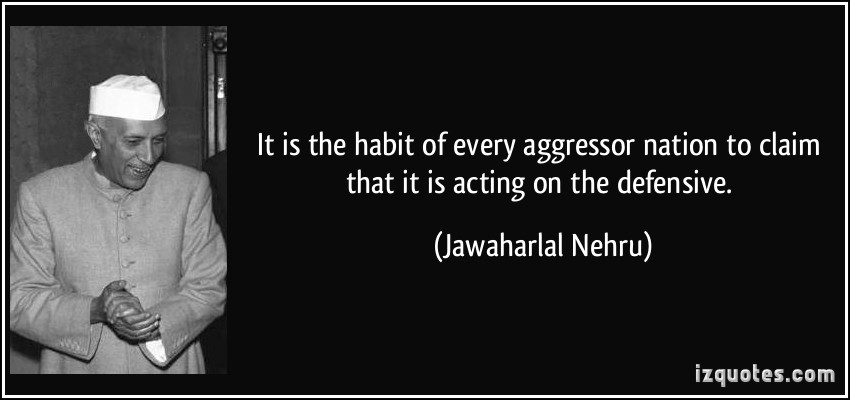
TIBET – INDIA – US RELATIONS – THE QUEST FOR TIBET EQUILIBRIUM. TIBET, INDIA, AND THE US RECOGNIZE CHINA AS AGGRESSOR NATION AND DESIRE TO RESTORE BALANCE IN TIBET.


TIBET – INDIA – US RELATIONS – THE QUEST FOR TIBET EQUILIBRIUM. TIBET, INDIA, AND THE US SHARE A COMMON CONCERN ABOUT RED CHINA.


TIBET – INDIA – US RELATIONS – THE QUEST FOR TIBET EQUILIBRIUM. INDIA’S FIRST PRIME MINISTER NEHRU AND LATER ALL OTHER PRIME MINISTERS INCLUDING HIS DAUGHTER INDIRA GANDHI VIEW CHINA AS AGGRESSOR NATION.
TIBET – INDIA – US RELATIONS – THE QUEST FOR TIBET EQUILIBRIUM. IN OCTOBER 1949 WHEN COMMUNIST CHINA DECLARED HER EXPANSIONIST POLICY, IT SET OFF ALARM BELLS IN TIBET, INDIA, AND THE US.
TIBET – INDIA – US RELATIONS – THE QUEST FOR TIBET EQUILIBRIUM. TIBET, INDIA, AND THE US BEGAN THIS QUEST IN OCTOBER 1949 SOON AFTER COMMUNIST PARTY CHAIRMAN MAO ZEDONG ANNOUNCED FOUNDING OF PEOPLE’S REPUBLIC OF CHINA. THIS LEGACY OF DALAI LAMA, NEHRU, AND TRUMAN STILL SURVIVES.


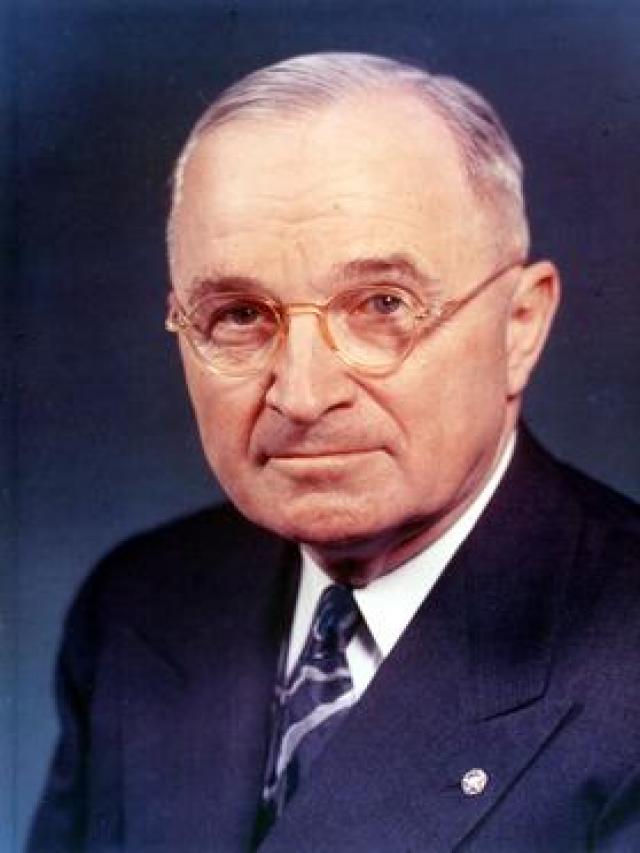
TIBET - INDIA - US RELATIONS - THE QUEST FOR TIBET EQUILIBRIUM. US PRESIDENT HARRY S TRUMAN.
TIBET – INDIA – US RELATIONS – THE QUEST FOR TIBET EQUILIBRIUM. US PRESIDENT HARRY S TRUMAN.
TIBET - INDIA - US - RELATIONS - THE QUEST FOR TIBET EQUILIBRIUM. TIBET IS STILL IMPORTANT FOR INDIA'S SECURITY. US WANTS POWER BALANCE IN SOUTHEAST ASIA.
TIBET – INDIA – US – RELATIONS – THE QUEST FOR TIBET EQUILIBRIUM. TIBET IS STILL IMPORTANT FOR INDIA’S SECURITY. US WANTS POWER BALANCE IN SOUTHEAST ASIA.
TIBET - INDIA - US RELATIONS - THE QUEST FOR TIBET EQUILIBRIUM.
TIBET – INDIA – US RELATIONS – THE QUEST FOR TIBET EQUILIBRIUM.
TIBET - INDIA - US RELATIONS - THE QUEST FOR TIBET EQUILIBRIUM. TIBET, INDIA, AND THE US VIEW CHINA AS AGGRESSOR NATION THAT UPSET POWER BALANCE IN TIBET.
TIBET – INDIA – US RELATIONS – THE QUEST FOR TIBET EQUILIBRIUM. TIBET, INDIA, AND THE US VIEW CHINA AS AGGRESSOR NATION THAT UPSET POWER BALANCE IN TIBET.
TIBET - INDIA - US RELATIONS - THE QUEST FOR TIBET EQUILIBRIUM. THE EMERGENCE OF RED CHINA IN OCTOBER 1949 AND HER EXPANSIONIST POLICY HAS UPSET POWER BALANCE IN SOUTHEAST ASIA.
TIBET – INDIA – US RELATIONS – THE QUEST FOR TIBET EQUILIBRIUM. THE EMERGENCE OF RED CHINA IN OCTOBER 1949 AND HER EXPANSIONIST POLICY HAS UPSET POWER BALANCE IN SOUTHEAST ASIA.


TIBET EQUILIBRIUM – DOCTOR’S ORDER – COMPASSION

TIBET EQUILIBRIUM – DOCTOR’S ORDER – COMPASSION

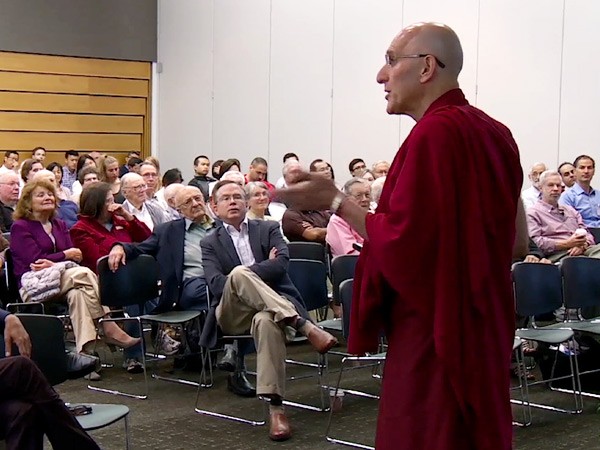
TIBET EQUILIBRIUM – DOCTOR’S ORDER – COMPASSION – DR BARRY KERZIN, DALAI LAMA’S PERSONAL PHYSICIAN.

His Holiness the Dalai Lama’s personal physician, Dr. Barry Kerzin who lives in India is prescribing use of Compassion in practice of Medicine. Compassion is an instinct that is evoked when a person witnesses pain and suffering in the lives of other living entities. Compassion provides Motivation or Drive to perform actions that will help to relieve pain experienced by a victim and provide uplift to such victim to overcome feelings of sorrow and misery. Compassion acts like a physical force for it helps the performer of Compassionate action. While acting under the influence of Compassion, the performer acts without experiencing personal hardship or tiredness. Compassion provides additional energy with which performer of Compassionate actions overcomes physical barriers that may limit physical capacity in ordinary circumstances.

In Tibet, I witness action of two opposing forces; 1. Physical Force used by Red China to oppress Tibetans, and 2. Resistance Force used by Tibetans to counteract Oppression. To have Balance and Equilibrium in Tibet, we need both interacting forces to be of same power. I witness pain, suffering, and misery in the lives of Tibetan people as their power of Resistance is not equal to Force of Oppression applied by Red China. This tragic situation in Tibet evokes instinct of Compassion directing me to take action to find Balance and Equilibrium in Tibet. I am seeking Force of Compassion to physically uplift Red Army from Tibet. When this brutalizing force is evicted from Tibet, there will be Peace, Harmony, and Tranquility in Tibet as Balance and Equilibrium will be restored.

Rudranarasimham Rebbapragada
Ann Arbor, MI 48104-4162 USA
SPECIAL FRONTIER FORCE


The Spirits of Special Frontier ForceThe Spirits of Special Frontier Force, Ann Arbor, MI.  At Special Frontier Force, I host ‘The Living Tibetan Spirits’…
 
View on www.Facebook.com


PBS NEWSHOUR
Dalai Lama’s American doctor wants more compassion in medicine

October 27, 2015 at 6:35 PM EDT

Dalai Lama’s doctor wants more compassion in medicine. Before he was a personal physician to the Dalai Lama, Dr. Barry Kerzin never imagined that a professional trip to Tibet would lead him down a decades-long path studying Buddhism and meditation. Special correspondent Fred de Sam Lazaro talks to Kerzin in India about his feeling that compassion and empathy are essential to medical training. 2015-10-27

http://www.pbs.org/newshour/wp-content/uploads/2015/10/20151027_dalailama.mp3


TRANSCRIPT

JUDY WOODRUFF: But, first, the Dalai Lama was supposed to arrive in the U.S. yesterday. He didn’t, because doctors at the Mayo Clinic advised him to rest.
But advice flows both ways in the relationship between the Buddhist leader and his personal physician.

Special correspondent Fred de Sam Lazaro reports on how the Dalai Lama inspired a California native to move halfway across the world and bring compassion back into a medical care system dominated by technology.

The report is part of Fred’s ongoing series Agents for Change.

FRED DE SAM LAZARO: Sixty-eight-year-old California native Barry Kerzin began his career as a professor of family medicine at the University of Washington. He never dreamed it would lead to a pro bono house calls thousands of miles away in Tibetan.

DR. BARRY KERZIN, Buddhist Scholar: I keep pinching myself, Fred. I don’t know.
(LAUGHTER)

FRED DE SAM LAZARO: He first arrived here after hearing that the Dalai Lama had wanted a Western physician to train traditional Tibetan doctors in modern research methods.

DR. BARRY KERZIN, Buddhist Scholar: We did a research study. And we used that pedagogically to train the local Tibetan medicine doctors how to do the research.
And then I got more involved with Buddhism. I had already been very interested. I got more involved with meditation and study. And I ended up extending my stay. And that’s happened again and again and here I am 27 years.

FRED DE SAM LAZARO: He came to India from a life punctuated by pain and loss, at 11, a near fatal brain abscess that required extensive surgery and left a permanent lump on his skull. His mother died young, and a few years later so did his wife, only in her mid-30s, both from cancer.
Buddhism became a sanctuary under the tutelage of the Dalai Lama, who told him to stay connected to the world.

DR. BARRY KERZIN: He always encouraged me to keep my credentials and to continue practicing medicine. Don’t just do the wisdom. Also do the love and the compassion. In fact, do them 50/50. Those were his words.

FRED DE SAM LAZARO: Scholarship in Buddhism led to his ordination as a monk, while meditation has been a path to inner peace and happiness. And that’s translated into empathy, he said.

DR. BARRY KERZIN: It’s slowly moved me along to be more compassionate, to be less selfish.
I don’t get angry very much anymore. I used to be highly competitive. I’m still somewhat competitive, but it’s more now personal, not at the expense of somebody else. I think it’s a combination of meditation and also, as His Holiness calls, emotional hygiene.

FRED DE SAM LAZARO: Kerzin, who now serves as a personal physician to the Dalai Lama, has taken the spiritual leader’s gospel of emotional hygiene and compassion to medical practitioners around the world.
DALAI LAMA (through interpreter): He is my messenger. Go to Japan, go to Mongolia.

FRED DE SAM LAZARO: And full circle to America.

DR. BARRY KERZIN: It’s lovely to be at Stanford.

FRED DE SAM LAZARO: A few years ago, a prestigious lecture at a top U.S. medical school wouldn’t have been given by a man who left American medicine and many stunned colleagues for a very different world, where he doesn’t own a house, car or refrigerator.

DR. BARRY KERZIN: I think initially they thought I went off the deep end. What are you doing living in India? Come on. You know, how can you stay healthy? Why don’t you come back? And you could have a very good life. You could have a very good academic life in medicine. You could have a very comfortable economic life. It’s ridiculous what you’re doing.
So let’s meditate, OK?

FRED DE SAM LAZARO: But on this day, they were listening, even meditating, with him. Kerzin says meditation helps one focus on the now, the present. You tune out the past and all your regrets, tune out planning and worry about the future. It’s taken years, he says, but gotten results, scientifically measured results.

DR. BARRY KERZIN: This is in Madison, the University of Wisconsin, and they’re researching my brain.

FRED DE SAM LAZARO: Kerzin has been part of a series of studies into the impact of meditation on the brain.

DR. BARRY KERZIN: What they found were changes in the prefrontal cortex. This area is called the executive function area, the PFC, and it helps with things like planning, reasoning, imagination, empathy, to feel as — like another person is feeling. So these areas were enhanced, both anatomically and functionally, in long-term meditators.

FRED DE SAM LAZARO: Kerzin’s host at Stanford said there’s an epidemic of dissatisfaction among American doctors today, which likely makes them more receptive to a message like Kerzin’s.

DR. ABRAHAM VERGHESE, Stanford School of Medicine: Fifty percent of them, they say in some studies, are unhappy. And that tells you this is not an individual problem. This is a systemic problem.

FRED DE SAM LAZARO: Dr. Abraham Verghese, well-known author and professor at Stanford, says technology, for all its benefits, leaves doctors little time for the compassion that drew most of them to medicine.

DR. ABRAHAM VERGHESE: There was a chilling paper from the “Journal of Emergency Medicine” titled “4,000 Clicks,” suggesting that an emergency medicine physician does 4,000 clicks a day and spends the great majority of their time on the computer, very little percentage of the time actually with patients, and similar studies that are coming out suggesting the same about residents and medical students and physicians in other specialties.

FRED DE SAM LAZARO: Kerzin says he wants to make compassion as integral to medical education as physiology or biochemistry, more partnerships between scientists and Buddhist scholars, a reconciliation of very different perspectives on life that he said he’s made internally.

DR. BARRY KERZIN: I used to say I wear two hats. So, sometimes, this is the medical hat, this is the Buddhist hat. But I don’t say that any more.

FRED DE SAM LAZARO: Today, he says he wears one scientist monk hat.

For the PBS NewsHour, this is Fred de Sam Lazaro in Dharmsala, India.


© 1996 – 2015 NewsHour Productions LLC.

All Rights Reserved.

Support the kind of journalism done by the NewsHour…Become a member of your local PBS Station.


TIBET EQUILIBRIUM – DOCTOR’S ORDER COMPASSION. THE FORCE OF OPPRESSION IS GREATER THAN THE FORCE OF RESISTANCE. COMPASSION IS TREATMENT TO BRING BALANCE AND EQUILIBRIUM IN TIBET.
TIBET EQUILIBRIUM – DOCTOR’S ORDER – COMPASSION. DR BARRY KERZIN RECOMMENDS TEACHING COMPASSION AS A SUBJECT IN MEDICAL EDUCATION.
TIBET EQUILIBRIUM – DOCTOR’S ORDER – COMPASSION. DR. BARRY KERZIN, DALAI LAMA’S PERSONAL PHYSICIAN RECOMMENDS TEACHING COMPASSION TO DOCTORS.
TIBET EQUILIBRIUM – DOCTOR’S ORDER – COMPASSION. DR. BARRY KERZIN, DALALI LAMA’S PERSONAL PHYSICIAN. TIBET NEEDS UPLIFTING POWER OF COMPASSION TO COUNTERACT FORCE OF OPPRESSION USED BY RED CHINA.


TIBET EQUILIBRIUM – DOCTOR’S ORDER – COMPASSION. DR. BARRY KERZIN, PERSONAL PHYSICIAN OF DALAI LAMA. MY PRESCRIPTION FOR TIBET. COUNTERACT OPPRESSION WITH UPLIFTING PHYSICAL FORCE OF COMPASSION.
TIBET EQUILIBRIUM – DOCTOR’S ORDER – COMPASSION. DR. BARRY KERZIN, DALAI LAMA’S PERSONAL PHYSICIAN. TIBET IS SUFFERING ON ACCOUNT OF LACK OF BALANCE CAUSED BY RED CHINA’S MILITARY OPPRESSION. MY PRESCRIPTION IS USE OF UPLIFTING PHYSICAL FORCE CALLED COMPASSION.

On www.pbs.org

Dr. Barry Kerzin – 2011 | Florida School of Holistic Living
On www.holisticlivingschool.org

Dr. Gervasio Lamas: ‘There is no prevention awareness’ - Worldnews ...
On article.wn.com

TIBET EQUILIBRIUM – DOCTOR ORDERS COMPASSION. DR. BARRY KERZIN, DALAI LAMA’S PERSONAL PHYSICIAN.


TIBET EQUILIBRIUM – RESISTANCE IS A DAILY ROUTINE

TIBET EQUILIBRIUM – RESISTANCE IS A DAILY ROUTINE

TIBET EQUILIBRIUM – RESISTANCE IS A DAILY ROUTINE
TIBET EQUILIBRIUM – RESISTANCE IS DAILY ROUTINE

Tibet’s awareness of military occupation generates a natural response called ‘RESISTANCE’. However, the strategy of Resistance demands recognition of external realities. Tibet’s Enemy is using overwhelming physical force to suppress any sign of Resistance. Tibet needs to use the tactic called Patience and Perseverance while Enemy wears herself out pursuing a course of self-destruction. I ask Tibet to practice Resistance as a Daily Routine. Red China’s Policy of Subjugation, and Tibet’s response of Resistance when practiced with Patience and Perseverance will maintain balance and equilibrium in the lives of Tibetans who may not have ability to confront Occupation using physical force. Tibet need to stay calm and unperturbed for Beijing is Doomed.

Rudranarasimham Rebbapragada
Ann Arbor, MI 48104-4162 USA
SPECIAL FRONTIER FORCE


The Spirits of Special Frontier ForceThe Spirits of Special Frontier Force, Ann Arbor, MI.  At Special Frontier Force, I host ‘The Living Tibetan Spirits’…
 
View on www.Facebook.com


The Dalai Lama’s Daily Routine and Information Diet

“To understand the Dalai Lama … perhaps it’s most useful to see him as a doctor of the soul.”

By Maria Popova

TIBET EQUILIBRIUM – RESISTANCE IS DAILY ROUTINE

I think a great deal about the difference between routine and ritual as a special case of our more general and generally trying quest for balance — ripped asunder by the contrary longings for control and whimsy, we routinize daily life in order to make its inherent chaos more manageable, then ritualize it in order to imbue its mundanity with magic, which by definition violates the predictable laws of the universe. I suspect that our voracious appetite for the daily routines of cultural icons is fueled by a deep yearning to glean some insight on and practical help with this impossible balancing act, from people who seem to have mastered it well enough to lead happy, productive, creatively fruitful, and altogether remarkable lives.
Perhaps the most unexpected yet brilliant master of this elusive modern equilibrium is the Dalai Lama.

TIBET EQUILIBRIUM – RESISTANCE IS DAILY ROUTINE.The Dalai Lama by Manuel Bauer

In the altogether magnificent The Open Road: The Global Journey of the Fourteenth Dalai Lama(public library), writer Pico Iyer — who has known the beloved spiritual leader since adolescence and, by the time he began writing this book, had visited him in his exile home for nearly thirty years — describes how the Dalai Lama begins each day:

[By] nine a.m. … the Dalai Lama himself had already been up for more than five hours, awakening, as he always does, at three-thirty a.m., to spend his first four hours of the day meditating on the roots of compassion and what he can do for his people, the “Chinese brothers and sisters” who are holding his people hostage, and the rest of us, while also preparing himself for his death.

Compressed into this humble and humbling morning routine is the entire Buddhist belief that life is a “joyful participation in a world of sorrows.” This daily rite of body and spirit is the building block of the Dalai Lama’s quiet and steadfast mission to, as Iyer elegantly puts it, “explore the world closely, so as to make out its laws, and then to see what can and cannot be done within those laws.” He writes:

To understand the Dalai Lama … especially if (as in my case) you come from some other tradition, perhaps it’s most useful to see him as a doctor of the soul.

As someone deeply invested in the crucial difference between information and wisdom, I was particularly fascinated by the Dalai Lama’s information diet — that is, what daily facts he chooses to fuse with ancient wisdom in his dedication to unraveling the nature of reality and making use of it in fortifying the soul. Iyer writes:

As a longtime student of real life, ruler of his people before the age of five, he listens every morning to the Voice of America, to the BBC East Asian broadcast, to the BBC World Service — even while meditating — and devours Time and Newsweek and many other news sources (I think of how the Buddha is often depicted with one hand touching the earth, in what Buddhists call the “witnessing the earth” gesture).

And yet the Dalai Lama approaches his information diet like he does his meditation — as a deliberate practice. In that sense, “meaning diet” is far more accurate a term, for he is remarkably deliberate about which aspects of the Information Age to fold into his meaning-making mission and which to sidestep. He chooses, for instance, to avoid one of the most perilous byproducts of our era, which Susan Sontag presaged in 1977 in her famous admonition against “aesthetic consumerism.” Iyer writes:

In the Age of the Image, when screens are so much our rulers, anyone who wishes to grab our attention — and to hold it — does so by converting himself into a “human-interest story,” translating his life into a kind of fable…. Those who long to be entrusted with real consequences in our lives acquire that power increasingly by presenting themselves as fairy tales.

The Dalai Lama, by nature and training, is in the odd position of trying to do the opposite: he comes to us to tell us that he is real, as real as his country, bleeding and oppressed, and that he lives in a world far more complex than a two-year-old’s cries of “Good Tibetans, bad Chinese” (the Dalai Lama would more likely say, “Potentially good Tibetans, potentially good Chinese”).

TIBET EQUILIBRIUM – RESISTANCE IS DAILY ROUTINE.The Dalai Lama by Manuel Bauer

At the heart of this message is a larger testament to the most essential characteristic of reality — something Alan Watts, who began popularizing Eastern philosophy in the West when the Dalai Lama was still a teenager, captured memorably when he wrote: “Life and Reality are not things you can have for yourself unless you accord them to all others.”

Indeed, contacting this interconnectedness of all beings and all lives is the very impetus for the Dalai Lama’s morning routine and his information diet — a beautiful assurance that beneath our obsession with routine and ritual lies a deeper, more expansive longing for meaning, for orienting ourselves in this vibrating universe of interconnectedness that we call reality.

Iyer articulates this elegantly:

Imagine, for a moment, that you are a body (not difficult to do, since in part that is what you are). You have eyes, ears, legs, hands, and, if you are lucky, all of them are in good working order. You never, if you are sane, think of your finger as an independent entity (though you may occasionally say, “My toe seems to have a mind of its own”). You are never, in your right mind, moved to hit your own foot, let alone sever it; the only loser in such an exercise would be yourself.
[…]
This is all simplistic to the point of self-evidence. But when the Buddhist speaks of “interdependence” (the central Buddhist concept of shunyata, often rendered as “emptiness,” the Dalai Lama has translated as “empty of independent identity”), all he is really saying is that we are all a part of a single body, and to think of “I” and “you,” of the right hand’s interests being different from the left’s, makes no sense at all. It’s crazy to impede your neighbor, because he is as intrinsic to your welfare as your thumb is. It’s almost absurd to say you wish to get ahead of your colleague — it’s like your right toe saying it longs to be ahead of the left.
[…]
Perhaps it’s not surprising, then, that the Fourteenth Dalai Lama is famous for his laughter, the sudden eruption of almost helpless giggles or a high-pitched shaking of the body. Seen from the vantage point of one who meditates several hours a day, traveling to the place where everything is connected, much of our fascination with surface or with division seems truly hilarious… Talking about friends and enemies is a little like holding on to this hair on your arm and claiming it as a friend, because you see it daily, and calling the hair on your back an enemy, because you never see it at all. Talking of how you are a Buddhist and therefore opposed to the Judeo-Christian teaching is like solemnly asserting that your right nostril is the source of everything good, and your left nostril a place of evil. The doctrine of “universal responsibility” is not only universal but obvious: it’s like saying that every part of us longs for our legs, our eyes, our lungs to be healthy. If one part suffers, we all do.

Suddenly, the Dalai Lama’s morning routine and his information diet are revealed in a whole new light of meaning — they are a form of self-empowerment in the journey toward shedding self-centeredness. (Lest we forget, as another great Buddhist teacher has put it, “you first need to have an ego in order to be aware that it doesn’t exist.”)

Iyer writes:

Buddhists do not (or need not) seek solutions from outside themselves, but merely awakening within; the minute we come to see that our destinies or well-being are all mutually dependent, they say, the rest naturally follows (meditation sometimes seems the way we come to this perception, reasoning the way we consolidate it). If you believe this, human life offers you many more belly laughs daily, as the Dalai Lama exemplifies.

And there, with a good-humored smirk, Iyer reminds us that his perspective isn’t perched on a holier-than-thou branch in the tree of life but grounded in his reality as a Westerner and a writer, and thus a creature of ego trying to learn the very lesson he is channeling:

Why despair, indeed, when you can change the world at any moment by choosing to see that the person who gave your last book a bad review is as intrinsic to your well-being as your thumb is?

The Open Road is an illuminating read in its totality, propelled by Iyer’s deeply pleasurable prose. Complement it with Iyer on what Leonard Cohen knows about the art of stillness and his superb On Being conversation with Krista Tippett, in which he recounts the experience of shadowing the Dalai Lama in order to capture his inner light:

On Being is one of these nine favorite podcasts for a fuller life — do your soul a favor and subscribe.


donating = loving

Bringing you (ad-free) Brain Pickings takes hundreds of hours each month. If you find any joy and stimulation here, please consider becoming a Supporting Member with a recurring monthly donation of your choosing, between a cup of tea and a good dinner.

Monthly donation

♥ $3 / month
♥ $7 / month
♥ $10 / month
♥ $25 / month


One-time donation

You can also become a one-time patron with a single donation in any amount:

Newsletter


Brain Pickings has a free weekly interestingness digest. It comes out on Sundays and offers the week’s best articles. Here’s an example. Like? Sign up.

Published June 9, 2015

https://www.brainpickings.org/2015/06/09/pico-iyer-the-open-road-dalai-lama/

BP

http://www.brainpickings.org

View Full Site


Brain Pickings participates in the Amazon Services LLC Associates Program, an affiliate advertising program designed to provide a means for sites to earn commissions by linking to Amazon. In more human terms, this means that whenever you buy a book on Amazon from a link on here, I get a small percentage of its price. That helps support Brain Pickings by offsetting a fraction of what it takes to maintain the site, and is very much appreciated


TIBET EQUILIBRIUM – RESISTANCE IS DAILY ROUTINE. THE DALAI LAMA’S DAILY ROUTINE AND INFORMATION DIET. BRAIN PICKINGS.


TIBET EQUILIBRIUM – RESISTANCE IS DAILY ROUTINE.


TIBET EQUILIBRIUM – RESISTANCE IS DAILY ROUTINE.


TIBET EQUILIBRIUM – RESISTANCE IS DAILY ROUTINE


TIBET EQUILIBRIUM – RESISTANCE IS DAILY ROUTINE.


TIBET EQUILIBRIUM – RESISTANCE IS DAILY ROUTINE.


TIBET EQUILIBRIUM – RESISTANCE IS DAILY ROUTINE
TIBET EQUILIBRIUM – RESISTANCE IS DAILY ROUTINE.


TIBET EQUILIBRIUM – RESISTANCE IS DAILY ROUTINE.


TIBET EQUILIBRIUM – RESISTANCE IS DAILY ROUTINE.


TIBET EQUILIBRIUM – RESISTANCE IS DAILY ROUTINE.


TIBET EQUILIBRIUM – RESISTANCE IS DAILY ROUTINE. A DAY IN DALAI LAMA’S LIFE. FORCED TO LIVE IN EXILE FOR RESISTING RED CHINA’S OCCUPATION OF TIBET.
TIBET EQUILIBRIUM – RESISTANCE IS DAILY ROUTINE.


TIBET EQUILIBRIUM – RESISTANCE IS DAILY ROUTINE. PICO IYER’S NEW BOOK.