CHINA’S TIBET POLICY – RECIPE FOR NATURAL DISASTER

CHINA’S TIBET POLICY – RECIPE FOR NATURAL DISASTER
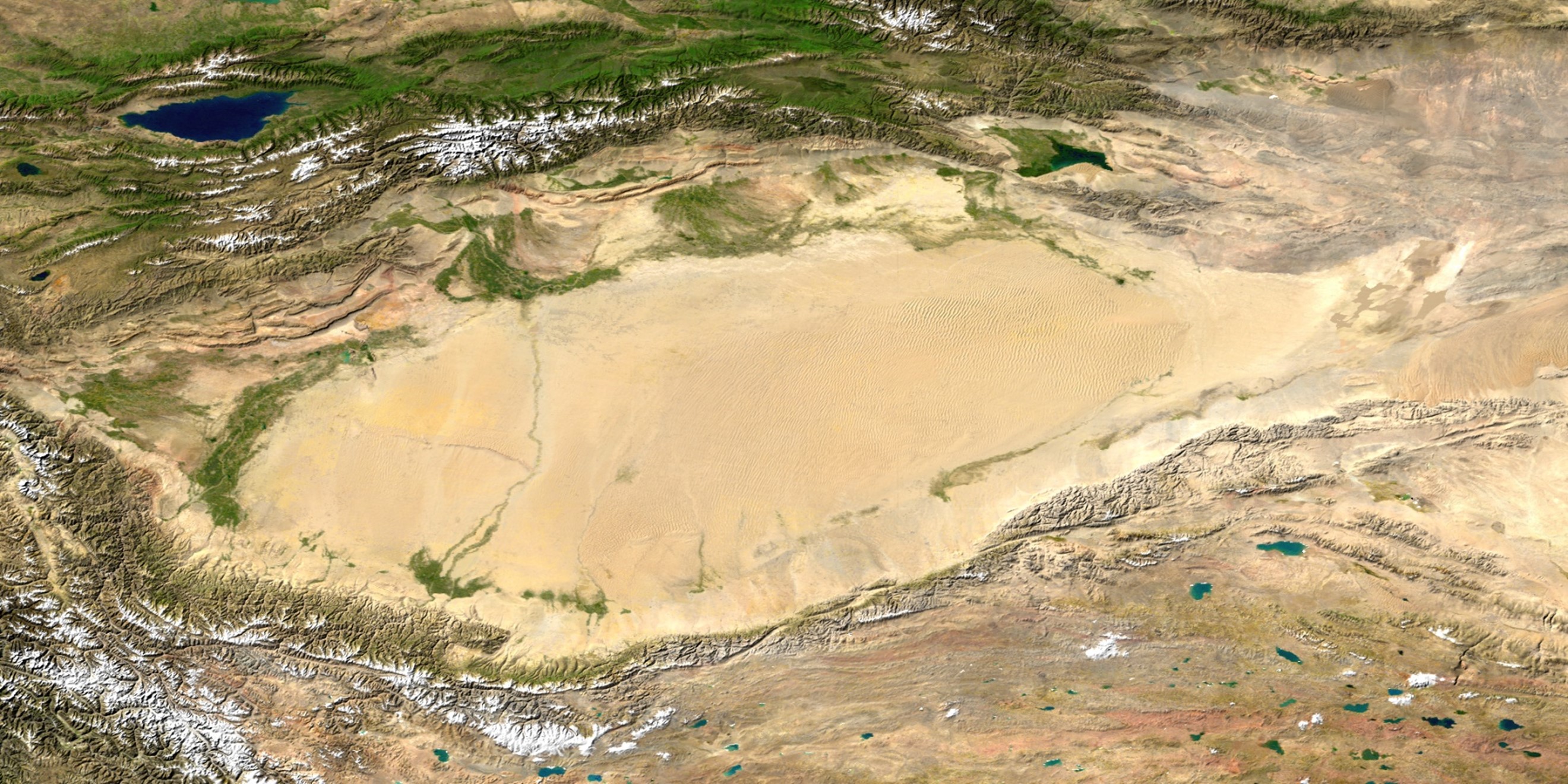
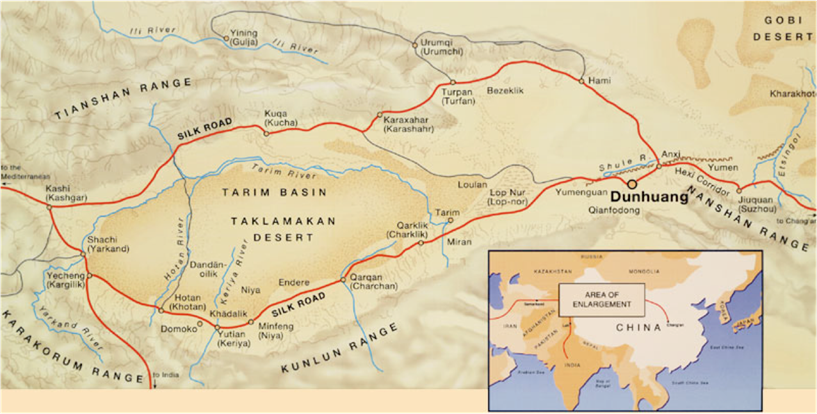
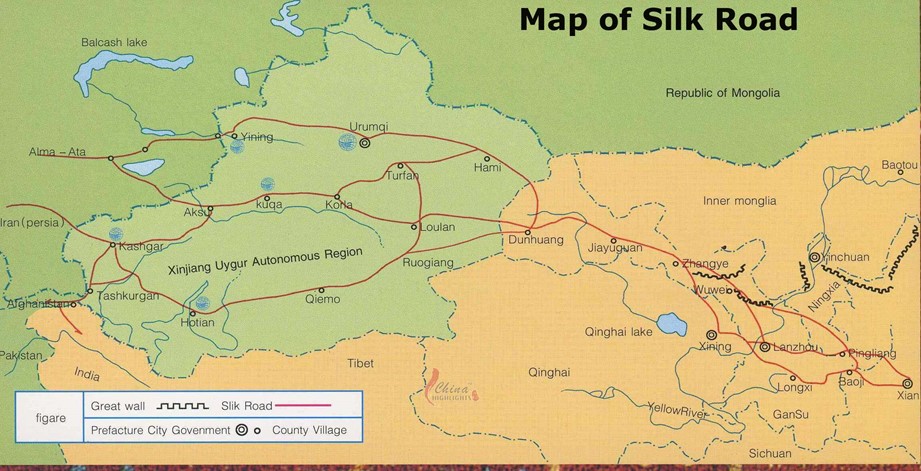
CHINA’S TIBET POLICY – RECIPE FOR NATURAL DISASTER. ONE BELT, ONE ROAD POLICY OF NEOCOLONIALISM. GEOGRAPHY OF SILK ROAD.

Red China’s Tibet Policy is driven by Expansionist Doctrine proclaimed by Communist Party Chairman Mao Zedong in 1949. China’s Neocolonialism includes Territorial Expansionism, Military Expansionism, Economic Expansionism, Political Expansionism, and Cultural Expansionism. Red China accomplishes her Mission using tools of Oppression, Repression, and Suppression to subjugate people in all occupied territories.

In my analysis, China’s Tibet Policy in Tibet and Xinjiang is Recipe for Natural Disaster. Nature designed its own plan for this geographical region and for thousands of years, the denizens of this region lived in harmony with Nature’s Plan. I claim, “Beijing Doomed,” for in my expectation, Nature has Plan for Change of Regime in Beijing.

Rudranarasimham Rebbapragada
DOOM DOOMA DOOMSAYER

CHINA’S TIBET POLICY IS RECIPE FOR NATURAL DISASTER. ONE BELT, ONE ROAD POLICY – NEOCOLONIALISM.

CHINA’S ‘TIBET RECIPE’ IN XINJIANG SHOULD PUT INDIA ON ALERT

Clipped from: http://www.dailyo.in/politics/china-tibet-xinjiang-uyghurs-belt-and-road-initiative-obor/story/1/17965.html

The stability of the Muslim region is vital for Beijing and its gigantic BRI project.

At the end of August 2016, Wu Yingjie takes over as party secretary of the Tibetan Autonomous Region (TAR) from Chen Quanguo who is sent to “pacify” the Xinjiang Uyghur Autonomous Region (XUAR). The Politburo of the Chinese Communist Party has taken this crucial decision during the annual closed-door meeting in the summer resort of Beidaihe.

Chen replaces Zhang Chunxian as XUAR party secretary. It is indeed a promotion for Chen, given the fact that Xinjiang’s party secretaries often serve in the politburo.

Infrastructure

His selection is linked to the “Tibet Recipe”, the way Chen managed to “pacify” the TAR. Once in Urumqi, Chen immediately started applying the formula that he used in Tibet to Xinjiang. But what is this recipe?

First, Chen transformed the Roof of the World into a vast Disneyland. In 2006, the arrival of the train on the plateau changed everything for Beijing and unfortunately for the Tibetans. Wave after wave of Chinese tourists could be poured into Tibet to experience the “Paradise on Earth” with its blue sky, pristine lakes and rivers, its luxuriant forests and deep canyons (the latter in Southern Tibet).

In 2016, 25 million tourists, mainly from the Mainland, are said to have visited the Land of Snows. For this, infrastructure needed to be developed, airports opened, four-way highways constructed, hotels and entertainment parks built; this was done in Tibet on a war-footing.

China’s Tibet Policy – Recipe for Natural Disaster. One Belt, One Road Policy – Neocolonialism.

Wave after wave of Chinese tourists poured into Tibet.

In passing, the Tibetan intangible heritage had to be preserved, often with Chinese characteristics. The same formula has now to be replicated in Xinjiang.

Second, in order to “stabilize” the plateau, Chen imposed restrictions on the local population like never before. Similar policies will be used in Xinjiang. Human Rights Watch (HRW), an organization based in the US, just released a “glossary” of special slogans or “formulations” (tifa) used by the Chinese officials and the media when referring to party policies on the plateau.

HRW explains: “China’s authorities place extraordinary emphasis on the importance of ‘propaganda’ in sustaining their rule. This phenomenon is particularly evident in Tibet, where there has been a long history of human rights violations, extreme hostility towards political rights, and heavy restrictions on the rights to freedom of expression and access to information.”

“Poetic” tifas such as Social Management, Comprehensive Rectification, Preventive Control, Eliminate-Unseen-Threats, Nets-in-the-Sky-Traps-on-the-Ground or Copper-Ramparts-Iron Walls, are recurrently used. The latter one for example, translates into “an impenetrable public security defense network consisting of citizen patrols, border security posts, police check posts, surveillance systems, internet controls, identity card monitoring, travel restrictions, informant networks, and other mechanisms.”

The implementation of these tifas, which originated during Chen’s tenure in Tibet, is often dreadful… but efficient for Beijing.

Rights

Chen has taken these tifas with him to Xinjiang and started making good use of them. The “stability” of the Western province is vital for China, as it is the geographical hub for the Belt and Road Initiative: it will connect the New Silk Road (Central Asia) to the China Pakistan Economic Corridor.

Chen now plans to bring millions of tourists to Xinjiang in order to “dilute” the Uyghur characteristics. In a “White Paper on Xinjiang” recently published by Beijing, the Communist Party hides its failure by saying: “Legitimate rights of religious organizations have been effectively safeguarded. Xinjiang has published translations of the religious classics of Islam, Buddhism, and Christianity in multiple languages,” adding 1.76 million copies of the Quran have been printed and distributed.

But on the ground the situation is different. To take just one example, Beijing has decided to collect DNA samples from all Xinjiang’s residents. This week, Xinhua reported China’s decision to dispatch 10,000 teachers to the restive XUAR and TAR “to support local education could help solve the educational problems.”

Stability

Beijing says that the main problem is the lack of eligible bilingual teachers in the regions, but will the teachers from the mainland teach the Turkish language of the Uyghurs or Mandarin? Not difficult to guess. Language, in Tibet or Xinjiang, is an instrument of assimilation.

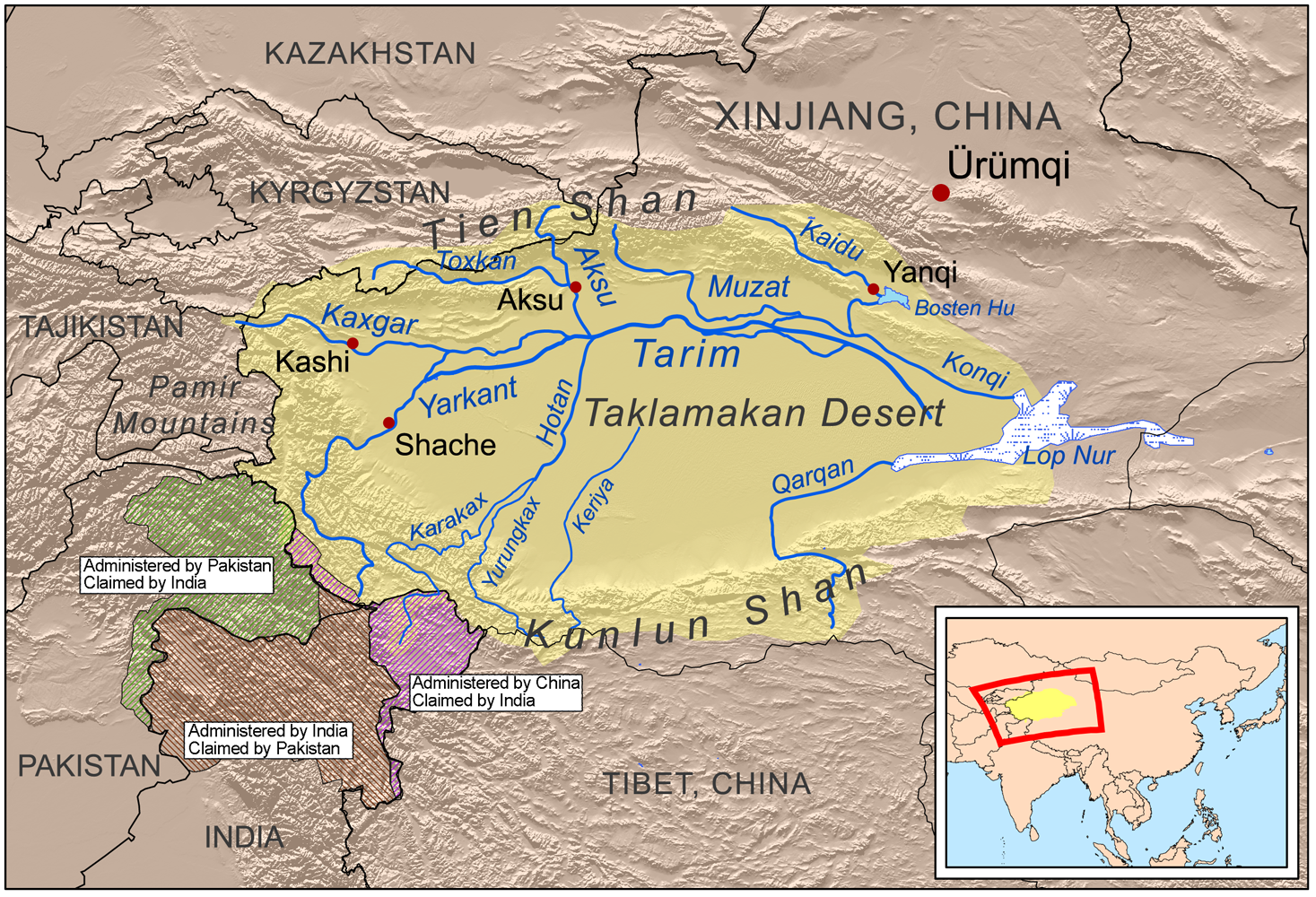
Chen is also working hard to improve the infrastructure. Last week, Xinhua announced the construction of 10 new airports to be built in Xinjiang by 2020; further, six older airports will be renovated and expanded. It has implications for India. One of these airports will be built in Yutian (also known as Keriya), a county of Hotan Prefecture not far from the disputed Aksai Chin.

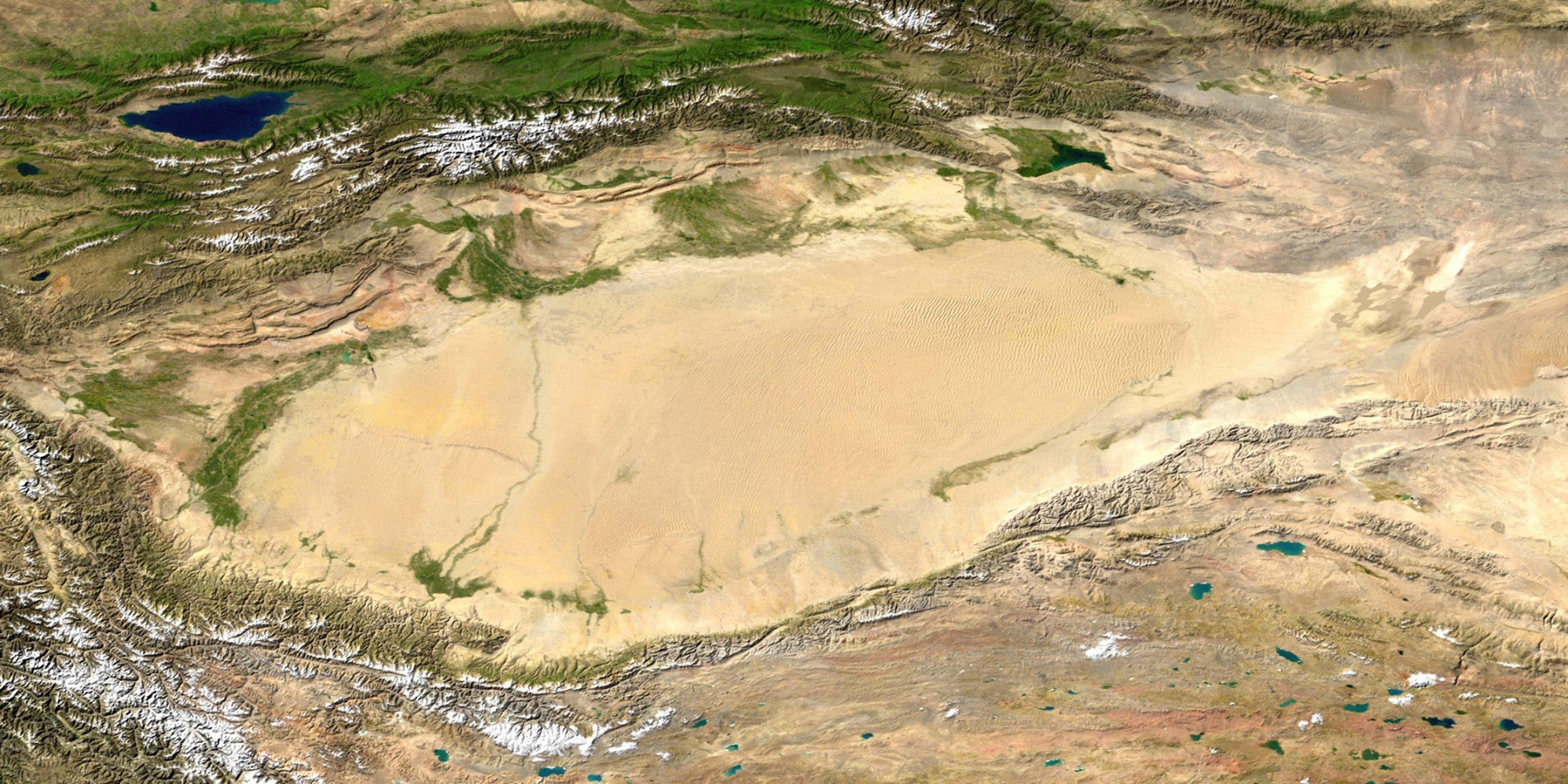
Located south of the Taklamakan desert and north of the Kunlun range, Keriya has always been a major stopover on the ancient Silk Road. In view of the proximity of the Indian border, it makes sense for China to have a new “civil” airport at Keriya, considering that there is no such thing as a “civil” airport in China, especially so close to the Indian border.

Keriya airport is designed to annually handle 1,80,000 passengers and 400 tons of cargo; it will have a 3,200-meter runway, a 3,000-square-meter terminal building and cost 104 million US dollars, says Xinhua. There is no doubt that Chen has been mandated to apply the “Tibet Recipe” in Xinjiang. Will he succeed is another question.

It is however certain that the stability of the Muslim region is vital for the Middle Kingdom and its gigantic BRI “linking” project; India needs to watch and be prepared.

(Courtesy: Mail Today)
China’s Tibet Policy – Recipe for Natural Disaster. One Belt, One Road Policy – Neocolonialism.
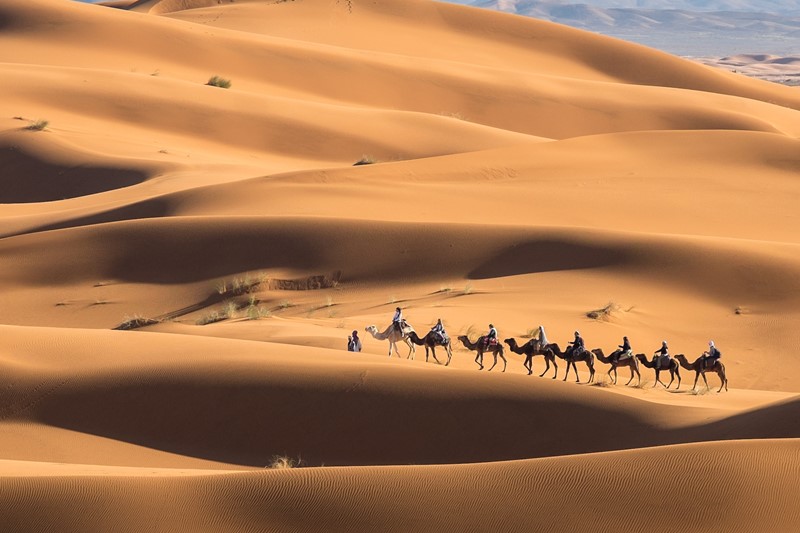
China’s Tibet Policy – Recipe for Natural Disaster. One Belt, One Road Policy – Neocolonialism. Taklamakan Desert, Silk Route.
China’s Tibet Policy – Recipe for Natural Disaster. One Belt, One Road Policy – Neocolonialism. Satellite images of Keriya River changing courses.
China’s Tibet Policy – Recipe for Natural Disaster. One Belt, One Road Policy – Neocolonialism.
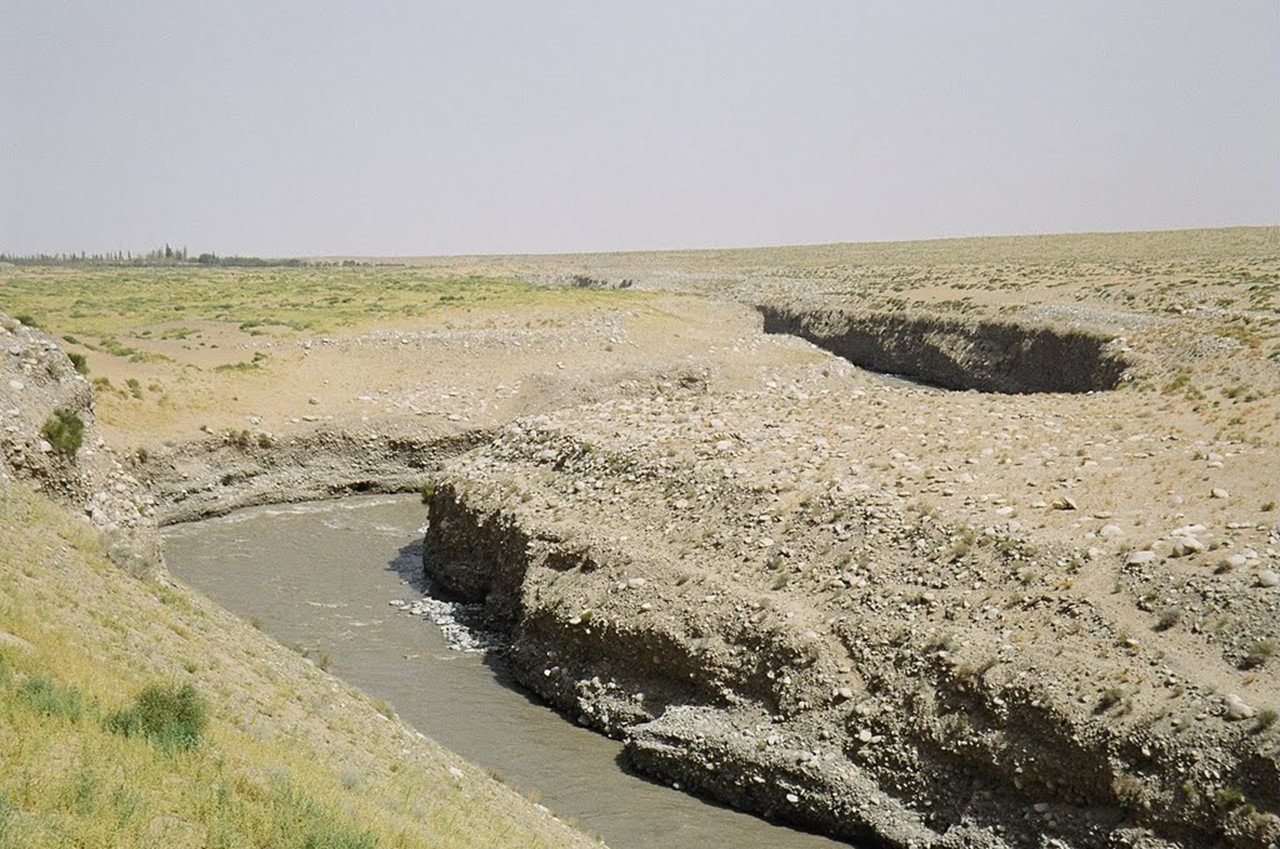
China’s Tibet Policy – Recipe for Natural Disaster. One Belt, One Road Policy – Neocolonialism. Keriya River.
China’s Tibet Policy – Recipe for Natural Disaster. One Belt, One Road Policy – Neocolonialism.
CHINA’S TIBET POLICY – RECIPE FOR NATURAL DISASTER. NATURE’S PLAN FOR REGIME CHANGE IN BEIJING.

THE FUTURE OF RED CHINA’S EXPANSIONISM – BEIJING DOOMED

THE FUTURE OF RED CHINA’S EXPANSIONISM – BEIJING DOOMED

THE FUTURE OF RED CHINA’S EXPANSIONISM – BEIJING DOOMED.

People’s Republic of China in 1949 embraced Communism as State Doctrine and lost no time to announce ambitious plan of Territorial, Maritime, Economic, and Political Expansionism. While others painfully reflect upon ‘The Future of the Tibetan Resistance Movement’, I express optimism by announcing Beijing’s Doom, sudden downfall, as consequence of her own evil actions. This predestined Disaster, Catastrophe, Cataclysm, Calamity, Apocalypse, Doom will bring Regime Change and The Evil Red Empire cannot ward it off by paying ransom.

THE FUTURE OF RED CHINA’S EXPANSIONISM. BEIJING DOOMED.

Rudranarasimham Rebbapragada

DOOM DOOMA DOOMSAYER

TIBETAN PROTEST MOVEMENT – THE NEWS LENS INTERNATIONAL EDITION

Friday, May 26, 2017

PODCAST: Tibet, Protest and China; The Future of the Tibetan Protest Movement

The Future of Red China’s Expansionism. Beijing Doomed.

Photo Credit: Reuters

TNL Staff

These small acts have reverberations and impact way beyond what we can see through the media and numbers. – Tenzin Dorjee.

Earlier this month, Radio Free Asia reported that a Tibetan monk, Jamyang Losal, had died after setting himself on fire in China’s northwestern Qinghai province. Losal was the 150th Tibetan to self-immolate since 2009 when Tibetan monks started taking their own lives in protest of China’s rule. But it seems these desperate protests are having little impact on China as it continues to crack down on any signs of dissent in Tibet.

In this episode of The News Lens Radio, we are bringing you the views of three Tibetan leaders to discuss the efforts to keep the protest movement alive both inside and outside Tibet. They say not only is the Chinese government continuing to rule Tibet with an iron fist, it is also increasingly working beyond its own borders to shut down the movements calling for Tibetan autonomy or independence from China.

About today’s guests

Tenzing Jigme is the president of the Tibetan Youth Congress, an international organization with about 30,000 members advocating for Tibetan independence.

Pema Yoko is the interim executive director of the New York-headquartered Students for a Free Tibet.

Tenzin (Tendor) Dorjee is a U.S.-based author and program director with the Tibet Action Institute. He is also the former executive director of Students for a Free Tibet.

This podcast is available via SoundCloud, Stitcher and iTunes apps.

Editor: Olivia Yang

2017/05/22

Cold Shoulder: Why Beijing Snubbed Singapore at the Belt and Road Summit

The Future of Red China’s Expansionism. Beijing Doomed. Singapore was not invited to ‘Belt and Road’ event hosted by Beijing.

ANGELA HAN

Angela Han is a Research Associate in the Polling Program. She holds a Masters in European and International Studies from the University of Trento and a Graduate Diploma in Transnational Governance from Scuola Superiore Sant’Anna. She has also spent six months abroad learning Mandarin at the China University of Political Science and Law in Beijing. Prior to undertaking her Masters, Angela spent two years as a researcher of labor and economic policies in her home country of Singapore.

Beijing did not invite Singapore’s Prime Minister to attend the Belt and Road event in Beijing this week, signifying strain in Sino-Singapore relations.

Among the 29 Heads of State who converged on Beijing for the Belt and Road Summit earlier this week were leaders of seven of the ten ASEAN states. One leader was noticeably missing: Singapore’s Prime Minister Lee Hsien Loong.

Various observers have noted this absence, including Hugh White, who suggested it was no co-incidence that, like others – Japan, India, Australia and “most western countries” – who had not sent their national leaders to Beijing, Singapore was aligned with the U.S. and uneasy about China’s rise – “or perceived to be so.”

However, it has since emerged that Singapore was never given the choice. China had not invited Singapore’s prime minister in the first place.

This is surprising, especially as Singapore has been one of the biggest advocates of the Belt and Road Initiative (BRI). While many other states were initially hesitant in signing up to BRI, including some of its ASEAN neighbors, Singapore’s support has been unequivocal from the beginning. Many high-level cooperation talks between China and Singapore on the subject have taken place, with both sides warmly welcoming cooperation on BRI.

In light of this past co-operation, Beijing’s snub is significant. It is fair to conclude that, if China continues to freeze out Singapore, there could be significant implications on at least three levels.

What it might mean for Sino-Singapore relations

First, this marks a low point in Sino-Singapore relations. Since its independence 50 years ago, managing the U.S.-China dichotomy has been a key tenet of Singapore’s foreign policy. Despite close defense partnerships with the U.S., China has referred to Singapore as an “important partner and a special friend of China.” This long-standing relationship has been fostered not only by historical and cultural linkages, but also the deep bond that existed between former leaders, Lee Kuan Yew and Deng Xiaoping. When Lee Kuan Yew died in 2015 there were video tributes on Chinese state media, and he was described as “an old friend of the Chinese people” by President Xi Jinping.

Of late, however, the bilateral relationship has been less than smooth, particularly since remarks made by the Singaporean prime minister at a White House state dinner in August last year. At that event, Lee Hsien Loong praised the U.S. rebalance and endorsed the arbitral tribunal ruling on the South China Sea. In a separate incident, a Chinese tabloid accused Singapore of bringing up the tribunal ruling at the Non-Aligned Movement Summit, which led to a very public spat between the Global Times editor and Singapore’s Ambassador to China.

Singapore is not a claimant state but the fear that China might extend its reach in the South China Sea is nevertheless acute for the tiny island-state. Given its trade volumes are 3.5 times its GDP, any instability in the region would affect Singapore’s trade routes, and therefore its economy. When Singapore advocates for a rules-based order, it is not just values that it seeks to defend but its economic lifeblood.

Singapore’s stance on the South China Sea did not please China. In November nine of Singapore’s armored troop carriers were impounded in Hong Kong on their way back from Taiwan. At the time, many saw Beijing’s heavy hand at work behind the scenes and believed the incident reflected China’s displeasure with Singapore’s joint military exercises with Taiwan, even though these dates back decades.

In their usual quiet diplomatic style, Singapore diplomats worked hard behind the scenes to eventually secure the vehicles’ return after two months. This was then quickly followed up by a high-level bilateral cooperation forum, postponed the previous year due to strained ties. Yet, China still raises the South China Sea matter at bilateral forums.

Implications for other middle powers

China’s snub is yet another example of the narrowing diplomatic space that small states like Singapore have in which to maneuver. Relying on its hard-nosed pragmatism has, for half a decade, served Singapore well. But with most of its ASEAN neighbors increasingly willing to set aside the South China Sea disputes in return for a massive influx of Chinese investment, it is increasingly difficult for Singapore to both protect its national interest and maintain an independent foreign policy of not picking sides.

This has implications for other countries like Australia, which occupy a very similar position in the world. Like Singapore, Australia has strong historical, security and defense ties to the United States, while China is now far and away from its biggest trading partner. Perhaps one lesson from this incident is that it is becoming harder to compartmentalize politics and economics.

Implications for China’s role in the world

Finally, what does the incident say about the Belt and Road Initiative and more broadly, China’s role as architect of global initiatives? Although the BRI is as much about geoeconomics as geopolitics, it is undeniable that just on the basis of scale, access to and participation in Chinese initiatives have a tendency to draw lines in the sand; clearly distinguishing between who is a friend of China, and who is not.

The snub demonstrates Beijing now has another diplomatic tool in its arsenal. Such “sanctions with Chinese characteristics” are proving to be increasingly effective at asserting dominance and deterring actions counter to China’s interest. It is clear that China’s already considerable diplomatic and economic clout is increasing and its reach is becoming more pervasive. This too makes it more difficult for states that seek to steer a middle course.

This article originally appeared in the Lowy Interpreter. The News Lens has been authorized to republish this article.

TNL Editor: Edward White

NEWS WORTH KNOWING, VOICES WORTH SHARING

Copyright © 2016 The News Lens
Inserted from <https://international.thenewslens.com/article/69284>

THE FUTURE OF RED CHINA’S EXPANSIONISM – BEIJING DOOMED.