TROUBLE IN TIBET – PROBLEM OF ESPIONAGE. DEATH OF DAPON/POLITICAL LEADER RATUK NGAWANG ON FEBRUARY 07, 2016 AT AGE 90 EXPOSES “INCONVENIENT TRUTH.”
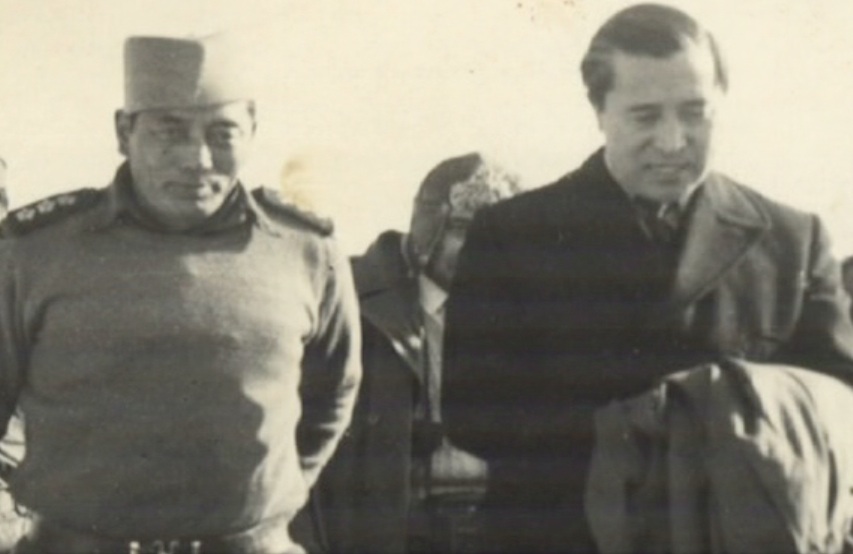
For the United States, India, and Tibet, the problem of espionage is an ‘Inconvenient Truth’. Death of Political Leader Ratuk Ngawang on February 07, 2016 at age 90 again exposes the problem of espionage that overshadows ‘Trouble in Tibet’. For example, his death is reported in news media with a photo image (Ratu Ngawang & Gyalo Thondup) obtained by some unknown Chinese agent using hidden camera. The fact that Political Leader Ratuk Ngawang shared such photo images taken by hidden cameras with news media clearly establishes his collaboration with enemy agents or spies.
I worked with Political Leader Ratuk Ngawang from September 1971 to December 1974 while I served in Establishment No. 22. I lost my sense of respect for him on January 10, 1973. I was not a direct eye-witness, but on that day I learned about a disturbing incident at our Camp. I did not inquire about the precise date and time of that incident. It was about cremation of a Tibetan Buddhist monk who apparently died while he was in custody of Political Leader Ngawang. None of was serving in Establishment No. 22 at that time got a chance to see or speak to that Tibetan monk arrested by him. This monk worked in our Camp apparently performing simple, religious duties. Political Leader Ngawang was in charge of a secret, internal investigation to probe an incident that dates back to June 03, 1972 and he never shared his findings. He took several months and arrested this monk sometime before January 10, 1973. Political Leader Ngawang reported findings of his investigation after death of this arrested person. He did not request for autopsy to confirm the cause of prisoner’s death. He reported it as a natural event and immediately proceeded with cremation as per Tibetan tradition. No formal Court of Inquiry was appointed to ascertain the cause of death due to procedural reasons.
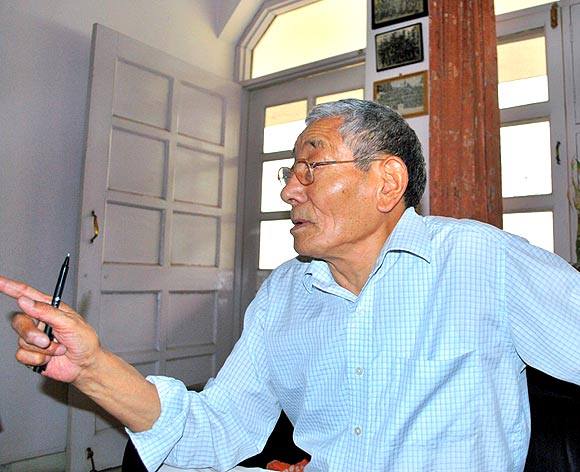
TROUBLE IN TIBET – PROBLEM OF ESPIONAGE. POLITICAL LEADER RATUK NGAWANG INTERVIEWED BY INDIAN JOURNALIST TO WHOM HE SUPPLIED PHOTOS CAPTURED BY HIDDEN CAMERAS.
Eventually, in 1976 Political Leader Ngawang prematurely retired from Service with his retirement income benefits. He received official pardon and lived his life in Samyeling Tibetan Colony Manjuka Tilla, Delhi. My suspicions about Political Leader Ngawang’s collaboration with enemy agents or spies got aroused when he shared several photo images(illegally obtained using hidden cameras) with Indian journalists who interviewed him for two different stories long after 1976. Indian newspapers published those photo images.
I recognize Ratuk Ngawang’s service in support of Freedom in Tibet but he could not live up to his commitment.
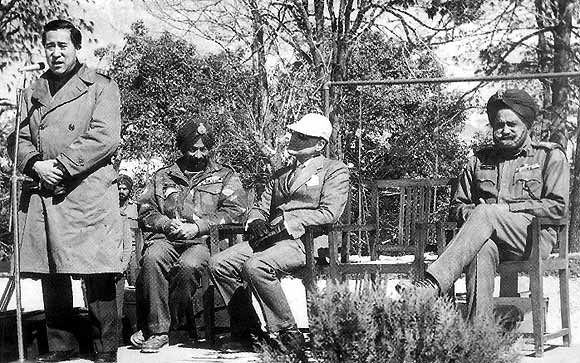
TROUBLE IN TIBET – PROBLEM OF ESPIONAGE. DAPON/POLITICAL LEADER RATUK NGAWANG OF ESTABLISHMENT 22 DIED ON FEBRUARY 07, 2016 AT AGE 90. HE SHARED THIS PHOTO IMAGE WITH INDIAN NEWS MEDIA. HE IS STANDING LEFT(IN UNIFORM) NEXT TO GYALO THONDUP, BROTHER OF HIS HOLINESS THE 14th DALAI LAMA. PHOTO ILLEGALLY TAKEN USING HIDDEN CAMERA AT CHAKRATA, INDIA.
Ratu with Gyalo Thondup at Chakrata/file(*Phayul.com may have to disclose name of the “OWNER” of this ‘FILE’ Photo.)
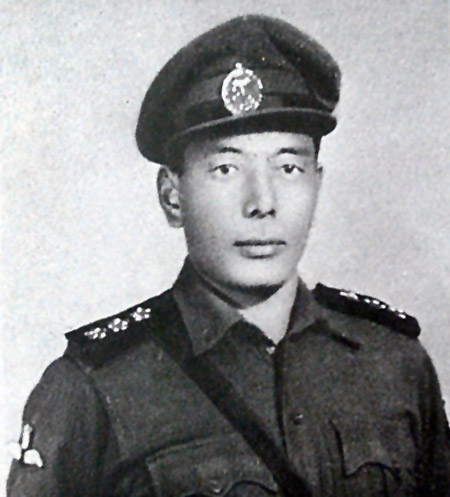
DHARAMSHALA, February 9: A former soldier in the Chushi Gangdruk and one of the founding members of the Special Frontier Force, an Indian paramilitary troop comprising of Tibetan recruits, have breathed his last on February 7, 2016 at his residence at the Samyeling Tibetan Colony in Majnuka Tilla, Delhi. Ratuk Ngawang was born in Kham Lithang in 1926. A close confidante of Adruk Gonpo Tashi, the businessman who founded the Tibetan resistance army in the guise of a business group, Ratuk Ngawang rose to the top of this resistance army. Ngawang was a part of the Chushi Gangdruk troops that accompanied the young Dalai Lama on his flight to India, one of his biggest contribution to the Tibetan people.
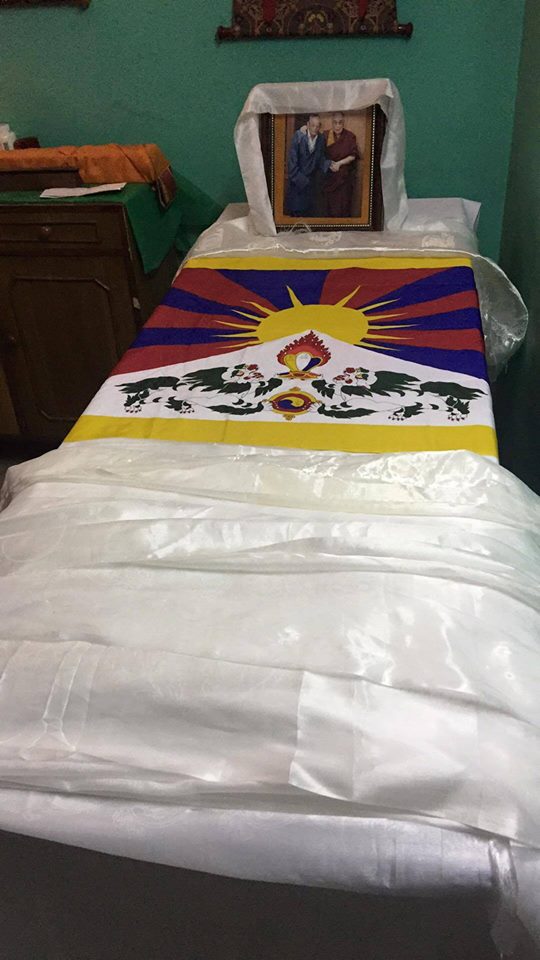
TROUBLE IN TIBET – PROBLEM OF ESPIONAGE. POLITICAL LEADER/DAPON RATUK NGAWANG DIES AT 90. PROBLEM OF CHINESE ESPIONAGE EXPOSED. HIS HOLINESS GAVE HIM OFFICIAL PARDON. HE WAS FORGIVEN BUT ‘INCONVENIENT TRUTH’ REMAINS.
Ratu Ngawang lay in rest, Family photo.
Ratu Ngawang was roped in by Gyalo Thondup to lead the Tibetan Special Frontier Force, which also came to be known as the 22, courtesy its first Inspector General Sujan Singh Uban who hailed from the 22 Mountain Regiment. Ratu Ngawang played a key role in recruitment of Tibetan youth into the newly created Tibetan regiment(**this is incorrect for recruits owed allegiance to Tibet and Tibet’s Supreme Ruler) which was a brainchild of Pandit Nehru and the CIA in tackling China. Ratu Ngawang led one of the three columns that set on foot into the marshy tracts of Chittagong in the 1971 Bangladesh war. The Tibetan participation in the 1971 war is a little known fact amongst Indian public as the Tibetans were not officially on the battlefield. Ratu Ngawang led the North Column(*** this is incorrect; Political Leader of North Column died in action, killed by enemy fire) while Pekar Thinlay and Gyato Thondup led the South Column and Central Column respectively. 51 Tibetan soldiers lost their lives in the war that gave birth to Bangladesh as a new country. “I have enrolled myself in the Special Frontier Force with an aim to fight the Chinese. I lured the new recruits by telling them that it was an opportunity to fight the Chinese. I was myself ready to die fighting the Chinese,” Ratu recalled telling his boss Sujan Singh Uban when he was asked about the possibility of the Tibetan soldiers joining the Bangladesh War in 1971, in an interview(**** This statement shows that he did not understand the purpose of joining the Bangladesh War. It gave men combat experience to prepare them for a future war to evict military occupier of Tibet). Reactions to the news of his death on social networking sites hail him as a true hero of Tibet. Ratu Ngawang la is survived by his wife Dechen Wangmo and four children. He was 90.
ILLEGAL PHOTO IMAGES TAKEN BY HIDDEN CAMERAS SUPPLIED TO INDIAN JOURNALISTS BY DAPON/POLITICAL LEADER RATUK NGAWANG AFTER HIS RETIREMENT IN 1976. THERE WAS NO OFFICIAL PHOTOGRAPHER.
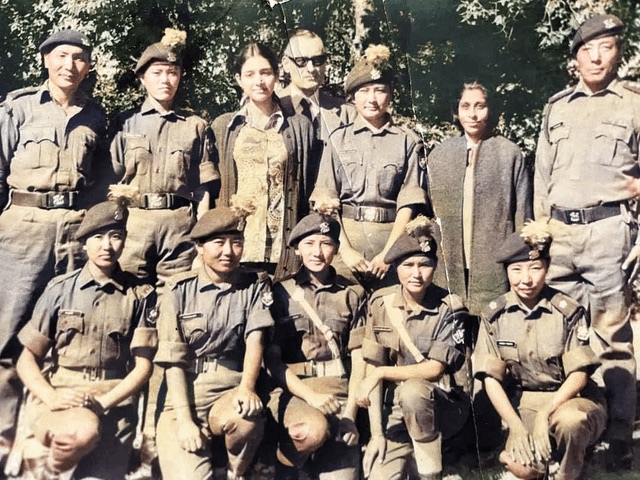
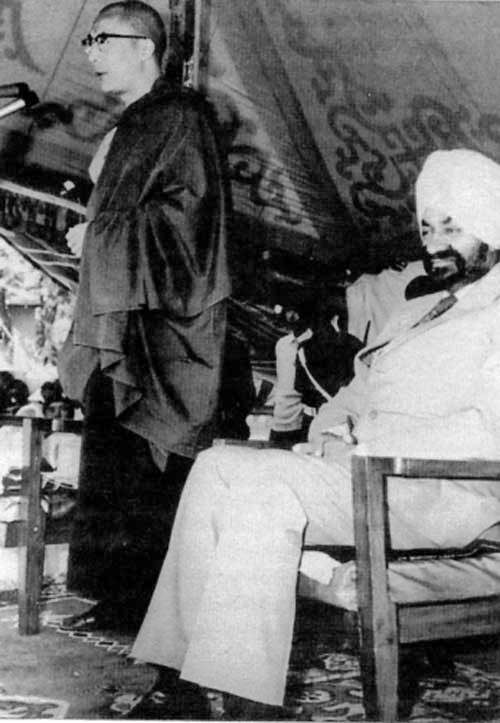
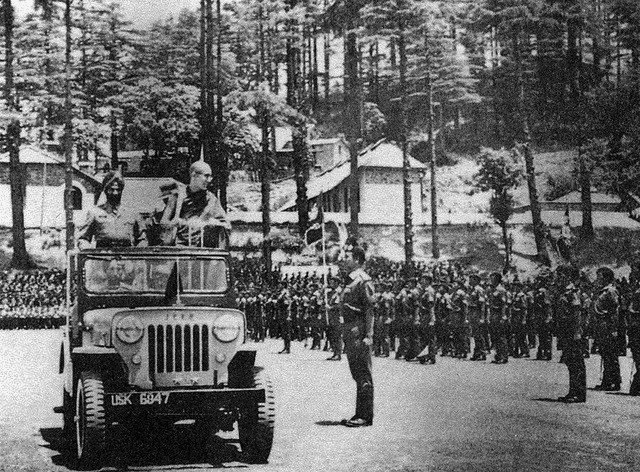
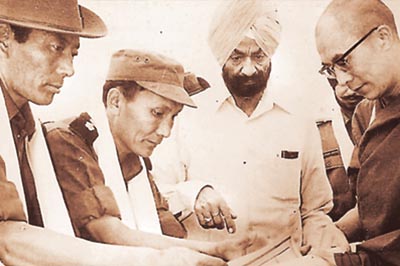
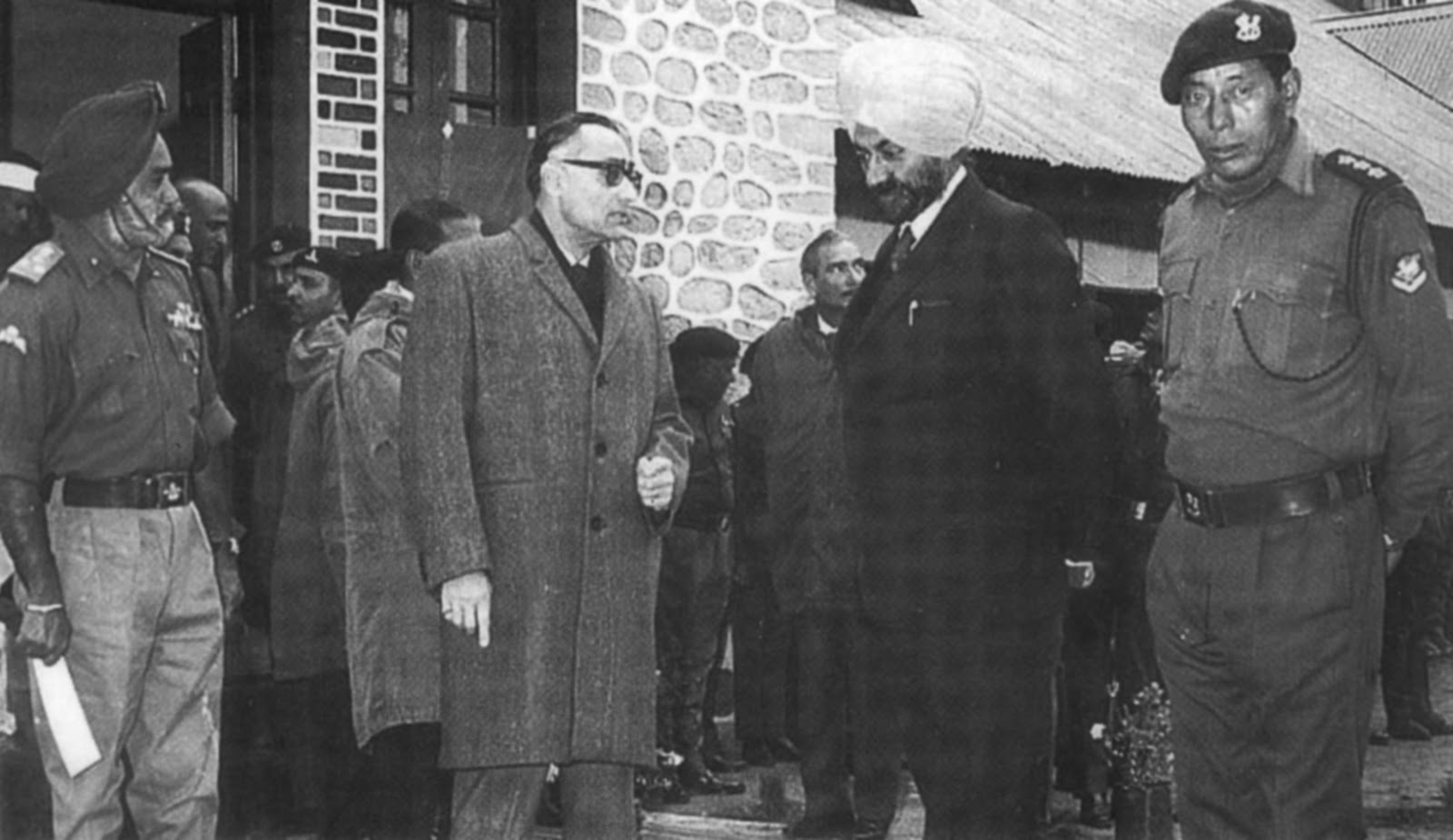
TROUBLE IN TIBET – PROBLEM OF ESPIONAGE. DAPON/POLITICAL LEADER WITH GYALO THONDUP, BROTHER OF DALAI LAMA. PHOTO APPARENTLY TAKEN IN 1971. PHOTOGRAPHED BY UNKNOWN CHINESE SPY WHO WORKED IN CHAKRATA .TROUBLE IN TIBET – PROBLEM OF ESPIONAGE. DAPON/POLITICAL LEADER RATUK NGAWANG SUPPLIED THIS ILLEGAL PHOTO IMAGE TAKEN BY CHINESE SPY TO INDIAN JOURNALIST. HIS HOLINESS THE DALAI LAMA WITH MAJOR GENERAL SUJAN SINGH UBAN ON JUNE 03, 1972.TROUBLE IN TIBET – PROBLEM OF ESPIONAGE. DAPON/POLITICAL LEADER RATUK NGAWANG ARRESTED A TIBETAN BUDDHIST MONK WHO CAPTURED THIS ILLEGAL PHOTO IMAGE ON JUNE 03, 1972. THAT TIBETAN PRISONER, SUSPECTED CHINESE SPY DIED MYSTERIOUSLY SOMETIME BEFORE JANUARY 10, 1973. DALAI LAMA WITH MAJOR GENERAL SUJAN SINGH UBAN.Ratu Ngawang (far left), former Dapon/Political Leader of Establishment 22, escorted the Dalai Lama (right) on his way to India in 1959. Seen here with Sujan Singh Uban (2nd from right), the first inspector-general of the regiment, in Chakrata, June 03, 1972. Photo taken by Chinese Spy.TROUBLE IN TIBET – PROBLEM OF ESPIONAGE. DAPON/POLITICAL LEADER RATUK NGAWANG SUPPLIED THIS ILLEGAL PHOTO IMAGE TAKEN BY CHINESE SPY TO INDIAN JOURNALIST AFTER HE RETIRED FROM SERVICE AT ESTABLISHMENT NO. 22.TROUBLE IN TIBET – PROBLEM OF ESPIONAGE. ILLEGAL PHOTO IMAGE TAKEN BY CHINESE SPY AT ESTABLISHMENT NO. 22. DAPON/POLITICAL LEADER RATUK NGAWANG HAD POSSESSION OF THIS IMAGE AND SUPPLIED IT TO A JOURNALIST.TROUBLE IN TIBET – PROBLEM OF ESPIONAGE. DAPON/POLITICAL LEADER RATUK NGAWANG SUPPLIED THIS PHOTO IMAGE AFTER HE RETIRED FROM SERVICE AT ESTABLISHMENT NO. 22. THIS IMAGE WAS NOT INTENDED FOR PUBLIC RELEASE.TROUBLE IN TIBET – PROBLEM OF ESPIONAGE. DAPON/POLITICAL LEADER RATUK NGAWANG SUPPLIED THIS PHOTO IMAGE AFTER HE RETIRED FROM SERVICE AT ESTABLISHMENT NO. 22. THIS IMAGE WAS NOT INTENDED FOR PUBLIC RELEASE.
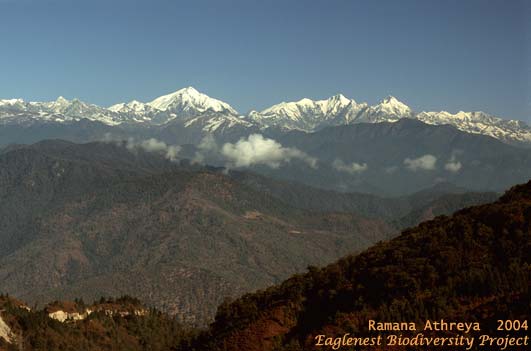
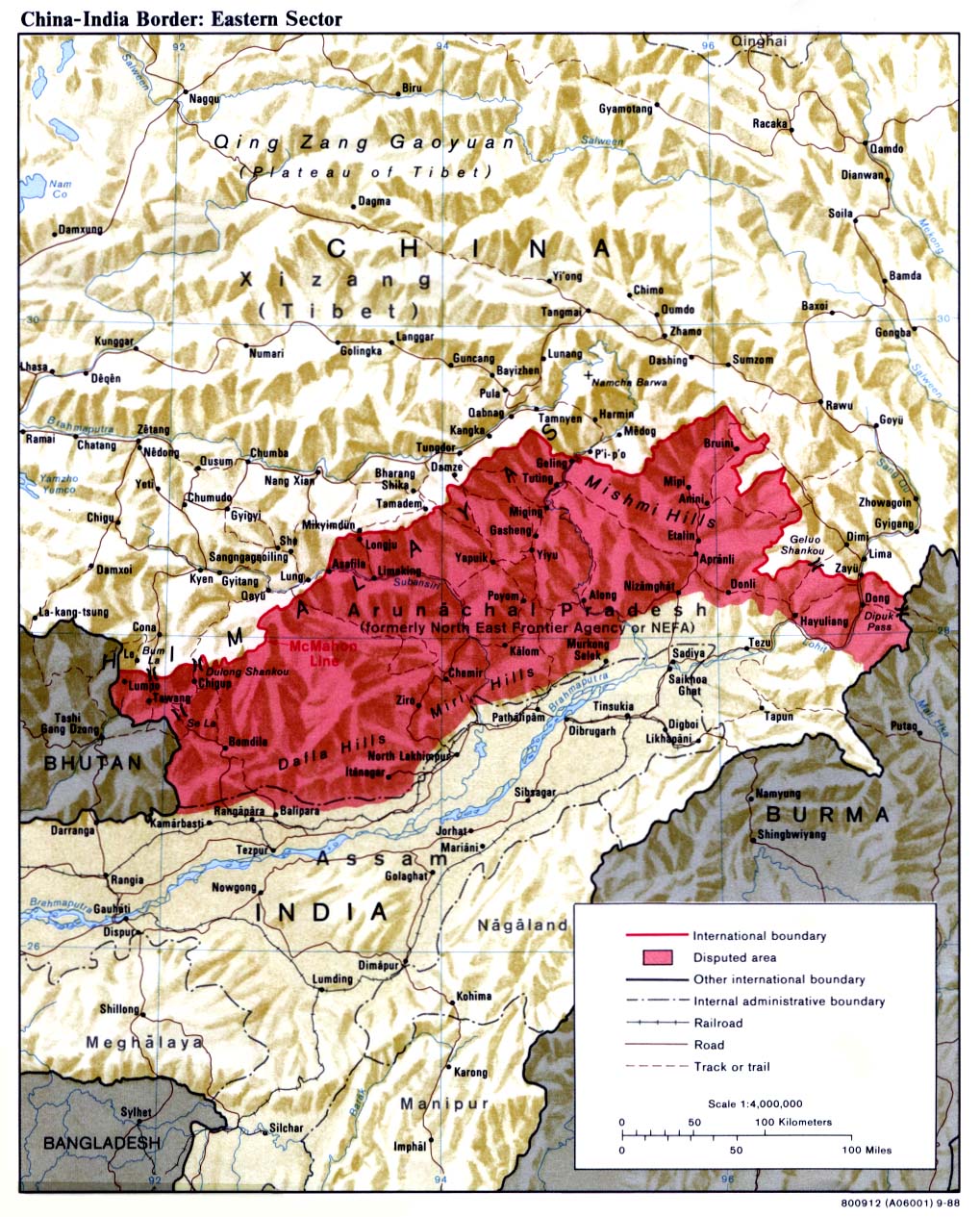
Tibet’s Independence is India’s Security. The Gorichen Range, the highest mountain range of the Arunachal Pradesh separates Tibet from Tawang in India.
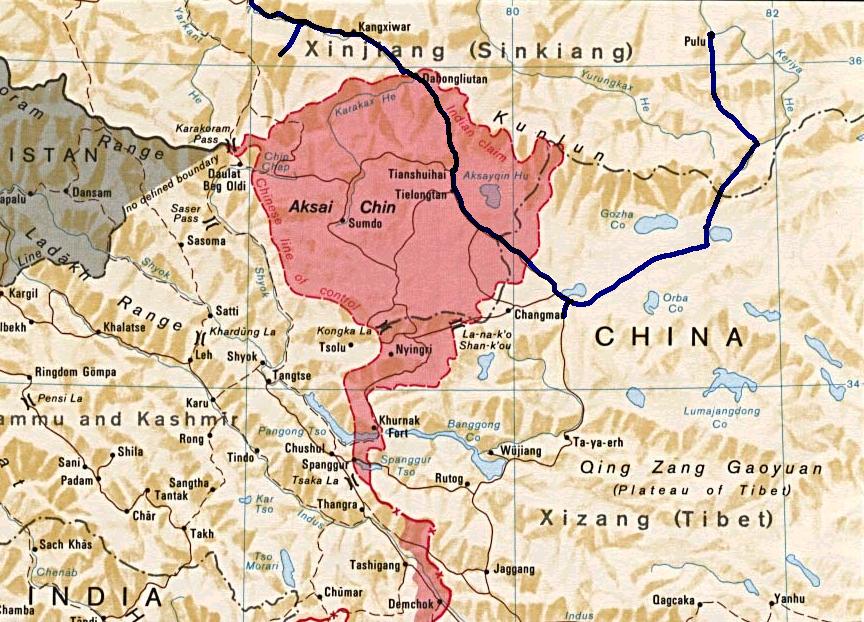
TIBET’S INDEPENDENCE IS INDIA’S SECURITY. People’s Republic of China claimed Indian territories of Aksai Chin and Arunachal Pradesh.
On October 22, 2010, People’s Republic of China has launched an official online mapping service and has formally claimed the entire state of ‘Arunachal Pradesh’ and Aksai Chin region of India’s Ladakh region of the State of Jammu and Kashmir as its own territory. Beijing claims Arunachal Pradesh and has named that area as ‘Southern Tibet’. The Simla Agreement of 1914, and the McMahon Treaty between British India, Tibet, and Manchu China had established the McMahon Line as the legitimate boundary between India and Tibet. Tawang in Arunachal Pradesh was under Tibetan domination during early 19th century. Tibetans consider Tawang as holy land as their Sixth Dalai Lama, Tsang Yang Gyatso ( The Precious Ocean of Pure Melody ), a great poet was born there during 1683. However, the 13th Dalai Lama had ceded this territory to British India and had agreed that McMahon Line determines the Indo-Tibetan border. During Communist China’s unilateral military attack on India in 1962, the Indian government had declared that McMahon Line as the official boundary between India and Tibet which came under China’s military occupation since 1950.
The Security of Arunachal Pradesh is better served by Tibet’s Independence. Tibet’s Independence is India’s Security.
Birthplace of Tsangyang Gyatso, 6th Dalai Lama, Tawang, Arunachal Pradesh, India. Tibet’s Independence is India’s Security.
McMahon Line in Aksai Chin of Ladakh is the boundary recognized by India. Tibet’s Independence is India’s Security.
The McMahon Treaty of 1914 and the McMahon Line establish the boundary between India and Tibet. Tibet’s Independence is India’s Security.
To defend Northeast India, to curb the activities of insurgents and rebels, India must support Tibet’s Independence. Tibet’s Independence is India’s Security.
India and China have already held 13 rounds of talks to resolve the boundary issue. General Shankar Roychowdhury, PVSM, ADC served as India’s Chief of Army Staff from 22 November 1994 to 30 September 1997. In a recent article published in The Asian Age, he described problem of the future security of Arunachal Pradesh. So also, India’s Chief of Army Staff, General V K Singh while addressing a seminar on “Indian Army : Emerging Roles and Tasks” on October 19, 2010 said that China and Pakistan are “irritants” for India.
General Shankar Roychowdhury, PVSM, ADC was India’s 20th Chief of Army Staff. Tibet’s Independence is India’s Security.
General Vijay Kumar Singh, AVSM, India’s 26th Chief of Army Staff. Tibet’s Independence is India’s Security.
TIBET’S INDEPENDENCE IS INDIA’S SECURITY : SPECIAL FRONTIER FORCE DEFENDING FREEDOM AND DEMOCRACY IN TIBET:
Lieutenant General Dalbir Singh Suhag AVSM VSM, General Officer-in-Command, Eastern Command of Indian Army served as the Inspector General of Special Frontier Force from April 2009 to March 2011 in the rank of Major General. Tibet’s Independence is India’s Security.
TIBET’S INDEPENDENCE IS INDIA’S SECURITY. GENERAL DALBIR SINGH SUHAG AVSM VSM, INDIAN ARMY CHIEF OF STAFF KNOWS INDIA’S ENEMIES. TIBET’S INDEPENDENCE IS INDIA’S SECURITY.
TIBET’S INDEPENDENCE IS INDIA’S SECURITY.
China’s military occupation of Tibet in 1950 has subjected India to a variety of pressures. India will forever be subjected to pressures: militarily, politically, environmentally, and now, sharing of River waters if Tibet remains under Chinese military occupation. India, for its own Security, and for the future Security of Arunachal Pradesh needs Tibet to exist as a ‘Buffer Zone’ between India and China. Tibetan People have their legitimate Rights to defend their own Culture, Religion, Language, National Identity, Tibetan Buddhist Institutions and historical freedom to their own way of life. People of the entire Free World must come together and demand Tibet’s Independence from illegal Chinese occupation. The bilateral trade and commerce between China and India has allowed China to loot and plunder India’s natural resources without firing a bullet. China has colonized India and is exploiting its natural resources without the need for military occupation. China may not launch or initiate a large-scale military invasion of India as long as this lucrative trade in minerals and manufactured goods flourishes. However, India cannot afford to ignore this security threat and risk posed by China’s military occupation of Tibet. Tibet’s Independence would be in India’s interest and it would be India’s Security.
THE SPIRITS OF SPECIAL FRONTIER FORCE:
I would invite all readers of this blog post to visit Facebook Page of The Spirits of Special Frontier Force and “LIKE” the Page to show their support for establishing Freedom and Democracy in Occupied Tibet.
All wars commence in the mind, and escalate with words. “Zhang Nan” or “Southern Tibet”, the designation bestowed by the People’s Republic of China on India’s state of Arunachal Pradesh bordering Tibet, is one such example. China now claims Arunachal Pradesh as its historic territory comprising the three southern districts of the Tawang Tract unilaterally acquired by the then British Empire after the Treaty of Simla in 1913. New demands, which were first articulated around 2005, initially concerned Tawang as a traditional tributary region of Lhasa, being the birthplace of the Sixth Dalai Lama (Tsangyang Gyatso, enthroned 1697, probably murdered 1706 by Mongol guards who were escorting him to Beijing under arrest). Subsequently, a day prior to the visit of China’s President Hu Jintao to India in 2006, Sun Yuxi, the then Chinese ambassador to India, stridently reiterated in public China’s claims to the entire state of Arunachal Pradesh in a deliberately provocative gesture designed to put New Delhi on notice of Beijing’s intention to dominate the agenda of interaction according to its own priorities. In a longer-term perspective, these needlessly provocative claims could escalate to a flash point with the potential to provoke a major confrontation between the two countries, and create an existential crisis for the entire region, a contingency for which India has to prepare itself adequately.
Indian reaction has been characteristically muted, constantly choosing to soft pedal and play down the issue — a unilateral gesture of restraint regardless of the degree of blatant provocation, which exasperated many in this country. It is seen as making a virtue out of necessity, because India has neglected to build up the requisite capabilities to adopt stronger alternatives. This is surely an unenviable position for a country seeking to promote itself as a major power for a permanent seat on the Security Council.
The present Sino-Indian equation is almost irresistibly reminiscent of the run-up to the Sino-Indian border war of 1962, and provides a fascinating playback of China’s postures at that time with its disconcertingly similar sequence of claims along the McMahon Line in North East Frontier Agency (Nefa), as well as along the Uttar Pradesh-Tibet border and in Ladakh, as relics of historic injustices perpetrated in earlier days by British imperialists. A naive and militarily ill-prepared India, with an exaggerated self-image of its own international relevance as a leader of the Non-Aligned Movement, had sought to dissuade a determined China with platitudinous Nehruvian philosophies of anti-colonial solidarity, all of which were contemptuously disposed of by “a whiff of grapeshot” on the desolate slopes of the Namkha Chu and Rezang La. India’s collapse and comprehensive downsizing in short order in 1962 was primarily because it lacked military capability vis-a-vis China, a fatal flaw which has a disconcerting tendency of repeating itself when lessons of earlier debacles wear off from the country, as they seem to be doing now. “1962 redux” is slowly grinding into gear again, with end results unforeseeable, except that an enhanced replay at some stage (2020?) can never be totally discounted. India must not repeat its follies of the past because this time around it has been adequately forewarned.
To recover and reunify what it perceives as its lost territories, notably Tibet and Taiwan, the People’s Republic of China has never swerved from its other such claims pertaining to areas along the Sino-Soviet and Sino-Indian borders, besides smaller island entities in the South and East China Seas, to which has now been added the complete territory of India’s Arunachal Pradesh under its new Chinese appellation.
India has to evaluate the threat potential of the situation dispassionately but realistically, having reference to China’s demonstrated determination to set its own history in order. Tibet was successfully concluded in 1950 when the People’s Liberation Army marched into the country against a feeble and disjointed resistance, and re-established China’s authority. Taiwan has been an infructuous effort so far only because of the massive support and protection of the United States, which has guaranteed the independence of that country with the presence of its Seventh Fleet.
The border of Arunachal Pradesh, and Ladakh cannot be resolved through diplomacy and mediation (again as in 1962), India will be left with starkly limited options — either capitulation to China, or military defence of its territory. In the latter contingency, even a speculative overview would suggest that for India a full-fledged Sino-India war would likely be a “two-and-a-half front”, with Pakistan and China combining in tandem, and an additional internal half front against affiliated terrorist networks already emplaced and functional within the country. For India it would be a combination of 1962, together with all of India’s wars against Pakistan (1947-65, ’71 and ’99), upgraded to future dimensions and extending over land, aerial, maritime space and cyberspace domains. Nuclear exchange at some stage, strategic, tactical or both, would remain a distinct possibility, admittedly a worst case, but one which cannot be ignored. The magnitude of losses in terms of human, material and economic costs to all participants can only be speculated upon at present.
China is obviously very much ahead of India in military capabilities, a comparative differential which will be further skewed with Pakistan’s resources coming into play. India has to develop its own matching capabilities in short order, especially the ability to reach out and inflict severe punitive damage to the heartlands of its adversaries, howsoever distant. There would be national, regional and international repercussions that would severely affect the direct participants as also close bystanders like Nepal, Bangladesh and Bhutan, if not countries further afield as well.
Any future Sino-Indian conflict is a doomsday scenario, straight out of Dr Strangelove, a zero-sum calculus that must not allowed to occur. China must restrain itself regarding its alleged claims to India’s Arunachal bePradesh. History has moved on — attempts to reverse it are futile.
Gen. Shankar Roychowdhury is a former Chief of Army Staff and a former Member of Parliament.






 Whole Dude - Whole Concept