Whole Dude – Whole Lifting: Taj Mahal or Setu Bandhanam – Who lifted the stones?
Excerpt: The author, identifying as a rational thinker, questions who truly deserves credit for historical structures like the Taj Mahal or the Setu Bandhanam (Adam’s Bridge). They believe such recognition should go to the nameless workers who constructed these impressive works, rather than the kings and emperors who ordered their creation. Expressing a concern about personal and cultural identity, they imply that the credit for structures like Adam’s Bridge could potentially belong to the Dravidian people of Southern India, rather than simply to legendary figures like Prince Rama, as the epic poem Valmiki Ramayana would suggest. Also mentioned, is the importance of preserving such historical structures for their heritage significance.
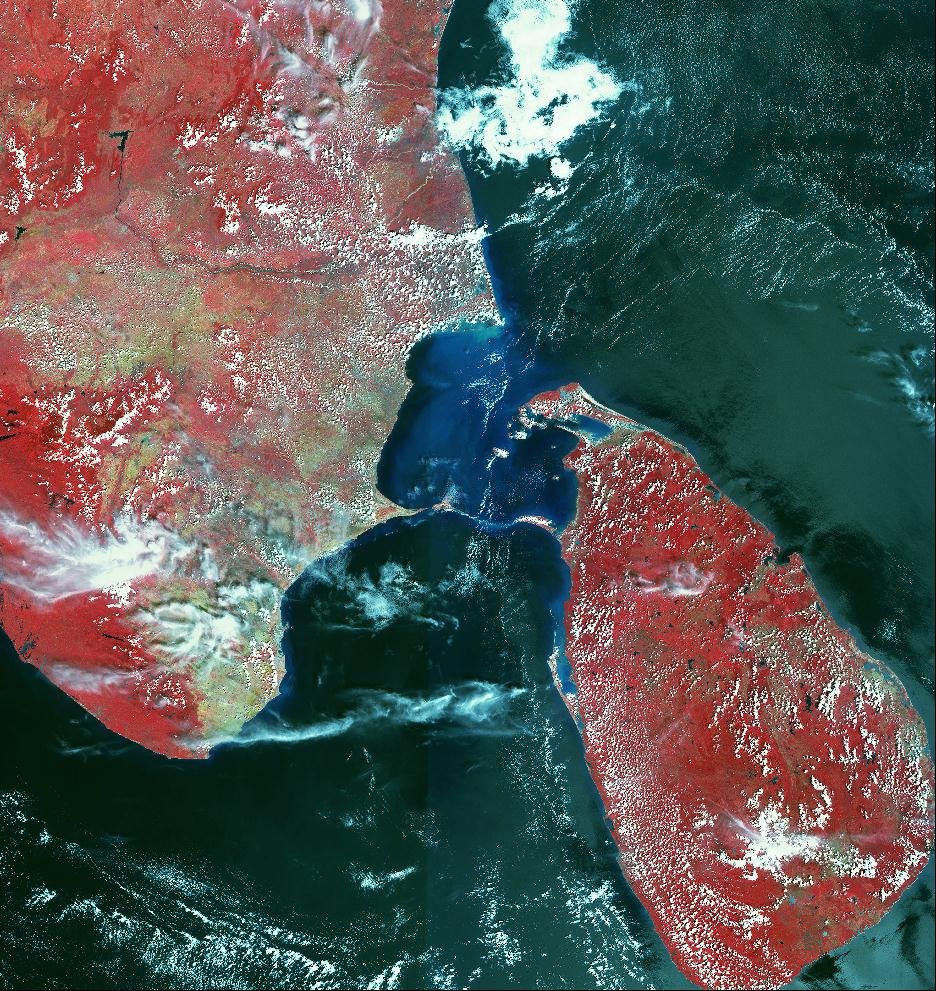
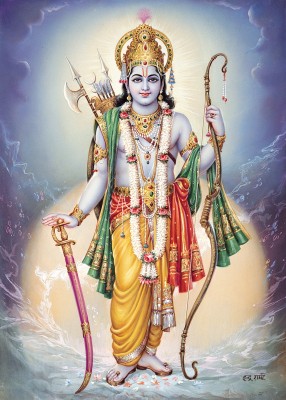
Whole Dude – Whole Lifting: Taj Mahal or Setu Bandhanam – Who lifted the stones? SETU SAMUDRAM – LORD RAMA’S BRIDGE ACROSS THE SEA – THE STORY OF RAMAYANA GIVES A VERY VIVID ACCOUNT OF THIS BRIDGE CONSTRUCTION.
I would very much love to be known as a rational thinker and my faith is just a byproduct of my rational thinking. I started my life in Mylapore, Madras and shared my story as to how Dravida MunnetraKazhagam gave me concerns about my Identity. Kindly refer to my entry titled ‘Defining Indian Identity – The Language Factor’
I grew up in the Smarta tradition founded by Adi Shankaracharya, and rational thinking is always acceptable to me. The ancient Land of India is known for lively debates and the battle of intellects at all of its seats of higher learning.
Whole Dude – Whole Lifting: Taj Mahal or Setu Bandhanam – Who lifted the stones?
We often attach too much importance to the Kings and the Emperors who had ordered building of monuments such as the Pyramids or the Taj Mahal. The real credit should be given to those nameless workers who had actually labored, carved and lifted the stones and made the monuments a cherished reality.
The ‘Adam’s Bridge has generated some controversy. The DMK Party leader M.K. Karunanidhi would prefer to view this structure as the legacy of Prince Rama, an Aryan person. I would like to say that we must give recognition to the denizens who lived south of Vindhya mountains. They lifted the stones and the trees and built this land connection to Sri Lanka. If these workers were of Dravidian origin, the Adam’s Bridge represents the heritage of Dravidians.
Whole Dude – Whole Lifting: Taj Mahal or Setu Bandhanam – Who lifted the stones? Adam’s Bridge, Lord Rama’s Bridge across the Sea, Setu Bandhanam – Sage Valmiki gave a very detailed account of its construction in his epic poem known as Ramayana. I give credit to all those denizens of Southern India who had lifted the stones and trees to participate in this Herculean Project.
India’s epic poem Valmiki Ramayan describes building of a Causeway across the narrow strait that separates India and Sri Lanka.
Whole Dude – Whole Lifting: Taj Mahal or Setu Bandhanam – Who lifted the stones?Whole Dude – Whole Lifting: Taj Mahal or Setu Bandhanam – Who lifted the stones?Whole Dude – Whole Lifting: Taj Mahal or Setu Bandhanam – Who lifted the stones?Whole Dude – Whole Lifting: Taj Mahal or Setu Bandhanam – Who lifted the stones?Whole Dude – Whole Concept: Taj Mahal or Setu Bandhanam – Who lifted the stones?
Apart from literary evidence, there is evidence particularly gathered by satellite images to verify the fact of a Causeway built over shallow waters. This historical construction may belong to 5076 BCE and this site deserves protection as World Heritage Site just like the Pyramids or Taj Mahal. In the past, Supreme Court of India restrained Government of India from constructing a shipping channel called ‘Setu Samudram’ and the project was suspended. In my view, Government of India has no right to destroy this site for purposes of building a shipping channel.
Whole Dude – Whole Concept: Taj Mahal or Setu Bandhanam – Who lifted the stones?Whole Dude – Whole Lifting: Taj Mahal or Setu Bandhanam – Who lifted the stones?Whole Dude – Whole Lifting: Taj Mahal or Setu Bandhanam – Who lifted the stones?Whole Dude – Whole Lifting: Taj Mahal or Setu Bandhanam – Who lifted the stones?Whole Dude – Whole Lifting: Taj Mahal or Setu Bandhanam – Who lifted the stones?Whole Dude – Whole Lifting: Taj Mahal or Setu Bandhanam – Who lifted the stones?Whole Dude – Whole Lifting: Bharat Darshan – Ram Setu – World Heritage Site
BHARAT DARSHAN – A PRESENTATION AT HURON HIGH SCHOOL, ANN ARBOR, MICHIGAN, USA
Excerpt: “Bharat Darshan,” a presentation on Indian history, culture, and civilization was delivered at Huron High School, Ann Arbor, Michigan. The speech incorporated an in-depth discussion about Indian culture, its symbolism, and the essence of its traditions. The presenter addressed questions such as ‘who is an Indian,’ ‘what was the most significant event in India’s history,’ and ‘the role of icons, symbols, idols, and images in the culture.’ It postulated that the birth of the Sanskrit language was a defining moment in Indian history. The speech also emphasized the Indian culture’s foundational principles, such as humility, obedience, and respect for various elements of nature.
BHARAT DARSHAN – A PRESENTATION ON INDIAN HISTORY, CULTURE, AND CIVILIZATION AT HURON HIGH SCHOOL ANN ARBOR, MICHIGAN, USA. ‘Bharat Darshan’ is the title of one of my presentations at Huron High School, Ann Arbor. The School offers a course titled ‘ Asian Civilization ‘. The students who take this class learn about India. I was invited to this class as a guest speaker and I took the opportunity as a learning tool and I started learning to express my ideas and thoughts about India. I still continue to learn and I use ‘ BHAVANA JAGAT ‘ to continue my learning experience. I am happy to express my sense of gratitude to the Class Teacher, Ms. Nadine Ghawi who initiated my desire for learning by inviting me to speak to her class. The following is the notes that I had prepared for one such speaking event at Huron High School.
Bharat Darshan:
National Flag of India – Bharat Darshan, a presentation at Huron High School, Ann Arbor, offers glimpses of India’s History, Culture, Civilization and Traditions.
I shall begin with a traditional greeting. As a kid, I was trained to greet and acknowledge others. The greeting is called Namaskar or Namaste.
Today’s presentation is named Bharat Darshan. The Land of India in our Culture and tradition is referred to as the Land of Bharat. ‘Darshan’ means viewing a place or an event. During this brief tour, I would present to you a few glimpses of India’s history and Culture. I would launch you on a journey to Discover India.
Culture is defined as learned behavior. My traditions teach me that I should approach life with a sense of abundant caution. I am cautioned to avoid absolute optimism. It is like fastening your seat belt before you begin to drive. In any human endeavor, I am told to expect a positive outcome only after taking care of any possible negative outcomes. If you are driving your car, the State Law dictates that you would reach your destination safely only after taking precautions such as the wearing of seat belt to avoid serious injury. My success is guaranteed only if I anticipate and overcome all the obstacles that I might face along the road. However, my success is never entirely mine. I am trained to believe that my success is a blessing and that I should accept success with a sense of humility.
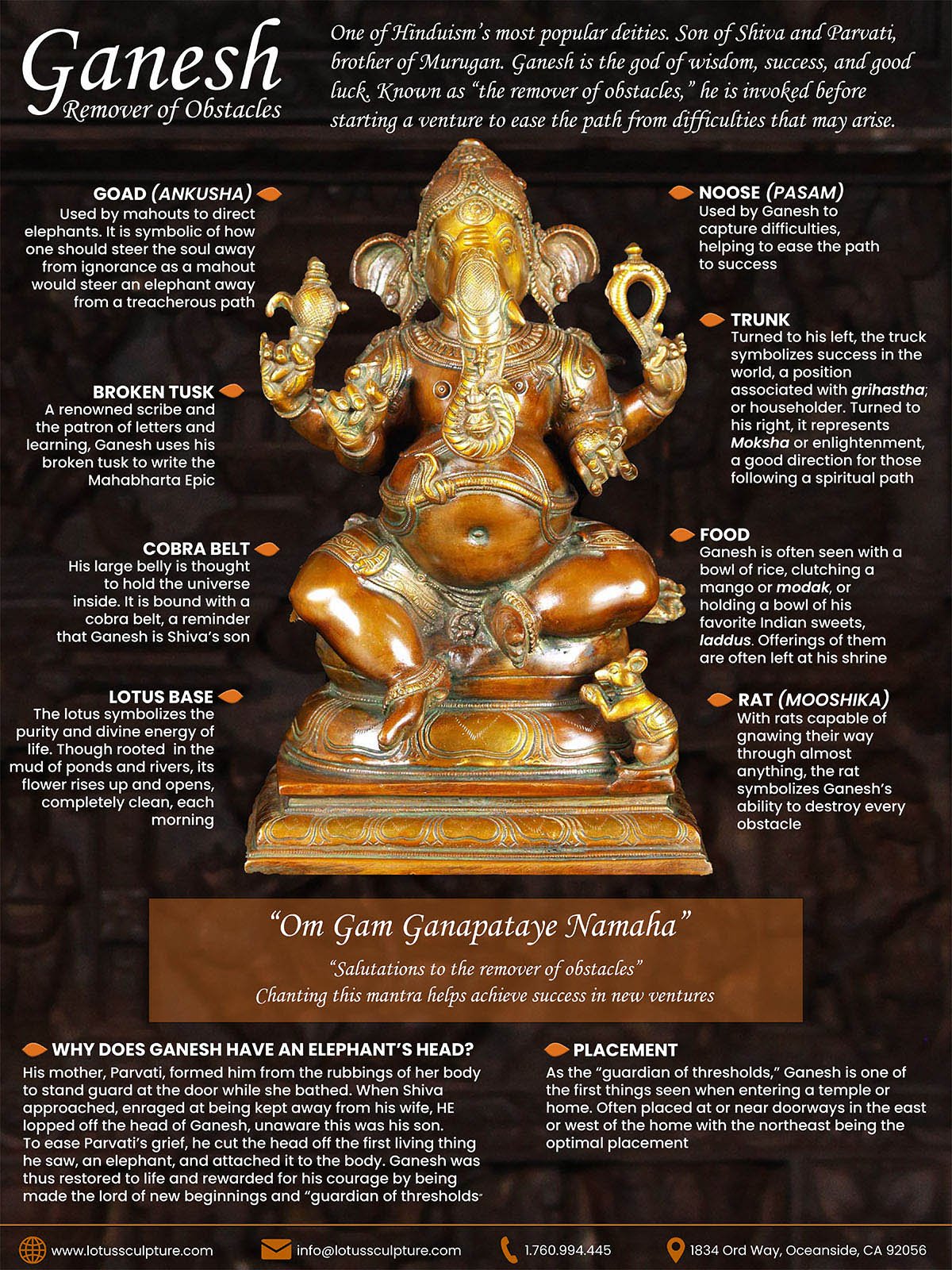
Bharat Darshan: A presentation at Huron High School, Ann Arbor. Lord Ganesha, the Remover of Obstacles. A Prayer for Success with Humility. Sri Vakratunda Mahaa kaya, Koti Surya samaprabha; Nirvighnam kurume Deva, Subha karyeshu Sarvada.
To remove obstacles that may hinder me on my path, my Culture offers an icon who is designated as the remover of obstacles. This icon is known as Ganesha. He is also the mentor of learning. The learning process begins after seeking His blessings. Today, I like to succeed in my speaking event. I ask Him to help me in presenting this project which I call Bharat Darshan. My prayerful thoughts are expressed by this Sanskrit verse :
‘Shuklaam bara dharam, Vishnum, sasi varnam chaturbhujam
Prasanna Vadanam dhyaaye, tsarva vighno pa shantayey’.
The key phrase in this verse is ‘Prasanna Vadanam’. All obstacles are removed and subdued if I meditate upon His face which is a picture of relaxation and total composure. This prayer specifically guides me to overcome problems by focusing on positive energy that can be gained by reflecting upon a face that promotes tranquility.
Brief overview of Bharat Darshan:
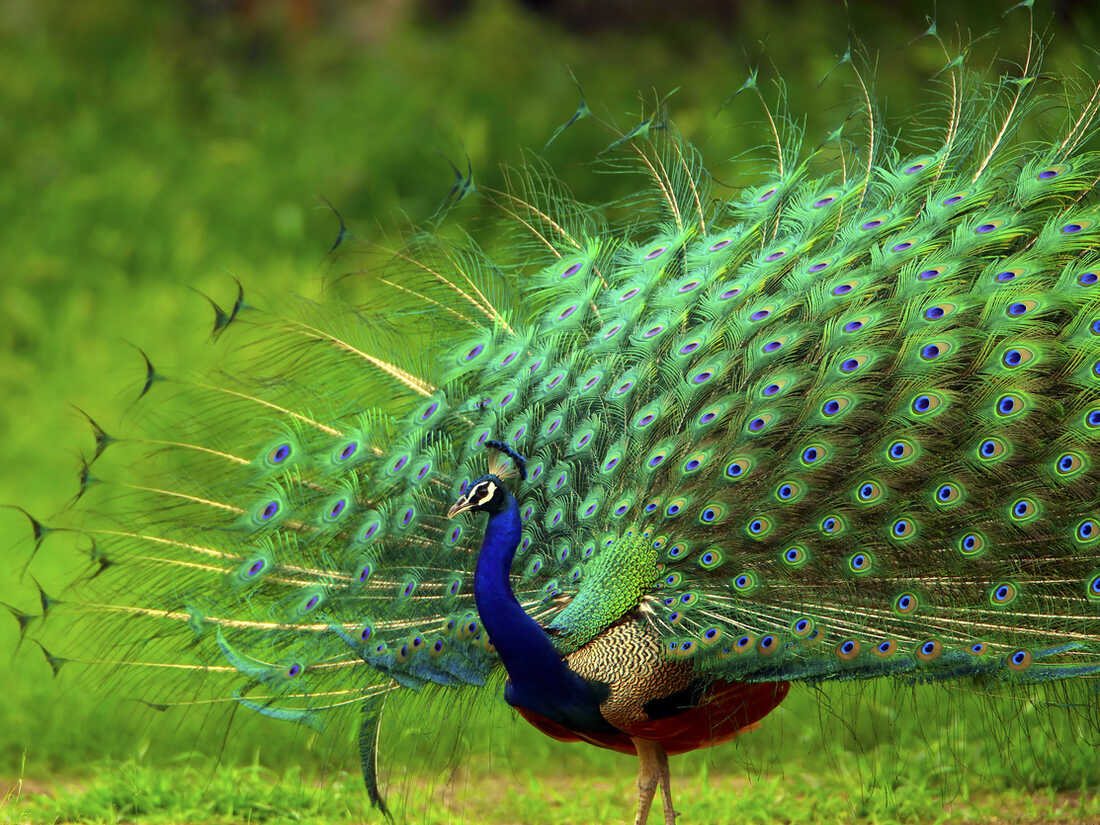
Bharat Darshan: The National Bird of India. A peacock displays its brilliant plumage. The Discovery of India, a presentation at Huron High School, Ann Arbor, Michigan.
During this presentation, I would address the following questions.
1. Who is an Indian?
2. What was the single most important event in India’s history?
3. What is the essence of Indian Culture?
4. What is the role of icons, symbols, idols and images in Indian Culture?
I . Who is an Indian?
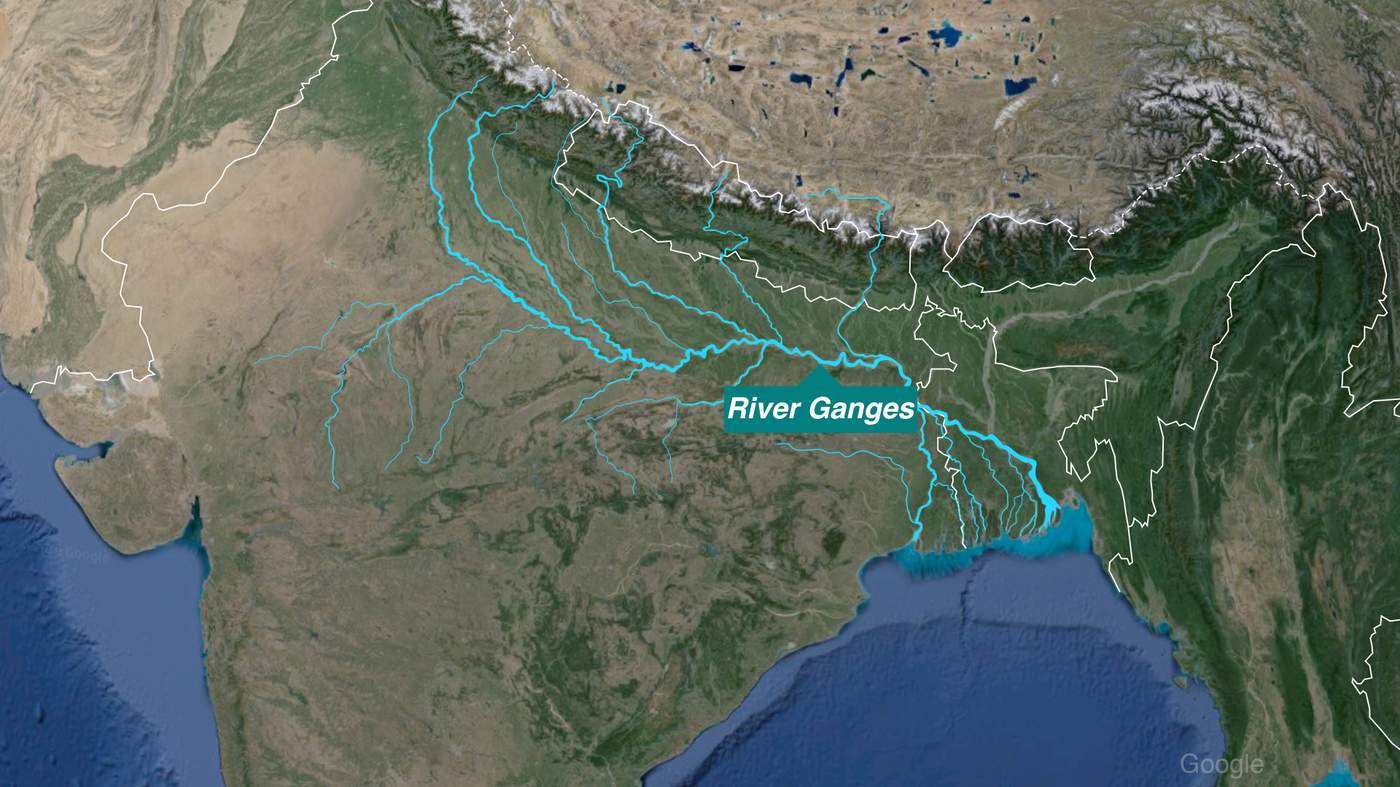
Bharat Darshan: A presentation at Huron High School, Ann Arbor. The Land where River Ganga or Ganges flows is known as India and the River defines Indian Identity.
Culture gives people a sense of personal identity. Defining that identity helps in understanding the Culture.
Bharat Darshan: The Discovery of India, a presentation at Huron High School, Ann Arbor, Michigan. Mother Ganga or Ganges describes the Identity of the Land and its people.
The name Indian is related to the great river SandHumility which is also known as Indus. After the political partition of the Indian subcontinent in 1947, much of the river Sindhu traverses across the land of Pakistan. However, at no time in our existence we regarded Sindhu river as our symbol of identity. We view ourselves as people of a Land where the river Ganga or the Ganges flows. Indians cherish the value of keeping their hearts and minds pure and clean. We very fondly believe that Mother Ganga or the Ganges can cleanse us and help us to attain that purity. It is like the practice of Water Baptism. Secondly, we belong to a Land where people cherish the value of speaking the truth. Indians claim that God is Truth and believe that Truth is God. This belief is reflected in the motto of our nation. The motto is ‘ Satya Meva Jayate ‘ meaning that Truth alone triumphs.
II . What was the single most important event in India’s History?
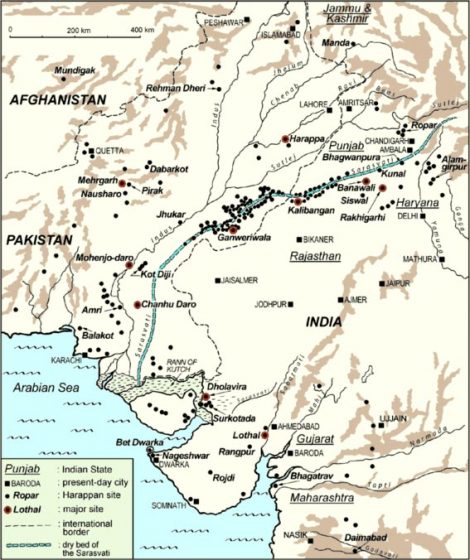
Bharat Darshan: The Rig Vedic River Sarasvati is associated with the birth of Devnagari Script and Sanskrit Language. The ideas and thoughts that are expressed in Sanskrit Language flow through our National Life and the Language has become the Language of our actions, interactions, our Culture, our Customs, and our Traditions.
The single most important event in the entire history of India, the defining moment of our history was the birth of the Sanskrit language, the Language of people who identified themselves as “Aryans” around 1500 B.C. The introduction of the Sanskrit language was indeed a blessed event. Sanskrit became the language of our Culture. Sanskrit enriched all other Indian languages and encouraged the growth of literature in almost every region of India. The Aryan Culture flows in India and joins the colorful streams of all other regional Indian Cultures. This Cultural influx can be compared to the confluence of the rivers Ganga and Yamuna at Prayag which we consider as the holiest of all holy places in India. Outwardly, the combined stream of life appears to be the same, but inwardly it illuminated our minds and vitalized our hearts.
III . What is the essence of Indian Culture?
Bharat Darshan: The Discovery of India, a presentation at Huron High School, Ann Arbor, Michigan
I must again mention that Culture is defined as learned behavior. The most important behavior that is expected of me is that of showing respect and obedience. It is not merely about showing respect to the Gods we worship. Even the Gods that we worship also implicitly observe the rule about showing respect and obedience. This social expectation rules every relationship and activity. It is the basic expectation let it be parent-child relationship, husband-wife relationship, teacher-student relationship, employer-employee relationship, the relationship between the Ruler and the ruled, relationship between siblings and very often even between friends. Respectful conduct is expected while receiving guests, while dealing with any elder even though the person may not be related to you. In addition, several plants, trees, birds, animals, rivers and mountains enjoy a special status and are treated with great respect. This social behavior is encouraged at all times and we are trained as kids to display this behavior. Instead of God, I am free to choose a human, a plant, a tree, an animal, some element of nature or even a stone and worship that object with the same and similar amount of respect that I may give to God. The Gods of our Culture would not get angry or jealous if I get totally preoccupied with showing respect to someone else other than the Gods. Most of us get used to showing respect to a variety of objects.
IV . What is the role of icons, symbols,idols, and images in Indian Culture?
Bharat Darshan: The Fear of Samsara. Samsara portrays the picture of life’s journey as a tedious,difficult and challenging swim across an unknown,uncharted and treacherous ocean
I am trained to believe that life is a complex and challenging experience. The life’s journey is compared to swimming across a vast and unknown deep ocean. The journey as perceived is neither simple nor easy. We are provided with icons and symbols as our navigational tools. We derive our comfort and strength by our dependence upon idols and images. We imbibe values by simply imitating the chosen role models. Personal responsibility and self-motivation are very important but for companionship and guidance we look towards one or the other idol. To draw a comparison, it is like using icons on your computer screen to travel upon the so-called information super highway. Every icon that we use has become a part and parcel of our Cultural legacy. I shall explain a few of them:
Lord Shiva:
Bharat Darshan: A presentation at Huron High School, Ann Arbor. Lord Shiva the God of Learning
Lord Shiva is like Socrates of 5 Th century B.C. who is claimed to be the father of western thought. He implored people to ” know thy self “. Socrates stated that the ‘unexamined life is not worth living’. Shiva guides me to reflect upon life. Shiva encourages introspection, reflecting upon your own mind and thoughts. Shiva is recognized as the God of learning. To commence learning, we respectfully tell Shiva that we are ready and prepared to receive our learning instructions. In Sanskrit, the phrase that is used is ‘Siddham’ meaning ready. Shiva ensures that we are willing and obedient before we start the first day of our schooling career. Shiva defines that the purpose of learning is to acquire the ability to think for oneself.
Bharat Darshan: A presentation at Huron High School. A Mantra to commence Learning. OM, NAMAH SHIVAYA
Lord Ganesha:
Bharat Darshan: The Discovery of India. A presentation at Huron High School, Ann Arbor, Michigan.
Ganesha is the mentor of learning. He symbolizes the values of attentive listening, writing down words as instructed and patience. In the learning process, He works like a catalyst. He facilitates achievement by removing obstacles. He helps me to gain success with humility.
Goddess Sarasvati:
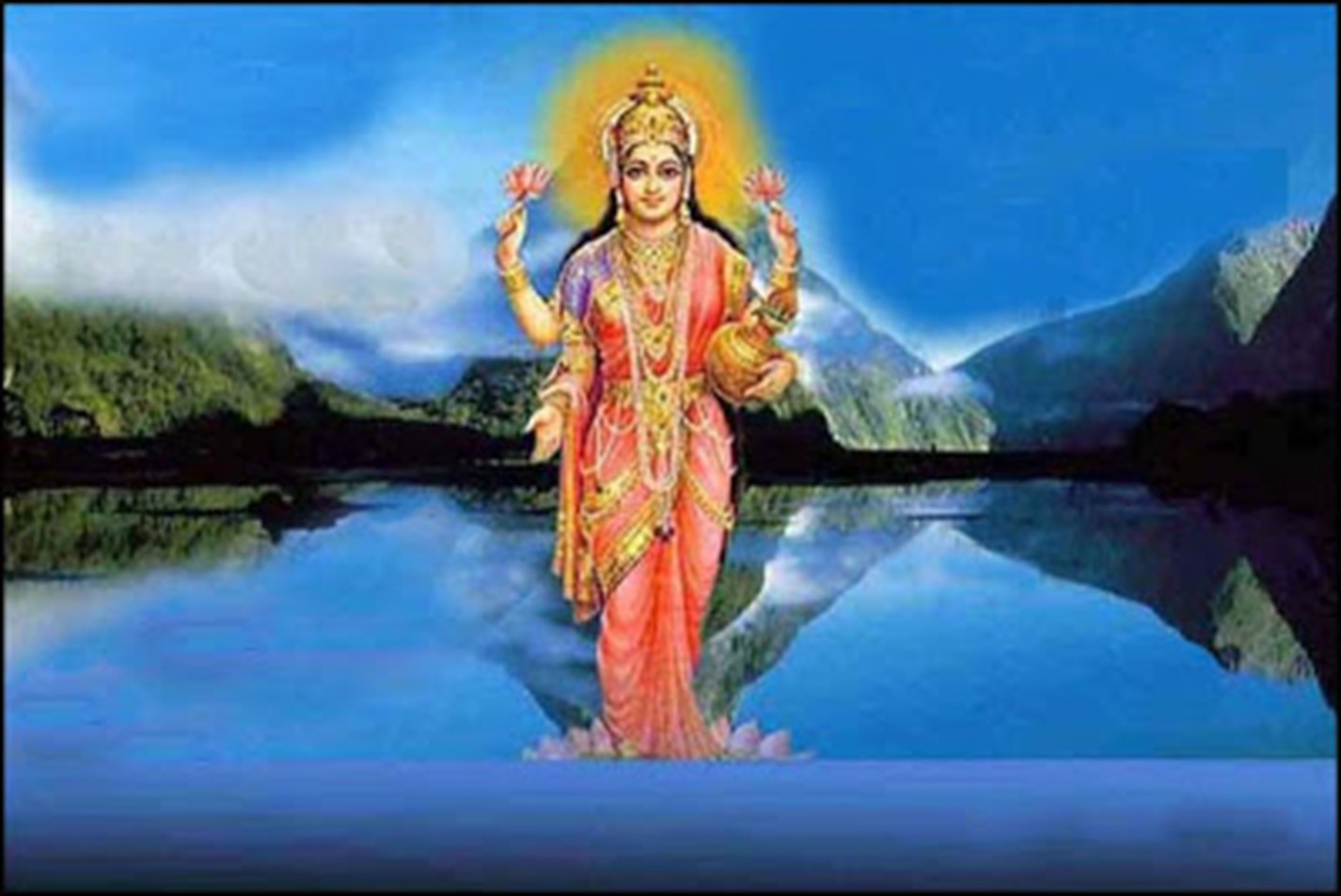
Bharat Darshan: A presentation at Huron High School. Goddess Sarasvati – The Goddess of Pure Knowledge and Perfect Wisdom.
Sarasvati, the Goddess of Wisdom represents the value of acquiring pure knowledge. She is very much like the person described as ‘ Wisdom ‘ in the Book of Proverbs, Chapter 1, 3 and 4 of the King James version of Holy Bible. To optimize our learning potential, to draw upon the immense powers of a creative mind, She recommends an attitude of humility, obedience and discipline. All the Gods of our Culture including Her spouse Brahma worship Her to avoid mental lethargy. She defines that the goal of learning is to transform our minds to make us creative individuals.
Conclusion:
Bharat Darshan: A presentation at Huron High School.The Discovery of India – The Indian Traditional Greeting known as ‘NAMASKAR’ represents the essence of Indian Culture.
Discovering India demands knowledge of plants, trees, birds, animals, rivers and mountains that are a part of our landscape. The Culture is reflected in the national symbols that we chose. A single word that can represent the full spectrum of our cultural legacy is Namaskar.
Bharat Darshan: The Discovery of India. A presentation at Huron High School, Ann Arbor, MichiganBharat Darshan: The Discovery of India. A presentation at Huron High School, Ann Arbor, Michigan.Bharat Darshan: The Discovery of India. A presentation at Huron High School, Ann Arbor, Michigan.‘BHARAT DARSHAN’ – A PRESENTATION AT HURON HIGH SCHOOL, ANN ARBOR, MICHIGAN, USA.
Excerpt: The author condemns a cartoon in The Ann Arbor News depicting a decapitated Buddha, viewing it as a disrespectful act. The author discusses his time working for the Central Intelligence Agency’s ‘Campaign for Tibet’, criticizing America’s selective support for democracy and human rights. He notes President Bush’s lack of concern for the oppression in Tibet while discussing human rights at the UN General Assembly. The author states that democratic movements managed by foreign agents, such as in Burma, should not be supported by India, believing that any outside interference should be condemned. He implores for attention and support for the Tibetan monks.
The cartoon picture of decapitated Buddha that was published in The Ann Arbor News on Wednesday, October 3, 2007 is plainly disgusting and is clearly an insult. It serves no purpose other than to hurt the feelings of people who respect Lord Gautama Buddha.
Having worked for the Central Intelligence Agency’s ‘ Campaign for Tibet ‘ for over four years in the past, I have come to the following conclusions :
1.America’s support for Democracy and Human Rights is good when and where it serves their selfish interests.
2.America does not care to give a hoot to Buddha.
In his most recent appearance at the General Assembly of the United Nations, President Bush spoke about human rights and the protests in Burma. If Democracy is good for Buddhist monks of Burma, it is equally good for Buddhist monks of Tibet. He had expressed no concern about the brutal oppression of human rights in Tibet.
If the pro-democracy movement in Burma is orchestrated by foreign agents, it would not deserve any support from India. We should let Burmese people develop their own political parties and any outside interference should be condemned.
Whole Dude – Whole Insult: The Buddhist Monks of Tibet deserve to get our attention and support.
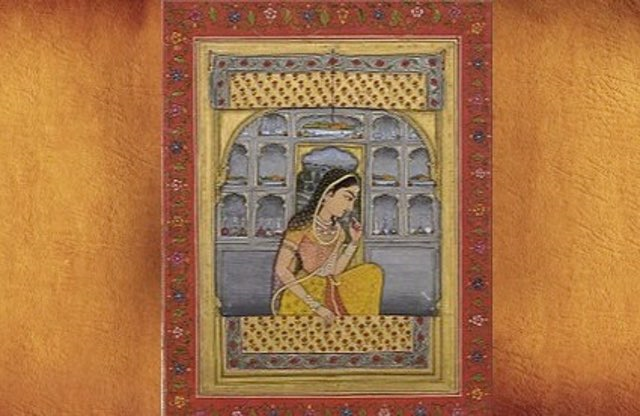
Whole Dude – Whole Pride: To defend her true nature, to preserve her essence, to resist the violation of her personal dignity and honor, Rani Padmini of Chittorgarh, India had courageously responded to a difficult and challenging life situation by an act of self-immolation. Her physical being was destroyed by the fire which she had willingly embraced and yet her spirit has survived. She declared Victory over Death and she lives as an immortal person in the hearts of Indians and gives them a sense of Pride and Identity. Indian Culture and Tradition glorify the act of giving life to resist the Enemy.
Excerpt: The post discusses the story of Rani Padmini of Chittorgarh, India who defended her honor by self-immolation. Her act, embodying courage and resistance, is revered as a symbol of pride in Indian culture. The author, a former Indian Army Officer, serves up personal insights about courage alongside the historical context, framing it as not the absence of fear but the ability to act despite it. The narrative underscores how individuals’ essence can transcend their existence, as illustrated by Rani Padmini’s enduring legacy.
RANI PADMINI OF CHITTORGARH
I had the good fortune to serve in the Indian Army and had the opportunity to take part in the Liberation War of Bangladesh in 1971. During my school years, I was a student of Indian History and always performed exceedingly well in that subject. In 1962, when China launched a massive attack across our Himalayan frontier, I was a young college student and took part in a protest march to express my resentment. I participated in the National Cadet Corps training but I never had the physical strength and profile to qualify myself to join Army and fight a battle on behalf of my country. I went to Medical School and in the pre-final year, I was selected in an interview and was granted the rank of Second Lieutenant and joined the Army Medical Corps. I could join the battle in support of those brave and strong men who confront the enemy. Army Service gave me the opportunity to know people of this Land and their great traditions. I take pride in the fighting spirit of each one of them, to name a few, the Jat, the Rajput, the Sikh, the Dogra, the Garhwal, the Kumaon, the Gorkha, the Maratha, the Mahar and the Madras.
I contemplate on ideas of dignity, pride, honour and courage. I knew my men well. I know their strength as well as their fears. I understood that the word courage does not mean being fearless. I see courage as the ability to meet your challenge and perform your duty in spite of fear. The ability to conquer fear is courage and it is not the absence of fear.
Whole Dude – Whole Pride: Rani Padmini – Her Essence and Her Existence. She defended her essence and destroyed her physical existence and her essence still lives in the heart of Indians and gives them a sense of pride. She declared her Victory over Death.
ESSENCE AND EXISTENCE:
What you are is your essence and what you do is your existence. Man is a physical, mental, social, moral, and spiritual being. Man’s essence is defined by the contents of his character and conduct. Rani Padmini had set values and had defined her existence in terms of those values that she had cherished. She responded with a great sense of courage and dissolved her physical existence to defend her essence; the sense of dignity and the sense of honor was her true nature, and her physical being merely existed to project her essence. She declared her Victory over Death and her spirit, her essence, her true nature still lives in the hearts of Indians making her an immortal being.
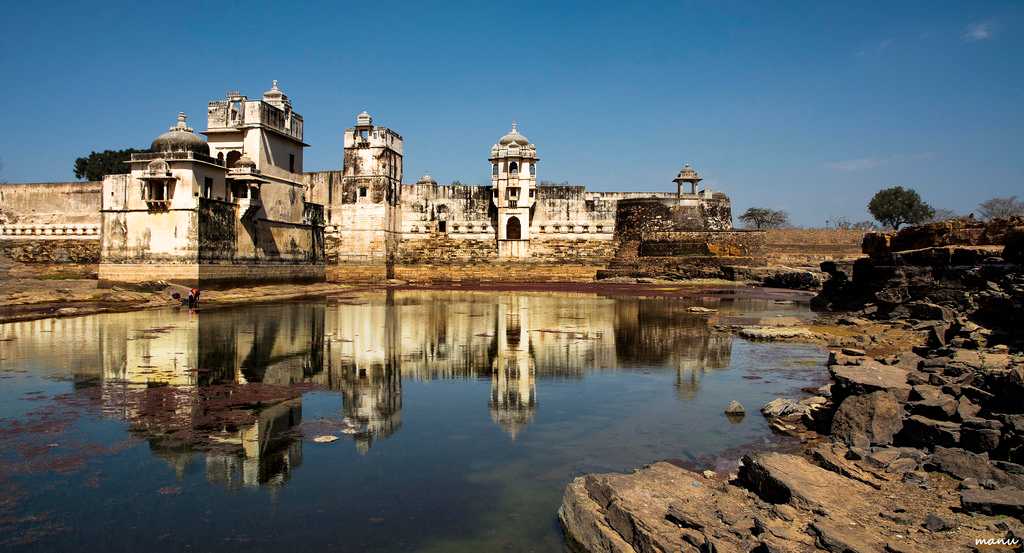
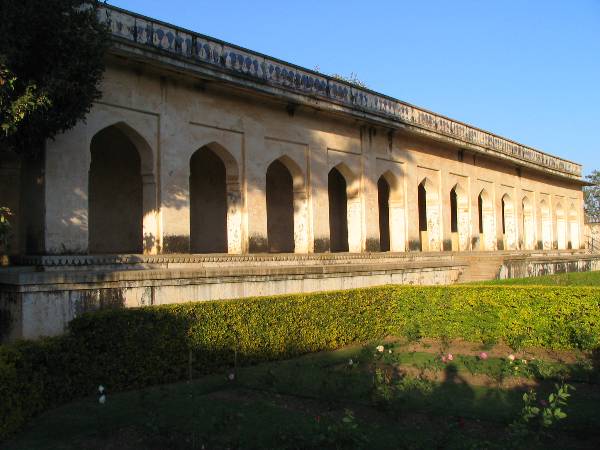
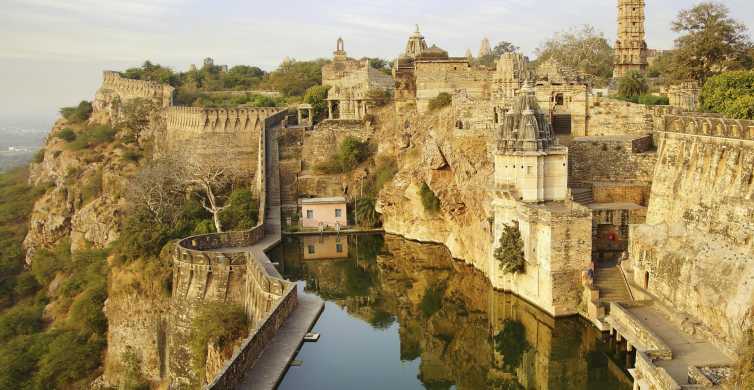
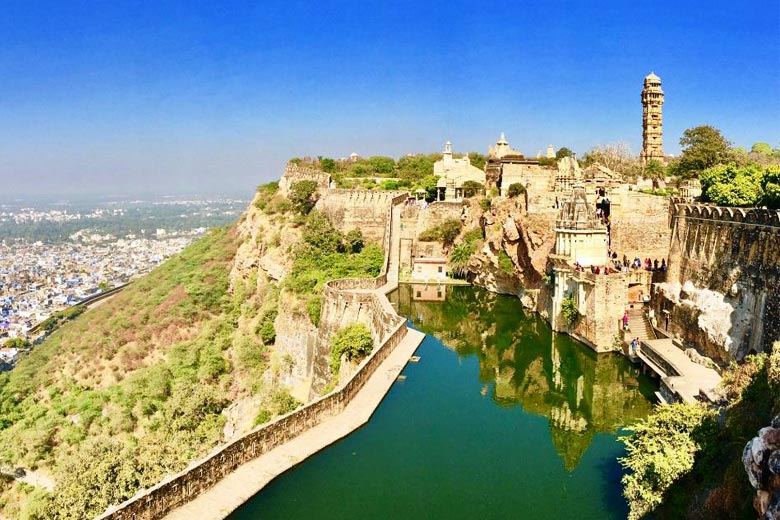
Whole Dude – Whole Pride: Essence and Existence- Indians express their Essence in the manner they exist. Rani Padmini of Chittorgarh expressed her essence as a moral, and spiritual being by ending her physical existence. Sanskrit is the Cultural tool that Indians use to define their Essence.Whole Dude – Whole Pride: Rani Padmini of Chittorgarh displayed her Essence by detaching herself from her Existence.Whole Dude – Whole Pride: Proud to be an Indian. The Legacy of Rani Padmini of Chittorgarh. The palace on the right is where Padmini is supposed to have stood. WHOLE DUDE – WHOLE PRIDE: PROUD TO BE AN INDIAN – THE LEGACY OF RANI PADMINI OF CHITTORGARH. THE PLACE OF JAUHAR.WHOLE DUDE – WHOLE PRIDE: PROUD TO BE AN INDIAN – THE LEGACY OF RANI PADMINI OF CHITTORGARH. RANA RATAN SINGH PALACE.WHOLE DUDE – WHOLE PRIDE: PROUD TO BE INDIAN – THE LEGACY OF RANI PADMINI OF CHITTORGARH. PADMINI MAHALWHOLE DUDE – WHOLE PRIDE: PROUD TO BE AN INDIAN – THE LEGACY OF RANI PADMINI OF CHITTORGARH. VIEW OF CORRIDOR AT PADMINI PALACE.Whole Dude – Whole Pride: The Legacy of Rani Padmini of Chittorgarh.Whole Dude – Whole Pride: The Legacy of Rani Padmini of Chittorgarh.Whole Dude – Whole Pride: The Legacy of Rani Padmini of ChittorgarhWhole Dude – Whole Pride: The Legacy of Rani Padmini of Chittorgarh.
A photo and a bit of Indian History. A decorated Gateway at Warangal, India stands for the glorious rule of the Kakatiya Dynasty during 12th Century A.D.
Excerpt: The post delves into the significance of Indian history and how it bears relevance to the author’s personal life. Central to the narrative is the Kakatiya Dynasty which ruled Telugu-speaking regions in the 12th century, with a focus on King Prataprudra’s reign. Emphasis is put on the legacy of the dynasty, and the heritage value it imparts on modern Telugu people. It also draws attention to the circumstances surrounding King Prataprudra’s demise, where he upheld his honor and dignity despite being captured by an enemy. The author’s and his brother’s names, Pratap and Rudra, are nods to these historical figures, reflecting their father’s admiration for the period.
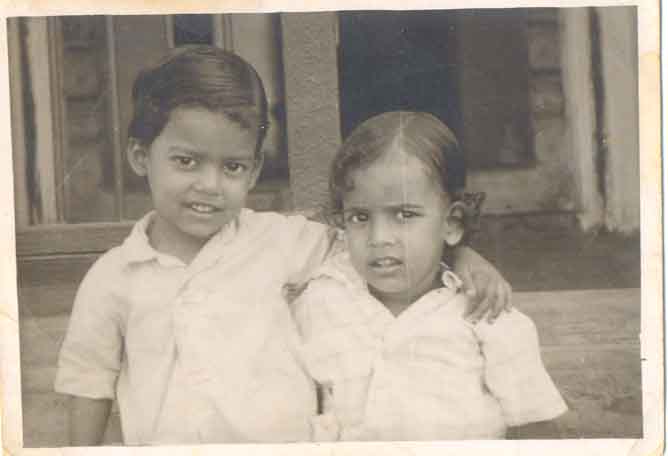
A Photo and a bit of Indian History. PRATAP-RUDRA: The names speak for themselves. It is a testimony to the influence of Kakatiya Dynasty over Telugu speaking people.
My elder brother Pratap and me (Rudra) come together as Prataparudra. Does that name sound familiar to you? My father taught Indian History all his life and he was clearly inspired by the names of the legendary figures found in our history books. He selected names to reflect his admiration for people who lived before and who had established a glorious period in the collective memory of Indians.
My elder brother got his name Pratap to remind us of the bravery of Rana Pratap who challenged the Mughal emperor Akbar.
Telugu people also take pride in the legacy of the great Kakatiya Dynasty that ruled much of the Telugu speaking areas in 12th century A.D. The famous Thousand-Pillar Temple in Hanamkonda near Warangal was built in 1162 A.D. by the Kakatiya king Rudra Deva (1158-1195 A.D.) who is also known as Prataparudra I. One of the few queens in Indian history and a most prominent ruler of Kakatiya Dynasty was Rani Rudrama Devi (1262-1295 A.D.). Her grandson, Prataprudra ascended the throne in 1280 A.D. During his reign, art and literature flourished. The conquest of South India (Deccan) by the Delhi Sultanate started in 1296 by Alauddin Khilji. The first invasion in 1303 A.D. was repulsed by the valiant resistance of the Kakatiya army. The Khilji dynasty ended and Ghiyasuddin Tughlaq ascended the Delhi throne in 1320 A.D. The first attack by Muhammad bin Tughlaq was repulsed. During 1321 A.D. after an initial failed attempt, a much larger force attacked the Warangal Fort for the second time and finally King Prataparudra was taken prisoner. While being taken as a prisoner to Delhi, King Prataparudra released his life into the loving embrace of River Narmada and preserved his dignity. Maharana Pratap, Chatrapati Shivaji and King Prataparudra are our national heroes because of their resistance to foreign rulers and occupation.
A photo and a bit of history. The name Rudra derives its historical importance when it is united with the name Pratap when it becomes Prataprudra.
ESSENCE AND EXISTENCE: Who you are (your essence) is defined by what you do (your existence). King Prataprudra desired to exist as a man of honor and integrity and defended the dignity of his existence and did not desire to yield his dignity to keep his existence. Indian tradition makes a distinction between the Subjective Reality of Existence and the Objective Reality of Existence. The Subjective Reality of King Prataprudra who was taken as a prisoner by his enemy was not consistent with the Objective Reality of Existence of King Prataprudra as defined by his nature. The King took the extreme measure to destroy the reality of his subjective existence as a prisoner and upheld the true nature of his essence which was consistent with the Objective Reality of his existence. By killing the prisoner, the King became an immortal individual. The prisoner had died and the King lives in the hearts of Telugu people.
Our names have stories to tell and guide us to revisit the history and we take pride in our Telugu heritage.
A Photo and a bit of Indian History. PRATAP-RUDRA: The names speak for themselves. It is a testimony to the influence of Kakatiya Dynasty over Telugu speaking people.
PRATAP-RUDRA: The names speak for themselves. It is a testimony to the influence of Kakatiya Dynasty over Telugu speaking people.
Whole Dude – Whole Ahimsa: Defining Indian Identity-The Tradition of Ahimsa. The Tradition of Cow Worship and Cow Protection.
Excerpt: The tradition of Ahimsa, or non-violence, is integral to Indian identity according to this post. Lord Krishna, Mahatma Gandhi, Lord Gautama Buddha, and the founder of Jainism, Lord Mahavira, all championed reverence for all living beings and the practice of Cow Protection. The author places great emphasis on how the legacy of Ahimsa manifests itself in the daily acts of mercy by people like an unidentified man working for a charity who rescued him from a potential abduction. The post posits that the principle of Ahimsa enhanced the rescuer’s ability to detect the author’s distress and act on it, thereby evidencing the ongoing importance of this ethos in Indian society.
Lord Krishna in Bhagavad Gita, Chapter 11, Visvarupa-Darsana Yoga, The Vision of the Universal Form, verse 55 proclaims “Advesham Sarva Bhuteshu”- Being devoid of enmity towards all living entities is a must and laid the foundational principle of Ahimsa. Krishna is most popularly known as Govinda, a provider of a great sense of Joy to cattle.
Whole Dude – Whole Ahimsa: Defining Indian Identity. The Tradition of Ahimsa. Mahatma Gandhi was a staunch advocate of Cow Protection and Prevention of Animal Cruelty.
Mahatma Gandhi applied the principles of ‘Ahimsa’ to fight for India’s Freedom.
“Cow protection to me is not mere protection of the cow. It means protection of all that lives and is helpless and weak in the world.” -Mahatma Gandhi.
Whole Dude – Whole Ahimsa: Defining Indian Identity. The Tradition of Ahimsa. Lord Gautama Buddha preached Nonviolence and Kindness towards all living things.
Siddhartha Gautama Buddha lived in India, c. 563 B.C. – c. 483 B.C. was the founder of Buddhism.
Whole Dude – Whole Ahimsa: Defining Indian Identity. The Tradition of Ahimsa. LORD MAHAVIRA – Jainism is founded in the 6th century B.C. emphasized the importance of reverence for all living things.
Lord Mahavira – Jainism is founded in the 6th century B.C. emphasized the importance of reverence for all living things.
In the ancient land of India, the tradition and practice of ‘Ahimsa'(noninjury) has been well established. This entry is not intended to speak about the greatness of Lord Mahavira, Lord Gautama Buddha or Mahatma Gandhi. Their contributions are well-known and well-respected by all. As a beneficiary of this great tradition, I want to claim that Ahimsa helps humans as much as it promotes the well-being of animals. Animals give us a chance to learn and practice the habit of showing compassion. Animals may not be able to speak and communicate their fears, pain, and suffering. But they provide us with the skills to listen and know the emotion of fear. Animals give us the ability to discern pain when we are not in a position to speak for ourselves. I want to describe as to how a person, experienced in preventing cruelty to animals, is well equipped to rescue humans.
Child Abduction and the story of a miraculous rescue:
Whole Dude – Whole Ahimsa: Swami Karunyananda ( One who delights himself or experiences a sense of Joy by showing Karuna or Compassion. His birth name was Venkata Subbiah. His birthplace was Kammavarpalayam, a tiny village in Madras or Tamil Nadu State of India. He founded and established Sri Gowthami Jeevakarunya Sangham at Rajahmundry during 1940.
Swami Karunyananda, One who delights himself or experiences a sense of Joy by showing Karuna or Compassion. His birth name was Venkata Subbiah. His birthplace was Kammavarpalayam, a tiny village in Madras or Tamil Nadu State of India. He founded and established Sri Gowthami Jeevakarunya Sangham at Rajahmundry during 1940.
Whole Dude – Whole Ahimsa: Defining Indian Identity – The Tradition of Ahimsa
I am narrating my personal story to recall an event and express my gratitude to a person whose name is not known to me but whom I remember for his timely intervention to rescue me. Otherwise, my life’s journey would have proceeded on an altogether different track. This very simple, down to earth, the unassuming person acted in a manner that had made a lasting impression on my mind and I am able to recollect the incident without any effort.
In 1951, that is 56 years ago, I lived in the town of Rajahmundry, East Godavari district of the present State of Andhra Pradesh. The town is on the left bank of river Godavari which enters the town from the north and flows towards the south. I lived in a residential neighborhood known by the name Innispet and it is located next to the river bank.
Those days, many of the streets had no given names and the houses had no designated house numbers. The part of the street where I lived was later named as ‘KALABARGI VARI’ street. Our house was built by my grandfather (Late)Shri.R.Subbarao who had earlier worked as the District Public Prosecutor. I lived with my grandmother Smt. Lakshmi Narasamma, my parents and two elder brothers. My great-grandmother and my grandmother’s sister had also lived in this mansion. My younger brother and sister are not yet born. I may also mention that my father had chosen my personal name to be Rudra Narasimham and he had made this choice to please and honor my grandmother. For this reason, I had also enjoyed her affectionate treatment.
At the age of three and a half years, I was able to walk and move freely. My elder brothers had already joined schools. I whined about it and my father got me enrolled at King George Elementary School which was on the same street at a short distance from my home. The name King George reminds us of our colonial past. The School had a very modest structure. There was no kindergarten class and hence I joined the grade 1 class.
A little while after the monsoon season had finished, the School was temporarily closed because of a panic created by a string of child abduction incidents. My father was in the habit of going out for an evening walk. That day, the evening was cool and pleasant and the sky was clear. I insisted that I would accompany my father during his evening walk. He tried to talk me out of it and more so out of concern about the child lifting incidents. He left for his walk leaving me at home. I slipped out of the house and I thought I would be able to follow him from behind while he walked ahead of me.
I was walking south on the street and very soon lost sight of him. I kept walking, went past an intersection and at the next intersection, the street had ended. I made a right turn as I had noticed that a lot of people were walking in that direction towards the ‘Main Street’ of our town. The streets had no sidewalks and the pedestrians walk all over the street and there was not much of vehicular traffic.
Soon after I made the right turn, I was suddenly lifted up by a stranger and was handed over to a woman who accompanied him. I instantaneously recognized that I was in some big trouble. I started crying loudly but was not able to express my sense of fear in words. The pedestrian crowd around me paid no attention and my crying aroused no particular concern.
This terrible situation suddenly changed when a man wearing simple, white, hand-spun garments (‘KHADI’) came by riding on a bike. He spontaneously reacted to my crying. In my speechless voice, like any other dumb animal, I could communicate to him that I was very apprehensive and that I was gripped with a sense of fear and pain. He read my emotions correctly and he lost no time and decided to intervene.
He stopped the pair and started grilling them with questions and insisted that I was not their child. They initially argued that I was their child. My rescuer did not relent a bit and eventually, he demanded that the pair should accompany him to the Police Station to verify my identity. I remained a silent spectator and the sense of fear would not let me speak up the fact that I was not their child and that woman was not my mother.
As the heat of the argument built up, the pair decided to get away and the woman dropped me down leaving me with the man on the bike. I was at ease in the company of this unknown man and the sense of fear vanished and I stopped crying.
He placed me on the front bar of his bike. He inquired about my address. The only information that I could provide was that my house was located near a doctor’s clinic. Meantime, the evening had already turned into night. He decided to return me to my home. Before doing so, he took me to a street vendor selling sweets and snacks. He asked me to pick an item of my choice. He paid the merchant. After I finished eating my snack, I felt a lot more relaxed and was ready for the bike ride through the neighborhood.
After spending some time conversing with me, he began his search at the north end of the street where I lived. The street was fairly long and had several houses on either side. Those were the days when we had no television; before retiring for sleep, people were in the habit of relaxing in front of their homes after it gets dark. House after house, he was checking with people and was inquiring about any missing child.
Finally, we arrived at the intersection where my house stood on the street corner. At that point, to recognize my house was very easy for me. I saw my grandmother and my mother standing on the front porch with a very worried expression on their faces. The search was over and I simply jumped out from the bike and literally ran into my home. I was not around when my mother and grandmother thanked him for bringing me back home safely and they were shocked to know that I was briefly got abducted. Later, my mother tried to gently admonish me and asked if I would ever go out alone all by myself. By then, I had lost the fear that gripped my mind and I was happy with my experience of meeting this man who got me back home and very boldly I answered my mother that I am not afraid of going out on my own.
This unknown man worked for a charitable organization by the name “Sri Gowthami Jeeva Karunya Sangham.” This organization provides animal shelters and a variety of humanitarian services. The employees patrol the streets on bikes to detect and to prevent cruelty to animals.
His belief in Ahimsa or Non-Injury, his personal experience in dealing with the pain and suffering of dumb animals had also given him the insight to recognize my plight when I was lifted up from the street. On a crowded street, while I was snatched, no one had paid attention to my cries, but for this person, the abduction would have proceeded unnoticed.
I describe that this person has the Indian Identity that I cherish and value. This Identity springs from our long-established Cultural tradition of Ahimsa. I would consider him to be a true practitioner of Ahimsa.
I have not personally known or seen Sri. Karunyananda (1894- 1997) who established Sri Gowthami Jeeva Karunya Sangham in Rajahmundry during the year 1940. Karunyananda was at Swami Sivananda’s Ashram at Rishikesh in northern India. Mahatma Gandhi visited Rishikesh and addressed the group of young ‘sanyasins’ at the Ashram. He encouraged them to render humanitarian service and serve others to practice the principle of ‘Ahimsa’ which involves treating all living entities with a sense of respect and dignity.
This concept of ‘Ahimsa’ reached me through the service rendered by a man who practiced the principle of ‘Ahimsa’ and gained the ability to recognize pain and suffering even when there is no verbal communication to express that condition.
Dr. R. Rudra Narasimham, B.Sc., M.B.B.S.,
Danavaipeta Municipal High School, Rajahmundry, East Godavari District, Andhra Pradesh, India,
S.S.L.C., Class of March 1961.
Whole Dude – Whole Ahimsa: Defining Indian Identity – The Tradition of Ahimsa. A tribute to the founder of Shri Gowthami Jeeva Karunya Sangham, Rajahmundry.
Excerpt: “Whole Dude Worships Whole Idol” examines the role of idol worship in Indian culture and the author’s personal experiences with it. The author recalls childhood memories of participating in idol worship, helping gather flowers for ritualistic offerings, and waiting for divine offerings. The depth of the cultural practice is epitomized in a personal account where the author and his siblings prayed at a temple for their father’s sudden abdominal pain. The reassurance they felt from the silent communication with the idol was unforgettable. Despite criticisms and claims of superstition, the author defends idol worship as a source of comfort and a genuine personal experience.
Whole Dude – Whole Idol: Defining Indian Identity – Idol Worship – A Way of Life
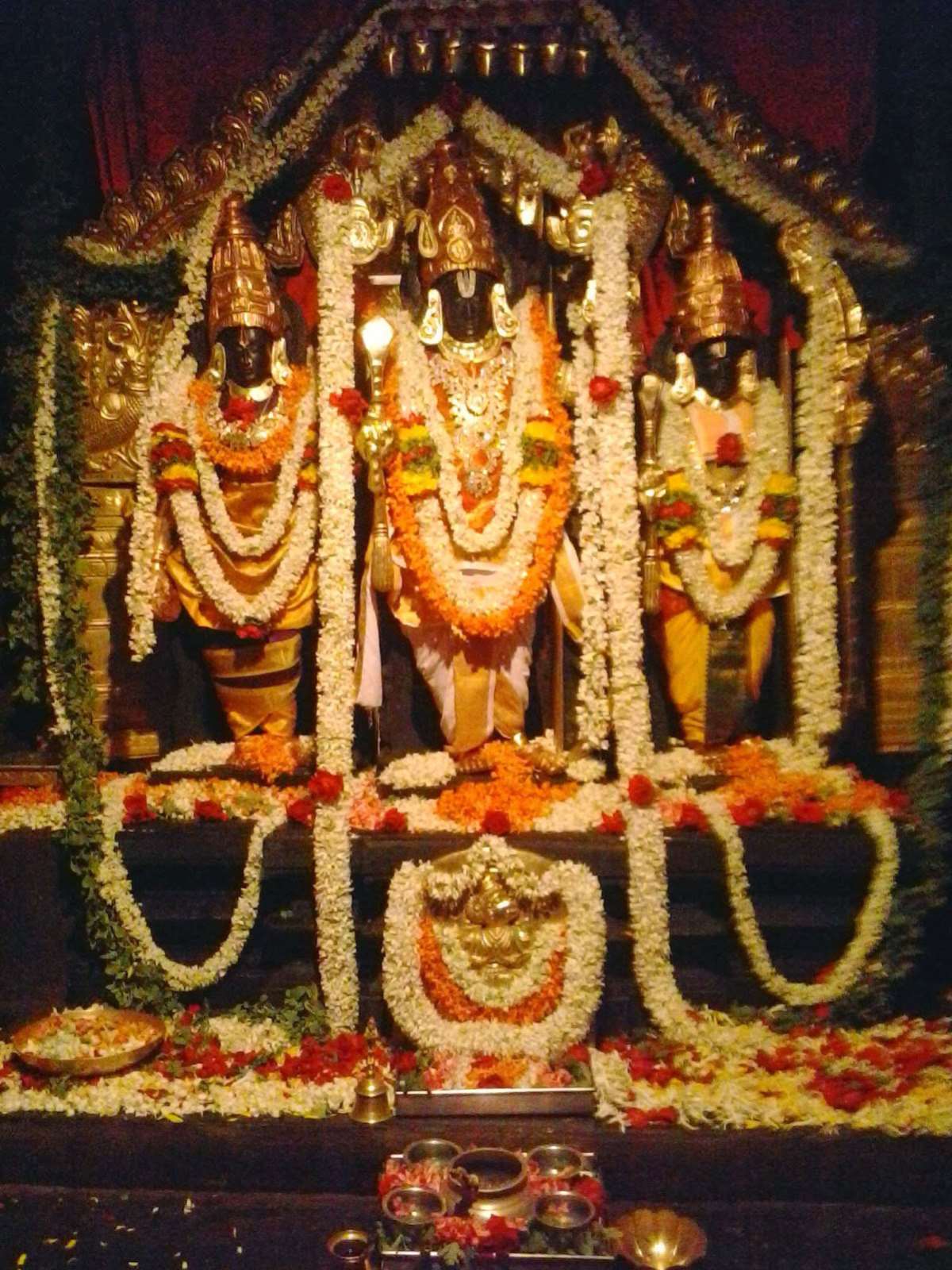
Worship of idols and images is an part of daily life in many Indian homes. Long before its birth as a political entity, the Land of India was recognized by the outside world as a Land where people worship idols. The plurality of gods in daily worship is a way of life. Indian people worship idols and images of one or another of the innumerable gods in their homes, in public places as well as in temples.
Childhood is a time of great learning experiences. A child imbibes Cultural values and learns Cultural traditions mainly at home while the child is dependent on and is educated by parents and other adults. Children acquire the Culture of the society they live in through a gradual learning process. My childhood learning experience of idol worship occurred in two places. While I was in Mylapore (Madras/Chennai City), the day would generally begin with a small errand. Myself and my elder brother Pratap would go out with a basket and gather flowers by just walking around in the neighborhood. Every home would keep some flowering plants which are traditionally used in daily worship. We were fond of gathering a variety of flowers for my maternal grandmother’s morning worship. It was a pleasant task and the fragrance of ‘Parijatham’ flowers that we gathered still lingers in my memory. I also spent my early childhood in Rajahmundry at my paternal grandfather’s home in Innispeta. My grandmother would also worship the morning rising Sun before starting her idol worship. Very often, we wait in the courtyard and alert our grandmother when Sun shows up in the sky. During the monsoon season, one has to patiently wait for the rain clouds to drift and let the Sun come out. At the end of her worship, we were always ready to receive the offerings (PRASAD) and there was always a sense of pleasure while waiting for these daily morning treats. Childhood was spent in observing the adults and on special occasions, the children at home participate in the worship while the elders give directions. The worship at temples was done in the company of parents and elders.
A Learning Experience from 1954:
Whole Dude – Whole Idol: Defining Indian Identity – Idol Worship – A Way of Life
I was six years old and was a fourth class student at King George Elementary School, in Innispeta of Rajahmundry. One evening, just after it became dark, my father experienced sudden abdominal pain. The intensity of his pain was very severe and he was alarmed by his condition. As the pain persisted, he started pressing people to notify others about his predicament and I remember that he wanted that his younger brother (a doctor) who was then working in Nagpur City, should be alerted with a telegram. At one point of this painful state, my father had even asked that he should be laid on the floor in the anticipation of an impending death.
My two elder brothers, Hari and Pratap, and myself watched this scene and were moved into action. At my eldest brother Hari’s initiative, the three of us proceeded to Lord Sri Rama’s temple which is located near the Godavari river bank, a short walking distance from our home. The temple was still open and had only a very few worshipers as night had set in. We stood before the idols in total silence and paid our respects with the traditional greeting of ‘Namaskar’. Temple worship is a simple act. You just need to come before the idol and you are not really required to speak out your concerns and spell out the reasons for seeking the darshan (viewing the idol). It took a couple of minutes and the priest graciously gave us a mango fruit as ‘prasad’. Those few minutes that I spent standing mutely before Rama’s idol at night-time, is the reason that I still remember and recall my father’s abdominal pain after a lapse of about fifty-three years. I went to the temple with a sense of anxiety and with a sense of expectation that visiting the idol of Rama would somehow help my father to get rid of that terrible pain. I silently communicated my concern to the idol and I received a response. The response that I received was that of reassurance and comfort. I felt immediately relieved of a burden and felt upbeat and the feeling was one of instant gratification. Myself and my brothers returned home from the temple. I wanted to tell my father about our visiting the temple and I wanted to assure him that he would be alright if he would take a few drops of the juice from the mango fruit that we received from the priest. When we got back, the scene had changed. I did not get a chance to speak to my father and offer him the mango fruit. He had a large vomiting and threw up the food that he ate before. It helped him, his pain started to subside and he could rest without further problems. We retired for the night and the next day was just a routine day at the school. We never discussed that painful episode again and the communication that I received from Rama’s idol got preserved in my memory and my family had no chance to know about it.
Whole Dude Worships Whole Idol.
The rest of the world may call my visiting Lord Rama’s idol as an act of superstition or false belief. My heart knows and my mind remembers that the idol gave me a sense of relief and comfort and my experience was real and genuine. Every one is welcome to take the place of that idol and if they are willing to be a source of comfort, and I am willing to have their darshan and worship them just like the idols that I would like to worship seeking a personal experience which is real while the basis for the belief is not easy to verify.
Whole Dude – Whole Indian: Defining Indian Identity – The Spirit of Nationalism. Mother Ganges is the Spirit of the Nation called India or Bharat.
Excerpt: This article emphasizes the River Ganges as the defining symbol and spirit of India, uniting the country across changing political and historical landscapes. While acknowledging India’s freedom struggle and leaders like Jawaharlal Nehru and Mahatma Gandhi, it argues that India’s identity is far deeper and not reliant on political history, language or regional customs. Highlighting a song from the 1961 film ‘Jis Desh Mein Ganga Behati Hai’, it asserts that India has always existed wherever the Ganges flows. This spiritual connection overrides every other consideration, encapsulating the essence of Indian nationalism and the country’s cultural traditions.
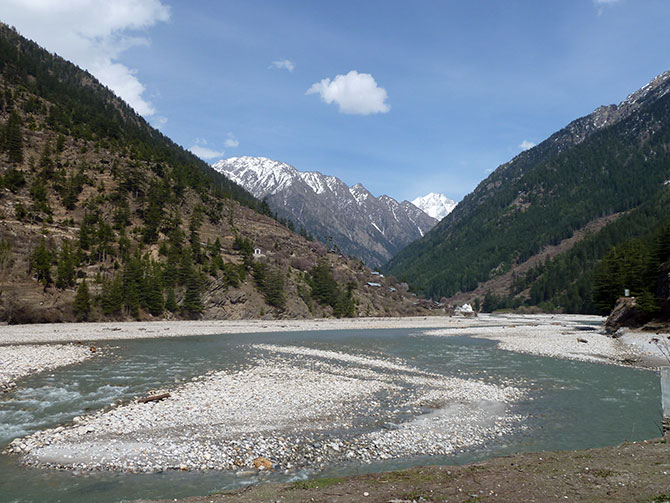
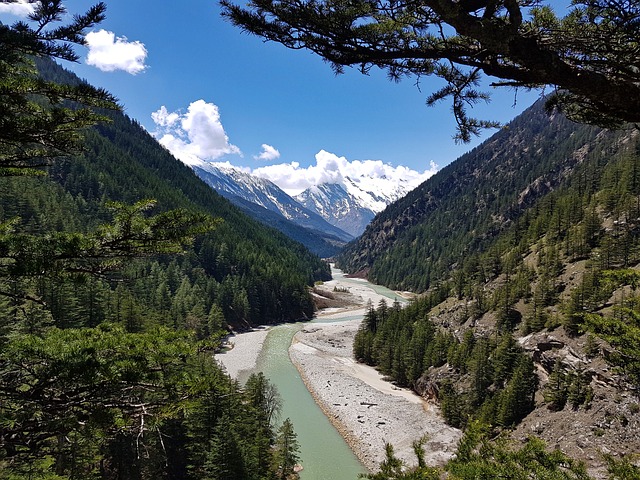
Whole Dude – Whole Indian: The country where River Ganges flows.
“….The Ganges,above all is the river of India,which has held India’s heart captive and drawn uncounted millions to her banks since the dawn of history.The story of the Ganges,from her source to the sea,from old times to new,is the story of India’s civilization and culture,of the rise and fall of empires,of great and proud cities,of adventures of man….”
Discovery of India, Jawaharlal Nehru
Whole Dude – Whole Indian: Jawaharlal Nehru, India’s First Prime Minister speaks eloquently about River Ganges shaping the lives of Indians throughout History. Mother Ganges is the Spirit of the Nation.
Jis Desh Mein Ganga Behati Hai (The Country Where River Ganges Flows)
Whole Dude – Whole Indian: The country where River Ganges flows.Whole Dude – Whole Indian: The country where River Ganges flows.Whole Dude – Whole Indian: The country where River Ganges flows.Whole Dude – Whole Indian: The country where River Ganges flows.Whole Dude – Whole Indian: WHAT IS INDIA? INDIA IS DEFINED AS THE LAND OR COUNTRY WHERE RIVER GANGES FLOWS. INDIA CAME INTO EXISTENCE WHEN GANGES STARTED FLOWING THROUGH THIS LAND. RIVER GANGES IS THE SPIRIT OF THIS NATION
Raj Kapoor won Filmfare’s Best Actor Award in 1961 for his portrayal of ‘Raju’, a song writer, in his film titled ‘Jis Desh Mein Ganga Behati Hai’. The picture was released during 1960 when I was twelve years old and was studying in VI-Form (S.S.L.C. Class of March 1961) in Danavaipeta Municipal High School, Rajahmundry, East Godavari District, Andhra Pradesh, India.We had a beautiful marble statue of Mahatma Gandhi right in front of our school.I studied Indian History as part of my school curriculum.I used to score well in my History tests. It was not too difficult for me to remember all those dates,names and other facts that constitute the subject matter of History. I have a deep sense of appreciation for all those leaders who orchestrated the political struggle against the British Rule.The Freedom Movement did indeed foster a sense of purpose and united people to achieve a common goal. It could be true that the fight against the Colonial powers gave a sense of Identity and very often the freedom fighters were called ‘Satyagrahis’. I have great admiration for their sense of patriotism and I am ever grateful for the sacrifices they made to win our independence. I saw this movie ‘ Jis Desh Mein ‘ just once and may have heard the title song on the radio on a few occasions.But the song , “Hotoan pe sachhai rahati hai, jahan dil me safaai rahati hai, Hum uss desh ke vaasi hai, Hum uss desh ke vaasi hai, Jis Desh Mein Ganga Behati Hai” never faded from my memory.
Whole Dude – Whole Indian: Defining Indian Identity – Mother Ganges is the Spirit of the Nation called India or BharatWhole Dude – Whole Indian: Defining Indian Identity – Mother Ganges is the Spirit of the Nation called India or Bharat
Ten years after seeing the movie, in the year 1970, at the age of 22 years , I was granted President’s Commission and joined the Indian Armed Forces in the rank of Lieutenant.While joining Service,we accept the risks that naturally accompany such an occupation and reflect upon the motivation that shapes the decision.I understand that the Freedom Struggle was important but that Struggle does not define my sense of National Identity.I have known that the country that we call India has existed long before the invasion by the Mughals,the country that we call India has existed during centuries of British Rule and now the country that we call India exists in spite of the changes in the political landscape and the political fortunes of the Parties that we elect from time to time. My sense of National Identity is not dependent upon the political history of our country. My sense of National Identity does not depend upon the language that I speak at home and it is not related to the regional customs pertaining to food or dress. I have known my country from its Cultural Traditions. In 1970,I joined the Indian Army to defend the country which lives in my mind as the Land where River Ganga flows.
Whole Dude – Whole Indian: Mahatma Gandhi is revered as the Father of the Nation and had promoted the Spirit of Nationalism during India’s long Struggle for Freedom. But, Mother Ganges is the Spirit of this Nation called India or Bharat.
In my opinion,the country that we call India is not a mere political entity. It is true that India gained its political freedom in 1947. The country is existing ever since the River Ganges started flowing across its Land.
I am not surprised that the song “Jis Desh Mein” still plays and I still hear the golden voice of immortal Mukesh, whenever my heart dreams about India. Most certainly, the Spirit of Nationalism is inspired by a history which reaches back to a period earlier than the British occupation of India.
Jis Desh Mein Ganga Behti Hai Lyric
Whole Dude – Whole Indian: Defining Indian Identity – Mother Ganges is the Spirit of the Nation called India or Bharat.
hothon pe sachchaaee rahatee hain, jahaan dil mein safaee rahatee hain hum us desh ke waasee hain, jis desh mein gangaa bahatee hain hothon pe sachchaaee rahatee hain, jahaan dil mein safaee rahatee hain hum us desh ke waasee hain, jis desh mein gangaa bahatee hain mehmaan jo humaaraa hotaa hain, wo jaan se pyaaraa hotaa hain mehmaan jo humaaraa hotaa hain, wo jaan se pyaaraa hotaa hain jyaadaa kee nahee laalach hum ko, thode mein gujaaraa hotaa hain thode mein gujaaraa hotaa hain
bachchon ke liye jo dharatee maan, sadiyon se sabhee kuchh sahatee hain
hum us desh ke waasee hain, jis desh mein gangaa bahatee hain
kuchh log jo jyaadaa jaanate hain, insaan ko kam pahachaanate hain kuchh log jo jyaadaa jaanate hain, insaan ko kam pahachaanate hain
ye poorab hain, poorabawaale, har jaan kee kimat jaanate hain milajul ke raho aaur pyaar karo, ik cheej yahee jo rahatee hain
jo jisase milaa sikhaa hum ne, gairon ko bhee apanaayaa hum ne jo jisase milaa sikhaa hum ne, gairon ko bhee apanaayaa hum ne matalab ke liye andhe ho kar, rotee ko nahee poojaa hum ne rotee ko nahee poojaa hum ne
ab hum to kyaa saaree duniyaan, saaree duniyaan se kahatee hain
hum us desh ke waasee hain, jis desh mein gangaa bahatee hain
Whole Dude – Whole Indian: Defining Indian Identity – Mother Ganges is the Spirit of the Nation called India or Bharat.
Whole Dude – Whole Leadership: The two-sides of Gandhi’s Leadership.
Excerpt: The article critically examines Mahatma Gandhi’s leadership during the Indian Independence movement, particularly focusing on his commitment to ‘Ahimsa’ or non-violence. While acknowledging Gandhi’s successful use of non-violence as a political weapon, the author questions if Gandhi was wrong in not considering violent self-defense to protect people from communal violence spawned during the Partition of India. The author suggests Gandhi underestimated the importance of using force to defend life during the violent upheaval, leading to loss of millions of lives. This is contrasted with the actions of other leaders, such as Mohammad Ali Jinnah, reviewed on their approach to the struggles during the same period.
Whole Dude – Whole Leadership: The two-sides of Gandhi’s political leadership.
The Flip Side of Gandhi’s political Leadership:
Whole Dude – Whole Leadership: Mahatma Gandhi’s leadership involved the use of nonviolence or Ahimsa as a political weapon. Did he believe in the use of violent force as a tool of self-Defense?
Leadership position gives the man an aura or charisma. Gandhi had earned the title of ‘MAHATMA’, a Great Soul because of his leadership role in India’s Struggle for Independence from British Rule. He inspired a sense of nationalism and I have acknowledged the same in several of my blog posts. He had championed the use of Nonviolence or ‘AHIMSA’ as a political tool and had encouraged people to defend human dignity and human value. However, leadership comes with responsibility. Leadership imposes a heavy burden and a true leader must take responsibility for the consequences of his actions and shortcomings. The principle of nonviolence must be evaluated in the context of defending Human Rights. A man is entitled to his life. A man has the Right to defend himself with whatever force is reasonably necessary against actual or threatened violence. Self-defense is a principle, is a natural instinct, and is a natural Law. Self-defense and Self-preservation may require the use of force or violence to stop the aggressor. It is not a crime to kill an aggressor to defend one’s own life. In a civilized society, the State has a duty to protect the lives of people, and give people the means and the support to exercise their right to self-defense. I have revisited the assassination of Mahatma Gandhi by Nathuram Godse. I had to examine the flip side of his leadership. Gandhi was the unchallenged leader of the Freedom Movement and the Congress Party. His response to British Viceroy Lord Mountbatten’s proposal for partition of British India was highly irresponsible and was not expected of a leader. The Freedom Movement had generated a demand for an Islamic State in all areas where Muslims had a numerical majority. Under the British Rule, Hindus, Muslims, Sikhs, and others had enjoyed a degree of protection and had lived together for centuries. The Freedom Struggle had changed this situation of peaceful coexistence. As the freedom struggle had intensified to end the British Rule, the British stopped paying attention to maintain peace and order within the community. To make their demand for a separate Islamic State, and to consolidate their position on the ground, Muslims had started a program of ethnic intimidation, and of ethnic cleansing to wipe out Hindus living in areas under their control. Hindu properties were looted and burned and Hindus were violently expelled from their homes. Several men, women, and children were brutally killed during vicious mob attacks. The Freedom Movement had unleashed these violent forces and no protection was given to the innocent people who were caught in the middle. In such a situation, the leadership had a moral duty and responsibility to organize and put in place the structures that could defend the community from violent attacks. It was the duty of the Congress Party and its leadership to advocate the use of force as self-defense. If Hindus had not supported the Congress Party and its demand for Freedom, the Movement would not have gained any momentum. There would be no demand for an Islamic State and any Muslim demand for freedom would be rejected and the British would have maintained Law and Order. So, Gandhi as the leader of this Freedom Movement was expected to shoulder a greater responsibility as compared to Muslim League leaders like Mohammad Ali Jinnah. The British proposal for partition of Indian subcontinent had imposed a great burden on Gandhi. His leadership duty would also include defending the rights of Hindus to their lives and to their properties. The dismemberment of British India into two independent nations should not have been agreed upon without demanding the British Viceroy Lord Mountbatten to deploy enough number of troops and make full security arrangements for a peaceful transfer of power. Gandhi as the leader of the Movement must have personally checked and satisfied himself that the British Government had enough resources to protect people. He must have consulted with the Congress Party Working Committee to make arrangements for self-defense in addition to the security measures if any taken by the British rulers. Gandhi had no vested authority or power to concede the demand for India’s Partition. He must have involved all the rank and file of the Congress Party in that decision-making process. In any case, Gandhi must have delayed Independence until arrangements for maintenance of Law and Order were finalized. The tragic consequences of Partition of India fully expose the failure of Gandhi’s leadership. He had utterly failed to visualize the importance of using violent force to defend the Right to Life. Gandhi’s flippant attitude had contributed to the loss of millions of innocent lives.
Whole Dude – Whole Leadership: Mahatma Gandhi or Jawahar Lal Nehru had no vested authority or power to concede the demand for partition of British ruled India. At a minimum, the decision process must have involved the entire rank and file of the Indian National Congress Party.Whole Dude – Whole Leadership: Mohammad Ali Jinnah, Qaid-e-Azam, the great leader of Muslims paved the way for the Partition of British India. What is the human cost for this achievement?Whole Dude – Whole Leadership: The British Indian Empire in 1909. The Rulers and the leaders of the Freedom Movement had failed the people of this ancient Land.Whole Dude – Whole Leadership: India and Pakistan. The Partition of Indian Subcontinent is the worst man-made disaster in the entire human history.Whole Dude – Whole Leadership: A group photo of failed leaders. British Viceroy Lord Mountbatten, Lord Ismay, Nehru, and Jinnah got together in Delhi on August 03, 1947 to announce the agreement for partition of British ruled Indian Empire.Whole Dude – Whole Leadership: In this photo taken at midnight, the early hour of August 15, 1947, the transfer of power from Great Britain to India appears to be very orderly and peaceful. Both sides had failed miserably in their leadership qualities as an unspeakable human tragedy overshadowed this historical moment.Whole Dude – Whole Leadership: Sikh and Hindu refugees flow into the Indian side of Punjab after the partition of British India. This ethnic cleansing of monumental proportions had involved over 14.5 million people moving in opposite directions.Whole Dude – Whole Leadership: A refugee train on its way to Punjab, India. Trains had arrived during the partition time with dead passengers and no survivors.Whole Dude – Whole Leadership: The leaders of Great Britain, India, and Pakistan must be criminally tried for genocide for their rash and reckless behavior that had devastating consequences in terms of human pain and suffering.Whole Dude – Whole Leadership: Nathuram Godse shot and killed Mahatma Gandhi on January 30, 1948. This act of violence has forced me to examine the issue of using violent force in taking life and also as self-Defense.Whole Dude – Whole Leadership: The Assassination of Mahatma Gandhi – This violent act has no purpose but it compels people to evaluate his leadership. The advocate of Nonviolence must have relied upon the use of violent power to defend the lives and properties of defenseless people.Whole Dude – Whole Leadership: A group photo of people accused in Gandhi’s murder case. Standing: Shankar Kistaiya, Gopal Godse (brother of Nathuram Godse, the main accused), Madanlal Pahwa (a refugee, who had earlier agreed to return to Lahore in the company of Gandhi), and Digambar Badge (the approver who had assisted the prosecutor). Sitting: Narayan Apte, Vinayak D Savarkar, Nathuram Godse (the sole attacker), and Vishnu Karkare.Whole Dude – Whole Leadership: Nathuram Godse spent five hours reading out a 90-page treatise justifying his decision to murder Gandhi. Judge Khosla who had presided over the trial mentioned before awarding the death sentence; “If the people sitting in the Court had been on the Jury, they would have acquitted Nathuram.” Godse had believed that Gandhi was the aggressor and Godse had acted to defend defenseless Hindus. Who was the aggressor? Who would take responsibility for the killing of millions of people?Whole Dude – Whole Leadership: The Martyr Column – Gandhi’s assassination site in New Delhi. Who has the duty to defend the defenseless?
If Mahatma Gandhi had advocated the use of violent force to protect people and their properties, he could have saved his own life. Unfortunately, the bullet that had hit Gandhi has forced us to inspect the darker side of his leadership.
Self-defense is a Right, it is a Duty, and it does not qualify as violence even when it involves killing the aggressor. I am not opposed to the idea of using nonviolence as a political weapon in the fight for India’s Freedom. The question that I would ask is; What is the idea of Independence if people are not given the opportunity to experience it?
Whole Dude – Whole Leadership: MAY HIS SOUL REST IN PEACE -Rajghat, New Delhi, the site of Gandhi’s cremation. India has a Right to Self-Defense and Indian leadership may have to use force to defend India’s hard-earned Freedom.
The View of Sri Aurobindo Ghosh on Gandhi’s adherence to Non-Violence
Whole Dude – Whole Leadership: Sri Aurobindo has asked us to remember the two sentences of this well-known aphorism: “Ahimsa paramo dharmah; Dharma himsa tathaiva cha”-Non-violence or Ahimsa is the highest principle, and so is Violence or Himsa in defense of the righteous.
The method of absolute non-violence that was followed during the ‘Satyagraha’ movement should be questioned. It led to the breaking of skulls and a great deal of suffering for the freedom fighters. Two questions arise in the context of the use of non-violence: 1. Was it right and healthy for the nation to go through this kind of non-violence? and 2. Does Indian culture and spirituality enjoin this kind of non-violence?
The well-known aphorism states:
“Ahimsa paramo DharmaH;
Dharma himsa tathaiva cha.”
Whole Dude – Whole Leadership: The two-sides of Gandhi’s Leadership.
Non-violence or Ahimsa is the highest principle, and so is violence or Himsa in defense of the righteous. Sri Aurobindo had also pointed out that, “Politics is concerned with masses of mankind and not with individuals. To ask masses of mankind to act as saints, to rise to the height of divine love and practice it in relation to their adversaries or oppressors is to ignore human nature. It is to set a premium on injustice and violence by paralyzing the hand of the deliverer when raised to strike. The Gita is the best answer to those who shrink from battle as a sin, and aggression as a lowering of morality.”
Whole Dude – Whole Leadership: Saint Samarth Ramdas and Warrior King Shivaji are the two aspects of the leadership equation.
The sword of the warrior is as necessary to the fulfillment of justice and righteousness as the holiness of the saint. Saint Ramdas is not complete without Shivaji. To maintain justice and prevent the strong from despoiling, and the weak from being oppressed is the function for which the ‘Kshatriya’ was created. “Therefore,” says Sri Krishna in the Bhagavad Gita, “God created battle and Armour, the sword, the bow, and the dagger.”
Whole Dude – Whole Leadership: The two-sides of Gandhi’s Leadership.
Gandhi’s Recipe for Self-Defense – The Proof of Pudding is in the Eating:
WHOLE DUDE – WHOLE DEFENSE: GANDHI’S RECIPE FOR SELF-DEFENSE: HINDUS MUST ACCEPT DEATH CHEERFULLY WITH A SMILE ON THEIR FACES.
Excerpt: Gandhi’s perspectives on self-defense were marked by notable contrasts. He believed that while Muslims were entitled to their concept of ‘Jihad’ and permissible to use violence, Hindus should endure violent attacks passively. Gandhi condoned violence perpetrated by Muslims, counseling Hindus to accept such violence cheerfully. His views were seen in his involvement in the Khilafat Movement that sought full Muslim participation in India’s struggle for independence. Additionally, during the Moplah rebellion, Gandhi praised the perpetrators and dismissed their violence as religiously justified. His controversial views extended to the partition-related violence, where he advised Hindus to face death cheerfully without seeking revenge.
Whole Dude – Whole Defense: Gandhi’s Recipe for Self-Defense: The Shocking Truth about Gandhi. Hindus need no Self-Defense
Gandhi categorically pronounces his views on self-defense and his words need no further clarification. It is very interesting to observe that Gandhi makes distinction between violence imposed by Muslims and the violence that should be endured by Hindus.In Gandhi’s opinion, Muslims have entitlement to their concept of ‘Jihad’ and can use violence, force, or warfare as a religious duty. Hindus are not required to offer any kind of resistance if they happen to come under a violent attack. Gandhi has no problem if an Afghan warlord attacks India to defeat the British Raj and states that Indians must not oppose that kind of military attack. But, Gandhi vigorously opposed people like Subhash Chandra Bose and their quest for Freedom by using force. Gandhi discovers good reasons to condone violence perpetrated by Muslims and consistently counsels Hindus to accept violence with a sense of cheer and rejoice and to adhere to their spiritual belief in Rebirth.
WHOLE DUDE – WHOLE DEFENSE: GANDHI’S RECIPE FOR SELF-DEFENSE: GANDHI DENIES HINDUS THE RIGHT TO SELF-DEFENSE. GANDHI CHARACTERIZES SUBHASH CHANDRA BOSE AS A SPOILT CHILD. BOSE HAD NO CHOICE OTHER THAN THAT OF LEAVING CONGRESS TO RAISE AZAD HIND FAUZ, INDIA’S NATIONAL ARMY TO FIGHT THE BRITISH RULE OF INDIA TAKING THE HELP FROM AXIS POWERS, GERMANY, AND JAPAN.
I received Gandhi’s pronouncements from Shri. Hari Kak. I give my thanks to him for sharing this information about Gandhi and his role as a leader.
To remember Gandhi on his birth anniversary (born. October 02, 1869, died. January 30, 1948 ), the followers of his views and way of life, may like to read the extent to which he tried to take the Muslims along with him to formulate his leadership role in India’s Independence Movement.
THE KHILAFAT MOVEMENT:
Whole Dude – Whole Defense: Gandhi’s Recipe for Self-Defense: Gandhi supports the use of violence by Khilafat Movement against the British as well as Hindus.
Gandhi returned to India during 1914 with a determination to fight for India’s Independence. With his experience in South Africa, and as a shrewd observer of the ongoing independence movement, he realised that it was Hindu dominated and to make it a success the full participation of the Muslims was essential. To achieve this aim he bent over backwards to appease Muslims and during the last days of his life his efforts went to inexplicable lengths. The Ottoman Caliphate in Turkey was tottering under the French-British attacks and ended with Mustafa Kamal abolishing the institution. But, strangely in India, the Muslims under the leadership of brothers Maulana Mohammed Ali, a cleric and journalist and Maulana Shaukat Ali started the Khilafat Movement. Around 1920, Gandhi joined it along with Maulana Abdul Kalam Azad, an eminent Congressman.
Whole Dude – Whole Defense: Gandhi’s Recipe for Self-Defense: Congress leaders Gandhi, Nehru, and Maulana Abdul Kalam Azad join the KHILAFAT Movement in 1920
Dr. B R Ambedkar in his voluminous tome ” Pakistan or The Partition of” refers to an invitation extended by the Ali brothers,to the Amir of Afghanistan to invade India to wage “jihad” against the British – a horrendous proposition which was supported by Khilafat-besotted Gandhi. C.Y. Chintamani (Editor of ‘The Leader’ of Allahabad) and Rev. C.F. Andrews tried to dissuade Gandhi from supporting the “mad” venture of Ali brothers in seeking Afghan invasion of India. Gandhi’s reaction was “I cannot understand why the Ali Brothers are going to be arrested as the rumours go, and why I am to remain free. They have done nothing which I would not do. If they had sent a message to Amir, I also would send one to inform the Amir that if he came, no Indian so long as I can help it would help the Government to drive him back.” There was some non-cooperation and protests but by the end of 1924, the Khilafat Movement, as expected, had totally collapsed. Ali brothers blamed Gandhi for the failure of the Khilafat Movement. Maulana Mohammed Ali to whom Gandhi had shown great affection said, : “However pure Mr. Gandhi’s character may be, he must appear to me, from the point of religion, inferior to any Mussalman even though he be without character.” He further emphasizes: “Yes, according to my religion and creed, I do hold an adulterous and a fallen Mussalman to be better than Mr Gandhi.” Showing their true colours,the Ali brothers later joined the Muslim League.
THE MOPLAH REBELLION OF 1921:
Whole Dude – Whole Defense: Gandhi’s Recipe for Self-Defense: The Moplah Hindu Genocide of 1921
Taking a clue from the Khalifat movement the Moplahs (Mopillas) in Kerala revolted in 1921, against their Hindu landlords and turned it into a killing spree of Hindus of all vocations. Annie Besant states: “They (Moplahs) murdered and plundered abundantly, and killed or drove away all Hindus who would not apostatise. Somewhere about a lakh (100,000) of people were driven from their homes with nothing but their clothes they had on, stripped of everything. Malabar has taught us what Islamic rule still means, and we do not want to see another specimen of the Khilafat Raj in India.”
As pointed out by Dr. Ambedkar , after the brutal killings of “Kaffirs” during ‘Moplah rebellion’, there was hardly any reaction by Khalifat-oriented Gandhi, or for that matter even Congress Party. They were all praise for Moplahs whom Gandhi even described as “brave people” and condoned their savagery by saying that “they did what was right according to their religion.” These were the early years of Gandhi’s leadership role in India’s Freedom Movement.
GANDHI’S VIEWS ON PARTITION RELATED VIOLENCE OF INDIA: HINDUS MUST DIE WITH A SMILE ON THEIR FACES
Some of his views on partition are listed below. They defy comprehension:
Prarthana-Pravachan Part I PP 54-8; CWOMG vol 87 pg 394-5 Speech at Prayer Meeting. New Delhi, May 1, 1947 ….Jinnah Saheb presides over a great organisation. Once he has Affixed his signature to the appeal, how can even one Hindu be killed at the hands of the Muslims? I would tell the Hindus to face death Cheerfully if the Muslims are out to kill them. I would be a real Sinner if after being stabbed I wished in my last moment that my son Should seek revenge. I must die without rancour. But why in the First place would a Muslim kill at all when he has been asked not to do it?….. You may turn round and ask whether all Hindus and all Sikhs should die. Yes, I would say. Such martyrdom will not be in vain….. Muslim slaughter of Hindus was defended by the Mahatma as being that by a “brave and god-fearing people who were fighting for what they consider as religion, and in a manner which they consider as religion” (BR Ambedkar, quoted by Arvind Lavakare). Indeed, the Mahatma said, “Hindus should never be angry against the Muslims even if the latter might make up their minds to undo even their existence” and Hindus “should not be afraid of death. After all, the killers will be none other than our Muslim brothers.” Kindly read the news story at rediff.com, April 16, 2002 (Arvind Lavakare, “Of Sabarmati secularism & non-violence”)


























 Whole Dude - Whole Concept