Whole Dude – Whole Realism: Half Full or Half Empty? – What is the real Question?
Half Full or Half Empty is not the Right Question – Can You Drink the Cup I Drink?
Whole Dude – Whole Realism: Half Full or Half Empty? – What is the real Question? Can You Drink the Cup I Drink?
Excerpt: When I drink from the ‘Cup of my Life’; What I truly experience from my life, the reality of my condition is more important than my attitude towards existence. The man has no hope to find happiness until and unless he renounces all desires including the desire to find happiness. The man has no choice other than that of living in the moment without concern for either pessimism or optimism. The attitude of dispassion automatically excludes both pessimism and optimism.
Whole Dude – Whole Realism: Half Full or Half Empty? What is the real Question? Can You Drink the Cup I Drink?
HALF FULL OR HALF EMPTY? IS THAT REALLY IMPORTANT?
Whole Dude – Whole Realism: Half Full or Half Empty? – What is the real Question? Can You Drink the Cup I Drink?
I drank from that cup. Now, the cup could be described as half full or half empty. Is that really important? The cup that I drink from gives me pain and I experience suffering. What would be the right question if I have to drink from that cup? What I truly experience from my life, the reality of my condition is more important than my attitude towards my existence. The issue is not about optimism or pessimism. I need to focus on knowing the reality and I need to face the reality about what I experience when I drink from that Cup of my Life.
IS IT POSSIBLE FOR THIS CUP TO BE TAKEN AWAY FROM ME ?
Whole Dude – Whole Realism: Half Full or Half Empty? – What is the real Question? Can You Drink the Cup I Drink?
I would answer this question from a reading from The New Testament of The Holy Bible. I would like to quote verses 36 to 44, chapter 26, The Gospel According to Matthew.
Whole Dude – Whole Realism: Half Full or Half Empty? – What is the real Question? Can You Drink the Cup I Drink?
36. Then Jesus came with His disciples to a place called Gethsemane and said to them, “Sit here while I go and pray over there.”
Whole Dude – Whole Realism: Half Full or Half Empty? – What is the real Question? Can You Drink the Cup I Drink?
37. And He took with Him Peter and the two sons of Zebedee, and He began to be sorrowful and deeply distressed.
Whole Dude – Whole Realism: Half Full or Half Empty? – What is the real Question? Can You Drink the Cup I Drink?
38. Then He said to them, “My soul is exceedingly sorrowful, even to death. Stay here and watch with Me.”
Whole Dude – Whole Realism: Half Full or Half Empty? – What is the real Question? Can You Drink the Cup I Drink?
39. He went a little farther and fell on His face, and prayed, saying, “O My Father, if it is possible let this cup pass from Me; nevertheless not as I will, but as You will.”
Whole Dude – Whole Realism: Half Full or Half Empty? – What is the real Question? Can You Drink the Cup I Drink?
40. Then He came to the disciples and found them sleeping, and said to Peter, “What! Could you not watch with Me one hour?
41.”Watch and pray, lest you enter into temptation. The spirit indeed is willing, but the flesh is weak.”
Whole Dude – Whole Realism: Half Full or Half Empty? – What is the real Question? Can You Drink the Cup I Drink?
42. Again, a second time, He went away and prayed, saying, “O My Father, if this cup cannot pass away from Me unless I drink it, may Your will be done.”
43. And He came and found them asleep again, for their eyes were heavy.
Whole Dude – Whole Realism: Half Full or Half Empty? – What is the real Question? Can You Drink the Cup I Drink?
44. So He left them, went away again, and prayed the third time, saying the same words.
Whole Dude – Whole Realism: Half Full or Half Empty? – What is the real Question? Can You Drink the Cup I Drink?
Jesus had prayed three times, saying the same words. It was not possible for the cup to pass away and Jesus had to drink from the cup.
Whole Dude – Whole Realism: Half Full or Half Empty? – What is the real Question? Can You Drink the Cup I Drink?
THE TEACHINGS OF GAUTAMA BUDDHA:
Whole Dude – Whole Realism: Lord Gautama Buddha has laid the foundation for understanding Pain and Suffering that is implicit in Human Existence. Half Full or Half Empty? – What is the real Question? Can You Drink the Cup I Drink?
At age 29, Prince Siddhartha realized that humans are subject to old age, sickness, disability and death. He became aware of the suffering implicit in human existence. Buddha described the nature of reality and Dharma (“true law”) as the Four Noble Truths (1) life is fundamentally disappointment and suffering; (2) suffering is a result of one’s desires for pleasure, power, and continued existence; (3) to stop disappointment and suffering one must stop desiring and (4) the way to stop desiring and thus suffering is the Noble Eightfold Path- right views, intention, speech, conduct, livelihood, effort, mindfulness, and concentration.
From the hymns popularly known as Bhaja Govindam, while I drink from the Cup of my Life, I will keep contemplate on the concept of dispassion:
“KASYA SUKHAM NA KAROTI VIRAGAH”
Whole Dude – Whole Realism: Half Full or Half Empty? What is the real Question? Can You Drink the Cup I Drink?
Living in temples or at the foot of trees, sleeping on the ground, wearing deer-skin, renouncing all possessions and their enjoyment – to whom will not dispassion bring happiness?
The verse 19 in Shankaracharya’s Bhaja Govindam questions, “Kasya sukham na karoti viragah?”, which means, “What pleasure cannot be given by dispassion?” It gives all the pleasures because you are so totally living in the moment.
The man has no hope to find happiness until and unless he renounces all desires including the desire to find happiness. The man has no choice other than that of living in the moment without concern for either pessimism or optimism. The attitude of dispassion automatically excludes both pessimism and optimism.
Whole Dude – Whole Realism: Half Full or Half Empty? – What is the real Question?Whole Dude – Whole Realism: Half Full or Half Empty doesn’t change the reality of the experience.Whole Dude – Whole Realism: The Cup of Life holds for me Pain, Humiliation, and Loss of Face.
Walong Will Never Fall AgainWalong Will Never Fall Again
Whole Dude – Whole Promise – Walong Will Never Fall Again
Whole Dude – Whole Promise: Walong Will Never Fall Again
This is my special tribute to Lohit River and I post this blog to remember my life’s journey; a journey from 1962 to 1972. During 1962, I was a student at Giriraj Government Arts College, Nizamabad, Andhra Pradesh (now Telengana), India and I was studying in the First Year of a 3-Year Bachelor of Science Degree Course. During October 1962, when China attacked India across the Himalayan Frontier, Indian people spontaneously reacted condemning the act of Chinese aggression. It gave me a strong motivation to serve the country to defend the Northern Frontier. My dream came true during 1969 when I was granted Short Service Regular Commission to join the Indian Army Medical Corps.
Whole Dude – Whole Promise: Walong Will Never Fall AgainWhole Dude – Whole Promise: Walong Will Never Fall Again
On completion of my basic military and professional training, I was deputed to Special Frontier Force and I had the proudest moment of my life when I visited the War Memorial in Walong, Lohit District, North East Frontier Agency (NEFA) during 1972. I got married during January 1973, while I was serving in the North East Frontier Agency and Lohit River is my witness to my Life’s Journey and Commitment.
Whole Dude – Whole Promise: Walong Will Never Fall Again. Special Frontier Force – Lohit River: Walong War Memorial
Whole Dude – Whole Promise: Walong Will Never Fall Again. SPECIAL FRONTIER FORCE – LOHIT RIVER: Map of Anjaw District, Arunachal Pradesh State, India.
I am pleased to share an article titled ‘China opens new highway near Arunachal Pradesh Border’ written by Ananth Krishnan that was published in the HINDU on November 01, 2013. I had served in that area and the military organization in which I had served discouraged photography and I did not take photos of the natural scenery of that area. I would like to share some photo images published by http://GreenerPasturesInd.Wordpress.com and others, particularly the images of Lohit River that flows down the Anjaw District of Arunachal Pradesh.
The North East Frontier Agency (NEFA) was constituted in 1912-13. To settle the border between India and Tibet, Sir Henry McMahon, Secretary in the Indian Foreign Department represented Great Britain at a conference held in Simla during 1913-14. The Simla Accord or Simla Agreement between India, Tibet, and China resulted in the McMahon Treaty and the McMahon Line established the official border between India and Tibet. India after gaining her independence and after becoming an independent Republic has ratified the McMahon Treaty. People’s Republic of China which came into existence during 1949 had opposed this Treaty and had occupied Tibet during 1950 rejecting the status of Tibet of being an independent nation. The Communist China’s occupation of Tibet has posed a military threat to Peace and Democracy in Southeast Asia and Tibet’s Head of State, His Holiness the 14th Dalai Lama fled to India during March 1959 as a consequence of China’s repressive, brutal military actions. On August 26, 1959, in this northeast frontier sector, China’s People’s Liberation Army crossed the McMahon Line for the first time to capture an Indian border post. China abandoned this post during 1961 and launched a major offensive war during October 1962 attacking Indian Army positions in the entire North East Frontier Agency. Due to the firm intervention by the US President John F. Kennedy, China declared unilateral ceasefire and withdrew its forces from all the areas it had captured in the North East Frontier Agency. One of the consequences of this 1962 War of China’s Aggression on India was the creation of a military alliance/pact between India, Tibet, and the United States to defend the border and to challenge the military occupation of Tibet. This military pact/alliance has established a military organization called Establishment No. 22 which is later given the name of Special Frontier Force. I had served in Special Frontier Force along with Tibetan soldiers and we were defending North East Frontier Agency during that period of my military service. The North East Frontier Agency became Indian Union Territory and was named Arunachal Pradesh on January 20, 1972. The State of Arunachal Pradesh was formed on February 20, 1987.
Whole Dude – Whole Promise: Walong Will Never Fall Again
I arrived in Doom Dooma (Dum Duma) during February 1972 after my successful participation in the military action called ‘Operation Eagle’ which initiated the Liberation of Bangladesh on November 03, 1971 with attacks on Pakistan’s military border posts in the Chittagong Hill Tracts. The United States had withdrawn its CIA personnel from our Organization prior to the launch of Operation Eagle. However, our military alliance/pact withstood the test of the times. In 1972, CIA contacted my Unit in North East Frontier Agency and requested us for our assistance to plant monitoring devices to record data from China’s underground nuclear tests in occupied Tibet. China’s occupation of Tibet, it claims for Indian territory and China’s military build up still pose a grave threat to Peace and Freedom in Southeast Asia.
Whole Dude – Whole Promise: Walong Will Never Fall Again.Special Frontier Force – Lohit River: I was based at Dum Duma (Doom Dooma) Airfield during 1972-73.Whole Dude – Whole Promise: Walong Will Never Fall Again. Special Frontier Force – Lohit River: Lohit River enters the plains and flows as the Brahmaputra River.Whole Dude – Whole Promise: Walong Will Never Fall Again. Special Frontier Force – Lohit River: At the southern end of Lohit District, Lohit River enters the plains.Whole Dude – Whole Promise: Walong Will Never Fall Again. Special Frontier Force – Lohit River: The bridge near Parasuram Kund also known as Brahma Kund.Whole Dude – Whole Promise: Walong Will Never Fall Again. Special Frontier Force – Lohit River: This Border Road along Lohit River did not exist during 1972-73. I had the pleasure of trekking along this route.Whole Dude – Whole Promise: Walong Will Never Fall Again. Special Frontier Force – Lohit River: Suspension Bridge across Lohit River.Whole Dude – Whole Promise: Walong Will Never Fall Again. Special Frontier Force – Lohit River: A Special Tribute to Lohit River.Whole Dude – Whole Promise: Walong Will Never Fall Again. Special Frontier Force – Lohit River: This bridge swings in the air and is commonly called “JHULA” which refers to the swing found in recreational parks and playgrounds.Whole Dude – Whole Promise: Walong Will Never Fall Again. Special Frontier Force – Lohit River: Walong ValleyWhole Dude – Whole Promise: Walong Will Never Fall Again. Special Frontier Force – Lohit River: Parashuram KundWhole Dude – Whole Promise: Walong Will Never Fall Again. Special Frontier Force – Lohit River: A view taken at Hayuliang.Whole Dude – Whole Promise: Walong Will Never Fall Again. Special Frontier Force – Lohit River: Hayuliang-Walong Road.Whole Dude – Whole Promise: Walong Will Never Fall Again. Special Frontier Force – Lohit River:Whole Dude – Whole Promise: Walong Will Never Fall Again. Special Frontier Force – Lohit River:Whole Dude – Whole Promise: Walong Will Never Fall Again. Special Frontier Force – Lohit River:Whole Dude – Whole Promise: Walong Will Never Fall AgainWhole Dude – Whole Promise: Walong Will Never Fall Again. Special Frontier Force – Lohit River: Walong, Anjaw District.Whole Dude – Whole Promise: Walong Will Never Fall Again. Special Frontier Force – Lohit River: Trip to KibithuWhole Dude – Whole Promise: Walong Will Never Fall Again. Special Frontier Force – Lohit River: Mishmi HillsWhole Dude – Whole Promise: Walong Will Never Fall Again. Special Frontier Force – Lohit River: HayuliangWhole Dude – Whole Promise: Walong Will Never Fall Again. Special Frontier Force – Lohit River: The Border Post at KibithuWhole Dude – Whole Promise: Walong Will Never Fall Again. Special Frontier Force – Lohit River: Lohit River near India – Tibet Border.Whole Dude – Whole Promise: Walong Will Never Fall Again. Special Frontier Force – Lohit River:
Rudra Narasimham Rebbapragada
SERVICE INFORMATION:
Whole Dude – Whole Promise: Walong Will Never Fall Again.Service Award presented by all Officers D Sector, Establishment 22 in January 1973.Whole Dude – Whole Promise: Walong Will Never Fall Again
R. Rudra Narasimham, B.Sc., M.B.B.S., Personal Numbers: MS-8466/MR-03277K, Rank: Major, Branch: Army Medical Corps/Short Service Regular Commission (1969-1972); Direct Permanent Commission (1973-1984). Designation:Medical Officer. Unit:Establishment No.22 (1971-1974)/South Column,Operation Eagle (1971-1972). Organization: Special Frontier Force.
Published in the HINDU: November 1, 2013 03:14 IST
BEIJING, November 1, 2013
China opens new highway near Arunachal Pradesh border
Ananth Krishnan
Nearly 1 billion Yuan project comes to light after seven failed attempts over the past 50 years
China on Thursday opened a new highway that links what the government has described as Tibet’s “last isolated county” – located near the border with Arunachal Pradesh – with the rest of the country and will now provide all-weather access to the strategically important region. Chinese state media have hailed the opening of the highway to Medog – which lies close to the disputed eastern section of the border with India – as a technological breakthrough, with the project finally coming to fruition after seven failed attempts over the past fifty years. China started attempting to build the highway to Medog – a landlocked county in Tibet’s Nyingchi prefecture – in the 1960s, according to State media reports, in the aftermath of the 1962 war with India. With Thursday’s opening of the road, every county in Tibet is now linked through the highway network, underlining the widening infrastructure gulf across the disputed border, even as India belatedly pushes forward an upgrading of border roads in more difficult terrain. The official Xinhua News Agency on Thursday described Medog as “the last roadless county in China”. Before this week, Medog was the only one of China’s 2,100 counties to remain isolated from the highway network, according to State broadcaster China Central Television (CCTV). What the project will do State media reports have focused on the development benefits that the project would bring and have sought to play down the strategic dimensions. Local officials said the road’s opening will bring down commodity prices and widen access to healthcare. The road will also provide access to the border county for nine months of the year. That the government was willing to spend as much as 950 million Yuan – or $ 155 million – on a 117-km highway, with ostensibly few economic returns expected, has underscored the project’s importance to State planners. Local officials said prior to the opening of the highway, reaching Medog required traversing the treacherous Galung La and Doxong La mountains at an altitude of 4,000 metres. With frequent landslides, the road was often rendered impassable. Now, the road will be accessible for “8 to 9 months per year, barring major natural disasters”, Ge Yutao, Communist Party head of the transportation department for the Tibet Autonomous Region (TAR), told Xinhua. Work on the 117-km road began in 2009, a year after the project was given the green light by the State Council, or Cabinet. Renewed attention on infrastructure projects The opening of the road comes at a time when there has been renewed attention on infrastructure projects in border areas in India and China. Last week, both countries signed a Border Defence Cooperation Agreement (BDCA) during Prime Minister Manmohan Singh’s visit to Beijing, aimed at expanding confidence-building measures. The agreement calls for setting up channels of communication between military commands, increasing the number of border personnel meetings, and formalizing rules suchas no tailing of patrols, to build trust and avoid incidents. The agreement does not specify or limit either country’s plans to boost infrastructure – an issue that, analysts say, has in the past triggered tensions along the disputed Line of Actual Control (LAC), most notably in April when a Chinese incursion sparked a three-week-long stand-off in Depsang, Ladakh. Han Hua, a South Asia scholar at Peking University, suggested in a recent interview that the “basic reason” for the incident was “too much construction” along the border. The Chinese side, she acknowledged, did not have to build closer to the disputed LAC because their infrastructure, as well as more favourable terrain enabled quicker mobilisation. “If we don’t have the overall collaboration of the military, policy-makers and decision-makers on both sides,” she said, “it will be difficult to avoid such incidents.” ‘India’s plans will not be limited’
The BDCA, Indian officials said, will not limit India’s plans to upgrade infrastructure. It recognises the principle of equal and mutual security, which allows either side to pursue its security in its own way. At the same time, officials say the BDCA will still help “regulate activity” along the border by opening up new channels of communication, even as the border continues to remain a matter of dispute. On Thursday, Chinese Defence Ministry spokesperson Yang Yujun told a regular press conference that military personnel would hold “regular meetings” and “make joint efforts” to maintain peace in border areas, following the signing of the BDCA. The agreement, he said according to a Xinhua report, “summarised good practices and experiences on the management of differences in China-India border areas”.
Keywords: Sino-Indian border, Arunachal-China border, infrastructure, Tibet Autonomous Region
Whole Dude – Whole Promise: Walong Will Never Fall Again. Special Frontier Force – Lohit River: I was based at Doom Dooma or Dum Duma during 1972-73.Whole Dude – Whole Promise: Walong Will Never Fall Again. Special Frontier Force – Lohit River: Landscape of Anjaw DistrictWhole Dude – Whole Promise: Special Frontier Force – Lohit River: “WALONG WILL NEVER FALL AGAIN.”
OM SHANTI, SHANTI, SHANTI Lead me from unreal to Real, Lead me from darkness (ignorance) to enlightenment, Lead me from death to immortality, Let there be Peace, Peace and nothing other than Peace. Aum, asatoma sadgamaya, Tamasoma Jyotir gamaya, Mrityorma Amrutam gamaya Aum Shanti, Shanti, Shanti hi.
Whole Dude – Whole GraceWhole Dude – Whole Grace: BLESSINGS FOR WHOLE PEACE: “Om, Sarvesham Swastir Bhavatu (May Well-being be unto all), Sarvesham Shantir Bhavatu (May Peace be unto all), Sarvesham Purnam Bhavatu (May Fulfillment be unto all), Srarvesham Mangalam Bhavatu (May Prosperity be unto all), Om Shanti, Shanti, Shanti.”
Bharat Darshan: From Kashmir to Kanyakumari – One Land and One DestinyWhole Dude – Whole Peninsula: From Kashmir to Kanyakumari – One Land and One Destiny.
Excerpt: The article talks about the geographical history and future of India, specifically focusing on the Himalayas. It explains that India was part of a supercontinent called Pangea and moved towards Euro Asia to form the Himalayas. It further elaborates on how the Indian plate continues to collide beneath Tibet, causing shifts in the landscape. The post raises concerns about the potential disappearance of Nepal and the threat of global warming on the Himalayan glaciers, which are vital water sources. It concludes with the idea that India must defend Tibet and the Himalayas, as its destiny is strongly tied to their well-being.
Whole Dude – Whole Peninsula: From Kashmir to Kanyakumari – One Land and One Destiny.
The Continental Shuffle
Whole Dude – Whole Peninsula: From Kashmir to Kanyakumari – One Land and One Destiny
The Land of India as we know today did not exist when our planet Earth was created and had arrived to take its place in the solar system.Our lives depend upon the life giving force of the rivers that flow down our Land and the most important rivers such as Sindhu, Ganges and Brahmaputra take their birth in the Himalayan mountains.We need to know about the formation of the Himalayas, the future of Himalayas and also know the consequences of climate change and be aware of the dangers of losing the glaciers which are the life giving source of our fresh water.We need to defend our Himalayan Frontier as our destiny is inexorably linked to their health and vitality. In an emotional sense, the idea of defending Himalayas has a great appeal and in response to the Chinese aggression in 1962, I served in the Indian Army to defend the Himalayan frontier. Apart from the threat posed by the enemy, we need to understand the bigger threat of global warming and its impact upon the Himalayan glaciers.
Whole Dude – Whole Peninsula: From Kashmir to Kanyakumari – One Land and One Destiny
Over 250 million years ago, India, Africa, Australia, South America and Antarctica were all one continent called Pangea and is also known as Gondwana Land.
Whole Dude – Whole Peninsula: From Kashmir to Kanyakumari – One Land and One Destiny
Over the next several million years, this giant southern continent proceeded to break up, forming the continents we know today. What ultimately formed the majestic Himalayas about 60 million years ago, was the rapid movement of India northward toward the continent of Euro Asia (Laurasia). India charged across the equator at rates up to 15 cm/year in the process closing an ocean named Tethys that separated fragments of Pangea. This ocean is entirely gone today.
Whole Dude – Whole Peninsula: From Kashmir to Kanyakumari – One Land and One Destiny
To understand the fascinating mechanics of the collision of India with Asia, we must first look beneath the Earth’s surface. For at least 80 million years, the oceanic Indian Plate continued its inexorable collision with southern Asia, including Tibet. The Indian sub-continent began to be driven horizontally beneath Tibet like a giant wedge, forcing Tibet upwards and this process continues today. In about 10 million years, India will plow into Tibet a further 180 km and the country of Nepal will technically cease to exist. But the mountain range we know as the Himalaya will not go away.
We are assured that the Himalaya would continue to exist in the future but our future depends upon the survival of the snow fields of the Himalaya.
Whole Dude – Whole Peninsula: From Kashmir to Kanyakumari – One Land and One Destiny. India must defend Tibet to defend its Himalayan Frontier.Bharat Darshan: From Kashmir to Kanyakumari – One Land and One DestinyBharat Darshan: From Kashmir to Kanyakumari – One Land and One DestinyBharat Darshan: From Kashmir to Kanyakumari – One Land and One DestinyBharat Darshan: From Kashmir to Kanyakumari – One Land and One DestinyBharat Darshan: From Kashmir to Kanyakumari – One Land and One DestinyBharat Darshan: From Kashmir to Kanyakumari – One Land and One Destiny
From Kashmir to Kanyakumari, Indian People belong to this Indian Landmass and hence have a common Destiny.
Bharat Darshan: From Kashmir to Kanyakumari – One Land and One Destiny
Whole Dude – Whole Bridge: Taj Mahal or Setu Bandhanam – Who lifted the stones?
Excerpt: The author, a proponent of rational thinking, emphasizes the credit due to the nameless workers who built India’s monumental structures, including the Taj Mahal and ‘Adam’s Bridge’ or Setu Bandhanam. He argues that the bridge popularly known as Ram Setu is not merely a symbol of royal orders, but represents the heritage of their builders, possibly of Dravidian origin. The author advocates for the preservation of Adam’s Bridge as a World Heritage Site, similar to the Taj Mahal and the Pyramids. He affirms that the Indian government shouldn’t destroy this structure to build a shipping channel, as once attempted, later suspended by India’s Supreme Court.
Whole Dude – Whole Bridge: Taj Mahal or Setu Bandhanam – Who lifted the stones? SETU SAMUDRAM – LORD RAMA’S BRIDGE ACROSS THE SEA – THE STORY OF RAMAYANA GIVES A VERY VIVID ACCOUNT OF THIS BRIDGE CONSTRUCTION.
I would very much love to be known as a rational thinker and my faith is just a byproduct of my rational thinking. I started my life in Mylapore, Madras and shared my story as to how Dravida MunnetraKazhagam gave me concerns about my Identity. Kindly refer to my entry titled ‘Defining Indian Identity – The Language Factor’
I grew up in the Smarta tradition founded by Adi Shankaracharya, and rational thinking is always acceptable to me. The ancient Land of India is known for lively debates and the battle of intellects at all of its seats of higher learning.
Whole Dude – Whole Bridge: Taj Mahal or Setu Bandhanam – Who lifted the stones?
We often attach too much importance to the Kings and the Emperors who had ordered building of monuments such as the Pyramids or the Taj Mahal. The real credit should be given to those nameless workers who had actually labored, carved and lifted the stones and made the monuments a cherished reality.
The ‘Adam’s Bridge has generated some controversy. The DMK Party leader M.K. Karunanidhi would prefer to view this structure as the legacy of Prince Rama, an Aryan person. I would like to say that we must give recognition to the denizens who had lived south of Vindhya mountains. They lifted the stones and the trees and built this land connection to Sri Lanka. If these workers were of Dravidian origin, the Adam’s Bridge represents the heritage of Dravidians.
Whole Dude – Whole Bridge: Taj Mahal or Setu Bandhanam – Who lifted the stones? Adam’s Bridge, Lord Rama’s Bridge across the Sea, Setu Bandhanam – Sage Valmiki gave a very detailed account of its construction in his epic poem known as Ramayana. I give credit to all those denizens of Southern India who had lifted the stones and trees to participate in this Herculean Project.
India’s epic poem Valmiki Ramayan describes building of a Causeway across the narrow strait that separates India and Sri Lanka.
Whole Dude – Whole Bridge: Taj Mahal or Setu Bandhanam – Who lifted the stones?Whole Dude – Whole Bridge: Taj Mahal or Setu Bandhanam – Who lifted the stones?Whole Dude – Whole Bridge: Taj Mahal or Setu Bandhanam – Who lifted the stones?Whole Dude – Whole Bridge: Taj Mahal or Setu Bandhanam – Who lifted the stones?Whole Dude – Whole Bridge: Taj Mahal or Setu Bandhanam – Who lifted the stones?
Apart from literary evidence, there is evidence particularly gathered by satellite images to verify the fact of a Causeway built over shallow waters. This historical construction may belong to 5076 BCE and this site deserves protection as World Heritage Site just like the Pyramids or Taj Mahal. In the past, Supreme Court of India restrained Government of India from constructing a shipping channel called ‘Setu Samudram’ and the project was suspended. In my view, Government of India has no right to destroy this site for purposes of building a shipping channel.
Whole Dude – Whole Bridge: Taj Mahal or Setu Bandhanam – Who lifted the stones?Whole Dude – Whole Bridge: Taj Mahal or Setu Bandhanam – Who lifted the stones?Whole Dude – Whole Bridge: Taj Mahal or Setu Bandhanam – Who lifted the stones?Whole Dude – Whole Bridge: Taj Mahal or Setu Bandhanam – Who lifted the stones?Whole Dude – Whole Bridge: Taj Mahal or Setu Bandhanam – Who lifted the stones?Whole Dude – Whole Bridge: Taj Mahal or Setu Bandhanam – Who lifted the stones?
India’s epic poem Valmiki Ramayan describes building of a Causeway across the narrow strait that separates India and Sri Lanka. Apart from literary evidence, there is evidence particularly gathered by satellite images to verify the fact of a Causeway built over shallow waters. This historical construction may belong to 5076 BCE and this site deserves protection as World Heritage Site just like the Pyramids or Taj Mahal. In the past, Supreme Court of India restrained Government of India from constructing a shipping channel called ‘Sethu Samudram’ and the project was suspended. In my view, Government of India has no right to destroy this site for purposes of building a shipping channel.
RAM SETU – Engineering Marvel of 5076 BCE...
Whole Dude – Whole Bridge
This film brings to light the layers of bridge construction, and the month and the year, when the Rama Setu (bridge) was built . Watch it and share it with others. It is not just another story, but a 7100 year old engineering marvel of our INDIAN – CIVILIZATION.
Whole Dude – Whole Bridge: Bharat Darshan – Ram Setu – World Heritage SiteWhole Dude – Whole Bridge: BHARAT DARSHAN – RAM SETU – WORLD HERITAGE SITEWhole Dude – Whole Bridge: Bharat Darshan – Ram Setu – World Heritage SiteWhole Dude – Whole Bridge: Bharat Darshan – Ram Setu – World Heritage SiteWhole Dude – Whole Bridge: Bharat Darshan – Ram Setu – World Heritage SiteWhole Dude – Whole Bridge: The Bridge must be preserved to show respect to the heritage of the workers who lifted the stones.Whole Dude – Whole Bridge: Who lifted the stones to construct the Bridge? It is their Heritage.
Whole Dude – Whole Lifting: Taj Mahal or Setu Bandhanam – Who lifted the stones?
Excerpt: The author, identifying as a rational thinker, questions who truly deserves credit for historical structures like the Taj Mahal or the Setu Bandhanam (Adam’s Bridge). They believe such recognition should go to the nameless workers who constructed these impressive works, rather than the kings and emperors who ordered their creation. Expressing a concern about personal and cultural identity, they imply that the credit for structures like Adam’s Bridge could potentially belong to the Dravidian people of Southern India, rather than simply to legendary figures like Prince Rama, as the epic poem Valmiki Ramayana would suggest. Also mentioned, is the importance of preserving such historical structures for their heritage significance.
Whole Dude – Whole Lifting: Taj Mahal or Setu Bandhanam – Who lifted the stones? SETU SAMUDRAM – LORD RAMA’S BRIDGE ACROSS THE SEA – THE STORY OF RAMAYANA GIVES A VERY VIVID ACCOUNT OF THIS BRIDGE CONSTRUCTION.
I would very much love to be known as a rational thinker and my faith is just a byproduct of my rational thinking. I started my life in Mylapore, Madras and shared my story as to how Dravida MunnetraKazhagam gave me concerns about my Identity. Kindly refer to my entry titled ‘Defining Indian Identity – The Language Factor’
I grew up in the Smarta tradition founded by Adi Shankaracharya, and rational thinking is always acceptable to me. The ancient Land of India is known for lively debates and the battle of intellects at all of its seats of higher learning.
Whole Dude – Whole Lifting: Taj Mahal or Setu Bandhanam – Who lifted the stones?
We often attach too much importance to the Kings and the Emperors who had ordered building of monuments such as the Pyramids or the Taj Mahal. The real credit should be given to those nameless workers who had actually labored, carved and lifted the stones and made the monuments a cherished reality.
The ‘Adam’s Bridge has generated some controversy. The DMK Party leader M.K. Karunanidhi would prefer to view this structure as the legacy of Prince Rama, an Aryan person. I would like to say that we must give recognition to the denizens who lived south of Vindhya mountains. They lifted the stones and the trees and built this land connection to Sri Lanka. If these workers were of Dravidian origin, the Adam’s Bridge represents the heritage of Dravidians.
Whole Dude – Whole Lifting: Taj Mahal or Setu Bandhanam – Who lifted the stones? Adam’s Bridge, Lord Rama’s Bridge across the Sea, Setu Bandhanam – Sage Valmiki gave a very detailed account of its construction in his epic poem known as Ramayana. I give credit to all those denizens of Southern India who had lifted the stones and trees to participate in this Herculean Project.
India’s epic poem Valmiki Ramayan describes building of a Causeway across the narrow strait that separates India and Sri Lanka.
Whole Dude – Whole Lifting: Taj Mahal or Setu Bandhanam – Who lifted the stones?Whole Dude – Whole Lifting: Taj Mahal or Setu Bandhanam – Who lifted the stones?Whole Dude – Whole Lifting: Taj Mahal or Setu Bandhanam – Who lifted the stones?Whole Dude – Whole Lifting: Taj Mahal or Setu Bandhanam – Who lifted the stones?Whole Dude – Whole Concept: Taj Mahal or Setu Bandhanam – Who lifted the stones?
Apart from literary evidence, there is evidence particularly gathered by satellite images to verify the fact of a Causeway built over shallow waters. This historical construction may belong to 5076 BCE and this site deserves protection as World Heritage Site just like the Pyramids or Taj Mahal. In the past, Supreme Court of India restrained Government of India from constructing a shipping channel called ‘Setu Samudram’ and the project was suspended. In my view, Government of India has no right to destroy this site for purposes of building a shipping channel.
Whole Dude – Whole Concept: Taj Mahal or Setu Bandhanam – Who lifted the stones?Whole Dude – Whole Lifting: Taj Mahal or Setu Bandhanam – Who lifted the stones?Whole Dude – Whole Lifting: Taj Mahal or Setu Bandhanam – Who lifted the stones?Whole Dude – Whole Lifting: Taj Mahal or Setu Bandhanam – Who lifted the stones?Whole Dude – Whole Lifting: Taj Mahal or Setu Bandhanam – Who lifted the stones?Whole Dude – Whole Lifting: Taj Mahal or Setu Bandhanam – Who lifted the stones?Whole Dude – Whole Lifting: Bharat Darshan – Ram Setu – World Heritage Site
Whole Dude – Whole Mother: Goddess Annapurna is depicted as The Mother Principle of human creation and existence. The celebration of maternal cytoplasmic inheritance.
Excerpt: This piece pays tribute to Mother, focusing on the significance of maternal cytoplasmic inheritance in human creation and existence. The author extols the divine principles of fatherhood and motherhood, which shape life through a three-fold inheritance: the human genome, cytoplasmic inheritance, and the inheritance of the physical and social environment. The author emphasizes the role of the mother cell in bequeathing life, energy, and knowledge, via the cell or biological membrane, cytoplasm and its organelles such as mitochondria – the cellular powerhouse. The mother cell also carries unique attributes that, in combination with paternal genes, ensure every human being displays their distinct individuality. The cell’s functionality in acquiring and distributing energy, and its cytoplasmic intelligence, are ascribed to maternal cytoplasmic inheritance.
Whole Dude – Whole Mother: Tridevi, the Divine Trinity, or Three-in-One Concept of Motherhood. 1. Mother is the Original Source of the Living Matter, 2. Mother is the Original Source of Life Force, Prana or Energy obtained by oxidation of food, and 3. Mother is the Original Source of Consciousness and Intellect.
I coined the phrase Whole Mother to represent the concept of Tridevi, the Divine Trinity, or Three-in-One Concept of Motherhood. 1. Mother is the Original Source of the Living Matter, 2. Mother is the Original Source of Life Force, Prana or Energy obtained by oxidation of food, and 3. Mother is the Original Source of Consciousness and Intellect.
Whole Dude – Whole Mother: Goddess Annapurna is depicted as The Mother Principle of human creation and existence. The celebration of maternal cytoplasmic Inheritance.
I account for my human existence using the phrase Whole Inheritance which includes the contributions of the Divine Principle, the Father Principle, and the Mother Principle. The term inheritance must include the inheritance of Matter and Knowledge from Mother apart from the genome as the fact of existence needs the support from an external environment at any given time and place.
Whole Dude – Whole Mother: The Mother Principle of human creation and existence. The celebration of maternal cytoplasmic inheritance.
The Divine Principle ensures the creation of the newborn who arrives in a physical and social environment to exist as an Individual with Individuality, an original, one of its own kind of object without any exceptions.
Whole Dude – Whole Mother: The Mother Principle of human creation and existence. The celebration of maternal cytoplasmic inheritance. THE ENTIRE HUMAN ORGANISM IS DERIVED FROM A SINGLE FERTILIZED EGG CELL. HOW IS THE IDENTITY AND INDIVIDUALITY IS ESTABLISHED AND IS KNOWN IN THIS COMPLEX MULTICELLULAR ORGANISM?Whole Dude – Whole Mother: Goddess Annapurna is depicted as The Mother Principle of human creation and existence. The celebration of maternal cytoplasmic inheritance.
In Hinduism, a god (Deva) is often accompanied by a goddess (Devi), who is acknowledged as his Shakti or his feminine divine strength while in Physics there is no gender identity in the description of Energy/Power/Force.
Whole Dude – Whole Mother: Goddess Annapurna is depicted as The Mother Principle of human creation and existence. The celebration of maternal cytoplasmic inheritance.
The food we eat every day not only serves to satisfy our taste buds but also offers nourishment that ultimately leads to growth and development. In Hinduism, this food that we consume daily is associated with a goddess – Annapurna.
Whole Dude – Whole Mother: Goddess Annapurna is depicted as The Mother Principle of human creation and existence. The celebration of maternal cytoplasmic inheritance.
Annapurna Devi is believed to be the divinity of food and nourishment in Hindu Dharma. She is the goddess who delivers food for all living beings on earth. The name ‘Annapurna’ itself stands for ‘giver of sufficient food’ with ‘Anna’ signifying ‘food or grain’ and ‘Poorna’ meaning one who is complete, perfect, or whole. The equivalent of her name in English language would be ‘Whole Food’ or Whole Foods’.
Whole Dude – Whole Mother: Goddess Annapurna is depicted as The Mother Principle of human creation and existence. The celebration of maternal cytoplasmic inheritance. Apart from man, Lord Shiva also needs this Spiritual Source of Sustenance provided by Goddess Annapurna.
With the blessings of Annapurna Devi, we can consume food and survive in this world. She not only offers nutrition to the physical body but also to the soul in terms of enlightenment and provides energy to achieve wisdom and knowledge. Goddess Annapurna is believed to be an avatar of Goddess Parvati, the spouse of Lord Shiva and is one of the many forms of Shakti. Apart from man and all other living things, Lord Shiva needs the spiritual medium of Anna Purna or Whole Food for his Spiritual Wellbeing. As per legend, Lord Shiva receives this Spiritual Source of Sustenance as alms and collects the offering in His begging bowl.
The Celebration of Maternal Cytoplasmic Inheritance
Whole Dude – Whole Mother: The Mother Principle of human creation and existence. The celebration of maternal cytoplasmic Inheritance.
The establishment of human existence primarily involves three kinds of inheritance. 1. The Inheritance of the Human Genome, 2. The Cytoplasmic Inheritance which includes the inheritance of cytoplasm and its organelles, the Cell Membrane or Biological Membrane, and 3. The Inheritance of Physical and Social Environment that supports the existence
Whole Dude – Whole Mother: The Mother Principle of human creation and existence. The celebration of maternal cytoplasmic inheritance. The Human Genome is just one dimension of the 3-dimensional inheritance.Whole Dude – Whole Mother: The Mother Principle of human creation and human existence. The celebration of maternal cytoplasmic Inheritance. The Divine attribute of Motherhood is the Maternal Cytoplasmic Inheritance. Whole Dude – Whole Mother: The Mother Principle of human creation and existence. The celebration of maternal cytoplasmic Inheritance.
The Inheritance of Cell or Biological Membrane:
Whole Dude – Whole Mother: Living cells have a corporeal substance called Protoplasm that has the ability of Spiritual Biotic Interactions. The Biological Membrane or Cell Membrane separates the cell from its environment and other living cells present in the environment. Cells use unique proteins, biological molecules and receptor sites to recognize the other living cells and use chemical signals to facilitate the interactions. Such interactions between living cells have the characteristics of consciousness or awareness.
The Functions of Biological Membrane:
Whole Dude – Whole Mother: The Mother Principle of human creation and existence. The celebration of maternal cytoplasmic inheritance.
1. Protection: It protects the cell from its surroundings or extracellular environment. Plant cell possess wall over the plasma membrane for extra protection and support.
2. Holding cell contents: Plasma membranes hold the semi fluid protoplasmic contents of the cell intact; thus keeping the individuality of the cell.
3. Selective Permeability: Cell membrane allows only selected or specific substances to enter into the cell and are impermeable to others.
Gases like O2 and CO2 can diffuse rapidly in solution through membranes.
Small compounds like H2O and methane can easily pass through where as sugars, amino acids and charged ions are transported with the help of transport proteins.
The size of the molecules which can pass through the plasma membrane is 1-15 A0. This property is responsible for keeping a cell ‘as a cell’, an individual unit.
4. Shape: It maintains form and shape of the cell. It serves as site of anchorage or attachment of the cytoskeleton; thus providing shape to the cell (especially in animal cells without cell wall).
5. Organelles: Cell membrane delimits or covers all sub-cellular structures or organelles like nucleus, mitochondria, plastids, Golgi apparatus, endoplasmic reticulum, microbodies etc. thus protecting them form the surroundings and also helps in maintaining a constant internal environment.
6. Compartmentalization: Cell membrane separate the cells from their external environment and cell organelle from cytosol. It help the cells and their organelles to have their own microenvironments, structural and functional individuality.
7. Cell Recognition: With the help of glycolipids and glycoproteins on its surface, cell membranes are able to differentiate similar cells from dissimilar ones, foreign substances and cells own materials. Cell recognition is useful for tissue formation and defence against microbes.
8. Antigens: Cell membranes possess antigens which determine blood grouping, immune response, acceptance or rejection of a transplant (graft rejection by MHC’s on plasma membrane).
9. Microvilli: They are microscopic finger like projections of plasma membrane present on some cells like intestinal epithelial cells, which are involved in a wide variety of functions, including increasing surface area for absorption, secretion, cellular adhesion etc.
10. Sheaths of cilia and flagella: Cilia and flagella are projections from the cell; made up of microtubules which are covered by an extension of the plasma membrane.
11. Cytoplasmic bridges in plasmodesmata and gap junctions: Plasmodesmata in plant cells and gap junctions in animal cells; meant for intercellular transport and communication, form cytoplasmic bridges between adjacent cells through plasma membrane.
12. Endocytosis and Exocytosis: Bulk intake of materials or endocytosis occurs through development of membrane vesicles or invagination and engulfing by plasma membrane.
Exocytosis: It is reverse of endocytosis that provides for releasing waste products and secretory materials ot of the cells with the help of plasma membrane.
13. Impulse transmission in neurons: The transmission of a nerve impulse along a neuron from one end to the other occurs as a result of electrical changes across the plasma membrane of the neuron
14. Cell metabolism: Cell membranes control cell metabolism through selective permeability and retentivity of substances in a cell.
15. Electron transport chain in bacteria: In bacteria; Electron transport chain is located in cell membrane.
16. Osmosis through cell membrane: It is movement of solvent molecules (generally water) from the region of less concentrated solution to the region of high concentrated solution through a semi permeable membrane. Here the semi permeable membrane that helps in osmosis is the cell membrane. Eg: Root cells take up water from the soil by osmosis
17. Carrier proteins for active transport: They occur in the cell membranes and control active transport of substances. Example, GLUT1 is a named carrier protein found in almost all animal cell membranes that transports glucose across the bilayer or plasma membrane.
18. Plasma Membrane enzymes: Many enzymes are present on the plasma membrane with wide variety of catalytic activity. Example: Red blood cell plasma membranes contain a number of enzymes such as ATPases, anion transport protein, glyceraldehyde 3-phosphate dehydrogenase, protein kinases, adenylate cyclase, acetylcholinesterase.
19. Cell Membrane Receptors: Receptor on the plasma membrane performs signal transduction, converting an extracellular signal into an intra-cellular signal. Membrane possess receptors for hormones, neurotransmitters, antibodies and several other biochemicals.
20. Plasma membrane assisted Cell movements: Undulation and pseudopodia are cell membrane phenomenon involved in cell movement. Amoeba, macrophages and WBCs move with the helps of temporary organelles like pseudopodia. Pseudopods are temporary cytoplasmic projections of the cell membrane in certain unicellular protists such as Amoeba. Some mammalian cells such as fibroblasts can move over a solid surface by wave like undulations of the plasma membrane.
Whole Dude – Whole Mother: The Mother Principle of human creation and existence. The celebration of maternal cytoplasmic inheritance. Cell Membrane imposes Physical Barrier between Cell and its immediate External Environment. In addition, Cell Membrane creates numerous Compartments to segregate or isolate Chemical Reactions and Events within the Cell. Membrane has remarkable Cognitive Abilities.
In this article, I present the Mother Principle as Goddess Annapurna, a special spiritual dimension of Goddess Parvati, the consort of Lord Shiva. Goddess Annapurna symbolizes the harmonious blending or coming together of Matter, Energy and Knowledge. My understanding of Mother and Motherhood comes from the study of the building blocks of Life. The most important building block of human life is the fertilized Egg Cell.
Whole Dude – Whole Mother: The Mother Principle of human creation and existence. The celebration of maternal cytoplasmic Inheritance. The newborn baby upon separation from its mother begins life as an independent living entity by initiation of its vital, living functions such as Respiration and Circulation. To survive in physical world, the baby needs the ability to breathe on its own and circulate the vital supply of Oxygen to all tissues and organs of the entire body.Whole Dude – Whole Mother: The Mother Principle of human creation and existence. Goddess Annapurna symbolizes the harmonious blending of Matter, Energy, and Knowledge using a creative process called Anna (Food) + Purna (Whole, Complete, and Perfect)
The Father and the Mother – The Principles governing Life:
Whole Dude – Whole Mother: The Mother Principle called Goddess Annapurna symbolizes the harmonious coming together of Food, Energy and Knowledge to perform the complex living functions. The celebration of maternal cytoplasmic inheritance
Father is described as the male parent, an ancestor, an originator, and as a Controller. Very often, in the Land of India, God is considered as both the Father and the Mother of all life forms. Mother is described as the female parent and something that is regarded as a ‘Source’. In the Indian tradition, Father may be viewed as the ‘Prime Cause’ and Mother as the Source of ‘Prime Energy’. Mother is the source of energy in performance of all kinds of actions and in accomplishment of all kinds of work. The Mother Principle represents the Endeavor/Work/Effort that makes action possible.
Whole Dude – Whole Mother: The Mother Principle of human creation and existence. Matru Devo Bhava. Tridevi, the Divine Trinity, or Three-in-One Concept of Motherhood. 1. Mother is the Original Source of the Living Matter, 2. Mother is the Original Source of Life Force, Prana or Energy obtained by oxidation of food, and 3. Mother is the Original Source of Consciousness and Intellect.
If Life is defined as function at the level of biological molecules, Mother represents the Source or the Origin of these organic molecules; Mother is the Source of Energy for the synthesis of these organic molecules; and Mother is the Source of Knowledge that provides the ability of recognition and the ability to use the molecules in a sequential manner to manage the biochemical reactions of these organic molecules to function as Life.
Mother – Source of Life:
Whole Dude – Whole Mother: The Mother Principle of human creation and existence. The celebration of maternal cytoplasmic inheritance. The Divine attribute of Motherhood is the Maternal Cytoplasmic Inheritance. Goddess Laxmi is the Divine Provider of Life, Food, and Well-being.
The complex, multicellular human organism begins as a single cell. That single cell is the source of life, energy, and knowledge.
Whole Dude – Whole Mother: The Mother Principle of human creation and existence. The celebration of maternal cytoplasmic inheritance. The Biological Dictum states “EX OVO OMNIA” – Everything comes from the Egg.Whole Dude – Whole Mother: The celebration of maternal cytoplasmic inheritance. The Biological Dictum – “OMNIS CELLULA E CELLULA” means all cells from (previously existing) cells.Whole Dude – Whole Mother: The Divine attribute of Motherhood is the Maternal Cytoplasmic Inheritance of Life, Energy, and Knowledge.The Law of Biogenesis states that organisms arise only by the reproduction of other organisms. This cell known as Oocyte develops into Human Ovum or Egg Cell which begins the life of a new human organism after an event called Fertilization.
I, as a human organism exist in this world as I arrived from a previously existing ‘Mother Cell’. By repeated cell growth and cell division or replication known as ‘Mitosis’, the human organism grows and develops into a form containing trillions of cells. This process of development is called ‘Morphogenesis’ which involves not only cell growth but differentiation into specialized types of cells. All the tissues and organs of which the human body is composed have originally developed from a microscopic cell known as ‘Ovum’ or the ‘Egg Cell’. This Ovum or Egg Cell may be regarded as a perfect cell and could be described as ‘Mother Cell’. All the solid tissues in the human body can be shown to consist largely of similar cells; it is true that they may differ, but they are essentially similar to an Ovum. The Ovum is a reproductive cell that is adapted to meet the nutritional requirements of the early developmental stages of the embryo. It is always a large cell because it contains sufficient cytoplasmic substance for the development of a self-sufficient embryo. Some of the substance which is packaged in yolk particles contains cell components; typically an Ovum contains sufficient quantities of components for many cells. Thus the Ovum need not grow as it divides; as the nuclei divide, the cytoplasm subdivides until the Ovum consists of a large number of normal-sized cells. By contrast, the male reproductive cells known as ‘Spermatozoa’ contain very little cytoplasm and they cannot further divide into new cells.
THE Source of Life – Protoplasm:
Whole Dude – Whole Mother: The Divine attribute of Motherhood is the Maternal Cytoplasmic Inheritance of Life, Energy, and Knowledge.There is similarity between the cells of a man and that of his Mother Cell or Egg Cell called Ovum.Whole Dude – Whole Mother: Tridevi, the Divine Trinity, or Three-in-One Concept of Motherhood. 1. Mother is the Original Source of the Living Matter, 2. Mother is the Original Source of Life Force, Prana or Energy obtained by oxidation of food, and 3. Mother is the Original Source of Consciousness and Intellect.Whole Dude – Whole Mother: Tridevi, the Divine Trinity, or Three-in-One Concept of Motherhood. 1. Mother is the Original Source of the Living Matter, 2. Mother is the Original Source of Life Force, Prana or Energy obtained by oxidation of food, and 3. Mother is the Original Source of Consciousness and Intellect.Whole Dude – Whole Mother: Tridevi, the Divine Trinity, or Three-in-One Concept of Motherhood. 1. Mother is the Original Source of the Living Matter, 2. Mother is the Original Source of Life Force, Prana or Energy obtained by oxidation of food, and 3. Mother is the Original Source of Consciousness and Intellect. The celebration of maternal cytoplasmic inheritance.
The most significant feature of the similarity between the cells of a man and that of the ‘Mother Cell’ from which he had arrived is presence of a soft gelatinous, semi-fluid, granular material inside the cell. This substance known as ‘Protoplasm’ is similar to that found in the Ovum. The Ovum consists of this viscous, translucent, colloidal substance enclosed in a membrane called Plasma Membrane. A small spherical body called nucleus is embedded in the protoplasm. The protoplasm could also be differentiated into cytoplasm and nucleoplasm based upon its location. Cytoplasm refers to protoplasm located outside the nucleus. Nucleoplasm refers to protoplasm located inside the nucleus. The two essential features of any living cell in the human body are that of presence of protoplasm and the nucleus.
The most striking characteristics of protoplasm are its vital properties of “Motion” and “Nutrition”. Protoplasm has the intrinsic power to change its shape and position. Motion of protoplasm is called ‘amoeboid movement’ as it resembles the movements observed in the Amoeba proteus animalcule. Nutrition is the power which protoplasm has of attracting itself the materials necessary for its growth and maintenance from surrounding matter and environment. The Egg Cell or the Ovum is the Source or the Mother of Life. This living matter, living substance, or corporeal material has divine attributes. It is conscious, it is aware, and it performs cognitive functions to sustain its own living condition.
Heredity is the sum of all biological processes by which particular characteristics are transmitted from parents to their offspring. A child inherits a genetic constitution from its biological parents. This hereditary endowment, the total of the genes that the child has received from both parents is called the genotype. The genotype of an individual is formed from the constituents of the genotypes of his parents. The genotype in a fertilized Egg Cell influences the developmental pattern of the child. Progeny is not exact duplicates of their parents and usually vary in many traits. Heredity and Variation are two sides of the same coin. The outward appearance of an organism is called the phenotype. The same individual shows different phenotypes in childhood, in adulthood, and in old age. The genotype, on the other hand, does not change during an individual’s life. Each cell in the human body contains the same total genetic information that was present in the fertilized Egg. However, the cells are not identical. In different types of cells, groups of genes are controlled (in effect switched on and off) by various biochemical processes, so that each cell manufactures the proteins and structures needed for it to function. Cells are regulated by the DNA in the nucleus and by the transfer of selected portions of the DNA information to the cytoplasm through the intermediate molecules of ‘Messenger RNA’. It is estimated that, on average, only about 10 percent of the genes of any cell are functional; selection of functional genes varies with the type of cell. This biological phenomenon of selective gene functioning may contribute to what I term as ‘The Law of Individuality’. Deoxyribonucleic acid or DNA accounts for the ability of all living matter to replicate itself exactly and to transmit genetic information from parent to offspring. The child maintains its individuality by selectively switching the inherited DNA on and off. The Law of Individuality applies to all living organisms. Despite the basic biological, chemical, and physical similarities found in all living things, diversity of life exists not only among and between species but also within every natural population.
The Mother Cell is the Source of Life for its child and yet the child comes into existence as a brand new and original product with its own Identity and Individuality. The Mother Cell does not manufacture the new multicellular organism called child. A child is always a created object even when it derives its life from a Mother Cell.
Whole Dude – Whole Mother: The celebration of maternal cytoplasmic inheritance. The Divine attribute of Motherhood is the Maternal Cytoplasmic Inheritance.The Divine Phenomenon – A child always comes into existence as a created object even when it derives its life from a Mother Cell.
Mother – Source of Energy:
Whole Dude – Whole Mother: Tridevi, the Divine Trinity, or Three-in-One Concept of Motherhood. 1. Mother is the Original Source of the Living Matter, 2. Mother is the Original Source of Life Force, Prana or Energy obtained by oxidation of food, and 3. Mother is the Original Source of Consciousness and Intellect.The celebration of maternal cytoplasmic inheritance. The Divine Source of Energy.
To maintain life an organism not only repairs or replaces (or both) its structures by a constant supply of the materials of which it is composed but also keeps its life processes in operation by a steady supply of energy.
Whole Dude – Whole Mother: God created Cytoplasm or Protoplasm as the Ground Substance of Spirituality.
Living systems must be supplied energy for continual synthesis of new organic molecules and to replace or to repair broken organic molecules. This functional activity; the processes of synthesis and breakdown of organic molecules by a living cell, is known as metabolism. Metabolism involves a living system’s continual exchange of some of its materials with its surroundings, principally in the process of building up or destroying its protoplasm. growth involves a higher rate of synthesis of protoplasm than a rate of breakdown of that matter.
Whole Dude – Whole Mother: Adenosine Tri Phosphate or ATP is a Nucleotide; the monomeric unit of Nucleic Acid,contains a Purine or Nitrogenous base called Adenosine, a Sugar called Ribose and three Phosphate groups.In most Chemical Reactions of all cells in which transfer of energy occurs, the nucleotide ATP is involved. It functions as a Coenzyme in many enzyme-catalyzed reactions and helps in the performance of chemical, electrical, and osmotic work in animals, plants, and microorganisms.
Organisms acquire energy for their metabolism by two general methods and could be classified as autotrophs or self feeders and heterotrophs or feeders of other organisms. Plants are known as Photoautotrophs as they acquire useful free energy from the energy of Sunlight. In a process known as Photosynthesis, plants use Sunlight to break water into Oxygen and Hydrogen. Hydrogen is then combined with Carbon dioxide to produce such energy-rich molecules as Adenosine triphosphate (ATP) and carbohydrates and the Oxygen is released back into the atmosphere.
Humans and most other animals are known as heterotrophs – these organisms acquire energy by the controlled breakdown of pre-existing organic molecules (food) supplied by other organisms. Humans utilize the atmospheric Oxygen (released by plant life) to combine chemically with organic matter (food) they have eaten and release Carbon dioxide and water as waste products. Metabolic processes do not occur in one step. It is not similar to burning sugar in air.
Whole Dude – Whole Mother: Cellular respiration is a set of metabolic reactions and processes that take place in the cells of organisms to convert biochemical energy from nutrients into adenosine triphosphate (ATP), and then release waste products.
The glucose, a simple sugar is broken down by a series of successive and coordinated steps, each mediated by a particular and specific enzyme. The human organism extracts useful energy by a metabolic process described as Oxidation-Reduction Reactions. The glucose is broken down in a series of about 71 enzymatically catalyzed steps. The first 11 of these biochemical reactions do not involve the use of Oxygen. These Oxidation-Reduction Reactions occur in intracellular organelles known as Mitochondria in the cytoplasm of cells.
Mitochondria – The Powerhouse of Cells:
Whole Dude – Whole Mother: The Divine attribute of Motherhood is the Maternal Cytoplasmic Inheritance. In Mitochondria, many substances are oxidized and ATP, the energy-storing chemical of the cell is produced. This energy is utilized in a variety of cellular functions and activities.
Mitochondria are typically sausage-shaped particles about 0.5 to one micron wide and about 5 to 10 microns long. They are surrounded by an outer unit membrane which controls the passage of material into and out of the mitochondria and govern their internal environment. The inner membrane is the site of the respiratory functions that make the mitochondria the so-called Powerhouse of the Cell. The inner membrane is folded repeatedly into shelf like folds called cristae which contain the enzymes that play an essential role in conversion of the energy of foodstuffs into the energy used for cellular activities.
Mitochondria and Chloroplasts – A Divine Source for Energy Acquisition:
Whole Dude – Whole Mother: The Divine attribute of Motherhood is the Maternal Cytoplasmic Inheritance. Both Mitochondria and the Chloroplasts are semi-independent and self-reproducing parts of the Living Cells. It is a Divine Mechanism to provide Energy for Metabolism the characteristic of Living Matter.Whole Dude – Whole Mother: The celebration of maternal cytoplasmic inheritance. The Divine attribute of Motherhood is the Maternal Cytoplasmic Inheritance.The Mitochondria have a degree of “AUTONOMY” and they are unlike the other components of cells.
Mitochondria and Chloroplasts found in the green plant cells perform the same fundamental processes. The Chloroplasts contain the green colored pigment known as Chlorophyll. The Chloroplasts convert the energy of Sunlight into energy-rich ATP and use ATP to convert Carbon into specific organic substances. The most important equations for living things are mutually inverse. Respiration of human organisms represents the reverse of Photosynthesis of Green Plants. Both Mitochondria and the Chloroplasts are semi-independent and self-reproducing parts of the living cells. They have a degree of autonomy and they are unlike the other components of cells. Mitochondria contain DNA in the form of a Chromosome arranged in a ring. The DNA of Mitochondria has different distribution of bases from that of the DNA found in the Chromosomes present in the nucleus. Mitochondria carry the genes for their own replication and for the enzymes found in them. They can synthesize some of their own proteins and reproduce by themselves. In one respect the mitochondria function as the parts of the cells and in another respect, they behave like independent organisms that reproduce on their own.
The Mother Cell is the source of Mitochondria found in all the cells of my human body. During the Growth and Development of Human Embryo and Fetus, all the newly formed cells contain Mitochondria derived from the Egg Cell. Hence, mother as a biological parent represents the Source of Energy for all the Living Functions and activities of her children. I cannot move a muscle in my body without drawing energy supplied by the maternal Mitochondria which continue to live and replicate establishing my mother as the Source of Energy for my existence during my entire Life’s Journey.
Mother – Source of Knowledge:
Whole Dude – Whole Mother: The Divine attribute of Motherhood is the Maternal Cytoplasmic Inheritance. Goddess Sarasvati is the Divine Mother of Knowledge. Indian Tradition recognizes Mind, and Intellect as aspects of Material Energies. Life functions with Knowledge implanted into Living Organisms which display the characteristics of awareness, responsiveness, alertness, and consciousness.
Life is the state of an individual characterized by the capacity to perform certain functional activities including the ability of responsiveness. Life is further characterized by presence of complex transformation of organic molecules and by organization of such molecules into the successively larger units of protoplasm, cells, organs, and tissues. Hence, I have defined Life as “Knowledge in Action.”
Responsiveness represents the ability of an organism to change in response to alteration in its environment. Responsiveness, alertness, awareness, and consciousness separates living from nonliving matter and defines life’s underlying principle. Living cells are aware or conscious of the environment in which they exist as well as the state of their own internal environment. The one very important part of environment of a cell is other cells. The ability called awareness and responsiveness is important for recognition, association, and cooperation between cells. Cells function together by exchanging chemical signals.
THE Cytoplasmic or Maternal Inheritance:
Whole Dude – Whole Mother: Tridevi, the Divine Trinity, or Three-in-One Concept of Motherhood. 1. Mother is the Original Source of the Living Matter, 2. Mother is the Original Source of Life Force, Prana or Energy obtained by oxidation of food, and 3. Mother is the Original Source of Consciousness and Intellect.The celebration of maternal cytoplasmic Inheritance. Mitochondria are inherited from maternal cytoplasm.
Deoxyribonucleic acid or DNA accounts for the ability of all living matter to replicate itself exactly and to transmit genetic information from parent to offspring. While offspring inherit a genetic constitution and hereditary traits from both parents, some characteristics are inherited through the maternal line only. For example, there are no Chlorophyll containing Chloroplasts in pollen grains of (male) flowers. The act of Pollination does not contribute this most important characteristic known as Chloroplasts. Chloroplasts are found only in the Egg Cells of (female) flowers. Similarly, humans inherit the Powerhouses called Mitochondria only from Maternal cytoplasm. A Cytoplasmic Inheritance is entirely Maternal. Human functions that involve Sensory Perception, Mental Cognition, Learning, and the functions of Memory and Consciousness should be viewed as functions of the cytoplasm. Cytoplasm represents the Seat of Knowledge. Man begins Life as a single cell with its cytoplasm. The cell grows and divides while building more of its cytoplasm. Knowledge is the Fact of Knowing, the State of Knowing, and the Act of Knowing a range of information. The Mother or the Source of Knowledge is the Maternal Cytoplasm inherited from the Egg Cell, Ovum, or the Mother Cell.
Whole Dude – Whole Mother: Tridevi, the Divine Trinity, or Three-in-One Concept of Motherhood. 1. Mother is the Original Source of the Living Matter, 2. Mother is the Original Source of Life Force, Prana or Energy obtained by oxidation of food, and 3. Mother is the Original Source of Consciousness and Intellect.
Whole Dude – Whole Forgiveness: The concept of Forgiveness defines the Indian Identity.
Excerpt: The post discusses the diverse belief structures relating to judgement and forgiveness within the Judaeo-Christian and Islamic religions as well as Indian philosophies. While Western faiths promote the concept of a final judgement day, where individuals stand accountable before God, eastern ideology, particularly in India, is shaped by the theory of Karma and the belief in experiencing the consequences of one’s actions over time, without divine intervention. Concepts of forgiveness also contrast, with the West considering it akin to debt release, often through divine pardon, while Indian philosophy embraces ‘KSHAMA’, a guidance for patience, tolerance, and personal responsibility, without seeking divine forgiveness for deeds.
Whole Dude – Whole Forgiveness: The concept of Forgiveness defines the Indian Identity. Judaeo-Christian and Islamic Belief in Day of JudgementWhole Dude – Whole Forgiveness: The concept of Forgiveness defines the Indian Identity. Rudyard Kipling separates East from West.
Oh !, East is East, and West is West,
and never the twain shall meet
Till Earth and Sky stand presently at
God’s great Judgement Seat:
Whole Dude – Whole Forgiveness: The concept of Forgiveness defines the Indian Identity. Illustration of Doomsday or Day of Judgment – The Book of 2 Corinthians,Chapter 5, verse 10
The ideas of RudyardKipling, the First English writer to win the Nobel Prize for Literature, may have been shaped by his Judaeo-Christian beliefs. The idea of standing before God’s great Judgement Seat belongs to the West. This idea is repeatedly expressed in Holy Bible.
Whole Dude – Whole Forgiveness: The concept of Forgiveness defines the Indian Identity. Romans 14:10-12 (NKJV) For we shall all stand before the judgment seat of Christ. 11 For it is written: As I live, says the Lord, Every knee shall bow to Me, And every tongue shall confess to God. 12 So then each of us shall give account of himself to God.
Apostle Paul in his Letters expresses the idea of coming before Christ for Judgment. In the Book of Romans, Chapter 14, verses 11 and 12 read: It is written : ” ‘As surely as I live,’ says the Lord, every knee will bow before me; every tongue will confess to God.’ ” So then, each of us will give an account of himself to God.
Whole Dude – Whole Forgiveness: The concept of Forgiveness defines the Indian Identity. “For we must all appear before the Judgement Seat of Christ”-The Second Epistle of Apostle Paul to the Corinthians
Apostle Paul reinforces the belief in the ‘Day of Judgment’ in his Second Epistle to the Corinthians. 2 Corinthians, Chapter 5, verse 10 reads as follows: “For we must all appear before the Judgment Seat of Christ, that each one may receive what is due him for the things done while in the body, whether good or bad.”
The idea of standing before God for Judgement is not specifically expressed in the East. In the Land of Bharat, the Belief in the Doctrine of Karma shapes the attitudes. In India, the idea of Salvation is not expressed in the context of going to Heaven or Hell as the consequence of a Reward or Punishment on the Day of Judgement. The Law of Karma asserts that “The Fruit of one’s own making is indeed experienced in one’s life.” As per Indian belief, this inevitability of consequences for one’s own actions is not operated by the mechanism of coming before a God on a Day of Judgment. In India, the man is free to choose between good and evil and experience the fruit of his own actions during the present stage of existence or at a later time in any successive stages of existence. These ideas shape our attitude towards others as well as our relationship with God. The Day of Judgement has no particular relevance to my belief in God.
The idea of Forgiveness:
Whole Dude – Whole Forgiveness: The concept of Forgiveness defines the Indian Identity. The Lord’s Prayer from the Book of Matthew,Chapter 6, Verses 9-13
Jesus taught His disciples the manner in which they must pray to God. From the Book of Matthew, Chapter 6, Verses 9 to 13 are recited and popularly referred to as ‘The Lord’s Prayer’. The idea of forgiveness is expressed in the context of a debt. To cancel or forgive a debt means an agreement to give up all future claims for repayment and hence there will be no future penalty and no punishment for an act of omission or commission. This same idea of forgiveness is also expressed in the context of sin.
Whole Dude – Whole Forgiveness: The concept of Forgiveness defines the Indian Identity. The Lord’s Prayer from the Book of Luke, Chapter 11, Verses 2-4
The Lord’s Prayer in the Book of Luke appears in Chapter 11, verses 2 to 4. Verse number 4 asks : “Forgive us our sins, for we also forgive everyone who is indebted to us (or, Forgive us our sins, for we also forgive everyone who sins against us).” This idea of forgiveness is not simply about our sense of our anger or resentment and a desire for retaliation and to extract penalty for an offense. This idea of forgiveness is more akin to a pardon that could only be granted by a Judge.
Whole Dude – Whole Forgiveness: The concept of Forgiveness defines the Indian Identity.
In the Judaeo-Christian and Islamic Belief, God officiates as a Judge and could grant a pardon and then there is no further punishment or consequence for an offense. In the Land of Bharat, God refrains from the role of being a Judge. God is viewed as a Defender, Protector, and Restorer of Dharma or Right Conduct. God would intervene if the Scales of Balance get tipped towards ‘Adharma’ or immoral conduct. Individuals do not come before God for His Judgment and they would experience the consequences for their own acts according to the Law of Karma. God refuses the role of a Judge and He is not in the business of forgiving sins or debts. Indians firmly believe in the practice of repaying their debts and unpaid debts are passed on to the next of kin or to the member of the next generation. Indians may seek assistance or help to repay their loans or render service in lieu of such repayment. They do not pray for forgiveness of their debts. For their acts of offense, misdeeds, and sinful activities, Indians only ask for patience and tolerance which is described as ‘KSHAMA’ in Sanskrit language. For any offending behavior or crime, an Indian may plead for a sense of restraint and forbearance. This tolerance of an offense, this restraint in retaliation or counteracting a misdeed is expressed in the context of a belief in ‘Prarabdha Karma’, the Karma that afflicts the body as a consequence of past actions. There is no escape from this experience of ‘Prarabdha Karma’ and God does not interfere with the operation of the Law of Karma. However, God may grant protection (Raksha) or offer refuge (Saranu) , or provide a sanctuary (Aasraya) to a person who is seeking to defend his existence from acts of retaliation by his enemies. The ideas of ‘Saranu’, ‘Raksha’, ‘Aasraya’, or ‘Aasaya’ could provide defence, protection, support, and help without actually forgiving the individual from eventual consequences for his actions. The concept of forgiveness of debts and sins is not reflected in the ideas and concepts that originated in India. An individual under no circumstance should make any attempt to avoid personal responsibility and a Superior person would not personally retaliate and would not punish an offender in a fit of anger. The Indian tradition demands us to show patience while dealing with the mistakes and misdeeds of others and urges us to take action to correct a wrong instead of extracting a penalty for the offense.
A Prayer for Patience, Tolerance, Mercy, Compassion, and Grace known as Kshama:
Whole Dude – Whole Forgiveness: The concept of Forgiveness defines the Indian Identity. Lord Shiva (the Auspicious one), is known as ‘Maha Deva'(Great God), Sambhu or Shambho (the Benignant one),an Ocean of Compassion and a Destroyer of Sensuality, a Great Ascetic, the Restorer of Peace.
करचरण कृतं वाक्कायजं कर्मजं वा । श्रवणनयनजं वा मानसं वापराधं । विहितमविहितं वा सर्वमेतत्क्षमस्व । जय जय करुणाब्धे श्रीमहादेव शम्भो ॥
Meaning: 1: Whatever Sins have been Committed by Actions Performed by my Hands and Feet, Produced by my Speech and Body, Or my Works, 2: Produced by my Ears and Eyes, Or Sins Committed by my Mind (i.e. Thoughts), 3: While Performing Actions which are Prescribed (i.e. duties prescribed by tradition or allotted duties in one’s station of life), As Well as All other Actions which are Not explicitly Prescribed (i.e. actions done by self-judgement, by mere habit, without much thinking, unknowingly etc); Please tolerate them all, 4: Victory, Victory to You, O Sri Mahadeva Shambho, I Surrender to You, You are an Ocean of Compassion.
Shiva= The Auspicious One, Karunaabhdey = An Ocean of Mercy, Compassion and Grace, Shambho= The Benignant One, Kshamasva= show patience and tolerance, Sarva mey tat= all( actions/activities ) without any exceptions, Vihitha=enjoined or explicable, Avihitham= Not enjoined or inexplicable, Aparaadham= acts of offense or crimes and misdeeds, Krutham=generated or attributed, kara= hands, charana=feet, Vaak=Speech,Karmajam=predestined as a consequence of a past act, sravana=generated by an act of hearing, nayanajam=generated by an act involving the use of eyes, Maanasam = generated in mind or mental visualization of physical acts.
This prayer specifically refrains from seeking an unconditional pardon and does not aim at obtaining forgiveness. The prayer seeks Lord’s Compassion,Mercy and Grace; and is seeking for His patience and tolerance as the individual has no real escape from the consequences of all of his acts without any exception. The individual is seeking Lord’s patience and tolerance as he faces the inevitable consequences for his misdeeds and crimes; and Lord’s Mercy, Compassion, and Grace are needed to mitigate and to help the individual to bear the consequences for such acts and to gain redemption.
Whole Dude – Whole Forgiveness: The concept of Forgiveness defines the Indian Identity.
Let it be a sin or a debt, I am encouraged to do my best to redeem myself using the process called Paschatap which is similar to the concept of Repentance but does not result in the remission of sins. The Indian Identity is defined by the belief that there is no escape from experiencing the fruits of one’s own actions of all kinds including the actions of good merit.
Whole Dude – Whole Forgiveness: The concept of Forgiveness defines the Indian Identity
Whole Dude – Whole Health: October 10, 2023, World Mental Health Day. An integrated approach to Physical, Mental, Social, Moral, and Spiritual Wellbeing
Excerpt: I recognize Man’s Existence with Seven Forms or Dimensions. These are, 1. the Physical Being described by Human Anatomy, Human Physiology and other Medical Sciences, the human being in health and sickness, 2. the Mental Being, the intellect, thoughts and emotional states of Man described by Psychology and Psychiatry, 3. the Social Being described by Social Sciences, 4. the Moral Being described by Moral Science and Ethics, the power of discernment used by Man to make distinction between good and evil, and right and wrong, 5. the Spiritual Being described by Vital Power, Animating /Sensible Properties, and Conscious/Cognitive abilities of Man’s Corporeal Substance that develops and builds the cells, tissues, and organs of Human Body, 6. the Created Being which is reflected in the existence of man as an Individual with Individuality without any choice, and 7. the Rational Being which directs man to reconcile his behavior with his true or real nature that makes the man to review the actions performed in the external environment.
Whole Dude – Whole Health: October 10, 2023, World Mental Health Day – An integrated approach to Physical, Mental, Social, Moral, and Spiritual Wellbeing
What is Mental Health?
Mental health includes our emotional, psychological, and social well-being. It affects how we think, feel, and act, and helps determine how we handle stress, relate to others, and make choices.
Mental health is important at every stage of life, from childhood and adolescence through adulthood. Over the course of your life, if you experience mental health problems, your thinking, mood, and behavior could be affected.
Behavioral Health vs. Mental Health – What’s the Difference?
Whole Dude – Whole Health: October 10, 2023, World Mental Health Day. Mental Health – An integrated approach to Physical, Mental,Social, Moral and Spiritual Wellbeing
The terms “behavioral health” and “mental health” are often used interchangeably, but they don’t always mean the same thing. Mental health pertains entirely to a person’s psychological state, while behavioral health entails not just a person’s state of mind but their physical condition.
Behavioral health is defined as the connection between behavior’s impact and the health and well-being of the body, mind, and spirit.
Behavioral health includes the relationship between our daily habits (good and bad) and their effect on physical health and includes mental health disorders.
Ideally, good habits (healthy diet, exercise, and sleep routines) result in the best balance between good mental and physical health.
Conversely, poor habits typically result in degrees of poor mental and physical wellness.
Behavioral health vs. mental health: Identifying typical conditions
It’s difficult to talk about behavioral or mental health without exploring some of the corresponding conditions. Let’s start with mental health. Below are some of the most common and recognizable mental illnesses identified by the Alvarado Parkway Institute.
Common mental health illnesses:
Depression is characterized as a mood disorder and leaves people feeling persistently empty and heavy. There are different forms of depression — including postpartum and seasonal affective — but they all disrupt a person’s day-to-day life.
Generalized anxiety disorder is a step above occasional anxiety. For some people, that sense of unease can persist and interfere with everyday life by causing repetitive worries as well as sleep and concentration issues. In some cases, it can escalate into a panic disorder.
Bipolar disorder is characterized by episodes of depression and mania — extreme hyperactivity. Like most mental health conditions, there are varying degrees of bipolar disorder, and not everyone experiences it in the same way.
Schizophrenia is an uncommon condition, but it is most notable for causing people to lose touch with reality and experience symptoms like hallucinations, delusions and unhealthy, repetitive thoughts.
Negative behaviors don’t always accompany these mental health conditions. Most everyone with depression, for example, experiences sleep issues. But not everyone develops a behavioral disorder. When a distinct, regular behavior that goes beyond the scope of a typical mental illness begins to negatively affect someone, it becomes a disorder that typically requires more specific treatment. Here’s a look at some common behavioral disorders.
Common behavioral disorders:
Substance abuse often starts when people misuse substances to self-medicate or cope with an existing issue. While it may seem to work for a time, this behavior eventually worsens the problem and becomes one itself. According to the National Survey on Drug Use and Health (NSDUH), 19.7 million American adults experienced a substance abuse disorder in 2017.
Gambling addiction is similar to substance abuse. Researchers believe it can stimulate the brain’s reward systems to overproduce dopamine, creating a need to pursue risky behaviors. Gambling addiction can even result in withdrawal when the chemical high isn’t achieved.
Self-injury is most often associated with depression and disassociation, but some psychology experts think the tendency to harm oneself is more specifically tied to a negative self-image. Identifying this behavior as separate from depression can significantly impact the treatment path and potential for recovery.
Eating disorders include anorexia nervosa, bulimia nervosa and binge-eating. Not only can these behaviors lead to significant medical complications but they present a specific set of mental illness issues associated with self-image obsession and lack of perceived control.
Whole Dude – Whole Health: October 10, 2023, World Mental Health Day. An integrated approach to Physical, Mental, Social, Moral, and Spiritual Wellbeing.
The Rudi-Grant Connection at Whole Foods. Spiritualism vs Behaviorism
Whole Dude – Whole Health: The Rudi-Grant Connection at Whole Foods. Spiritualism vs Behaviorism.
Yes indeed, Life is Complicated. The complexity of Life fundamentally involves the Human Behavior and its false interpretation as Human Nature.
Whole Dude – Whole Health: The Rudi-Grant Connection at Whole Foods. Spiritualism vs Behaviorism. What is Man? The Vitruvian Man c. 1492. The painting by Leonardo da Vinci displays Spirit of Scientific Inquiry. I make distinction between Human Nature and Human Behavior.
What is Man? The motivation for asking this question comes from a statement expressed in the Sanskrit language:
Whole Dude – Whole Health: The Rudi-Grant Connection at Whole Foods. Spiritualism vs Behaviorism. WHAT IS MAN? THE MOTIVATION FOR ASKING THE QUESTION COMES FROM SHANTI MANTRA PROMOTING FINDING OF PEACE, HARMONY, AND TRANQUILITY IN MAN’S LIVING EXPERIENCE.
“Sarvesham Svastir Bhavatu”, Shanti Mantra in Sanskrit seeks the well-being of all humans, of all races, of all religions, of all cultures, and of all nations. It promotes finding of Peace, Harmony, and Tranquility in Man’s Living Experience.
Our efforts to support the well-being of Man get affected by our understanding the ‘real’ or ‘true’ nature of Man. I recognize Man’s Existence with Seven Forms or Dimensions. These are, 1. the Physical Being described by Human Anatomy, Human Physiology and other Medical Sciences, the human being in health and sickness, 2. the Mental Being, the intellect, thoughts and emotional states of Man described by Psychology and Psychiatry, 3. the Social Being described by Social Sciences, 4. the Moral Being described by Moral Science and Ethics, the power of discernment used by Man to make distinction between good and evil, and right and wrong, 5. the Spiritual Being described by Vital Power, Animating /Sensible Properties, and Conscious/Cognitive abilities of Man’s Corporeal Substance that develops and builds the cells, tissues, and organs of Human Body, 6. the Created Being which is reflected in the existence of man as an Individual with Individuality without any choice, and 7. the Rational Being which directs man to reconcile his behavior with his true or real nature that makes the man to review the actions performed in the external environment.
Whole Dude – Whole Health: WHAT IS MAN? HUMAN NATURE vs HUMAN BEHAVIOR. MAN’S SPIRITUAL NATURE IS DISPLAYED BY ALTRUISTIC BEHAVIOR OF HIS RED BLOOD CELLS.
I try to know the Spiritual Dimension of Human Nature by observing functional relationships facilitating interactions of cells, tissues, and organs making up the human organism. For Man is a Multicellular organism, Human Nature gets reflected in the biotic interactions of cells, tissues, and organs because of whose functions Man lives in the world. While the cells are Independent, Individual entities, their functional activity is characterized by Mutual Assistance, Mutual Cooperation, Mutual Tolerance, and Mutual Subordination to provide benefit to Man, the benefit of Identity and Individuality to establish him as one of its own kind, original, unique and distinctive.
The Six Dimensions of Man contribute to six kinds of Behavior of Man; the physical, mental, social, moral, spiritual and creative facets of Behavior. For example, muscle cell displays the behavior of contraction in response to a stimulus; it is able to contract because of its contractile nature which gives it the power of contracting.
I account for Spiritual Dimension of Human Nature as that of generating a Singular, Harmonious Effect in the working of trillions of cells giving Man power or ability to perform his living functions such as Respiration and display his characteristic Behaviors like Feeding, and Reproduction.
Human Behavior and Environment:
Whole Dude – Whole Health: What is Man? Burrhus Frederick Skinner (1904 – 1990), Professor of Psychology at Harvard University (1948 – 1974) proposes empirical study of human behavior as the only way to arrive at a true theory of human nature. He published several books, The Behavior of Organisms:An Experimental Analysis (1938), Science and Human Behavior (1953), and Verbal Behavior (1957).
B. F. Skinner studied Behavior and the environmental causes of Behavior mediated through conditioning mechanisms. In his opinion, all Behavior is function of environmental variables. He proposes a thesis of ‘Universal Determinism, and thinks that every human event including all human choices has a set of preceding environmental causes.
Whole Dude – Whole Health: WHAT IS MAN? HUMAN NATURE vs HUMAN BEHAVIOR. HUMAN BEHAVIOR IS CONDITIONED BY EXTERNAL INFLUENCES OF MATERIAL NATURE.Whole Dude – Whole Health: WHAT IS MAN? HUMAN NATURE vs HUMAN BEHAVIOR. THERE ARE FIVE FACTORS TO ACCOUNT FOR HUMAN ACTIONS AND BEHAVIOR.
In the Indian tradition, the Bhagavad Gita explains the relation between Human Behavior and Environment or ‘Prakriti’. Chapter XIV, verse 5 states: “Sattvam, rajas, tama iti gunah prakriti sambhavah,” the modes of Human Behavior such as Sattva (the mode of goodness), Rajas (the mode of passion), and Tamas (the mode of ignorance) generated by the interactions between Man and the environment in which he lives. At the same time, the Indian tradition makes a very clear distinction between true Human Nature and the three modes of Human Behavior. The real, or true Man is identified by Spiritual attributes of Human Nature.
Whole Dude – Whole Health: WHAT IS MAN? HUMAN NATURE vs HUMAN BEHAVIOR. SPIRITUAL NATURE IS UNDIVIDED, IS SEEN IN ALL LIVING ENTITIES.
The Bhagavad Gita in Chapter XVIII, verse 20 claims that all living entities share a single reality even while they are divided into innumerable forms (“Sarva bhutesu yenaikam bhavam avyayam iksate”) and directs us to recognize that Spiritual Nature as the true reality that is common to different living forms.
Skinner gives attention to the external causes or influences that generate or modify Human Behavior. Skinner avoids the study of Innate or Intrinsic Cause of Behavior. He gives no importance to the role of Heredity in Human Behavior. This internal influence on organism’s behavior is not directly observable and an experimenter cannot manipulate such internal influences to conduct experimental studies of Behavior. Skinner’s findings about external influences and environmental conditioning mechanisms explain several aspects of Human behavior but they do not explain the relationship between Human Behavior and Human Existence. To understand Human Existence, we have to learn about the Nature of Man’s Substance and the Behavior of cells, tissues, and organs which formulate the Structures and Functions of Man as a Living Thing.
Man is a very complex living organism showing structural differentiation with functional organization of numerous independent, individual cells, tissues, organs and organ systems. These specialized functions of tissues and organs are possible because of the functional subordination of the cells to the requirements of the organism as a whole. In other words, the specialized functions of tissues and organs could be described as ‘altruistic’ behavior, a behavior that promotes the well-being and appears to favor the individual’s chances of survival and reproduction.
Man may exhibit Behavior under the influence of environment and may act in the Modes of Behavior such as goodness (Sattva), passion (Rajas), or ignorance (Tamas), but his existence is made possible by his Innate Human Nature which as internal or intrinsic guiding influence or controlling mechanism determines the characteristics of biotic interactions between cells, tissues, organs and organ systems of his own body.
The Rudi-Grant Connection at Whole Foods Makes the Distinction Between Human Nature and Human Behavior
Whole Dude – Whole Health: The Rudi-Grant Connection at Whole Foods makes the distinction between Human Nature and Human Behvior
Yes indeed, Life is complicated. To understand the complexities of Life, we need to make the distinction between Human Nature and Human Behavior. The knowledge about the man will be incomplete if the true or real nature of man remains unknown.
What it is to be a Substance? and What it is to Exist? We need to establish knowledge about the man on a firm basis and the information it provides must be tested for its accuracy and consistency with an external reality. We have to make the fundamental distinction between the living and the non-living matter. The scientific advances of the 19th and 20th centuries reinforced the materialistic position concerning the basic similarity of organic living and inorganic physical matter. The man is viewed as a product of natural evolution and is thought to be subject to the same laws of Physics and Chemistry or mechanistic principles.
We need a methodology to study philosophy and to understand philosophical statements. Logical Positivism, also known as Scientific Empiricism aims to clarify concepts in both everyday and scientific language. It describes analysis of language as the function of philosophy. This analysis of language and of concepts is important to understand questions of belief and ideology which affect what we think we ought to do individually and socially. I would use this method of ‘Applied Philosophy’ to analyze the philosophical doctrine of ‘Materialism’ and to interpret human nature and human existence.
The term altruism describes unselfish concern for the welfare of others. It involves human behavior and actions that appear to favor another individual’s chances of survival and reproduction. Our efforts to support the well-being of man would be affected by our understanding the ‘real’ or ‘true’ nature of man.
All religious and cultural traditions make assumptions about human nature. The basic assumption about human nature is that of finding it displayed in feelings, thoughts, actions, and behavior.
Whole Dude – Whole Health: The Rudi-Grant Connection at Whole Foods makes the distinction between Human Nature and Human Behavior.
If man is viewed as a multicellular organism, we need to discover the human nature of this subject who lives because of the functions of the trillions of cells. Hence, we need to know if human nature is displayed in the functional characteristics that are observable in biotic interactions of cells that constitute the human organism.
The objective of this blog post is to explore the universal principles that determine human nature. Human cultures and religions seek to know human nature as reflected in the man’s thoughts, feelings, moods, actions, and behavior. I seek the knowledge of human nature by describing the characteristics of behavior exhibited by the cells that constitute the human individual.
The Study of Man as a Living Thing:
Whole Dude – Whole Health: October 10, 2023, World Mental Health Day. Greek philosopher and the founder of Biology Aristotle (384 – 322 B.C.) has observed that there is a science which investigates being as being and the attributes which belong to being in virtue of its own nature.
Greek philosopher and the founder of Biology Aristotle (384 – 322 B.C.) has observed that there is a science which investigates being as being and the attributes which belong to being in virtue of its nature. For a thing to come into being, Aristotle describes four kinds of causes, 1. Efficient Cause, 2. Formal Cause, 3. Material Cause, and 4. Final Cause, the end or purpose for which a thing exists. Aristotle describes corporeal substances are composite of two principles, form, and matter. Matter and Form are the Material and the Formal Cause respectively of what comes to be known as a thing. The matter represents the potentiality of the livng corporeal substance and the form represents the actuality of the living thing. The structure and the behavior of things contribute to their individual being and function. Aristotle did not regard the body and soul as two separate entities as the soul is merely a set of defining features.
I would like to proceed with my presentation keeping the basic criteria that Aristotle would use to know human nature, 1. the human form, 2. the living matter, 3. the human living thing, its nature being a function of its structure and its behavior.
1.The Human Form: In case of man, the human form undergoes changes during every stage of its existence such as infancy, boyhood, youth, adult, and old age.
2. The Living Matter: The living matter or protoplasm continues to live without any apparent changes in its fundamental living properties. The biological functions or the characteristics of the living matter or protoplasm do not evolve or change because of its survival value for the species.
3. The Human Living Thing: The living functions such as consciousness, responsiveness, recognition, communication through signalling, motion, and nutrition are innate properties of the living substance or protoplasm and are not acquired by a learning process. This innate ability of protoplasm to perform functions helps in the development of instinctive behavior that is observed in the organism. It is not surprising to observe that certain important features of human nature are innate rather than learned from experience. There are several factors involved in the development of human nature and in the formation of individual character. We need to recognize the contrast between the innate and the learned, heredity and environment, nature and nurture or social upbringing.
The biological properties such as Motion, and Nutrition, the biological characteristics such as consciousness or awareness of its own condition called existence in a given environment, and the biological nature such as responsiveness, communication, and recognition of other living cells present in its external environment could account for an instinctive behavior pattern observed in all living organisms. This instinctive behavior pattern accounts for the nature of biotic interactions among members of a given biotic community.
To explain human nature, we need to study the character and behavior of man’s corporeal substance or protoplasm and view man as a terrestrial organism represented by a biotic community of trillions of individual living cells and as a natural host to trillions of microbes that inhabit the man’s body and organs such as the gastrointestinal tract. The terms such as spirit or soul must be used by stating its defining features and we need to understand the connection between the feature and the substance that contributes to that feature called soul or spirit that is seen as the vital, animating principle found in all living things.
The Mechanist Concept of Life:
Whole Dude – Whole Health: October 10, 2023, the World Mental Health Day. There is fundamental distinction between the lifeless and the living, animate and inanimate, living and nonliving matter. The living system cannot maintain its living functions by exclusively using the elementary laws of Physics and Chemistry.
The Mechanist Concept of Life asserts that the phenomena of life are merely processes and transformations obeying elementary laws of Physics and Chemistry. The living system is ultimately reducible to its constituent molecules and atoms. The living cell is a thermodynamically unstable system. This means that without continuous input of energy, a living cell will degrade spontaneously into a nonliving collection of molecules. To maintain life an organism not only repairs or replaces (or both) its structures by a constant supply of the materials of which it is composed but also keeps its life processes in operation by a steady supply of energy. This functional activity of a living cell is called metabolism. Living systems must be supplied energy for continual synthesis of new organic molecules and to replace, or to repair broken organic molecules. We need to explain this functional ability of a living system to acquire energy from its external environment. This ability is not operated by laws of Physics and Chemistry. For example, in Physics, the force by which every mass or particle of matter including photons attracts and is attracted by every other mass or particle is called Gravitation which is the weakest of the four Fundamental Forces operating in nature. A living system does not use the force of Gravitation to attract a substance to use it for its metabolism. Physics explains the process of diffusion and the operation of Osmosis in which a solvent passes through a semipermeable membrane such as the wall of a livng cell, into a solution of higher concentration, so as to equalize concentrations on both sides of the membrane (the osmotic pressure gradient). Osmosis is a relevant biological mechanism but it does not fully account for the energy acquisition by a living cell.
How does Protoplasm acquires Energy?
Whole Dude – Whole Health: October 10, 2023, World Mental Health Day. The Biological Membrane or the Plasma Membrane separates protoplasm of the cell from its environment. It allows a highly controlled exchange of matter across the barrier it poses.
The functional activity called metabolism involves a living system’s continual exchange of some of its materials with its surroundings, principally in the process of building up or destroying its protoplasm. The most striking characteristics of protoplasm are its vital properties of Motion, and Nutrition. By Motion is meant the property which protoplasm has of changing its shape and position by some “intrinsic power” and exhibit amoeboid movement. Ciliary movement or the vibration of hair-like processes from the surface of any cell may also be regarded as a variety of the motion with which protoplasm is endowed.
Nutrition is the “power” which protoplasm has of attracting to itself the materials necessary for its growth and maintenance from surrounding matter. When any foreign particle comes in contact with the protoplasmic substance, it becomes incorporated in it, being enwrapped by one or more processes projected from the parent mass which encloses it. When thus taken up, the foreign particle may remain in the substance of the protoplasm for some time without change, or may be again extruded. The living substance called protoplasm has the “intrinsic power” of motion and uses its power to ingest and to expel foreign particles in the external environment with which it may come into contact. The Biological Membrane or the Plasma Membrane which separates protoplasm of the cell from its environment allows a highly controlled exchange of matter across the barrier it poses; some compounds are able to pass through the membrane easily, others are completely blocked. The screening effect on the substances that enter and leave the cell is perhaps the most important function of the membrane. The actions and behavior of protoplasm, the corporeal substance is dependent upon its innate “power” and may not be attributable to elementary laws of Physics and Chemistry.
Spiritualism and Human Nature:
Whole Dude – Whole Health: October 10, 2023, World Mental Health Day. Red Blood Cells provide a very good example of the adaptive subordination of cells to meet the requirements of the Whole Organism. The specialized functions of tissues and organs of human body are possible because of such functional subordination.
The structural differentiation and the functional organization of various organ systems makes man a very complex living organism. This kind of specialized functions of tissues and organs is possible because of adaptive subordination of the cells to the requirements of the Whole Organism. If altruism describes any behavior that appears to favor another individuals’ chances of survival, we can easily recognize this characteristic in the functions performed by the Red Blood Cells. Each Red Blood Cell lives for a very limited life span of its own and during its short period of existence it serves the purpose of the Whole Human Organism with a sense of devotion, with the spirit of cooperation, to provide assistance to all other cells, tissues, and organs of the body in a selfless manner.
I define the term ‘Spiritualism’ as the NATURE of a relationship, a partnership, an association, or bonding between two individual living entities based upon characteristics such as compassion, sympathy, understanding, cooperation, mutual assistance, mutual tolerance, voluntary subservience to provide some benefit to the member participating in the biotic interaction. Spiritualism is innate and is not acquired by learning experience. The man depends upon the protoplasmic substance for his very existence as a human being and to perform the characteristic living functions. The human form becomes the actuality that it represents by the Nature of its spiritual association with the protoplasmic living matter. Man is a spiritual being because of the spiritual nature of his living substance called protoplasm.
The terms Soul and Spirit belong to the materialistic realm where the Physical Reality of man’s biological existence is established. I have not yet discovered any good reason to use the terms Soul and Spirit as a metaphysical or transcendental Reality.
Whole Dude – Whole Health: October 10, 2023, World Mental Health Day. An integrated approach to Physical, Mental, Social, Moral, and Spiritual Wellbeing. The Discovery of Whole Spirituality at Whole Foods, Ann Arbor
Excerpt: In various cultures, the theme of repentance is deeply prevalent. To Jews it means following God’s will and achieving atonement, in Christianity it’s linked to the purification of sins through Jesus Christ, and in Islam, the concept involves rejecting other beliefs and adhering strictly to the teachings of the Quran. However, in India, repentance is viewed as a mental catharsis and a personal choice, with no connection to conversion or the remission of sins. It’s an act of self-purification leading to changed thoughts, desires, habits, and actions. Indians believe in submitting all actions to God, without hoping for any reward. Repentance is a concept that significantly defines the Indian Identity.
Whole Dude – Whole Repentance
The idea of repentance is well expressed in different Cultures but the interpretation of its consequences is not the same. The Jews associate the idea of repentance with Divine Atonement and Absolution of sins. Repentance, and forgiveness of sins in the name of Jesus is the theme of the Books of The New Testament. Christian faith calls upon man to repent and be converted through the act of Baptism. In Islam, true repentance means that man must reject all other forms of belief and avoid the worship of false gods. By repenting, a Muslim agrees to truly believe in one and only God(ALLAH) and live in strict obedience to His Five Commandments and other ordinances as revealed in the Holy Scripture of Quran. Islam also demands that the true believer must ask the non-believer to repent. Islam encourages the idea of harshly punishing all individuals who fail to truly repent. In India, the Land described as ‘Karma Bhumi’, repentance is viewed upon as a personal choice. Repentance could only be used to change one’s own conduct. Most importantly, in the Land of Bharat, the idea of repentance is not associated with the idea of converting the religious beliefs of a man. The idea of ‘repent or perish’ does not define Indian Identity.
Judaism and the Doctrine of Atonement:
Whole Dude – Whole Repentance: Repentance is a common theme of Old Testament Prophets. Prophet Jeremiah had more to say about repentance than any other Prophet. He called upon Jews to repent and condemned them for their false worship and social injustice.
To Jews, repentance means living in obedience to Yahweh’s Will for the individual and the nation of Israel. For a Jew, atonement is expiation for his own sin in order to attain God’s forgiveness. He may achieve this in various ways, including repentance, payment for a wrong action, good works, suffering, and prayer. Repentance and changed conduct are stressed as the most important aspects of Atonement.
Whole Dude – Whole Repentance: God set up Laws for the Israelites mostly regarding holiness and worship. The Old Testament Book of Leviticus, Chapter 16, verse 34:”This is to be a lasting ordinance for you; Atonement is to be made once a year for all the sins of the Israelites.”
The Day of Atonement or YOM KIPPUR is the most important and solemn of the Jewish holidays. It is the tenth and final day of the Ten Days of Repentance which begins with Rosh Hashanah.
Whole Dude – Whole Repentance: God has issued a lasting ordinance and has called upon the Jews to obtain Atonement once a year.After the destruction of the Second Temple at the Temple Mount in Jerusalem, Jews discontinued the practice of ritualistic animal sacrifice to make the sin and burnt offerings to seek Atonement.
The observance of Yom Kippur includes 25 hour period of fasting and intensive prayer. At the end of Yom Kippur, the man considers himself absolved from his sin and is reconciled to God.
Whole Dude – Whole Repentance: Repentance is not a personal choice for the Jews.
The Message of Jesus – The Kingdom of God is Near and Therefore Repent:
Whole Dude – Whole RepentanceWhole Dude – Whole Repentance: “REPENT, FOR THE KINGDOM OF HEAVEN IS AT HAND!” – Gospel of Matthew, Chapter 3, verse 2.Whole Dude – Whole Repentance: The Baptism of the sinless Man. From that time on Jesus began to preach, “REPENT, FOR THE KINGDOM OF HEAVEN IS NEAR.” – Gospel of Matthew,Chapter 4, verse 17.
Jesus announced the approaching Kingdom of God and therefore called people to repentance. Jesus’ call to repentance is grounded in this message of the approaching Kingdom of God. In Jesus’ preaching, repentance does not mean a prerequisite or precondition or even a penitent contemplation of oneself but, rather a consequence of the proximity of the Kingdom of God.
Whole Dude – Whole Repentance: The Acts of the Apostles, Chapter 2, verse 38:Then Peter said to them,”Repent, and let every one of you be baptized in the name of Jesus Christ for the remission of sins; and you shall receive the gift of the Holy Spirit.”
Christians believe that the redeeming of mankind and the reconciliation of God with man is brought about by Jesus’ suffering and Crucifixion. As per Christian belief, Jesus came to Earth and became the sacrifice for all mankind. It was the sins of all mankind that has put Jesus on the Cross. Christians seek forgiveness through Jesus Christ the Savior.
Whole Dude – Whole Repentance: Risen Lord – Jesus the Redeemer. The Acts of the Apostles, Chapter 3, verse 19:”Repent therefore and be converted, that your sins may be blotted out, so that times of refreshing may come from the presence of the Lord.”Whole Dude – Whole Repentance: Lent Season: The period of forty week days from Ash Wednesday to Easter is observed variously in Christian Churches by fasting and penitence. Christians do not celebrate a ‘Day of Atonement’. Christians seek forgiveness of sins through GRACE of their Risen Lord.
Christian traditions accept the announcement of God’s willingness to forgive all those who truly repent of their sins. Christians are sharply divided about the Doctrine of Conciliation and the power to “bind and loose.”
Whole Dude – Whole Repentance
Jesus after the Resurrection told the disciples:”If you forgive anyone his sins, they are forgiven; if you do not forgive them, they are not forgiven.” (Gospel of John, Chapter 20, verse 23) This statement is interpreted in different ways. Catholics believe in Sacramental Absolution of sins and they extend the power to “bind and loose” that was conferred by Jesus on the Apostles to all of their priests. Martin Luther, the leader of Protestant Reformation in Germany had asserted that daily repentance is the repeated actualization of Baptism. The Protestants have ruled out The Sacrament of Penance, the Fourth Sacrament of Roman Catholicism.
Islam – “Allah is He Who Accepts Repentance”:
Whole Dude – Whole Repentance: “Know they not that Allah is He who accepts repentance from His bondsmen and taken the alms, and that Allah is He who is the Relenting and Merciful.” SURAH IX, At-TAUBAH,verse 104, Holy Quran.
The Revelations stated in the Holy Book of Quran state that it is always possible for a sinner to repent (Taubah or Tawbah) and redeem himself by a genuine conversion to the truth. Genuine repentance has the effect of removing all sins and restoring a person to the state of sinlessness with which he started his life.
Whole Dude – Whole Repentance: (Triumphant) are those who turn repentant (to ALLAH), those who serve (Him), those who praise (Him), those who fast, those who bow down, those who fall prostrate (in worship), those who enjoin the right and who forbid the wrong and those who keep the limits (ordained) of ALLAH – And give glad tiding to believers! – Holy Quran, At-Taubah, Surah IX, verse 112.
In Surah IX, At-Taubah (Repentance), Holy Quran issues stern Commandments against idolaters, disbelievers, transgressors, the Jews and the Christians for they have taken as lords beside ALLAH their rabbis, and their monks, the Messiah, and that son of Mary.
Whole Dude – Whole Repentance: Quran was sent down as a guidance for the people. (Surah II, verse 185)
The ninth month of the Muslim Year during which the Quran was sent down as a guidance for the people is observed as a period of daily fasting from sunrise to sunset. Ramadan is seen as an obedient response to a Command from God and to a lesser extent it may represent a period of Atonement.
The Land of Bharat: Submission of all actions to God:
While the Jews, the Christians, and the Muslims are constantly reminded to repent and to seek forgiveness of God for all of their sinful actions, in the Land of Bharat, the people are counseled to submit to God all of their actions; either good or bad.
Whole Dude – Whole Repentance: Submit all actions to Lord God Creator without desiring the fruits of actions.
Whatever actions that a man accomplishes with his body, with his speech, with his mind, with his organs of motor function, or because of his attitude or temperament; all of those acts without any exception should be dedicated or submitted to the Supreme Lord known as Narayana. Without making any distinction between good or bad actions; man should refrain and should not desire the fruits of his actions.
The Three Modes of Material Nature – ‘Guna Traya Vibhaga Yoga’:
The Lord’s Song known as the Bhagavad Gita, Chapter XIV, verse 5 states that the material Nature consists of the three modes – goodness (Sattva), passion (Rajas), and ignorance (Tamas). And when the living entity comes in contact with Nature (Prakrti), he becomes conditioned by these modes which enslave the immutable consciousness of the self within the body. Man acts under the influence of any of the three different modes of material Nature.
The Lord’s Song further states that when man is able to rise above (transcend) these three qualities known as Sattva, Rajas, and Tamas, the embodied soul can become free from birth, death,old age, and their distresses, and can enjoy “Amrit” (the Divine Nectar that bestows Immortality) even in this life. The Supreme Lord is transcendental to the three modes of Nature. When man acquires the true knowledge of the Supreme Lord, he is emancipated (Vimukti) from the conditioning effects of Sattva, Rajas, and Tamas.
Indian View – Repentance does not remit sins:
Whole Dude – Whole Repentance
In the Sanskrit language, the word repentance is described as “Paschatap.” It is the feeling of sorrow or grief experienced by an offender for his own actions that inflicted pain or caused an injury or insult. The Indian thinkers have described repentance as mental catharsis. Repentance is an act of purification of the mind. A man cannot unburden his conscience by concealing his actions, or by suppressing the memory of his actions. The emotional stress and the burden imposed by a sense of guilt could be alleviated by bringing the memory of our actions to consciousness and by giving expression to sorrow or grief caused by these actions. The offender does not merely regret his actions. He mentally experiences the pain caused by his actions and gives expression to the emotion of sorrow or grief. In the Indian tradition, grief is manifested by actually shedding tears of sorrow with which the offender cleanses the feet of his victim. This process of mental catharsis brings about changed conduct. The man is enabled to change his mode of conditioned activities. The activities performed in the mode of ignorance (Tamas), and passion (Rajas) lead to distress. Man acquires real knowledge while acting under the influence of the mode of goodness or Sattva. Repentance helps the man to move upward into the mode of Sattva (goodness ) from that of Tamas (ignorance), and Rajas (passion). Through repentance man changes his thoughts, his desires, his habits and his actions.
Whole Dude – Whole Repentance: Prove Repentance through actions




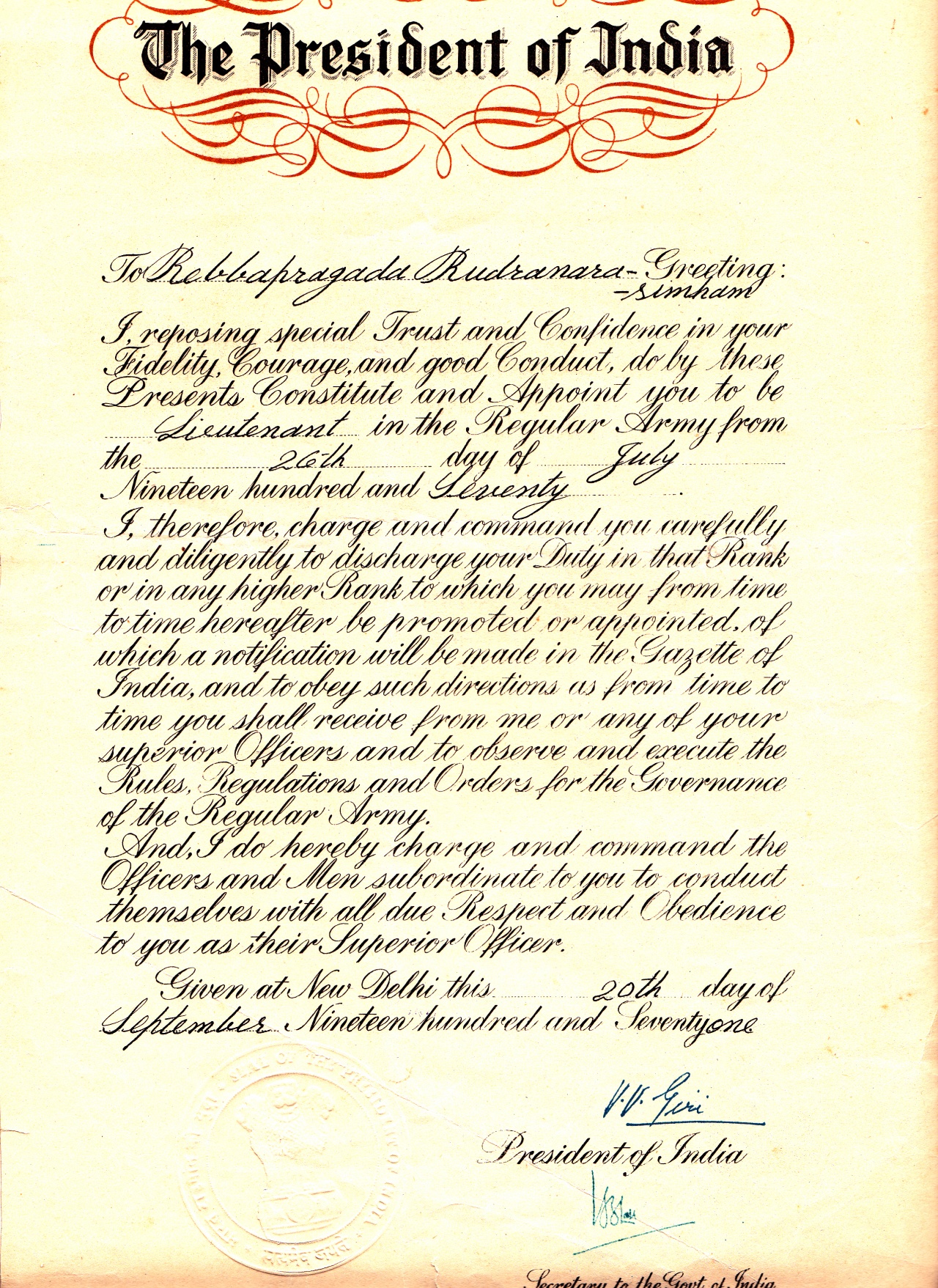


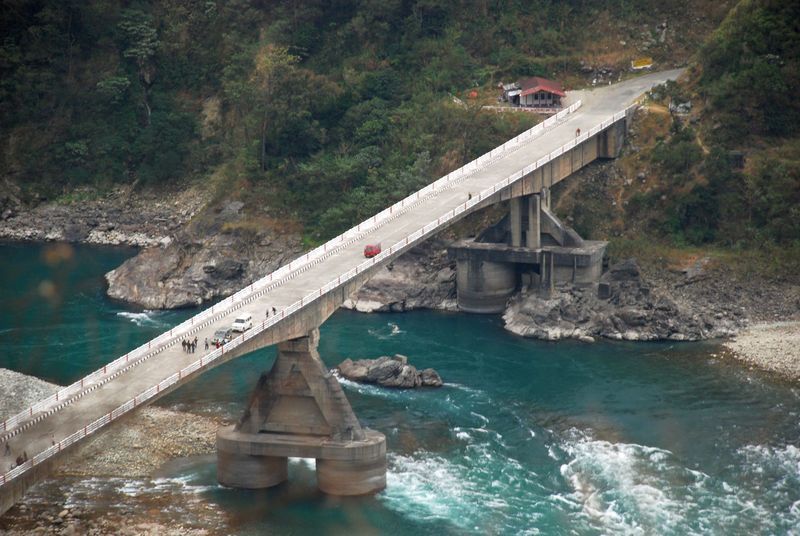

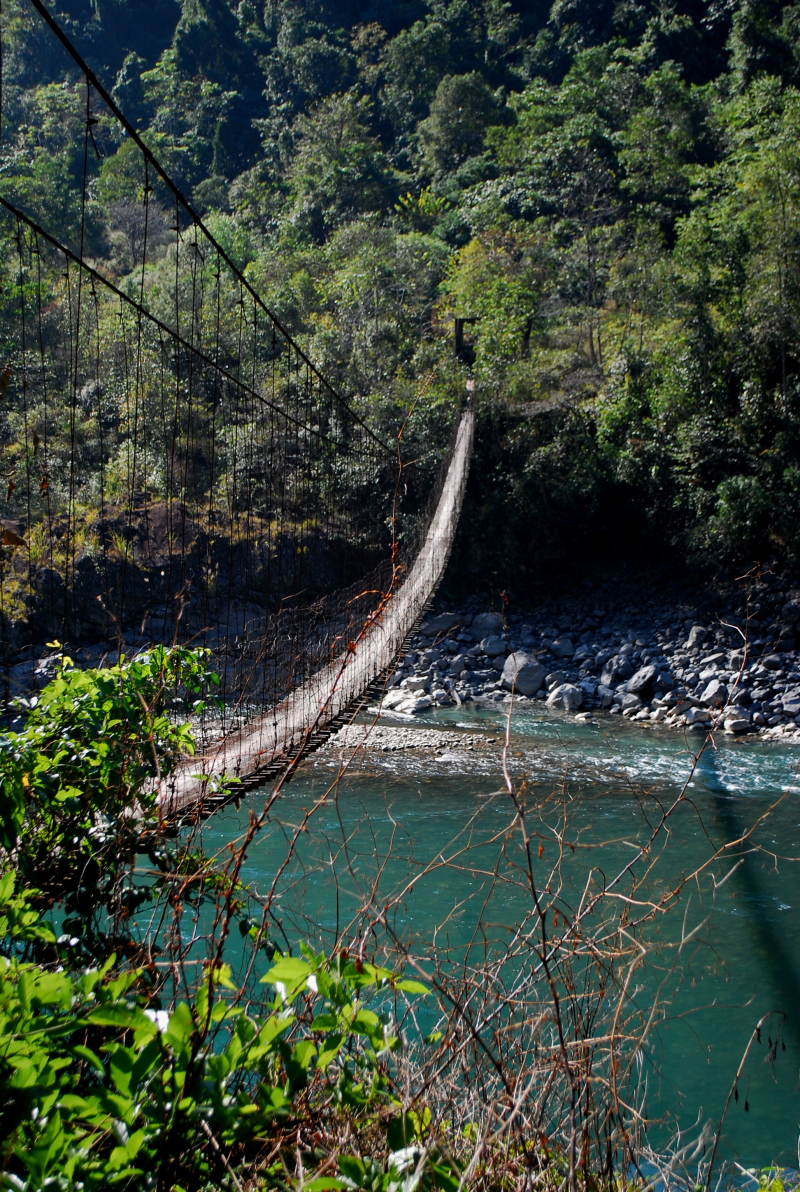



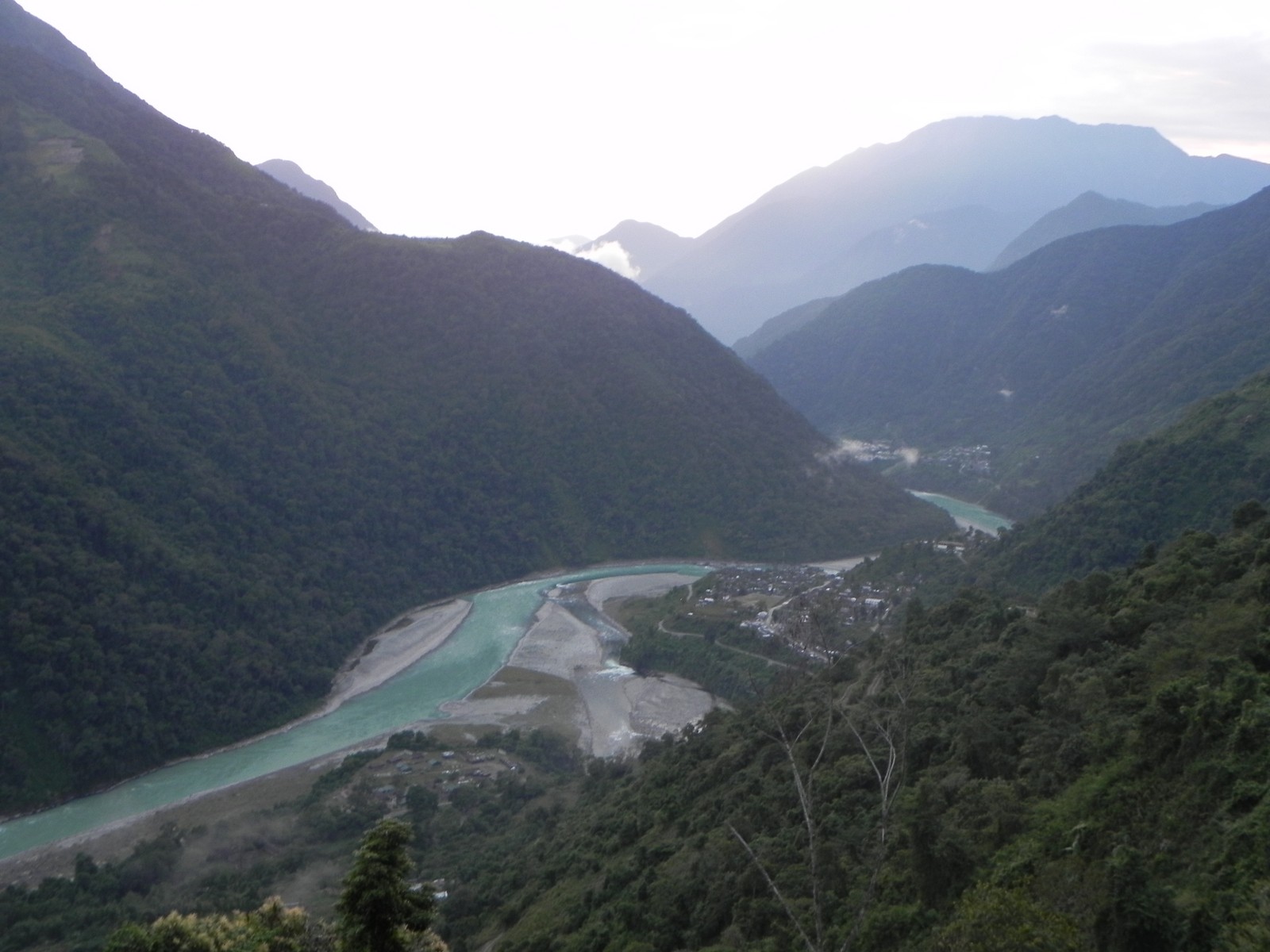

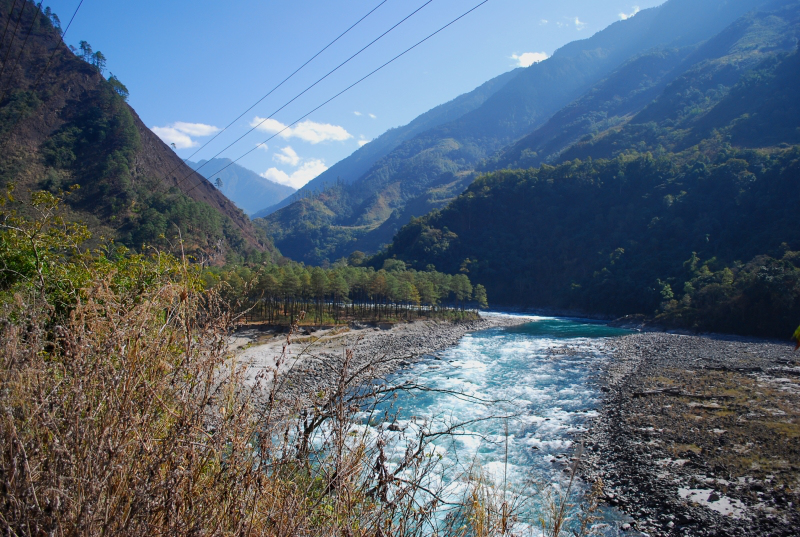


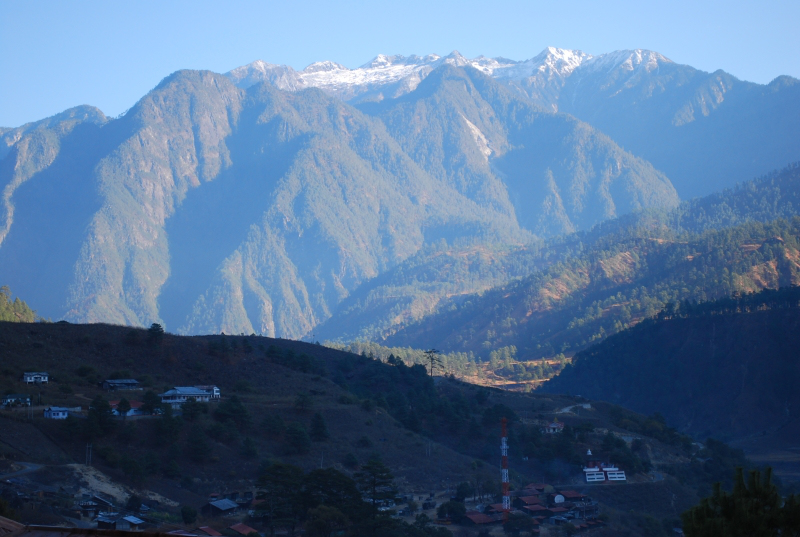
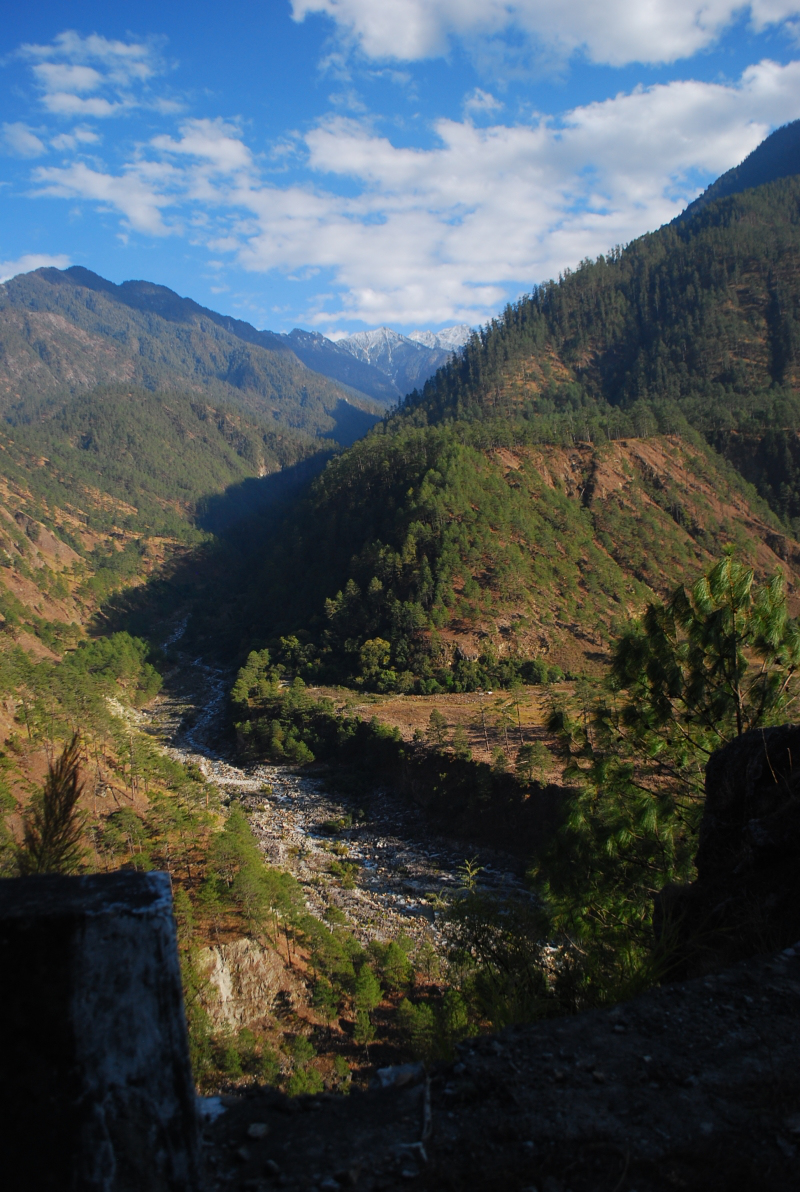


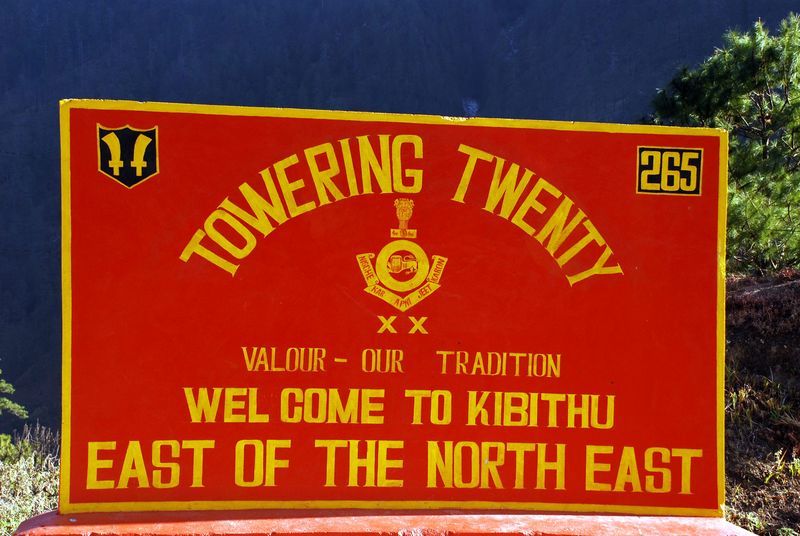

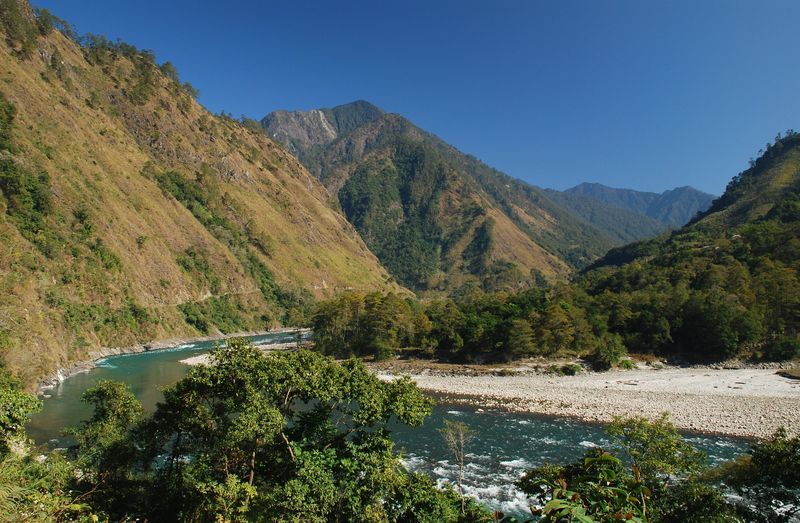
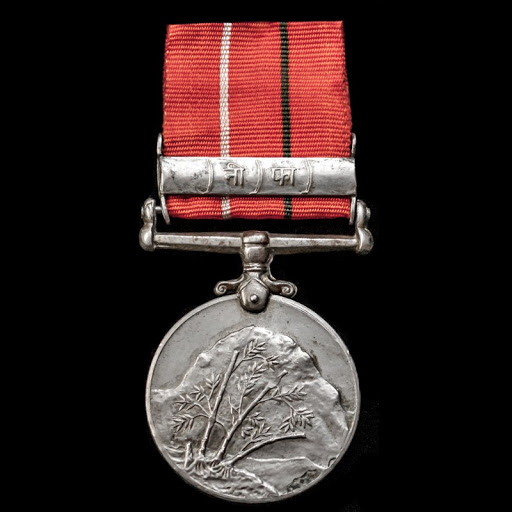


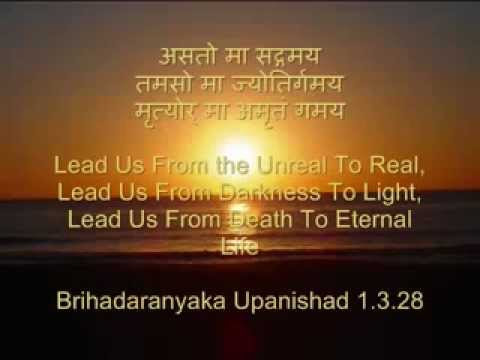
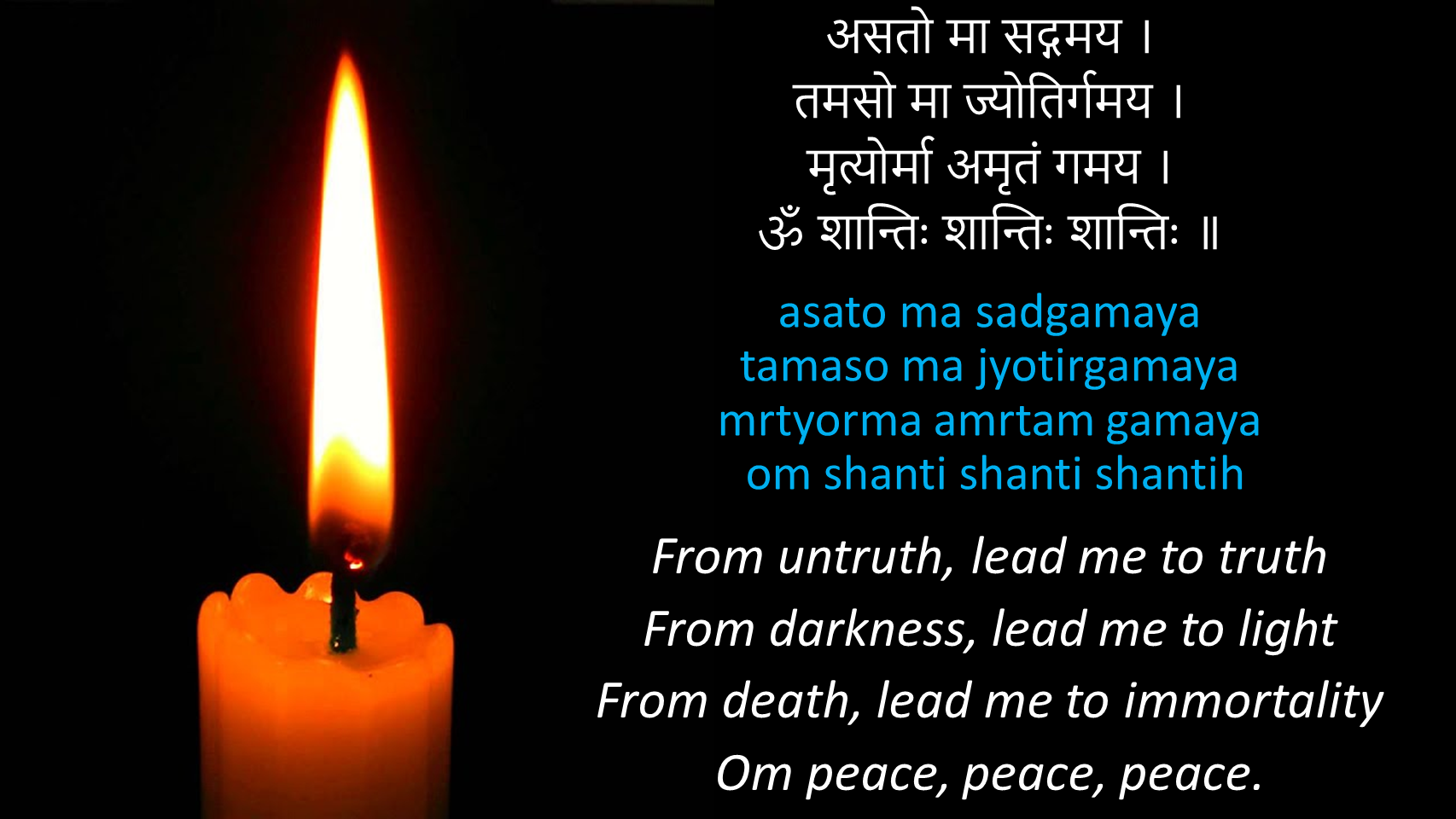

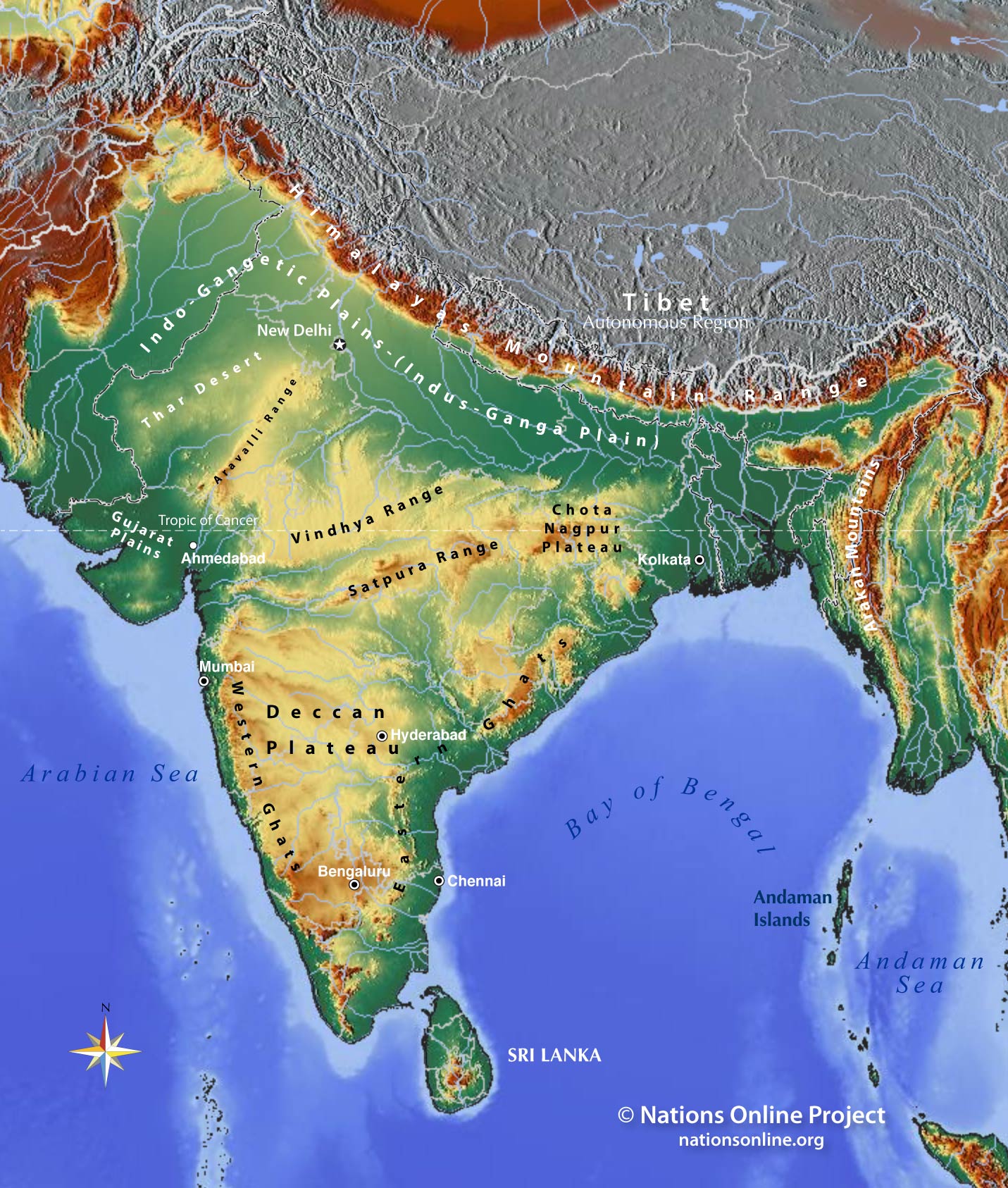


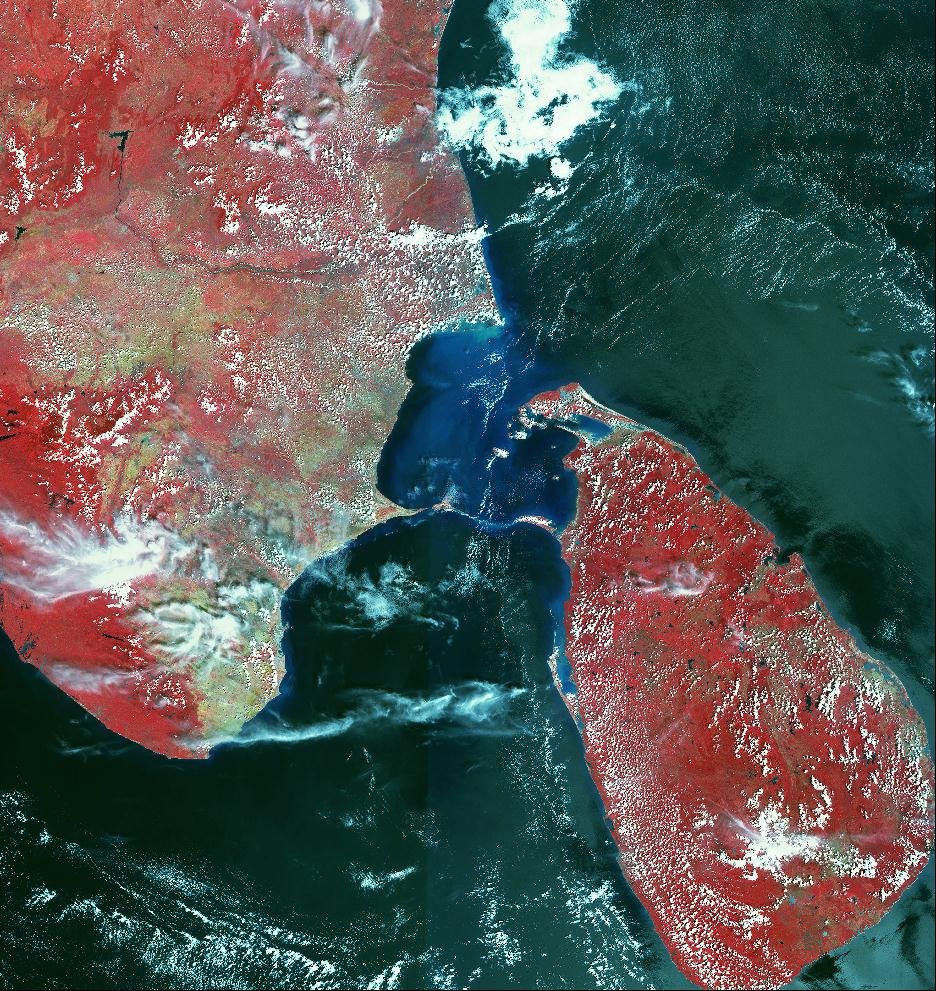



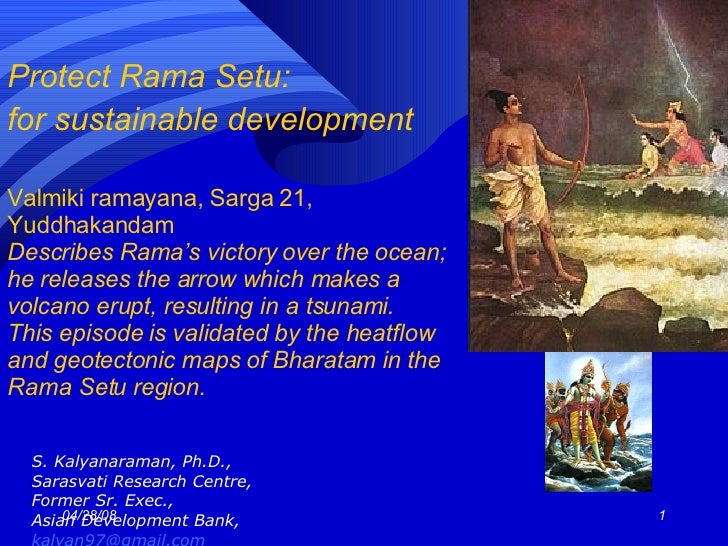
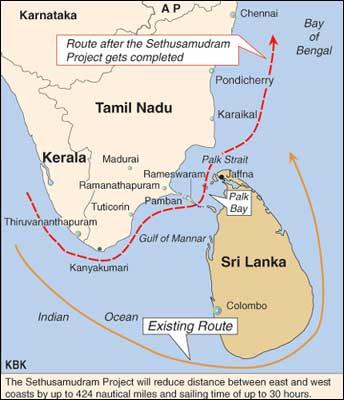
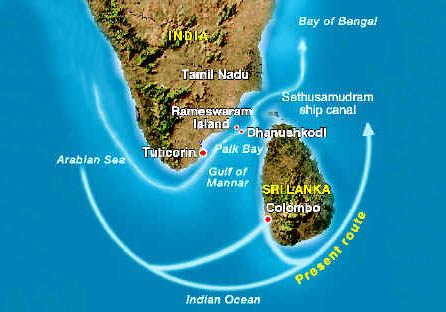
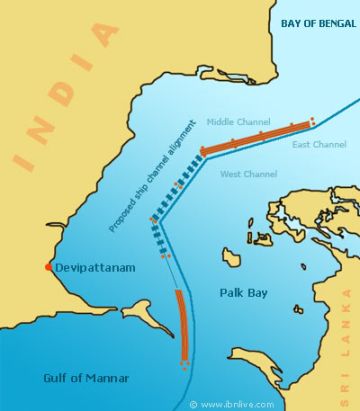

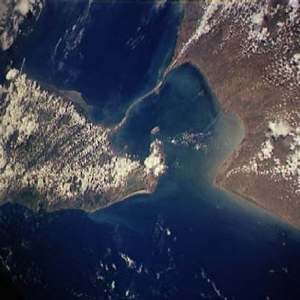


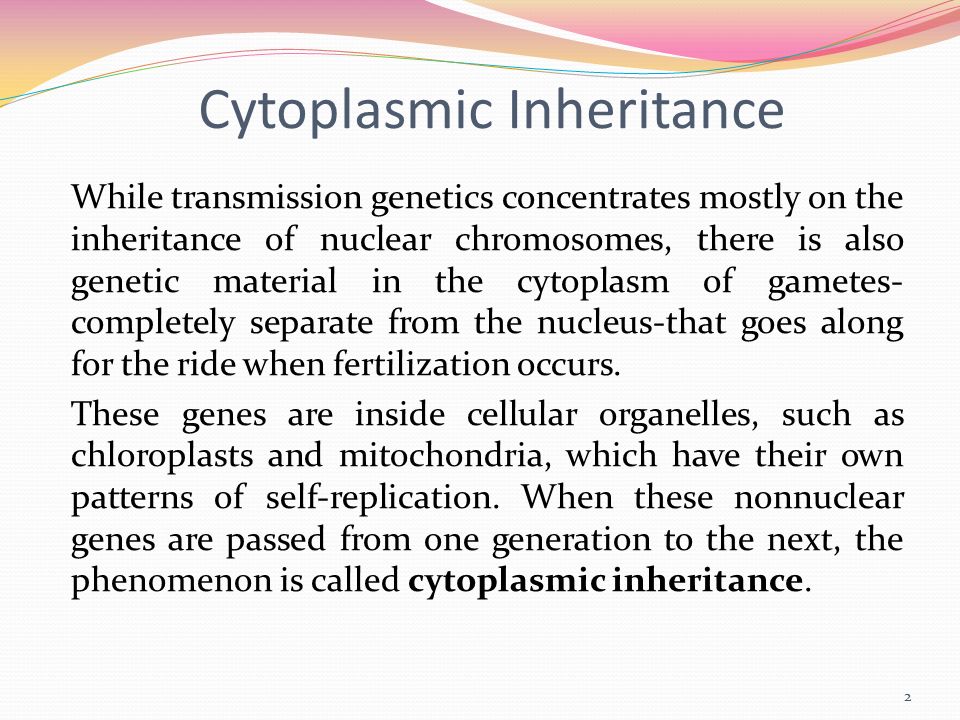


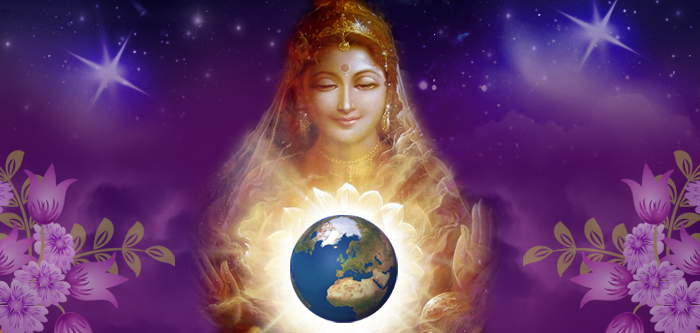


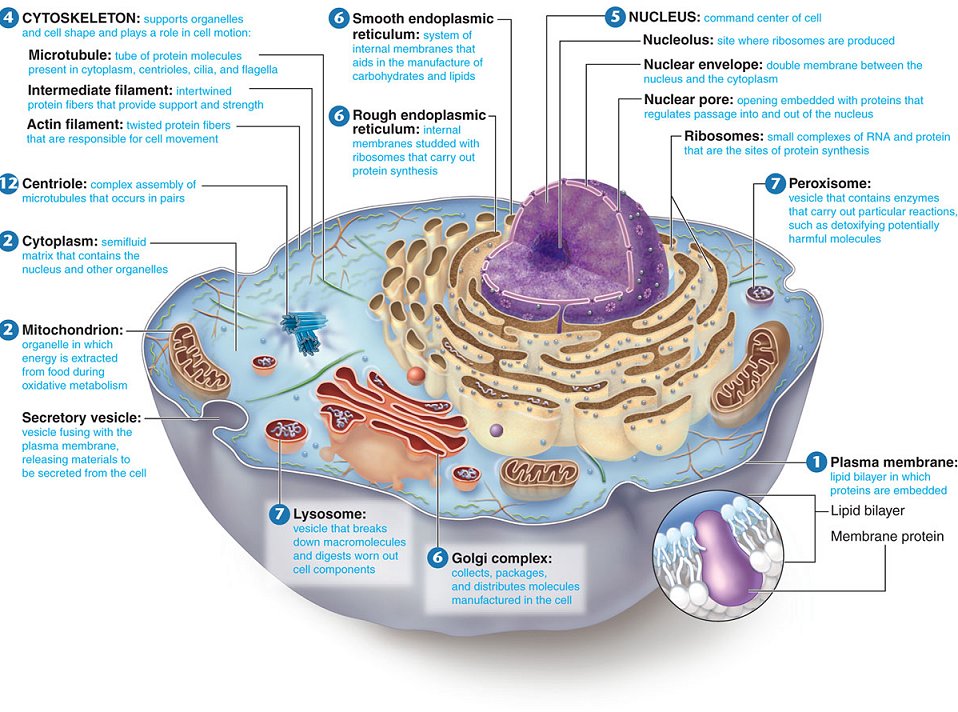


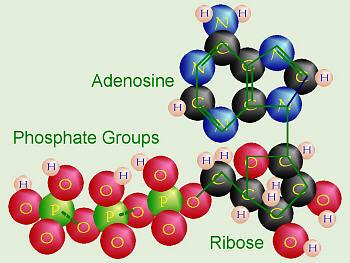


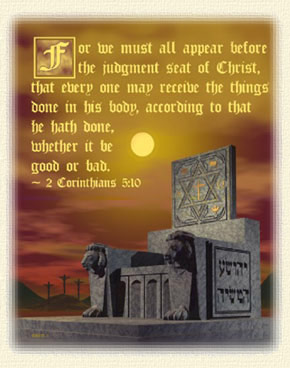






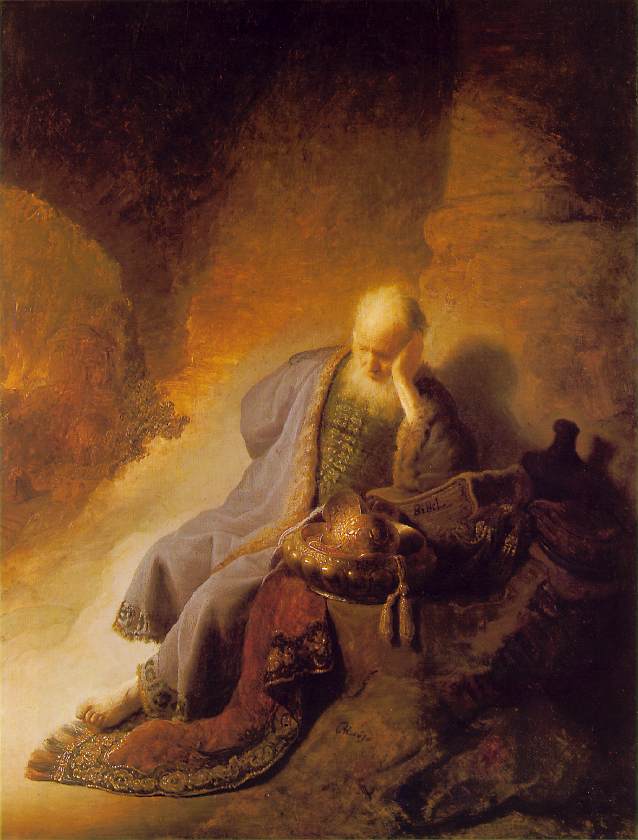
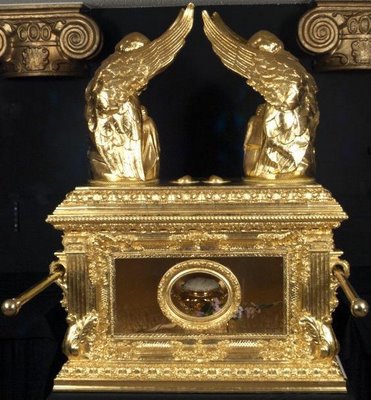


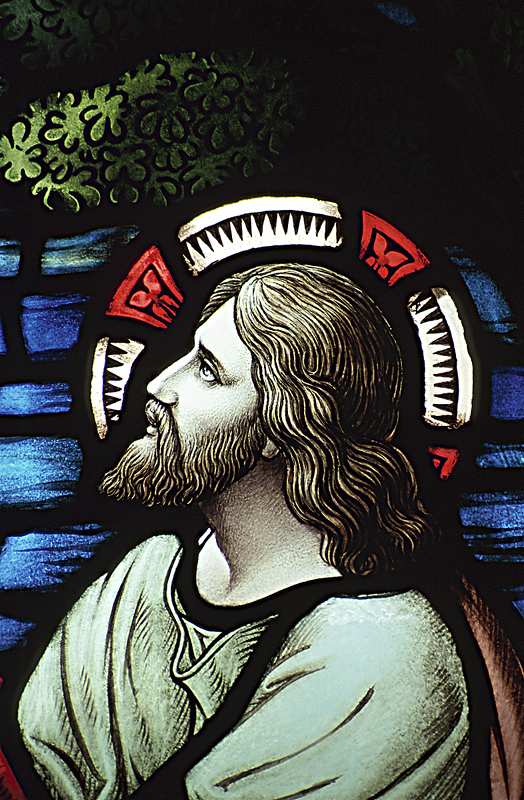
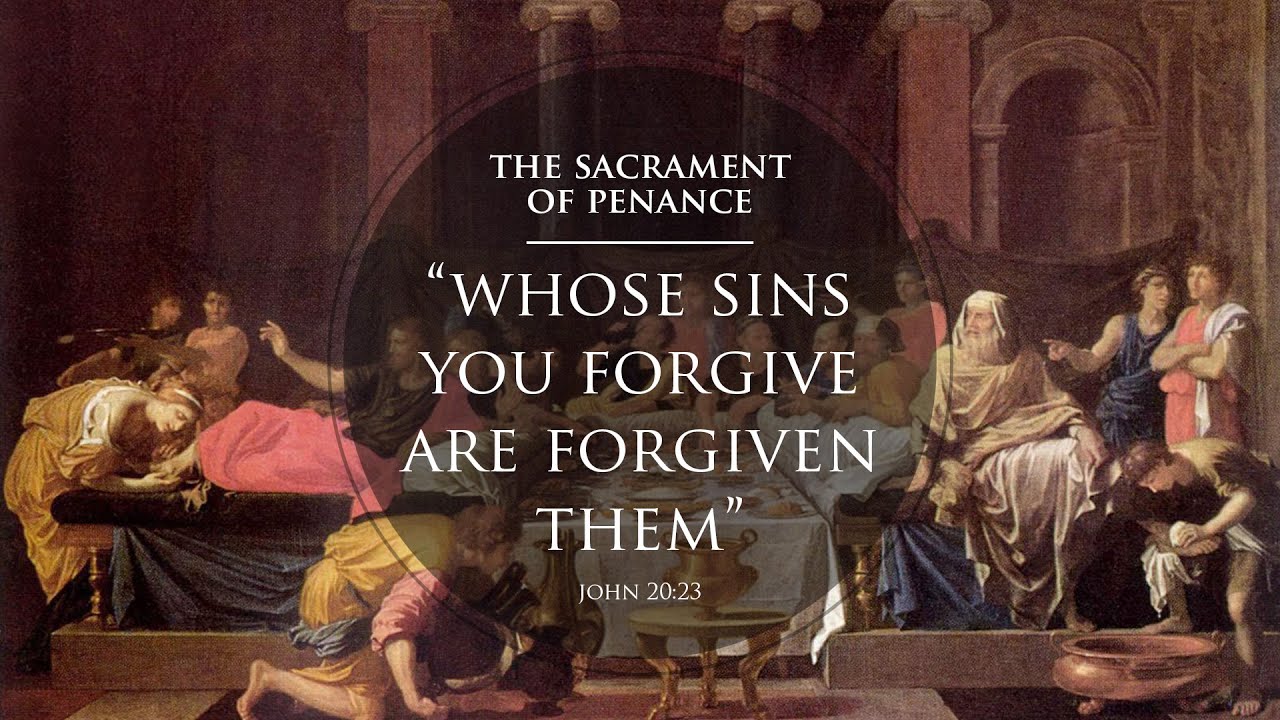
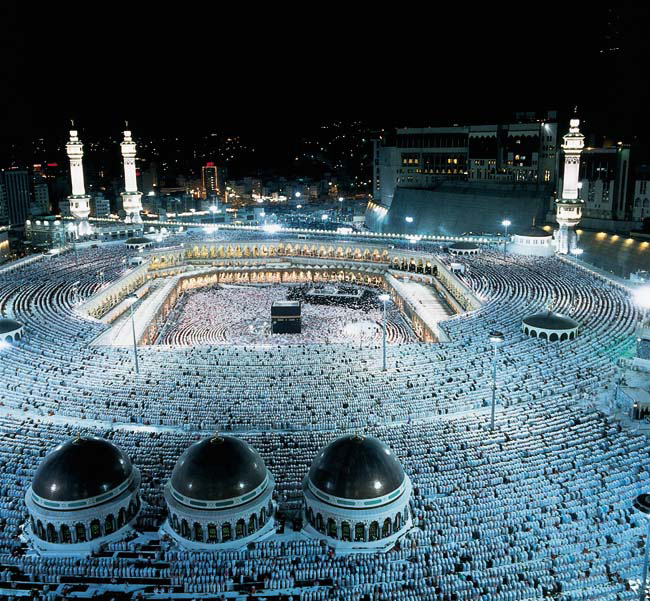


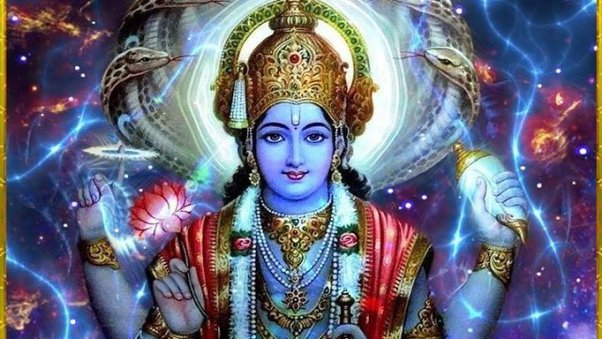
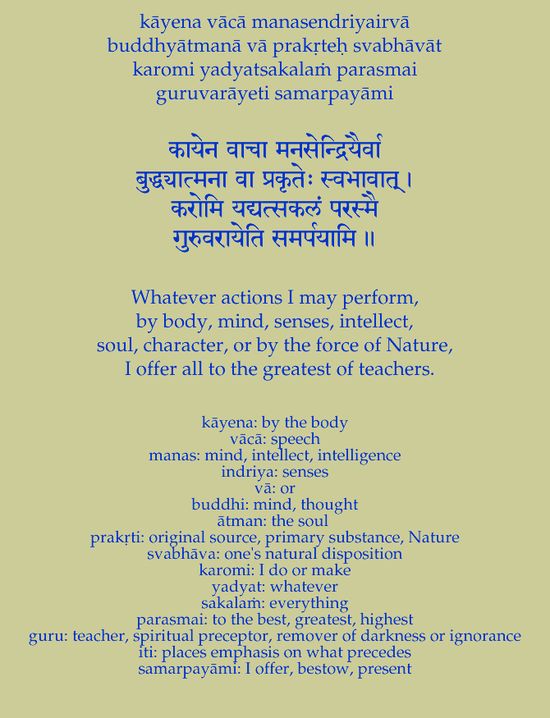
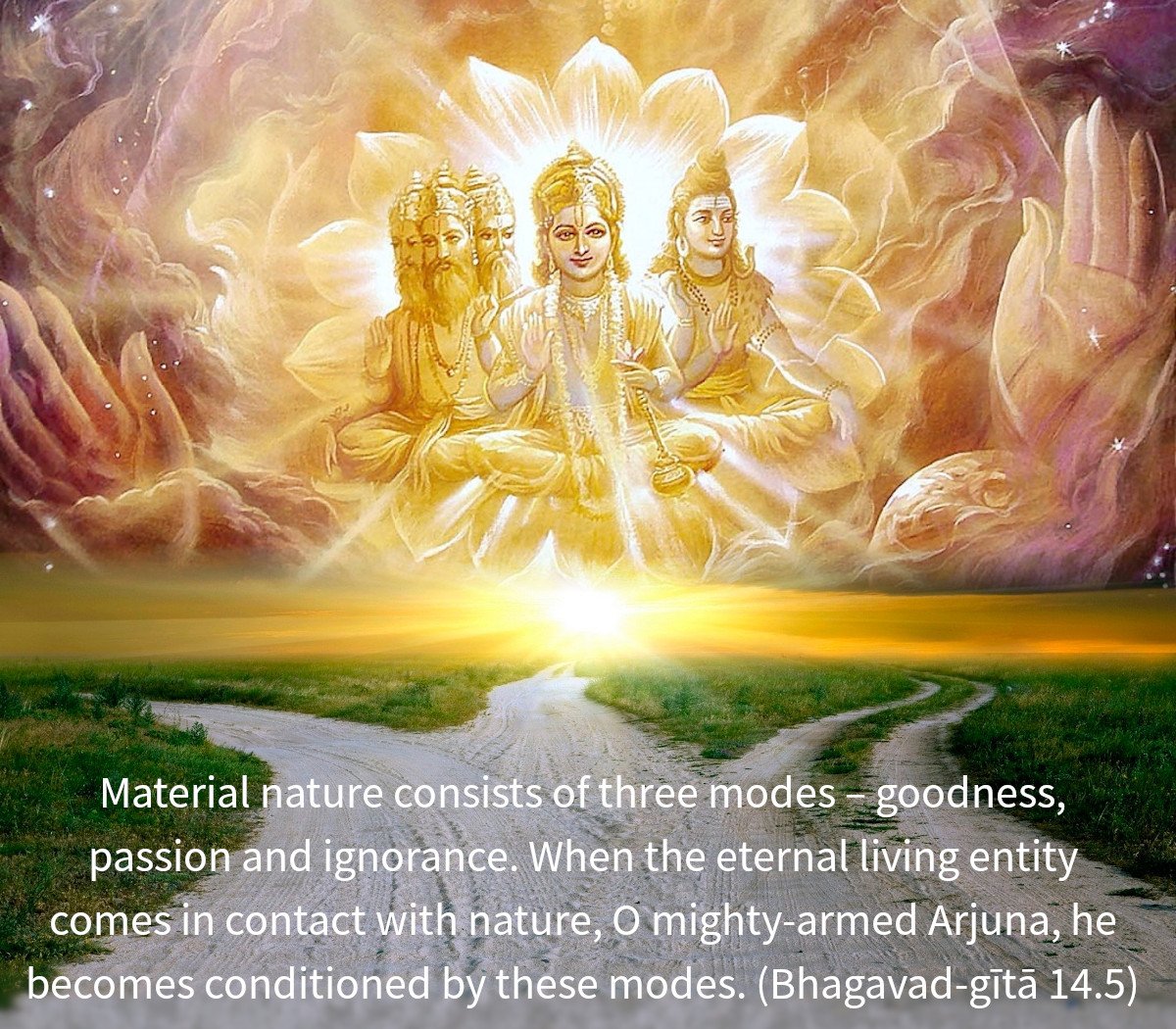
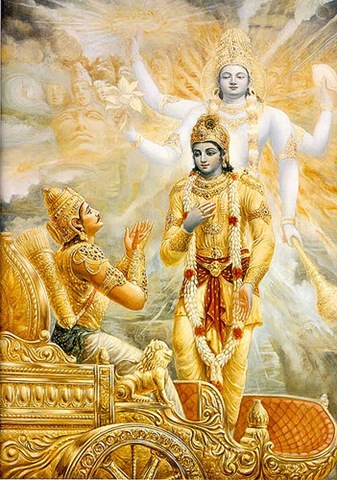

 Whole Dude - Whole Concept
