The Rudi-Grant ConnectionThe Rudi-Grant ConnectionThe Rudi-Grant ConnectionMyths and Legends guide us to explore the concept of Ultimate Reality
Myths and Legends guide us to explore the concept of Ultimate Reality
The Story of a Blessed Soul to explore the concept of Ultimate Reality. Shia Muslim Ruler of Golconda. Verily, a Blessed Soul. SULTAN ABUL HASAN QUTB SHAH (MAY PEACE BE UPON HIM).The Story of a Blessed Soul to explore the concept of Ultimate Reality
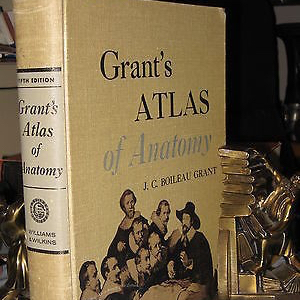
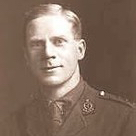
In 1965, while I was a student of Human Anatomy at Kurnool Medical College, I had the opportunity to know about Dr. J. C. B. Grant (1886-1973), the author of Grant’s Atlas of Anatomy. The 5th Edition of his Atlas was published in 1962 and was available in India in our Medical College Library.
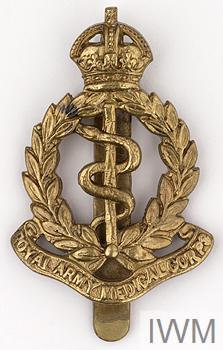
Born in Loanhead (south of Edinburgh) in 1886, Grant studied medicine at the University of Edinburgh Medical School and graduated with an M.B., Ch.B. degree in 1908. While at Edinburgh, he worked under the renowned anatomist Daniel John Cunningham. Grant became a decorated serviceman of the Royal Army Medical Corps during the First World War before moving to Canada. He established himself as an ‘anatomist extraordinary’ at the University of Toronto, publishing three textbooks that form the basis of Grant’s Anatomy. The textbooks are still used in anatomy classes today, and made unforgettable memories for those who found themselves in his classes nearly a century ago. One of Grant’s many accomplishments was establishing a division of histology within the department.
The Story of a Blessed Soul to explore the concept of Ultimate Reality
As a medical student, I used Grant’s Atlas of Anatomy, the seminal work of Scottish-born Dr. John Charles Boileau Grant, who would become the chair of Anatomy at the University of Toronto in 1930 and retired in 1965.
Students continue to use Grant’s textbooks today, and for the more artistic anatomist there’s even a Grant’s Anatomy Coloring Book, published in 2018.
The Story of a Blessed Soul to explore the concept of Ultimate Reality
At the University of Toronto, Dr.McMurrich, Chair of Anatomy was succeeded as chairman in 1930 by Dr. John Charles Boileau Grant. Dr. Grant wrote three text books, of which “An Atlas of Anatomy” (published in 1943) rapidly gained international prominence and is still, one of the most widely used anatomical atlases in the world. It is now known as “Grant’s Atlas of Anatomy” and is in its tenth edition. The atlas was based on a series of elegant dissections done either by Grant or by others under his supervision. Many of these dissections are currently housed in Grant’s Museum at the University of Toronto.
The Rudi-Grant Connection is about knowing the man, the building blocks and the structural units and organization of the human body. To defend the human existence, the Rudi-Grant Connection lays the emphasis on knowing the person who is at risk apart from knowing the agent posing the risk.
THE IDENTITY OF MULTICELLULAR HUMAN ORGANISM:
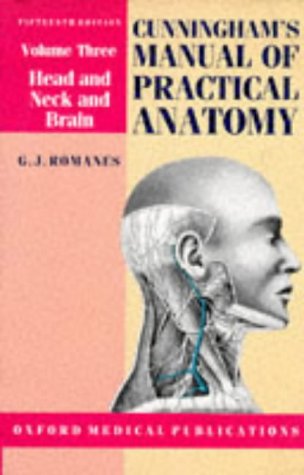
The Story of a Blessed Soul to explore the concept of Ultimate Reality. Cunningham’s Manuals of Practical Anatomy provide me the learning tools to know and understand Man’s External and Internal Reality and its Identity as described by Cells, Tissues, Organs,and Organ Systems
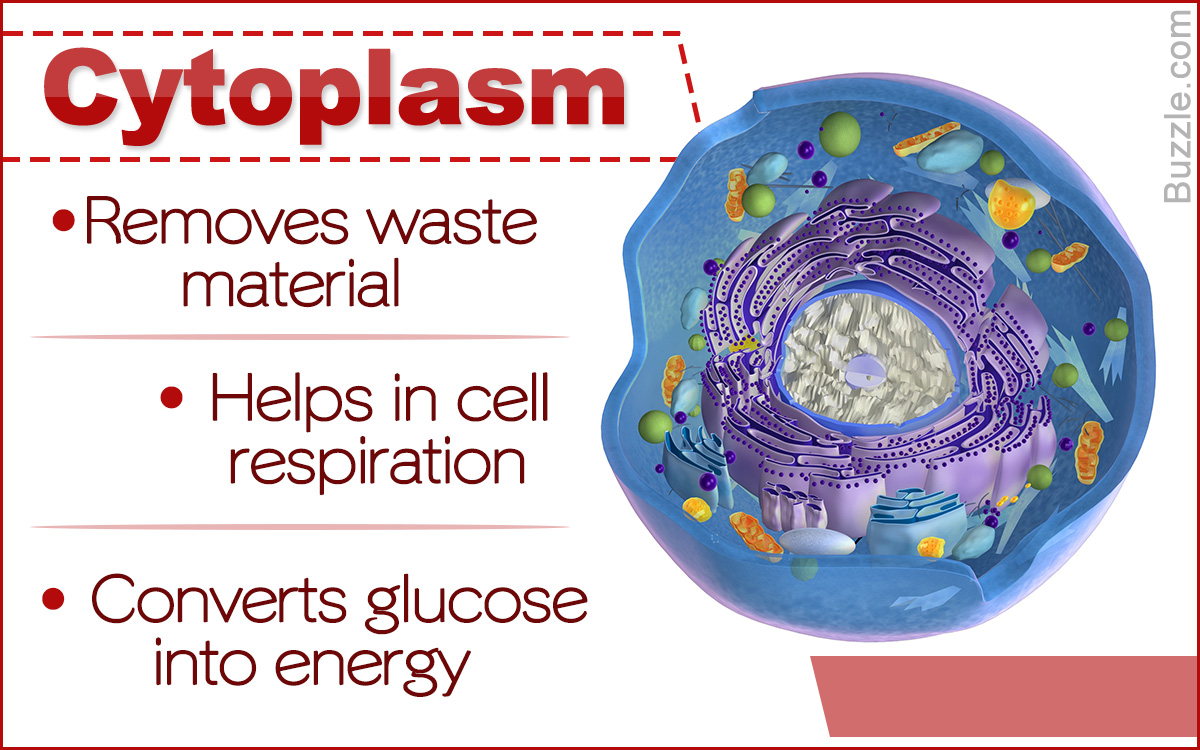
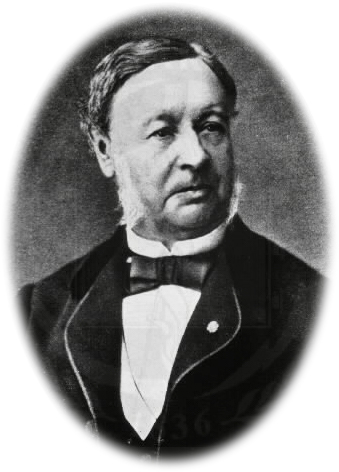
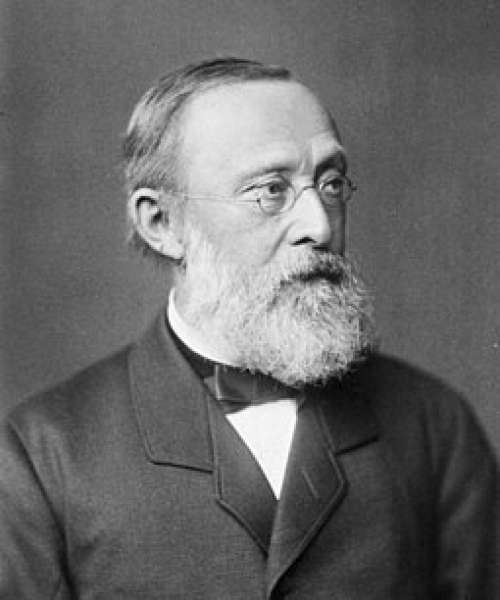
Daniel John Cunningham was born on 15 April 1850 in Scotland. After his initial schooling at his home town, Crieff, he took up the study of medicine at the University of Edinburgh and passed with honours. He is best known for the excellent series of dissection manuals, namely Cunningham’s Dissection Manuals. Cunningham’s Manual of Practical Anatomy has provided me the learning tools to know and understand Man’s External and Internal Reality and its Identity as described by Cells, Tissues, Organs,and Organ Systems.
The Story of a Blessed Soul to explore the concept of Ultimate Reality. Cunningham’s Manuals of Practical Anatomy provide me the learning tools to know and understand Man’s External and Internal Reality and its Identity as described by Cells, Tissues, Organs,and Organ SystemsThe Story of a Blessed Soul to explore the concept of Ultimate Reality. Cunningham’s Manuals of Practical Anatomy provide me the learning tools to know and understand Man’s External and Internal Reality and its Identity as described by Cells, Tissues, Organs,and Organ SystemsThe Story of a Blessed Soul to explore the concept of Ultimate Reality. Cunningham’s Manuals of Practical Anatomy provide me the learning tools to know and understand Man’s External and Internal Reality and its Identity as described by Cells, Tissues, Organs,and Organ Systems
I learned the truths about the living human body and about Life while dissecting the dead human bodies in a systematic manner. The Manual of Practical Anatomy which guides us through this entire process was published in England. The author Dr. Daniel John Cunningham prepared the Manual while dissecting cadavers of British or Irish citizens. He had never encountered cadavers of Indian citizens. At Kurnool Medical College, Kurnool, Andhra Pradesh, India, where I was a student, the Department of Anatomy obtains dead bodies from Government General Hospital Kurnool and most of the deceased are the poor, illiterate, and uneducated people of that region. None of the deceased had the chance to know this man called Cunningham and Cunningham had no knowledge about the existence of these people who arrive on our dissection tables. But, as the dissection of the human body proceeds, inch, by inch, we recognize the anatomical parts as described by Cunningham. The manual also lists some anatomical variations and we very often exchange information between various dissection tables and recognize the variations mentioned. The dissections also involve slicing the organs and studying them, both macroscopically, and microscopically. We did not miss any part of the human body.
The Story of a Blessed Soul to explore the concept of Ultimate Reality. Skull anatomy, 1866 illustrations. This page is plate 7 from the first volume of ‘Atlas d’anatomie descriptive du corps humain’ (1844-1866) by French anatomists Constantin Bonamy and Paul Broca. This work described the anatomy of the human body with over 250 hand-coloured lithographs. The illustrations were by Emile Beau, with the text by Bonamy and Broca. The three volumes were bound as four books in 1866 when the atlas was completed. This page is from the first book ‘Locomotion’, a republication of the section on bones, ligaments and muscles that was first published in 1844.
So what is the Identity of this Human person or Human subject who experiences his life using the Sensory Experiences such as vision and taste? How does the living Human organism maintain its Identity and Individuality? Apart from the Cultural Traditions of India, several Schools of Religious Thought claim that the Human Individuality and true or real Identity is represented by Human Soul. Where does this soul exist in the human body? What is the location if the soul is present in the living person? Does man have a soul?How does the human organism acquires Knowledge about its own structures and the functions they perform?To discuss the concept of Ultimate Reality, I ask my readers to know the reality of man who is created and is constituted to exist as a Spiritual Being.
Myths, Legends, and Reality. A Temple to define the concept of Ultimate Reality
Myths, Legends, and Reality – Defining Indian Identity. Sree Seetha Ramachandra Swamy at Bhadradri. Temple of Lord Rama in Bhadrachalam defines the concept of Ultimate Reality.
SREE SEETHA RAMACHANDRA SWAMY SHRINE-TEMPLE OF LORD RAMA IN BHADRACHALAM
Myths, Legends, and Reality – Defining Indian Identity. A Temple to define the concept of Ultimate Reality.
This temple town of Bhadrachalam, located on the northern banks of the river Godavari in Khammam District of Telangana, India, best describes my Indian Identity as it brings together our myths, our legends and our quest for the “Ultimate Reality”.
Myths, Legends, and reality – Defining Indian Identity. A Temple to define the Ultimate Reality. The place described as Panchvati is in the vicinity of Bhadrachalam as per our local legend
This place is connected to events described in the epic poem of Ramayan which narrates Lord Rama’s journey in our Land. Rama while living in exile, camped in the forest by the name ‘Dandakaranya’ and His spouse Seetha was abducted and eventually, Rama and His brother Laxmana cross the river Godavari at this place in search of Seetha. A pious man known as Bhadra prayed at this place seeking Lord Rama’s return to this place. Much later, a simple tribal woman who lived in this area discovered the idols of ‘Vaikuntha Rama’ (for He carried the Sudarshana Chakra apart from the bow and arrow) with Seetha seated on His lap and the idol of Laxmana standing next to them.
Myths, Legends, and Reality -Defining Indian Identity. A Temple to define the concept of Ultimate Reality
Kancharla Gopanna, a Tahsildar (revenue official) of Palvancha Paragana, completed building this temple in 1674 A.D. The legend about the divine intervention and the miraculous release of Gopanna from the prison at the Golconda Fort is narrated in my entry titled, ‘The Benevolent Shia Ruler of Golconda-Verily, A Blessed Soul’.
ABOUT MYTHS AND LEGENDS:
Myths, Legends, and Reality. Defining Indian Identity. A Temple to define the concept of Ultimate Reality.
Myths are traditional stories which serve to explain our connection to God and the universe and hence they are not the same like the fictional stories. Myths exist in a historical context but may not be true historical accounts that are supported by scientific verification. Legends are stories handed down for generations among a people and popularly believed to have a historical basis but do not qualify for inclusion in a text book of history. As an Indian, I depend upon myths and legends to derive a sense of direction, a sense of guidance and a sense of hope for my human existence. They help me to know who I am and where I am going.
ABOUT REALITY AND ULTIMATE REALITY:
The influence called Time makes the distinction between Real and Unreal. A Temple to define the concept of Ultimate Reality
Indians are very concerned about the effects of Time . We practically witness in our daily lives the forceful consequences of time. Time changes the course of human life and time changes the physical world. However, the “Ultimate Reality” does not change, it is constant and it is eternal. Indians seek this Reality as it represents their natural home and that is their final destination on completion of the life’s journey. Since ‘TRUTH’ is unchanging in its character, is also described as the Reality that we cherish to experience.
Myths, Legends, and Reality. Defining Indian Identity. A Temple defines the concept of Ultimate Reality. The name Ra Ma represents Eternal Truth.
Millions of Indians express this desire for Truth and the Reality with a very simple statement. They claim that the name “RA MA” is eternal Truth. Our search for Truth and Reality becomes very easy if we just seek “RA MA”. Great powers on this earth had vainly tried to destroy our belief in RAMA. Mughal Emperor Babur destroyed the temple in Ayodhya which we consider as Rama’s birth place. The forces of Sultan Tughlak destroyed the Rama temple in my home town Rajahmundry. Mughal Emperor Aurangzeb destroyed countless number of temples and idols of Rama. Yet the myth and legend of Rama survives. At Bhadrachalam also known as Bhadra giri or Bhadradri (the hill of Bhadra), Sultan Tani Shah, a benevolent Shia Muslim ruler of Golconda, helped Kancharla Gopanna to maintain this temple. This devotee of Lord Rama is popularly known by the name Bhakta Rama Dasu.
WOULD IT BE POSSIBLE TO DESTROY RAMA?
Myths, Legends, and Reality. Defining Indian Identity. A Temple defines the concept of Ultimate Reality.
Many have tried to destroy the idols and images of Rama. For example, if some one would destroy the temple of Rama in Bhadrachalam, we still connect this place and the forest and the river with Rama’s life journey. If some one would destroy the forest, level the ground and change the course of the river, I would still look for the signs of His presence in the creation of the heavens and the earth. I would describe the blue sky as the color of Rama. If some one could destroy the blue sky and when I look up and see the dark sky, I would say that I am reminded of Lord Krishna who is described as black in color as dark as the sky of New Moon’s day. Our myths remind us that Rama and Krishna are one and the same. I do know people take great pride in their physical power but it may not be easy to wipe out a belief system which is more than the Idols which represent the Belief. The Indian Identity associated with Blue and Dark sky would survive as long as there is a sky above our heads and as long as the difference of night and day exists on this earth.
Myths, Legends, and Reality – Defining Indian Identity. A Temple to define the concept of Ultimate Reality.
” Lo! In the creation of the heavens and the earth and (in) the difference of night and day are tokens (of His sovereignty) for men of understanding”. Surah III, verse 190, Holy Book of Quran.
Myths, Legends, and Reality – Defining Indian Identity. A Temple to define the concept of Ultimate Reality.
Shia Muslim Ruler of Golconda. Verily, a Blessed Soul
Shia Muslim Ruler of Golconda. Verily, a Blessed Soul. SULTAN ABUL HASAN QUTB SHAH (MAY PEACE BE UPON HIM).Golconda Fort near the City of Hyderabad, the seat of Qutb Shahi Dynasty. GOLCONDA FORT- “GOLLA KONDA”(SHEPHERD’S HILL)
Quli Qutub Mulk, a Shia Muslim from Persia (present day Turkmenistan) with friends and a few relatives migrated to Delhi in the beginning of 16th century CE. He migrated south to Deccan and served Bahmani Sultan Mohammad Shah. He conquered Golconda and was appointed as the governor of the Telangana region (about the size of France) in 1512 CE. After the disintegration of the Bahmani Kingdom into the five Deccan Sultanates, Quli Qutub Mulk declared independence, assumed the title of ‘QUTUB SHAH’ and established the Qutb Shahi Dynasty of Golconda in 1518 CE. Qutub Shahis were great builders and patrons of learning. They not only patronized the Persian culture but also the regional culture of the Deccan, symbolized by the Telugu language and the Deccani idiom of Urdu. The Golconda rulers learned Telugu.
The Qutub Shahis was the ruling family of the kingdom of Golconda, DECCAN, southern India. They were Shia Muslims and belonged to a Turkmen tribe from the Turkmenistan-Armenia region. The dynasty ruled Golconda for 171 years until the Mughal Emperor Aurangazeb’s armies conquered the Deccan in 1687 CE. Abdullah Qutb Shah, the sixth ruler of the Qutb Shahi Dynasty (1626-1672 CE). Abdul Hasan Tana Shah married his daughter and gained access to power.Tana Shah (Abul Hasan Qutb Shah or Tanishah) (1672-1687 CE)
Sultan Abul Hasan Qutb Shah was the seventh and the last ruler of the Kingdom of Golconda (Deccan, Southern India) under the Qutb Shahi Dynasty. He ruled from 1672 CE to 1687 CE. He is also known as Abul Hasan Tana Shah and more popularly, he is known as TANI SHAH meaning benevolent ruler. He did not discriminate against those of other ethnicities or religions. He hired Hindus as his ministers and generals.
Akkanna, Madanna were secretaries to the prime minister during Abdullah Qutb Shah rule and their position helped Gopanna get a post as Palvancha Tehsildar. Sultan Tana Shah appointed Madanna as Prime Minister and Akkanna as Revenue Minister.
Madanna served as an official during Sultan Abdullah Qutb Shah’s rule. Madanna had a nephew by name Kancharla Gopanna and he helped Gopanna to be appointed as a “Tehsildar” (a revenue official) of Palvancha county.
Pokala Dhammakka, a tribal woman living in Bhadrareddypalem, found the central icon of Rama in an anthill.
During mid 17th century CE, Pokala Dhammakka, a tribal woman living in Bhadrareddypalem, found the central icon of Rama in an anthill. She dissolved the anthill using the water from the Godavari River. With the help of the villagers, Dhammakka constructed a mandapam (a temporary platform with a roof) and offered prayers to the deities. Following Abdullah Qutb Shah’s orders, Gopanna enforced the Jizyah tax (jizyah, also spelled jizya, historically, a tax paid by non-Muslim populations to their Muslim rulers., a penalty designed to make Hindus pay for not adopting Islam). Observing the dilapidated state of the worship site, Gopanna decided to build a temple for Rama, Seeta, and Laxmana idols by raising donations. In the initial attempt, Gopanna received harsh criticism from the local Hindus for enforcing the Jizyah tax. Dejected by numerous rebuffs, Gopanna decided to use a portion of the tax collected to build the temple and face the consequences. The temple was built by Gopanna in 1662 CE with a cost of nearly six lakh Varahas ( Gold coins). Abdullah Qutb Shah summoned Gopanna, who had no proper answer for misusing kingdom’s funds.
Sultan found Gopanna was guilty of the misuse of the funds and had him imprisoned at the Golconda Fort.
A LEGEND ABOUT DIVINE INTERVENTION:
Shia Ruler of Golconda, Verily, a Blessed Soul. A Temple to define the concept of Ultimate Reality.Did Lord Rama actually visit Golconda Fort to obtain the release of Kancharla Gopanna from the prison? Sultan Tani Shah believed that it was God or Allah who had come to him and cleared the debt owed by Gopanna. He further expressed that belief in his actions. He allowed Gopanna to complete the construction of Lord Rama’s Temple in Bhadrachalam and financially supported the maintenance of that Temple. By doing so, the Shia Ruler of Golconda gave us a chance to reflect upon Lord’s Mercy, Grace, and Compassion.
Gopanna spent about 12 years in prison. According to legend, God intervened on behalf of Gopanna to obtain his release from the prison at Golconda Fort.
RamaTanka Gold Coins given to Tana Shah are still in display at Bhadrachalam Temple.
As per the legend, Lord Rama in disguise had come before the King and returned the money owed by Gopanna and the debt was repaid with gold coins. God who came to rescue Gopanna from the prison had met the Sultan but not the prisoner. Upon his release from the prison, Gopanna did express his sorrow for missing the opportunity to meet the Lord. Gopanna was released from the prison and he successfully finished the construction of the Rama temple which stands even today. Sultan Tani Shah publicly acknowledged that he had met “ALLAH ” and recognized the fact of Gopanna’s release from the prison was made possible by divine intervention. He made permanent arrangements for the upkeep of this temple. The funds that were collected as tax from Palvancha county were allocated to the temple and also he had established an annual tradition of sending pearls to shower the Deity during the annual temple festival. This tradition of offering pearls was continued by the rulers of the princely State of Hyderabad popularly known as the ‘Nizams of Hyderabad’, who ruled the Telangana region continuously until India’s independence. The Hyderabad State became a part of the Indian Union and the State of Andhra Pradesh came into existence in 1956. The Government of Andhra Pradesh and later Telangana followed the tradition established by Sultan Tani Shah in the 17th century and the tradition of offering pearls to Lord Rama still exists.
VERILY A BLESSED SOUL:
Shia Ruler of Golconda, Verily a Blessed Soul.
Did Lord Rama actually visit Golconda Fort to obtain the release of Kancharla Gopanna from the prison? Sultan Tani Shah believed that it was God or Allah who had come to him and cleared the debt owed by Gopanna. He further expressed that belief in his actions. He allowed Gopanna to complete the construction of Lord Rama’s Temple in Bhadrachalam and financially supported the maintenance of that Temple. By doing so, the Shia Ruler of Golconda gave us a chance to reflect upon Lord’s Mercy, Grace, and Compassion.
This Lord Rama’s Temple in Bhadrachalam is a testimony about Lord’s Grace, Mercy, and Compassion.
This benevolent ruler defended the Golconda Fort for eight months when the Mughal Emperor Aurangzeb attacked it in 1687 A.D. In October 1687, the Fort was captured by bribery and Sultan Tani Shah was taken as a prisoner and was imprisoned in Daulatabad Fort until his death.
I would call Sultan Tani Shah is a Blessed Soul for he recognized God’s plan and purpose and supported Gopanna to build the temple and provided for the maintenance of the temple and gave us the opportunity to know about God’s Compassion, Grace, and Mercy. Secondly, Sultan Tani Shah received the biggest gift that a man could ever seek. Man always cherishes the idea of meeting his Creator, the Father in Heaven, Allah, the Lord, RAMA the divine reincarnation of Vishnu and very few actually realize that dream. Gopanna was rescued but could not meet RAMA. Sultan Tani Shah did not pray or ask for this favor from God. He is a Blessed Soul because God granted him that gift. He received a sensory experience of that Reality called God and I fully trust this experience he had shared with others. Sultan Tani Shah’s actions substantiate his claim. Most importantly, he did not seek any personal reward or personal gain while he acted in the obedience of a God he never actually believed and had never intended to worship in any manner. He acted without seeking the fruits of his actions. I bless this Shia Ruler of Golconda and pray for Lord’s Peace be upon him forever.
Shia Ruler of Golconda, Verily a Blessed Soul.This post is presented by the Rudi-Grant Connection
Learn human anatomy to live the long journey of life with a heavy burdenThe Rudi-Grant ConnectionLiving the Long Journey of Life Lifting the Burden of the CrossLiving the Long Journey of Life Lifting the Burden of the CrossLearn human anatomy to live the long journey of life with a heavy burden
In 1965, while I was a student of Human Anatomy at Kurnool Medical College, I had the opportunity to know about Dr. J. C. B. Grant (1886-1973), the author of Grant’s Atlas of Anatomy. The 5th Edition of his Atlas was published in 1962 and was available in India in our Medical College Library.
Living the Long Journey of Life Lifting the Burden of the Cross
Born in Loanhead (south of Edinburgh) in 1886, Grant studied medicine at the University of Edinburgh Medical School and graduated with an M.B., Ch.B. degree in 1908. While at Edinburgh, he worked under the renowned anatomist Daniel John Cunningham. Grant became a decorated serviceman of the Royal Army Medical Corps during the First World War before moving to Canada. He established himself as an ‘anatomist extraordinary’ at the University of Toronto, publishing three textbooks that form the basis of Grant’s Anatomy. The textbooks are still used in anatomy classes today, and made unforgettable memories for those who found themselves in his classes nearly a century ago. One of Grant’s many accomplishments was establishing a division of histology within the department.
Learn human anatomy to live the long journey of life with a heavy burden
As a medical student, I used Grant’s Atlas of Anatomy, the seminal work of Scottish-born Dr. John Charles Boileau Grant, who would become the chair of Anatomy at the University of Toronto in 1930 and retired in 1965.
Students continue to use Grant’s textbooks today, and for the more artistic anatomist there’s even a Grant’s Anatomy Coloring Book, published in 2018.
Learn human anatomy to live the long journey of life with a heavy burden
At the University of Toronto, Dr.McMurrich, Chair of Anatomy was succeeded as chairman in 1930 by Dr. John Charles Boileau Grant. Dr. Grant wrote three text books, of which “An Atlas of Anatomy” (published in 1943) rapidly gained international prominence and is still, one of the most widely used anatomical atlases in the world. It is now known as “Grant’s Atlas of Anatomy” and is in its tenth edition. The atlas was based on a series of elegant dissections done either by Grant or by others under his supervision. Many of these dissections are currently housed in Grant’s Museum at the University of Toronto.
The Rudi-Grant Connection is about knowing the man, the building blocks and the structural units and organization of the human body. To defend the human existence, the Rudi-Grant Connection lays the emphasis on knowing the person who is at risk apart from knowing the agent posing the risk.
THE IDENTITY OF MULTICELLULAR HUMAN ORGANISM:
Learn human anatomy to live the long journey of life with a heavy burden. Cunningham’s Manuals of Practical Anatomy provide me the learning tools to know and understand Man’s External and Internal Reality and its Identity as described by Cells, Tissues, Organs,and Organ Systems
Daniel John Cunningham was born on 15 April 1850 in Scotland. After his initial schooling at his home town, Crieff, he took up the study of medicine at the University of Edinburgh and passed with honours. He is best known for the excellent series of dissection manuals, namely Cunningham’s Dissection Manuals. Cunningham’s Manual of Practical Anatomy has provided me the learning tools to know and understand Man’s External and Internal Reality and its Identity as described by Cells, Tissues, Organs,and Organ Systems.
Learn human anatomy to live the long journey of life with a heavy burden. Cunningham’s Manuals of Practical Anatomy provide me the learning tools to know and understand Man’s External and Internal Reality and its Identity as described by Cells, Tissues, Organs,and Organ SystemsLearn human anatomy to live the long journey of life with a heavy burden. Cunningham’s Manuals of Practical Anatomy provide me the learning tools to know and understand Man’s External and Internal Reality and its Identity as described by Cells, Tissues, Organs,and Organ SystemsLearn human anatomy to live the long journey of life with a heavy burden. Cunningham’s Manuals of Practical Anatomy provide me the learning tools to know and understand Man’s External and Internal Reality and its Identity as described by Cells, Tissues, Organs,and Organ Systems
I learned the truths about the living human body and about Life while dissecting the dead human bodies in a systematic manner. The Manual of Practical Anatomy which guides us through this entire process was published in England. The author Dr. Daniel John Cunningham prepared the Manual while dissecting cadavers of British or Irish citizens. He had never encountered cadavers of Indian citizens. At Kurnool Medical College, Kurnool, Andhra Pradesh, India, where I was a student, the Department of Anatomy obtains dead bodies from Government General Hospital Kurnool and most of the deceased are the poor, illiterate, and uneducated people of that region. None of the deceased had the chance to know this man called Cunningham and Cunningham had no knowledge about the existence of these people who arrive on our dissection tables. But, as the dissection of the human body proceeds, inch, by inch, we recognize the anatomical parts as described by Cunningham. The manual also lists some anatomical variations and we very often exchange information between various dissection tables and recognize the variations mentioned. The dissections also involve slicing the organs and studying them, both macroscopically, and microscopically. We did not miss any part of the human body.
To know the burdens of Life, I ask my readers to know the reality of man and the nature of his existence.
So what is the Identity of this Human person or Human subject who experiences his life using the Sensory Experience such as taste? How does the living Human organism maintain its Identity and Individuality? Apart from the Cultural Traditions of India, several Schools of Religious Thought claim that the Human Individuality and true or real Identity is represented by Human Soul. Where does this soul exist in the human body? What is the location if the soul is present in the living person? Does man have a soul?How does the human organism acquires Knowledge about its own structures and the functions they perform?To know the burdens of Life, I ask my readers to know the reality of man and the nature of his existence.
A Force of Compassion to lift the heavy burden of life’s long journey
Krupa (Krupa) – A force to preserve the human existence. Alpha Orionis, Betelgeuse, a massive Red Supergiant Star is evaporating.
THE PHENOMENON OF EXTINCTION:
Krupa (Krupa) – a force to preserve the human existence. The dimming of Betelgeuse, Orion Constellation.
Alpha Orionis, or Betelgeuse is the largest and brightest Star visible to the naked eye near the Constellation of Orion. This mammoth star is slowly evaporating. This massive star is shedding weight and is near end of its life. This red Supergiant star is about 430 light years distant. If this star is now placed at the center of our Solar system, its plume would extend past the orbit of planet Jupiter. Sun towards the end of its life would also evaporate and its expanding plume would totally wipeout all living entities on planet Earth. When we speak about human existence, we need to understand man as a biological species. Like all other living creatures of this planet Earth, man is a mortal being. Whosoever had arrived on this planet, must also depart. Extinction is not merely a past geological event. The reign of Dinosaurs upon Earth ended 65 million years ago and it is marked as Cretaceous-Tertiary Extinction Event or K-T Event. Apart from Cosmic Radiation, and Massive Collision events involving asteroids, comets, or other heavenly bodies, there are biological factors involved in the phenomenon of Extinction. Man’s existence depends upon an orderly functioning of the universe. The existence of the Individual (microcosm) is linked to the existence of Cosmos (macrocosm).
IS MAN BORN FREE?
Krupa (Kripa) – a force to preserve the human existence.
In the Sanskrit literature, the word ‘Daivam’ describes ‘Fate’. It conveys the sense of belief in God as the ‘Prime Cause’. If God is in control, man is not free to act as he pleases even in his own defense. We may not be able to conduct experiments and scientifically establish the fact that God is in control. What we clearly understand is that the man cannot govern or rule the cells that constitute his body and define his physical existence.
Krupa (Kripa) – a force for preservation of the human existence. Man cannot directly rule or govern or regulate the cellular functions of his own body.
Man is not an independent living entity. Man’s dependence upon external sources of energy, and the biological phenomenon of ‘cellular autonomy’ would not permit man to act as he pleases. Man is not in control of his existence. Man’s capacity to defend his own existence is limited and he continuously faces challenges to his existence from several different directions. If man is truly free, the Universe, the World, and the Society can place no constraints on him. Man is tied down, he is born in shackles without Freedom.
The Four Fundamental Forces:
Krupa (Kripa) – a force to preserve the human existence.
The orderly functioning of the universe demands the synchronization of the Fundamental Forces that operate the Universal Order. If there is no ‘ORDER’, the resulting ‘CHAOS’ , or extreme disorder would destroy all living entities. In Physical Science, the Four Fundamental Forces that operate in Nature are described; 1. The Strong Nuclear Force, 2. The Weak Nuclear Force, 3. The Electromagnetic Force, and 4. The Gravitational Force. While these Forces operate all reactions with matter in Nature, we need a Creative Force or Creative Energy to bring into existence each individual living entity which enables the entity to exist in nature as an ‘Individual’ and to live by exploiting other forms of Energy provided by the material Nature known as Prakriti. In the Sanskrit language this Creative Force or Energy is named as ‘Maya’ and hence the phenomenal Universe is a manifestation of ‘Maya’. However, the living entities and all other created entities have no ability of their own to fully defend their state of existence. In the Sanskrit language the word ‘Krupa’ describes the great and powerful Force of ‘Daya’, ‘Karuna’ or Compassion, Mercy, Grace, and Kindness that sustains, protects and preserves existence of life. ‘Krupa’ is a great and magnificent Force which enables man to overcome difficulties, get over obstacles and face huge challenges. The Controller of ‘KRUPA’ exists in a state of complete, and perfect ‘Bliss’ called ‘Ananda’. The thought of ‘Krupa’ delights human mind and is associated with a sensation of Sweetness and it visually brings the Joy of Spring Season described as ‘Vasant’ or ‘Basant’which symbolizes creation and rejuvenation. Krupa being Sweet like nectar and honey; when we seek Mercy and Grace; when we ask for Compassion, and Kindness; it not only provides peace and a sense of tranquility, but also it imparts a sense of pure joy.
MADHAVA is the Consort of Madhavi or Lakshmi who personifies the force of compassion or Krupa (Kripa).
A HYMN TO SEEK ‘KRUPA’ – A FORCE TO PRESERVE AND PROTECT HUMAN EXISTENCE:
Krupa (Kripa) – a force to preserve human existence
Muukam karoti Vachaalam, pangum langhayate girim,
Yat Krupaa ta Maham Vande Paramaananda Madhavam.
THE LORD OF SPRING SEASON – LORD MADHAVA WITH GODDESS MADHAVI: In the Divine Song called Bhagavad Gita, Chapter X, ‘The Infinite Glories of the Ultimate Truth’-‘VIBHUTI VISTARA YOGA’ that describes the LORD God Creator’s Infinite Divine Attributes, in verse # 35, Lord Krishna describes Himself as The Lord of Spring Season – The Flowery Season: “Rtunam Kusumakarah.”
I pay obeisance (Vande) to Eternally Blissful (Paramaananda) Madhava whose Compassion or Krupa is boundless (Maham) and with His Mercy a mute person (Muukam) can be transformed into an eloquent speaker (Vachaalam) and a physically challenged person (Pangum) can easily cross over (langhayate) the mountains (girim). This hymn beautifully connects the problems of human condition, the physical limitations imposed upon our fragile state of existence, with a limitless source of energy known as Krupa which is the manifestation of Madhava who brings the Joy of Spring Season and symbolizes sweetness, sugar, honey, or ‘Madhu’, and is constantly accompanied by this energy or Shakti which assumes the form of Radha or Madhavi or Lakshmi.
SEEK THE EXPERIENCE OF ‘MADHURYA’:
Krupa (Kripa) – a force to preserve the human existence. The Butterfly lives by gathering Nectar.
We need to constantly remind ourselves about the transient, ephemeral, and fleeting nature of human existence. In our life’s journey, we tend to follow an easy course and tend to avoid facing obstacles. Very often, we behave like a physically challenged person and act as if physically incapacitated due to fear, doubt, and a lack of resolve or indecisiveness. Sometimes, difficulties arise without any prior warning and overwhelm our existence. Many of us remain mute or cannot speak up bacause of a sense of fear or because of sheer ignorance. We may not be simply aware of the dangers that may threaten our existence. We should seek the Force of Krupa that brings a sense of Joy and imparts the taste of Sweetness known as ‘Madhurya’.
Krupa – a force to preserve the human existence.
The Rudi Connection at Whole Foods celebrates the birth anniversary of Goddess Radha, the Goddess of Love, Mercy, Grace, and Compassion
Yes Indeed, Life is Complicated. The complexity of Life involves the conditioned or the dependent nature of the human existence. The man has no existence if he is not connected to an external source of energy. The external source of energy which supports the existence of Life is often described as the Divine Providence, the original source of Love, Mercy, Grace, and Compassion.
2022 Radha Ashtami
The Rudi Connection at Whole Foods celebrates the birth anniversary of Goddess Radha, the Goddess of Love, Mercy, Grace, and Compassion
Radha Ashtami is a well-known Hindu festival to commemorate the birth anniversary of Goddess Radha, Shri Radha Rani, the consort of Lord Krishna. It falls on Ashtami Tithi, the eighth day. Of the Waxing Phase of the Moon, during Shukla Paksha of Bhadrapada month.
The Rudi Connection at Whole Foods celebrates the birth anniversary of Goddess Radha, the Goddess of Love, Mercy, Grace, and Compassion
According to the Hindu beliefs, Goddess Radha is the incarnation or avatar of Goddess Lakshmi, the consort of Lord Vishnu, the Lord God Protector of the Hindu Trinity.
The Rudi Connection at Whole Foods celebrates the birth anniversary of Goddess Radha, the Goddess of Love, Mercy, Grace, and Compassion
The occasion of Radha Ashtami falls 15 days after the festival of Janmashtami, or Krishna Ashtami, the birth anniversary of Lord Krishna. It usually takes place in the month of August or September according to the Gregorian calendar.
The Rudi Connection at Whole Foods celebrates the birth anniversary of Goddess Radha, the Goddess of Love, Mercy, Grace, and Compassion
Devotees keep fast on Radha Ashtami day. Goddess Radha is worshipped during Madhyahna Kala which is noon time according to Hindu division of the day.
The Rudi Connection at Whole Foods celebrates the birth anniversary of Goddess Radha, the Goddess of Love, Mercy, Grace, and Compassion
Radha Ashtami is also known as Radhashtami and Radha Jayanti.In the Indian tradition, the LORD God Creator is the Controller of Power/Force/Energy that operates all interactions of the natural world, and the universe. The LORD God Creator separates Himself from the Power/Force/Energy that He Controls, Regulates, Sustains, and Operates. In the Indian tradition, the Power/Force/Energy or Shakti is personified as the consort of LORD God Creator. As the manifestations of Power/Force/Energy are varied, each attribute acquires a personality of its own and the man easily recognizes the nature of the blessings he receives from his benefactor. In the Indian tradition, Goddess Radha is the personification of Love that symbolizes the Spiritual Unity between the Original Source of Love and the physical manifestation of the Force called Love.
The Rudi Connection at Whole Foods celebrates the birth anniversary of Goddess Radha, the Goddess of Love, Mercy, Grace, and CompassionThe Rudi Connection at Whole Foods celebrates the birth anniversary of Goddess Radha, the Goddess of Love, Mercy, Grace, and CompassionThe Rudi Connection at Whole Foods celebrates the birth anniversary of Goddess Radha, the Goddess of Love, Mercy, Grace, and CompassionThe Rudi Connection at Whole Foods celebrates the birth anniversary of Goddess Radha, the Goddess of Love, Mercy, Grace, and CompassionThe Rudi Connection at Whole Foods celebrates the birth anniversary of Goddess Radha, the Goddess of Love, Mercy, Grace, and CompassionThe Rudi Connection at Whole Foods celebrates the birth anniversary of Goddess Radha, the Goddess of Love, Mercy, Grace, and CompassionThe Rudi Connection at Whole Foods celebrates the birth anniversary of Goddess Radha, the Goddess of Love, Mercy, Grace, and CompassionThe Rudi Connection at Whole Foods celebrates the birth anniversary of Goddess Radha, the Goddess of Love, Mercy, Grace, and CompassionThe Rudi Connection at Whole Foods celebrates the birth anniversary of Goddess Radha, the Goddess of Love, Mercy, Grace, and CompassionThe Rudi Connection at Whole Foods celebrates the birth anniversary of Goddess Radha, the Goddess of Love, Mercy, Grace, and CompassionThe Rudi Connection at Whole Foods celebrates the birth anniversary of Goddess Radha, the Goddess of Love, Mercy, Grace, and CompassionThe Rudi Connection at Whole Foods celebrates the birth anniversary of Goddess Radha, the Goddess of Love, Mercy, Grace, and CompassionLORD KRISHNA is the Companion of RADHA, the Shakti, Power/Force/Energy that is Controlled by Lord Krishna. The Divine Function/Action with which this Shakti or Force of Love and Compassion uplifts a person is known by the Experience of Madhurya or Sweetness.The Rudi Connection at Whole Foods celebrates the birth anniversary of Goddess Radha, the Goddess of Love, Mercy, Grace, and CompassionThis post is presented by the Rudi-Grant Connection
badge, headdress, British, Royal Army Medical Corps (INS 8067) Brass cap badge of the rod of Aesculapius with a serpent entwined round it, head uppermost and looking left, all within a laurel wreath. Above, an Imperial (King’s) crown and below, a scroll bearing ROYAL ARMY MEDICAL CORPS. Slider to reverse. Copyright: � IWM. Original Source: http://www.iwm.org.uk/collections/item/object/30078877The Rudi-Grant Connection combines the knowledge provided by Human Anatomy with the experience of Service in the Army Medical Corps.My Philosophy of Medicine reviews the Buddhist Doctrine of Dependent Origination of Pain and SufferingMy Philosophy of Medicine reviews the Buddhist Doctrine of Dependent Origination of Pain and SufferingMy Philosophy of Medicine reviews the Buddhist Doctrine of Dependent Origination of Pain and Suffering
In 1965, while I was a student of Human Anatomy at Kurnool Medical College, I had the opportunity to know about Dr. J. C. B. Grant (1886-1973), the author of Grant’s Atlas of Anatomy. The 5th Edition of his Atlas was published in 1962 and was available in India in our Medical College Library.
Born in Loanhead (south of Edinburgh) in 1886, Grant studied medicine at the University of Edinburgh Medical School and graduated with an M.B., Ch.B. degree in 1908. While at Edinburgh, he worked under the renowned anatomist Daniel John Cunningham. Grant became a decorated serviceman of the Royal Army Medical Corps during the First World War before moving to Canada.
Grant established himself as an ‘anatomist extraordinary’ at the University of Toronto, publishing three textbooks that form the basis of Grant’s Anatomy. The textbooks are still used in anatomy classes today, and made unforgettable memories for those who found themselves in his classes nearly a century ago. One of Grant’s many accomplishments was establishing a division of histology within the department.
My Philosophy of Medicine reviews the Buddhist Doctrine of Dependent Origination of Pain and Suffering
As a medical student, I used Grant’s Atlas of Anatomy, the seminal work of Scottish-born Dr. John Charles Boileau Grant, who would become the chair of Anatomy at the University of Toronto in 1930 and retired in 1965. I was granted the Short Service Regular Commission in the Indian Army Medical Corps during September 1969.
Students continue to use Grant’s textbooks today, and for the more artistic anatomist there’s even a Grant’s Anatomy Coloring Book, published in 2018.
My Philosophy of Medicine reviews the Buddhist Doctrine of Dependent Origination of Pain and Suffering
At the University of Toronto, Dr.McMurrich, Chair of Anatomy was succeeded as chairman in 1930 by Dr. John Charles Boileau Grant. Dr. Grant wrote three text books, of which “An Atlas of Anatomy” (published in 1943) rapidly gained international prominence and is still, one of the most widely used anatomical atlases in the world. It is now known as “Grant’s Atlas of Anatomy” and is in its tenth edition. The atlas was based on a series of elegant dissections done either by Grant or by others under his supervision. Many of these dissections are currently housed in Grant’s Museum at the University of Toronto.
The Rudi-Grant Connection is about knowing the man, the building blocks and the structural units and organization of the human body. To defend the human existence, the Rudi-Grant Connection lays the emphasis on knowing the person who is at risk apart from knowing the agent posing the risk.
THE IDENTITY OF MULTICELLULAR HUMAN ORGANISM:
My Philosophy of Medicine reviews the Buddhist Doctrine of Dependent Origination of Pain and Suffering. Cunningham’s Manuals of Practical Anatomy provide me the learning tools to know and understand Man’s External and Internal Reality and its Identity as described by Cells, Tissues, Organs,and Organ Systems
Daniel John Cunningham was born on 15 April 1850 in Scotland. After his initial schooling at his home town, Crieff, he took up the study of medicine at the University of Edinburgh and passed with honours. He is best known for the excellent series of dissection manuals, namely Cunningham’s Dissection Manuals. Cunningham’s Manual of Practical Anatomy has provided me the learning tools to know and understand Man’s External and Internal Reality and its Identity as described by Cells, Tissues, Organs,and Organ Systems.
My Philosophy of Medicine reviews the Buddhist Doctrine of Dependent Origination of Pain and Suffering. Cunningham’s Manuals of Practical Anatomy provide me the learning tools to know and understand Man’s External and Internal Reality and its Identity as described by Cells, Tissues, Organs,and Organ SystemsMy Philosophy of Medicine reviews the Buddhist Doctrine of Dependent Origination of Pain and Suffering. Cunningham’s Manuals of Practical Anatomy provide me the learning tools to know and understand Man’s External and Internal Reality and its Identity as described by Cells, Tissues, Organs,and Organ SystemsMy Philosophy of Medicine reviews the Buddhist Doctrine of Dependent Origination of Pain and Suffering. Cunningham’s Manuals of Practical Anatomy provide me the learning tools to know and understand Man’s External and Internal Reality and its Identity as described by Cells, Tissues, Organs,and Organ Systems
I learned the truths about the living human body and about Life while dissecting the dead human bodies in a systematic manner. The Manual of Practical Anatomy which guides us through this entire process was published in England. The author Dr. Daniel John Cunningham prepared the Manual while dissecting cadavers of British or Irish citizens. He had never encountered cadavers of Indian citizens. At Kurnool Medical College, Kurnool, Andhra Pradesh, India, where I was a student, the Department of Anatomy obtains dead bodies from Government General Hospital Kurnool and most of the deceased are the poor, illiterate, and uneducated people of that region. None of the deceased had the chance to know this man called Cunningham and Cunningham had no knowledge about the existence of these people who arrive on our dissection tables. But, as the dissection of the human body proceeds, inch, by inch, we recognize the anatomical parts as described by Cunningham. The manual also lists some anatomical variations and we very often exchange information between various dissection tables and recognize the variations mentioned. The dissections also involve slicing the organs and studying them, both macroscopically, and microscopically. We did not miss any part of the human body.
My Philosophy of Medicine reviews the Buddhist Doctrine of Dependent Origination of Pain and Suffering
So what is the Identity of this Human person or Human subject who experiences his life using the sensory experiences such as pain and temperature? How does the living Human organism maintain its Identity and Individuality? Apart from the Cultural Traditions of India, several Schools of Religious Thought claim that the Human Individuality and true or real Identity is represented by Human Soul. Where does this soul exist in the human body? What is the location if the soul is present in the living person? Does man have a soul?How does the human organism acquires Knowledge about its own structures and the functions they perform?To explore the burdens of pain and suffering in Life, I ask my readers to know the reality of man and the nature of his existence.
My Philosophy of Medicine reviews the Buddhist Doctrine of Dependent Origination of Pain and Suffering
The Buddhist Doctrine of Dependent Origination of Pain and Suffering:
Philosophy of Medicine. SIDDHARTHA – GAUTAMA BUDDHA ( c. 563 to c. 483 BC ):”Whatever is born, produced, conditioned, contains within itself the nature of its own dissolution.”
( The photo image of Lord Gautama Buddha belongs to Ms. Ewa Serwicka. www.dalekoniedaleko.pl )
Prince Siddhartha got married at age 16 leading a life of luxury and comfort in a royal palace. While he took a fateful chariot trip outside the palace, for the first time in his life, the young prince witnessed irremediable suffering in the form of physical disability, sickness, old age, and death. He left the palace at the age of 29 leaving behind his young wife and an infant son. After 6 years of ascetic life, while meditating under a pipal tree (later called ‘Bodhi’ or Tree of Enlightenment), he became Supreme Buddha (c.528 BC) and preached his first sermon at Sarnath and continued his preaching until his death 49 years later. The Full Moon Day of the month of May or Vaisakh is celebrated as ‘Buddha Purnima’. He outlined his doctrine of the Four NobleTruths; 1. Suffering or Dukha is implicit in Existence. 2. Suffering has a cause – the Doctrine of ‘Dependent Origination’ – suffering is the result of one’s desires for pleasure, power, and continued existence. 3. Suffering can cease (stop desiring). 4. Cessation of suffering can be brought about by the practice of the Noble Eightfold Path; Right Views, Intentions, Speech, Conduct, Livelihood, Effort, Mindfulness, and Concentration. Buddha preached to his followers, known as ‘Sangha’, the True Law or Dharma. He described a three-part scheme of Buddhist life which combines 1. Initial Faith or Saddha, 2. Training in concentration or meditation called Samadhi, and 3. Ethical and Disciplinary practices called Sila. Unlike Jesus Christ, Buddha never performed miracles. He was not superhuman. He did not restore life to any dead person. He did not restore vision to any blind person. He did not restore the hearing ability of any deaf person. He did not restore the ability of speech of any mute person. He did not miraculously heal any sickness or cured bodily disabilities or infirmities. Gautama Buddha believed that the greatest miracle was to explain the truth and to make a man realize it.
Philosophy of Medicine.In my analysis, Gautama Buddha did not realize the truth about man and the world in which he exists.
In my analysis, Gautama Buddha did not realize the truth about man and the world in which he exists. Apart from suffering or dukha, the experience of Joy, Ananda, Happiness, and Bliss is implicit in the human existence. The nature of dependent or conditioned existence does contribute to feelings of sadness, fear, anxiety, and depression. But, man does derive satisfaction, satiation, and contentment in his living condition and does experience joy, particularly when he recognizes that his mortal existence is made possible because of his unity or yoking with an Everlasting Principle.
Philosophy of Medicine. The Doctrine of Dependent Origination of Suffering is fundamentally flawed for it fails to recognize the usefulness of pain sensation in protecting the human existence.
Gautama Buddha’s doctrine of dependent origination to account for pain, suffering, and human misery is fundamentally flawed for it fails to recognize the usefulness of pain sensation in protecting the human existence. Most medical interventions investigate the underlying causes and mechanisms that contribute to the experience of pain and suffering and successfully reduce the pain or even totally eliminate it depending upon its cause.
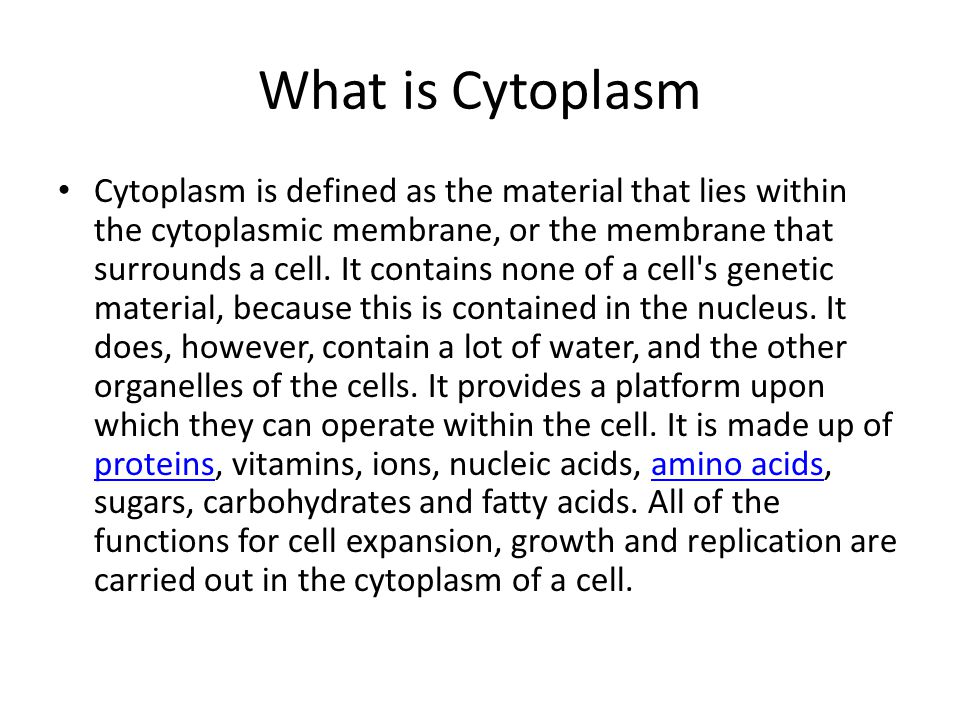
Philosophy of Medicine. The desire to perpetuate existence is the fundamental characteristic of the Living Matter or Substance called Protoplasm which has the powers of Nutrition and Reproduction
Gautama Buddha’s recommendation to stop desiring to treat the problem of human pain, suffering, and misery goes against the fundamental characteristic of all living things. All living things have the desire to exist and perpetuate their living condition using the power of motion, nutrition, and reproduction. Since the time of its origin, Life has never ceased to exist and continues to exist in spite of the various recorded major and minor extinction events.
PHILOSOPHY OF MEDICINE:
Philosophy of Medicine. In my analysis, Gautama Buddha did not realize the truth about man and the world in which he exists.
I define Philosophy of Medicine as a systematic study of physical, mental, social, and spiritual aspects of man’s well-being in relation to health and disease using reflective methods characteristic of Philosophy. This is a systematic study of man as a physical, social, moral, and spiritual being. I am concerned with the status of man in the universe, in his natural environment, in his community, and as an ‘Individual’. Man has come into existence as an individual and he exists as an individual according to the Law of Individuality. Man’s existence is defended by his Immune System that deploys unique molecules (polymers) that display Molecular Individualism. Unlike Gautama Buddha, I would explore the problem of human suffering from my definitions of health and disease. If desire is a causative agent of pain and suffering, I would explore that connection. My philosophical insights would help to make inferences about the purpose and meaning of human life. Philosophy of Medicine is not a ‘Mantra’ or a Magical Word. I am not superhuman. I do not promise miracles. Philosophy of Medicine while exploring the nature of human existence provides the understanding of the vital connections that establish, maintain, and sustain human existence. Such understanding provides a sensory experience called ‘Madhurya’, a sensation of Sweetness which enables man to function better and overcome obstacles; and I maintain that Philosophy of Medicine provides a bodily experience called ‘Ananda’, a sense of perfect happiness, pure joy, bliss, and contentment. The goal is not Enlightenment or Nirvana. The purpose is that of improving the quality of life and gain the experience of a whole life.
“VAIDYO NARAYANO HARI”
Philosophy of Medicine. The natural healing process is a divine gift. In my analysis, Gautama Buddha did not realize the truth about man and the world in which he exists.
Physicians are able to provide preventive, curative, restorative, and rehabilitative services because of the human body’s natural ability to heal itself. The repair process by which body heals itself is described as Inflammation and Repair. Human existence is possible because of these valuable, protective, natural healing mechanisms. This process and these mechanisms are not under a man’s voluntary control.
Philosophy of Medicine. The natural healing process is a divine gift. In my analysis, Gautama Buddha did not realize the truth about man and the world in which he exists.
Indian thinkers claim that the Physician (Vaidya) is equal to LORD God known as Narayana, or Hari. It does not imply that a physician could be superhuman or could perform miracles. A physician understands the natural mechanisms that assist healing and he could use them and manipulate them to provide a remedy or cure. Physician could aim to get connected to the divine gifts of healing that already exist and could seek a better outcome while treating a sick or injured person. The mechanism and the natural process could be identified as Divine.
MEDICINE AND FAITH:
LORD RAMA – Indian Tradition claims that His name acts like a Medicine to cure the sickness or problems associated with Human Existence.- “Sareere jarjaree bhuuthe, vyaadhigraste kalebare, Aushadham Jahnavee toyam, Vaidyo NarayanO Hari.”
The problems of disease, sickness, and disability associated with human life should not come as a surprise. The verse quoted in the above caption states that human body naturally experiences age related decay, deterioration of function, and is prone to infirmities. The verse further mentions that human body is subject to sickness or disease. Medicine is viewed as the equivalent of the sacred waters of Ganga or River Ganges. Indian Tradition believes that the waters of Ganga are holy and could wipe away man’s sins and cure his spiritual sickness. Similarly, the Doctor of Medicine could administer medicine or provide medical intervention invoking the Divine Power of Ganga and qualify himself to be known as Lord Narayana or Hari. It suggests that the Physician should seek positive motivation while giving a medicine and the patient should be inspired to believe in the efficacy of that medicine. In any case, seeking or expecting a negative outcome would not be of any use in real life. When the natural healing process is considered as a divine gift, all medical interventions begin with a prayerful thought to invoke the blessings of healing.
The threats and challenges to human existence:
Adi Shankaracharya cautions people, when Death knocks on the door, be prepared for the inevitable consequences :”Bhaja Govindam, Bhaja Govindam, Govindam Bhaja Muudha mate; Sampraptey Sannihitey kaale, nahi, nahi Rakshati dukrun karane.”
The threats and challenges to human health and well-being come from several directions. Tragically, very healthy individuals may sometimes succumb to injury or sickness. The causative factors of several diseases still remain a mystery. There are several medical conditions which are well-known and well understood but they have no proper remedy or cure. There are medical situations where the only choice that is available would be that of seeking Divine Mercy, Grace, and Compassion to tolerate pain and suffering with patience while supporting other living functions.
‘Sarve Santu Niramaya’ – Freedom From Disease and Sickness:
The Motto of the Indian Army Medical Corps is ‘SARVE SANTU NIRAMAYA’ – MAY EVERYBODY LIVE IN PERFECT HEALTH AND BE FREE FROM SICKNESS.
The Motto of the Indian Army Medical Corps is ‘Sarve Santu Niramaya’. This is an idea expressed in the Upanishads. The hymn appears as a benediction to invoke ‘Peace’ and hence it is known as a ‘Shanti Mantra’.
Philosophy of Medicine. The diagnosis of good and positive health is more important than the diagnosis of ill-health.
May everybody be blessed with happiness (Sukhinah), May everybody live in perfect health free from sickness (Niramaya), May everybody be assured of well-being , lead a life that is safe and secure (Bhadrani), and May there be no mental thought that could arouse sorrow or grief (Dukh bhaag).
Philosophy of Medicine. The diagnosis of good and positive health is more important than the diagnosis of ill-health.In my analysis, Gautama Buddha did not realize the truth about man and the world in which he exists.
Philosophy of Medicine will explore all these concepts and arrange the information into a meaningful pattern and interpret it to describe the reality of the health status. The purpose of Medical Science is to describe and codify observations and experiences. My service in the Indian Army Medical Corps provided me the insights to understand and define Good Health and my goal is to keep people in Positive Health.
Philosophy of Medicine. The diagnosis of good and positive health is more important than the diagnosis of ill-health. In my analysis, Gautama Buddha did not realize the truth about man and the world in which he exists.
This post is presented by the Rudi-Grant Connection
badge, headdress, British, Royal Army Medical Corps (INS 8067) Brass cap badge of the rod of Aesculapius with a serpent entwined round it, head uppermost and looking left, all within a laurel wreath. Above, an Imperial (King’s) crown and below, a scroll bearing ROYAL ARMY MEDICAL CORPS. Slider to reverse. Copyright: � IWM. Original Source: http://www.iwm.org.uk/collections/item/object/30078877The Rudi-Grant Connection is about combining the knowledge provided by Human Anatomy with Service experience in the Army Medical Corps.The Study of Human Anatomy to determine the place of Man in the Order of Nature
In 1965, while I was a student of Human Anatomy at Kurnool Medical College, I had the opportunity to know about Dr. J. C. B. Grant (1886-1973), the author of Grant’s Atlas of Anatomy. The 5th Edition of his Atlas was published in 1962 and was available in India in our Medical College Library.
Born in Loanhead (south of Edinburgh) in 1886, Grant studied medicine at the University of Edinburgh Medical School and graduated with an M.B., Ch.B. degree in 1908. While at Edinburgh, he worked under the renowned anatomist Daniel John Cunningham. Grant became a decorated serviceman of the Royal Army Medical Corps during the First World War before moving to Canada.
Grant established himself as an ‘anatomist extraordinary’ at the University of Toronto, publishing three textbooks that form the basis of Grant’s Anatomy. The textbooks are still used in anatomy classes today, and made unforgettable memories for those who found themselves in his classes nearly a century ago. One of Grant’s many accomplishments was establishing a division of histology within the department.
The Study of Human Anatomy to determine the place of Man in the Order of Nature
As a medical student, I used Grant’s Atlas of Anatomy, the seminal work of Scottish-born Dr. John Charles Boileau Grant, who would become the chair of Anatomy at the University of Toronto in 1930 and retired in 1965. I was granted the Short Service Regular Commission in the Indian Army Medical Corps during September 1969.
Students continue to use Grant’s textbooks today, and for the more artistic anatomist there’s even a Grant’s Anatomy Coloring Book, published in 2018.
The Study of Human Anatomy to determine the place of Man in the Order of Nature
At the University of Toronto, Dr.McMurrich, Chair of Anatomy was succeeded as chairman in 1930 by Dr. John Charles Boileau Grant. Dr. Grant wrote three text books, of which “An Atlas of Anatomy” (published in 1943) rapidly gained international prominence and is still, one of the most widely used anatomical atlases in the world. It is now known as “Grant’s Atlas of Anatomy” and is in its tenth edition. The atlas was based on a series of elegant dissections done either by Grant or by others under his supervision. Many of these dissections are currently housed in Grant’s Museum at the University of Toronto.
The Rudi-Grant Connection is about knowing the man, the building blocks and the structural units and organization of the human body. To defend the human existence, the Rudi-Grant Connection lays the emphasis on knowing the person who is at risk apart from knowing the agent posing the risk.
THE IDENTITY OF MULTICELLULAR HUMAN ORGANISM:
The Study of Human Anatomy to determine the place of Man in the Order of Nature. Cunningham’s Manuals of Practical Anatomy provide me the learning tools to know and understand Man’s External and Internal Reality and its Identity as described by Cells, Tissues, Organs,and Organ Systems
Daniel John Cunningham was born on 15 April 1850 in Scotland. After his initial schooling at his home town, Crieff, he took up the study of medicine at the University of Edinburgh and passed with honours. He is best known for the excellent series of dissection manuals, namely Cunningham’s Dissection Manuals. Cunningham’s Manual of Practical Anatomy has provided me the learning tools to know and understand Man’s External and Internal Reality and its Identity as described by Cells, Tissues, Organs,and Organ Systems.
The Study of Human Anatomy to determine the place of Man in the Order of Nature. Cunningham’s Manuals of Practical Anatomy provide me the learning tools to know and understand Man’s External and Internal Reality and its Identity as described by Cells, Tissues, Organs,and Organ SystemsThe Study of Human Anatomy to determine the place of Man in the Order of Nature. Cunningham’s Manuals of Practical Anatomy provide me the learning tools to know and understand Man’s External and Internal Reality and its Identity as described by Cells, Tissues, Organs,and Organ SystemsThe Study of Human Anatomy to determine the place of Man in the Order of Nature. Cunningham’s Manuals of Practical Anatomy provide me the learning tools to know and understand Man’s External and Internal Reality and its Identity as described by Cells, Tissues, Organs,and Organ Systems
I learned the truths about the living human body and about Life while dissecting the dead human bodies in a systematic manner. The Manual of Practical Anatomy which guides us through this entire process was published in England. The author Dr. Daniel John Cunningham prepared the Manual while dissecting cadavers of British or Irish citizens. He had never encountered cadavers of Indian citizens. At Kurnool Medical College, Kurnool, Andhra Pradesh, India, where I was a student, the Department of Anatomy obtains dead bodies from Government General Hospital Kurnool and most of the deceased are the poor, illiterate, and uneducated people of that region. None of the deceased had the chance to know this man called Cunningham and Cunningham had no knowledge about the existence of these people who arrive on our dissection tables. But, as the dissection of the human body proceeds, inch, by inch, we recognize the anatomical parts as described by Cunningham. The manual also lists some anatomical variations and we very often exchange information between various dissection tables and recognize the variations mentioned. The dissections also involve slicing the organs and studying them, both macroscopically, and microscopically. We did not miss any part of the human body.
The Study of Human Anatomy to determine the place of Man in the Order of Nature. Skull anatomy, 1866 illustrations. This page is plate 7 from the first volume of ‘Atlas d’anatomie descriptive du corps humain’ (1844-1866) by French anatomists Constantin Bonamy and Paul Broca. This work described the anatomy of the human body with over 250 hand-coloured lithographs. The illustrations were by Emile Beau, with the text by Bonamy and Broca. The three volumes were bound as four books in 1866 when the atlas was completed. This page is from the first book ‘Locomotion’, a republication of the section on bones, ligaments and muscles that was first published in 1844.
So what is the Identity of this Human person or Human subject who experiences his life using the Sensory Experience such as taste? How does the living Human organism maintain its Identity and Individuality? Apart from the Cultural Traditions of India, several Schools of Religious Thought claim that the Human Individuality and true or real Identity is represented by Human Soul. Where does this soul exist in the human body? What is the location if the soul is present in the living person? Does man have a soul?How does the human organism acquires Knowledge about its own structures and the functions they perform?To know the burdens of Life, I ask my readers to know the reality of man and the nature of his existence.
THE ORIGIN OF HUMAN SPECIES: THERE IS NO NATURAL CAUSE, NATURAL FACTOR, NATURAL CONDITION, OR NATURAL MECHANISM TO ACCOUNT FOR THE VARIATION SEEN WHEN THE NEANDERTHAL SKULL IS COMPARED WITH THE HUMAN SKULL.
SPIRITUALITY SCIENCE – THE ORIGIN OF HUMAN SPECIES: THERE IS NO NATURAL CAUSE, NATURAL FACTOR, NATURAL CONDITION, OR NATURAL MECHANISM TO ACCOUNT FOR THE VARIATION SEEN WHEN THE NEANDERTHAL SKULL IS COMPARED WITH THE HUMAN SKULL.
THE ORIGIN OF HUMAN SPECIES: THERE IS NO NATURAL CAUSE, NATURAL FACTOR, NATURAL CONDITION, OR NATURAL MECHANISM TO ACCOUNT FOR THE VARIATION SEEN WHEN THE NEANDERTHAL SKULL IS COMPARED WITH THE HUMAN SKULL.
The Status of Man in Nature. Who or What formed the Man?
The Status of Man in Nature. MICHELANGELO’S FAMOUS PAINTING IN SISTINE CHAPEL– MAN IS ADDED TO NATURE BY A SPECIAL ACT OF CREATION
MAN IS A CREATED BEING:
The Status of Man in Nature. Who or What formed the Man?The Status of Man in Nature
“You turn things upside down,
as if the potter were thought to be like the clay!
The Status of Man in Nature. Who or What formed the Man?The Status of Man in Nature. Who or What formed the Man?
The Place of Man in the Order of Nature:
Does man have an animal ancestry ?
Could we view the behavior of man and animals and the phenomena of intelligence or mind and the constitution of psyche in confirmation with the doctrine of evolution ?
There are two different views about the place of man in nature.
Man is a special creation in body and soul:
The Status of Man in Nature. Who or What formed the Man?
Plants and animals did not actually exist when the world began. The Book of Genesis speaks about the successive appearance of the various forms of life. The actual production of plants and animals in their various kinds is an act of creation. An increase in the number of species upon earth is merely a matter of addition, they attribute stability to each species new as well as old. Man is simply added to the life forms already in existence without any change in the status as species of the pre-existing forms. To quote from the Book of Psalms, 104:24
The Status of Man in Nature. Who or What formed the Man?
“How many are your works, O LORD !
In wisdom you made them all;
the earth is full of your creatures.”
The first appearance of man at a historical moment was an act of spontaneous generation, due to a special act of creation. Man is created as an individual human soul.
So God created man in his own image,
in the image of God He created him ;
male and female He created them. (Book of Genesis 1:27)
The Status of Man in Nature. Who or What formed the Man?
Man is essentially and abruptly distinct from animals. Man and ape as they now exist in the world, are essentially distinct – different in kind.
“the Lord God formed the man from the dust of the ground and breathed into his nostrils the breath of life, and the man became a living being.” (Book of Genesis 2:7)
The Status of Man in Nature. Who or What formed the Man?
The Law of Biogenesis – Like generating Like:
The Status of Man in Nature. What or Who formed the Man?
An important fact about generation or reproduction is that a species always breeds true; its members always generate organisms which can be classified as belonging to the same species however much they vary among themselves as individuals within the group. Furthermore, the subgroups the races or varieties of species are able to breed with one another, but diverse species cannot interbreed. If crossbred, like the horse and the ass, they produce a sterile hybrid like the mule.
The Status of Man in Nature. Who or What formed the Man?
Species are distinguished by their stability from generation to generation. Species are thus self-perpetuating, they in turn give stability to all the larger groupings – the genera, phyla, families – which remain as fixed from generation to generation as the species which constitute them. Nobody has actually observed or demonstrated the transformation of one species into a different species. Species of living things appear to be fixed in number and immutable in type throughout the ages.
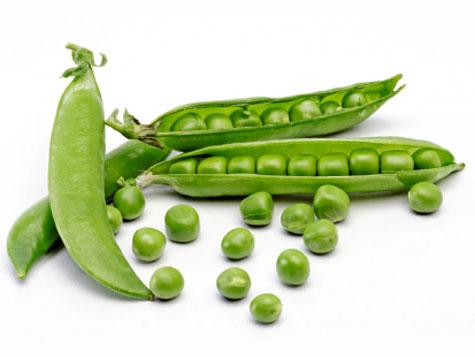
The Status of Man in Nature: Species are recognized on the basis of their morphology (size, shape, and appearance) and, more recently, by genetic analysis. For example, there are up to species of butterfly; they are often very different in appearance and do not interbreed.
By the Law of Natural Generation, offspring will always be of the same species as the parent organisms. No origin of species would be possible except by a special act of creation. If in the course of ages new species have arisen, their appearance cannot be accounted by natural generation.
The Status of Man in Nature. Who or What formed the Man?
Modern science tends to affirm the Law of Biogenesis, living organisms are generated only by living organisms.
Life could have sprung up from the nature of what is void of life
The Status of Man in Nature. Who or What formed the Man?
In the words of Aristotle, “nature proceeds little by little from things lifeless to animal life.” In terms of structure and function, animals and plants tend to demonstrate a common scheme and this analogy of forms seem to be produced in accordance with a common type. They have an actual kinship due to descent from a common parent. The facts of comparative anatomy and embryology reveal affinities in organic structure and development between organisms distinct in species. The geological record of earth indicates the great antiquity of life upon the earth, also gives evidence of the cataclysmic changes in the earth’s surface with consequences for the survival of life. The fossil remains of forms of life now extinct are not dissimilar from species alive in the present age. The Theory of Evolution describes a developmental or genetic relation among the various forms of life.
Charles Darwin claims that new species do originate in the course of time. He describes the circumstances under which new species arise and other forms become extinct. He formulates the various factors in the differentiation of species. A new species does not require a special act of creation and it is entirely the result of a natural process which requires no factors other than those at work every day in the life, death, and breeding of plants and animals. According to Darwin, new species arises when, among the varieties of an existing species, certain intermediate forms become extinct, and the surviving varieties become more sharply separated from one another in type, and in the course of many generations of inbreeding, also tend to breed true. The process of natural selection may exterminate the parent-forms and the intermediate links. Thus the origin of species is associated with the extinction of intermediate varieties, combined with the survival of one or more of the extreme varieties. This theory requires the existence of an infinite number of intermediate members lying between two given species.
Man is a by-product of the evolutionary process and has arrived from already existing organic forms by “descent with modification.” Man is a species and differs from other animals only by continuous variation. Man and ape differ only in degree and intermediate varieties have existed to account for their descent from a common ancestor. The genetic code of man and other primates is nearly identical and they also share the same pseudo genes (genes that are present but their character is not expressed). Man and the anthropoid apes have descended from a common ancestral form which is now extinct as are also many of the intermediate varieties in the chain of development -some fossil remains supply some of the missing links. Some of the transitional forms which are described as part-ape, part-human are identified as ‘Australopithecus’, and ‘paranthropines’. Man has become a distinct species through the extinction of intermediate varieties and he differs from animals in an accidental manner.
THE LAW OF INDIVIDUALITY AND CREATION:
The Status of Man in Nature. Who or What formed the Man?
Ultimately, each individual living creature differs from every other in the same group with whom, at the same time, it shares certain characteristics of the race, the species, the genus, and all the larger classes to which they belong. This uniqueness is important to describe the intrinsic value of human life and the notion of Human Individuality and Individualism. Man has arrived as an individual and essentially exists as an individual as per the Law of Individuality, a biological characteristic of all living organisms and creatures.
We have two choices about the position of man in nature. There is an aspect of human existence which is not governed by our choice. Man, when viewed as a physical being, the physical being is mortal and would eventually die and everything that is born comes with its own plan for its dissolution. If man is a created being, he would exist as a spiritual being, and spirituality describes the connection between man and his Creator. If an immortal principle is involved in the creation of man, the nature or essence of man would describe the nature of that immortal principle.
The Status of Man in Nature. Who or What formed the Man?
“By the sweat of your brow
you will eat your food
until you return to the ground,
since from it you were taken;
for dust you are
and to dust you will return.” (Genesis, Chapter 3, verse 19)
The Status of Man in Nature. Who or What formed the Man?This post is presented by the Rudi-Grant Connection
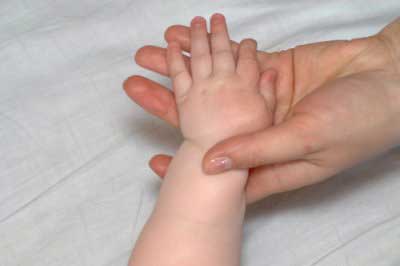
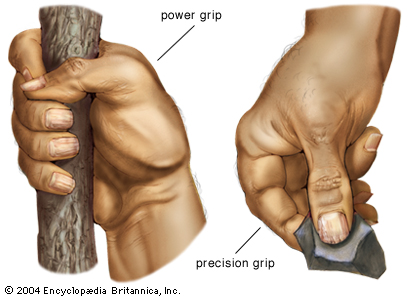
badge, headdress, British, Royal Army Medical Corps (INS 8067) Brass cap badge of the rod of Aesculapius with a serpent entwined round it, head uppermost and looking left, all within a laurel wreath. Above, an Imperial (King’s) crown and below, a scroll bearing ROYAL ARMY MEDICAL CORPS. Slider to reverse. Copyright: � IWM. Original Source: http://www.iwm.org.uk/collections/item/object/30078877The Rudi-Grant Connection is about combining the knowledge provided by Human Anatomy with the Service experience in the Army Medical Corps.The functional anatomy of hands demonstrates the creative process of making man
In 1965, while I was a student of Human Anatomy at Kurnool Medical College, I had the opportunity to know about Dr. J. C. B. Grant (1886-1973), the author of Grant’s Atlas of Anatomy. The 5th Edition of his Atlas was published in 1962 and was available in India in our Medical College Library.
Born in Loanhead (south of Edinburgh) in 1886, Grant studied medicine at the University of Edinburgh Medical School and graduated with an M.B., Ch.B. degree in 1908. While at Edinburgh, he worked under the renowned anatomist Daniel John Cunningham. Grant became a decorated serviceman of the Royal Army Medical Corps during the First World War before moving to Canada.
He established himself as an ‘anatomist extraordinary’ at the University of Toronto, publishing three textbooks that form the basis of Grant’s Anatomy. The textbooks are still used in anatomy classes today, and made unforgettable memories for those who found themselves in his classes nearly a century ago. One of Grant’s many accomplishments was establishing a division of histology within the department.
The functional anatomy of hands demonstrates the creative process of making man
As a medical student, I used Grant’s Atlas of Anatomy, the seminal work of Scottish-born Dr. John Charles Boileau Grant, who would become the chair of Anatomy at the University of Toronto in 1930 and retired in 1965. I was granted the Short Service Regular Commission in the Indian Army Medical Corps during September 1969.
Students continue to use Grant’s textbooks today, and for the more artistic anatomist there’s even a Grant’s Anatomy Coloring Book, published in 2018.
The functional anatomy of hands demonstrates the creative process of making man
At the University of Toronto, Dr.McMurrich, Chair of Anatomy was succeeded as chairman in 1930 by Dr. John Charles Boileau Grant. Dr. Grant wrote three text books, of which “An Atlas of Anatomy” (published in 1943) rapidly gained international prominence and is still, one of the most widely used anatomical atlases in the world. It is now known as “Grant’s Atlas of Anatomy” and is in its tenth edition. The atlas was based on a series of elegant dissections done either by Grant or by others under his supervision. Many of these dissections are currently housed in Grant’s Museum at the University of Toronto.
The Rudi-Grant Connection is about knowing the man, the building blocks and the structural units and organization of the human body. To defend the human existence, the Rudi-Grant Connection lays the emphasis on knowing the person who is at risk apart from knowing the agent posing the risk.
THE IDENTITY OF MULTICELLULAR HUMAN ORGANISM:
The functional anatomy of hands demonstrates the creative process of making man. Cunningham’s Manuals of Practical Anatomy provide me the learning tools to know and understand Man’s External and Internal Reality and its Identity as described by Cells, Tissues, Organs,and Organ Systems
Daniel John Cunningham was born on 15 April 1850 in Scotland. After his initial schooling at his home town, Crieff, he took up the study of medicine at the University of Edinburgh and passed with honours. He is best known for the excellent series of dissection manuals, namely Cunningham’s Dissection Manuals. Cunningham’s Manual of Practical Anatomy has provided me the learning tools to know and understand Man’s External and Internal Reality and its Identity as described by Cells, Tissues, Organs,and Organ Systems.
The functional anatomy of hands demonstrates the creative process of making man. Cunningham’s Manuals of Practical Anatomy provide me the learning tools to know and understand Man’s External and Internal Reality and its Identity as described by Cells, Tissues, Organs,and Organ SystemsThe functional anatomy of hands demonstrates the creative process of making man. Cunningham’s Manuals of Practical Anatomy provide me the learning tools to know and understand Man’s External and Internal Reality and its Identity as described by Cells, Tissues, Organs,and Organ SystemsThe functional anatomy of hands demonstrates the creative process of making man. Cunningham’s Manuals of Practical Anatomy provide me the learning tools to know and understand Man’s External and Internal Reality and its Identity as described by Cells, Tissues, Organs,and Organ Systems
I learned the truths about the living human body and about Life while dissecting the dead human bodies in a systematic manner. The Manual of Practical Anatomy which guides us through this entire process was published in England. The author Dr. Daniel John Cunningham prepared the Manual while dissecting cadavers of British or Irish citizens. He had never encountered cadavers of Indian citizens. At Kurnool Medical College, Kurnool, Andhra Pradesh, India, where I was a student, the Department of Anatomy obtains dead bodies from Government General Hospital Kurnool and most of the deceased are the poor, illiterate, and uneducated people of that region. None of the deceased had the chance to know this man called Cunningham and Cunningham had no knowledge about the existence of these people who arrive on our dissection tables. But, as the dissection of the human body proceeds, inch, by inch, we recognize the anatomical parts as described by Cunningham. The manual also lists some anatomical variations and we very often exchange information between various dissection tables and recognize the variations mentioned. The dissections also involve slicing the organs and studying them, both macroscopically, and microscopically. We did not miss any part of the human body.
The functional anatomy of hands demonstrates the creative process of making man.
So what is the Identity of this Human person or Human subject who experiences his life using the Sensory Experience such as taste? How does the living Human organism maintain its Identity and Individuality? Apart from the Cultural Traditions of India, several Schools of Religious Thought claim that the Human Individuality and true or real Identity is represented by Human Soul. Where does this soul exist in the human body? What is the location if the soul is present in the living person? Does man have a soul?How does the human organism acquires Knowledge about its own structures and the functions they perform?To know the burdens of Life, I ask my readers to know the reality of man and the nature of his existence.
The functional anatomy of hands offers the evidence of creativity to qualify man as a created being
Man’s Creation – The evidence of Precision Grip. A FULLY OPPOSABLE THUMB GIVES THE HUMAN HAND ITS UNIQUE POWER GRIP AND PRECISION GRIP
WHAT IS CREATION?
Man’s Creation – The evidence of Precision Grip. Man’s use of hands demonstrates creativity.
I would like to define creation as the process by which products are created with degrees of variations amongst them and they would appear to be different even when they are related to each other. This variation gives the product of creation an identity, individuality, a sense of uniqueness, and an attribute of distinctiveness. For example, humans and chimpanzees share almost identical genomes, but we are different. This variation is present between different species and amongst members of the same species. Hence, creation could be stated as a process which institutes differences between apparently similar objects and makes them unique and distinct. In the fields of arts, music, literature and others, originality is an attribute of creativity. In creating man, the Creator has displayed His powers of creativity and we can always distinguish one individual from another individual.
WHAT IS THE IDENTITY OF MAN?
SPIRITUALITY SCIENCE – THE ORIGIN OF HUMAN SPECIES: THERE IS NO NATURAL CAUSE, NATURAL FACTOR, NATURAL CONDITION, OR NATURAL MECHANISM TO ACCOUNT FOR THE VARIATION SEEN WHEN THE NEANDERTHAL SKULL IS COMPARED WITH THE HUMAN SKULL.
Man is classified as Homo sapiens sapiens- i.e. the sapiens variety of the species Homo sapiens. Modern humans have delicate skeletons. Their skulls are more rounded with a mean cranial capacity of about 1,350 cubic centimeters (82 cubic inches). Their brow ridges generally protrude much less and they have a vertical forehead. The back part of the skulls are more rounded and rarely display the occipital buns found on the back of Neanderthal skulls. Man has jaws and teeth of reduced size, the nose and chin are prominent or projecting. The relatively high foreheads are indicative of both qualitative and quantitative development of the brain. Those areas of the brain concerned with vision, muscular coordination, memory, learning, and communication have especially shown development. A large and complicated brain (which may be called a superior brain), the stereoscopic vision and a corresponding reduction of the sense of smell, the upright posture and the supremely flexible hands are some of our important features. The pelvis and the legs are designed to support weight, help the bipedal propulsion of the body in the erect position, while the feet and toes have lost the prehensility characteristic of the Primates in general. We have been identifying individuals for a long time now. We use several methods to establish the identity. Photos, fingerprints, dental records, iris scans, and DNA are some of the tools used in the identification process.
THE EVIDENCE OF PRECISION GRIP:
SPIRITUALITY SCIENCE – THE STATUS OF MAN IN NATURE: The Grasping ability of Hand can perform two functions; 1. The Pressure Grip, and 2. The Precision Grip. The image shows the anatomy of the distal phalanx and its relationship with soft structures that are related to refined manipulation of tools or objects held by the Grip.
The modern humans are different from all other species including other species which have similar features of the genus HOMO.
SPIRITUALITY SCIENCE – THE STATUS OF MAN IN NATURE: While the Modern Man (Homo sapiens sapiens) and Paleolithic Man (Homo sapiens neanderthalis) NEANDERTHAL have similar skeletal features that contribute to the functional ability called the ‘Precision Grip’, the distinction between the two can be easily made when they perform functions making use of that Grip.
Humans use their flexible, grasping hands to explore and utilize the environment in unique ways. A fully opposable thumb and fingers makes the hands capable of both power and precision grips and gives remarkable manipulative abilities. Human hands can skillfully fabricate tools and produce art and sculpture. Man has not only invented tools like needles, he has the manipulative ability to thread a needle and to sew clothes using hides and other materials. The ability to hold a brush and draw paintings sets man apart from other ancestral types which used stone tools and used fire for cooking, for warmth and in hunting.
Man’s Creation – The evidence of Precision Grip: CRO-MAGNON MAN AND PRECISION GRIP .
Prehistoric art is a relatively recent development; it first appeared during the Upper Paleolithic Period, the last division of the Old Stone Age. The first cave paintings were discovered in Spain and France belong to the Upper Paleolithic Period (c. 30,000 – c. 10,000 BC). These are associated with the remains of CRO-MAGNON MAN who appeared in Europe about 35,000 years ago. So far, no direct evidence of Neanderthal art has been found.
SPIRITUALITY SCIENCE – THE STATUS OF MAN: THE CRO-MAGNON MAN IS DESCRIBED AS PREHISTORIC MAN. HIS SKULL IS LARGER AND LESS ROUNDED IN SHAPE AS COMPARED TO THE SKULL OF MODERN MAN.
The CRO-MAGNON MAN would have looked like the present day European man but the CRO-MAGNON had a relatively larger cranial capacity (up to 1590 cubic centimeters) and a broader face. The culture based upon hunting and gathering reached its peak of development about 12,000 years ago. Technical innovations included tools made of bone and ivory, clothing sewn together and a system of reckoning time by the Sun and the Moon. About 10,000 years ago, during the Mesolithic Period, man had invented new weapons such as the bow and arrow and started using ingenious traps, snares and nets to exploit the natural resources.
THE UNIQUENESS ABOUT THE USE OF HANDS:
Man’s Creation – The evidence of Precision Grip. The use of hands to communicate thoughts, ideas, feelings, moods, and emotions.
Man uses his hands not only in the performance of non-locomotor activities but also to express his thoughts, ideas, feelings, moods and emotions. We differ from all other species in the manner with which we use our hands to communicate with others. We use our hands to greet others, to show love and affection,to provide comfort and to perform acts of kindness and compassion, to demonstrate anger and displeasure or frustration, to display an obedient and respectful behavior, to derive psycho-sexual gratification, and to communicate in various non-verbal manners. The unique ways in which man uses his hands has produced cultural icons. In India, people use hands to greet others and the greeting is known as ‘NAMASKAR’ or ‘NAMASTE’. Indians greet and worship their Gods and everything that He created in the same manner and with the same greeting of Namaskar which acknowledges the divine creative phenomenon by the display of respect and obedience using hand gestures.
Man’s Creation – The evidence of Precision Grip.
If there are over six billion human beings on this planet, I can demonstrate that there are over six billion individual variations by simply testing the use of the precision grip by each individual. These differences are important and give us our identity and this is possible because each one of us is created in a very special manner.
Man’s creation – The evidence of Precision Grip.This post is presented by the Rudi-Grant Connection.
The cellular and the molecular basis of human identity and human individualityThe cellular and the molecular basis of human identity and human individuality. Human Identity undergoes changes due to the aging process but the Human Individuality persists unchanged.The cellular and the molecular basis of human identity and human individuality
In 1965, while I was a student of Human Anatomy at Kurnool Medical College, I had the opportunity to know about Dr. J. C. B. Grant (1886-1973), the author of Grant’s Atlas of Anatomy. The 5th Edition of his Atlas was published in 1962 and was available in India in our Medical College Library.
Born in Loanhead (south of Edinburgh) in 1886, Grant studied medicine at the University of Edinburgh Medical School and graduated with an M.B., Ch.B. degree in 1908. While at Edinburgh, he worked under the renowned anatomist Daniel John Cunningham. Grant became a decorated serviceman of the Royal Army Medical Corps during the First World War before moving to Canada. He established himself as an ‘anatomist extraordinary’ at the University of Toronto, publishing three textbooks that form the basis of Grant’s Anatomy. The textbooks are still used in anatomy classes today, and made unforgettable memories for those who found themselves in his classes nearly a century ago. One of Grant’s many accomplishments was establishing a division of histology within the department.
The cellular and the molecular basis of human identity and human individuality
As a medical student, I used Grant’s Atlas of Anatomy, the seminal work of Scottish-born Dr. John Charles Boileau Grant, who would become the chair of Anatomy at the University of Toronto in 1930 and retired in 1965.
Students continue to use Grant’s textbooks today, and for the more artistic anatomist there’s even a Grant’s Anatomy Coloring Book, published in 2018.
The cellular and the molecular basis of human identity and human individuality
At the University of Toronto, Dr.McMurrich, Chair of Anatomy was succeeded as chairman in 1930 by Dr. John Charles Boileau Grant. Dr. Grant wrote three text books, of which “An Atlas of Anatomy” (published in 1943) rapidly gained international prominence and is still, one of the most widely used anatomical atlases in the world. It is now known as “Grant’s Atlas of Anatomy” and is in its tenth edition. The atlas was based on a series of elegant dissections done either by Grant or by others under his supervision. Many of these dissections are currently housed in Grant’s Museum at the University of Toronto.
The Rudi-Grant Connection is about knowing the man, the building blocks and the structural units and organization of the human body. To defend the human existence, the Rudi-Grant Connection lays the emphasis on knowing the person who is at risk apart from knowing the agent posing the risk.
THE IDENTITY OF MULTICELLULAR HUMAN ORGANISM:
The cellular and the molecular basis of human identity and human individuality. Cunningham’s Manuals of Practical Anatomy provide me the learning tools to know and understand Man’s External and Internal Reality and its Identity as described by Cells, Tissues, Organs,and Organ Systems
Daniel John Cunningham was born on 15 April 1850 in Scotland. After his initial schooling at his home town, Crieff, he took up the study of medicine at the University of Edinburgh and passed with honours. He is best known for the excellent series of dissection manuals, namely Cunningham’s Dissection Manuals. Cunningham’s Manual of Practical Anatomy has provided me the learning tools to know and understand Man’s External and Internal Reality and its Identity as described by Cells, Tissues, Organs,and Organ Systems.
The cellular and the molecular basis of human identity and human individuality. Cunningham’s Manuals of Practical Anatomy provide me the learning tools to know and understand Man’s External and Internal Reality and its Identity as described by Cells, Tissues, Organs,and Organ SystemsThe cellular and the molecular basis of human identity and human individuality. Cunningham’s Manuals of Practical Anatomy provide me the learning tools to know and understand Man’s External and Internal Reality and its Identity as described by Cells, Tissues, Organs,and Organ SystemsThe cellular and the molecular basis of human identity and human individuality. Cunningham’s Manuals of Practical Anatomy provide me the learning tools to know and understand Man’s External and Internal Reality and its Identity as described by Cells, Tissues, Organs,and Organ Systems
I learned the truths about the living human body and about Life while dissecting the dead human bodies in a systematic manner. The Manual of Practical Anatomy which guides us through this entire process was published in England. The author Dr. Daniel John Cunningham prepared the Manual while dissecting cadavers of British or Irish citizens. He had never encountered cadavers of Indian citizens. At Kurnool Medical College, Kurnool, Andhra Pradesh, India, where I was a student, the Department of Anatomy obtains dead bodies from Government General Hospital Kurnool and most of the deceased are the poor, illiterate, and uneducated people of that region. None of the deceased had the chance to know this man called Cunningham and Cunningham had no knowledge about the existence of these people who arrive on our dissection tables. But, as the dissection of the human body proceeds, inch, by inch, we recognize the anatomical parts as described by Cunningham. The manual also lists some anatomical variations and we very often exchange information between various dissection tables and recognize the variations mentioned. The dissections also involve slicing the organs and studying them, both macroscopically, and microscopically. We did not miss any part of the human body.
The cellular and the molecular basis of human identity and human individuality. Cunningham’s Manuals of Practical Anatomy provide me the learning tools to know and understand Man’s External and Internal Reality and its Identity as described by Cells, Tissues, Organs,and Organ SystemsThe cellular and the molecular basis of human identity and human individuality. SPIRITUALITY SCIENCE – THE KNOWER – THE KNOWING-SELF: IN THIS IMAGE OF HUMAN BRAIN, THE GREEN PORTION OF BRAIN STEM IS CALLED RETICULAR FORMATION. I AM PROPOSING TO CALL IT AS THE KNOWING-SELF AND IT IS THE “KNOWER” OF THE HUMAN BODY WHICH CONSTANTLY CHANGES ITS MORPHOLOGICAL APPEARANCE UNDER THE INFLUENCE OF TIME CALLED THE AGING PROCESS.
So what is the Identity of this Human person or Human subject who experiences his life using the Sensory Experience such as taste? How does the living Human organism maintain its Identity and Individuality? Apart from the Cultural Traditions of India, several Schools of Religious Thought claim that the Human Individuality and true or real Identity is represented by Human Soul. Where does this soul exist in the human body? What is the location if the soul is present in the living person? Does man have a soul?How does the human organism acquires Knowledge about its own structures and the functions they perform?To know the burdens of Life, I ask my readers to know the reality of man and the nature of his existence.
Human Identity vs Human Individuality:
Human Identity may involve a variety of factors such as facial appearance, age, gender, race, ethnicity, language, religion, culture, nationality, sexual orientation, social and occupational status. Whereas human individuality has to be evaluated by using the markers that the human body uses to recognize its own Self and defends its own existence from threats posed by Non-Self.
The cellular and the molecular basis of human identity and human individualityThe cellular and the molecular basis of human identity and human individuality. Illustration of the anatomy of a female human faceThe cellular and the molecular basis of human identity and human individualityThe cellular and the molecular basis of human identity and human individualityThe cellular and the molecular basis of human identity and human individuality. In the final analysis, the human organism is a biotic community of trillions of individual, independent cells.The cellular and the molecular basis of human identity and human individuality. SPIRITUALITY SCIENCE – HUMAN EVOLUTION: THE MAJOR HISTOCOMPATIBILITY COMPLEX (MHC) IS THE HUMAN LEUKOCYTE ANTIGEN (HLA) GENE CLUSTER ON CHROMOSOME 6. HUMAN ORGANS AND TISSUES CANNOT BE TRANSPLANTED OR GRAFTED INTO THE BODIES OF UNRELATED INDIVIDUALS. HUMAN IDENTITY MUST BE DISCOVERED AT MOLECULAR LEVEL TO ESTABLISH THE AFFINITY BETWEEN TWO HUMAN INDIVIDUALS.The cellular and the molecular basis of human identity and human individuality
Human Individuality and the Genome
Individuality and the Genome. A COLONY OF GENETICALLY IDENTICAL E. COLI IS ACTUALLY A MOB OF ‘INDIVIDUALS’.
UNDERSTANDING INDIVIDUALITY:
Individuality and the Genome. Even among simple forms of life, like the common bacterium E. coli, genetics only partly determines what any one organism is like. E. coli expresses its individuality in many ways. All the bacilli above are genetically identical, but the shades show differences in the production of proteins that digest lactose.Credit…Dr. Michael Elowitz
Dr. Michael Elowitz, Physicist at California Institute of Technology has conducted experiments on colonies of genetically identical (Clones) E. coli bacteria under identical experimental conditions and has discovered that the clones behave in different ways which could be viewed as an expression of ‘individuality’.
Individuality and the Genome. The Law of Individuality governs all Individual Living Things.
E. coli bacteria in billions populate our intestines. Typical E. coli bacillus has about 4,000 genes. Human cells have about 20,000 genes. The bacteria have fingerprints of their own and even when they share the exact same genome, they could still be identified as ‘individuals’.
Individuality and the Genome. Dr. Michael Elowitz and Dr. Long Cai are developing a platform through which cells can self-record their lineage and molecular event histories directly into their own DNA as they create new tissues, particularly in the brain. This research will help to address how individual cells in a developing embryo diversify into many distinct cell types, each playing its unique role in the organism.
The key to understanding E. coli’s fingerprints is to recognize that the bacteria are not simple machines. Unlike wires and transistors, E. coli’s molecules are floppy, twitchy and unpredictable. In an electronic device, like a computer or a radio, electrons stream in a steady flow through the machine’s circuits, but the molecules in E. coli jostle and wander. When E. coli begins using a gene to make a protein, it does not produce a smoothly increasing supply. It spurts out the proteins in fits and starts. One clone may produce half a dozen copies of a protein in an hour, while a clone right next to it produces none.
Michael Elowitz, a physicist at Caltech, put these bursts on display in an elegant experiment. He and his colleagues incited E. coli to produce its proteins for feeding on lactose. Dr. Elowitz and his colleagues added extra genes to the bacteria so that when they made lactose-digesting proteins, they also released light.
The bacteria, Dr. Elowitz found, did not produce a uniform glow. They flickered, sometimes brightly, sometimes dimly. And when Dr. Elowitz took a snapshot of the colony, it was not a uniform sea of light. Some microbes were dark at that moment while others shone at full strength.
At the very least, E. coli’s individuality should be a warning to those who would put human nature down to any sort of simple genetic determinism. Living things are more than just programs run by genetic software. Even in minuscule microbes, the same genes and the same genetic network can lead to different fates.
The bacteria have fingerprints of their own and even when they share the same genome, they could still be identified as individuals.
Individuality and the Genome. Man is constituted as a Biotic Community of socially interacting cells and microbes
Humans differ from one another in too many different ways and it is hard to count. The current human population of over six billion could be identified as the same number of individuals. Each human being has an unique genome of his own. There are millions of typographical differences between one genome and another human genome. Even identical twins are not truly identical at all as identical genes in our cells can behave differently.
Living entities are not like simple machines. When we use a gene to make a protein, the gene may not produce a smoothly increasing supply of that protein. The gene tends to work in fits and starts and spurts out the protein. Identical genes can behave differently as the gene makes protein or remains silent depending upon the ‘Methyl’ groups that cap the DNA strands and function as ‘transducers’. These ‘Methyl’ groups sometimes fall off of DNA or become attached to new spots. Hence genetically identical individuals can have different physical identities in the natural world. The protein molecules that make up living entities, turn them into individuals.
THE IRRELEVANCE OF EVOLUTION:
Individuality and the Genome: CHARLES DARWIN’S ORIGIN OF SPECIES (1859) PROPOSES A MECHANISTIC, NONPURPOSIVE ACCOUNT OF EVOLUTION AS THE PRODUCT OF THE NATURAL SELECTION OF RANDOMLY PRODUCED GENETIC MUTATIONS.
In the natural world, all living entities exist as individuals and express their individuality. The Theory of Evolution proposes that a species can descend or arrive to become a new species by changing its genome in a gradual and incremental manner using a mechanism that is described as ‘ natural selection ‘. The mechanism of natural selection operates via a process of random and unguided mutations in the genetic code that changes the genome and eventually produces the ‘biodiversity’ that we witness in the natural world.
Individuality and the Genome. The phenomenon of Diversity must be studied beyond the realm of genes, genetic codes, and genomes. Cytoplasm and its organs must be studied to understand the physiological basis of Diversity
This Theory of Evolution has no relevance to the ultimate identity of each individual member of a given species. This identity is dictated by the interplay between the various components of each individual cell and its interactions with other cells. With the same genomes or different genomes, the living entities can only exist as individuals and they have no other choice. The evolutionary connections are not relevant to this identity. To understand the phenomenon of biodiversity, we will be forced to look at each individual member of each given species.
THE LAW OF INDIVIDUALITY:
Individuality and the Genome. The Law of Individuality formulates the phenomenon of Human Individuality.
I propose that the Law of Individuality governs all the living entities and is manifested in various biological phenomena. The genes and the genetic code function in accordance with the Law of Individuality. I would describe Individuality as a Trade Mark. It is the characteristic of a biological entity. Genes and the genetic codes are the tools that an organism uses to express its Individuality. Each organism assembles its own kind of protein molecules to define its identity and to defend its existence in the natural world.
Individuality and the Genome. The Law of Individuality formulates the phenomenon of Human Individuality.This post is presented by the Rudi-Grant Connection
The experience of the magic of creation using the Sensory Experience called Taste The experience of the magic of creation using the Sensory Experience called Taste
In 1965, while I was a student of Human Anatomy at Kurnool Medical College, I had the opportunity to know about Dr. J. C. B. Grant (1886-1973), the author of Grant’s Atlas of Anatomy. The 5th Edition of his Atlas was published in 1962 and was available in India in our Medical College Library.
Born in Loanhead (south of Edinburgh) in 1886, Grant studied medicine at the University of Edinburgh Medical School and graduated with an M.B., Ch.B. degree in 1908. While at Edinburgh, he worked under the renowned anatomist Daniel John Cunningham. Grant became a decorated serviceman of the Royal Army Medical Corps during the First World War before moving to Canada. He established himself as an ‘anatomist extraordinary’ at the University of Toronto, publishing three textbooks that form the basis of Grant’s Anatomy. The textbooks are still used in anatomy classes today, and made unforgettable memories for those who found themselves in his classes nearly a century ago. One of Grant’s many accomplishments was establishing a division of histology within the department.
The experience of the magic of creation using the Sensory Experience called Taste
As a medical student, I used Grant’s Atlas of Anatomy, the seminal work of Scottish-born Dr. John Charles Boileau Grant, who would become the chair of Anatomy at the University of Toronto in 1930 and retired in 1965.
Students continue to use Grant’s textbooks today, and for the more artistic anatomist there’s even a Grant’s Anatomy Coloring Book, published in 2018.
The experience of the magic of creation using the Sensory Experience called Taste
At the University of Toronto, Dr.McMurrich, Chair of Anatomy was succeeded as chairman in 1930 by Dr. John Charles Boileau Grant. Dr. Grant wrote three text books, of which “An Atlas of Anatomy” (published in 1943) rapidly gained international prominence and is still, one of the most widely used anatomical atlases in the world. It is now known as “Grant’s Atlas of Anatomy” and is in its tenth edition. The atlas was based on a series of elegant dissections done either by Grant or by others under his supervision. Many of these dissections are currently housed in Grant’s Museum at the University of Toronto.
The Rudi-Grant Connection is about knowing the man, the building blocks and the structural units and organization of the human body. To defend the human existence, the Rudi-Grant Connection lays the emphasis on knowing the person who is at risk apart from knowing the agent posing the risk.
THE IDENTITY OF MULTICELLULAR HUMAN ORGANISM:
The experience of the magic of creation using the Sensory Experience called Taste. Cunningham’s Manuals of Practical Anatomy provide me the learning tools to know and understand Man’s External and Internal Reality and its Identity as described by Cells, Tissues, Organs,and Organ Systems
Daniel John Cunningham was born on 15 April 1850 in Scotland. After his initial schooling at his home town, Crieff, he took up the study of medicine at the University of Edinburgh and passed with honours. He is best known for the excellent series of dissection manuals, namely Cunningham’s Dissection Manuals. Cunningham’s Manual of Practical Anatomy has provided me the learning tools to know and understand Man’s External and Internal Reality and its Identity as described by Cells, Tissues, Organs,and Organ Systems.
The experience of the magic of creation using the Sensory Experience called Taste. Cunningham’s Manuals of Practical Anatomy provide me the learning tools to know and understand Man’s External and Internal Reality and its Identity as described by Cells, Tissues, Organs,and Organ SystemsThe experience of the magic of creation using the Sensory Experience called Taste. Cunningham’s Manuals of Practical Anatomy provide me the learning tools to know and understand Man’s External and Internal Reality and its Identity as described by Cells, Tissues, Organs,and Organ SystemsThe experience of the magic of creation using the Sensory Experience called Taste. Cunningham’s Manuals of Practical Anatomy provide me the learning tools to know and understand Man’s External and Internal Reality and its Identity as described by Cells, Tissues, Organs,and Organ Systems
I learned the truths about the living human body and about Life while dissecting the dead human bodies in a systematic manner. The Manual of Practical Anatomy which guides us through this entire process was published in England. The author Dr. Daniel John Cunningham prepared the Manual while dissecting cadavers of British or Irish citizens. He had never encountered cadavers of Indian citizens. At Kurnool Medical College, Kurnool, Andhra Pradesh, India, where I was a student, the Department of Anatomy obtains dead bodies from Government General Hospital Kurnool and most of the deceased are the poor, illiterate, and uneducated people of that region. None of the deceased had the chance to know this man called Cunningham and Cunningham had no knowledge about the existence of these people who arrive on our dissection tables. But, as the dissection of the human body proceeds, inch, by inch, we recognize the anatomical parts as described by Cunningham. The manual also lists some anatomical variations and we very often exchange information between various dissection tables and recognize the variations mentioned. The dissections also involve slicing the organs and studying them, both macroscopically, and microscopically. We did not miss any part of the human body.
The experience of the magic of creation using the Sensory Experience called Taste
So what is the Identity of this Human person or Human subject who experiences his life using the Sensory Experience such as taste? How does the living Human organism maintain its Identity and Individuality? Apart from the Cultural Traditions of India, several Schools of Religious Thought claim that the Human Individual and its Identity is represented by Human Soul. Where does this soul exist in the human body? What is the location if the soul is present in the living person? Does man have a soul?How does the human organism acquires Knowledge about its own structures and the functions they perform?To know the burdens of Life, I ask my readers to know the reality of man and the nature of his existence.
The Proof of Pudding is in the Eating
Eat Sweet Garden Peas. We can directly taste the Magic of Creation. The Proof of Pudding is in the Eating
THE LEGUME FAMILY AND PULSE CROPS:
The Proof of Pudding is in the Eating. The Legume Family. Each member is easily described by the taste it imparts.
The garden pea, Pisum sativum of the legume family (Leguminosae) is a most widely grown vegetable for its high protein content. It is grown since Bronze Age. Humans cultivated peas for millennia. Its relatives are Black-eyed pea, the Chick-pea, and Lentils. The Lentil, Lens culinaris is among the most ancient of cultivated vegetables. India is by far the largest producer of lentils in the world. Lentils are grown for their seeds which are rich in protein, and for animal forage. They range in color from white to green, brown, orange, and violet blue. The grain legumes or pulse crops are a major source of dietary protein. Many legumes like soybean, and peanuts also supply fats and oils.
PROTEINS AND NUTRITION:
The Proof of Pudding is in the Eating. The role of Proteins in human nutrition.
Proteins are nitrogen containing molecules essential to maintaining the structure and function of all living organisms. It is derived from the Greek word ‘proteios’- meaning “primary.” Proteins function in a variety of ways. For example, enzymes, hemoglobin, muscles, the collagen of bones, tendons, skin and polypeptide hormones like Insulin. Proteins play a role in virtually every cellular function. For instance, proteins regulate muscle contraction, antibody production, and dilatation and contraction of arterial blood vessels to maintain normal blood pressure. Generally, a lack of protein in the diet retards growth in children and causes a decrease in energy. The National Academy of Sciences in the United States recommends a daily protein intake of about 0.8 to 1.6 grams per kilogram of body weight. Excessive amounts of protein intake puts a burden on the liver and kidneys which excrete the excess nitrogen as urea and uric acid.
The Proof of Pudding is in the Eating: The Magic of Creation will be appreciated by simply comparing Hemoglobin molecule with Chlorophyll molecule.
Proteins exist in diverse, complex structures that specify their particular function. Despite the variety of structures, all proteins comprise about 20 amino acids. A primary protein is simply a long chain of amino acids. The sequence of the amino acids in the chain varies with each type of protein. Protein is a critically important part of the diet. Plants synthesize all the amino acids required for building all the necessary proteins. Animals including humans cannot synthesize eight Essential Amino Acids and therefore depend upon animal or plant protein in their food to obtain them. Plants have the ability to combine ammonia, NH3 with the products of photosynthesis to form amino acids. Animals eat the plant proteins, break them down into amino acids during the process of digestion. These amino acids are absorbed into the blood stream, where they travel to tissues throughout the body. Cells build up new proteins from these amino acids in order to build tissues and organs of their bodies or to serve a specific function such as enzymes, hemoglobin, or hormones.
NITROGEN, NITROGEN FIXATION, AND NITROGEN CYCLE:
All living organisms need organic Nitorgen compounds such as Proteins, Vitamins like Thiamine and Riboflavin. In nature, Nitrogen from the air is ‘fixed’ by some bacteria and plants. It is then made available to all organisms through ‘Nitrogen Cycle’.
Nitrogen is a relatively inert, colorless, odorless gas. Nitorgen is the most abundant uncombined element. Air is 78.06 percent nitorgen gas by volume. It occurs as the diatomic molecule N2 which is very stable.
All living organisms participate in the Nitrogen Cycle. It includes the processes and Chemical Reactions involved in producing organic Nitrogen from inorganic Nitrogen and subsequently breaking down organic Nitrogen back to the inorganic form.
The production of a simple nitrogen compound from atmospheric nitrogen is known as Nitrogen Fixation. Several species of soil bacteria (Nitrosomonas, Nitrosococcus, Nitrobacter), some fungi, blue-green algae are involved in the process of Nitrogen Fixation. In nature, nitrogen from the air is converted to nitrates which is used by plants and the nitrogen is made available to all organisms through the Nitrogen Cycle. All living organisms participate in the Nitrogen Cycle which encompasses the processes and chemical reactions involved in producing organic nitogen compounds from inorganic nitrogen and subsequently breaking down organic nitrogen back to the inorganic form. An important genus of nitrogen-fixing bacteria is Rhizobium which forms nodules on the roots of legumes. The bacteria obtain food from the legume, and the legume obtains abundant usable nitrogen compounds from the bacteria. Because of this symbiotic relationship, legumes (alfalfa, beans, and peanuts) are excellent protein sources.
MENDEL’S LAWS OF HEREDITY AND GENETICS:
The Proof of Pudding is in the Eating. Apart from Nutrition, Proteins are studied by science called Genetics.
Genetics is the area of biology concerned with the study of inheritance, the process by which certain characteristics of organisms are handed down from parent to offspring.
The Proof of Pudding is in the Eating. Mendel’s Laws of Inheritance.
Gregor Mendel, an Austrian monk, demonstrated the inheritance patterns of the garden pea through breeding experimentations in his monastery’s garden. He had discovered in 1866 hereditary factors or genes whose existence he deduced without actually seeing them. Mendel’s statistical analysis of his data provided the mathematical basis for modern genetics.
GENES AND GENETIC CODE:
The Proof of Pudding is in the Eating: Human interest in Coloration lead Gregor Mendel to conduct his famous studies that established the science called Genetics. He conducted experiments studying the white or pinkish flowers of Pea (Pisum sativum) plants.
Inside the nucleus of the cells of the higher organisms, the structures known as chromosomes are made up of units called genes. Each gene is responsible for a particular trait of the organism. Each gene is responsible for the manufacture of a particular protein that is involved in the expression of that trait. While genes are located inside the nucleus of the cell, the actual protein synthesis occurs in the structures known as ribosomes located in the cytoplasm outside the nucleus. The Genetic Code is the chemical equation by which hereditary information is translated from genes into proteins. The constancy of the Genetic Code in all past and present members of the species permit the genes to have the same effects on their carriers from generation to generation. Because of the constancy of the Genetic Code, we have the ability to identify the existence of individual species which maintain and display their species-specific traits.
The Proof of Pudding is in the Eating. The origin of Genetic Code is unknown. The Genetic Code is Species Specific and each organism always exists as an Individual with Individuality.
Although the origin of the Genetic Code is unknown, since its formation more than 3 billion years ago, several organisms exist today with the same Genetic Code. The relationship between genes and the human sensory experiences of taste, flavor, and texture of plant and animal proteins is not yet studied in a systematic fashion. In higher organisms, the cells are differentiated to perform special functions. For example, the muscle cells have the ability to contract. Animals may use different modes of locomotion, the physiological function of the muscle cells which is contractility remains the same. While the key ingredients of muscle protein remain the same, man recognizes the existence of different varieties of animal muscle protein by his sensory experience of taste, flavor, and texture. Man applies his culinary skills to improve the palatability of the plant and animal proteins that he consumes as food.
MAN AND FOREIGN PROTEINS:
The Proof of Pudding is in the Eating: DEFENDING HUMAN EXISTENCE – NATURE OF HUMAN IDENTITY AND INDIVIDUALITY IS REVEALED BY HUMAN DEFENSE MECHANISMS.
Man refuses to recognize any “evolutionary” connection between his body and other plant and animal proteins. The immune system of human body constantly defends itself from dangerous and sometimes even harmless foreign proteins. About 70 percent of body’s immune cells protect the gastro-intestinal tract. Several people are sensitive to foreign proteins found in milk, eggs, fish, wheat (Gluten), nuts and others.
The Proof of Pudding is in the Eating: THE MAJOR HISTOCOMPATIBILITY COMPLEX (MHC) IS THE HUMAN LEUKOCYTE ANTIGEN (HLA) GENE CLUSTER ON CHROMOSOME 6. HUMAN ORGANS AND TISSUES CANNOT BE TRANSPLANTED OR GRAFTED INTO THE BODIES OF UNRELATED INDIVIDUALS. HUMAN IDENTITY MUST BE DISCOVERED AT MOLECULAR LEVEL TO ESTABLISH THE AFFINITY BETWEEN TWO HUMAN INDIVIDUALS.
While people tolerate ingested foreign proteins, the body very often rejects foreign proteins injected or inserted into the body. The proteins found in spider, scorpion, bee, or wasp stings and snake bites are very harmful. The Hypersensitivity reaction known as Anaphylaxis can cause shock and death. Extreme caution is used in the administration of blood transfusions and while using any serum or vaccine. The rejection of foreign substances poses serious problems in tissue and organ transplants.
THE PROOF OF PUDDING IS IN THE EATING:
The Proof of Pudding is in the Eating: Quinoa seeds are Gluten-Free. It is also Cholesterol-free, low-fat, and high in protein. Throughout the ages many foods have been considered sexual stimulants. Quinoa has a special reason to be recognized as an Aphrodisiac, a chemical agent that can enhance sexual performance. Such a claim can be based upon the study of Polyamines found in its leaves and seeds.
The Magic of Creation is manifested in the taste sensation imparted by plant and animal proteins. Each has its distinctive species-specific taste. Organisms use similar mechanisms and metabolic processes to build the proteins with the same amino acids. If organisms are related to each other through “evolution”, we should be able to tolerate foreign proteins and our sensory experience should not perceive the variation in taste. When I eat, I taste the Power of Creation which has introduced this variation among all living entities.
The Proof of Pudding is in the Eating. PHYTOCHEMISTRY OF CHENOPODIUM QUINOA: I USED ANCIENT HARVEST QUINOA HOT CEREAL FLAKES TO CONDUCT THE QUINOA SMELL TEST .This post is presented by the Rudi-Grant Connection
The Living SpiritWhat is My Relationship With Myself?The Rudi-Grant Connection is derived from the Service in Army Medical Corps.
The Cap Badges and the Insignia of the British Royal Medical Corps and the Indian Army Medical Corps reveal the Rudi-Grant Connection. The Indian Army Medical Corps was created from the British Royal Army Medical Corps.
The Rudi-Grant Connection investigates my relationship with myself. Who am I?
In 1965, while I was a student of Human Anatomy at Kurnool Medical College, I had the opportunity to know about Dr. J. C. B. Grant (1886-1973), the author of Grant’s Atlas of Anatomy. The 5th Edition of his Atlas was published in 1962 and was available in India in our Medical College Library.
Born in Loanhead (south of Edinburgh) in 1886, Grant studied medicine at the University of Edinburgh Medical School and graduated with an M.B., Ch.B. degree in 1908. While at Edinburgh, he worked under the renowned anatomist Daniel John Cunningham. Grant became a decorated serviceman of the Royal Army Medical Corps during the First World War before moving to Canada. He established himself as an ‘anatomist extraordinary’ at the University of Toronto, publishing three textbooks that form the basis of Grant’s Anatomy. The textbooks are still used in anatomy classes today, and made unforgettable memories for those who found themselves in his classes nearly a century ago. One of Grant’s many accomplishments was establishing a division of histology within the department.
The Rudi-Grant Connection investigates my relationship with myself. Who am I?
As a medical student, I used Grant’s Atlas of Anatomy, the seminal work of Scottish-born Dr. John Charles Boileau Grant, who would become the chair of Anatomy at the University of Toronto in 1930 and retired in 1965.
Students continue to use Grant’s textbooks today, and for the more artistic anatomist there’s even a Grant’s Anatomy Coloring Book, published in 2018.
The Rudi-Grant Connection investigates my relationship with myself. Who am I?
At the University of Toronto, Dr.McMurrich, Chair of Anatomy was succeeded as chairman in 1930 by Dr. John Charles Boileau Grant. Dr. Grant wrote three text books, of which “An Atlas of Anatomy” (published in 1943) rapidly gained international prominence and is still, one of the most widely used anatomical atlases in the world. It is now known as “Grant’s Atlas of Anatomy” and is in its tenth edition. The atlas was based on a series of elegant dissections done either by Grant or by others under his supervision. Many of these dissections are currently housed in Grant’s Museum at the University of Toronto.
The Rudi-Grant Connection is about knowing the man, the building blocks and the structural units and organization of the human body. To defend the human existence, the Rudi-Grant Connection lays the emphasis on knowing the person who is at risk apart from knowing the agent posing the risk.
THE IDENTITY OF MULTICELLULAR HUMAN ORGANISM:
The Rudi-Grant Connection investigates my relationship with myself. Who am I?Dr John Daniel Cunningham (b. April 15, 1850, d. July 23, 1909), Scottish physician and professor of Anatomy. Cunningham’s Manual of Practical Anatomy has provided me the learning tools to know and understand Man’s External and Internal Reality and its Identity as described by Cells, Tissues, Organs,and Organ Systems.
Daniel John Cunningham was born on 15 April 1850 in Scotland. After his initial schooling at his home town, Crieff, he took up the study of medicine at the University of Edinburgh and passed with honours. He is best known for the excellent series of dissection manuals, namely Cunningham’s Dissection Manuals. Cunningham’s Manual of Practical Anatomy has provided me the learning tools to know and understand Man’s External and Internal Reality and its Identity as described by Cells, Tissues, Organs,and Organ Systems.
The Rudi-Grant Connection investigates my relationship with myself. Who am I?Dr John Daniel Cunningham (b. April 15, 1850, d. July 23, 1909), Scottish physician and professor of Anatomy. Cunningham’s Manual of Practical Anatomy has provided me the learning tools to know and understand Man’s External and Internal Reality and its Identity as described by Cells, Tissues, Organs,and Organ Systems.The Rudi-Grant Connection investigates my relationship with myself. Who am I?Dr John Daniel Cunningham (b. April 15, 1850, d. July 23, 1909), Scottish physician and professor of Anatomy. Cunningham’s Manual of Practical Anatomy has provided me the learning tools to know and understand Man’s External and Internal Reality and its Identity as described by Cells, Tissues, Organs,and Organ Systems.The Rudi-Grant Connection investigates my relationship with myself. Who am I?Dr John Daniel Cunningham (b. April 15, 1850, d. July 23, 1909), Scottish physician and professor of Anatomy. Cunningham’s Manual of Practical Anatomy has provided me the learning tools to know and understand Man’s External and Internal Reality and its Identity as described by Cells, Tissues, Organs,and Organ Systems.
I learned about the human body while dissecting the body in a systematic manner. The Manual of Practical Anatomy which guides us through this entire process was published in England. The author Dr. Daniel John Cunningham prepared the Manual while dissecting cadavers of British or Irish citizens. He had never encountered cadavers of Indian citizens. At Kurnool Medical College, Kurnool, Andhra Pradesh, India, where I was a student, the Department of Anatomy obtains dead bodies from Government General Hospital Kurnool and most of the deceased are the poor, illiterate, and uneducated people of that region. None of the deceased had the chance to know this man called Cunningham and Cunningham had no knowledge about the existence of these people who arrive on our dissection tables. But, as the dissection of the human body proceeds, inch, by inch, we recognize the anatomical parts as described by Cunningham. The manual also lists some anatomical variations and we very often exchange information between various dissection tables and recognize the variations mentioned. The dissections also involve slicing the organs and studying them, both macroscopically, and microscopically. We did not miss any part of the human body. So what is the Identity of this Human person or Human subject? How does the living Human organism maintain its Identity and Individuality? Apart from the Cultural Traditions of India, several Schools of Religious Thought claim that the Human Individual and its Identity is represented by Human Soul. Where does this soul exist in the human body? What is the location if the soul is present in the living person? Does man have a soul?How does the human organism acquires Knowledge about its own structures and the functions they perform?
What is my relationship with myself?
The problem of human identity. What is my relationship with myself?
What is my relationship with myself ? I have forgotten all other relationships. How many mirrors that I have looked into, yet I have forgotten my face.
The above lines are an attempt by me to translate into English the ‘ghazal’ titled “MUJH SE MERA KYA RISHTA HAI” by Mumtaz Rashid. The ‘ghazal’ is included in the music audio cassette (11/98), “RUBAYEE“ (Volume 1). The singer is India’s famous ghazal singer PANKAJ UDHAS. The cassette was released by Music India, Polygram India Ltd. The cassette includes “Rubayees” of Hakim Omar Khayyam translated into Indian language Urdu by Janab Zameer Kazmi and Janab Irteza Nishat. I would particularly invite all Farsi speakers to listen to these songs and appreciate the connection between Persian language and Urdu. This melodious Indian language Urdu represents a bridge that connects the people of IRAN with the people of INDIA.
Mujh Se Mera Kya Rishta Hai Lyric
Imaan ko bekaar na kar du ya rab Is jeene ko dushwar na kar du ya rab Is khauf se har shaam ko pee leta hu Main khud se bhi inkaar na kar du ya rab
Peene de mujhe bhar de mera paimana Duniya to hain ek uljha hua afsaana Jab tak mujhe maalum na ye ho jaaye Main aaya kahan se hu Kahan hain jaana
Mujh se mera kya rishta hai Mujh se mera kya rishta hai Har ek rishta bhul gaya Itne aaine dekhe hain Apna chehra bhul gaya Mujh se mera kya rishta hai
Ab to ye bhi yaad nahi hai Farq tha kitna dono me Ab to ye bhi yaad nahi hai Farq tha kitna dono me Us ki baatein yaad rahi Us ki baatein yaad rahi Aur uska lehja bhul gaya Itne aaine dekhe hain Apna chehra bhul gaya Mujh se mera kya rishta hai
Pyasi dharti ke hothon per Mera naam nahi to kya Pyasi dharti ke hothon per Mera naam nahi to kya Main wo baadal ka tukda hu Main wo baadal ka tukda hu Jis ko dariya bhul gaya Itne aaine dekhe hain Apna chehra bhul gaya Mujh se mera kya rishta hai
Duniya wale kuch bhi kahein Rashid apni majburi hain Duniya wale kuch bhi kahein Rashid apni majburi hain Uski gali jab yaad aayi hain Uski gali jab yaad aayi hain Ghar ka rasta bhul gaya Itne aaine dekhe hain Apna chehra bhul gaya Mujh se mera kya rishta hai Har ek rishta bhul gaya Mujh se mera kya rishta hai Har ek rishta bhul gaya Mujh se mera kya rishta hai
Who am I? From where I have arrived? Where am I going?
What is my relationship with myself? Rubaiyat of Persian poet Hakeem Omar Khayyam.
Human existence raises some fundamental questions about individual’s identity, the purpose in life and the nature of human relationships. I love Hakeem Omar Khayyam for he had asked himself these questions. Does the image I see in the mirror describe my true identity ? Unless I define my identity, how it would be possible to describe my relationship with others. If I do not know as to who I am, why should I contemplate on issues such as my purpose in life and my destination? Self-Knowledge is the key to answer questions about existence.
Sir, Who are you?
Guru Adi Shankaracharya has described his own identity.”Mano budhyaHankara, Chittani naaHam; Na karnam, na jihvaa, na cha gharana neytrey; Na cha vyoma bhumeerna tejo, na vaayuH; Chidananda roopaH, Shivo aHam, Shivo aHam.” His identity does not pertain to the four functions of the brain, the five organs of special sense, and also the Five Elements of Mother Nature. Sir, who are you? I am Shiva and Shiva alone whose identity is described as Sat+Chit+Ananda.
JAGADGURU’ Sri Adi Shankaracharya answers the above question. In six verses described as ” NIRVANA SHATKAM “, he states what he is not and as to what he could be.
I have no death, I have no fear; I do not belong to a category, the differences that we accrue as a result of caste, creed or occupation do not belong to me; I have no father, I have no mother and in fact, I am not born (it implies that I am an eternal entity), I have no relatives, I have no friends, I have no ‘GURU’, and I am not a disciple of anyone. But, I am the reflection of the image of ‘SAT+CHIT+ANANDA, I am that SHIVA and I am SHIVA.
I read that response from SHANKARA to acquire a sense of direction in my search for my identity. If I know, who I am, I could live in a relationship with myself. First of all, I need to forget that image, that reflection that I may have seen in the mirror.
The problem of human identity. What is my relationship with myself?
The Living SpiritThe Rudi-Grant Connection is derived from the Service in Army Medical Corps.The Cap Badges and the Insignia of the British Royal Medical Corps and the Indian Army Medical Corps reveal the Rudi-Grant Connection. The Indian Army Medical Corps was created from the British Royal Army Medical Corps.
The Cap Badges and the Insignia of the British Royal Medical Corps and the Indian Army Medical Corps reveal the Rudi-Grant Connection. The Indian Army Medical Corps was created from the British Royal Army Medical Corps.
The Rudi-Grant Connection reviews the Book Matrudevobhava by Dr. R. Anjaneyulu, M.D., D.G.O., FCPS
In 1965, while I was a student of Human Anatomy at Kurnool Medical College, I had the opportunity to know about Dr. J. C. B. Grant (1886-1973), the author of Grant’s Atlas of Anatomy. The 5th Edition of his Atlas was published in 1962 and was available in India in our Medical College Library.
Born in Loanhead (south of Edinburgh) in 1886, Grant studied medicine at the University of Edinburgh Medical School and graduated with an M.B., Ch.B. degree in 1908. While at Edinburgh, he worked under the renowned anatomist Daniel John Cunningham. Grant became a decorated serviceman of the Royal Army Medical Corps during the First World War before moving to Canada. He established himself as an ‘anatomist extraordinary’ at the University of Toronto, publishing three textbooks that form the basis of Grant’s Anatomy. The textbooks are still used in anatomy classes today, and made unforgettable memories for those who found themselves in his classes nearly a century ago. One of Grant’s many accomplishments was establishing a division of histology within the department.
The Rudi-Grant Connection reviews the book Matrudevobhava by Dr. R. Anjaneyulu, M.D., D.G.O., FCPS
As a medical student, I used Grant’s Atlas of Anatomy, the seminal work of Scottish-born Dr. John Charles Boileau Grant, who would become the chair of Anatomy at the University of Toronto in 1930 and retired in 1965.
Students continue to use Grant’s textbooks today, and for the more artistic anatomist there’s even a Grant’s Anatomy Coloring Book, published in 2018.
The Rudi-Grant Connection reviews the book Matrudevobhava by Dr. R. Anjaneyulu, M.D., D.G.O., FCPS
At the University of Toronto, Dr.McMurrich, Chair of Anatomy was succeeded as chairman in 1930 by Dr. John Charles Boileau Grant. Dr. Grant wrote three text books, of which “An Atlas of Anatomy” (published in 1943) rapidly gained international prominence and is still, one of the most widely used anatomical atlases in the world. It is now known as “Grant’s Atlas of Anatomy” and is in its tenth edition. The atlas was based on a series of elegant dissections done either by Grant or by others under his supervision. Many of these dissections are currently housed in Grant’s Museum at the University of Toronto.
The Rudi-Grant Connection is about knowing the human person, male and female, the building blocks and the structural units and organization of the human body. To defend the human existence, the Rudi-Grant Connection lays the emphasis on knowing the person who is at risk apart from knowing the agent posing the risk.
THE IDENTITY OF MULTICELLULAR HUMAN ORGANISM:
The Rudi-Grant Connection reviews the book Matrudevobhava by Dr. R. Anjaneyulu, M.D., D.G.O., FCPS. Dr. Cunningham’s Manuals of Practical Anatomy provide the understanding of the multicellular human organism, both male and female.
Daniel John Cunningham was born on 15 April 1850 in Scotland. After his initial schooling at his home town, Crieff, he took up the study of medicine at the University of Edinburgh and passed with honours. He is best known for the excellent series of dissection manuals, namely Cunningham’s Dissection Manuals. Cunningham’s Manual of Practical Anatomy has provided me the learning tools to know and understand the human body’s external and internal reality and its identity as described by Cells, Tissues, Organs,and Organ Systems that constitute the multicellular human organism.
The Rudi-Grant Connection reviews the book Matrudevobhava by Dr. R. Anjaneyulu, M.D., D.G.O., FCPS. Cunningham’s Manual of Practical Anatomy describes the structural organization of human male and female.The Rudi-Grant Connection reviews the book Matrudevobhava by Dr. R. Anjaneyulu, M.D., D.G.O., FCPS. Cunningham’s Manual of Practical Anatomy guides me in the investigation of man and woman.The Rudi-Grant Connection reviews the book Matrudevobhava by Dr. R. Anjaneyulu, M.D., D.G.O., FCPS. What is man? What is woman? Practical Anatomy provides accurate information about the reality of the multicellular human organism.The Law of Biogenesis states that organisms arise only by the reproduction of other organisms. This cell known as Oocyte develops into Human Ovum or Egg Cell which begins the life of a new human organism after an event called Fertilization. The Rudi-Grant Connection reviews the Book Matrudevobhava. This cell is generated using a creative process called Meiosis.The Human Egg Cell is conscious of its state of existence. It is goal-oriented and it serves the purpose of the Whole Organism (Mother) and displays functional subordination. If the Egg Cell is not fertilized, it has no further purpose, and it gets expelled from the body. It displays no tendency towards implantation or getting embedded into the maternal tissue to continue its existence. The Rudi-Grant Connection reviews the Book Matrudevobhava.Human life begins at conception. Father is the Originating Principle and Mother, the source of life, energy, and knowledge is the Providing Principle.When Knowledge is implanted in this Egg Cell, it becomes Conscious and aware of its own Existence and begins to grow and develop performing a variety of living functions. Hence, Life could be defined as “Knowledge in Action.” The Rudi-Grant Connection reviews the Book Matrudevobhava.SPIRITUALITY SCIENCE – CELLULAR BASIS OF SPIRITUAL FUNCTIONS – HUMAN OVUM, STRUCTURE AND FUNCTIONS. The Rudi-Grant Connection reviews the book Matrudevobhava.Fertilization of an egg by a sperm, conception occurs in the oviduct. Cleavage (cell division) begins in the oviduct. as the embryo is moved. toward the uterus. by peristalsis and the. movements of cilia. 3. Cleavage continues. By the time the embryo. reaches the uterus, it is a ball of cells. It floats in the uterus for. several days, nourished by. endometrial secretions. It. becomes a blastocyst. 4. Ovary. Uterus. Endometrium. From ovulation to implantation. Inner cell mass. Cavity. Blastocyst. Trophoblast. (a) Implantation of blastocyst. (b) Fertilization occurs. A sperm. enters the oocyte; meiosis of. the oocyte finishes; and the. nuclei of the ovum and sperm. fuse, producing a zygote. 2. Ovulation releases a. secondary oocyte, which. enters the oviduct. 1. The blastocyst implants. in the endometrium. about 7 days after conception. 5.The developmental stages of ovulated egg after fertilization. 2 cells, 4 cells, Morula, and Blastocyst. Fertilization occurs within the uterine tube. Sperm and Egg on Day 0. The blastocyst implants in the uterus Day 7. Ovary. Ovulated Egg. Muscle layer of Uterine wall and its inner lining Endometrium. (a) The first week of development.SPIRITUALITY SCIENCE – ESSENCE – IDENTITY – UNITY – EXISTENCE: THIS FERTILIZED HUMAN OVUM OR EGG CELL BEGINS THE LIFE JOURNEY OF MAN. FROM THE BEGINNING, THERE IS UNITY BETWEEN, BODY, MIND, SOUL, AND GOD. The Rudi-Grant Connection reviews the Book Matrudevobhava.Man’s life journey begins as an Embryo which gets implanted into the maternal tissues by about 6 days after its conception. Thus, mother is the source of Food and Energy to establish human life. Man has no existence in the absence of this positive Intraspecific Interaction between Embryo and Mother. The Rudi-Grant Connection reviews the Book Matrudevobhava.The Rudi-Grant Connection reviews the book Matrudevobhava by Dr. R. Anjaneyulu, M.D., D.G.O., FCPS. What is creation? What is creative potency? God and Mother Nature are not the same. God and the human Mother are not the same. Lord Krishna provides the clarification.The Rudi-Grant Connection reviews the book Matrudevobhava by Dr. R. Anjaneyulu, M.D., D.G.O., FCPS. The man is created with the Superior Energy of the LORD who provides the capacity to exploit matter and energy provided by Mother Nature. And yet, man and God are always separate while they are united for the purpose of mortal existence.Animate vs Inanimate Dualism. Man, Body, and Soul are united by LORD God or ‘PRABHU’ who still remains aloof, disinterested, or separate from both Animate and Inanimate Matter. GOD is a separate order distinct from Animate and Inanimate Matter. Fundamental Dualism is the reality of Creation. The Rudi-Grant Connection reviews the book Matrudevobhava.Spiritualism: The Rebbapragadas Family Photo. Dr. R. Anjaneyulu, M.D. former Professor of Gynaecology & Obstetrics, B.J. Medical College and Sassoon General Hospitals, Dean Faculty of Medicine, Pune University (Seated far Right) with his brothers and sister. The Rudi-Grant Connection reviews the Book Matrudevobhava.
M A T R U D E V O B H A V A
Ethical, Moral and Philosophical Aspects of
OBSTETRICS & GYNAECOLOGY
An Indian Perspective
By
DR R. ANJANEYULU, MD, DGO, FCPS
Emeritus Professor of Obstetrics and Gynaecology
B.J. Medical College and Sassoon Hospitals, Pune
Maharashtra State, India
Foreword by
Dr. K. Bhasker Rao, M.D., F.R.C.O.G., F.M.S.
Emeritus Professor of Obstetrics and Gynaecology
Madras Medical College
(Formerly Director, Institute of Obstetrics and Gynaecology,
Govt. Hospital for Women and Children, Egmore, Madras)
In my analysis, the book Matrudevobhava has failed to understand the concept called Parthenogenesis described in Reproductive Biology. It will be factually wrong to suggest that Parthenogenesis could account for the generation of human males such as Jesus, and the Pandava princes known as Karna, Dharmaraja, Bhima, Arjuna, Nakula, and Sahadeva. The book also fails to recognize the generation of the human form using a very creative reproductive process called Meiosis and the generation of variation in the inherited traits as explained by the Mendel’s Laws of Inheritance. The book does not address the issue of Fundamental Dualism, the distinction between God and Man or Woman. While celebrating the divinity of Motherhood, the book fails to acknowledge the Superior Energy mentioned by Lord Krishna that formulates all existence.The book fails to acknowledge the spiritual nature of intraspecific biotic interactions while describing the role of Immunological Tolerance and Immunological Enhancement that serve the purpose of the developing human embryo.
Byramjee Jeejeebhoy Medical College Pune. Dr. R. Anjaneyulu, M.D., D.G.O., FCPS. The Dean Faculty of Medicine, Pune University, the Emeritus Professor of Obstetrics & Gynaecology, B. J. Medical College and Sassoon Hospitals Pune. The Rudi-Grant Connection reviews the Book Matrudevobhava.The Rudi-Grant Connection reviews the book Matrudevobhava by Dr. R. Anjaneyulu, M.D., D.G.O., FCPS. Sassoon General Hospital, Pune, India.
R. Anjaneyulu; M.D., D.G.O.; F.C.P.S.
M A T R U D E V O B H A V A
Mother
The Universal Mother is in the form of Bhoomata who bears all of us ! She is the Prakriti or Shakti or energy without whom the world cannot exist. She is the same Shakti in the form of Goddess of Learning; Saraswati who helpsLord Brahma to create this world; in the form of Goddess Lakshmi; Goddess of wealth who helps Bhagwan Vishnu to protect the world bestowing health, happiness, prosperity and well-being of the people; in Goddess Parvati; she gave Shakti or energy to Lord Shiva to destroy the world.
She is the same Mother to whom we also pray as Durga during Navaratri, to destroy the evil forces and cut the knot of ignorance in our heart and also the quality of Ahamkara in us and bestows upon us knowledge and wisdom!
`The Universal Mother has many other manifestations – in the form of Gayatri – she protects us; as Ganga Bhavani – she gives us water for survival; as Gomata (cow) – she gives us milk for health the nourishment and as Mother Geeta(Bhagavadgeeta)whose door is open to any one who knocks and seeks refuge in distress in her bosom. Stree or Ammai is the incarnation of Shakti Swaroopa. Mother gives herself to the development of the child and works hard and sacrifices for the safety and survival of her children. It is this spirit of Tyaga or sacrifice that makes the value of motherhood great! In this world, no other person deserves to be more respected than MOTHER.
It is to the feet of all mothers of the world and the Supreme Mother that offer my Pranam and salutations while attempting to write this book.
SARVAMANGALA MANGALYE, SHIVE SARVARTHA SADHIKE
SHARANYE TRIAMBAKE GAURI, NARAYANI NAMOSTUTE
Oh Mother Durga, wife of Lord Shiva looking after the welfare of everybody and fulfilling all the desires, cherished by one and all, I am under your shelter and offer my Namaskarams to you!
Sarvasya ca ham hrudi Samnivisto
(Geeta Chapter 15)
I am seated in the hearts of all.
“Call the Lord by any name, Allah, Jesus, Rama or Krishna – One is referring only to the Divinity. Even the meaning of the words points to the same divinity. The word Allah Al-Divinity, Lah – to become laya or merge in it; Similarly Jesus (Yesu) means Ye – One and Su – Divinity. Rama constitutes three components of sounds Ra Aa Ma. Ra signifies Twam i.e. Brahma or Divinity, Ma signifies Twam; i.e., Thou, the Jiva or the individual and Aa connotes the kinship of identity of the two i.e., the Jiva and Brahma. The Lord is also secular in that the responds to anyone meditating on his name with purity and devotion in any language or religion. Thus Divinity is only one and the paths to reach Him are different”.
I have quoted quite often from the Divine messages of Bhagvan Sri Satya Sai Baba in this book including the above paragraph. His teachings are so lucid and simple that even a lay man like myself can understand and comprehend the essence or core of what is written in Geeta, Upanishads or Vedas. “One sees in his preaching’s a combination of Hindu concept of Vedic cosmic awareness, the Islamic concept of Allah as universe, the one who sustains us all and the Buddhist and Christian compassion”. Truly a great teacher and in the real sense, Guru, (one who removes ignorance from everyone’s mind). President Shankar Dayal Sharma said that ‘Bhagwan’s mission is to bring change in Naitika, Dharmika and Adhyathmic thoughts so that all of us strive to realise our own true nature; i.e. That Thou Art.” I pray and seek Bhagwan’s Blessings in writing this book.
Late Shri SAL Narayana Row, erstwhile Chairman Board of Direct Taxes was always a friend philosopher and guide to me. My brother-in-law, Dr B Dayananda Rao, is not only an eminent neurosurgeon but an erudite scholar of English Literature. I have had the good fortune of his having gone through the entire manuscript of this book and the benefit of his advice.
Dr Banoo Coyaji has, since he time I came to Pune been a source of great inspiration. A true karmayogi, her pioneering work in all aspects of maternal health and Safe Motherhood have throughout been the cardinal example to follow.
I have gained immensely from the discussions I have had with Pandit KL Gautam, a renowned Sanskrit and Hindi scholar and Dr Padmakar Vartak, who has an indepth knowledge and understanding of our traditions, philosophy and medicine. Both of them gave me valuable advice and information which I have duly incorporated in the book.
I have also had fruitful discussions with Doctors Sudhikumar, Mrs Rajlaxmi, Mrs Asha Joshi and Mrs Rashmi Gapchup. Mrs Jyotsna Apte had very kindly undertaken to make the line drawings. Dr Nishikant Shrotri and Dr Mrs Aparna Shrotri have given me valuable help and advice in printing the book. My grateful thanks to all of them.
Immunological Tolerance
Trophoblast is of foetal origin and has antigens of paternal type. In the blood flowing through the chorio-decidual space there are both foetal cells from the trophoblast and the maternal cells. Yet the antigens on the trophoblast are either masked, shed, or modified at the cell surface and do not express their antigenicity. On the part of the mother (as described above) the maternal cells in decidua do not produce immune response in spite of the production of the specific antibodies (humoral or cellular).
In short, maternal cells and foetal cells develop tolerance to each other and this is classically known as Immunological Tolerance of Pregnancy. In this way no antigen antibody reaction occurs thereby preventing rejection of the graft foetus by the host mother, which in fact accepts the foetus.
Immunological Enhancement.
The other important phenomenon that occurs in normal pregnancy is that the humoral antibodies (LGG) unite with the helper T-cells and blocks and protects the placental antigens and renders them immune from the T-cells (killer cells) attack. These antibodies are known as blocking antibodies and the phenomenon as Immunological Enhancement. Such protection from blocking antibodies is not observed in abnormal reproductive states like abortion or toxaemias of pregnancy.
HETEROLOGOUS ARTIFICIAL INSEMINATION OR ‘AID’ – ADOPTION : ETHICAL CONSIDERATIONS
‘If in the course of investigations an irremediable barrier for fertilization is found in the husband, the gynaecologist should explain the hapless predicament to the barren couple and in a sympathetic way, guide the couple to adjust their married philosophy to that of a childless union. There are of course two alternatives – neither of which should be suggested by the gynaecologist. They may decide to adopt a child or have the wife to submit to heterologous artificial insemination (AID).’
WHAT DO OUR SHASTRAS SAY REGARDING HETEROLOGOUS ARTIFICIAL INSEMINATION OR ‘AID’?
It is interesting to know the view prevalent in our Puranas and scriptures. It was a regular accepted procedure to call some male to fertilize the woman in case the man was impotent and this is called Niyoga. This applied even to kings. In Mahabharata King Santanu’s wife Satyavati requested Vedavyasa to impregnate Amba, Ambika and Ambalika, when their husbands died without leaving any progeny. That was how Dhrutarashtra and Panduraja were born. Unfortunately Panduraja was cursed by a Rishi couple (when he mistakenly killed them) that he would die the moment he tries to enjoy with his wives Kunti and Madri. Pandu told Kunti to have children from whomsoever she desired. Kunti was given five boons (varas) by Rishi Durvasa Mahamuni when she served the Rishi before her marriage. In her ignorance Kunti wanted to test the boons or varas. She thought of Bhagwan Surya and when the Lord really came she was stunned. Karma was born then. It was written by Vedavyasa in Mahabharata that Karna was born not of consummation of marriage but by Parthenogenesis or self fertilization. It is the solar energy that was responsible. In the same way, after marriage, when Pandu told Kunti to have children from someone else, she refused. Keeping in mind the boons she prayed to Yama Dharma Raja; i.e. lord of Death. He typifies the energy which hold the universe and is protector of Dharma like Lord Brahma. That was how Dharmaraja was born. Kunti then prayed to Lord Vayu Deva the energy which is blowing and present everywhere just like electromagnetic waves and Bhima was born. Arjuna was born from the blessings of Lord Indra who represents the Atman. Lord said He is Indra among all devatas. Then Kunti requested Ashwini Devatas to bless Princess Madri. Ashwini Devatas are twins who represent energy one as a positive charge and other as a negative charge, without which current cannot pass through. By the blessings these Devatasi Madrigave birth to Nakula and Sahadeva. It must be emphasied again that Pandavs as well as Karna were Varaputras and also born by parthenogenesis. In his sankalpa to be born again and again whenever there is a deterioration of Dharma Lord Almighty takes birth on the earth, as He has promised’……Sambhavami Yuge Yuge.’ He had taken the birth of Lord Jesus again through Parthenogenesis. So Kunti, Madri and Virgin Mary are all incarnations of purity and virtue.
What is Parthenogenesis?
The Rudi-Grant Connection reviews the book Matrudevobhava by Dr. R. Anjaneyulu, M.D., D.G.O., FCPS. What is creation? Human reproduction involves the creative mechanism called Meiosis that leads to the creation of new human genomes all the time.The Rudi-Grant Connection reviews the book Matrudevobhava by Dr. R. Anjaneyulu, M.D., D.G.O., FCPS. What is creation? The creative process called Meiosis always ensures the generation of a new human genome that never existed before and will never exist again in the future.The Rudi-Grant Connection reviews the book Matrudevobhava by Dr. R. Anjaneyulu, M.D., D.G.O., FCPS. What is Parthenogenesis? Human male baby always needs both male and female parents.The Rudi-Grant Connection reviews the book Matrudevobhava by Dr. R. Anjaneyulu, M.D., D.G.O., FCPS. What is Parthenogenesis? Male baby always needs two parents.The Rudi-Grant Connection reviews the book Matrudevobhava by Dr. R. Anjaneyulu, M.D., D.G.O., FCPS. What is Parthenogenesis? Human male baby always needs both male and female parents.The Rudi-Grant Connection reviews the book Matrudevobhava by Dr. R. Anjaneyulu, M.D., D.G.O., FCPS. What is Parthenogenesis? The production of human male baby requires the Y chromosome apart from the X chromosome.The Rudi-Grant Connection reviews the book Matrudevobhava by Dr. R. Anjaneyulu, M.D., D.G.O., FCPS. What is creation? Mendel’s Laws account for the magic of creation. Every newborn arrives with a new, unique genome.The Rudi-Grant Connection reviews the book Matrudevobhava by Dr. R. Anjaneyulu, M.D., D.G.O., FCPS. What is creation? Mendel’s Laws account for the magic of creation. Every newborn baby arrives as an original member of the human species.
The Laws of Creation: Bhagavad Gita: Chapter 7, Verse 5
BG 7.5: Such is My inferior energy. But beyond it, O mighty-armed Arjun, I have a superior energy. This is the jīva śhakti (the soul energy), which comprises the embodied souls who are the basis of life in this world.
Commentary
Shree Krishna explains that beyond the eight-fold prakṛiti, the material energy, which He says is inferior; there exists another that is far more superior. This energy is completely transcendental as compared to the lifeless matter. It is His spiritual energy, the jīva śhakti, which includes all the living souls of the world. Now, He has moved from explaining material science toward the spiritual realm.
Many great philosophers of India have given their perspectives and described the relationship between God and the jīva, the individual soul. For example, the non-dualists state: jīvo brahmaiva nāparaḥ “The soul itself is God.” But this concept gives rise to several questions, such as:
How can the soul itself be God? God is most powerful, and Maya is His subservient energy. The souls are always overpowered by; Maya. Then is Maya stronger than God?
The individual soul is always; gripped by ignorance and misery. It needs a continuous reminder from the saints and scriptures, even about its existence and purpose. How can God, who is all-knowing, be considered a soul which is subject to ignorance?
The Vedas repeatedly state that God is all-pervading in this world and beyond. Similarly, individual souls should also be able to exist anywhere at any given time. Then what about the question of going to heaven or hell after death?
There is only one God, but the souls are countless. If the soul itself is God, then there should be many Gods. Therefore, the claims by non-dualistic philosophers that the soul itself is God are inconclusive.
The dualist philosophers’ state that the souls and God are separate. Even though it may answer some of the above questions, yet it is still an incomplete philosophy in light of what Shree Krishna states in this verse. He says that the soul is a part of jīva śhakti God’s spiritual energy. And as explained earlier, Maya, the material energy, is also His subservient. Thus, God is supreme; He is the governor of both the lower material and the higher spiritual energies. Now let us see what the scriptures and various saints have said:
“Just as the sun resides in one place but its sunlight pervades; the entire solar system. Similarly, there is one God, who by His infinite powers pervades the three worlds.”
“The soul is the energy of God, while He is the Supreme Energetic.”
Once we understand and accept that the soul is a small part of God’s infinite energy, the concept of non-duality of the entire creation becomes clear. Energies can exist concurrently within the same energetic. For example, fire contains both heat and light, which are different entities and have different properties. But they are part of the same fire which emits them. Likewise, God as the Energetic and the souls His energy can be considered one. At the same time, due to their distinct properties, both entities are different from each other. Jagadguru Kripaluji Maharaj has encapsulated and perfectly expressed Shree Krishna’s statement in this and the previous verse:
jīvu’ ‘māyā’, dui śhakti haiñ, śhaktimān bhagavān śhaktihiñ bheda abheda bhī, śhaktimān te jān (Bhakti Śhatak verse 42)
“The soul and Maya are both energies of God. Hence, they are both one with God and also different from God.”
Considering the unison of both; the Energetic and His energies, it is stated that God and His creation are non-different. The entire world is a veritable form of God.
sarvaṁ khalvidaṁ brahma (Chhāndogya Upaniṣhad 3.14.1) “All is Brahman.”
īśhāvāsyam idam sarvaṁ (Īśhopaniṣhad 1) “Everything that exists in the world is God.”
puruṣha evedaṁ sarvaṁ (Śhwetāśhvatar Upaniṣhad 3.15) “The Supreme Divine Personality is everything that exists.”
According to these Vedic verses, there is only one God and nothing else. Yet, when we consider the Energetic and energy concept, there is diversity within this unity and an incredible variety. God, the souls, and matter, all three are different entities with different properties. God is Supremely sentient; He is the source of both the souls and the matter. Yet, souls are sentient, and the inanimate matter insentient.
The scriptures also state the existence of three entities in creation:
“There are three entities in existence: 1) Living Matter with Forms and the Forms are perishable. 2) Non Living Matter or Chemical Elements and the individual souls (Jeev Atman) who are imperishable. 3) God, who is the controller of both matter and the souls. By meditating upon God, uniting with Him, and becoming more like Him, the soul is free from the world’s illusion.”
The Vedas have expounded on both dualistic and non-dualistic concepts. Jagadguru Shree Kripaluji Maharaj has upheld the concepts of concurrent coherence, yet variance between the soul and God. This means God and the soul are one because of unity and not identity; yet, separate from each other as God, the Supreme Controller keeps Himself aloof, distant and even disinterested in His own Creative actions and activities.
The Rudi Connection at Whole Foods joins the Maha Navratri Celebration of the Divine Mother
The Rudi Connection at Whole Foods joins the Maha Navratri Celebration of the Divine MotherThe Rudi Connection at Whole Foods joins the Maha Navratri Celebration of the Divine Mother. Navratri Celebration From Monday, September 26 to Wednesday, October 05, 2022.The Material Basis of Spirituality Science. Spiritual Optics. The earthly manifestation of the Divine Mother. Navratri Celebration from September 26 to October 05, 2022. God both Male and Female.The Material Basis of Spirituality Science. Spiritual Optics. The earthly manifestation of the Divine Mother. Navratri Celebration from September 26 to October 05, 2022 – NINE-NIGHT CELEBRATION OF DIVINE POWER, LOVE, MERCY, GRACE, AND COMPASSION TO SECURE HEALTH, WEALTH, WISDOM, AND PERFECT WELL-BEING OF MANKIND.
In Physics, Power/Energy/Force is not associated with gender. But, when living things exist as male and female, the description of Power/Energy/Force may have gender association. In the Indian tradition, ‘Deva’ means God and ‘Devi’ means Goddess. Devi in Indian tradition is the personification of God’s Supreme Power/Force/ Energy or ‘Shakti’. To fully account for the human existence, the man needs two distinct or separate Principles that come together to produce the harmonious singular identity of the man. The issue is not about God’s gender. Father Principle is called the Originating Principle. Mother Principle is called the Source Principle, for Mother is the Source of Matter, Energy, and Knowledge to establish Life of a Living Thing. Father provides Identity to the human form, Mother provides Substance, the structural and functional basis of the human form.
The Material Basis of Spirituality Science. Spiritual Optics. The earthly manifestation of the Divine Mother. Navratri Celebration from September 26 to October 05, 2022. GOD AS MALE AND FEMALE. GOD IS THE SUPREME BEING AND DESCRIBED AS OMNIPOTENT. THIS POTENCY OR POWER IS CALLED ‘SHAKTI’ IN THE SANSKRIT LANGUAGE. DEVI IS THE PERSONIFICATION OF ‘SHAKTI’. SHE DISPLAYED THIS GREAT POWER IN SLAYING OF A DEMON KING CALLED “MAHISHASURA.”The Material Basis of Spirituality Science. Spiritual Optics. The earthly manifestation of the Divine Mother. Navratri Celebration from September 26 to October 05, 2022. Shardiya Navratri refers to the Navratri Celebration during the Sharad Ritu or Autumn Season.
During 2022, Indians celebrate ‘DEVI NAVRATRI’ or ‘SHARAD NAVRATRI’ from Monday, September 26, to Wednesday, October 05. The term ‘Nav’ or ‘Nava’ means Nine. ‘Ratri’ means Night. This celebration happens in the lunar month called ‘ASVAYUJA’ (or ASHWAYUJA – September – October), the month in which Full Moon Day is associated with the first star (Tithi) called ‘ASVINI’ in Indian Astrology. Sharad Navratri commences on the first and ends on the tenth day of the bright half of the 7th Lunar month, Ashwin. The name “SHARADIYA” refers to the name of the Season or “RITU” called Sharad Ritu or Autumn.
The Material Basis of Spirituality Science. Spiritual Optics. The earthly manifestation of the Divine Mother. Navratri Celebration from September 26 to October 05, 2022 – GOD AS MALE AND FEMALE. DEVI OR SHAKTI IS OFTEN CALLED ‘DURGA’ FOR SHE IS EMBODIMENT OF GREAT STRENGTH. SHE IS ALSO CALLED BHADRAKALI, JAGADAMBA, ANNAPURNA, SARVA MANGALA, BHAIRAVI, CHANDIKA, LALITA, BHAVANI, AND MOOKAMBIKA.
Devi or Shakti is often called ‘DURGA’ for She is the embodiment of great strength. She is also called BHADRAKALI, JAGADAMBA, ANNAPURNA, SARVA MANGALA, BHAIRAVI, CHANDIKA, LALITA, BHAVANI, AND MOOKAMBIKA. During the 9-Night or Navratri festival, Indians worship nine different forms of Goddess Durga with 1,000 names. She is simply adored as Divine Mother and often addressed as ‘MOTHER’ (“MATA” or “MAA”) whatever may be the name or form She assumed on different occasions.
The Material Basis of Spirituality Science. Spiritual Optics. The earthly manifestation of the Divine Mother. Navratri Celebration from September 26 to October 05, 2022. DEVI NAVRATRI – SHARAD NAVRATRI – GOD AS MALE AND FEMALE. NINE DIFFERENT FORMS OF MOTHER DURGA OR SHAKTI ARE REMEMBERED WITH DEVOTION AND ADORATION.
Goddess Shakti has three Supreme Forms called DURGA, SARASVATI, and LAKSHMI. In India, the traditions vary from region to region. First 3 – days of Navratri are dedicated to Goddess Durga, following 3-days are dedicated to Goddess Lakshmi and concluding 3-days are dedicated to Goddess Sarasvati or Goddess of Knowledge, Wisdom, and Speech. Saturday, October 01, 2022, the Sixth Day or Shashti is dedicated to Goddess called ‘KATYANI’ (legendary daughter of a devotee by name ‘KATA’). On this day, Goddess Sarasvati is also worshiped for this day is associated with a Nakshatra (Star) called ‘MOOLA’.
DEVI NAVRATRI CELEBRATION-SEPTEMBER 26 TO OCTOBER 04, 2022 CALENDAR:
The Material Basis of Spirituality Science. Spiritual Optics. The earthly manifestation of the Divine Mother. Navratri Celebration From October 07 TO 15, 2021
Monday, September 26, Day 1 – Pratipada, Ghatasthapana, Shailputri Puja
Tuesday, September 27, Day 2 – Dvitiya, Chandra Darshana, Brahmacharini Puja
Wednesday, September 28, Day 3 – Tritiya, Sindoor Tritiya, Chandraghanta Puja
Thursday, September 29, Day 4 – Chaturthi, Kushmanda Puja, Vinayaka Chaturthi, Upang Lalita Vrat
Friday, September 30, Day 5 – Panchami, Skandamata Puja, Sarasvati Avahan
Saturday, October 01, Day 6 – Shashthi, Katyayani Puja.
Sunday, October 02, Day 7 – Saptami, Kalaratri Puja
Monday, October 03, Day 8 – Ashtami, Durga Ashtami, Sarasvati Puja, Mahagauri Puja.
Tuesday, October 04, Day 9 – Navami, Ayudha Puja, Navami Homa, Navratri Parana.
Wednesday, October 05, Day 10 – Dashami, Durga Visarjan, Vijaya Dashami.
The Material Basis of Spirituality Science. Spiritual Optics. The earthly manifestation of the Divine Mother. Navratri Celebration from September 26 to October 05, 2022. GOD AS MALE AND FEMALE – FIRST NIGHT OF NAVRATRI IS CALLED PRATIPADA. DEDICATED TO GODDESS SHAILAPUTRI, DAUGHTER OF RULER OF MOUNTAINS. SHE IS ALSO KNOWN AS PARVATI, HEMAVATI, SATI BHAVANI AND OTHERS.The Material Basis of Spirituality Science. Spiritual Optics. The earthly manifestation of the Divine Mother. Navratri Celebration from September 26 to October 05, 2022. GOD AS MALE AND FEMALE. FIRST NIGHT OF NINE-NIGHT CELEBRATION.The Material Basis of Spirituality Science. Spiritual Optics. The earthly manifestation of the Divine Mother. Navratri Celebration from September 26 to October 05, 2022. CELEBRATION OF DIVINE POWER. NAVRATRI, Second Night, OR DVITIYA, DEDICATED TO GODDESS BRAHMACHARINI.The Material Basis of Spirituality Science. Spiritual Optics. The earthly manifestation of the Divine Mother. Navratri Celebration from September 26 to October 05, 2022. Third Night, Tritiya, DEDICATED TO GODDESS CHANDRAGHANTA. The Material Basis of Spirituality Science. Spiritual Optics. The earthly manifestation of the Divine Mother. Navratri Celebration from September 26 to October 05, 2022. GOD AS MALE AND FEMALE. THE FOURTH NIGHT IS CALLED CHATURTHI. GODDESS KUSHMANDA REPRESENTS CREATIVE POWER, AND SHE EXPRESSES A SENSE OF JOY FOR HER OWN CREATION. The Material Basis of Spirituality Science. Spiritual Optics. The earthly manifestation of the Divine Mother. Navratri Celebration from September 26 to October 05, 2022. GOD AS MALE AND FEMALE. GODDESS OF FOURTH NIGHT OR CHATURTHI IS KNOWN AS KUSHMANDA.The Material Basis of Spirituality Science. Spiritual Optics. The earthly manifestation of the Divine Mother. Navratri Celebration from September 26 to October 05, 2022. GOD AS MALE AND FEMALE. GODDESS OF FIFTH NIGHT OR PANCHAMI IS KNOWN AS SKANDAMATA, MOTHER OF SKANDA OR KARTIKEYA. The Material Basis of Spirituality Science. Spiritual Optics. The earthly manifestation of the Divine Mother. Navratri Celebration from September 26 to October 05, 2022. GOD AS MALE AND FEMALE. GODDESS OF SIXTH NIGHT IS KNOWN AS KATYAYANI.The Material Basis of Spirituality Science. Spiritual Optics. The earthly manifestation of the Divine Mother. Navratri Celebration from September 26 to October 05, 2022. GODDESS SARASVATI PUJA OR WORSHIP ON THE EIGHTH NIGHT, ASHTAMI, MONDAY, OCTOBER 03, 2022. The Material Basis of Spirituality Science. Spiritual Optics. The earthly manifestation of the Divine Mother. Navratri Celebration from September 26 to October 05, 2022. GOD AS MALE AND FEMALE. GODDESS OF SEVENTH-NIGHT OR SAPTAMI IS KNOWN AS KALRATRI (BLACK OR DARK NIGHT), AND SUBHANKARI FOR SHE GIVES PROTECTION FROM TROUBLE.The Material Basis of Spirituality Science. Spiritual Optics. The earthly manifestation of the Divine Mother. Navratri Celebration from September 26 to October 05, 2022. GOD AS MALE AND FEMALE. GODDESS OF EIGHTH NIGHT OR ASHTAMI IS KNOWN AS MAHA GAURI. The Material Basis of Spirituality Science. Spiritual Optics. The earthly manifestation of the Divine Mother. Navratri Celebration from September 26 to October 05, 2022. GOD AS MALE AND FEMALE. GODDESS OF NINTH NIGHT OR MAHARNAVAMI IS KNOWN AS SIDDHIDATRI FOR SHE BESTOWS ASHTA SIDDHIS.The Material Basis of Spirituality Science. Spiritual Optics. The earthly manifestation of the Divine Mother. Navratri Celebration from September 26 to October 05, 2022. The Ninth Night is dedicated to Goddess Siddhidatri.The Material Basis of Spirituality Science. Spiritual Optics. The earthly manifestation of the Divine Mother. Navratri Celebration from September 26 to October 05, 2022. GOD BOTH MALE AND FEMALE. DEVI OR GODDESS HAS THREE SUPREME FORMS CALLED SARASVATI, LAKSHMI, AND PARVATI. THESE NAMES DESCRIBE DIFFERENT ATTRIBUTES OF GOD’S OMNIPOTENCE.The Material Basis of Spirituality Science. Spiritual Optics. The earthly manifestation of the Divine Mother. Navratri Celebration from September 26 to October 05, 2022. GOD BOTH MALE AND FEMALE. GODDESS DURGA IS PERSONIFICATION OF GOD’S OMNIPOTENCE.The Material Basis of Spirituality Science. Spiritual Optics. The earthly manifestation of the Divine Mother. Navratri Celebration from Monday, September 26, following the New Moon Day on Sunday, September 25. and concludes on Wednesday, October 05, 2022.The Material Basis of Spirituality Science. Spiritual Optics. The earthly manifestation of the Divine Mother. Navratri Celebration from Monday, September 26 to Wednesday, October 05, 2022. HINDU CALENDAR OR PANCHANGA.The Material Basis of Spirituality Science. Spiritual Optics. The earthly manifestation of the Divine Mother. Navratri Celebration from Monday, September 26 to Wednesday, October 05, 2022. DEVI NAVRATRI – PHASES OF MOON ASSOCIATED WITH FORMS OF GODDESS SHAKTI.The Material Basis of Spirituality Science. Spiritual Optics. The earthly manifestation of the Divine Mother. Navratri Celebration from Monday, September 26 to Wednesday, October 05, 2022. GOD AS MALE AND FEMALE. NINE DIFFERENT FORMS OF WORSHIP CALLED TARA – TARINI SHAKTI.The Material Basis of Spirituality Science. Spiritual Optics. The earthly manifestation of the Divine Mother. Navratri Celebration from Monday, September 26 to Wednesday, October 05, 2022. GOD AS MALE AND FEMALE. NAVA DURGA, NINE-FORMS OF ADORATION.The Material Basis of Spirituality Science. Spiritual Optics. The earthly manifestation of the Divine Mother. Navratri Celebration from Monday, September 26 to Wednesday, October 05, 2022. GOD AS MALE AND FEMALE. NINE REASONS TO CELEBRATE GODDESS DURGA.The Material Basis of Spirituality Science. Spiritual Optics. The earthly manifestation of the Divine Mother. Navratri Celebration from Monday, September 26 to Wednesday, October 05, 2022. GOD AS MALE AND FEMALE. A HYMN IN PRAISE AND WORSHIP OF GODDESS DURGA DEVI.The Material Basis of Spirituality Science. Spiritual Optics. The earthly manifestation of the Divine Mother. Navratri Celebration from Monday, September 26 to Wednesday, October 05, 2022. NINE-NIGHT CELEBRATION, DAY – 9, MAHA NAVAMI, AYUDHA PUJA, WORSHIP OF ALL WEAPONS, TOOLS, EQUIPMENT USED BY MAN TO ACCOMPLISH ACTION.The Material Basis of Spirituality Science. Spiritual Optics. The earthly manifestation of the Divine Mother. Navratri Celebration from Monday, September 26 to Wednesday, October 05, 2022. NINE-NIGHT WORSHIP OF DIVINE POWER, LOVE, GRACE, AND COMPASSION TO ACCOMPLISH VICTORY OF GOOD OVER EVIL FORCES. 10th DAY, DASAMI IS KNOWN AS VIJAYA DASAMI OR DUSSEHRA.The Rudi Connection at Whole Foods joins the Maha Navratri Celebration of the Divine Mother.
The Rudolf-Rudi Connection at Whole Foods. The concept of Whole Inheritance
The Rudi-Grant Connection reviews the book Matrudevobhava by Dr. R. Anjaneyulu, M.D., D.G.O., FCPSSPIRITUALITY SCIENCE – THE KNOWER – THE KNOWING-SELF: MALE OR FEMALE, THE ENTIRE HUMAN ORGANISM IS DERIVED FROM A SINGLE FERTILIZED EGG CELL . HOW IS THE IDENTITY AND INDIVIDUALITY IS ESTABLISHED AND IS KNOWN IN THIS COMPLEX MULTICELLULAR ORGANISM?
What is inheritance?
The Rudolf-Rudi Connection at Whole Foods. The Concept of Whole Inheritance goes beyond the Mendel’s Laws of Inheritance.
Inheritance is the process by which genetic information is passed on from parent to child. This is why members of the same family tend to have similar characteristics.
We actually have two genomes each
We get one copy of our genome from each of our parents
Inheritance describes how genetic material is passed on from parent to child.
How is genetic material inherited?
The Rudolf-Rudi Connection at Whole Foods. The Concept of Whole Inheritance.
Most of our cells contain two sets of 23 chromosomes (they are diploid).
An exception to this rule are the sex cells (egg and sperm), also known as gametes, which only have one set of chromosomes each (they are haploid).
However, in sexual reproduction the sperm cell combines with the egg cell to form the first cell of the new organism in a process called fertilization.
This cell (the fertilized egg) has two sets of 23 chromosomes (diploid) and the complete set of instructions needed to make more cells, and eventually a whole person.
Each of the cells in the new person contains genetic material from the two parents.
This passing down of genetic material is evident if you examine the characteristics of members of the same family, from average height to hair and eye colour to nose and ear shape, as they are usually similar.
What is Cytoplasmic Inheritance?
The Rudolf-Rudi Connection at Whole Foods. The Concept of Whole Inheritance.
Cytoplasmic inheritance is a type of inheritance which involves DNA of cytoplasmic organelles. In this inheritance, the offspring receives genes from the cytoplasmic organelles (plasma genes or extranuclear genes). Mitochondria and chloroplasts contain genomes composed of DNA. This organelle DNA travels from the mother egg cell to zygote. However, compared to nuclear inheritance, a small number of genes are inherited by the cytoplasmic inheritance. Moreover, it does not follow the Mendelian inheritance pattern, unlike nuclear inheritance.
The Rudolf-Rudi Connection at Whole Foods. The Concept of Whole Inheritance.
What is Nuclear Inheritance?
The Rudolf-Rudi Connection at Whole Foods. The Concept of Whole Inheritance. The term Nuclear Inheritance refers to the inheritance of genetic traits such as Blood Type A, B, and O
Nuclear inheritance occurs due to the genes present on the chromosomes. Therefore, the mother nucleus and father nucleus equally contribute to nuclear inheritance. Moreover, the offspring inherits millions of genes from parents via nuclear inheritance.
WHOLE MENDELISM-ORIGIN OF LIFE: Human interest in Coloration lead Gregor Mendel to conduct his famous studies that established the science called Genetics. He conducted experiments studying the white or pinkish flowers of Pea (Pisum sativum) plants.
I coined the phrase ‘Whole Mendelism’ to interpret the information about Biogeneration and Propagation using the mechanism of reproduction. Mendel’s Laws of Inheritance describe the transmission of hereditary traits from parent species to offspring. However, the story of Inheritance as described in Biology is not ‘Whole’ or complete for it fails to include other important aspects of ‘Inheritance’.
Cells are the building blocks of life. Each living Cell has three basic components, 1. Nucleus or genetic material, 2. Corporeal substance, living matter called protoplasm, cytoplasm, or cytosol which has several kinds of intracellular organelles with membranes, and 3. Limiting Membrane called Cell Membrane, Plasma Membrane or Biological Membrane with which a living Cell separates itself from its surrounding environment including other living cells.
Modern Evolutionary Biologists interpret Theory of Evolution chiefly as that of transmission of genetic traits giving attention to genes and alterations of genetic information or mutation. They do not give attention to the Maternal Cytoplasmic Inheritance and Inheritance of Biological Membrane when a Mother Cell reproduces to develop Daughter Cells.
I account for my human existence coining the phrase Whole Inheritance which includes the contributions of the Divine Providence, the Father or Paternal Inheritance, and the Mother or Maternal Inheritance. The term inheritance must include the inheritance of Matter and Knowledge apart from the genes which are involved in the inheritance of genetic traits as the fact of existence needs the support from an external environment at any given time and place.
The Rudolf-Rudi Connection at Whole Foods. The Concept of Whole Inheritance.
The Divine Providence ensures the creation of the newborn who arrives in a physical and social environment to exist as an Individual with Individuality, an original, one of its own kind of object even if the birth involves the use of reproductive technology such as the production of genetically identical clones.
The Concept of Whole Inheritance
The Rudolf-Rudi Connection at Whole Foods.. The Concept of Whole Inheritance. The Human Genome is just one dimension of the 3-dimensional inheritance.
The establishment of the human existence primarily involves three kinds of inheritance. 1. The Inheritance of the Human Genome, 2. The Cytoplasmic Inheritance which includes the inheritance of the Cell, Plasma, or Biological Membrane apart from cytoplasmic organelles containing DNA such as the mitochondria, and 3. The Inheritance of Physical and Social Environment that supports the existence
The Rudolf-Rudi Connection at Whole Foods. The Concept of Whole Inheritance. The Divine attribute of Motherhood is the Maternal Cytoplasmic Inheritance. The Rudi or Rudolf Connection at Whole Foods. The Concept of Whole Inheritance.
The Inheritance of Cell or Plasma Membrane:
Living cells have a corporeal substance called Protoplasm that has the ability of Spiritual Biotic Interactions. The Biological Membrane or Cell Membrane separates the cell from its environment and other living cells present in the environment. Cells use unique proteins, biological molecules and receptor sites to recognize the other living cells and use chemical signals to facilitate the interactions. Such interactions between living cells have the characteristics of consciousness or awareness.
The Functions of Cell Membrane or Biological Membrane:
The Rudolf-Rudi Connection at Whole Foods. The Concept of Whole Inheritance.
1. Protection: It protects the cell from its surroundings or extracellular environment. Plant cell possess wall over the plasma membrane for extra protection and support.
2. Holding cell contents: Plasma membranes hold the semi fluid protoplasmic contents of the cell intact; thus keeping the individuality of the cell.
3. Selective Permeability: Cell membrane allows only selected or specific substances to enter into the cell and are impermeable to others.
Gases like O2 and CO2 can diffuse rapidly in solution through membranes.
Small compounds like H2O and methane can easily pass through where as sugars, amino acids and charged ions are transported with the help of transport proteins.
The size of the molecules which can pass through the plasma membrane is 1-15 A0. This property is responsible for keeping a cell ‘as a cell’, an individual unit.
4. Shape: It maintains form and shape of the cell. It serves as site of anchorage or attachment of the cytoskeleton; thus providing shape to the cell (especially in animal cells without cell wall).
5. Organelles: Cell membrane delimits or covers all sub-cellular structures or organelles like nucleus, mitochondria, plastids, Golgi apparatus, endoplasmic reticulum, microbodies etc. thus protecting them form the surroundings and also helps in maintaining a constant internal environment.
6. Compartmentalization: Cell membrane separate the cells from their external environment and cell organelle from cytosol. It help the cells and their organelles to have their own microenvironments, structural and functional individuality.
7. Cell Recognition: With the help of glycolipids and glycoproteins on its surface, cell membranes are able to differentiate similar cells from dissimilar ones, foreign substances and cells own materials. Cell recognition is useful for tissue formation and defence against microbes.
8. Antigens: Cell membranes possess antigens which determine blood grouping, immune response, acceptance or rejection of a transplant (graft rejection by MHC’s on plasma membrane).
9. Microvilli: They are microscopic finger like projections of plasma membrane present on some cells like intestinal epithelial cells, which are involved in a wide variety of functions, including increasing surface area for absorption, secretion, cellular adhesion etc.
10. Sheaths of cilia and flagella: Cilia and flagella are projections from the cell; made up of microtubules which are covered by an extension of the plasma membrane.
11. Cytoplasmic bridges in plasmodesmata and gap junctions: Plasmodesmata in plant cells and gap junctions in animal cells; meant for intercellular transport and communication, form cytoplasmic bridges between adjacent cells through plasma membrane.
12. Endocytosis and Exocytosis: Bulk intake of materials or endocytosis occurs through development of membrane vesicles or invagination and engulfing by plasma membrane.
Exocytosis: It is reverse of endocytosis that provides for releasing waste products and secretory materials ot of the cells with the help of plasma membrane.
13. Impulse transmission in neurons: The transmission of a nerve impulse along a neuron from one end to the other occurs as a result of electrical changes across the plasma membrane of the neuron
14. Cell metabolism: Cell membranes control cell metabolism through selective permeability and retentivity of substances in a cell.
15. Electron transport chain in bacteria: In bacteria; Electron transport chain is located in cell membrane.
16. Osmosis through cell membrane: It is movement of solvent molecules (generally water) from the region of less concentrated solution to the region of high concentrated solution through a semi permeable membrane. Here the semi permeable membrane that helps in osmosis is the cell membrane. Eg: Root cells take up water from the soil by osmosis
17. Carrier proteins for active transport: They occur in the cell membranes and control active transport of substances. Example, GLUT1 is a named carrier protein found in almost all animal cell membranes that transports glucose across the bilayer or plasma membrane.
18. Plasma Membrane enzymes: Many enzymes are present on the plasma membrane with wide variety of catalytic activity. Example: Red blood cell plasma membranes contain a number of enzymes such as ATPases, anion transport protein, glyceraldehyde 3-phosphate dehydrogenase, protein kinases, adenylate cyclase, acetylcholinesterase.
19. Cell Membrane Receptors: Receptor on the plasma membrane performs signal transduction, converting an extracellular signal into an intra-cellular signal. Membrane possess receptors for hormones, neurotransmitters, antibodies and several other biochemicals.
20. Plasma membrane assisted Cell movements: Undulation and pseudopodia are cell membrane phenomenon involved in cell movement. Amoeba, macrophages and WBCs move with the helps of temporary organelles like pseudopodia. Pseudopods are temporary cytoplasmic projections of the cell membrane in certain unicellular protists such as Amoeba. Some mammalian cells such as fibroblasts can move over a solid surface by wave like undulations of the plasma membrane.
The Divine Principle has to be both male and female and in this article, I present the feminine aspect of Divine Principle as “Whole Angel”, the harmonious blending or coming together of Angel of Beauty, Angel of Mercy, and Angel of Knowledge. My understanding of Mother and Motherhood comes from the study of the building blocks of Life. The most important building block of human life is the fertilized Egg Cell.
The Rudolf-Rudi Connection at Whole Foods. The Concept of Whole Inheritance. The newborn baby upon separation from its mother begins life as an independent living entity by initiation of its vital, living functions such as Respiration and Circulation. To survive in physical world, the baby needs the ability to breathe on its own and circulate the vital supply of Oxygen to all tissues and organs of the entire body.
The Father and the Mother – The Principles governing Life:
Lord Shiva and Goddess Parvati – The Indian Tradition describes them as the First Couple or ‘Adi Dampatulu’ or the Original Father and Mother of humans. The Tradition recognizes the existence of a Father and a Mother Principle.
Father is described as the male parent, an ancestor, an originator, and as a Controller. Very often, God is considered as both the Father and the Mother of all life forms. Mother is described as the female parent and something that is regarded as a ‘Source’. Father may be viewed as the ‘Prime Cause’ and Mother is the Source of ‘Prime Energy’. Mother is the source of energy in performance of all kinds of actions and in accomplishment of all kinds of work. The Mother Principle represents the Endeavor/Work/Effort that makes action possible. If Life is defined as function at the level of biological molecules, Mother represents the Source or the Origin of these organic molecules; Mother is the Source of Energy for the synthesis of these organic molecules; and Mother is the Source of Knowledge that provides the ability of recognition and the ability to use the molecules in a sequential manner to manage the biochemical reactions of these organic molecules to function as Life.
MOTHER – SOURCE OF LIFE:
BHARAT DARSHAN – DEVI NAVRATRI – GOD BOTH MALE AND FEMALE. DEVI OR GODDESS HAS THREE SUPREME FORMS CALLED SARASVATI, LAKSHMI, AND PARVATI. THESE NAMES DESCRIBE DIFFERENT ATTRIBUTES OF GOD’S OMNIPOTENCE.
The complex, multicellular human organism begins as a single cell. That single cell is the source of life, energy, and knowledge.
The Rudolf-Rudi Connection at Whole Foods. The Concept of Whole Inheritance. The Divine attribute of Motherhood is the Maternal Cytoplasmic Inheritance. The Biological Dictum states “EX OVO OMNIA” – Everything comes from the Egg.The Rudolf-Rudi Connection at Whole Foods. The Concept of Whole Inheritance. The Divine attribute of Motherhood is the Maternal Cytoplasmic Inheritance.The Biological Dictum – “OMNIS CELLULA E CELLULA” means all cells from cells.The Rudolf-Rudi Connection at Whole Foods. The Concept of Whole Inheritance. The Divine attribute of Motherhood is the Maternal Cytoplasmic Inheritance of Life, Energy, and Knowledge.The Law of Biogenesis states that organisms arise only by the reproduction of other organisms. This cell known as Oocyte develops into Human Ovum or Egg Cell which begins the life of a new human organism after an event called Fertilization.
I, as a human organism exist in this world as I arrived from a previously existing ‘Mother Cell’. By repeated cell growth and cell division or replication known as ‘Mitosis’, the human organism grows and develops into a form containing thousands of billions of cells. This process of development is called ‘Morphogenesis’ which involves not only cell growth but differentiation into specialized types of cells. All the tissues and organs of which the human body is composed have originally developed from a microscopic cell known as ‘Ovum’ or the ‘Egg Cell’. This Ovum or Egg Cell may be regarded as a perfect cell and could be described as ‘Mother Cell’. All the solid tissues in the human body can be shown to consist largely of similar cells; it is true that they may differ, but they are essentially similar to an Ovum. The Ovum is a reproductive cell that is adapted to meet the nutritional requirements of the early developmental stages of the embryo. It is always a large cell because it contains sufficient cytoplasmic substance for the development of a self-sufficient embryo. Some of the substance which is packaged in yolk particles contains cell components; typically an Ovum contains sufficient quantities of components for many cells. Thus the Ovum need not grow as it divides; as the nuclei divide, the cytoplasm subdivides until the Ovum consists of a large number of normal-sized cells. By contrast, the male reproductive cells known as ‘Spermatozoa’ contain very little cytoplasm and they cannot further divide into new cells.
THE SOURCE OF LIFE – PROTOPLASM:
The Rudolf-Rudi Connection at Whole Foods. The Concept of Whole Inheritance. The Divine attribute of Motherhood is the Maternal Cytoplasmic Inheritance of Life, Energy, and Knowledge.There is similarity between the cells of a man and that of his Mother Cell or Egg Cell called Ovum.The Rudolf-Rudi Connection at Whole Foods. The Concept of Whole Inheritance.The Rudolf-Rudi Connection at Whole Foods. The Concept of Whole Inheritance.The Rudolf-Rudi Connection at Whole Foods. The Concept of Whole Inheritance.
The most significant feature of the similarity between the cells of a man and that of the ‘Mother Cell’ from which he had arrived is presence of a soft gelatinous, semi-fluid, granular material inside the cell. This substance known as ‘Protoplasm’ is similar to that found in the Ovum. The Ovum consists of this viscous, translucent, colloidal substance enclosed in a membrane called Plasma Membrane. A small spherical body called nucleus is embedded in the protoplasm. The protoplasm could also be differentiated into cytoplasm and nucleoplasm based upon its location. Cytoplasm refers to protoplasm located outside the nucleus. Nucleoplasm refers to protoplasm located inside the nucleus. The two essential features of any living cell in the human body are that of presence of protoplasm and the nucleus.
The Rudolf-Rudi Connection at Whole Foods. The Concept of Whole Inheritance. SPIRITUALISM AND CONSCIOUSNESS: Amoeba proteus is a conscious, living organism as it has the ability to perform vital, living functions.
The most striking characteristics of protoplasm are its vital properties of “Motion” and “Nutrition”. Protoplasm has the intrinsic power to change its shape and position. Motion of protoplasm is called ‘amoeboid movement’ as it resembles the movements observed in the Amoeba proteus animalcule. Nutrition is the power which protoplasm has of attracting itself the materials necessary for its growth and maintenance from surrounding matter and environment. The Egg Cell or the Ovum is the Source or the Mother of Life. This living matter, living substance, or corporeal material has divine attributes. It is conscious, it is aware, and it performs cognitive functions to sustain its own living condition.
THE LAW OF INDIVIDUALITY- HEREDITY AND VARIATION:
The Rudolf-Rudi Connection at Whole Foods. The Concept of Whole Inheritance. The Divine attribute of Motherhood is the Maternal Cytoplasmic Inheritance of Life, Energy, and Knowledge. Identity and Individuality. Two-Sides of the same Coin.The Rudolf-Rudi Connection at Whole Foods. The Concept of Whole Inheritance. The Divine attribute of Motherhood is the Maternal Cytoplasmic Inheritance. A child is always a created object even when it derives its life from a Mother Cell. Life always comes into existence as a new, original object and displays variation from other members of the same or different species.
Heredity is the sum of all biological processes by which particular characteristics are transmitted from parents to their offspring. A child inherits a genetic constitution from its biological parents. This hereditary endowment, the total of the genes that the child has received from both parents is called the genotype. The genotype of an individual is formed from the constituents of the genotypes of his parents. The genotype in a fertilized Egg Cell influences the developmental pattern of the child. Progeny is not exact duplicates of their parents and usually vary in many traits. Heredity and Variation are two sides of the same coin. The outward appearance of an organism is called the phenotype. The same individual shows different phenotypes in childhood, in adulthood, and in old age. The genotype, on the other hand, does not change during an individual’s life. Each cell in the human body contains the same total genetic information that was present in the fertilized Egg. However, the cells are not identical. In different types of cells, groups of genes are controlled (in effect switched on and off) by various biochemical processes, so that each cell manufactures the proteins and structures needed for it to function. Cells are regulated by the DNA in the nucleus and by the transfer of selected portions of the DNA information to the cytoplasm through the intermediate molecules of ‘Messenger RNA’. It is estimated that, on average, only about 10 percent of the genes of any cell are functional; selection of functional genes varies with the type of cell. This biological phenomenon of selective gene functioning may contribute to what I term as ‘The Law of Individuality’. Deoxyribonucleic acid or DNA accounts for the ability of all living matter to replicate itself exactly and to transmit genetic information from parent to offspring. The child maintains its individuality by selectively switching the inherited DNA on and off. The Law of Individuality applies to all living organisms. Despite the basic biological, chemical, and physical similarities found in all living things, diversity of life exists not only among and between species but also within every natural population.
The Rudolf-Rudi Connection at Whole Foods. The Concept of Whole Inheritance. The Divine attribute of Motherhood is the Maternal Cytoplasmic Inheritance.Despite the basic biological, chemical, and physical similarities found in all Living cells, a Diversity of Life exists within every natural population to establish The Law of Individuality
The Mother Cell is the Source of Life for its child and yet the child comes into existence as a brand new and original product with its own Identity and Individuality. The Mother Cell does not manufacture the new multicellular organism called child. A child is always a created object even when it derives its life from a Mother Cell.
MOTHER – SOURCE OF ENERGY:
Goddess Shakti, a Protector, a Defender, and a Personification of all Material Energies present in Nature or Prakriti. Man exists as an Energy Seeker, a heterotroph and human existence is possible because of an Energy Provider. Mother is the Source of Energy for man’s physical and mental work.Adenosine triphosphate or ATP is a Nucleotide; the monomeric unit of Nucleic Acid,contains a Purine or Nitrogenous base called Adenosine, a Sugar called Ribose and three Phosphate groups.In most Chemical Reactions of all cells in which transfer of energy occurs, the nucleotide ATP is involved. It functions as a Coenzyme in many enzyme-catalyzed reactions and helps in the performance of chemical, electrical, and osmotic work in animals, plants, and microorganisms.
To maintain life an organism not only repairs or replaces (or both) its structures by a constant supply of the materials of which it is composed but also keeps its life processes in operation by a steady supply of energy.
Living systems must be supplied energy for continual synthesis of new organic molecules and to replace or to repair broken organic molecules. This functional activity; the processes of synthesis and breakdown of organic molecules by a living cell, is known as metabolism. Metabolism involves a living system’s continual exchange of some of its materials with its surroundings, principally in the process of building up or destroying its protoplasm. growth involves a higher rate of synthesis of protoplasm than a rate of breakdown of that matter.
ACQUISITION OF ENERGY:
The Rudolf-Rudi Connection at Whole Foods. The Concept of Whole Inheritance. The Divine attribute of Motherhood is the Maternal Cytoplasmic Inheritance.Plant Life acquires useful free energy from the energy of Sunlight and hence described as Photoautotrophs.The Rudolf-Rudi Connection at Whole Foods. The Concept of Whole Inheritance. The Divine attribute of Motherhood is the Maternal Cytoplasmic Inheritance. Plants are known as Photoautotrophs as they have ability to use free energy from the energy of Sunlight. The Divine Mother is the Source of all Material Energies.The Rudolf-Rudi Connection at Whole Foods. The Concept of Whole Inheritance. The Divine attribute of Motherhood is the Maternal Cytoplasmic Inheritance. Chloroplasts act like Solar Panels to capture Solar Energy, and all terrestrial life forms depend upon energy from an extraterrestrial or Cosmic Source of Energy.
Organisms acquire energy for their metabolism by two general methods and could be classified as autotrophs or self feeders and heterotrophs or feeders of other organisms. Plants are known as Photoautotrophs as they acquire useful free energy from the energy of Sunlight. In a process known as Photosynthesis, plants use Sunlight to break water into Oxygen and Hydrogen. Hydrogen is then combined with Carbon dioxide to produce such energy-rich molecules as Adenosine triphosphate (ATP) and carbohydrates and the Oxygen is released back into the atmosphere. Humans and most other animals are known as heterotrophs – these organisms acquire energy by the controlled breakdown of pre-existing organic molecules ( food ) supplied by other organisms. Humans utilize the atmospheric Oxygen ( released by plant life ) to combine chemically with organic matter ( food ) they have eaten and release Carbon dioxide and water as waste products. Metabolic processes do not occur in one step. It is not similar to burning sugar in air.
KREB’S TRICARBOXYLIC ACID CYCLE:
The Rudolf-Rudi Connection at Whole Foods. The Concept of Whole Inheritance. The Divine attribute of Motherhood is the Maternal Cytoplasmic Inheritance. Most cells derive their energy from a series of reactions involving Oxygen. In the course of Oxidation, three molecules of energy-rich ATP are generated for each Oxygen atom used to form a molecule of water. The Mitochondria is the cellular site of this respiratory Combustion.
The glucose, a simple sugar is broken down by a series of successive and coordinated steps, each mediated by a particular and specific enzyme. The human organism extracts useful energy by a metabolic process described as Oxidation-Reduction Reactions. The glucose is broken down in a series of about 71 enzymatically catalyzed steps. The first 11 of these biochemical reactions do not involve the use of Oxygen. These Oxidation-Reduction Reactions occur in intracellular organelles known as Mitochondria in the cytoplasm of cells.
MITOCHONDRIA – THE POWERHOUSE OF CELLS:
The Rudolf-Rudi Connection at Whole Foods. The Concept of Whole Inheritance. The Divine attribute of Motherhood is the Maternal Cytoplasmic Inheritance.In Mitochondria, many substances are oxidized and ATP, the energy-storing chemical of the cell is produced. This energy is utilized in a variety of cellular functions and activities.
Mitochondria are typically sausage-shaped particles about 0.5 to one micron wide and about 5 to 10 microns long. They are surrounded by an outer unit membrane which controls the passage of material into and out of the mitochondria and govern their internal environment. The inner membrane is the site of the respiratory functions that make the mitochondria the so-called Powerhouse of the Cell. The inner membrane is folded repeatedly into shelf like folds called cristae which contain the enzymes that play an essential role in conversion of the energy of foodstuffs into the energy used for cellular activities.
MITOCHONDRIA AND CHLOROPLASTS – A DIVINE SOURCE FOR ENERGY ACQUISITION:
The Rudolf-Rudi Connection at Whole Foods. The Concept of Whole Inheritance. The Divine attribute of Motherhood is the Maternal Cytoplasmic Inheritance. Both Mitochondria and the Chloroplasts are semi-independent and self-reproducing parts of the Living Cells. It is a Divine Mechanism to provide Energy for Metabolism the characteristic of Living Matter.The Rudolf-Rudi Connection at Whole Foods. The Concept of Whole Inheritance. The Divine attribute of Motherhood is the Maternal Cytoplasmic Inheritance.The Mitochondria have a degree of “AUTONOMY” and they are unlike the other components of cells.
Mitochondria and Chloroplasts found in the green plant cells perform the same fundamental processes. The Chloroplasts contain the green colored pigment known as Chlorophyll. The Chloroplasts convert the energy of Sunlight into energy-rich ATP and use ATP to convert Carbon into specific organic substances. The most important equations for living things are mutually inverse. Respiration of human organisms represents the reverse of Photosynthesis of Green Plants. Both Mitochondria and the Chloroplasts are semi-independent and self-reproducing parts of the living cells. They have a degree of autonomy and they are unlike the other components of cells. Mitochondria contain DNA in the form of a Chromosome arranged in a ring. The DNA of Mitochondria has different distribution of bases from that of the DNA found in the Chromosomes present in the nucleus. Mitochondria carry the genes for their own replication and for the enzymes found in them. They can synthesize some of their own proteins and reproduce by themselves. In one respect the mitochondria function as the parts of the cells and in another respect, they behave like independent organisms that reproduce on their own.
The Rudolf-Rudi Connection at Whole Foods. The Concept of Whole Inheritance. The Divine attribute of Motherhood is the Maternal Cytoplasmic Inheritance. A group of Mitochondria – Computer artwork. Who has “Designed” the Mitochondria? Do they represent a Divine Mechanism to provide Energy to Energy Dependent Living Organisms?
The Mother Cell is the source of Mitochondria found in all the cells of my human body. During the Growth and Development of Human Embryo and Fetus, all the newly formed cells contain Mitochondria derived from the Egg Cell. Hence, mother as a biological parent represents the Source of Energy for all the Living Functions and activities of her children. I cannot move a muscle in my body without drawing energy supplied by the maternal Mitochondria which continue to live and replicate establishing my mother as the Source of Energy for my existence during my entire Life’s Journey.
MOTHER – SOURCE OF KNOWLEDGE:
Goddess Sarasvati is the Divine Mother of Knowledge. Indian Tradition recognizes Mind, and Intellect as aspects of Material Energies. Life functions with Knowledge implanted into Living Organisms which display the characteristics of awareness, responsiveness, alertness, and consciousness.What is Life? Life is Knowledge in Action. A living cell performs a variety of functions that are characteristic of its life. The Cell Structure known as Nucleus is the Seat of Knowledge. In structures known as Chromosomes it stores hereditary, and biological information for its growth, development, replication, reproduction, and metabolic functions such as protein synthesis for its growth and maintenance. Protein Synthesis takes place in structures known as Ribosomes that are located in Cytoplasm outside the Nucleus. Nucleus transfers information to Ribosomes by using Transfer RNA. Nucleus provides only information and to use that information for its function of Protein Synthesis, the Ribosome derives Energy from another Cell Structure known as Mitochondrion. This process of Cellular Function describes Knowledge in Action.
Life is the state of an individual characterized by the capacity to perform certain functional activities including the ability of responsiveness. Life is further characterized by presence of complex transformation of organic molecules and by organization of such molecules into the successively larger units of protoplasm, cells, organs, and tissues. Hence, I have defined Life as “Knowledge in Action.”
Responsiveness represents the ability of an organism to change in response to alteration in its environment. Responsiveness, alertness, awareness, and consciousness separates living from nonliving matter and defines life’s underlying principle. Living cells are aware or conscious of the environment in which they exist as well as the state of their own internal environment. The one very important part of environment of a cell is other cells. The ability called awareness and responsiveness is important for recognition, association, and cooperation between cells. Cells function together by exchanging chemical signals.
THE BIOLOGICAL MEMBRANE – AN ORGAN OF SENSE PERCEPTION:
The Rudolf-Rudi Connection at Whole Foods. The Concept of Whole Inheritance. The Divine attribute of Motherhood is the Maternal Cytoplasmic Inheritance.The Biological Membrane or Plasma Membrane functions like an Organ of Sense Perception and it maintains cell’s internal environment and establishes contact with cell’s external environment.
Cell is the most elementary unit of Life. Cell is bounded by a Plasma Membrane which is more correctly described as a Biological Membrane. It separates the cell from the environment and from other cells. It helps to maintain a constant milieu in which intracellular reactions occur. The Biological Membrane allows a highly controlled exchange of matter across the barrier it poses, some compounds are able to pass through the membrane easily, others are blocked. Cells contain various internal structures such as the nucleus, and mitochondria, each of which is enclosed by a Membrane. Both the Biological Membrane and some of the intracellular membranes are parts of a continuous Membrane System that extends through much of the body of the cell. It serves two purposes. A compartmentalization of cell is required for many cellular activities, including uptake and conversion of nutrients, synthesis of new molecules, production of energy, transportation, and release of cell products, and regulation and coordination of metabolic sequences. The cellular organelles are protected from one another’s enzymatic activities, and those of the cytoplasm. The Biological Membrane System functions like an Organ of Sense Perception and maintains the responsiveness of the cell.
THE CYTOPLASMIC OR MATERNAL INHERITANCE:
The Rudolf-Rudi Connection at Whole Foods. The Concept of Whole Inheritance.Mitochondria areinherited from maternal cytoplasm.
Deoxyribonucleic acid or DNA accounts for the ability of all living matter to replicate itself exactly and to transmit genetic information from parent to offspring. While offspring inherit a genetic constitution and hereditary traits from both parents, some characteristics are inherited through the maternal line only. For example, there are no Chlorophyll containing Chloroplasts in pollen grains of (male) flowers. The act of Pollination does not contribute this most important characteristic known as Chloroplasts. Chloroplasts are found only in the Egg Cells of (female) flowers. Similarly, humans inherit the Powerhouses called Mitochondria only from Maternal cytoplasm. A Cytoplasmic Inheritance is entirely Maternal. Human functions that involve Sensory Perception, Mental Cognition, Learning, and the functions of Memory and Consciousness should be viewed as functions of the cytoplasm. Cytoplasm represents the Seat of Knowledge. Man begins Life as a single cell with its cytoplasm and cell membrane. The cell grows and divides while building more of its cytoplasm. Knowledge is the Fact of Knowing, the State of Knowing, and the Act of Knowing a range of information. The Mother or the Source of Knowledge is the Maternal Cytoplasm and the Cell Membrane inherited from the Egg Cell, Ovum, or the Mother Cell.
The Rudolf-Rudi Connection at Whole Foods. The Concept of Whole Inheritance.
Rudolf is reborn as Rudi to describe the spiritual connection between the Cell and its Energy Provider
Rudolf is reborn as Rudi to describe the spiritual connection between Cell and its Energy Provider.
Rudi acknowledges his German heritage at Whole Foods when he discovered the spiritual connection between man, food, and Providence. Whole Foods, Whole People, and Whole Planet are connected by a material substance called Protoplasm, a divine plan to provide nourishment to Life.
The Rudolf and Rudi Connection. The Discovery of Whole Spirituality at Whole Foods, Ann Arbor.
The Rudolf and Rudi Connection at Whole Foods, Ann Arbor can be best described as the concept of Whole Spirituality, the three dimensional spiritual relationship between the multicellular human organism, food, and the Divine Providence.
Rudolf is reborn as Rudi to describe the spiritual connection between Cell and its Energy Provider. The 3-Dimensional Spiritual Relationship between Man, Food, and God.
SPIRITUALISM – THE CELL THEORY OF SPIRITUALITY:
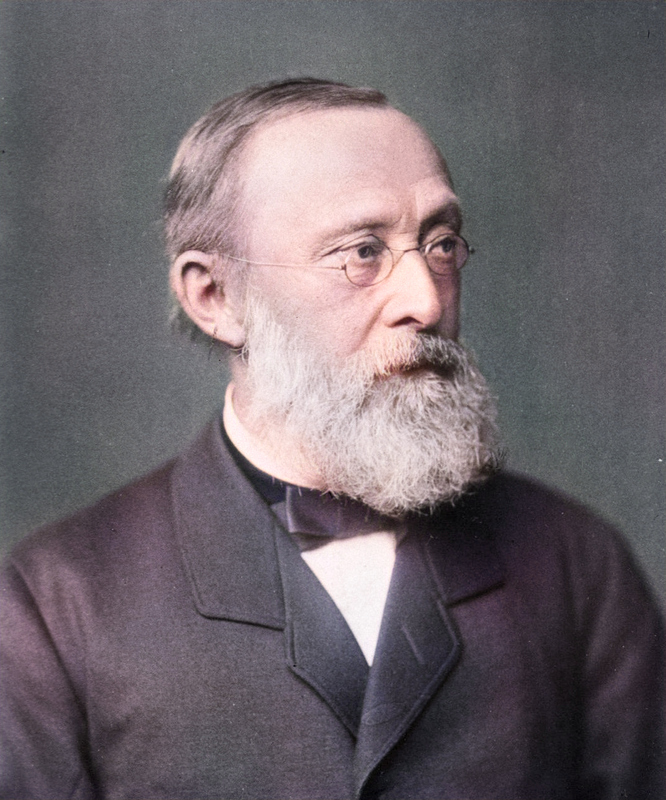
The Rudolf and Rudi Connection. The Discovery of Whole Spirituality at Whole Foods, Ann Arbor.
In Biology, cell is the basic or fundamental unit of structure, function, and organization in all living things or it is the building block of life. Let me begin with my respectful tribute to some of the people who contributed to ‘The Cell Theory’, one of the foundations of Biological Sciences. Cells were first observed in the 17th century shortly after the discovery of the microscope. Robert Hooke, british curator of instruments at The Royal Society of London, during 1665 coined the word cell. Dutch microscopist Antonie Van Leeuwenhoek (1632-1723) made over 247 microscopes and examined microorganisms and tissue samples. He gave the first complete descriptions of bacteria, protozoa (which he called animalcules), spermatozoa, and striped muscle. He also studied capillary circulation and observed Red Blood Cells.
Robert Hooke, british curator of instruments at The Royal Society of London coined the term cell during 1665.Dutch microscopist Antonie Van Leeuwenhoek (1668-80) studied capillary circulation and observed Red Blood Cells
Improvements in microscopy during early 19th century permitted closer observation and the significance of cells had received better understanding. Matthias Jakob Schleiden (1838), german botanist, Theodor Schwann (1839), german physiologist, and Rudolf Virchow (1855), german pathologist, and others made important contributions to the Cell Theory that describes cell as the building block of all Life.
Schleiden, Professor of Botany, The University of Jena studied plant structure under the microscope, published “Contibutions to Phytogenesis”(1838). He had also published the two-volume text of ‘Principles of Scientific Botany’.Schwann founder of modern Histology extended the Cell Theory of Plants to animals in his ‘Microscopic Researches into Accordance in the Structure and Growth of Animals and Plants(1839).Schwann discovered Myelin Sheath covering peripheral axons, now termed Schwann Cells. He coined the term ‘Metabolism’ for the chemical changes that take place in living tissues.Rudolf Virchow,german pathologist in 1855 coined the biological dictum “OMNIS CELLULA E CELLULA” – All living cells arise only from pre-existing living cells.
The Cell is the smallest unit in the living organism that is capable of carrying on the essential life processes of sustaining metabolism for producing energy and reproducing. Many simple, small, single-celled organisms like Protozoa perform all life functions. In higher, complex, bigger, multicellular organisms, groups of cells are structurally and functionally differentiated into specialized tissues and organ systems. Thus, the Cell Theory includes the following foundational principles of the Biological Sciences:
1. All living things are made up of cells. Cell is the most elementary or basic unit of Life.
2. Cell is a fundamental unit of structure, function, and organization in all living things including plants and animals.
3. Cells only rise from division of previously existing cells.
4. All cells are similar in composition, form, and function. All cells are basically the same in chemical composition (in spite of variations) in organisms of similar species. For example, all the solid tissues in the human body can be shown to consist largely of similar cells; differing it is true, but that are essentially similar to an Ovum.
5. The cells exhibit functional autonomy. The activity of an organism depends on the total activity of ‘INDEPENDENT’ cells.
6. Energy flow (metabolism and biochemistry) occurs within cells.
7. Cells contain hereditary, biological information (DNA) which is passed from cell to cell during cell division.
THE CELL THEORY OF SPIRITUALITY:
The Rudolf and Rudi Connection. The Discovery of Whole Spirituality at Whole Foods, Ann Arbor.
The basic or fundamental unit of life in the human organism is derived from the fertilized egg cell that eventually develops into a complete organism. The most significant feature of similarity between the cells of the human body is the presence of a soft, gelatinous, semi-fluid, granular material inside the cell. This substance known as Protoplasm or Cytoplasm, or Cytosol is similar to the ground substance found in the Ovum or the Egg Cell.
Human Ovum Structure – The Cell Theory of Spirituality is based upon the Substance, Structure, Form, Organization, Function, Action and Interactions of this Single Fertilized Egg Cell that eventually develops into a complete human organism.
This viscous, translucent, colloidal substance is enclosed in a membrane called Cell Membrane, Plasma Membrane or Biological Membrane. A small spherical body called nucleus is embedded in the Protoplasm of the cell. The three essential features of any living cell in the human body are that of the presence of protoplasm, the nucleus, and the cell membrane.
PROTOPLASM – THE GROUND SUBSTANCE OF SPIRITUALISM AND SPIRITUALITY:
I seek the existence of Soul or Spirit in a substance that is basic to life activities, and in a material that is responsible for all living processes. I, therefore, propose that the understanding of the true or real nature of this ground substance of all living matter will help man to discover peace, harmony, and tranquility in all of his internal and external relationships while man exists in a physical environment as a member of a social group, social community, and Society. In this blog post, I would like to pay my respectful tribute to Jan Evangelista Purkinje and Hugo Von Mohl for their great contribution to the scientific understanding of the living substance, living material, and living matter.
Jan Evangelista Purkyne(Czech name), Jan Evangelista Purkinje(German name)also known as Johannes Evangelist Purkinje, b. December 17, 1787, d. July 28, 1869. The pioneer Czech experimental Physiologist whose investigations in the fields of Histology, Embryology,and Pharmacology helped create a modern understanding of the eye and vision, brain and heart function, mammalian reproduction, and the composition of cells.
Purkinje conducted his research on human vision at the University of Prague and later on, he served there as a Professor of Physiology (1850-69). He went to Germany and was appointed the Chair of Physiology and Pathology (1823-50) at the University of Breslau, Prussia. There Purkinje created the world’s first independent Department of Physiology (1839) and the first Physiological Laboratory (Physiological Institute, 1842). He is best known for his discovery of large nerve cells with many branching extensions found in the cortex of Cerebellum of the brain (Purkinje Cells, 1837). He discovered the fibrous tissue that conducts electrical impulses from the ‘pacemaker’ called Atrioventricular node or A-V node along the inside walls of the ventricles to all parts of the heart to help in Cardiac contractile function (Purkinje Fibers, 1839). In 1835, he invented and introduced the scientific term ‘Protoplasm’ to describe the ground substance found inside young animal embryo cells. He discovered the sweat glands of the skin (1833); he discovered the nine configuration groups of Fingerprints used in biometric identification of man (1823); he described the germinal vesicle or nucleus of the unripe ovum that now bears his name (1825), and he noted the protein digesting power of pancreatic extracts (1836).
Hugo Von Mohl, b. April 08, 1805, d. April 01, 1872, German Botanist noted for his research on the anatomy and physiology of plant cells.
Hugo Von Mohl named the granular, colloidal material that made up the main substance of the plant cell as “Protoplasm” in 1846. Purkinje invented the word, but Hugo gave more clarity, understanding, and knowing the nature of this ground substance. He viewed cell as an “elementary organ” and in Physiology he explained Protoplasm as an organ of Motion or Movement, Nutrition, and Reproduction. It is the preliminary material in cellular generation. He was the first to propose that new cells are formed by division of preexisting cells and he had observed this process of Cell Division in the algal cells of Conferva glomerata. His observations are very important to understand the Cell Theory that explains cells as the basic building blocks of Life. He was the first to investigate the phenomenon of the stomatal openings in leaves.
The Ground Substance of Spiritualism and Spirituality. The vital characteristics, the animating principles of Protoplasm could be known by observing Amoeba proteus. The Living Substance works as an organ of Motion or Movement, as an organ of Nutrition, and as an organ of Reproduction to generate new cells which have a life span of their own. In these physiological functions, I describe the characteristics such as Cognition, Consciousness, Memory, and Intelligence which have a Spiritual role as they bring functional unity and harmony in the interactions between different parts of the same individual organism while it exists in an environment as a member of a biological community.
Protoplasm is a complex, viscous, translucent solution of such materials as salts and simple sugars with other molecules, mostly proteins and fats, in a colloidal state, that is dispersed but not dissolved in one another. Carbon, Hydrogen, Oxygen, and Nitrogen constitute more than 90 percent of Protoplasm. It exhibits properties such as Protoplasmic Streaming or Cytoplasmic Streaming or Motion that is called “Amoeboid Movement.” It has the intrinsic power to change its shape and position. It has the power of Nutrition by which it can attract and obtain the materials necessary for its growth and maintenance from surrounding matter/environment. These functions involve acquiring, processing, retaining, and using information to perform tasks in a sequential manner for a predetermined purpose and hence describe Consciousness, Memory, and Intelligence. The terms Soul and Spirit belong to the materialistic realm where the Physical Reality of man’s biological existence is established. I have not yet discovered any good reason to use the terms Soul and Spirit as a metaphysical or transcendental Reality.
The Ground Substance of Spiritualism and Spirituality. The vital characteristics, the animating principles of Protoplasm could be known by observing Amoeba proteus. The Living Substance works as an organ of Motion or Movement, as an organ of Nutrition, and as an organ of Reproduction to generate new cells which have a life span of their own. In these physiological functions, I describe the characteristics such as Cognition, Consciousness, Memory, and Intelligence as spiritual attributes of Life as they bring functional unity and harmony in the interactions between different parts of the same individual organism while it exists in an environment as a member of a biological community.
THE SPIRITUALITY OF SUBSTANCE, FUNCTION, ORGANIZATION, ACTION, AND INTERACTIONS:
The Rudolf and Rudi Connection. The Discovery of Whole Spirituality at Whole Foods, Ann Arbor.
To establish the biological existence of the human organism, I add the concept of Spiritualism and Spirituality to the Cell Theory. The Single Fertilized Egg Cell has ground substance that is of Spiritual nature and the Spiritualism and Spirituality consists of the following functional, and organizational characteristics:
The Rudolf-Rudi Connection at Whole Foods. The Concept of Whole Inheritance. Spirituality Science. What do you do for Living? THE PROCESS, THE MECHANISM CALLED CELLULAR RESPIRATION IS NOT LEARNED OR ACQUIRED EXPERIENCE. NO SPIRITUAL TEACHER, NO SPIRITUAL MASTER, AND NO SPIRITUAL GUIDE CAN IMPLANT THIS KNOWLEDGE IN MAN.
1. The Cell is Conscious of its own existence and knows its internal condition and knows it external environment.
2. The Cell is intelligent and it has the cognitive abilities like perception and memory to acquire information, to retain information, to recall information, and to use information in the performance of its complex tasks in a sequential manner.
3. The Cell has the ability to show characteristics such as mutual cooperation, mutual tolerance, and display functional subordination and subservience while being independent.
4. The Cell grows, divides, and develops into a complete organism while it acquires substances and energy from an external environment. The power of Protoplasm/Cytoplasm to attract matter found in its external environment is called Nutrition. The Cell continuously transforms matter to build matter of its own kind for its own benefit to sustain its existence with its own identity and individuality. The Organism represents a social group or a biological community of Cells. The Spiritual nature of Protoplasm/Cytoplasm brings this functional harmony and unity in the Social Group or Biotic Community of Cells by bringing together its Essence and Existence.
5. The Cell Theory is incomplete for it does not describe the conditioned nature of the Cell’s existence. The Cell represents a Living System that is thermodynamically unstable. It requires a constant supply of matter and energy from its external environment to sustain its living functions. The concept of Whole Spirituality formulates the connection between the Cell and its external source of matter and energy.
The Rudolf and Rudi Connection. The Discovery of Whole Spirituality at Whole Foods, Ann Arbor. The Bone Marrow smear from a patient of Leukemia or Blood Cancer helps to illustrate the nature of Biotic Interactions in the Social Group or Biotic Community that represents the singularity called man. The true or real man can only be discovered by the microscopic study of the Cells that constitute the Organism.
The theoretical claims about Spirit and Soul, the religious and philosophical doctrines of Spiritualism and Spirituality must be verified using the Cell Theory that defines the human organism. To describe Soul or Spirit as nonmaterial or immaterial Self will not help man to know the real or true man.
The Rudolf and Rudi Connection. The Discovery of Whole Spirituality at Whole Foods, Ann Arbor.
Whole Foods, Whole People, and Whole Planet come together in a Wholesome Relationship as God is the Energy Provider, the Original Source of Matter and Energy for Life.
Rudolf is Reborn as Rudi to describe the spiritual connection between the Cell and its Energy Provider. THE LIVING CELL IS THERMODYNAMICALLY UNSTABLE. TO EXIST, THE LIVING CELL NEEDS CONTINUOUS SUPPLY OF MATTER AND ENERGY FROM ITS EXTERNAL ENVIRONMENT. PROTOPLASM OR CYTOPLASM USES THE POWER OF NUTRITION TO ACQUIRE MATTER AND ENERGY FROM ITS EXTERNAL ENVIRONMENT AND ENABLES THE LIVING CELL TO PERFORM A VARIETY OF LIVING FUNCTIONS CALLED METABOLISM.The Rudi Connection at Whole Foods joins the Maha Navratri Celebration of the Divine Mother.
In my analysis, there can be no ‘Theory of Health’ without sharing ‘Theory of Man’. The question, “What is health?” cannot be asked without raising the question, “What is man?”
In my view, ‘existence of man always precedes essence of man’. For that reason, biological basis of man’s existence must be identified to define living entity called man.
Man’s existence in any condition, good health or ill health, at any age, at any given time and place, depends upon Mercy, Grace, and Compassion( Sanskrit. KRUPA or KRIPA) of LORD God Creator. Man does not exist in Natural World because of his physical and mental work. Man needs input of matter and energy, from an external source, from the moment of conception until conclusion of his entire life journey. Man’s existence is always conditioned as he cannot regulate either internal, or external factors that determine the fact of his existence.
I invite my readers to review article titled “What is health?” published in Microbial Biotechnology by Dr. Harald Brüssow. I took freedom to add few comments to his article to help my readers to examine the topic in a critical manner.
This article has been cited by other articles in PMC.
Summary
Medical Science fails to define the term ‘health’ for it fails to define the term ‘man’. To attach meaning to health, I must attach meaning to word called ‘man’.
Classical medical research is disease focused and still defines health as absence of disease. Languages, however, associate a positive concept of wholeness with health as does the WHO health definition. Newer medical health definitions emphasize the capacity to adapt to changing external and internal circumstances. The results of the 2010 Global Burden of Disease study provides keys for a quantifiable health metrics by developing statistical tools calculating healthy life expectancy. Of central social and economic importance is the question whether healthy ageing can be achieved. This concept hinges on theories on the biological basis of lifespan determination and whether negligible senescence and the compression of morbidity can be achieved in human societies. Since the health impact of the human gut microbiome is currently a topical research area, microbiologists should be aware of the problems in defining health.
Introduction
Man represents biological community of trillions of individuals; independent, living cells with individuality. Man is also natural host to trillions of microbes. Human life must be defined in terms of biotic interactions; both intraspecific, and interspecific biotic interactions.
Science has its fashions. Suddenly the leading science journals are full of articles about a specific topical research area. Sometimes, this wave of popularity follows a technological break-through which permits asking questions that were previously impossible to tackle or at least very hard to address experimentally. At other occasions, this cumulating of top-level research reports is the consequence of large international research efforts where grant agencies provided large amounts of money, which attracted many scientists to the field. In still other situations, the scientific community realizes that a certain field of scientific inquiry has simply been overlooked or neglected and the view offered by the new insights is exiting theoretical interest and promising practical applications. The human microbiome is currently such a fashionable field. Novel DNA sequencing techniques combined with new bioinformatic tools and the general progress of ‘–omics’ technologies offer the methods; major research grants on both sides of the Atlantic provided the money and the field has been an eye-opener for microbiologists which might be compared with the time of Leeuwenhoek when microbes in our mouth were first seen in the microscope and the time of Koch when the first isolated bacterial colonies were seen by the naked eye and linked to human disease. We perceive the human microbiome metagenome as our second human genome, as a source of human genetic variability (Schloissnig etal., 2013) and as a factor influencing human health (Clemente etal., 2012). The human gut microbiome has been associated with health issues of central importance such as obesity (Turnbaugh etal., 2006), healthy ageing (Claesson etal., 2012) and most recently cancer (Arthur etal., 2012), to quote only the most prominent fields. Probiotic bacteria have also been fashionable for a while (Thomas etal., 2010) and were judged to have a scientific basis (Neish, 2009), but scientific reports aroused less attention than gut microbiota research. Probiotics carry in their definition as ‘live health-promoting bacteria’ the concept that microbes can influence our health. But what is health? If you want to boost health, you must know what it is and how to measure it.
Health: ask the experts
I ask Medical Science to apply principles of Clinical Medicine not only to diagnose ill health but also to diagnose good and perfect or ‘Whole Health’ for man is created by entity called God who is always Perfect and Whole.
At school we heard of Socrates who asked people who are supposed to be experts and to get an answer from a dialogue with them. Therefore, I first went to health authorities like medical doctors and their authoritative textbooks that guided generations of medical students like Harrison’s Principles of Internal Medicine (Longo etal., 2011). In the 18th edition you find ample material on pathogens, even a chapter on the human microbiome (Gordon and Knight, 2011), a chapter on women’s health, but no definition of health. Overall, one gets the impression that medicine deals with disease and not health. In a recent meeting, one of my colleagues said that the US National Institutes of Health (NIH) should correctly be called National Institutes of Diseases reflecting this disease focus of medical research. Health is currently fashionable as ‘Global Health’, but again scientists working at institutes called like this or in such programmes deal mostly with diseases. After this disappointment, the author turned to PubMed with ‘health’ and ‘definition’ as search terms and got less than 20 papers – a quite surprising outcome for such a central question of the human society. Clearly there is a problem with the definition of the term ‘health’.
Health: ask the languages
None of the living functions performed by man involve the use of any known human language.
When a term is so self-evident and at the same time so elusive that no definition is provided in the scientific literature, it is frequently helpful to investigate the words we use when speaking about it. Naming is the first activity of human beings when trying to make order of things surrounding us. Words reflect the experience of many generations and words constitute a collective subconsciousness that determines still today our unexpressed thoughts and actions, more than we are aware of consciously. In the Oxford Dictionary ‘health’ is defined as ‘the state of being free from illness and injury’. It is obviously a negative definition. Such a definition reflects the current use of the words in the spoken language, but not necessarily its development over time. The English ‘health’ derives from Old English ‘hælth’, which is related to ‘whole’ ‘a thing that is complete in itself’ (Oxford Dictionary) derived from Old English ‘hal’ of Germanic origin (the addition of the w in whole/hal reflects a dialect pronunciation of the 15th century). In Middle English ‘hal’ also became ‘hail’ with the meaning of health in greetings and toasts. ‘hal’ is related to the Dutch ‘heel’ and the German ‘heil’. In German the connections between health, wholeness and salvation becomes even clearer than in English. ‘Heil-kunde’ and ‘Heil-kunst’ are still common German words for medicine, ‘Heiler’ is a traditional or alternative health provider; ‘heilfroh’ means wholly happy and refers to a relationship between health and happiness. ‘Heil’ has also religious meanings as seen from the German word ‘Heiland’ for the Christ as Savior (or for false prophets as in ‘Heil Hitler’). The German word conserved clear links with the religious and cultic realm in ‘heilig’ (English: holy) where ‘Heil’ is equivalent with salvation in the religious meaning (‘Seelen-heil’). These connotations are still vibrating consciously or unconsciously in native speakers when using these words. In fact, from this quasi-religious context the constitution of the WHO adopted in 1948 becomes understandable when stating ‘the following principles are basic to the happiness, harmonious relations and security of all peoples: Health is a state of complete physical, mental and social wellbeing and not merely the absence of disease or infirmity’. The definition has not been revised but was variously challenged for its ‘complete wellbeing’ as reflecting a fundamentalist view, referring to an ideal world of messianic expectations. Some scientists have therefore asked for redefining health to make it a realistic, measurable quantity (Saracci, 1997).
Since this language approach turned out to be revealing, let’s follow the relationship between health and wellness (are they synonyms or do they express distinct concepts?) and between health and disease (are they antonyms?). Disease is defined by the Oxford Dictionary as ‘disorder of structure or function in an organism that produces specific symptoms and is not the result of physical injury’; ‘dis-ease’ derives from the Old French ‘desaise’ (lack of ease). Wellness and illness is clearly a pair of antonyms. Illr is a Norse word for evil and was taken into Middle English with the meaning of wicked, malevolent. ‘Well’ (German: wohl) derives from a word common to many Germanic languages and means ‘in a good way’, initially as a contrast to wicked. As an adjective one of the meaning of ‘well’ is specifically ‘in good health’ (Oxford Dictionary). In German ‘wohl’ goes beyond good health, it alludes to psychological and emotional aspects (‘Wollust’: English: lust, but in Old English as in current German still in the sense of ‘pleasure’ and ‘delight’) and material wealth (‘Wohlstand’). Wellness thus goes beyond physical health and has a strong connotation of happiness, but also of hedonism (where pleasure is the chief good).
One might argue that these are linguistic associations restricted to Germanic languages. However, this is not the case: the Latin word pair ‘salus’–’malus’ has very similar connotations which were transmitted into modern Romanic languages (French: salut–maladie). In Latin ‘salus’ means health, rescue, redemption and wealth. It derives from ‘salvus’, Old Indian ‘sarvas’, which meant initially nothing else than ‘whole’. We see here again the notion of completeness with health. Malus which leads then to malady shares with the Germanic word ‘small’ a common root and thus refers to incompleteness. Malus has also moral connotation (Eritis sicut deus scientes bonum et malum – the snake in Genesis: you will be like God knowing the good and the evil). Disease has long been regarded as a celestial punishment for moral failing. In many traditional societies, health surveys should not miss to ask about ‘the evil eye’, underlining the widespread magic concepts on disease.
Redefining health: medical approaches
What is Spiritual Sickness? Lust, Avarice, Anger, Arrogance, Jealousy, Infatuation, and Miserliness are symptoms of Spiritual Sickness. Spiritual well-being is integral component of Whole Health.
Recently the need for a new definition of health was expressed by the British Medical Journal (Jadad and O’Grady, 2008). A discussion via global blog conversation was initiated on ‘How should health be defined?’ The participation rate was weak: only 38 communications were counted. In an influential blog, R. Smith (2008) confessed that this issue is for most doctors an uninteresting question since they are interested in disease and not health. Medical textbooks are a massive catalogue of diseases. Health is an illusion and according to the strict standards of the WHO definition, most people are unhealthy for most of the time, so far, his comments. Research-oriented doctors complained that the WHO definition has no direct operational value – it is so widely formulated that health outcome cannot easily be measured. Health like beauty is in the eyes of the beholder. It turned out that redefining health is an extremely ambitious and complex goal. A conference held in 2009 in the Netherlands (‘Is health a state or an ability? Towards a dynamic concept of health’) (Huber, 2010), an editorial by the Lancet (‘What is health? The ability to adapt’) (Anonymous, 2009) and an analysis in the BMJ (‘Health: how should we define it?’) (Huber etal., 2011) proposed a few conclusions. The preferred view on health was the ability to adapt and to self-manage. With respect to physical health the term of ‘allostasis’ was introduced – the maintenance of physiological homeostasis through changing circumstances. In the field of mental health, a sense of coherence was identified as defining criterion. Social health included people’s capacity to fulfil their potentials and obligations, the ability to manage their life and to participate in social activities including work. R. Smith summarized this into the phrase ‘health is the capacity to love and work’ attributed to Sigmund Freud. The Dutch conference highlighted a few important aspects. When applied to ‘successful or healthy ageing’ only a very small percentage of people would fit the WHO definition. When self-rating of well-being was used a much higher percentage rated themselves as successfully ageing and this rating was roughly constant over lifetime. With an ageing population chronic disease become a life condition to many people. The Stanford Chronic Disease Self-Management Programme uses strategies to enhance self-efficacy which resulted in fewer healthcare requests. Also, the WHO has added to this discussion. In preparation of the Ottawa Charter of 1986, the WHO defined health as the ability of an individual to realize aspirations and satisfy needs and to cope with the environment. Health was thus seen as a resource for everyday life. The WHO has also developed an International Classification of Functioning, Disability and Health assessing the performance of a task in real life situation. WHO surveys assessed an individual’s health state by asking for mobility, self-care, pain, cognition, interpersonal activities, vision, sleep and energy and affect. The answers go into a single metric reaching from death (0) to perfect health (1). The abovementioned Lancet editorial quoted the French physician G. Canguilhem who perceived health in his 1943 book The Normal and the Pathological not as something that can be defined statistically or mechanistically. Health is the ability to adapt to one’s environment and its own limitations. At the Dutch conference, a participant asked for the concept of ‘salutogenesis’ (becoming healthy) and more concrete research work in a field dominated by studies of pathogenesis (becoming ill). In practical terms it means that instead of carefully observing the conditions that lead from the healthy to the diseased state, research should also be conducted for the opposite process, i.e. the transition from the diseased to the healthy state. In some diseases the transition from health to malady is a way of no return and its inverse process of ‘salutogenesis’ is obviously difficult to study. However, for microbiologists the situation is easier. Many acute infectious diseases show a transition from health to disease followed by a return to the normal. Here ‘salutogenesis’ is commonly studied and had practical outcomes. For example, understanding the immune response to an infectious agent which led to the resolution of the disease was often instrumental for designing vaccine strategies.
Scaling health levels?
Scaling of health fundamentally relates to experience of satiation, satisfaction, or contentment from living condition. Dissatisfaction or lack of contentment is absence of health.
A fundamental question not yet addressed in our discussion is whether health is a state as opposed to the alternative state of disease. There are medical conditions that allow only two alternative conditions; a frequently quoted example is a woman in childbearing age who either is pregnant or is not pregnant. There is no condition where a woman is a bit pregnant, pregnancy is an all-or-nothing event allowing only a ‘plus’ and a ‘minus’ state and no transitions between both of them. At first glance, one might also take ‘health’ and ‘disease’ as alternative ‘plus’ and ‘minus’ states. The self-perception of a subject is a relative reliable measure differentiating a healthy state from a diseased state. In a prodromal phase of an infectious disease, we feel lousy before any overt disease symptoms are evident. During convalescence we feel the reverse process of returning vigor and strength. This distinction finds expression in our outer appearance allowing not only an experienced physician, but even an attentive layperson to differentiate these two states with a single look at a person. This experience speaks for health and disease as two alternative states. However, medical doctors use scoring systems to assess the health and disease status of patients to decide on medical interventions. To quote just two examples: the Karnofsky score runs from 100 (perfect health) to 0 (death) in steps of 10 and assesses the independence or dependence of patients on assistance for everyday activity or survival; its main purpose was to quantify the capacity of cancer patients to cope with chemotherapy. Another score rates the status of newborns: the Apgar score attributes up to two points each for the appearance, pulse, grimace, activity, respiration of the baby (despite this mnemonic, Apgar is named after an anesthesiologist). Apgar expresses the need for medical intervention by the pediatrician. Apgar scores of 7 or higher characterize healthy babies. These scoring systems are interesting since first, they put health and disease into the same measurable category and second, they anticipate that both health and disease states can be graded. By their design as indicators for medical intervention, these scoring systems have more graded disease levels than graded health levels, but this point can be quickly remedied by introducing a scoring system that depicts in analogy with the number line increasing positive integers to the right as indicators of a graded health level and increasing negative integers to the left as indicators of graded disease levels.
Around 0 is an indifference zone where the subject feels neither particularly healthy nor definitively ill. While numerous scoring systems exist to describe severity grades for many diseases, less scoring systems exist for assessing health levels. This situation could quickly be corrected: Physical strength or mental fitness could be measured quantitatively by performance tests on the subject or functional reserves could be measured by physiological tests on individual organ systems of the subject. Such physical types of test are frequently used in geriatric medicine.
This grading concept – oversimplified as it is – has interesting consequences. When physicians speak about health interventions, they speak mostly about disease interventions where a treatment shifts for example a person from disease level −7 to disease level −3 to remain in the analogy of this fictive scale. Over recent decades medical treatments were also increasingly applied on apparently healthy subjects, who show, but do not suffer, from pathophysiological states (e.g. hypertension, hypercholesterolemia) in order to prevent for example a shift from health level +3 to disease level −7 when the pathophysiological risk factor transforms into actual disease (e.g. myocardial infarct or stroke) (again in this fictive scale). However, physicians and the pharmaceutical industries have much less considered the possibility to increase health levels from for example health state +4 to health state +7 which increases physical and mental performance of the person or the functional reserves of the person’s organs. These health interventions were largely left to fitness centers and sport clubs and private activities of the individual. The aim of such nutrition and health interventions would be a better performance in everyday life, more pleasure (quality of life), but not necessarily disease prevention. However, increasing the functional reserve of the body necessarily creates a buffer such that extrinsic factors decreasing the health level do not result that quickly in disease as without this intervention.
Health: ask the Global Burden of Disease (GBD) 2010 survey
Burden of Disease, and Rewards of Health must be estimated after stating Purpose of Human Existence.
One might argue that health of an individual or a population is to a certain extent a lip service of the medical profession and the true interest of medical doctors is to cure or to prevent disease. Language-wise this focus is expressed by the now frequently used term of ‘ill health’ in the columns of leading journals like ‘Nature’ and ‘The Lancet’, which is of course a clear contradiction in terms and reflects the disease focus of medicine. One might suspect that economists and sociologists have a greater interest in the health of a population when focusing on the productivity and social ‘functioning’ of people. However, such an evaluation does not do justice to the epidemiological, statistical and intellectual efforts of the medical community to come to grip with these terms. The Herculean effort of the medical research field is illustrated by a whole issue of the Lancet describing the GBD Study 2010 in a series of articles (Das, 2012). Over 5 years 486 scientists from 302 institutions in 50 countries have collected data on ‘ill health’ and evaluated the data by using the most sophisticated statistical data treatment methods (Murray etal., 2012a). The results are stunning. It is here not the place to review these studies, but I want to share with the reader some excitement. From 1970 to 2010 global life expectancy at birth rose by 3–4 years every decade. The resolution of the data set is astonishing: you can for example compare life expectancy per region and per sex. You see then that women in Bangladesh increased their life expectancy from 47.5 years in 1970 to 71.0 years in 2010 (not a printing error). Or you get global life expectancy per 5-year intervals for both sexes, e.g. 80-year-old men had in 1970 a life expectancy of 5.8 years compared with 7.2 years in 2010 (‘the older you get, the healthier you have been’) (Wang etal., 2012). Or you get information on 235 leading causes of death separated by age and sex based on files compiling vital registrations, verbal autopsies and various surveillance data from 187 countries. You learn that mortality from communicable diseases has decreased over this time following major ameliorations in mortality from diarrheal diseases, measles and tetanus, but less so for respiratory infections and increases for HIV/AIDS. When the global years of life lost (YLL) is displayed separately for the causes and individual years between 1990 and 2010, the data analysis was so well performed that you see the 1995 famine in North Korea as a sudden increase in global death due to nutritional deficiencies and the 1994 genocide in Rwanda as an intentional injuries increase (Lozano etal., 2012).
In the context of our discussion another GBD 2010 report is even more interesting. Salomon and colleagues (2012) start their paper with the statement: ‘Improvement of population health means more than simply delaying death or increasing life expectancy at birth’. They continue: ‘With the trend of population ageing, the need to prioritize healthy ageing is increasingly recognized’. The authors of this paper focus on the description of ‘healthy life expectancy’ as a summary measure of population health. While this term has no philosophical or biological foundation, it is based on a lot of sound statistical reasoning. In fact, it goes back on a method developed 40 years ago by D. Sullivan. Healthy life expectancy is the number of years a person at a given age can expect to live in good health considering age-specific mortality, morbidity and functional health status. While health is here still largely defined negatively as the absence of disease, it becomes a measurable quantity and thus a simple logically appealing summary measure of population health. The GBD 2010 study goes even further by analyzing a composite metric that captures both premature mortality and the prevalence and severity of disease leading to the term of disability-adjusted life years (DALY) (Murray etal., 2012b). Health status was measured in other studies by the absence of disability expressed as activity restriction, or absence of dementia, or on a broader basis as a multidimensional expression of functioning. However, with a sufficiently large raw data set one can calculate the ‘healthy life expectancy’ in years. Then the difference between life expectancy minus healthy life expectancy can be interpreted as the average number of years of potentially healthy life lost to poor health. To get back to the above Bangladesh women who had in 2010 a life expectancy of 71 years, they had a healthy life expectancy of 59 years, for Canadian women the two figures were 83 and 68 years respectively. Despite different absolute numbers, women from both countries spent more than a decade with poor health. Interesting trends emerge: both for men and for women global healthy life expectancy has increased by about 4 years between 1990 and 2010 keeping with the overall trend of life expectancy increases. The gains in healthy life expectancy over the past 20 years have mainly been through reductions of child and adult mortality and not through reductions in years lost to disability (YLD). When looking into a study from member states of the European Union, larger variations were found for healthy life expectancy than for life expectancy (Jagger etal., 2008). These results are not just about statistics, they represent important elements for political decisions. The UN Millennium Development Goals have focused on the reduction of mortality from major killers like HIV, tuberculosis and malaria. With that focus life expectancy will (hopefully) increase, but it will have minor impact on healthy life expectancy. The computation of healthy life expectancy has changed over the years. Some used dichotomous weighting schemes categorizing people into either healthy or not. The new calculation accounts for the severity of disability calculated for 289 named diseases (Murray etal., 2012a) allowing thus a quantitative, gliding disability scale.
Ageing concepts
Every change or natural phenomenon such as aging is operated by underlying ‘Unchanging Principle’. For example, Chemical Compounds are operated by ‘Law of Definite Proportions’ or Proust’s Law of Definite Composition. Man, experiences aging changes while Chemical Elements and Chemical Compounds of his body remain unchanged.
The structure of the world population is dramatically changing with an increasing percentage of the human population living to old and very old age (Suzman and Haage, 2011). This phenomenon is not limited to the classical industrialized countries, until 2050 China is expected to reach 440 and 101 million inhabitants older than 60 and 80 years respectively (Shetty, 2012). This change in the population pyramid has not only important socioeconomic consequences (healthcare, pension funds), but affects also the health and disease discussion in an interesting way.
Like for health, everybody knows what ageing means, but definitions are again less obvious, and biologists have not yet developed a generally shared theory of ageing (Martin, 2011). Part of the problem might be that different organisms might have their own modes of ageing. Languages are not of much help: ‘age’ is something which can be very simply counted on a timescale. Different languages reflect a different attitude towards ageing: while in English ‘ageing’ implies deterioration, in Japanese it means just the advancement of age. A Japanese researcher has therefore defined ageing as a ‘regression of physiological function accompanied by advancement of age’ (Imahori, 1992). Medical doctors consequently differentiate a chronological and a physiological age of a person.
Medical gerontologists perceive ageing as a progressive decline in structure and function of the body (Ferruci and Studenski, 2011). Most prominent and very visible are the effects of ageing on body composition: lean body mass from muscles and visceral organs decrease steadily, muscle strength decreases (sarcopenia) and is a good predictor of mortality. Progressive demineralization leads to decline of bone strength that together with neurodegeneration induces unstable gait, poor balance and slow reaction times leading to falls and fractures resulting in increasing frailty. Memory decline and dementia are other neurological observations in some, but not all ageing persons. Decline of the sensory system is frequent (vision, hearing, taste). Another physiological change is declining resting metabolic rate with ageing, which is also a marker of illness. Homeostasis pathways (hormones, inflammatory mediators, antioxidants) change progressively with age inducing a lower resistance to stress. Normal ageing is also associated with a decline in food intake particularly in men which leads to malnutrition.
While ageing leads ultimately to death, great biological differences exist for lifespan and ageing process between different organisms. While the lifetime of fly’s measures in days, some ticks survive for decades and lobsters were reported to survive for more than 100 years without any apparent loss in fertility. Similar data have been reported for turtles, where older females lay more eggs than younger females, show no loss of vigor and no increase in mortality rate with increasing age (Finch, 2009). These observations led to the concept of negligible senescence and the Centenarian Species Project (Guerin, 2004). Negligible senescence contradicts Hamilton’s influential theory that natural selection shaped senescence (Hamilton, 1966) and ideas that late survival was sacrificed in evolution for reproduction (Kirkwood and Rose, 1991). Even today, Hamilton’s Forces of Natural Selection described in his 1966 paper were compared by evolution researchers to what is the Lorentz transformation for relativistic physics (Rose etal., 2007). Of course, working with long-lived animals which might have lifetimes longer than that of the researcher is not to the taste of geneticists who prefer short-lived animals like flies and worms or mostly mice where results are obtained within a grant period. However, negligible senescence would fit other theories, for example that of the French zoologist Buffon who suggested in the 18th century that the duration of life in animals corresponded to six to seven times that of the period of growth for the given animal. An animal which has undetermined growth like some reptiles (crocodiles for example grow as long as they live) could have a very long lifespan. Those zoologists might in fact be right who claim that lobsters die from predation, accident and infection but not as a consequence of ageing.
Many ideas have been developed by biologists on ageing: for example, Hayflick developed 40 years ago an argument that the finite number of cell doublings determines the lifespan of a species (Hayflick, 1968). Molecular biologists have added arguments to this idea by highlighting the importance of telomere length shortening with increasing cell divisions. Several other mechanisms and pathways have been revealed by molecular biologists and geneticists for the ageing process. Caloric restriction and longevity is another of the fruitful fields of ageing research. Whether it applies to monkeys as our closest relatives is currently the focus of much discussion (Mattison etal., 2012).
However, all what we have discussed so far fit more the fundamental interest of biologists than that of the medical doctor. For the present review let’s therefore focus on the human condition and the medical view on healthy ageing.
Healthy ageing
Man’s experience of time and its consequence called aging is operated by sensory experiences that are fundamentally false. Man’s existence demands influence of grand illusion that protects man from experiencing speed of planet Earth.
Thirty years ago, Fries (1980) published in The New England Journal of Medicine a seminal paper on ‘Ageing, natural death, and the compression of morbidity’ which heavily influenced the medical discussion on ageing. He starts with the statement that the length of life is fixed; speculations on immortality are rooted in human hope. The medical field assumes that death is always the result of a disease process, but due to his hypothesis of a set human lifespan, death might occur without overt disease when the normal span is lived. In his paper he depicted the ‘ideal’ human mortality curve in the absence of premature death: it is a sharp peak around the ‘naturally set’ human lifespan of 85 years. He arrived at this value from the extrapolation of life expectancy data at birth and at age 20 and 65 measured over the last century which intersect in his graph at 85 years. With that idealized model the survival curve of humans has a sharp rectangular form while the actual survival curve for humans at 1900 looked more like a triangle with a continuous decline of survival with age. In 1980 the survival curve took already a substantial rectangular form: much of the 1900-typical attrition over increasing age had been eliminated and the actual survival curve started to approach the ideal curve. He admitted that the average length of life was increasing, but he argues that this was due to a decrease in childhood mortality, not to a secular trend for an increase of life expectancy at age of 75 years. He highlighted that acute, usually infectious diseases determined mortality in the USA at 1900 and that chronic diseases have now superseded acute diseases. In his view health improvement must address chronic instead of acute diseases, morbidity and not mortality, quality of life rather than duration of life. Postponement of disease is more important than cure of a disease. Weight control, regular exercise, treatment of hypertension, elimination of smoking and alcohol over-consumption (today we would add an equilibrated diet) were the practical measures. With that focus of medical interventions, one could achieve what he called the compression of morbidity. A postponement of chronic disease would also result in a rectangularization of the morbidity and not only the mortality curve. Since loss of reserve function represented his operational definition of ageing, one could theoretically also achieve a compression of senescence. He postulated a plasticity of ageing against a non-elasticity of the human ideal lifespan.
It is interesting to compare the Fries’ model with the actual data set from the GBD 2010 study. Already in an analysis of demographic data from 2002, the WHO reported that precisely the very old age groups are growing the fastest worldwide. A cornerstone of Fries’ model is the lack in increase of centenarians over one century of observation. The WHO projects in contrast a 13-fold increase in centenarians over the next decades (Kalache etal., 2002). Better hygiene, nutrition and healthcare have increased life expectancy as also seen in GBD 2010. When the life expectancy of females in the most advanced nations is plotted against historical time, a straight line is observed showing a steady increase of 2.5 years longer life expectancy per decade between 1850 and 2000 (Suzman and Haage, 2011). Humans in some industrialized countries have now nearly reached the lifespan limits of Buffon’s formula, but the asymptotic behavior requested by a genetically fixed life expectancy was not yet observed. One central tenet of the Fries’ model is thus not confirmed. What about the compression of morbidity? GBD 2010 showed that countries with high life expectancy had mostly also lower age-specific disability than countries with low life expectancy. While an analysis of disability-adjusted life expectancy (DALE) with data from the GBD 1999 study (Mathers etal., 2001) showed still ‘some evidence to suggest that compression of morbidity may be occurring in some low mortality countries’, later analyses did not concur with this interpretation. According to GBD 2010, years lived with disability (YLD) rose despite a decrease in the prevalence of age-specific disability (Salomon etal., 2012). Simply, the decrease in disability did not keep pace with the increase in survival. A compression can only occur if healthy life expectancy would rise faster than life expectancy.
Globally, YLD rose from 583 million in 1990 to 777 million in 2010 (Vos etal., 2012). The main contributors at the global level were mental and behavioral disorders, musculoskeletal disorders, diabetes and endocrine diseases. The leading specific causes were the same in 2010 as in 1990: low back pain, major depressive disorders, iron-deficiency anemia, neck pain, chronic obstructive pulmonary disease, anxiety disorders, migraine, diabetes and falls. Rates of YLD per given number of people did not change, but since YLD rise steadily with age, population growth and ageing were the major drivers for the increase in YLD (Vos etal., 2012). The health system is thus confronted with a rising number of individuals with a range of disorders that largely cause disability but not mortality.
Outlook
John Milton in his epic poem of Paradise Lost, Book XI shared the golden principles of healthy aging. Nothing too much, the Law of Temperance helps man to live to his fullest potential.
I yield it just, said Adam, and submit. But is there yet no other way, besides These painful passages, how we may come To Death, and mix with our connatural dust?
There is, said Michael, if thou well observe [ 530 ] The rule of not too much, by temperance taught In what thou eat and drink, seeking from thence Due nourishment, not gluttonous delight, Till many years over thy head return: So may thou live, till like ripe Fruit thou drop [ 535 ] Into thy Mothers lap, or be with ease Gathered, not harshly plucked, for death mature:
In summary, GBD 2010 showed clear evidence of expansion, not compression of morbidity. An increase of the number of years lived in reduced health has implications beyond the person suffering from restricted health. Healthy ageing is a socioeconomic need since otherwise national health systems will not be able to stem the cost associated with managing increasing numbers of individuals suffering from various disease sequelae. If by preventive measures a healthy ageing could be achieved, the healthcare system could save cost and the individual could enjoy a greater quality of life for a longer period of life. This goal is quite ambitious though, but the incentive is great justifying the exploration of various associations with healthy ageing. In an accompanying review, I explore the data associating gut microbiota composition with healthy ageing and to what extent the gut microbiota composition can be changed by nutritional interventions (Brüssow, 2013).
Acknowledgments
I thank my colleagues Wolfram Brück for critical reading of the manuscript and Olga Sakwinska for stimulating discussions.
References
Anonymous. What is health? The ability to adapt. Lancet. 2009;373:781. [PubMed]
Arthur JC, Perez-Chanona E, Mühlbauer M, Tomkovich S, Uronis JM, Fan TJ, et al. Intestinal inflammation targets cancer-inducing activity of the microbiota. Science. 2012;338:120–123. [PMC free article] [PubMed]
Brüssow H. Microbiota and healthy ageing: observational and nutritional intervention studies. 2013. Microbial Biotechnology doi: 10.1111/1751-7915.12048. [Epub ahead of print] [PMC free article] [PubMed]
Claesson MJ, Jeffery IB, Conde S, Power SE, O’Connor EM, Cusack S, et al. Gut microbiota composition correlates with diet and health in the elderly. Nature. 2012;488:178–184. [PubMed]
Clemente JC, Ursell LK, Parfrey LW, Knight R. The impact of the gut microbiota on human health: an integrative view. Cell. 2012;148:1258–1270. [PMC free article] [PubMed]
Das P, Samarasekera U. The story of GBD 2010: a ‘super-human’ effort. Lancet. 2012;380:2067–2070. [PubMed]
Ferruci L, Studenski S. Clinical problems of aging. In: Longo DL, Fauci AS, Kasper DL, Hauser SL, Jameson JL, Loscalzo J, editors. Harrison’s Principles of Internal Medicine. 18th edition. New York, USA: McGraw-Hill; 2011. pp. 570–586.
Finch CE. Update on slow aging and negligible senescence – a mini-review. Gerontology. 2009;55:307–313. [PubMed]
Fries JF. Aging, natural death, and the compression of morbidity. New England Journal of Medicine. 1980;303:130–135. [PubMed]
Gordon JI, Knight R. The human microbiome. In: Longo DL, Fauci AS, Kasper DL, Hauser SL, Jameson JL, Loscalzo J, editors. Harrison’s Principles of Internal Medicine. 18th edition. New York, USA: McGraw-Hill; 2011. pp. 526–535.
Guerin JC. Emerging area of aging research: long-lived animals with ‘negligible senescence. Ann N Y Acad Sci. 2004;1019:518–520. [PubMed]
Hamilton WD. The molding of senescence by natural selection. J Theor Biol. 1966;12:12–45. [PubMed]
Hayflick L. Human cells and aging. Sci Am. 1968;218:32–37. [PubMed]
Huber M, Knottnerus JA, Green L, Horst H, Jadad AR, Kromhout D. How should we define health? BMJ. 2011;343:235–237. [PubMed]
Imahori K. How I understand aging. Nutritional Review. 1992;50:351–352. [PubMed]
Jadad AR, O’Grady L. How should health be defined? BMJ. 2008;337:1363–1364.
Jagger C, Gillies C, Moscone F, Cambois E, Van Oyen H, Nusselder W, Robine JM EHLEIS team. Inequalities in healthy life years in the 25 countries of the European Union in 2005: a cross-national meta-regression analysis. Lancet. 2008;372:2124–2131. [PubMed]
Kalache A, Aboderin I, Hoskins I. Compression of morbidity and active ageing: key priorities for public health policy in the 21st century. Bull World Health Organ. 2002;80:243–244. [PMC free article] [PubMed]
Kirkwood TB, Rose MR. Evolution of senescence: late survival sacrificed for reproduction. Philos Trans R Soc Lond B Biol Sci. 1991;332:15–24. [PubMed]
Longo DL, Fauci AS, Kasper DL, Hauser SL, Jameson JL, Loscalzo J, editors. Harrison’s Principles of Internal Medicine. 18th edition. New York, USA: McGraw-Hill; 2011.
Lozano R, Naghavi M, Foreman K, Lim S, Shibuya K, Aboyans V, et al. Global and regional mortality from 235 causes of death for 20 age groups in 1990 and 2010: a systematic analysis for the Global Burden of Disease Study 2010. Lancet. 2012;380:2095–2128. [PubMed]
Martin GM. The biology of aging. In: Longo DL, Fauci AS, Kasper DL, Hauser SL, Jameson JL, Loscalzo J, editors. Harrison’s Principles of Internal Medicine. 18th edition. New York, USA: McGraw-Hill; 2011. pp. 562–569.
Mathers CD, Sadana R, Salomon JA, Murray CJ, Lopez AD. Healthy life expectancy in 191 countries, 1999. Lancet. 2001;357:1685–1691. [PubMed]
Mattison JA, Roth GS, Beasley TM, Tilmont EM, Handy AM, Herbert RL, et al. Impact of caloric restriction on health and survival in rhesus monkeys from the NIA study. Nature. 2012;489:318–321. [PMC free article] [PubMed]
Murray CJ, Ezzati M, Flaxman AD, Lim S, Lozano R, Michaud C, et al. GBD 2010: design, definitions, and metrics. Lancet. 2012a;380:2063–2066. [PubMed]
Murray CJ, Vos T, Lozano R, Naghavi M, Flaxman AD, Michaud C, et al. Disability-adjusted life years (DALYs) for 291 diseases and injuries in 21 regions, 1990–2010: a systematic analysis for the Global Burden of Disease Study 2010. Lancet. 2012b;380:2197–2223. [PubMed]
Neish AS. Microbes in gastrointestinal health and disease. Gastroenterology. 2009;136:65–80. [PMC free article] [PubMed]
Rose MR, Rauser CL, Benford G, Matos M, Mueller LD. Hamilton’s forces of natural selection after forty years. Evolution. 2007;61:1265–1276. [PubMed]
Salomon JA, Wang H, Freeman MK, Vos T, Flaxman AD, Lopez AD, Murray CJ. Healthy life expectancy for 187 countries, 1990–2010: a systematic analysis for the Global Burden Disease Study 2010. Lancet. 2012;380:2144–2162. [PubMed]
Saracci R. The World Health Organization needs to reconsider its definition of health. BMJ. 1997;314:1409–1410. [PMC free article] [PubMed]
Schloissnig S, Arumugam M, Sunagawa S, Mitreva M, Tap J, Zhu A, et al. Genomic variation landscape of the human gut microbiome. Nature. 2013;493:45–50. [PMC free article] [PubMed]
Shetty P. Grey matter: ageing in developing countries. Lancet. 2012;379:1285–1287. [PubMed]
Suzman R, Haage JG. World demography of aging. In: Longo DL, Fauci AS, Kasper DL, Hauser SL, Jameson JL, Loscalzo J, editors. Harrison’s Principles of Internal Medicine. 18th edition. New York, USA: McGraw-Hill; 2011. pp. 556–561.
Thomas DW, Greer FR American Academy of Pediatrics Committee on Nutrition, American Academy of Pediatrics Section on Gastroenterology, Hepatology, and Nutrition. Probiotics and prebiotics in pediatrics. Pediatrics. 2010;126:1217–1231. [PubMed]
Turnbaugh PJ, Ley RE, Mahowald MA, Magrini V, Mardis ER, Gordon JI. An obesity-associated gut microbiome with increased capacity for energy harvest. Nature. 2006;444:1027–1031. [PubMed]
Vos T, Flaxman AD, Naghavi M, Lozano R, Michaud C, Ezzati M, et al. Years lived with disability (YLDs) for 1160 sequelae of 289 diseases and injuries 1990–2010: a systematic analysis for the Global Burden of Disease Study 2010. Lancet. 2012;380:2163–2196. [PubMed]
Wang H, Dwyer-Lindgren L, Lofgren KT, Rajaratnam JK, Marcus JR, Levin-Rector A, et al. Age-specific and sex-specific mortality in 187 countries, 1970–2010: a systematic analysis for the Global Burden of Disease Study 2010. Lancet. 2012;380:2071–2094. [PubMed]