Whole Dude – Whole Greeting

A Keralite Dancer in Sari( Mohini Attam: a dan...
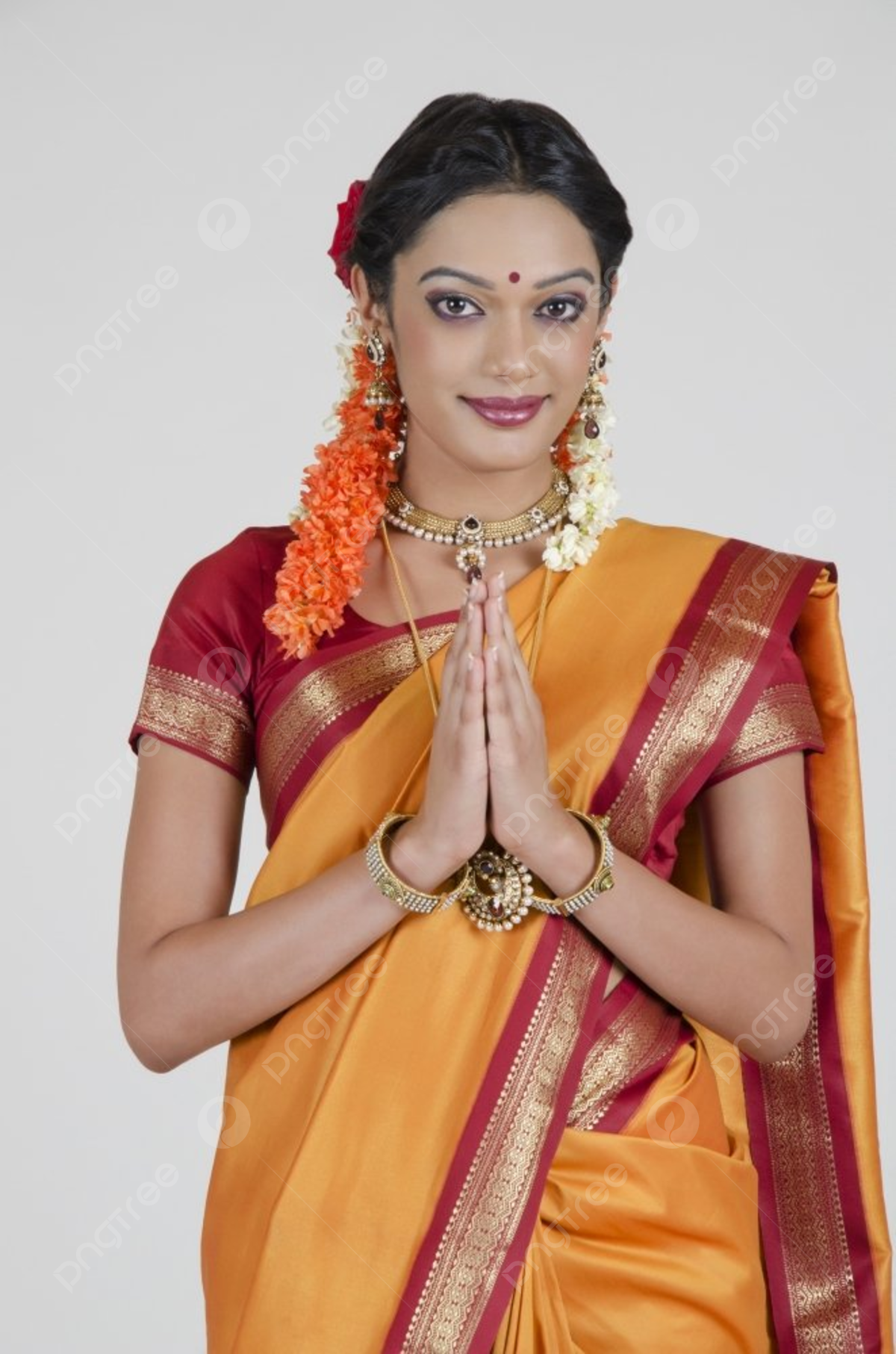
Whole Dude – Whole Greeting: Defining Indian Identity – The Traditional Greeting.
Whole Dude – Whole Greeting: Om, Namah Sivaya – The Five Letter Mantra – Traditional Indian Greeting-Namaskar

TheTradition of Respect and Obedience: 

Whole Dude – Whole Greeting: Defining Indian Identity – The Traditional Greeting

Deuteronomy, 5th Book of Moses, The Old Testament, The Holy Bible: Chapter 10, verse 16:

“Circumcise therefore the foreskin of your heart, and be no more stiff necked.”

The word ‘Namah’ means one that bends which implies obedience. The one word ‘Namaskar’ represents the full spectrum of the legacy of India’s Culture.

Namah Shivaya:

Whole Dude – Whole Greeting: Defining Indian Identity – The Traditional Greeting. Five Letter Mantra for Learning. AUM NAMAH SHIVAYA. Namah is the most used Sanskrit word in all human interactions, worship, and the Learning Process.

I shall begin this entry with a traditional greeting. As a kid I was trained to greet and acknowledge others. The greeting is called ‘Namaskar’ or ‘Namaste’. I would begin by greeting all of you who may read this entry with my ‘Namaskar’. Namaskar is the essence of our Culture and this single word can represent the full spectrum of our Cultural legacy.

Whole Dude -Whole Greeting: Defining Indian Identity – The Traditional Greeting. Lieutenant General T A D’ Cunha, Director General of Ordnance Services is seen saluting the Corps Colors in this photo image taken during AOC 8th Reunion Celebration at AOC Centre Secunderabad.

I served in Uniform. The lesson I grasped is that to Salute is the foundation upon which the entire structure of military discipline is built.Service in the Armed Forces depends upon team work.The team structure depends upon the ability of team members to recognize and acknowledge each other at all times. I salute to acknowledge the person as a member of my team. Army accomplishes great things only when the team members follow this ground rule for their conduct and behavior. Namaskar is the tool given to me by the Culture of my Land and this tool shapes my attitude and personal behavior and this tool helps me to attain my life’s goals.

Defining Culture:

Whole Dude – Whole Greeting: Defining Indian Identity – The Traditional Greeting. Namaskar

Culture is defined as learned or acquired behavior in contrast to biological behavior which is genetically endowed. Human Culture is defined as learned behavior acquired by individuals as members of a social group.Culture denotes a people’s heritage of custom and belief. It is a system of ideas that has been transmitted down through the generations. It includes assumptions about the world, about life and existence, rules and ways to act, goals and ways of achieving them. People’s ideas about ways to live may shape the ways they actually do live.Beginning at birth, each individual is encultured by a body of norms governing behavior and other knowledge that the society has. Thus Cultural Heritage can be defined as the sum total of human knowledge and acquired behavior.

Whole Dude – Whole Greeting: Defining Indian Identity – The Traditional Greeting Namaskar

Namaskar represents the essence of my Cultural heritage. Culture gives people a sense of personal identity. Defining that ‘identity’ helps in understanding the Culture. Namaskar is the behavior I learned and Namaskar defines my ‘identity’. It is a behavior transmitted to me through the generations.

Culture of the Land:

Whole Dude – Whole Greeting: Defining Indian Identity – The Traditional Greeting. The Land of India or Bharat Varsha is traditionally identified as ‘KARMA KSHETRA’ or ‘KARMA BHUMI’.Human Existence is operated by the ‘Law of Karma’.

The Land of India in our Culture and tradition is referred to as the land of Bharat. My purpose is to learn the ideas and thoughts that have found their roots in this particular Land. Ideas and thoughts help in developing and defining our attitudes.Our attitudes are reflected in our behaviors.The behavior which springs from the seeds of ideas and thoughts that were planted in the soil could be described as the Culture of the Land. The ancient Hindu Scripture known as Rig Veda has recommended that we should keep our minds open to receive noble thoughts from all directions. I studied Natural Sciences and I gained much of my information from ideas and thoughts expressed in books that were published in the West.The basic idea and thought that I had received was that we need to carefully sort out the information that we gather. Assimilation of information would be possible only when facts are considered in a systematic manner. I learned about plants and animals as a part of my study called Biological Science. Living things are connected and are related to each other.This interconnectedness and the interrelatedness describes the ecological system.There is a great amount of diversity in nature.To understand living things, we need to group them and learn about them as a part of an ecological system. We can not understand existence if we look at individual creatures.The reactions between the players of a given geographical area gives a better understanding of life and existence. I would like to use this kind of scientific tool to identify ideas and thoughts.Some ideas and thoughts could be assigned to a particular land in the same manner that a natural scientist would identify some species are ‘NATIVE’ and others as ‘NON-NATIVE’ in the description of an Ecological System. To prove that an idea is culturally derived, we need to demonstrate that the idea is transmitted through generations.To arrive at ideas that originated in the Land of India, I would prefer to obtain a sense of direction from my great grand mother, my grand mothers and my mother. If an idea was not known to them, it may not be a part of my cultural legacy. If they had known very little, I would deem it as my good fortune and that little is my whole inheritance. Namaskar thus represents the best of my acquired knowledge.

The importance of Namaskar:

Whole Dude – Whole Greeting: Defining Indian Identity – The Traditional Greeting

The word Namaskar is usually accompanied with the action of joining hands and bringing them together in front of the body with the elbows flexed and the neck slightly bent forwards.The joining of hands symbolizes respect and the bending of the neck signifies obedience. A person with ‘stiff neck’ is generally considered to be disobedient, rude, arrogant or proud. Respect can not be shown if the person does not display an attitude of obedience.The very essence of Indian Culture can be stated as that of showing respect and obedience. This is the most important behavior that is expected of every one. It is not merely about showing respect and of obedience to the Gods that people worship. Even the Gods that people worship also implicitly observe the rule about showing respect and obedience.This social expectation rules every relationship and activity. It is the basic expectation, let it be parent-child relationship, husband-wife relationship, teacher-student relationship, employer-employee relationship, the Ruler and the subject relationship, the relationship between siblings and even between friends. Respectful conduct is expected while receiving guests, while dealing with any elderly person even though the person may not be related. In addition, several plants, trees, birds, animals, rivers, the sea and the the hills and mountains enjoy a special status and are treated with great respect.This social behavior is encouraged at all times and specially kids are trained and tutored to display this behavior. I grew up in India and my childhood is shaped by learning this behavior. Also my culture has given the freedom of choice. I am free to worship several entities in addition to God. If I am not inclined to worship God, I may choose a living person, a plant, a tree, an animal, some element of nature or even a name and shapeless stone and I am free to worship that object with the same and similar amount of respect that one may give to God.The Gods of my Culture would not get angry or jealous if I am totally preoccupied with showing respect to an object of my choice. Most people of the Land of India get used to showing respect to a variety of objects.

Showing respect and obedience is considered as the most important learning tool to acquire humility. Through humility, the individual can subdue his ‘ego’. Ego is viewed as a great obstacle in the pursuit of self-knowledge. Self-Knowledge is the chisel that lets an individual to break the shackles of all attachments. Freedom from all attachments is described as Moksha or Liberation and as Mukti or Release.This cultural norm of showing respect and obedience and the use of Namaskar would help us in attaining life’s goal or to realize man’s purpose in life.

Defining Indian Identity – The Traditional Greeting provides the tool to learn the cultural values of respect and obedience.

Whole Dude – Whole Ganges

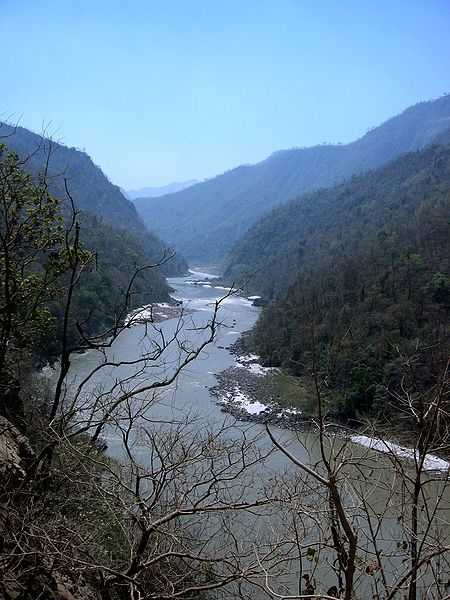
Whole Dude – Whole Ganges: Defining Indian Identity – The Spirit of Nationalism. Mother Ganges is the Spirit of the Nation called India or Bharat.
Whole Dude – Whole Ganges: The Spirit of India

“….The Ganges,above all is the river of India,which has held India’s heart captive and drawn uncounted millions to her banks since the dawn of history.The story of the Ganges,from her source to the sea,from old times to new,is the story of India’s civilization and culture,of the rise and fall of empires,of great and proud cities,of adventures of man….”  

Discovery of India, Jawaharlal Nehru  

Whole Dude – Whole Ganges: Jawaharlal Nehru, India’s First Prime Minister speaks eloquently about River Ganges shaping the lives of Indians throughout History. Mother Ganges is the Spirit of the Nation.

Jis Desh Mein Ganga Behati Hai (The Country Where River Ganges Flows)

Whole Dude – Whole Ganges: WHAT IS INDIA? INDIA IS DEFINED AS THE LAND OR COUNTRY WHERE RIVER GANGES FLOWS. INDIA CAME INTO EXISTENCE WHEN GANGES STARTED FLOWING THROUGH THIS LAND. RIVER GANGES IS THE SPIRIT OF THIS NATION

Raj Kapoor won Filmfare’s Best Actor Award in 1961 for his portrayal of ‘Raju’, a song writer, in his film titled ‘Jis Desh Mein Ganga Behati Hai’. The picture was released during 1960 when I was twelve years old and was studying in VI-Form (S.S.L.C. Class of March 1961) in Danavaipeta Municipal High School, Rajahmundry, East Godavari District, Andhra Pradesh, India.We had a beautiful marble statue of Mahatma Gandhi right in front of our school.I studied Indian History as part of my school curriculum.I used to score well in my History tests. It was not too difficult for me to remember all those dates,names and other facts that constitute the subject matter of History. I have a deep sense of appreciation for all those leaders who orchestrated the political struggle against the British Rule.The Freedom Movement did indeed foster a sense of purpose and united people to achieve a common goal. It could be true that the fight against the Colonial powers gave a sense of Identity and very often the freedom fighters were called ‘Satyagrahis’. I have great admiration for their sense of patriotism and I am ever grateful for the sacrifices they made to win our independence. I saw this movie ‘ Jis Desh Mein ‘ just once and may have heard the title song on the radio on a few occasions.But the song , “Hotoan pe sachhai rahati hai, jahan dil me safaai rahati hai, Hum uss desh ke vaasi hai, Hum uss desh ke vaasi hai, Jis Desh Mein Ganga Behati Hai” never faded from my memory. 

Whole Dude – Whole Ganges: Defining Indian Identity – Mother Ganges is the Spirit of the Nation called India or Bharat

Ten years after seeing the movie, in the year 1970, at the age of 22 years , I was granted President’s Commission and joined the Indian Armed Forces in the rank of Lieutenant.While joining Service,we accept the risks that naturally accompany such an occupation and reflect upon the motivation that shapes the decision.I understand that the Freedom Struggle was important but that Struggle does not define my sense of National Identity.I have known that the country that we call India has existed long before the invasion by the Mughals,the country that we call India has existed during centuries of British Rule and now the country that we call India exists in spite of the changes in the political landscape and the political fortunes of the Parties that we elect from time to time. My sense of National Identity is not dependent upon the political history of our country. My sense of National Identity does not depend upon the language that I speak at home and it is not related to the regional customs pertaining to food or dress. I have known my country from its Cultural Traditions. In 1970,I joined the Indian Army to defend the country which lives in my mind as the Land where River Ganga flows.

Whole Dude – Whole Ganges: Mahatma Gandhi is revered as the Father of the Nation and had promoted the Spirit of Nationalism during India’s long Struggle for Freedom. But, Mother Ganges is the Spirit of this Nation called India or Bharat.

In my opinion, the country that we call India is not a mere political entity. It is true that India gained its political freedom in 1947. The country is existing ever since the River Ganges started flowing across its Land. 

I am not surprised that the song “Jis Desh Mein” still plays and I still hear the golden voice of immortal Mukesh, whenever my heart dreams about India. Most certainly, the Spirit of Nationalism is inspired by a history which reaches back to a period earlier than the British occupation of India.

Jis Desh Mein Ganga Behti Hai Lyric

Whole Dude – Whole Ganges: Defining Indian Identity – Mother Ganges is the Spirit of the Nation called India or Bharat.

hothon pe sachchaaee rahatee hain, jahaan dil mein safaee rahatee hain
hum us desh ke waasee hain, jis desh mein gangaa bahatee hain
hothon pe sachchaaee rahatee hain, jahaan dil mein safaee rahatee hain
hum us desh ke waasee hain, jis desh mein gangaa bahatee hain
mehmaan jo humaaraa hotaa hain, wo jaan se pyaaraa hotaa hain
jyaadaa kee nahee laalach hum ko, thode mein gujaaraa hotaa hain
thode mein gujaaraa hotaa hain

bachchon ke liye jo dharatee maan, sadiyon se sabhee kuchh sahatee hain

hum us desh ke waasee hain, jis desh mein gangaa bahatee hain

kuchh log jo jyaadaa jaanate hain, insaan ko kam pahachaanate hain

ye poorab hain, poorabawaale, har jaan kee kimat jaanate hain
milajul ke raho aaur pyaar karo, ik cheej yahee jo rahatee hain

jo jisase milaa sikhaa hum ne, gairon ko bhee apanaayaa hum ne
matalab ke liye andhe ho kar, rotee ko nahee poojaa hum ne
rotee ko nahee poojaa hum ne

ab hum to kyaa saaree duniyaan, saaree duniyaan se kahatee hain

hum us desh ke waasee hain, jis desh mein gangaa bahatee hain

Whole Dude – Whole Ganges: Defining Indian Identity – Mother Ganges is the Spirit of the Nation called India or Bharat.

Whole Dude – Whole Baptism

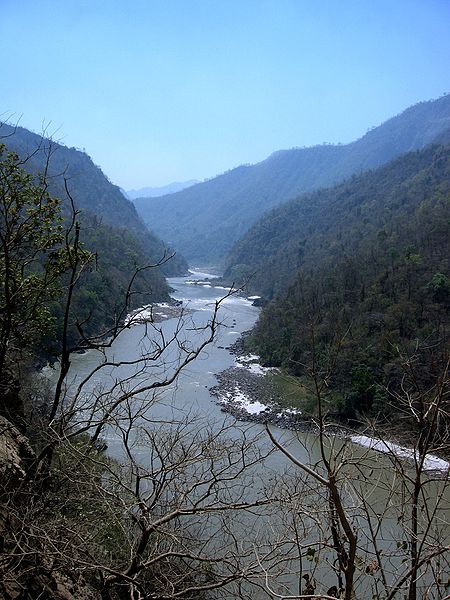
Whole Dude – Whole Baptism: Defining Indian Identity – The Tradition of River Worship. River Godavari at Rajahmundry
Whole Dude – Whole Baptism: Defining Indian Identity. The tradition of River Worship. River Godavari at Rajahmundry.

CULTURAL UNIFICATION OF INDIA – THE PRACTICE OF TIRTHA SNAN ( BATHING IN HOLY RIVERS )

Whole Dude – Whole Baptism: Defining Indian Identity. The tradition of River Worship. River Godavari at Rajahmundry.

Water plays an important role in a variety of Cultures and religious practices prevalent in this world.The role of water constitutes one of the most remarkable aspects of Indian religious life. Hindu religion is often described as Sanatana Dharma. The practice of bathing in a river is an unusual example of the continuance of an ancient tradition and hence I can refer to the practice of Tirtha Snan (The ritual of River Bathing) as “Sanatana” (of great antiquity) in its origin. Simply touching water is a purifying gesture in the Vedas. Pilgrimages (Tirtha Yatras) to holy rivers (Tirtha) was already known in Vedic and Epic times and it remains extremely popular up to the present day. In fact,my impression is that the practice has become more popular and a far greater number of people are participating due to the availability of modern time conveniences for travel and lodging.The news media consistently report that our river festivals such as “Kumbh Mela” and “Pushkarams” have established world records as the largest gathering of human beings upon this earth in one single day and for one single purpose.

The sacredness of a place is often due to the sanctity it derives from its location on the bank of a holy river (Tirtha Sthan or Tirtha Kshetra). The following verse is an example of such belief. The simple act of remembering the various places that River Ganges traverses through, is equivalent to the worship of all Gods and it bestows great blessings (Punya).

Tatra tatra sthita Ganga, Sarva Punya phala prada

Bhaveth smarana maatrena, Sarva Deva namaskruta.

Apart from bathing (Snan), holy waters are used in the ritualistic worship of deities,and the water used in the worship is used to sprinkle upon the heads of the devotees and also consumed by the devotee in acceptance of the blessings from the Deity. The devotee hopes for deliverance from sin or pollution (“Paap”), seeks preservation or enrichment of his religious merit (“Punya”), hopes for a reward such as rebirth in a heaven (“Swarg Lok”)and even total emancipation (“Moksha or Mukti”). There are instances when people had actually traveled to the holy city of Varanasi to die near the holy River Ganges. More often, the cremated remains, the ashes are carried by the loved ones and are physically sprinkled and immersed in the holy rivers such as Ganges to help the onward journey of the departed soul.

Whole Dude – Whole Baptism: Defining Indian Identity. The tradition of River Worship. River Godavari at Rajahmundry.

The worship of rivers and the practice of bathing is a belief that is connected with the traditional Indian views of earthly life. Indians believe in the theory of Karma. They believe that the acts of their present lives and their past lives would be a factor that determines the condition into which a being is reborn. The Karma binds the soul and compels it to go through an endless series of births and deaths. The cycle of birth, death and rebirth is called Samsara. In my previous entry, I described the fear of Samsara as the defining attribute of Indian Identity. The practice of bathing in a holy river is an example of the doctrine of Individualism. Even when millions of people travel and gather together to bathe in a river on one day, each is acting strictly to earn his own merit and to reap his own benefit and the community does not expect any share of the rewards that the bather may be granted. I bathe and wash my own sins and I can not be of any help to others if they carry the burden of their own sins. Each person has to accept individualistic responsibility for their own actions and if necessary they can seek help from others to get to the river and ask for assistance to bathe in the river.

Whole Dude – Whole Baptism: River worship appears to be a communal event but its usefulness is strictly individualistic in nature.

River worship appears to be a communal event but its usefulness is strictly individualistic in nature. Bathing is not viewed as a simple act of personal hygiene, it constantly reminds us of the need to seek purification and makes us aware of our responsibility for own actions and challenges us to face the consequences in our future lives. People are encouraged to seek the blessings that bathing in holy rivers would contribute even while they may be showering at home. The following verse is an example of our connection to the rivers that flow across our Land.

गङ्गे च यमुने चैव गोदावरि सरस्वति ।
नर्मदे सिन्धु कावेरि जलेऽस्मिन् संनिधिं कुरु ॥

Gange Cha Yamune Chaiva Godavari Saraswathi

Narmade Sindhu Kaveri Jalesmin Sannidhim Kuru

Meaning:
1: O Holy Rivers Ganga and Yamuna, and also Godavari and Saraswati,
2: O Holy Rivers Narmada, Sindhu and Kaveri; Please be Present in this Water (and make it Holy).

My introduction to River Worship

Whole Dude – Whole Baptism: Defining Indian Identity. The tradition of River Worship. The celebration of Godavari River.

Culture represents ideas and thoughts transmitted by one generation to the next. It indeed gives me a great pleasure to recall my learning of this unique Cultural Tradition while I lived at my Grandfather’s mansion in Innespeta of Rajahmundry town in East Godavari District of Andhra Pradesh. During 1950s, I lived with my parents,two brothers, grand mother, her sister and my great grand mother. The house had bath rooms and we had regular piped water supply from the municipality. We would generally shower at home and on important festival days, we would bathe in River Godavari. My great grand mother was an exception to this bathing practice. She firmly believed in the practice of river worship and adhered to it every single day and almost till her final days of earthly existence. She was of short stature and she was already in her ninety’s and due to her age, her spine curved and made her even smaller. Her vision had deteriorated and she was able to see only a few feet ahead of her. Our house was located at the corner of Kalabargivari Street and the Ramalayam street.The Lord Sri Rama Temple of Innespeta is a well known land mark and it stands next to the protective river embankment. The river bank is fairly wide, it includes the railway tracks and a motor-able road. Much later, the second rail cum road bridge was built across Godavari River using these railway tracks. My great grand mother would walk to the river all by herself and used a walking stick to support herself. The walk to the river is short but she faced a lot of dangers on the street. Those days, the vehicular traffic was not a problem and crossing the railway tracks was not a problem. The biggest threat was posed by the stray animals such as goats and cows that roam freely on the streets. She was practically defenseless. As young boys at home, myself and my elder brother were often given the chore of escorting my great grand mother during her walk to the river. When we followed her as her escort, the animals always behaved better and would not come to attack her. The reward myself and my brother Pratap reaped was that of getting into the emerald green, crystal clear, cool waters of River Godavari and frolic in the shallow waters as my great grand mother did her worship. But for my great grand mother’s tenacity and perseverance, myself and my brother would never have ventured to make a trip to the river in the morning.

Whole Dude – Whole Baptism: Defining Indian Identity. The tradition of River Worship. Pilgrims at Godavari River.

It was a joyful experience and the Tradition of River Worship gave us some very fond memories of our life in Rajahmundry. The following verse speaks of the importance that we attach to rivers of India and they are treated with great respect as they are deemed to be the same as Ganges:

Whole Dude – Whole Baptism: Defining Indian Identity. The tradition of River Worship.

Kaveri,Tungabhadra cha, Krishnaveni cha, Gautamee 

Bhagirathi cha vikhyata, Pancha Ganga prakirtita.

Whole Dude – Whole Baptism: Defining Indian Identity. The tradition of River Worship. River Godavari Bridge in Rajahmundry.
Whole Dude – Whole Baptism: River worship appears to be a communal event but its usefulness is strictly individualistic in nature.

Whole Dude – Whole Name


Kapaleeshwarar temple in Mylapore, Chennai.
Whole Dude – Whole Person: The Making of a Whole Name for the Whole Person. The Choice of the Name is predestined by the Science of Light called Jyotish .
Whole Dude – Whole Person: The Making of a Whole Name for the Whole Person. The Choice of the Name is predestined by the Science of Light called Jyotish.

The name ‘ Indian ‘ is related to the great river Sindhu which is also known as Indus. In 1492, Christopher Columbus sailed westwards towards setting sun to reach the shores of India. He discovered people living on islands whom he had mistakenly named as Indians. Apart from those island dwellers, the natives of the entire American continent, the so-called New World were named Indians. In spite of concerted efforts to rename them as Native Americans, the name Indian is still in use.  

Name is a very important tool to describe personal identity. The word name as a noun, describes a person, place or thing. It is also a word or words by which an object of thought is known. Indians did not choose the name India or Indian. However, the people of our Land of BHARAT, are extremely fond of choosing names. This fondness for selecting, using and remembering names is an important Cultural attribute which defines our identity. In my case, the choice of the Name is predestined by the Science of Light. Earthly events have celestial connections.  

The Tradition of Giving Names:  

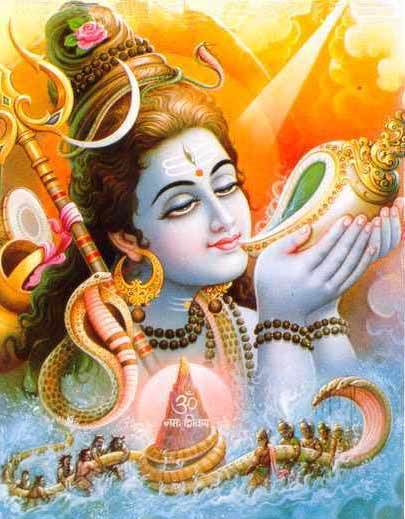
Whole Dude – Whole Person: The Making of a Whole Name for the Whole Person. Lord Shiva is known as Rudra, Neela Kantha, Pasupati and several other names. This fondness for selecting, using, and remembering names is an important cultural attribute which defines Indian Identity. The Choice of my Name is predestined.

The name ” Rudra ” is one of the earliest names known to humanity. According to legend, the Vedic God Rudra acquired His name from His Creator Brahma. As per the story, a boy was seen ‘crying’ and ‘wandering’. The father had asked the boy the reason for his ‘howling’. The boy had answered that he was ‘weeping’ for he was not given a name. So, the father created a name by bringing together two Sanskrit words which mean ‘crying’ and ‘wandering’. Thus the name Ru+dra was born. This legend is an example of our emotional dependence upon the need for names. The major Deities such as VISHNU and SHIVA that Indians worship are known by thousands of names and remembering those names is deemed as an act of devoted worship. The use of these names is a fundamental right and I understand the term religious freedom in the context of my freedom to choose the name that I would worship. The religious experience that I had gained while growing up in India relates to the use of names as an act of worship. Worship would have no meaning or purpose and would not give me a sense of direction if I do not remember the beautiful names that I have come to know.  

A Personal Name and a Personal Story:

This landmark Temple of Kapaleeswara binds me to my birthplace of Mylapore, Madras(Chennai). The Presiding Diety of this Temple is chosen as my personal Protector and hence I am given the name of "RUDRA".
Whole Dude – Whole Person: The choice of my Name is predestined. This landmark Temple of Kapaleeswarar binds me to my birthplace Mylapore, Madras (Chennai). If my birthplace had been different, my Name would have been different. The Presiding Deity of this Temple is chosen as my personal Protector and hence I am given the name of RUDRA.

My personal name is very much a part of my personal story. If my birthplace had been different, my Name would have been different. My Name is chosen entirely due to the circumstances of my birth and I remain connected to the persons and the places for the rest of my life. I describe MYLAPORE of MADRAS city (CHENNAI) as my birth place and I describe RAJAHMUNDRY of East Godavari District as my native place.

Whole Dude – Whole Person: MY IDENTITY AND MY CONNECTION. I CALL MYSELF AS ‘REBBAPRAGADA’; MY MOTHER BELONGS TO THE ‘KASTURI’ FAMILY. THIS IS A PICTURE OF KASTURI BROTHERS. FROM LEFT TO RIGHT, 1. DR. KASTURI NARAYANA MURTHY, M.D. (MY MATERNAL GRANDFATHER), 2. KASTURI. SESHAGIRI RAO (MARRIED TO MRS. RUKMINI, DAUGHTER OF DR. SARVEPALLI RADHAKRISHNAN), 3. KASTURI NARASIMHA RAO, 4. KASTURI KRISHNA RAO, 5. KASTURI SOMESHWARA RAO, 6. KASTURI RAMACHANDRA RAO, AND 7. KASTURI SIVAPRASADA RAO (FAR RIGHT).
My mother had given birth to me at my maternal grandfather’s residence 2/37  KUTCHERY road in Mylapore. Corporation of Chennai, Public Health Department entered my birth in the Birth Register and issued a birth certificate which records my gender, the date and time of my birth, the place of my birth, the names of my father and mother, the registration number and it does not show my name as my parents did not give me a name while reporting my birth.

Whole Dude – Whole Person: My paternal grandfather. The family astrologer who had prepared my horoscope predicted an inauspicious event and the prediction came true five months after my birth. But the prediction did not deter my grandfather in any manner. My grandmother whose name I had acquired told me that my grandfather had loved me with all his heart without any concern about the astrological prediction.

I spent the years of my early childhood at my paternal grandfather’s mansion in INNESPETA of Rajahmundry, East Godavari District of Madras Presidency and later Andhra Pradesh, India.

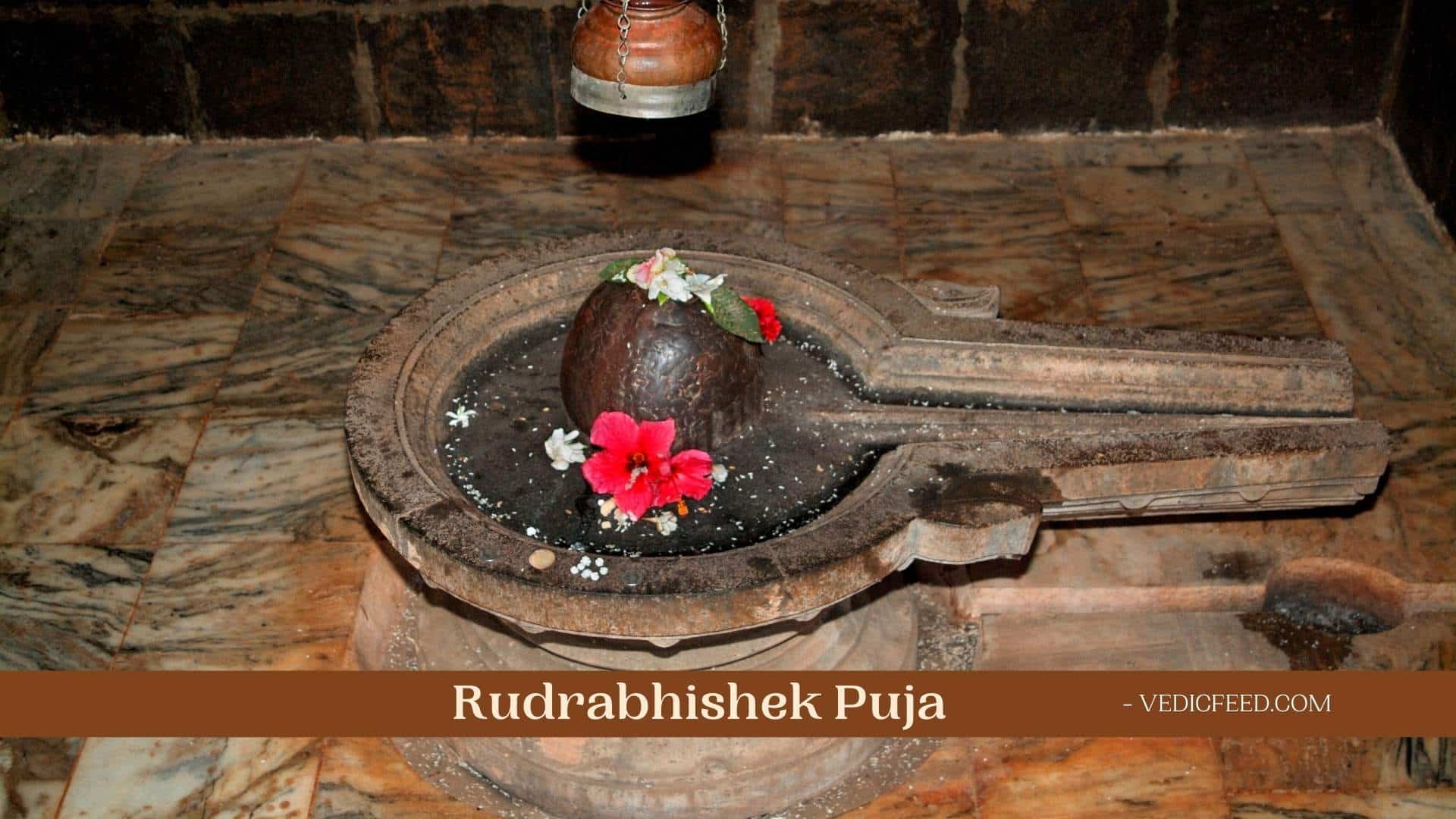
As per the traditional belief and the practice of Vedic Astrology known as Jyotish (Science of Light),  my birth star predicted and warned about some forthcoming inauspicious events. The astrological calculations suggested that remedial action is needed to counter the negative aspects of the birth star. Accordingly, my father had performed a ritualistic worship popularly known as Rudra Abhishekam  and worshiped Lord Shiva at the beautiful KAPALEESWARAR temple of Mylapore. To ensure that I would always enjoy the blessings of Lord Shiva, my father decided to name me as Rudra. Hence, the name of Rudra instantly connects me to my birth place of Mylapore and to KAPALEESWARAR as my personal protector.

Whole Dude – Whole Person: What’s in a Name? The making of a Whole Name for the Whole Person. The choice of the Name is predestined by the Science of Light called Jyotish.

My birth star also had forewarned about consequences that would impact my paternal grandfather. There was no easy escape from the influences and the second part of my personal name was carefully chosen to please my paternal grandmother, Srimati. Lakshmi Narasamma. Because of the gender variation, the name Narasamma got transformed to Narasimham. This name immediately connects me to the Laws of Karma.

Whole Dude – Whole Person: The Making of a Whole Name for the Whole Person. The choice of the Name is predestined by the Science of Light called Jyotish.

These names are well-known and particularly in the southern States of India, the name Narasimham or variations of that name are frequently used. As long as I remain a conscious entity, my grandparents live in my consciousness. Astrology or Jyotish may not be a perfect Science. Horoscopes may not predict the future course of events in a person’s life. I exist in this world and I am known by a name which was specifically selected for me because of the predictions cast by my horoscope and the prediction came true and  I find enough justification for this Indian Cultural Tradition called Jyotish.   

Whole Dude – Whole person: The Rebbapragadas Group describes people related to this group of people and others connected to Rebbapragadas.

 A unique name and a unique perspective:  

In 1965, I joined Kurnool Medical College after I obtained a Bachelor of Science degree from Osmania University, Hyderabad. At Kurnool, a batch of B.Sc., degree students were directly admitted into the second year of the medical education program that awards the M.B.B.S degree. Professor Rama Murthy of the Anatomy Department was very fond of knowing and recognizing each of his students by their personal names. On the first day of our Anatomy class, the attendance register was not ready and Professor Rama Murthy had decided to call out names from the list of selected candidates. He very solemnly announced to the class that the roll call begins with a very angry and fiery name. We were intently listening to know what that name could be. Apparently, the list of selected students was prepared according to merit and my name was placed at the top of the list. He called my name and expressed his sense of disbelief. He asked me to verify my name and told the class that it was the first time in his life that he encountered a person with the personal name of Rudra Narasimham. His statement appears to be right and I have not known any other person who may have the same name. It is one of its own kind and is unique and special and these two names were put together to establish me as a Whole Person. 

Whole Dude – Whole Person: Socrates implored people to ‘know thy self.’ He had stated that the unexamined life is not worth living. Understanding life involves understanding personal identity and name is a word by which an object of thought is known.

The name Rudra, the first part of my first name is related to SHIVA who is recognized as the God of Learning. Shiva is like Socrates. Socrates of 5th century B.C. is claimed to be the father of western thought. He had implored people to “know thy self.” Socrates had stated that the ‘unexamined life is not worth living’. Shiva guides me to reflect upon life. Shiva encourages introspection, reflecting upon your own mind and thoughts. Shiva defines that the purpose of learning is to acquire the ability to think for oneself.

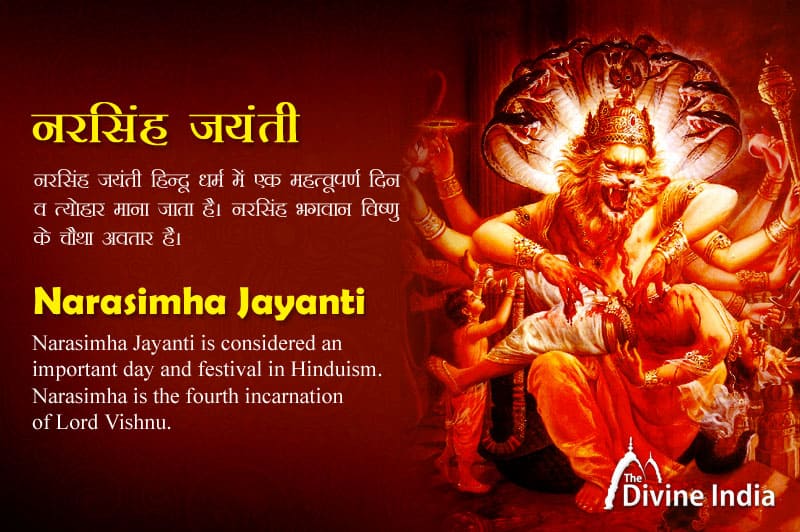
The name Narasimham represents to me a Whole Person who defends my right to choose the Name for my worship. The story about  PRAHLAD represents the Cultural importance attached to personal choice in matters of religious worship. Names of persons, places and the legends form a part of Cultural legacy of our Land and define the Indian Identity described by the Name Bharat. 

Whole Dude – Whole Name – The Making of a Name by the Science of Light. The performance of Rudra Puja at Kapaleeswarar Temple, Mylapore, Madras, Chennai was predestined.
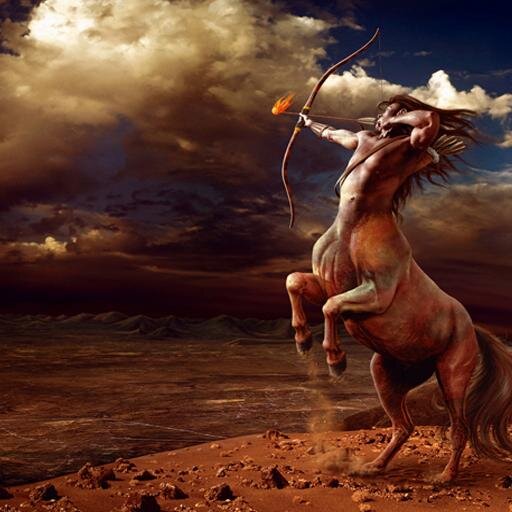
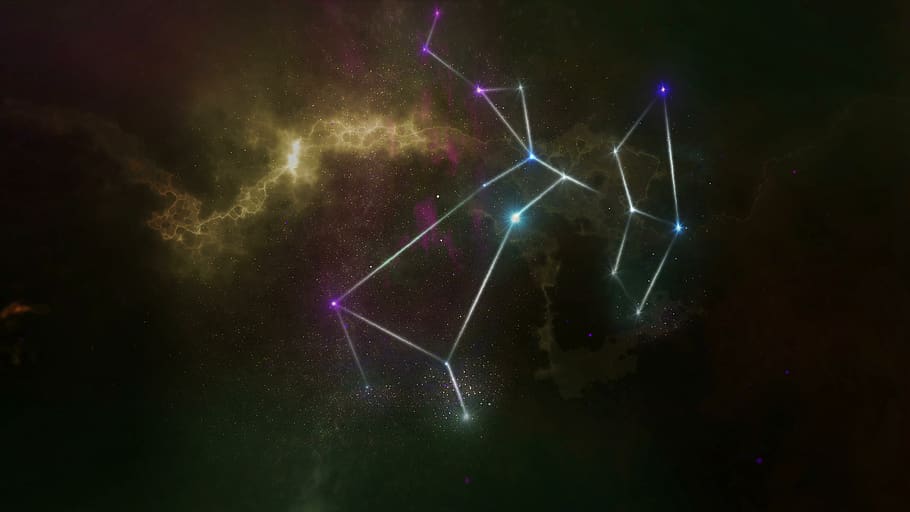
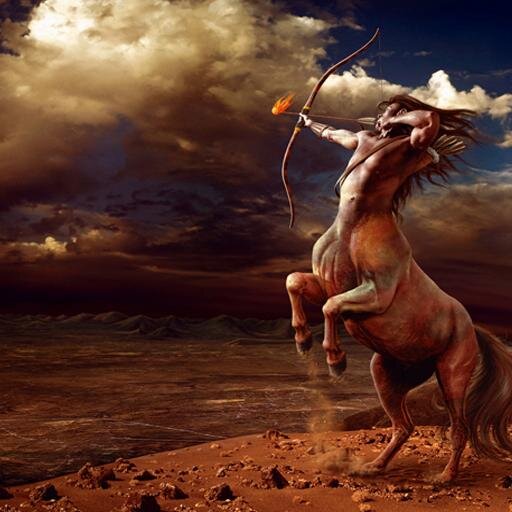
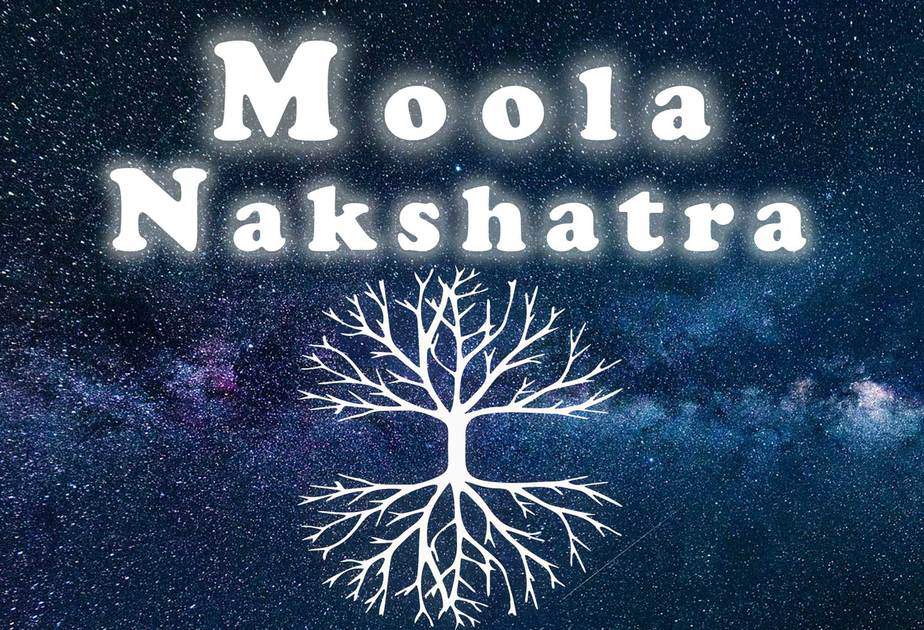
Whole Dude – Whole Name – The Making of a Name by the Science of Light. Moola Star belongs to the Sagittarius constellation.
Whole Dude – Whole Name – The Making of a Name by the Science of Light. Moola Star of Sagittarius constellation.
Whole Dude – Whole Name – The Making of a Name by the Science of Light.

Whole Dude – Whole Learning

Whole Dude – Whole Learning: Defining Indian Identity – Idol Worship – A Learning Experience

Sri Raghavam Dasarathatmajam aprameyam  

Sita-patim Raghu kulanvaya ratna deepam  

Ajanubahum aravinda-dalayataksham  

Ramam nisachara vinashakaram Namami.  

Idol Worship – A Way of Life:  

Whole Dude – Whole Learning: Defining Indian Identity – Idol Worship – A Way of Life

Worship of idols and images is an part of daily life in many Indian homes. Long before its birth as a political entity, the Land of India was recognized by the outside world as a Land where people worship idols. The plurality of gods in daily worship is a way of life. Indian people worship idols and images of one or another of the innumerable gods in their homes, in public places as well as in temples.  

Childhood is a time of great learning experiences. A child imbibes Cultural values and learns Cultural traditions mainly at home while the child is dependent on and is educated by parents and other adults. Children acquire the Culture of the society they live in through a gradual learning process.  My childhood learning experience of idol worship occurred in two places. While I was in Mylapore (Madras/Chennai City), the day would generally begin with a small errand. Myself and my elder brother Pratap would go out with a basket and gather flowers by just walking around in the neighborhood. Every home would keep some flowering plants which are traditionally used in daily worship. We were fond of gathering a variety of flowers for my maternal grandmother’s morning worship. It was a pleasant task and the fragrance of ‘Parijatham’ flowers that we gathered still lingers in my memory. I also spent my early childhood in Rajahmundry at my paternal grandfather’s home in Innispeta. My grandmother would also worship the morning rising Sun before starting her idol worship. Very often, we wait in the courtyard and alert our grandmother when Sun shows up in the sky. During the monsoon season, one has to patiently wait for the rain clouds to drift and let the Sun come out. At the end of her worship, we were always ready to receive the offerings (PRASAD) and there was always a sense of pleasure while waiting for these daily morning treats. Childhood was spent in observing the adults and on special occasions, the children at home participate in the worship while the elders give directions. The worship at temples was done in the company of parents and elders.  

A Learning Experience from 1954:  

Whole Dude – Whole Learning: Defining Indian Identity – Idol Worship – A Way of Life

I was six years old and was a fourth class student at King George Elementary School, in Innispeta of Rajahmundry. One evening, just after it became dark, my father experienced sudden abdominal pain. The intensity of his pain was very severe and he was alarmed by his condition. As the pain persisted, he started pressing people to notify others about his predicament and I remember that he wanted that his younger brother (a doctor) who was then working in Nagpur City, should be alerted with a telegram. At one point of this painful state, my father had even asked that he should be laid on the floor in the anticipation of an impending death. My two elder brothers, Hari and Pratap, and myself watched this scene and were moved into action. At my eldest brother Hari’s initiative, the three of us proceeded to Lord Sri Rama’s temple which is located near the Godavari river bank, a short walking distance from our home. The temple was still open and had only a very few worshipers as night had set in. We stood before the idols in total silence and paid our respects with the traditional greeting of ‘Namaskar’. Temple worship is a simple act. You just need to come before the idol and you are not really required to speak out your concerns and spell out the reasons for seeking the darshan (viewing the idol). It took a couple of minutes and the priest graciously gave us a mango fruit as ‘prasad’. Those few minutes that I spent standing mutely before Rama’s idol at night-time, is the reason that I still remember and recall my father’s abdominal pain after a lapse of about fifty-three years. I went to the temple with a sense of anxiety and with a sense of expectation that visiting the idol of Rama would somehow help my father to get rid of that terrible pain. I silently communicated my concern to the idol and I received a response. The response that I received was that of reassurance and comfort. I felt immediately relieved of a burden and felt upbeat and the feeling was one of instant gratification. Myself and my brothers returned home from the temple. I wanted to tell my father about our visiting the temple and I wanted to assure him that he would be alright if he would take a few drops of the juice from the mango fruit that we received from the priest. When we got back, the scene had changed. I did not get a chance to speak to my father and offer him the mango fruit. He had a large vomiting and threw up the food that he ate before. It helped him, his pain started to subside and he could rest without further problems. We retired for the night and the next day was just a routine day at the school. We never discussed that painful episode again and the communication that I received from Rama’s idol got preserved in my memory and my family had no chance to know about it. 


Whole Dude – Whole Learning: LORD RAMA. His image or idol is worshiped by Indian people. Is that a false belief? Is that a superstition? What is true Worship?

The rest of the world may call my visiting Lord Rama’s idol as an act of superstition or false belief. My heart knows and my mind remembers that the idol gave me a sense of relief and comfort and my experience was real and genuine. Every one is welcome to take the place of that idol and if they are willing to be a source of comfort, and I am willing to have their darshan and worship them just like the idols that I would like to worship seeking a personal experience which is real while the basis for the belief is not easy to verify.  

Whole Dude – Whole Learning: The simplest form of Idol Worship involves standing before the Idol and greeting the Idol with palms pressed in front of you.

Whole Dude – Whole Etiquette

Whole Dude – Whole Etiquette: Goddess Sarasvati is known as the Goddess of Speech or Vag Devi and She symbolizes the importance of Speech Etiquette and Speech Discipline.
Whole Dude – Whole Etiquette: Mother India, or Bharat Mata is defined by Her Speech which is Sweet, Elegant, Pleasant, and gives pleasure and Happiness to all Her listeners.
Whole Dude – Whole Etiquette: India’s National Song, popularly known as ‘VANDE MATARAM’ was composed by Shri. Bankim Chandra Chatterjee/Chattopadhyay. It describes India’s Speech Tradition.

Bankim Chandra Chatterjee composed India’s  National Song BANDE MATARAM (“Hail to Thee, Mother”). “Vande Mataram” became the Mantra and slogan of people of India in their struggle for independence.

Whole Dude – Whole Etiquette: Defining Indian Identity. The Tradition of Speech Etiquette.

In the Song Vande Mataram, the Land of India is described as Suhasini, and Sumadhura Bhashini .Suhasini refers to a person who can speak in a pleasant manner without being rude or offensive and provide a sense of cheer and humor to the listener. Sumadhura Bhashini refers to a person who speaks good and sweet words which gives a sense of pleasure to the listener.  

Speech is the oral, audible expression of human language while talking. Man became characteristically human when he learned to speak. All human Culture and its propagation appears to depend on some form of language to serve as the vehicle for teaching, persuasion and tradition.

Speech is a very important aspect of human personality. Culture plays a significant role in the development of speech behavior. Particularly, in the Indian society, there are social expectations in the use of speech, speech mannerisms and in the observation of speech etiquette.The manner of speech is predictive of human behavior. Indians are expected to speak softly, in a sweet and pleasant manner. A loud-mouthed person is generally viewed as disrespectful, disobedient and disruptive. In the following poem, the famous Telugu Poet Vemana describes the importance of speech behavior. 

Whole Dude – Whole Etiquette: Telugu Poet, ‘SARVAJNA’, Yogi Vemana had described the importance of Speech Etiquette in a few simple sentences.

Sri Kumaragiri Vema Reddy is popularly known as Vemana, Yogi Vemana (Telugu: వేమన) was a telugu poet. C.P. Brown, known for his research on Vemana, estimates the year of birth to be the year 1652 based on some of his verses. Vemana was the third and youngest son of Gaddam Vema, then the king of Kondaveedu in Andhra Pradesh.

Whole Dude – Whole Etiquette: Defining Indian Identity. The Tradition of Speech Etiquette.

Brass can produce high volume sound as compared to Gold but we consider Gold to be a precious metal and value its high quality in spite of its lack of ability to generate a loud sound. People who are mean-spirited and low in virtue speak in tones that reflects a sense of arrogance and self-importance. People of high virtue and good character would speak in a gentle and pleasant manner that reflects a sense of humility and the listeners would be pleased by listening to the words spoken. While speaking, the pitch and the volume of the sound is less important and we need to focus on the contents of our speech and offensive words must never be spoken raising the volume of speech. 

Speech Etiquette and Indian Culture:  

Whole Dude – Whole Etiquette: Defining Indian Identity. The Tradition of Speech Etiquette.

Indian Culture describes “Saraswati” as the Goddess of Speech or “VAK”. She is known as VAG DEVI. Indians worship her to obtain fluency and to become eloquent speakers. Our identity is related to the quality and content of our speech. Speech mannerisms, speech etiquette and speech discipline are parts of the grooming process of the children in our homes. In fact, the Indian Tradition of Learning begins only after imparting the importance of Speech Etiquette in the learning Process. Children are generally counseled to use some restraint in their speech. There are several words and phrases that identify an Indian speaker according to their speech quality and content.The phrase ‘Su Bhasini’ directs us to use good and pleasing words. The phrase ‘Mita Bhasini’ directs us to speak to the point using only a few appropriate words. The phrase ‘Manjula Vani’ directs us to speak in a beautiful and elegant manner.

Whole Dude – Whole Etiquette: Indian Speech Etiquette is duly reflected in the Indian Traditional Greeting.

The Indian traditional greeting Namaskar or Namaste represents the devotion to showing respect and displaying an attitude of obedience in public conduct. We can only meet this Cultural expectation by using a manner of speech which would convey the qualities of respect and obedience.  

Whole Dude – Whole Etiquette: The Tradition of Speech Etiquette. Speech reflects the character of the person who is speaking.

Dr.Martin Luther King, the famous Civil Rights Leader of the United States wished for that day when his sons would not be judged by the color of their skin but by the content of their character. Similarly, a person’s identity should not be assumed by the person’s physical attributes but by his attitude and behavior. As an Indian, I wish to be identified not by the color of my skin. ‘Sumadhura Bhashini’ is the Cultural standard of our speech behavior. If you care enough, listen to me, my speech would reveal to you the country of my origin.  

Whole Dude – Whole Etiquette: Defining Indian Identity. The Tradition of Speech Etiquette.
Whole Dude – Whole Etiquette: Defining Indian Identity. The Tradition of Speech Etiquette. The Light reflects the traditions of Speech Etiquette.

Whole Dude – Whole Puja

Defining Indian Identity – Guru Puja. The Worship of Jagat Guru, the Great Teacher of the World.

THE TRADITION OF “GURU” WORSHIP (PUJA): 

Defining Indian Identity – Guru Puja. The Worship of Jagat Guru, the Great Teacher of the World.

Since Vedic times, in the Land of India, teachers are held in high esteem and the reverence is reflected in the following verse. According to my uncle, Capt.R. R. Rao, “there is no Mantra greater than this”:

Gurur Brahma, Gurur Vishnu, Gurur Devo Mahesvarah
Guruh Sakshaat ParaBrahma, tasmai Shri Gurave Namah.

Defining Indian Identity – Guru Puja. The Worship of Jagat Guru, the Great Teacher of the World.

 My Guru: 

Defining Indian Identity – Guru Puja. The Worship of Jagat Guru, the Great Teacher of the World.

After joining Kurnool Medical College in 1965, I started visualizing Lord Sri Krishna as my personal Guru.I had a pocket-size edition of Bhagavad Gita published by Gita Press, Gorakhpur, Uttar Pradesh, India.The book includes the verses in Sanskrit with its English translation.That format allowed me to read the verse in its original form and understand its purport through my own efforts.I had a hectic time at the School and was exposed to new information every day.

Whole Dude – Whole Puja: My Guru

Over four and half years time, I studied Physics, Human Anatomy, Human Physiology, Medical Biochemistry, Pharmacology, Microbiology, Pathology, Forensic Medicine, Ear, Nose & Throat diseases, Ophthalmology, Social & Preventive Medicine, General Medicine, Surgery, and Obstetrics & Gynecology. Simultaneously, I was reading one or more chapters from Gita every day and was slowly incorporating Krishna as my Guru. I was more attracted to His teaching of “Karma Yoga” and I would still consider Him as my Guru even if “Gita” is the only known contribution made by Him.

Defining Indian Identity – Guru Puja. The Worship of Jagat Guru, the Great Teacher of the World.

My other Guru:

Defining Indian Identity – Guru Puja. The Worship of Jagat Guru, the Great Teacher of the World.
Adi Shankaracharya has emphatically stated that his identity is neither that of Guru nor that of a student or disciple. I am not free to describe him as my Guru and I cannot call myself his disciple. I need to reflect upon my Identity and seek that Identity to experience the Reality.

Fortunately,I did not spend any time and energy to search and discover the right Guru.The choice was made for me the moment I arrived on this planet.I grew up in a family which followed the “Smartha” tradition established by Adi Shankaracharya. I have the freedom to designate Shiva as my personal Protector. I am free to choose Rama as my Benefactor.I seek favors from Sarasvathi in my pursuit of Pure Knowledge.I make the perilous journey across the ocean with encouragement from Hanuman. Ganesha assures me of success in my personal endeavors. In my struggles and battle of life, Krishna guides me to find the winning strategy. If I have to defend my self, I draw courage from Bhavani. I love to read and memorize the beautiful verses composed by Adi Shankaracharya. I would just quote a verse which my eldest brother,Prof. R. Subba Rao recognizes as a very powerful thought: 

Defining Indian Identity – Guru Puja. The Worship of Jagat Guru, the Great Teacher of the World.

Even after learning every thing that is humanly possible,we still need to desire and focus upon the lotus feet of the Master, the giver of Knowledge or the One who dispels ignorance. With the blessings from my other Guru,I describe my attitude about human existence as that of “Individualism.”

Defining Indian Identity – Guru Puja. The Worship of Jagat Guru, the Great Teacher of the World.

Na me mrtyu shanka na mejati bhedaha
Pita naiva me naiva mataa na janmaha
Na bandhur na mitram gurur naiva shisyaha
Chidananda rupah shivo’ham shivo’ham

I have no fear of death, no caste or creed,
I have no father, no mother, for I was never born,
I am not a relative, nor a friend, nor a teacher nor a student,
I am the form of consciousness and bliss,
I am the eternal Shiva…

My elder brother Pratap stressed about the importance of “Guru Krupa” (Master’s Compassion). My Guru’s Mercy is revealed to me in the fact that I am able to work seven days a week.I can very easily manage to work eighty or more hours per week on account of this Guru-Sishya relationship while I maintain that I am a mere Individual and I am neither a Guru nor a disciple. I do not experience any stress or mental fatigue on account of sixteen hour work schedules. At the same time, I am mentally alert and could indulge in a bit of creative writing every now and then. Apart from this ability to work 365 days each year while I am 59 years old, the following verse shows that they are advantages in having Krishna as personal Guru: 

Defining Indian Identity – Guru Puja. The Worship of Jagat Guru, the Great Teacher of the World.

bhagavadh giitaa kijnchidadhiitaa

gangaa jalalava kanikaapiitaa .

sakridapi yena muraari samarchaa

kriyate tasya yamena na charchaa

भगवद् गीता किञ्चिदधीता
गङ्गा जललव कणिकापीता .
सकृदपि येन मुरारि समर्चा
क्रियते तस्य यमेन न चर्चा .. २१..

Defining Indian Identity – Guru Puja. The Worship of Jagat Guru, the Great Teacher of the World.


Whole Dude – Whole Favorite

Whole Dude – Whole Favorite: Prince Karna my favorite Hero.

Dana, Veera, Soora  Karna (Generous, Brave and Courageous) is a man ‘True to his Salt’. But for his unflinching loyalty to his benefactor, the Story of Mahabharata would have been different. The Book of Matthew, Chapter 5, verse 13, reads, “You are the salt of the earth. But if the salt loses its saltiness, how can it be made salty again? It is no longer good for anything, except to be thrown out and trampled by men.” A man without character should be rejected.

Whole Dude – Whole Favorite: Prince Karna my favorite Hero. The New Testament Book, the Gospel according to Saint Matthew, Chapter 5 is popularly known as ‘The Beatitudes’. Verse 13, Jesus says, “You are the salt of the earth. But, if the salt loses its saltiness, how can it be made salty again? It is no longer good for anything except to be thrown out and trampled by men.”

THE ROLE OF CHARACTER IN DEFINING IDENTITY 

Dr. Martin Luther King wished for the day when his sons would not be judged by the color of the skin but by the content of their character. Character is defined as the combination of qualities or features that distinguishes one person, group or thing from another. Character is a description of a person’s attributes, traits or abilities. 

PRINCE KARNA – A TRUE HERO: 

Whole Dude – Whole Favorite: Prince Karna, a true hero.

In the Indian epic of Mahabharata, Prince Karna is allied with the enemies of the Pandavas. Karna is the first son of Queen Kunti and is the half brother to the Pandavas and is the eldest of them. However, Queen Kunti abandoned him after his birth and he is known as “ Radheya” and as ‘Suta Putra” as he grew up in the house of a charioteer. Karna sought a position at the court in Hastinapura. His identity as a low-caste person came in the way of his quest for knowledge and mastering the art of archery. Dronacharya the teacher of Kuru princes refused to teach him. Later, Dronacharya held an archery contest in Hastinapura and Karna was publicly humiliated as he was made ineligible to participate in the competition for he had no princely status. Duryodhana, the eldest of the Kaurava brothers came to the rescue of Karna to spare him from public humiliation. He immediately appoints Karna as the King of ‘Anga’ province and made him eligible to participate in the archery contest. Thus Karna became a true friend and a loyal ally of Prince Duryodhana. Karna fought for the Kauravas in the great battle at Kurukshetra. Because of the fear of the impending battle, Queen Kunti approached Karna and for the first time revealed her identity as his mother and addressed him as “Kunteya.” The true character of Karna comes out when he told his mother that he must fight the Pandavas but promised not to kill any of them other than Prince Arjuna. On the 15 th day of the battle, Karna was appointed as the Commander-in-Chief of the Kaurava forces. Karna braved impossible odds in his whole life and died with great courage, valor and honor. It was Karna’s fate to be sacrificed in a climatic battle with Arjuna. It is a death that is a reminder of the necessity of sacrificial destruction for redemption.

The dignity with which Karna conducted his life makes him my favorite hero and I claim Loyalty, Dependability and Trustworthiness as the bench marks of Indian Character and Indian Identity. 

ESSENCE AND EXISTENCE: 

Whole Dude – Whole Favorite: Prince Karna my favorite Hero. Salt enjoys a special status among all food substances that man consumes. The intimate connection of salt with the idea of a “COVENANT” or binding contract or binding relationship, as a mark of Loyalty and Faithfulness, between man and God and between man and man is recognized in all human cultures.

The essence of salt exists in its flavor and if salt loses its taste and flavor, its existence has no purpose and it would be discarded. A man has to define as to who he is, his true nature and his existence would be valued as long as he retains the flavor of his essence. The reality of existence is a prerequisite for having essence and a man of character and integrity would only exist to display his true nature. 

Whole Dude – Whole Favorite: Prince Karna is my favorite Hero. The Indian Army values Naam (Reputation, Dignity, Honor), Namak (Fidelity, Loyalty), and Nishan (the Symbols of National and Regimental Identity).

To many of us who have the privilege to serve in Uniform, nothing is really more important than being true to the Covenant of Salt or Namak which stands for our true nature or character. Many had cheerfully accepted the test of Loyalty and willingly sacrificed their precious lives in the discharge of their military duty and I am proud to describe this as our national character and as our true Identity. 

Whole Dude – Whole Favorite: Prince Karna my favorite Hero. Statue of Karna in Karan Tal Park, Karnal, Haryana.

Whole Dude – Whole Values

Whole Dude – Whole Values: Bharat, the Land of Cultural Values. Vande Mataram. Salutations to Mother India.

Bharat: The Land of Cultural Values:

Whole Dude – Whole Values: Bharat, the Land of Cultural Values.

Blessed are the meek, for they will inherit the earth”.

The Book of Matthew, Chapter 5,verse 5 of The Holy Bible teaches that humility has its own rewards. But, Bible fails to offer the tools to practice the Art of Humility.

Whole Dude – Whole Values: Bharat, the Land of Cultural Values

I inherited a sense of humility from the Land of Bharat.I consider humility as my acquired behavior and my Culture helped me to learn it through repeated practice and by giving me opportunities to display it in every aspect of my life. My Indian Identity is defined by this Cultural value. The ultimate purpose of life is defined as getting back to the Lotus Feet of the Lord. I am encouraged to touch and worship feet to reach my goal with a sense of humility. I began the process of learning with a sense of meekness. First I was directed to humble myself before Lord Shiva. I seek pure and perfect knowledge and humility is the light that shines on the path to wisdom. Humility is the gentle wind that dispels the dark clouds that prevent you from viewing the brilliant sun shining in the sky. Ego, like the cloud that causes darkness, could be driven away by learning to be humble. In my daily life, I am given the opportunity to humble myself several times.

Whole Dude – Whole Values: Bharat, the Land of Cultural Values

My living experience is full of interactions with objects which I am guided to treat with a sense of reverence. The Sun, the Sky, the Moon and the Stars, the Wind, the Earth, the River and Water, the Fire and the Light, the Mountain and the Hill, the Plants and the Trees, the flowers, the fruits, the grains and the orchards, the lion, the tiger, the elephant, the Cow, the Bull, the Monkey, the Eagle and the Peacock, the Snake, the Spider, the Rat and the changing seasons I view with respect. As a kid , my learning experience began with showing respect to my parents, my elders, my teachers and the idols and the images that receive worship. The essence of my learned behavior is humility. The Land has given me a sense of meekness and with that I may inherit the Identity of the Ultimate Reality.

Whole Dude – Whole Values: Bharat, the Land of Cultural Values. THIS ARTICLE IS DEDICATED TO THIS INDIAN LADY WHO SYMBOLIZES THE PRINCIPLE OF UNITY THAT APPEARS AS THE VERBAL SOUND OR SHABDA CALLED “ASMI” WHICH MEANS ALWAYS PRESENT, OR EVER-EXISTING.

Whole Dude – Whole Divine

Whole Dude – Whole Divine: Matru Devo Bhava. Tridevi, the Divine Trinity, or Three-in-One Concept of Motherhood. 1. Mother is the Original Source of the Living Matter, 2. Mother is the Original Source of Life Force, Prana or Energy obtained by oxidation of food, and 3. Mother is the Original Source of Consciousness and Intellect.

THE DIVINITY OF MOTHER  AND FATHER:  

Whole Dude – Whole Divine: The Divinity of Father and Mother

Jesus taught this prayer to His disciples and it is given in The Book of Matthew, Chapter 6, verses 9-13. ” Our Father in heaven, hallowed be your name, your kingdom come, your will be done on earth as it is in heaven…” In relation to God whom He called Father, Jesus claimed the unique and distinctive relationship of Son. In an absolute and unqualified way, Jesus claimed that He is the Father’s unique Son. “No one knows the Son except the Father and no one knows the Father except the Son” (MATTHEW 11:27). Jesus expresses this intimacy of relationship by addressing God as “ABBA”,  the word for father in Aramaic language. Nowhere in the literature and the prayers of ancient Judaism is this invocation of God as “ABBA” to be found. The final words of Jesus when He died on the cross were,” Father, into your hands I commit my Spirit ” (LUKE 23:46).    

The Divinity of Motherhood:

Whole Dude – Whole Divine: Matru Devo Bhava. Tridevi, the Divine Trinity, or Three-in-One Concept of Motherhood. 1. Mother is the Original Source of the Living Matter, 2. Mother is the Original Source of Life Force, Prana or Energy obtained by oxidation of food, and 3. Mother is the Original Source of Consciousness and Intellect. The Land where River Ganga or Ganges flows is known as India and the River defines Indian Identity.
Whole Dude – Whole Divine: Matru Devo Bhava. Tridevi, the Divine Trinity, or Three-in-One Concept of Motherhood. 1. Mother is the Original Source of the Living Matter, 2. Mother is the Original Source of Life Force, Prana or Energy obtained by oxidation of food, and 3. Mother is the Original Source of Consciousness and Intellect. MOTHER GANGES OR GANGA DEFINES THE MOTHER MOTHER PRINCIPLE – RIVER GANGES OR RIVER GANGA IS VIEWED WITH REVERENCE AND AFFECTION BY PEOPLE OF THE LAND OF INDIA.

My Indian Identity is directly attributable to my claim of the Divinity of my Mother. When I speak to God, I refer to the Divine Entity as my Mother and Father. In Indian literature, while speaking of parents, invariably the word mother takes precedence over the word father. In my prayers, I address God as my Mother and Father. My traditions, my rituals and Cultural practices stress the Divinity of Mother. The river I worship is Ganga Ma (Mother Ganges), the cow I worship is Go Mata, the provider of my linguistic identity is Telugu Talli, the country of my origin is Bharat Mata. The following prayer is an example of my belief in a Divine, Universal Mother:    

सिद्धि बुद्धि प्रदे देवि भुक्ति मुक्ति प्रदायिनि 

मन्त्रमूर्ते सदा देवि महालक्ष्मि नमोऽस्तुते

Siddhi-Buddhi-Prade Devi Bhukti-Mukti-Pradaayini

Mantra-Muurte Sadaa Devi Mahaalakssmi Namostute

सिद्धिबुद्धिप्रदे (Siddhi-Buddhi-Prade) – Giver of Success and Intelligence

देवि (Devi) – Goddess

भुक्तिमुक्तिप्रदायिनि (Bhukti-Mukti-Pradaayini) – Giver of Wordly Enjoyment and Liberation

मन्त्रमूर्ते (Mantra-Muurte) – Embodiment of Mantra (mystical power of Sound)

सदा (Sadaa) – Always, देवि (Devi) – Goddess

महालक्ष्मि (Mahaalakssmi) – Devi Mahalakshmi नमोऽस्तुते (Namostute) – Reverential Salutations to You

1: (Salutations to Devi Mahalakshmi) The Devi who Gives Success and Intelligence and Gives Wordly Enjoyment and Liberation,

2: The Devi who Always abides as the Embodiment of Mantra; Salutations to that Mahalakshmi

Whole Dude – Whole Divine: Matru Devo Bhava. Tridevi, the Divine Trinity, or Three-in-One Concept of Motherhood. 1. Mother is the Original Source of the Living Matter, 2. Mother is the Original Source of Life Force, Prana or Energy obtained by oxidation of food, and 3. Mother is the Original Source of Consciousness and Intellect.


THE MOTHER PRINCIPLE IN THE INDIAN TRADITION:

Whole Dude – Whole Divine: Matru Devo Bhava. Tridevi, the Divine Trinity, or Three-in-One Concept of Motherhood. 1. Mother is the Original Source of the Living Matter, 2. Mother is the Original Source of Life Force, Prana or Energy obtained by oxidation of food, and 3. Mother is the Original Source of Consciousness and Intellect. BHARAT MATA OR MOTHER INDIA REPRESENTS THE COUNTRY AND THE LAND OF MY ORIGIN.

The term or word mother describes a female parent and it also conveys an idea that mother gives birth to something, it is the source, or origin of something, it nurtures something in a manner like that of a mother, and it also speaks of having the responsibility, and authority of a mother. The word mother could be used as a title to address a female person with respect and affection. The word mother is also often used as an adjective to describe something derived or learned from one’s mother. Indian Culture has given three icons who represent the three aspects of motherhood. Goddess Lakshmi, the Original Source of Mercy and Grace, represents the mother who nurtures, the provider of material wealth, prosperity, and well-being. Goddess Parvati, the Original Source of Compassion, represents the mother who defends, the source of energy, and the sustainer. Goddess Sarasvati represents the Original source of Innate knowledge and consciousness, the provider of learning, speech, and wisdom.


Whole Dude – Whole Divine: Matru Devo Bhava. Tridevi, the Divine Trinity, or Three-in-One Concept of Motherhood. 1. Mother is the Original Source of the Living Matter, 2. Mother is the Original Source of Life Force, Prana or Energy obtained by oxidation of food, and 3. Mother is the Original Source of Consciousness and Intellect. GREETINGS TO BELOVED MOTHER TELUGU. TELUGU TALLI, THE MOTHER OF LINGUISTIC TRADITIONS OF TELUGU LANGUAGE, MY MOTHER TONGUE.
Whole Dude – Whole Divine: Goddess Laxmi – The Mother Principle that is the Origin of Life, the Original Source of Living Matter and its material well-being.
Whole Dude – Whole Divine: Goddess Shakti or Goddess Parvati, The Divine Mother, The Original Source of Vital Force called Prana, Chemical Energy that Sustains Life and its Living Functions..
Whole Dude – Whole Divine: Goddess Sarasvati, The Divine Mother, the Source of Innate Knowledge, the Source of Consciousness and Intellect. The Provider of Pure Knowledge and Perfect Wisdom.
Whole Dude – Whole Divine: MOTHER IS A BIOLOGICAL PARENT, THE SOURCE OF MY LIFE, THE SOURCE OF MY ENERGY, THE SOURCE OF MY KNOWLEDGE TO PERFORM MY LIVING FUNCTIONS.
Whole Dude – Whole Divine: Matru Devo Bhava. Tridevi, the Divine Trinity, or Three-in-One Concept of Motherhood. 1. Mother is the Original Source of the Living Matter, 2. Mother is the Original Source of Life Force, Prana or Energy obtained by oxidation of food, and 3. Mother is the Original Source of Consciousness and Intellect.