THE TIBETAN STRUGGLE IS MADE IN INDIA

THE TIBETAN STRUGGLE IS MADE IN INDIA


Tibet declared full independence on February 13, 1913. But, Tibetans chose to keep their external relations only with immediate neighbors such as China, Mongolia, India, and Nepal. United States desired formal diplomatic relations with Tibet while Tibet was unwilling to enter the global stage. For that reason, India took responsibility to represent Tibetan interests in diplomatic talks and negotiations. Communist China’s belligerence compelled Tibet and India to formulate Tibetan Resistance Movement since 1949.


Rudranarasimham Rebbapragada

SPECIAL FRONTIER FORCE


‘TIBET WILL SET THE LITMUS TEST FOR CHINA’S RISE’


Clipped from: http://www.dw.com/en/tibet-will-set-the-litmus-test-for-chinas-rise/a-43193973

Tibetans are preparing to mark the 60th anniversary of the Dalai Lama’s exile in India. Indian officials stoked controversy by spurning celebrations to avoid angering China. Sonia Phalnikar reports from Dharamshala.
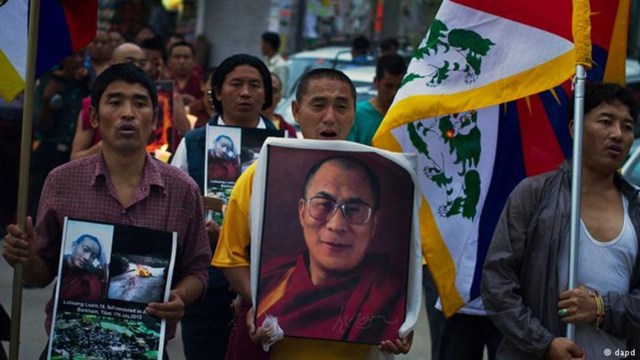
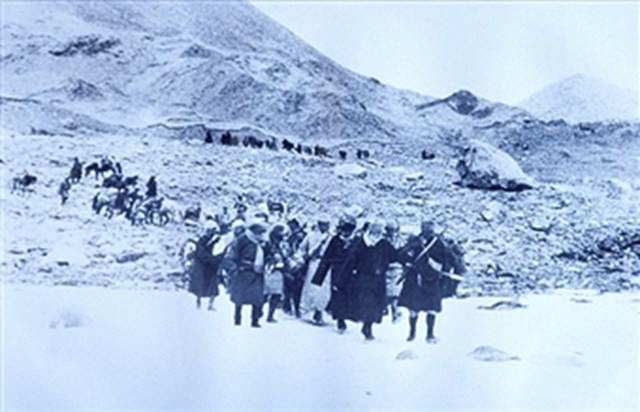
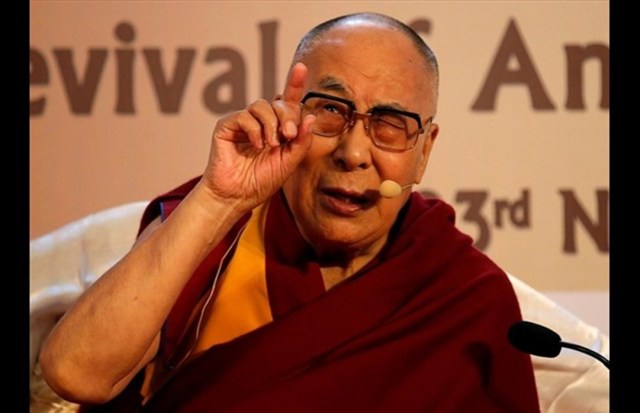
The Dalai Lama, the revered spiritual leader of Tibetans and an international icon, fled Tibet in 1959 following a failed anti-China uprising. He arrived in India and set up a government in exile in the northern Indian town of Dharamshala.

India has continued to host the Dalai Lama and his fellow Tibetan Buddhist exiles even though China condemns them as dangerous separatists. India’s public embrace of the Dalai Lama has periodically aggravated border tensions and inflamed diplomatic spats between Delhi and Beijing.

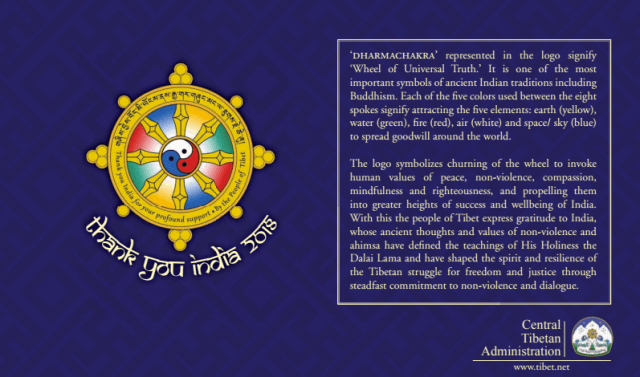
Earlier this month, India’s 100,000-strong Tibetan community had planned a celebratory “Thank you, India” event in Delhi as a gesture of gratitude from the Dalai Lama and his followers for India’s role in sheltering them 60 years ago.

But a directive from India’s foreign secretary urged officials to stay away from the events, saying they coincided with a “sensitive time” for Delhi’s relations with Beijing. Invitations to top officials were withdrawn and the event was moved from Delhi to Dharamshala.

DW spoke with 36-year-old Dhardon Sharling, Information Secretary at the Tibetan Government-in-Exile in Dharamshala, about the deep bonds between India and Tibet, the rise of China and what it means for the Tibet cause, and life after the Dalai Lama.

Dhardon Sharling: ‘The Tibetan struggle is made in India’

DW: Are you upset that India has disregarded the Tibetan community’s interests to avoid angering China?

Dhardon Sharling: Not at all. China is always offended at anything the Dalai Lama does or says. That is the norm. But it was our own decision to shift the “Thank you, India” event to Dharamshala and not do it in Delhi, and respect what India deems fit for their diplomacy or diplomatic dealings with China.

We’ve been here for the past 60 years, so a small political decision, which I call a temporary phase in political diplomacy, will not undo six decades of deeply rooted bonds and ties. If the Tibet cause is at all alive, if the Dalai Lama is a flourishing icon, it’s thanks to India. We have even gone on record to say the Tibetan freedom struggle is made in India. It’s built on the foundations that India provided us with – education, health, housing etc.

This relationship dates back thousands of years, right from the start of Buddhism. Our language and our script come from India.

India is the only country [Tibetans live in 27 different countries] that allows you to write “Tibetan” as your nationality. Some countries require you to write China.

There’s no denying that India is keen to build good ties with China, which is growing increasingly assertive in the region. The presence of the Dalai Lama in India remains a sticking point between the two Asian giants. Aren’t you threatened by that?

Not really. What seems assertive to you is actually [China’s] insecurity. I’ll give you an example. Two months ago, German car manufacturer Mercedes-Benz posted an Instagram feed as part of their Monday motivation campaign. It was a picture of a car and a quote by the Dalai Lama saying, “Have an open mind and heart and things will be easy.” China lodged a complaint and Mercedes-Benz had to remove that post. Does that look like dominance or insecurity? If someone is really powerful, they won’t be affected by the simple things the Dalai Lama does.

But I agree that China’s dominance is growing in the Asian region and across the globe. We do understand that China will extend its tentacles and try to strangle India. That’s when we’d like India to be more assertive, to stand its ground, look into the eyes of their counterparts and not bow or kowtow, because that’s not in the Indian spirit.

Better ties between India and China don’t necessarily have to lead to India putting pressure on us. That’s because we ourselves are looking for reconciliation, for better relations with China, for engagement with China. I don’t think we’d apply a double standard and say India cannot do that. But that does not mean to abandon or disregard the Tibetan interest as well.

There have been no formal talks between China and the Dalai Lama’s representatives since 2010. Are you still open to dialogue with Beijing?

We are looking for friendship with China. We are looking at something called the Chinese outreach program, which is massive. We have Chinese outreach officers in four countries and we have a China desk in our office. Our official policy of resolving the issue of Tibet is the “Middle Way approach.” It calls for dialogue and engagement with China.

With Chinese President Xi Jinping’s term being extended indefinitely, we will continue to see Tibet being his biggest challenge. Tibet will really set the litmus test for China’s rise. China wants to rise and become powerful, but it will be Tibet that will mirror the reality in China.

What we are saying is that the Dalai Lama is the solution to all the problems that China is confronted with. So, Tibet is an opportunity for the Chinese leadership. If Beijing could see wisdom in that, India could be the best possible channel and partner in achieving this harmony between Tibet, India and China.

You say the Dalai Lama is the solution to everything. But the question remains: what happens when the Dalai Lama is gone? He seems to be what has held everything together so far.

There is a growing network of supporters rallying behind us. History tells us that the arc of justice definitely will bend toward a struggle that has survived on principles of nonviolence for 60 years.

Someone once said, “If Tibet fails, the world fails.” I really don’t think the world will fail us in our struggle.

Dhardon Sharling is the Information Secretary at the Tibetan Government-in-Exile in Dharamshala, India.

The Interview was conducted by Sonia Phalnikar.
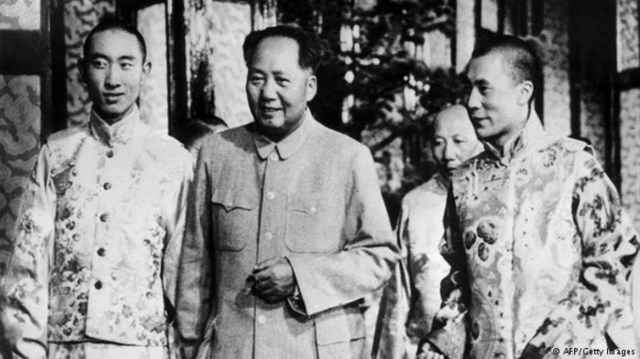
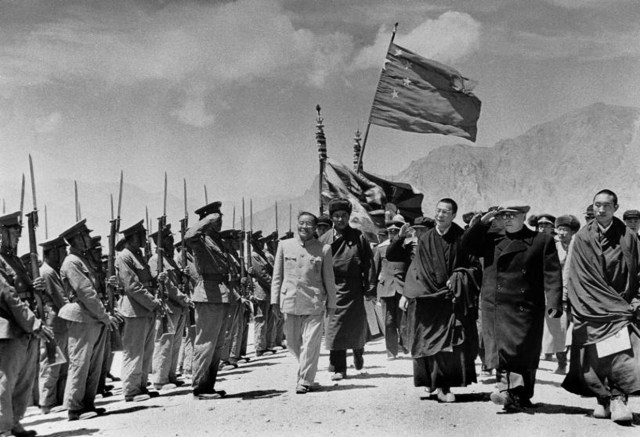
A young Dalai Lama (right) is seen with Mao Zedong, chairman of the People’s Republic of China, in 1956
MARCH 31, 2018 – 60th MILESTONE OF MY LIFE’S STRUGGLE: LIVING TIBETAN SPIRITS


MARCH 31, 2018 – 60th MILESTONE OF MY LIFE’S STRUGGLE: LIVING TIBETAN SPIRITS


From March 31, 1959 to March 31, 2018, Living Tibetan Spirits record Sixty Years of Life’s Journey in Exile. The Struggle is not over and yet it is time to take a deep breath and say Thank You India and Thank You America.


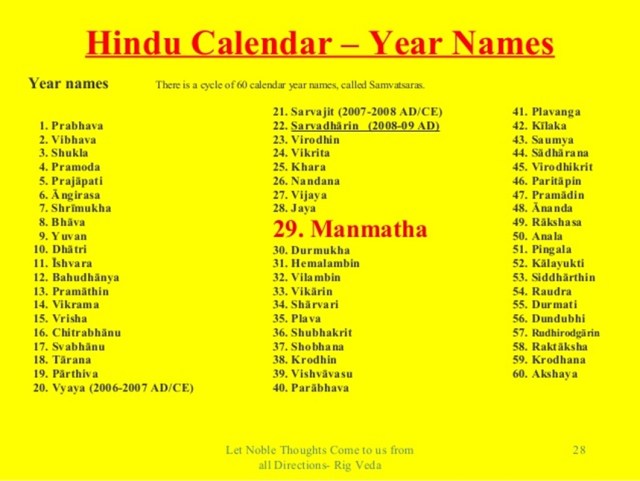
In Indian Tradition, the number 60 is very significant for Indians recognize Sixty specific names to mark Years for purposes of timekeeping. The Cyclical Flow of Time continues in sets of Sixty Years.

Rudranarasimham Rebbapragada

SPECIAL FRONTIER FORCE


DALAI LAMA: ‘DON’T KNOW HOW LONG STRUGGLE FOR TIBET WILL LAST’


Clipped from: https://timesofindia.indiatimes.com/city/chandigarh/dont-know-how-long-struggle-for-tibet-will-last/articleshow/63563896.cms

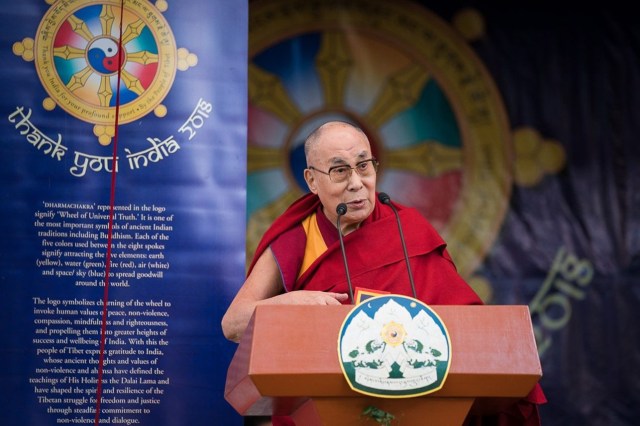
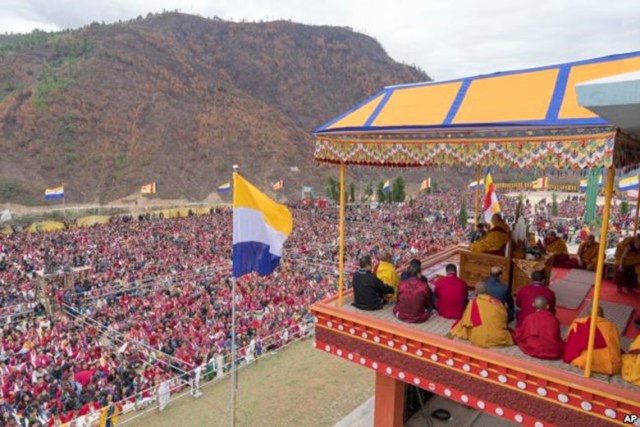
A cultural program being organized as part of the Thank You India function held in McLeod Ganj on Saturday

I do not know for how long the Tibetan struggle will go on. However, the struggle will remain alive till the spirit of Tibetans remains,” the spiritual leader of Tibetans The Dalai Lama said at the “Thank You India” programme being held at McLeod Ganj on Saturday to mark his arrival in India, exactly 60 years ago.
 

On March 31, 1969, the Dalai Lama was forced to flee Tibet following failed uprising against China. After he took shelter in India, Tibetan community across globe under his leadership launched struggle for free Tibet but till date have not succeeded. During last few years, the demand has changed into one for autonomous Tibet.

While interacted with media persons, the Dalai Lama, when questioned about the possibility of Tibetans returning to their homeland one day, replied that Tibetan issue is an issue of justice. While commenting on the equation between India and China, he said that both were most populated countries of the World and both have ability to destroy each other.

“Any sensible person would want ‘Hindi-Chini Bhai Bhai’ to live together. None of them can be disloyal to each other, so other things will go on by the side,” he said. “Confrontation does not yield any result and amicable solution of Tibet problem is the only way out,” the Nobel Peace Laureate said.

“The Chinese are following a socialist form of government, which means everybody should have equal rights. We are not demanding separation from China, but the Tibetan people should have the autonomy to preserve their culture, language, environment and religion,” he added.


Earlier, the Dalai Lama recalled his journey in exile. He said that no time was wasted in these years. “It is a matter of pride that Tibetans have preserved their tradition and culture, wherever they are living across the globe,” he said.

He said that as there was need to preserve Tibetan culture and language, a logical analysis was also the need of hour. “When everybody is praising Tibetans it becomes our responsibility too to check where we were lacking,” he said.


LIVING TIBETAN SPIRITS – LIFE IN EXILE – THANK YOU AMERICA

LIVING TIBETAN SPIRITS – LIFE IN EXILE – THANK YOU AMERICA


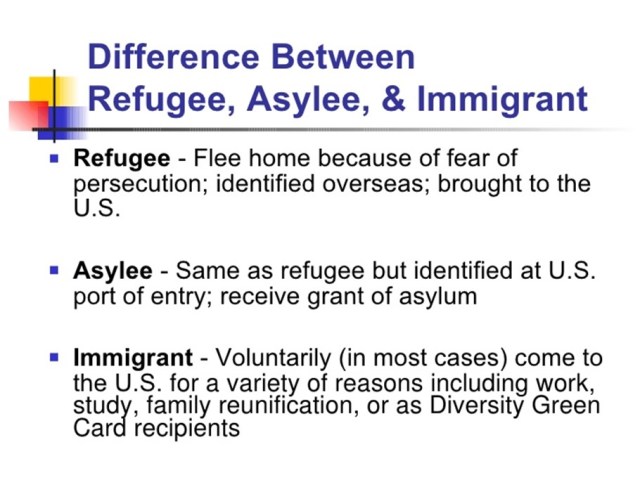
Living Tibetan Spirits thank America for life in exile. My life’s final destination is not known. For now, I admit that I am not a Refugee and I am not an Asylee. While I live without knowing or reaching my destination, I say, “Thank You America.”


Rudranarasimham Rebbapragada

SPECIAL FRONTIER FORCE


DALAI LAMA TO KICK OFF YEAR-LONG ‘THANK YOU INDIA’ EVENTS ON SATURDAY


Clipped from: https://in.news.yahoo.com/dalai-lama-kick-off-long-061955936.html

The Central Tibetan Administration will organize a public event at the Tsuglagkhang temple on Saturday and the event will be attended by Indian dignitaries too.

New Delhi: Marking the 60th year of exile in India, Tibetan Buddhist leader Dalai Lama is set to kick off yearlong pan India ‘Thank You India’ events on March 31.

The Central Tibetan Administration will organize a public event at the Tsuglagkhang temple on Saturday and the event will be attended by Indian dignitaries too.

In a statement, President Dr Lobsang Sangay said that Tibet is inextricably linked to India through geography, history, culture, and spiritually and that “the Tibetan struggle is ‘Made in India’ and said that ‘the success of the Tibetan struggle will be India’s success story.”

The announcement of the spiritual leader’s attendance comes a month after, according to a report in the Indian Express earlier this month, foreign Secretary Vijay Gokhale had sent a note on February 22 to Cabinet Secretary PK Sinha, following which the “senior leaders” and “government functionaries” of the Centre and states were directed to skip events of exiled Tibetan leaders.

The Centre later clarified that Tibetan spiritual leader the Dalai Lama was free to “carry out his religious activities in India”, reacting to reports that the government has asked senior functionaries to “skip” all events by the “Tibetan leadership in India”.

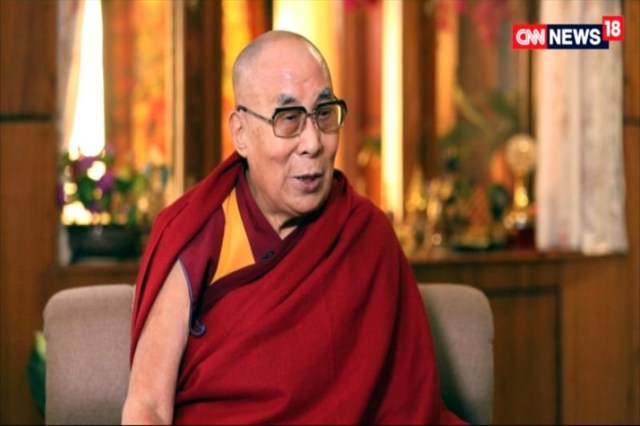
In an interview to CNN-News18 earlier this month, Dalai Lama had said that he doesn’t care about alleged pressure from China forcing the cancellation of events in Delhi to mark 60 years of the Tibetan government’s exile in India. He also said the position of the Dalai Lama has become irrelevant now and that the Tibetan people must decide on whether to continue it. The Tibetan government-in-exile shifted the high-profile event commemorating Dalai Lama’s 60 years of exile as an effort to bringing peace to relations between India and China.

Many Tibetan activists are said to have communicated to relevant authorities as the development ‘humiliated’ Dalai Lama.

China has for long considered the spiritual leader as a dangerous separatist and says Tibet is an integral part of its territory and has been for centuries. Beijing also says its rule ended serfdom and brought prosperity to what was a backward region, and that it fully respects the rights of the Tibetan people.

“Today, His Holiness the Dalai Lama is the best ambassador for Indian values of non-violence, ahimsa and inter-religious harmony and the promotion of basic human values: compassion and kindness,” said Dr Sangay.


LIVING TIBETAN SPIRITS THANK US CONGRESS FOR GIVING SUPPORT

LIVING TIBETAN SPIRITS THANK US CONGRESS FOR GIVING SUPPORT


Living Tibetan Spirits thank US Congress for giving $17 million in aid to Tibetan Government-in-Exile and worldwide Tibetan community.


Rudranarasimham Rebbapragada

SPECIAL FRONTIER FORCE


US CONGRESS AFFIRMS SUPPORT FOR TIBET WITH $17 MILLION IN AID TO EXILED GOVERNMENT AND TIBETANS WORLDWIDE – THE EPOCH TIMES


Clipped from: https://www.theepochtimes.com/us-congress-affirms-support-for-tibet-with-17-million-in-aid-to-exiled-government-and-tibetans-worldwide_2475193.html


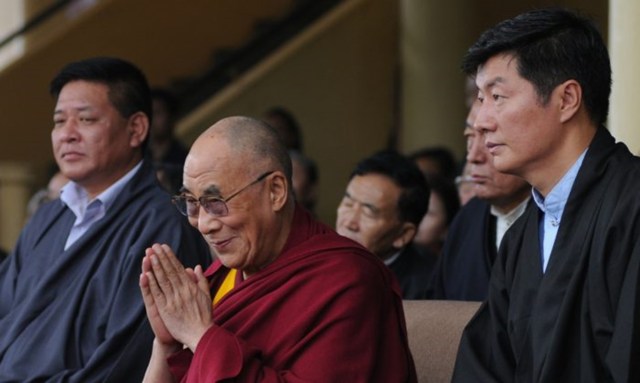
Tibetan spiritual leader the Dalai Lama (C), flanked by President of the Central Tibetan Administration Lobsang Sangay (R) and Speaker of the Tibetan Parliament-in-exile Penpa Tsering (L), greets the audience during the 52nd anniversary of Tibetan Democracy Day at the Tsuglakhang Temple in McLeod Ganj, Dharamsala on Sept. 2, 2012. (STRDEL/AFP/Getty Images)

Amidst an escalating diplomatic and economic standoff between the United States and the Chinese communist regime, the U.S. Congress has approved a massive spending bill that includes $17 million that will be used to support Tibetans in and out of Tibet. This includes the Tibetan government-in-exile, which is vehemently opposed by the Chinese regime that currently rules over Tibet.

The funds were earmarked through the Consolidated Appropriations Act of 2018 and include $8 million for Tibetans inside Tibet and $6 Million for Tibetan community in India and Nepal. On top of that, Congress created an additional new line of funding of $3 million to strengthen the capacity of the Tibetan government in exile and Tibetan institutions.

“We remain thankful to the U.S. government and Congress for their generous financial assistance towards the Tibetan community,” said Dr. Lobsang Sangay, president of the Tibetan government-in-exile, officially known as the Central Tibetan Administration (CTA).

The CTA is headquartered in Dharamshala, India, and effectively represents the Tibetan exile community in India, which numbers around 100,000. It also claims to represent the people of the entire Tibet region, which has been occupied by the Chinese regime ever since its military invasion of Tibet in 1950.

The increase of funds granted by Congress alleviates concerns that U.S. support for Tibet might be dwindling, as the Trump administration’s slashing of State Department budgets in 2017 had at the time raised fears that funding for Tibetans might be cut or terminated completely.

The funding is consistent with the decades-old U.S. policy of providing support for the Tibetans and the Tibetan exile government, despite the Chinese regime’s consistent opposition to such aid, which it sees as meddling in China’s domestic affairs.


IT’S SNOWING IN LHASA – MY HEART ACHES

IT’S SNOWING IN LHASA – MY HEART ACHES


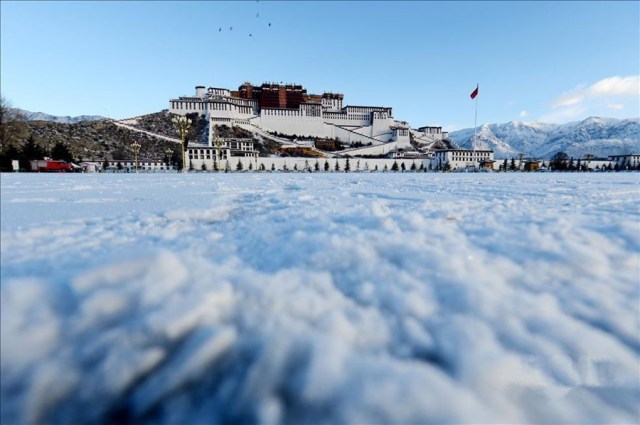
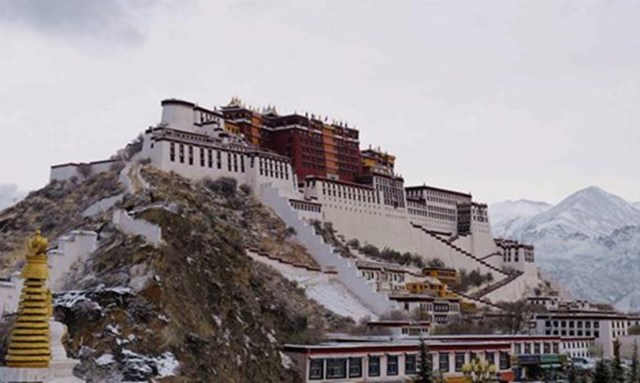
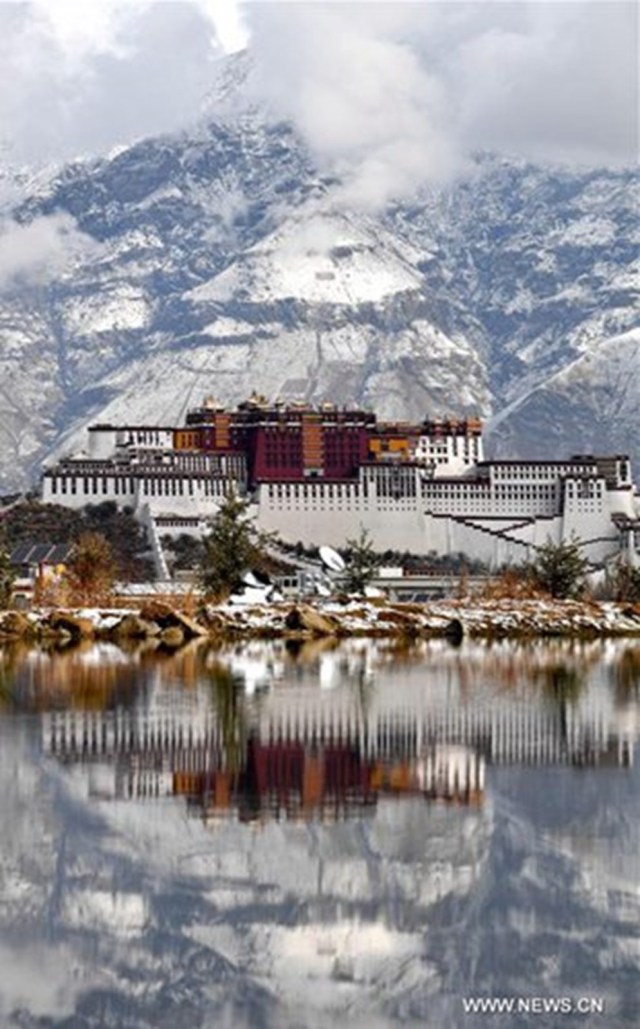
Lhasa received snowfall from Saturday to Sunday. My heart aches by looking at snow scenery of Lhasa. My heart ache is not because of Snowfall. I get pain when I think of China in Tibet.


Rudranarasimham Rebbapragada

SPECIAL FRONTIER FORCE


SNOW SCENERY OF LHASA, TIBET – GLOBAL TIMES


Clipped from: http://www.globaltimes.cn/content/1093886.shtml


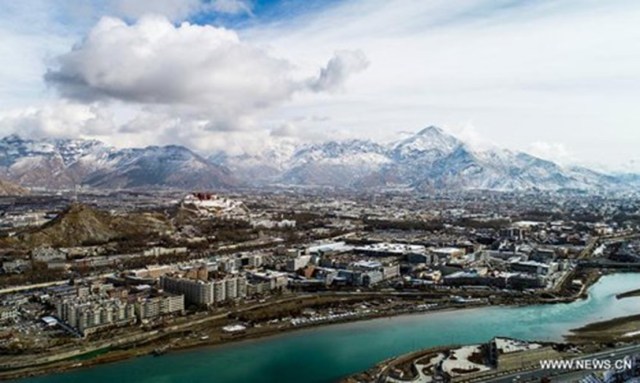
Photo taken on March 18, 2018 shows the snow-covered Lhasa City, southwest China’s Tibet Autonomous Region. Lhasa saw a snowfall from Saturday to Sunday. (Xinhua/Jigme Dorje)


Photo taken on March 18, 2018 shows the Potala Palace after a snowfall in Lhasa, southwest China’s Tibet Autonomous Region. Lhasa saw a snowfall from Saturday to Sunday. (Xinhua/Jigme Dorje)


Photo taken on March 18, 2018 shows the Potala Palace after a snowfall in Lhasa, southwest China’s Tibet Autonomous Region. Lhasa saw a snowfall from Saturday to Sunday. (Xinhua/Jigme Dorje)


Photo taken on March 18, 2018 shows the Potala Palace after a snowfall in Lhasa, southwest China’s Tibet Autonomous Region. Lhasa saw a snowfall from Saturday to Sunday. (Xinhua/Jigme Dorje)


TIBET AND CHINA UNION POSSIBLE IF COMMUNIST GOVERNANCE OF CHINA ENDS

TIBET AND CHINA UNION POSSIBLE IF COMMUNIST GOVERNANCE OF CHINA ENDS


In my analysis, Tibet can exist with China like ‘European Union’ if Communist Party governance of People’s Republic of China comes to an end. As such, European Union is not governed by principles of political doctrine called Communism.


Rudranarasimham Rebbapragada

SPECIAL FRONTIER FORCE


TIBET CAN EXIST WITH CHINA LIKE ‘EUROPEAN UNION’: DALAI LAMA


Clipped from: https://www.reuters.com/article/us-china-tibet/tibet-can-exist-with-china-like-european-union-dalai-lama-idUSKCN1GS0C7


BEIJING (Reuters) – Tibet can exist within China in the same spirit as the European Union sticks together, the territory’s spiritual leader, the Dalai Lama, considered a dangerous separatist by Beijing, said.


The Dalai Lama fled to India in 1959 after an abortive uprising against Chinese rule and set up a government in exile in the foothills of Dharamshala. Chinese troops had seized control of Tibet nine years earlier.

He says he only seeks autonomy for his homeland, not outright independence. He has also expressed a desire to return to Tibet.

“I always, you see, admire the spirit of (the) European Union,” the Dalai Lama said in a video message to the International Campaign for Tibet on the Washington D.C.-based group’s 30th anniversary on Thursday.

“Common interest (is) more important rather than one’s own national interest. With that kind of concept, I am very much willing to remain within the People’s Republic of China. The Chinese word, “gongheguo” (republic), shows some kind of union is there.”

China says Tibet in an integral part of its territory and has been for centuries. Beijing also says its rule ended serfdom and brought prosperity to what was a backward region, and that it fully respects the rights of the Tibetan people.

Beijing insists that the Dalai Lama is a “splittist” in a monk’s robes and has warned foreign leaders against meeting him, even in a personal capacity.

Donald Trump has not met with the Dalai Lama since become president in January last year. All recent U.S. presidents before Trump had held meetings with the Dalai Lama.

While the Dalai Lama reiterated his desire for reconciliation as Xi Jinping begins his second five-year term as China’s president, he also said the Tibetan issue was not about to go away.

“Among the Chinese hard-liners, in their mind, it seems some kind of dilemma is there about their present policy – whether, you see, it can solve Tibetan problem or not,” he said.

Reporting by Ryan Woo; Editing by Nick Macfie


WISDOM OF BUDDHA – DALAI LAMA SUPREME RULER OF TIBET LIVING IN EXILE

WISDOM OF BUDDHA – DALAI LAMA SUPREME RULER OF TIBET LIVING IN EXILE


In my analysis, the 14th Dalai Lama remains Supreme Ruler of Tibet while he lives in exile. He is neither a refugee nor an asylee. To describe him as religious leader of Buddhism or as spiritual leader is incorrect. The reality of Dalai Lama must be accounted in terms of real or true Tibetan Experience of Life, Death, and Rebirth.


Rudranarasimham Rebbapragada

SPECIAL FRONTIER FORCE


THE ANCIENT WISDOM THE DALAI LAMA HOPES WILL ENRICH THE WORLD – BBC NEWS


Clipped from: http://www.bbc.com/news/world-asia-india-43208568

Justin Rowlatt South Asia correspondent @BBCJustinR on Twitter

Image caption BBC correspondent Justin Rowlatt (L) meets the Dalai Lama

It isn’t often you meet the leader of a world religion – rarer still that he tweaks your cheek. But that’s what happened when I met the 14th Dalai Lama last month.

You know when he has entered a room. First there is a hush and, almost immediately after that, a ripple of infectious laughter. Next, there he is, his face creased into a mischievous smile, his eyes twinkling behind his tinted spectacles.

I met his holiness in Bodh Gaya, the northern Indian town where Buddha himself is said to have attained enlightenment. It is an auspicious place to meet the leader of Tibetan Buddhism, and it was also an auspicious day.

The Dalai Lama had just published the first volume of what he hopes will be a key pillar of his legacy- a four volume series bringing together ancient Buddhist scientific and philosophical explorations of the nature of reality.

He chuckled when I greeted him, clearly delighted to talk about the book. It draws on the wisdom of thousands of sutras and treatises written in Sanskrit by scholars in the historic university of Nalanda, he told me.

Nalanda is a legendary place, founded more than a millennium and a half ago on a site about 100km (60 miles) from Bodh Gaya in India’s eastern state of Bihar.

Contemporary accounts describe an astonishing complex of temples, reading rooms, gardens and lodging houses; a veritable city with pointed turrets, sparkling roof tiles, glimmering lotus ponds and peaceful flowering groves.

It was one of the world’s first universities and – at its peak – one of the greatest centers of learning on the planet, with some 10,000 students. Such was its scale that when it was razed to the ground by Muslim invaders in the 12th Century, the libraries were said to have burned for three whole months.

The only reason these ancient Buddhist texts survived the destruction, the Dalai Lama explained, is because, centuries earlier, Tibetan monks had trekked down to the hot Indian plains from their icy redoubts in the Himalayas to translate them.

They returned to their monasteries in the mountains with these Tibetan versions.

Now the Dalai Lama wants to make them available to the whole world. “The wisdom came from India”, he said, giggling – everything he said seemed to be accompanied by a chuckle – “but now we know it better than the original Indian masters”.

The Dalai Lama is in his early 80s now, but he’s still sprightly. Apparently, his doctor has told him he needs to reduce how much he travels, but looking at his schedule this only seems to mean that he now travels once a fortnight rather than every week.

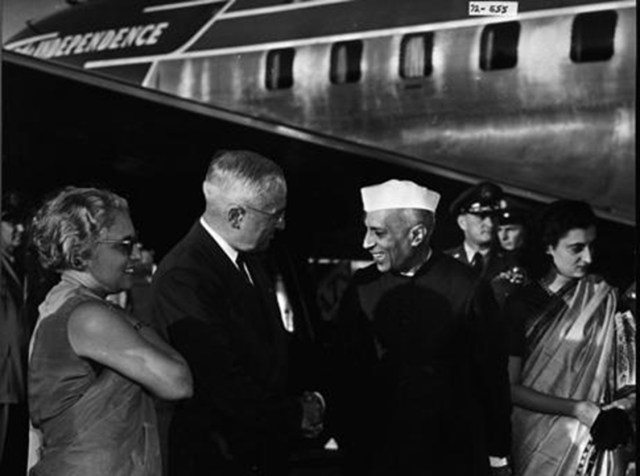
Image copyright Getty Images Image caption The Dalai Lama(L) and Indian’s first prime minister, Jawaharlal Nehru, in Delhi

But as he grows older, his followers have been forced to consider what will happen when he eventually passes away.

His death – and eventual rebirth – will be a major geopolitical issue. The Chinese have regarded him as an enemy – ” a wolf in monk’s clothes”, they once called him – ever since he rejected Beijing’s rule and fled Tibet in 1959 for sanctuary in India.

In exile, he’s become an extraordinarily effective ambassador – not only of the Tibetan cause, but for Buddhism in general.

With his cheerful smile and burgundy robes, he has come to embody the Western ideal of Buddhism: a wise monk on a peaceful journey in search of self-enlightenment.

Buddhism needs a popular champion now more than ever.

Buddhist Myanmar’s brutal attack on its Rohingya Muslim minority is just the most dramatic example of how, in South East Asia and elsewhere, the tradition has become increasingly entwined with a strain of toxic and often violent nationalism.

Image copyright Getty Images Image Caption Ruins of the historic Nalanda University

As the leader of Tibetan Buddhism, the Dalai Lama couldn’t intervene directly, but last year, as Buddhist mobs torched Rohingya villages, he urged Myanmar to “remember Buddha”.

The books he is writing aim to bring the wisdom of Buddha to a wider audience. He hopes they will encourage people to study what he calls “the system of emotion” as an academic discipline. “Education everywhere is considered important,” he explains.

“But if you look, the content of so-called modern education – very much orientated about material value. Not talking about inner value. So now, today, the best educated people, emotionally – lot of problem!” he says, and once again bursts into delighted laughter.

“I love to tease other people and so now I want to tease you”, he tells me, rubbing my shoulder.

I brace myself.

“You see this country traditionally rich in the knowledge of emotion.” He pauses, and gently tweaks my cheek with a finger: “You Britishers introduced modern education!”

There is another explosion of laughter and then his holiness moves slowly down the room, chuckling as he greets the hundreds of other people waiting to see him.


LIVING TIBETAN SPIRITS – NEITHER REFUGEE NOR ASYLEE

LIVING TIBETAN SPIRITS – NEITHER REFUGEE NOR ASYLEE


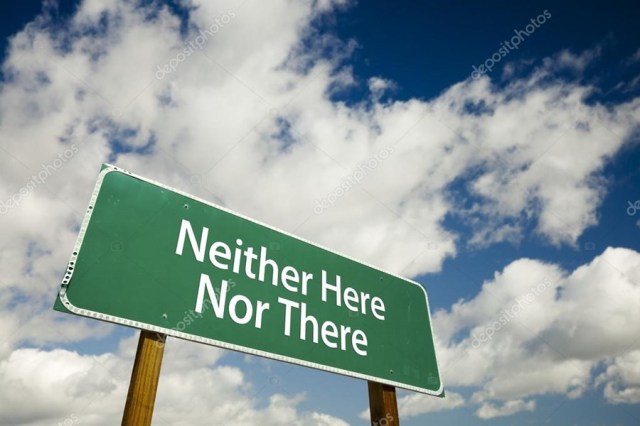
On March 13, 1959, Dalai Lama, Supreme Ruler of Tibet began a difficult journey of his life. Today, he may describe himself as ‘Son of India’ but he is neither refugee nor asylee. However, using the quote from William Shakespeare’s ‘OTHELLO’, it can be said, “Tis Neither Here Nor There.”


In my analysis, “Thank You India” Dalai Lama event moved out of Indian Capital of New Delhi entirely because of US President Donald Trump’s reluctance to meet with Dalai Lama, Supreme Ruler of Tibet while living in exile.


Rudranarasimham Rebbapragada

SPECIAL FRONTIER FORCE


DALAI LAMA EVENT MOVED OUT OF INDIAN CAPITAL – VOICE OF AMERICA NEWS


Clipped from: https://www.voanews.com/a/dalai-lama-event-moved-out-of-indian-capital/4282352.html

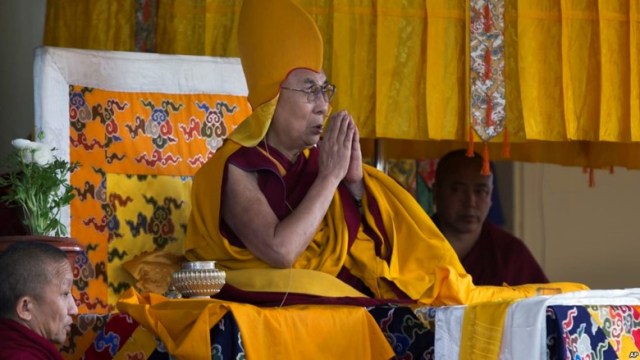
Tibetan spiritual leader the Dalai Lama wears the ceremonial hat of the Gelug school of the Tibetan Buddhism as he prays during his religious talk at the Tsuglakhang temple in Dharmsala, India, March 2, 2018.

NEW DELHI — 

A high-profile function to be attended by Tibetan spiritual leader the Dalai Lama to mark the start of his 60th year in exile in India has been moved from New Delhi to Dharamsala days after India told top officials to stay away from such events, calling it a “very sensitive time” for relations with China.

Sonam Dagpo, spokesman for the Tibetan exile government told VOA, “we came to know about the Indian government’s circular and we decided we respect the position and we shifted it to Dharamsala.”

A directive by India’s top bureaucrat saying it is “not desirable” for Indian officials to participate in these events was first reported in the Indian Express newspaper.

The Dalai Lama’s “Thank You India” public function on April 1 was the high point of a series of yearlong events planned by the Tibetan exile government based in Dharamsala. A tree planting ceremony by the Dalai Lama scheduled for the previous day in New Delhi has been scrapped.

The move to steer away from the Tibetan leader’s events is seen as an effort by New Delhi to not rile China at a time when ties between the two countries are strained.

Analysts see this as a reversal of a tougher posture taken by Prime Minister Narendra Modi’s government in the last two years.

FILE – Tibetan spiritual leader the Dalai Lama delivers teachings at the Thupsung Dhargyeling Monastery in Dirang, Arunachal Pradesh, India, April 6, 2017.

Last April it allowed the Dalai Lama to visit the sensitive border region of Arunachal Pradesh, partly claimed by China, overriding Beijing’s strong warnings that it would damage ties. Prior to that, the Tibetan leader was hosted, along with other Nobel Laureates, by the Indian president for a meeting about children’s rights, also infuriating China.

Beijing regards the Dalai Lama as a dangerous separatist and says he is trying to break Tibet away from Chinese control.

“There is definitely an attempt to extend the olive branch and reset the ties,” said Alka Acharya, a professor of Chinese Studies at the Jawaharlal Nehru University in New Delhi. “They are reverting back to a much more formally and officially correct position which is that the government will distance itself from activities of the Dalai Lama which may have a political implication.”

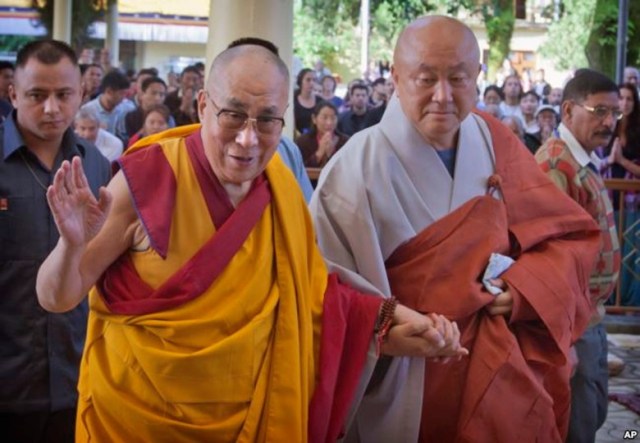
FILE – Tibetan spiritual leader the Dalai Lama, left, greets devotees as he arrives to give a talk at the Tsuglakhang temple in Dharmsala, India, Sept. 7, 2015.

Although the Dalai Lama lives in India along with tens of thousands of Tibetan refugees, New Delhi has usually been careful to avoid showing him official support.

After news of the note emerged, the Indian Foreign Ministry said in a statement that the Dalai Lama is “deeply respected by the people of India” and there is no change in that position. His holiness is accorded all freedom to carry out his religious activities in India.”

The note advising Indian officials not to attend the Dalai Lama events was apparently written on the advice of India’s Foreign Secretary, Vijay Gokhale, who visited Beijing last month in what observers said was a visit to stabilize the rocky ties, which hit a low point last July when they were involved in a tense military standoff in the Himalayan mountains.

Dagpo from the Tibetan government in exile meanwhile said they were in favor of better relations between the two Asian neighbors. “If relations between India and China improves that will also help in resolving the Tibet issue,” he said.


LIVING TIBETAN SPIRITS: TIS NEITHER HERE NOR THERE


LIVING TIBETAN SPIRITS: TIS NEITHER HERE NOR THERE


I survive in world as host of Living Tibetan Spirits. I cannot claim that I am ‘Son of India’ for I stayed away from India since 1984. I cannot claim that I am Tibetan for I host Living Tibetan Spirits. I cannot claim that I am American for my association with America has a purpose of its own. My Spirit still aspires for Freedom, Democracy, Peace, and Justice in Occupied Tibet. I claim that I live in Exile for I am Neither Here nor There.


Rudranarasimham Rebbapragada

SPECIAL FRONTIER FORCE


MY POSITION IRRELEVANT NOW, TIBETANS MUST DECIDE ON IT, SAYS ‘SON OF INDIA’ DALAI LAMA


Clipped from: https://in.news.yahoo.com/don-apos-t-care-formalities-032117643.html

Speaking to senior journalist Vir Sanghvi on CNN-News18‘s show Virtuosity, the Dalai Lama said it was more about how you feel for Tibetans and how Tibetans feel for India.

Dharamsala: Tibetan spiritual leader the Dalai Lama says he doesn’t care about alleged pressure from China forcing the cancellation of events in Delhi to mark 60 years of the Tibetan government’s exile in India. He also said the position of the Dalai Lama has become irrelevant now and that the Tibetan people must decide on whether to continue it.

Speaking to senior journalist Vir Sanghvi on CNN-News18‘s show Virtuosity, the Dalai Lama said, “As early as 1969, in an official statement, I had mentioned whether the very institution of the Dalai Lama should continue or not is up to the Tibetan people. I very much admire democracy and feel the Tibetan system is feudal, is wrong.”

“As soon as I reached India, I took the responsibility to set up a Reform Committee to change some of our systems and practices which failed to succeed as the Chinese government wanted reforms in their own way. Even spirituality should have democratic representatives…. People should focus on studying to preserve the Tibetan spirituality and not on the institution of the Dalai Lama. I feel the Dalai Lama is not relevant anymore.”

The spiritual leader also identified himself as the “son of India”.

“I certainly feel at home in India for two reasons. Firstly, since the 8th century, Tibet has followed Nalanda traditions. So, from a very young age, I started studying certain texts from Nalanda University… Secondly, for 70 years, my body has survived on Indian dal, rice and chapatti. Sometimes, I describe myself as a son of India,” the spiritual leader said.

He also spoke about how he was originally influenced by Chinese Marxism and felt he was a Marxist “as far as social economy is concerned”.

The Dalai Lama escaped from Tibet to India in March 1959. The Tibetan government-in-exile is about to complete 60 years in the country. Amid the recent tensions with China, the Centre was reported to have cautioned its senior officials to stay away from events aimed at marking the start of the Dalai Lama’s 60th year of exile.

“I don’t care about the formalities, have a formal function and deliver a speech. It doesn’t matter, what is important is here (in heart). Tibetan people, whether they are at home or away, they have the Tibetan spirit that is wonderful. And I think, a majority — about 99 per cent of them — are Buddhists and about 1% comprise Muslims, Christians etc.”

Pressed further on how it didn’t matter to him, the Dalai Lama replied that the Tibetan knowledge of Buddha dharma teaches “a good self-confidence”.

“You see the totalitarian Marxism… very narrow-minded and short-sighted. I must make it clear that as far as Marxism is concerned, as far as the social economy is concerned, I am Marxist. Marxist economy emphasizes on equal distribution. That’s very good. The emphasis and special right is given to the working-class people, it’s so wonderful.”

He said he was originally impressed by Chinese communism that nourished during the time of Mao Zedong. He also spoke about his demands for autonomy and recalled how in 1974 the Tibetans gradually decided to talk with the Chinese government and gave up their demand for separation or independence “but at the same time not satisfied with the present condition”.

“Every Chinese knows that we are not seeking separation… we are simply seeking the right which is mentioned in Chinese constitution… regarding preservation of our culture, including Tibetan language.”

He said the Tibetans established some contacts with successive Chinese governments without any major headway. “In 2001 or 2002, there was a revival or direct contact under the leadership of (then President) Ziang Zemin. There was a meeting with Chinese officials in 2010 that was the last time. Since then, there has been no direct contact.”

Asked about what severed the communication, he said he didn’t know but “I think some of them are hard-liners”.


RED CHINA ON SLIPPERY SLOPE BECAUSE OF DEFENSE SPENDING

RED CHINA ON SLIPPERY SLOPE BECAUSE OF DEFENSE SPENDING


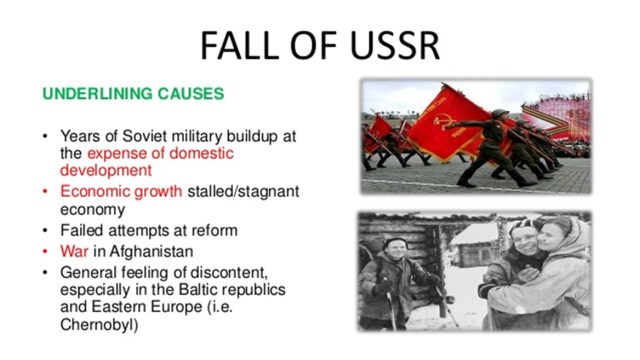
In my analysis, Red China lives on Slippery Slope because of defense spending. The reason is not that of amount spent on boosting military power. Red China cannot save herself from consequences of use of military power in performing evil actions. Defense spending did not save Soviet Union from falling apart.


Rudranarasimham Rebbapragada

SPECIAL FRONTIER FORCE


No. 2 SPENDER CHINA TO BOOST DEFENSE SPENDING IN 2018 – ABC NEWS


Clipped from: http://abcnews.go.com/International/wireStory/china-defense-budget-rise-173-billion-2018-53509979

The Associated Press

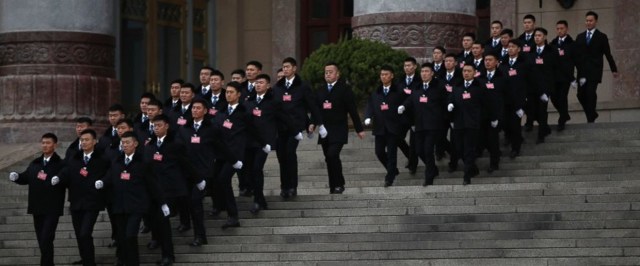
Chinese soldiers in usher uniforms march past journalists who line up to enter the Great Hall of the People for a press conference ahead of Monday’s opening session of China’s National People’s Congress in Beijing, Sunday, March 4, 2018. (AP Photo/Andy Wong)

China’s defense budget will rise 8.1 percent to 1.1 trillion yuan ($173 billion) this year as the country prepares to launch its second aircraft carrier, integrate stealth fighters into its air force and field an array of advanced missiles able to attack air and sea targets at vast distances.

The figure released in a report Monday to the ceremonial National People’s Congress is an increase in the growth rate from last year, when finance ministry officials said the budget was rising 7 percent to 1 trillion yuan ($151 billion).

Years of double-digit percentage growth have given China the world’s second-largest defense budget after the United States, which is in a class of its own with a proposed budget of $716 billion for next year.

“We will stick to the Chinese path in strengthening our armed forces, advance all aspects of military training and war preparedness,” Premier Li Keqiang said as he read a report to nearly 3,000 delegates at the Great Hall of the People.

The armed forces will “firmly and resolutely safeguard national sovereignty, security and development interests,” Li said.

China has the world’s largest military by number of personnel, but Li said the country had “basically completed” the target of reducing the size of the armed forces by 300,000 troops. That would leave the People’s Liberation Army’s strength at around 2 million troops.

But China’s defense spending as a share of GDP and the budget remains lower than that of other major nations, Zhang Yesui, a spokesman for the legislature, said Sunday.

This year’s defense budget comes to about 1.3 percent of last year’s GDP of 82.7 trillion yuan ($12.4 trillion).

Analysts don’t consider China’s publicly announced defense spending to be entirely accurate since defense equipment projects account for a significant amount of “off book” expenditures.

Noting that this year’s increase was roughly the same as last year’s when adjusted for inflation, Shanghai military expert Ni Lexiong said China was seeking to avoid a full-on arms race based on quantity of weapons, choosing instead to invest in high-tech systems and training.

Rivals such as the U.S., Japan and India should be less anxious at the moderate rate of budget growth, although they “won’t feel happy” to see rapid enhancements in China’s air, naval, missile and anti-satellite capabilities, said Ni, a professor at Shanghai University of Political Science and Law.

China’s defense budget is so large now that double-digit annual percentage increases are no longer necessary, said military commentator Song Zhongping.

New funds are going mainly to raise living standards for service members, increase training and prepare for potential crises on the Korean Peninsula, the border with India or in the South China Sea or Taiwan Strait, Song said.

Much of China’s energies have been focused on what is known as anti-access/area denial, or A2/AD operations, which seek to scare the U.S. Navy and other forces far from China’s shores.

China’s navy has been training rigorously on the Liaoning aircraft carrier, which was bought from Ukraine and heavily refurbished. In April, it launched a 50,000-ton carrier built entirely on its own based on the Ukrainian model.

It will join the improved Type 093B Shang class nuclear-powered attack submarine equipped with anti-ship missiles — considered only slightly inferior to the U.S. Navy’s mainstay Los Angeles class boats — and the Type 055 guided-missile destroyers at the forefront of China’s naval technology.

Such vessels stand to alter the balance of power in the Indo-Pacific, where the U.S. Navy has long been dominant and regional rivals such as Japan and India are stepping up their presence. Most navy ships already have anti-ship cruise missiles with longer ranges than those of their U.S. counterparts.

China’s navy is also relying on numerical superiority to boost its influence.

All three of China’s sea forces — the navy, coast guard and maritime militia — are the largest of their types by number of ships, allowing them to “maintain presence and influence in vital seas,” according to Andrew S. Erickson of the U.S. Naval War College’s China Maritime Studies Institute.

All three fleets are growing “leaner and meaner” due to a greater emphasis on technical sophistication, Erickson wrote, adding that the U.S. also anticipates facing a Chinese submarine fleet twice its number, though less technologically advanced.

In the air, China last month said it had begun equipping combat units with its J-20 stealth fighter jet, the country’s answer to fifth-generation jets such as the U.S. F-22 and F-35. No less impressive is China’s missile technology, particularly the DF-21D, which is built to take out an aircraft carrier, and a new air-to-air missile with a range of some 400 kilometers (249 miles) that could attack assets such as early warning aircraft and refueling tankers crucial to U.S. Air Force operations.

In a further display of sophistication, China said in early February that it had successfully tested a mid-course anti-missile defense system, deploying similar technology to that used to destroy a defunct Chinese satellite in 2007.

China’s military planners have also taken note of the U.S. shift this year in its threat analysis from terrorism to rivals Russia and China, said Yue Gang, a retired colonel and military analyst.

Though China doesn’t wish to be seen as a Russian ally, there is a renewed sense of big-power competition, Yue said.

“The smell of gunpowder is growing thicker,” he said.