Cold War in Asia – The Nehru Legacy
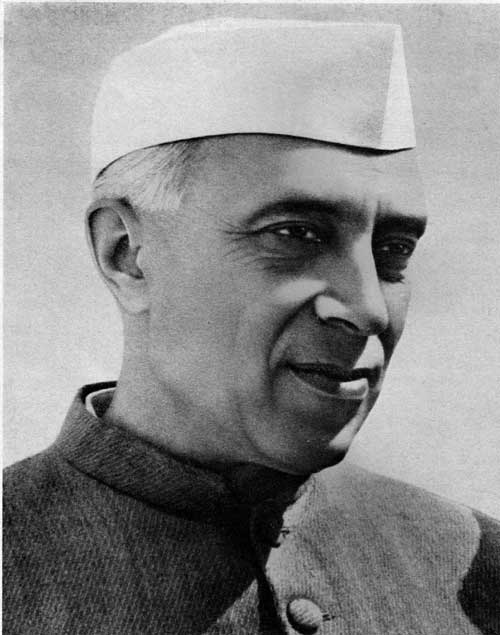
Jawaharlal Nehru was born on November 14, 1889, in Uttar Pradesh, Prayagraj, earlier known as Allahabad. He died on May 27, 1964.
He became the Prime Minister on August 15, 1947, following an active role in the freedom struggle.
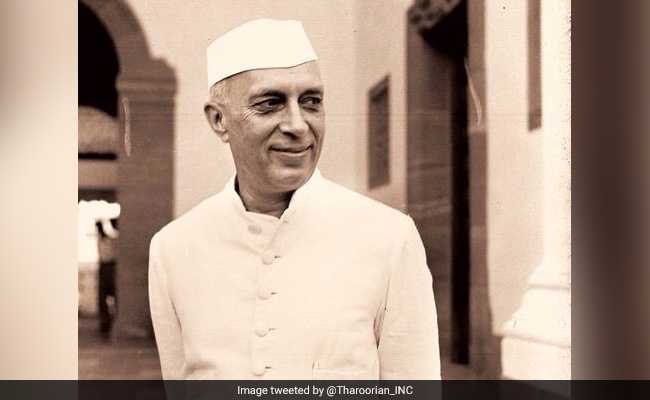
Nehru’s political awakening happened when he learned about Annie Besant’s arrest in 1917. He subsequently joined the All India Home Rule League. In 1919, shortly after the Jallianwala Bagh massacre — in which 379 Indians were killed and more than 1000 injured — Nehru overheard the unrepentant orchestrator British Brigadier-General Reginald Dyer gloat about it while on a train. This outraged him further and he vowed to resolutely fight for India’s independence.
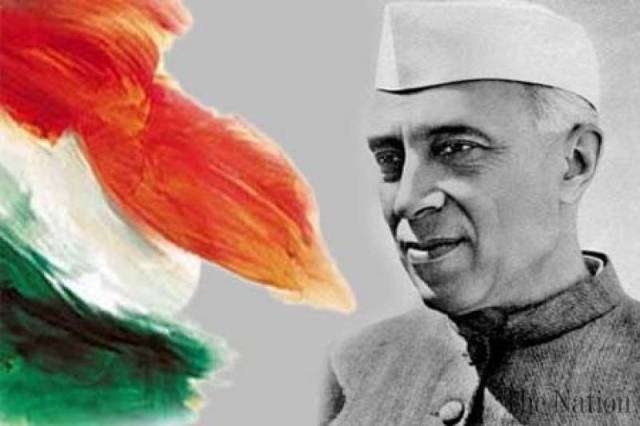
During India’s freedom movement, Pandit Nehru was imprisoned 9 times. He was jailed by the British for a total of 3,259 days which is close to 9 years of his life spent behind the bars. Pandit Nehru penned an autobiography ‘Toward Freedom’ when he was in jail.

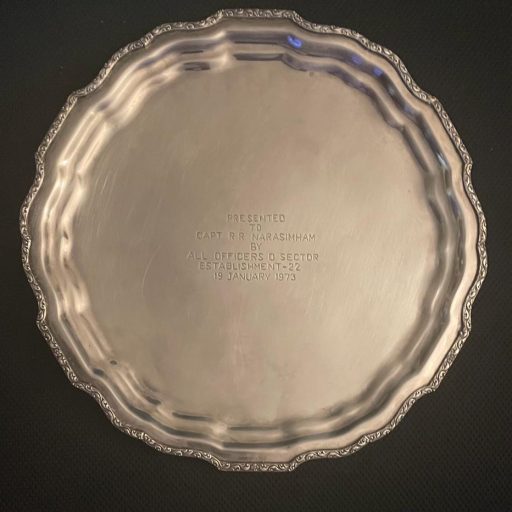
November 14, 1962 – First Prime Minister of India shares his birth date with Establishment-22, Special Frontier Force, Vikas Regiments
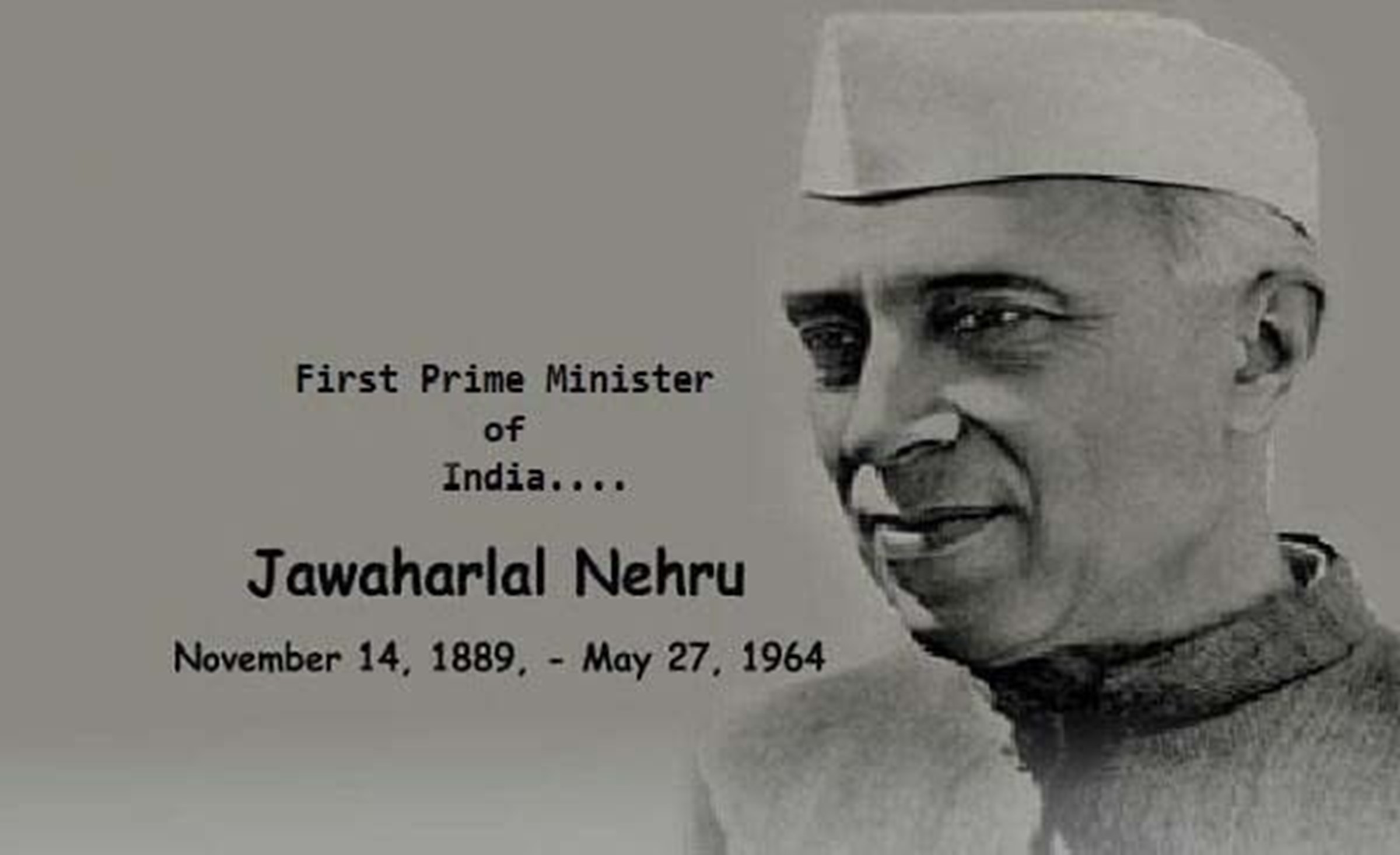
Prime Minister Jawaharlal Nehru’s foreign policy during the Cold War Era is often misunderstood as nations were forced to use secret diplomatic negotiations in the conduct of foreign policy. In my analysis, the Indian Prime Minister took appropriate action not only to defend India’s security interests but also to help Tibet to the extent possible.
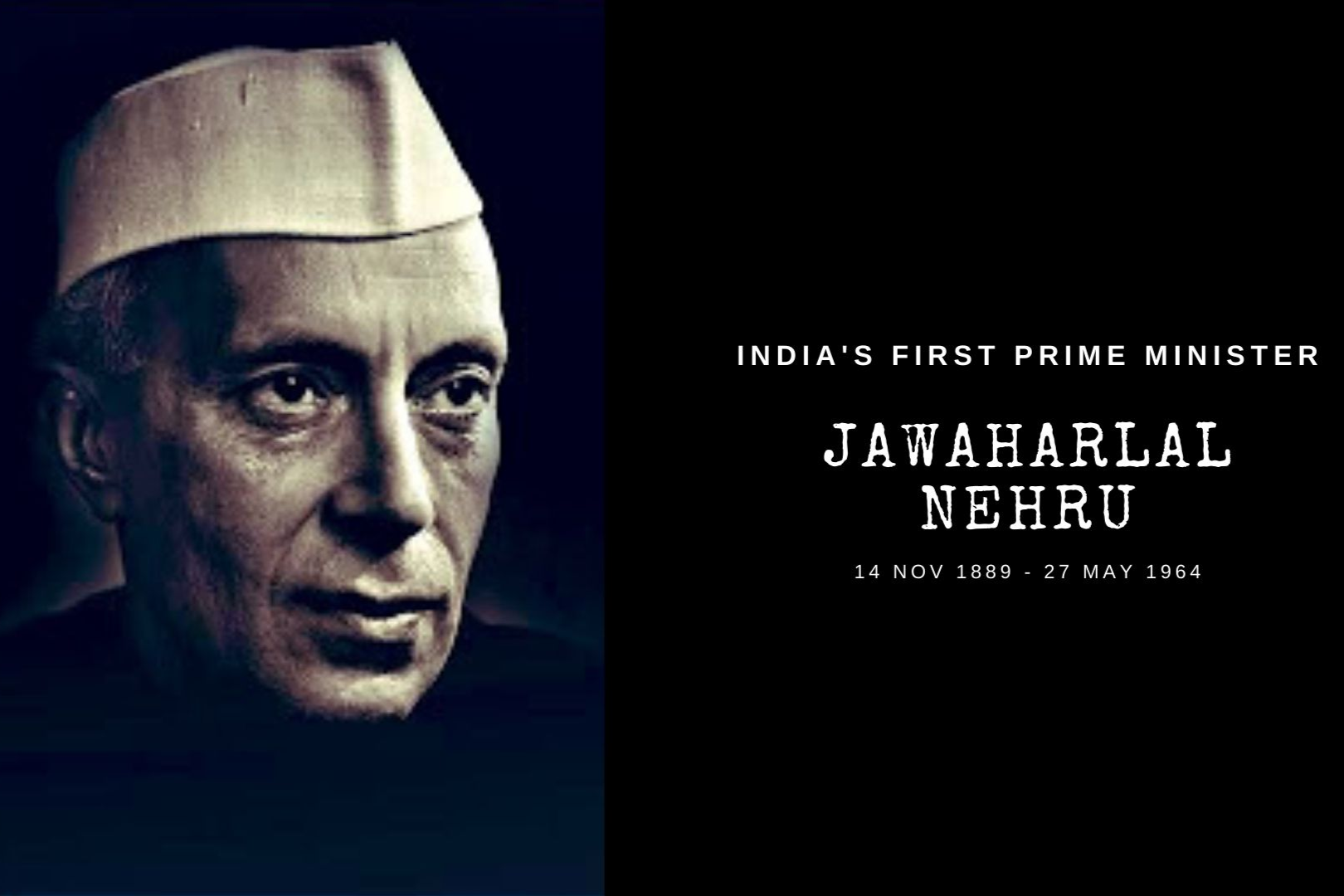
I hold People’s Republic of China completely responsible and accountable for her acts of military aggression during 1950 and later in 1962. I find no reason to blame either Indian Prime Minister or Tibet for China’s misconduct.
I ask my readers to give attention to Indian support to Nationalist China during the concluding years of World War II. Apart from delivering weapons and military supplies to Nationalist China, the US with Indian assistance supplied weapons to Tibet prior to the Communist takeover of the mainland China. This military intervention in Tibet provided an excuse to Communist China to invade Tibet in 1950. I do not find fault with either India or Tibet. Their combined military power is not adequate to maintain the Balance of Power in South Asia. There is nothing wrong if weaker nations use diplomatic negotiations to resolve problems with stronger and powerful nations. It is indeed a practical and rational approach and I would not ridicule such attempts as an appeasement policy.
I uphold the valid concerns about Tibet and China shared by India’s former Deputy Prime Minister, but I would not use his concerns to find fault with Prime Minister Nehru’s Foreign Policy Legacy. India has not yet changed the course of the foreign policy direction set up by Nehru.
The US Intelligence Gathering Mission in India

Composition: Primarily made up of Tibetan refugees who remain loyal to His Holiness the 14th Dalai Lama and receive their orders from the Tibetan Government-in-Exile.
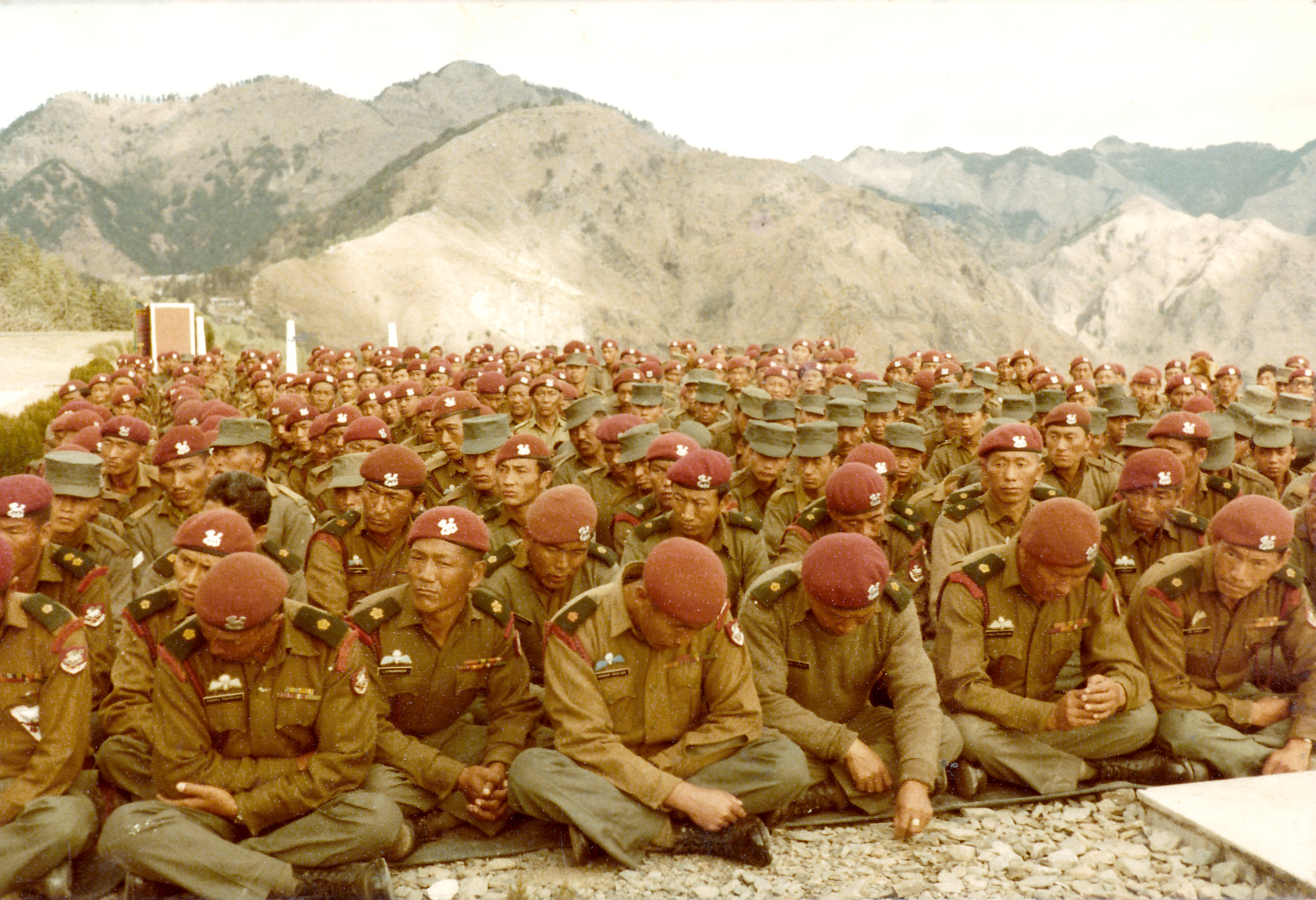
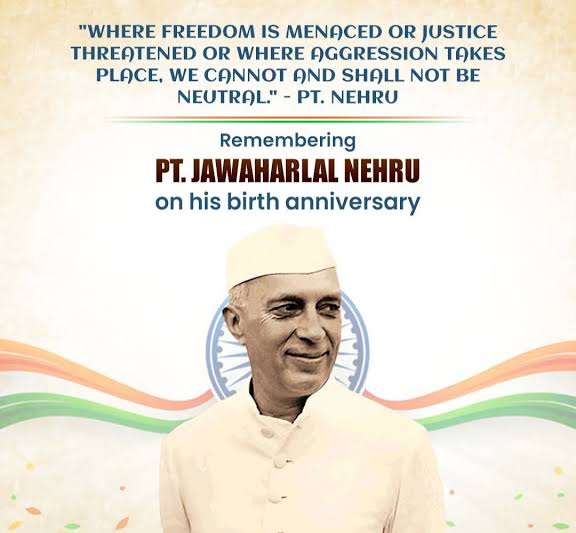
On Saturday, November 14, 2026, I pay my respectful tributes to India’s first Prime Minister Jawaharlal Nehru. On November 14, 1962, he shared his birth date with Special Frontier Force without hosting any public ceremony.
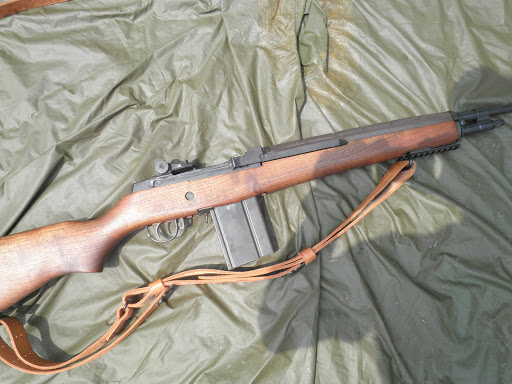

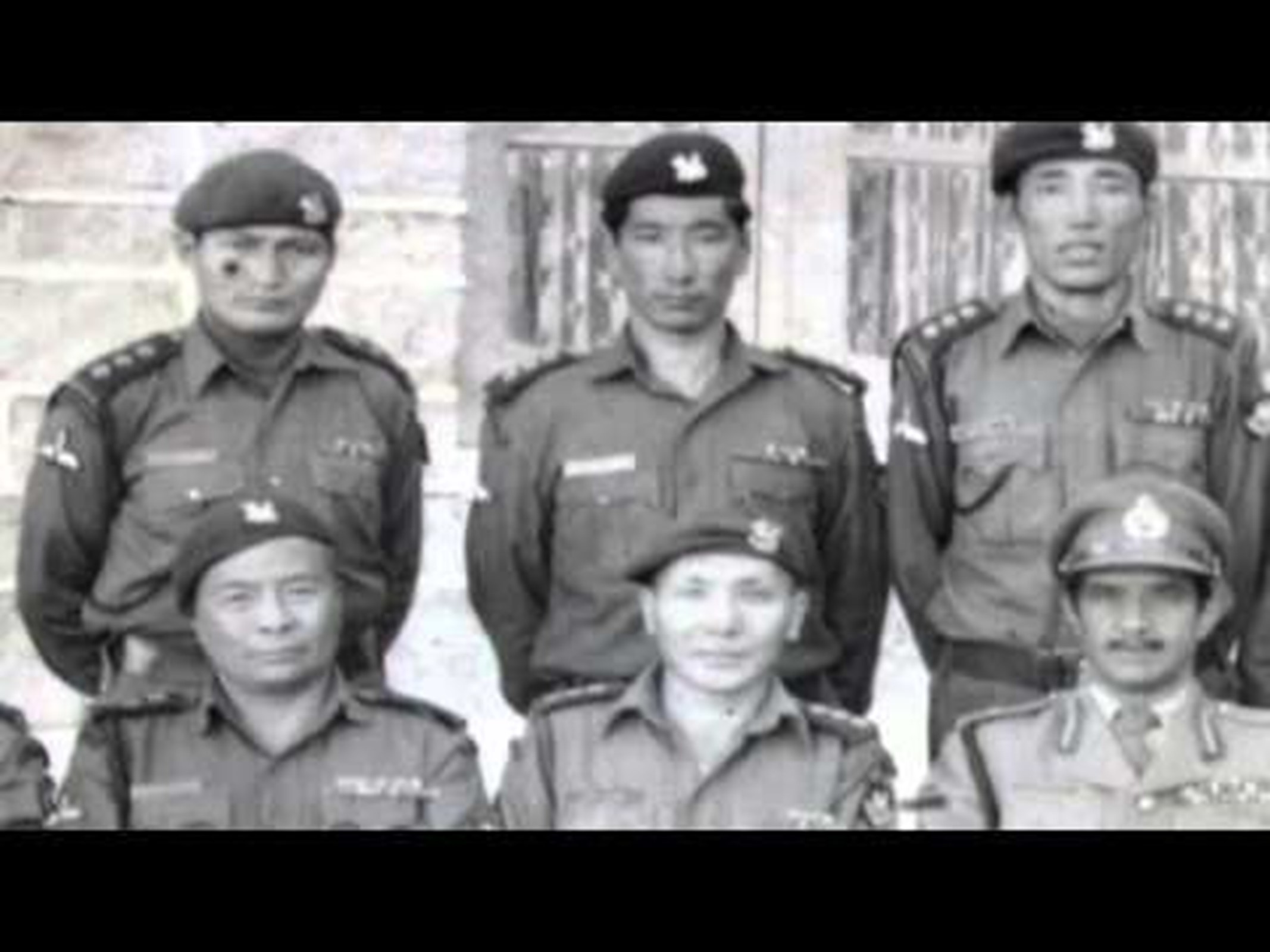
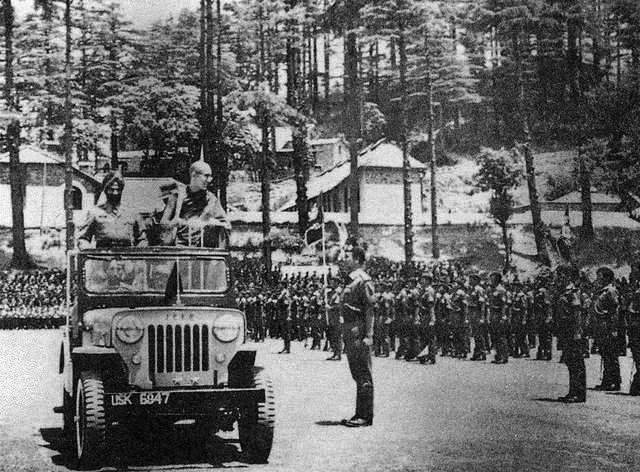
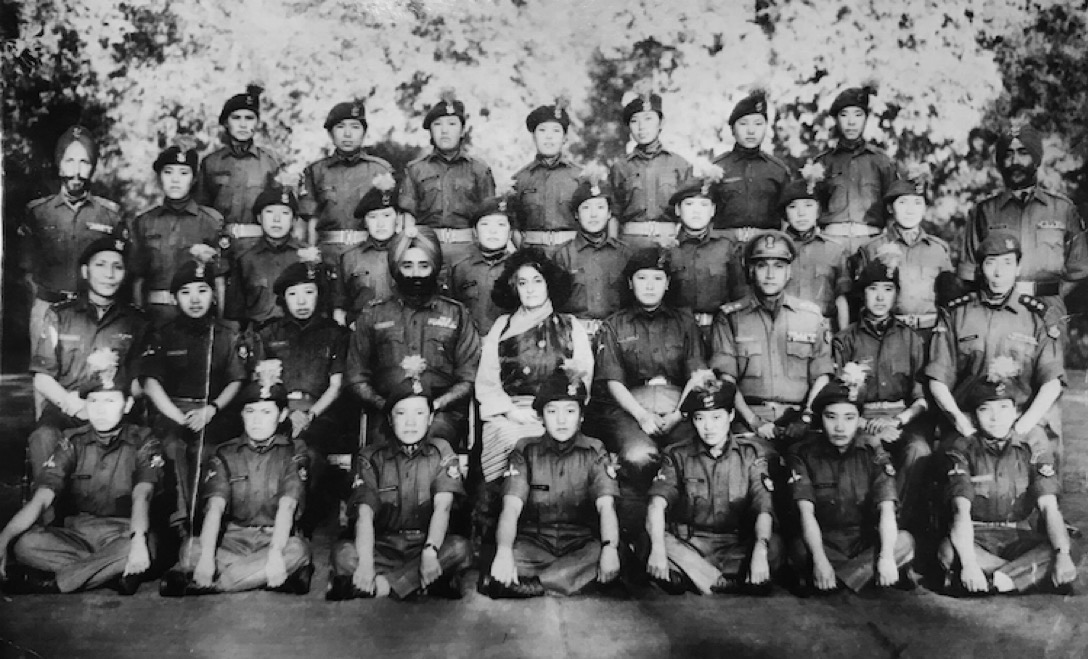

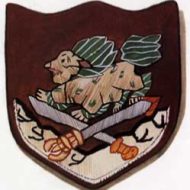
The US, India and Tibet are currently in agreement to support this military organization known in India as Special Frontier Force for it serves their purposes of Intelligence Gathering and the US Government provides the Funds to sustain the Intelligence Gathering Mission.