Defines man in all his dimensions to account for human existence in the Natural World.
Cold War in Asia – Lesson. 48 – Whole Crusade – President Dwight D. Eisenhower On 03 November, 1959, laid the cornerstone of the CIA Headquarters Building in Langley, Virginia.
President Dwight D. Eisenhower proclaims the “Call for Peace through Freedom” in December 1959
About the Original Headquarters Building Cornerstone
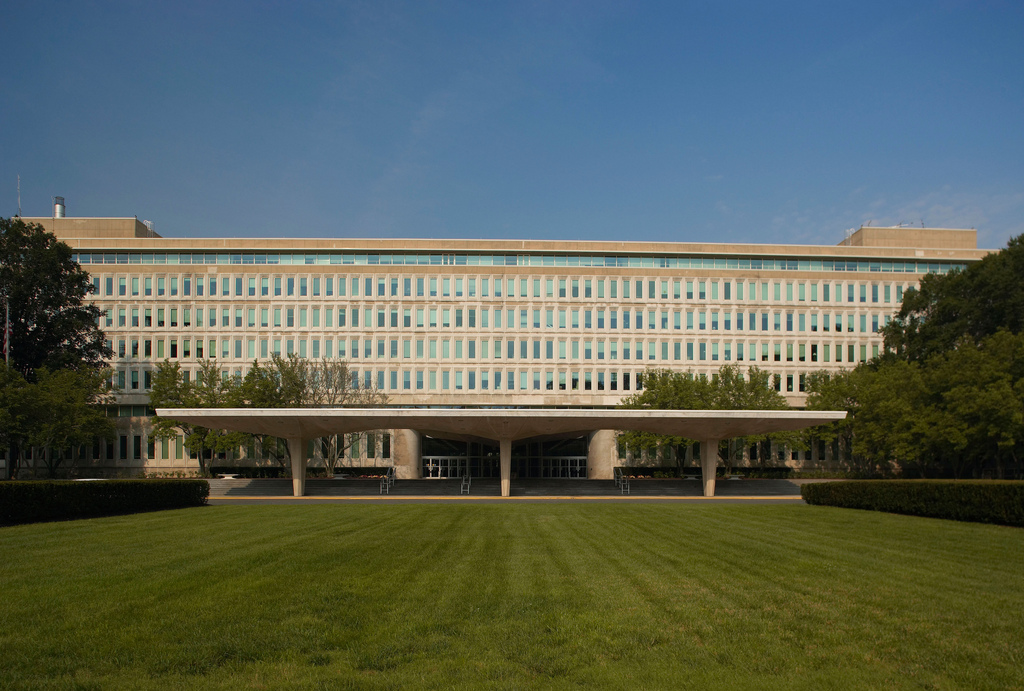
Whole Dude – Whole Spy: The Original Headquarters Building (OHB) reflects the vision of Allen Welsh Dulles, the 5th Director of CIA. CIA is the principle Intelligence and Counterintelligence agency of the US Government. It is organized as 1. The Intelligence Directorate, 2. The Directorate of Operations which includes espionage, 3. The Directorate of Science and Technology, and 4. The Directorate of Administration.
The Original Headquarters Building (OHB) reflects the vision of Allen Welsh Dulles, the 5th Director of CIA. CIA is the principle Intelligence and Counterintelligence agency of the US Government. It is organized as 1. The Intelligence Directorate, 2. The Directorate of Operations which includes espionage, 3. The Directorate of Science and Technology, and 4. The Directorate of Administration.
In May 1959, with the site under security surveillance and contractors wearing security badges, work began on the Original Headquarters Building. On November 3 of that year, President Eisenhower came to Langley to place the time capsule and to lay the cornerstone. But that November ceremony was largely symbolic. The box and cornerstone were later removed and held for safekeeping until they were permanently installed more than a year later. (The silver-engraved trowel the President used can be found in the CIA Museum Collection.)
When the press asked Dulles after the ceremony what was in the box, he smiled and said, “It’s a secret.” Despite the DCI’s joke, everything in the copper-covered steel box was unclassified. In addition to the items mentioned below, the National Security Medal, the Distinguished Intelligence Cross, the Distinguished Intelligence Medal, the Intelligence Star, and the Intelligence Medal of Merit were added to the box later.
Contents of the cornerstone box include:
Memorandum for President Franklin D. Roosevelt from Major General William J. Donovan, director of the Office of Strategic Services, dated November 18, 1944, regarding the establishment of a permanent centralized intelligence service; and Memorandum from President Roosevelt to General Donovan, dated April 5, 1945, directing that General Donovan discuss his plan with the appropriate officials of the Government.
President Harry S. Truman’s Executive Letter of January 22, 1946, establishing the National Intelligence Authority and the Central Intelligence Group.
Statement of General (then Lieutenant General) Hoyt S. Vandenberg, Director of Central Intelligence, before the Senate Committee on Armed Services, on April 29, 1947, in support of the sections of the proposed National Security Act of 1947 to establish the Central Intelligence Agency.
Text and Explanation of Statutes and Executive Orders relating specifically to the Central Intelligence Agency (CIA), including Enabling and Appropriations Acts for the construction of the new CIA building.
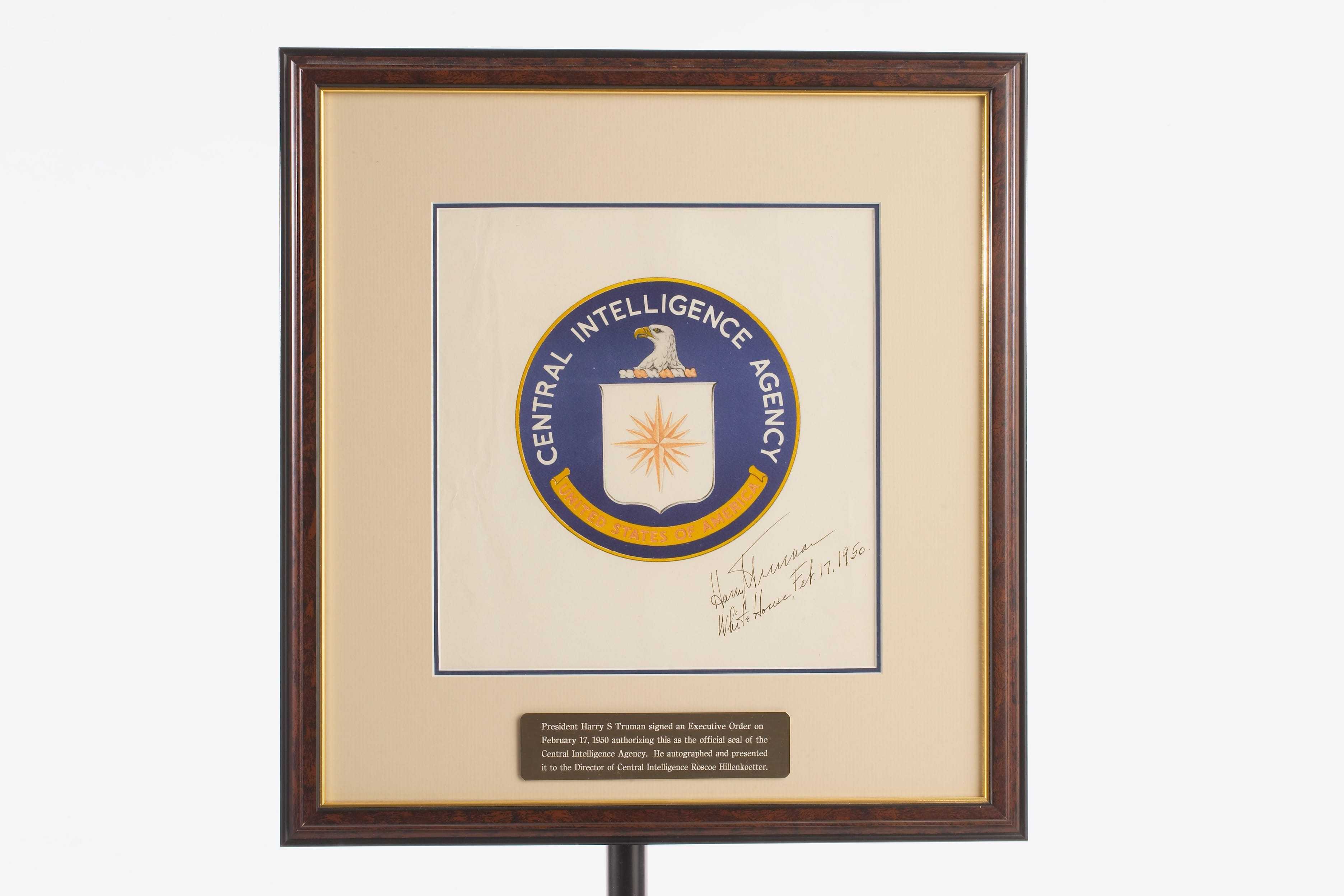
Reproduction of the CIA seal and its official description.
The official seal of the Central Intelligence Agency (CIA) was approved by President Harry S. Truman on February 17, 1950, under Executive Order 10111.
The official seal of the Central Intelligence Agency (CIA) was approved by President Harry S. Truman on February 17, 1950, under Executive Order 10111.
Key Design Elements
American Bald Eagle (Crest): Symbolizes strength, alertness, and national vigilance.
Shield (Center):Features a 16-point red compass rose and represents intelligence as the nation’s primary line of defense.
16-Point Compass Rose:Represents the convergence of intelligence and data from all around the globe into a single central location.
Inscriptions:The blue circular field displays “Central Intelligence Agency” at the top and a red-lettered gold scroll reading “United States of America” at the bottom.
History of the US Central Intelligence Agency
Origin: The National Security Act of 1947 created the CIA without a seal, while the CIA Act of 1949 authorized an official seal for document legitimacy.
Design Process: After an internal employee design contest failed to produce a suitable option, the U.S. Army Heraldic Branch (now the U.S. Army Institute of Heraldry) created the final design.
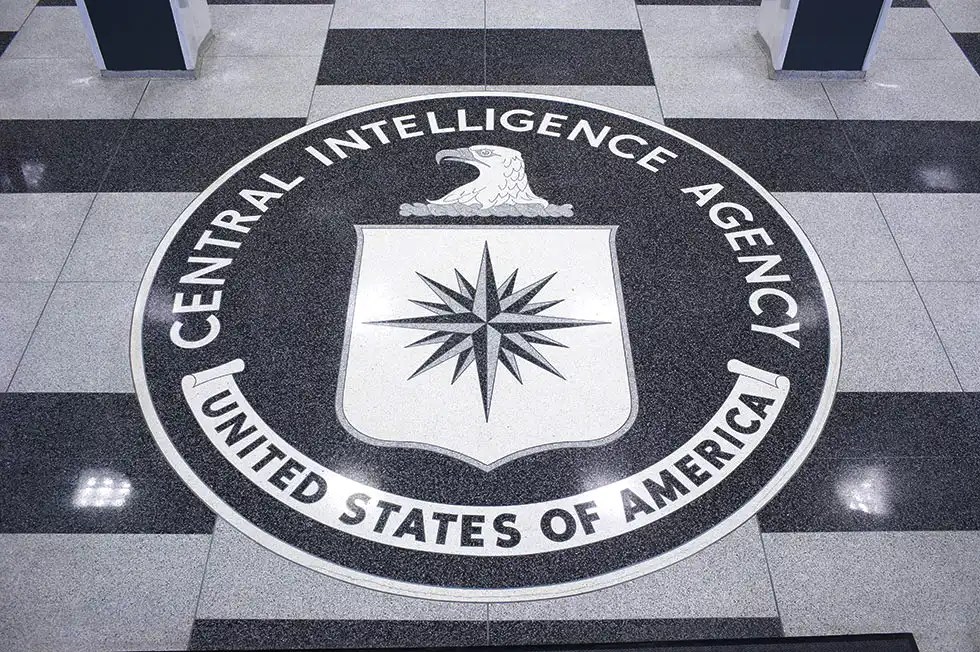
Iconic Display:A massive 16-foot-diameter inlaid granite version of the seal is embedded in the floor of the Original Headquarters Building lobby in Langley, Virginia.
Iconic Display: A massive 16-foot-diameter inlaid granite version of the seal is embedded in the floor of the Original Headquarters Building lobby in Langley, Virginia
“William J. Donovan and the National Security,” a speech by Allen W. Dulles, Director of Central Intelligence, to the Erie County Bar Association, Buffalo, New York, May 4, 1959.
An aerial photograph of the CIA building site.
Drawings of the CIA building as it would appear when completed.
Invitation to the Ceremony, the Program, a recording, and photographs of the Cornerstone Ceremony.
Microfilm copies of daily and weekly newspapers of 3 November 1959.
The Debrief: Behind the Artifact – Cornerstone
TRANSCRIPT
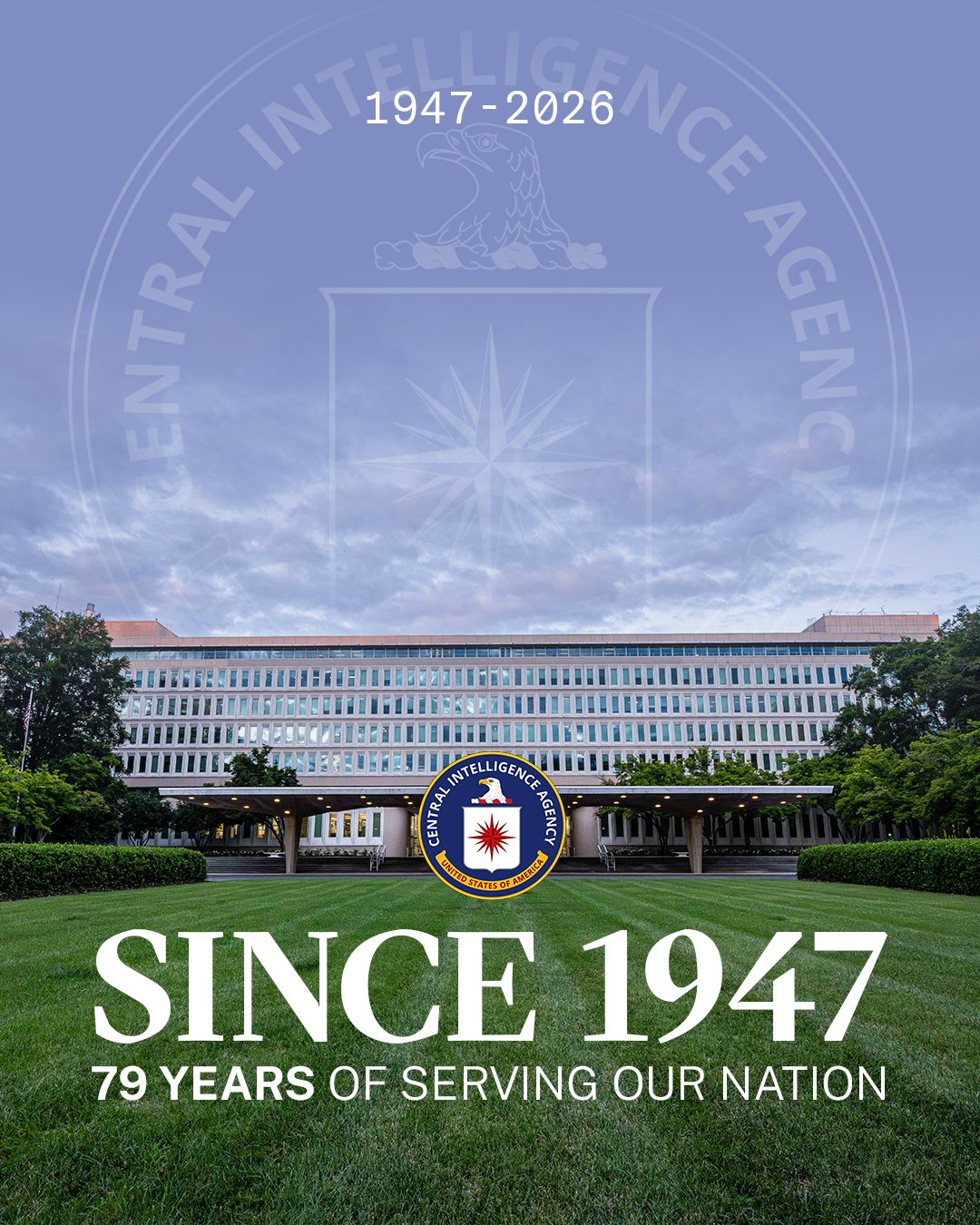
In 2021, we celebrate the 60th anniversary of CIA’s Original Headquarters Building.
President Dwight D. Eisenhower joined Director of Central Intelligence Allen Dulles here, to lay the cornerstone right where I’m standing. On November 3rd, 1959 President Dwight D. Eisenhower used this trowel to lay the cornerstone of our new headquarters building. Just 12 years old at the time, the CIA was one step closer to finally having a permanent headquarters.
CIA’s Original Headquarters Building was designed in the 1950s, the designers used the vision of Allen Dulles who really wanted officers to work in a college-like campus setting, but wanted us in a secluded and safe area as well, but the key was we needed to be by US policymakers. Construction was completed in 1961 and officers began moving in 1962.
In preparation for the move into the headquarters building, the CIA gave officers a book entitled “Your New Headquarters Building” which laid out all of the new things that they were going to encounter once inside. It gave an idea of what the facility was like and the services within it. The publication emphasized the up-to-date nature of the new campus.
Words such as “new” and “modern” and “latest” appear repeatedly throughout the booklet in phrases such as “modern air conditioning and ventilation system”, “2 modern self-service cafeterias”, and “an automatic dial switchboard of the latest design”.
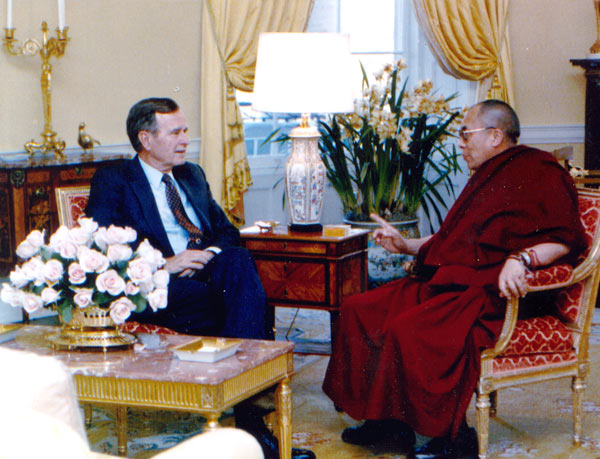
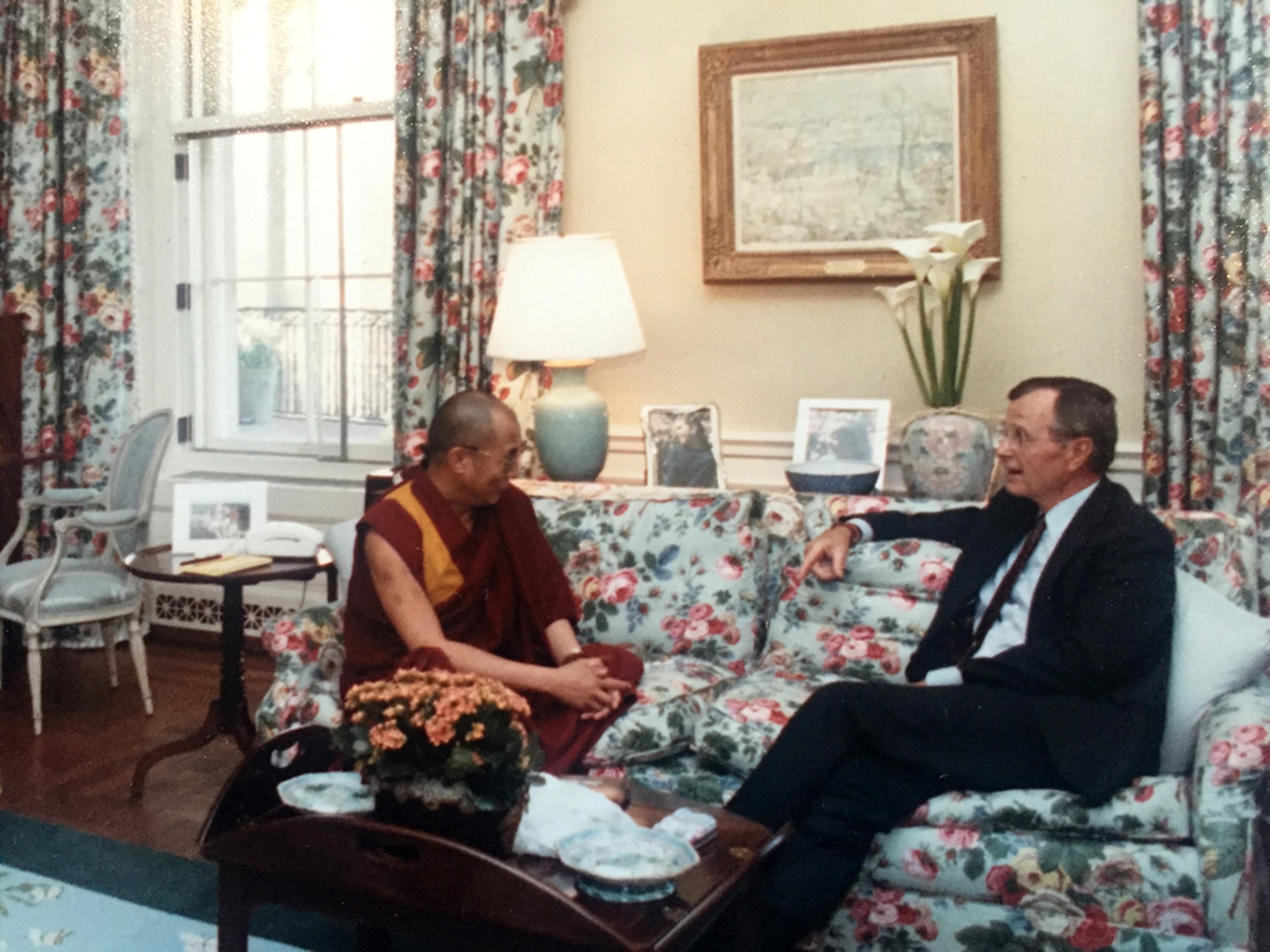
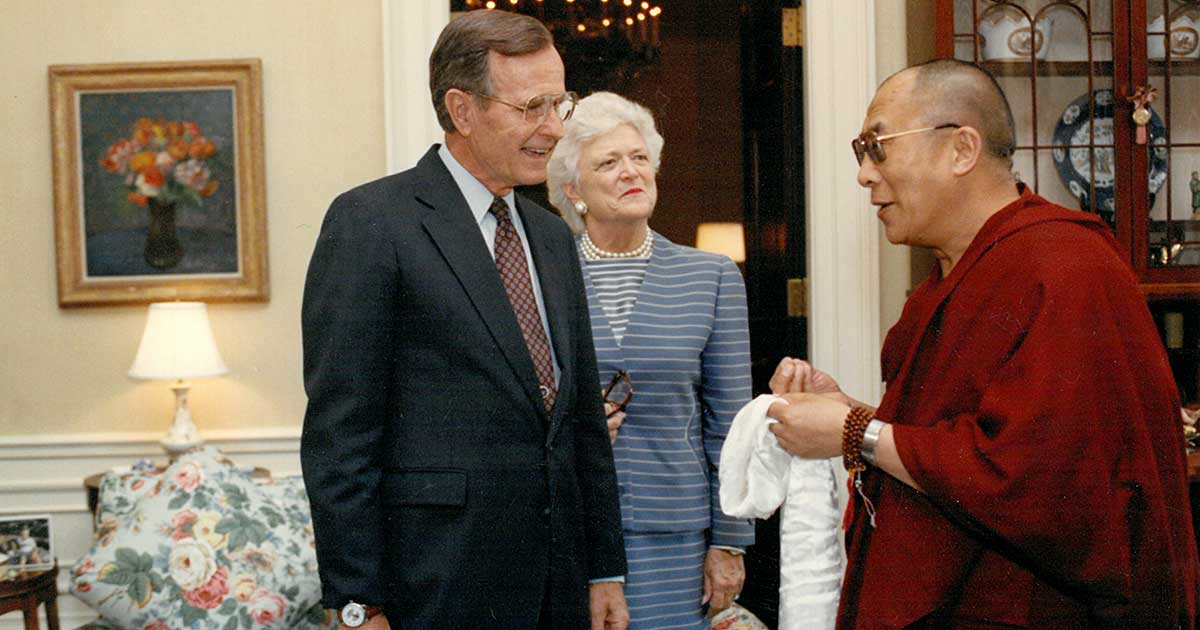
George H.W. Bush, the 41st President of the United States, served as the 11th Director of Central Intelligence from January 30, 1976, to January 20, 1977, under President Gerald Ford. He is the only U.S. president in history to have previously served as the head of the CIA.
The military occupation of Tibet poses the greatest danger to Peace, Freedom, Democracy, and Human Rights in the world. The problem will not go away and the real solution for the military occupation of Tibet is the Eviction of Military Occupier from the territories of Tibet.
Special Frontier Force at The White House: On April 16, 1991, the 14th Dalai Lama met with US President George H.W. Bush during his first visit to The White House. President George H.W. Bush served as the Director of the US CIA.Whole Dude – Whole Friend: Special Frontier Force Remembers the 41st US PresidentWhole Dude – Whole Friend: Special Frontier Force Remembers the 41st US President
The US Intelligence Gathering Mission in India:
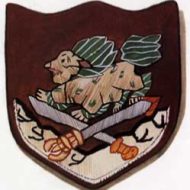
This Badge worn by Special Frontier Force, Establishment-22, Vikas Regiment represents the US Intelligence Gathering Mission in India in partnership with Research and Analysis Wing (R&AW) of India.
On behalf of Special Frontier Force (#SpecialFrontierForce), Establishment-22 (#Establishment22), and Vikas Regiment I ask my readers to give special attention to some of the aspects of US-Tibet relations. These are:
1. From 1911 to 1950, for about 39-years, Tibet was an independent, sovereign nation. However, Tibet chose a political policy called ‘Isolationism’ and limited its interactions with foreign powers. Tibet had diplomatic relations with a few of its immediate neighbors like India, Nepal, and China. For Tibet had no formal diplomatic relationships with the United States, their relations always existed under the shadow of US-India relations. It should not be of any surprise for both India, and Tibet face a common external enemy.
2. People’s Republic of China as a national entity came into existence on October 01, 1949 following the Communist October Revolution that seized political power in China after defeating the nationalists or Kuomintang who fled mainland China to establish Republic of China popularly known as Taiwan.
3. The security threat posed by People’s Republic of China is the driving force that still shapes the US-India-Tibet relations. After Communist China’s illegal invasion and military occupation of Tibet since 1950s, the history of the US-India-Tibet relations is shaped entirely with the sole purpose of resisting China’s military occupation of Tibet.
4. During the long course of 77-years, the US-India-Tibet relations are primarily based on the principles on which the United States declared its independence from its rule by Great Britain. In the words used by US President Dwight D. Eisenhower, the US-India-Tibet relations represent a “Crusade for Peace through Freedom.”
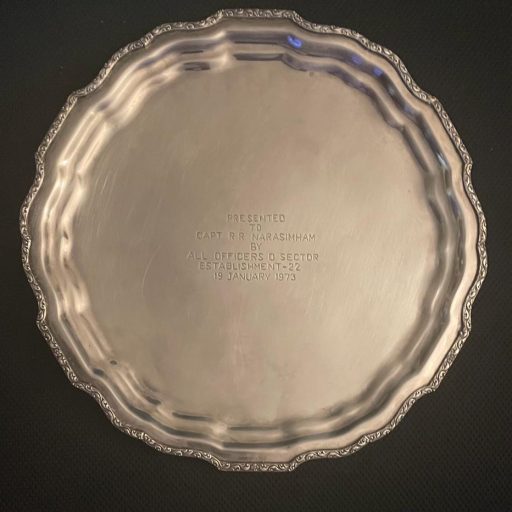
Service Award presented by all Officers D Sector, Establishment- 22. Special Frontier Force, Establishment-22, Vikas Regiment represents the US Intelligence Gathering Mission in India in partnership with Resaerch and Analysis Wing (R&AW) of India.
5. I am a witness to the history of US-India-Tibet relations on account of my affiliation with a military organization called Special Frontier Force (#SpecialFrontierForce) or Establishment 22 (#Establishment22) or Vikas Regiment which supports the External Intelligence Gathering Mission of the US Central Intelligence Agency outside the United States. I have no particular need to cite any government documents to support my statements. However, I have to acknowledge the vastly superior intelligence capabilities of People’s Republic of China which gave it a clear insight about the US-India-Tibet relations. China expressed its displeasure by attacking India along its Himalayan Frontier during October-November 1962. The US-India-Tibet relations survived despite firm opposition from Communist China.
HISTORY OF THE US-INDIA-TIBET RELATIONS: THE STATUE OF LIBERTY SYMBOLIZES THE VALUES THAT GUIDE AND SHAPE THE US FOREIGN POLICY. THE US -TIBET-INDIA RELATIONS AIM AT RESTORING FREEDOM IN OCCUPIED TIBET. THIS RELATIONSHIP WAS ESTABLISHED SOON AFTER COMMUNIST CHINA’S INVASION AND OCCUPATION OF TIBET IN 1950.HISTORY OF THE US-INDIA-TIBET RELATIONS: I ASK MY READERS TO REFLECT UPON THE VALUES THAT GUIDED THE UNITED STATES TO DECLARE ITS INDEPENDENCE. THE SAME VALUES SHAPED THE US FOREIGN POLICY WHEN IT COUNTERACTED THE THREAT POSED BY COMMUNISM.HISTORY OF THE US-INDIA-TIBET RELATIONS: CRUSADE FOR PEACE THROUGH FREEDOM .
The Crusade for Peace through Freedom in Occupied Tibet:
HISTORY OF THE US-INDIA-TIBET RELATIONS: THE BIRTH OF THE RED DRAGON. OCTOBER 01, 1949.
I ask my readers to explore the history of the US-India-Tibet relations formulated on the principles of Freedom and Democracy from 1949 by 33rd US President Harry S Truman (1949-1952). Dwight David Eisenhower, 34th President of the US (1953-1961) continued President Truman’s foreign policy of containing Communism. John Fitzgerald Kennedy, 35th President of the US (1961-1963) and Lyndon Baines Johnson, 36th President of the US (1963-1969) continued to checkmate Communist Cold War strategy. To gain a correct historical perspective, I have to mention that Richard Milhous Nixon served as Vice President (1953-1956, & 1957-1960) under President Eisenhower and was intimately involved in implementing President Eisenhower’s policy of containing Communism in Southeast Asia.
I am pleased to share some of these photo images that help me to recapitulate the historical ties between the United States, India, and Tibet. Because of the silence and secrecy imposed by Cold War Era, the connections between these three nations are often misunderstood.
HISTORY OF THE US-INDIA-TIBET RELATIONS: 33rd US President Harry S. Truman (1949-1952)HISTORY OF THE US-INDIA-TIBET RELATIONS: 34th US President Dwight D. Eisenhower (1953-1961)HISTORY OF THE US-INDIA-TIBET RELATIONS: 35th US President John F. Kennedy (1961-1963)HISTORY OF THE US-INDIA-TIBET RELATIONS: 36th US President Lyndon B. Johnson (1963-1969)HISTORY OF THE US-INDIA-TIBET RELATIONS. The Crusade for Peace through Freedom in Occupied Tibet.HISTORY OF THE US-INDIA-TIBET RELATIONS: FORMER CIA OFFICIALS KENNETH KNAUS AND JOHN GREANEY SHARED THEIR PERSONAL EXPERIENCES OF THE US-INDIA-TIBET RELATIONS. The Crusade for Peace through Freedom in Occupied Tibet.HISTORY OF THE US-INDIA-TIBET RELATIONS: BRUCE WALKER , FORMER OFFICIAL OF CIA. The Crusade for Peace through Freedom in Occupied Tibet.HISTORY OF THE US-INDIA-TIBET RELATIONS: OCTOBER 11, 1949. The Indian Prime Minister visit to the USA.HISTORY OF THE US-INDIA-TIBET RELATIONS: OCTOBER 11, 1949. The Indian Prime Minister’s visit to the USA.HISTORY OF THE US-INDIA-TIBET RELATIONS: OCTOBER 11, 1949. The Indian Prime Minister’s visit to the USA.
The History of The US-India-Tibet Relations: The US President Eisenhower with the US Secretary of State. The Crusade for Peace through Freedom in Occupied Tibet.
HISTORY OF THE US-INDIA-TIBET RELATIONS: DECEMBER 16, 1956. The Indian Prime Minister’s visit to the USA. Both India and the US desired for Peace through Freedom in Occupied Tibet.Nixon served as the US Vice President for two terms during the presidency of Eisenhower. He knows about the Crusade for Peace through Freedom in Occupied Tibet.The history of the US-India-Tibet relations. Nixon served as the US Vice President for two terms during the presidency of Eisenhower. He knows about the Crusade for Peace through Freedom in Occupied Tibet.The history of the US-India-Tibet Relations. APRIL 1958. Nixon served as the US Vice President for two terms during the presidency of Eisenhower. He knows about the Crusade for Peace through Freedom in Occupied Tibet.Nixon served as the US Vice President for two terms during the presidency of Eisenhower. He knows about the Crusade for Peace through Freedom in Occupied Tibet.Nixon served as the US Vice President for two terms during the presidency of Eisenhower. He knows about the Crusade for Peace through Freedom in Occupied Tibet.17 NOVEMBER 1954. Vice President Nixon with the Vice President of India. Nixon served as the US Vice President for two terms during the presidency of Eisenhower. He knows about the Crusade for Peace through Freedom in Occupied TibetHISTORY OF THE US-INDIA-TIBET RELATIONS: SEPTEMBER 1957. PEKING. Indian Vice President’s visit to Peking. Initially, both India and Tibet believed the assurances offered by Communist China and desired a peaceful resolution of Tibet’s Occupation.HISTORY OF THE US-INDIA-TIBET RELATIONS : SEPTEMBER 1957. INDIAN VICE PRESIDENT IN PEKING. Initially, both India and Tibet believed the assurances offered by Communist China and desired for a peaceful resolution of the conflict provoked by the Chinese aggression in Tibet.The History of the US-India-Tibet Relations. Nixon served as the US Vice President for two terms during the presidency of Eisenhower. The US policy of the Crusade for Peace through Freedom in Occupied Tibet was clearly understood by the Enemy.The history of the US-India-Tibet relations. 1960. Nixon served as the US Vice President for two terms during the presidency of Eisenhower. He knows the US policy of the Crusade for Peace through Freedom in Occupied TibetHISTORY OF THE US-INDIA-TIBET RELATIONS: DECEMBER 09, 1959. Crusade for Peace through Freedom in Occupied Tibet. India was a free country and the call was for Freedom in Occupied Tibet. The US President’s visit to India.History of the US-India-Tibet Relations – DECEMBER 10, 1959. Crusade for Peace through Freedom in Occupied Tibet. The US President’s visit to India.HISTORY OF THE US-INDIA-TIBET RELATIONS: Crusade for Peace through Freedom in Occupied Tibet. The US President’s visit to India In December 1959.HISTORY OF THE US-INDIA-TIBET RELATIONS: Crusade for Peace through Freedom in Occupied Tibet. The US President’s visit to India in December 1959.NIXON, EISENHOWER, AND JUSTICE WARREN. Nixon served as the US Vice President for two terms during the presidency of Eisenhower. He knows the US policy, Crusade for Peace through Freedom in Occupied Tibet.The History of the US-India-Tibet Relations. Crusade for Peace through Freedom in Occupied Tibet. The Prince of Peace, the US President’s visit to India in December 1959.The History of the US-India-Tibet Relations. Crusade for Peace through Freedom in Occupied Tibet. The Prince of Peace, the US President’s visit to India in December 1959.THE HISTORY OF THE US-INDIA-TIBET RELATIONS: Nixon served as the US Vice President for two terms during the presidency of Eisenhower. He knows the US policy, the Crusade for Peace through Freedom in Occupied TibetThe History of the US-India-Tibet Relations. Crusade for Peace through Freedom in Occupied Tibet.The History of the US-India-Tibet Relations. Crusade for Peace through Freedom in Occupied TibetThe History of the US-India-Tibet Relations. His Holiness the 14th Dalai Lama arrived in India on March 31, 1959 seeking political asylum as Communist China persisted with its brutal occupation of Tibet.The History of the US-India-Tibet Relations. His Holiness the 14th Dalai Lama arrived in India on March 31, 1959 seeking political asylum as Communist China persisted with its brutal occupation of Tibet.The History of the US-India-Tibet Relations. His Holiness the 14th Dalai Lama arrived in India on March 31, 1959 seeking political asylum as Communist China persisted with its brutal occupation of Tibet.The History of the US-India-Tibet Relations. His Holiness the 14th Dalai Lama arrived in India on March 31, 1959 seeking political asylum as Communist China persisted with its brutal occupation of Tibet.The History of the US-India-Tibet Relations. His Holiness the 14th Dalai Lama arrived in India on March 31, 1959 seeking political asylum as Communist China persisted with its brutal occupation of Tibet.The History of the US-India-Tibet Relations. His Holiness the 14th Dalai Lama arrived in India on March 31, 1959 seeking political asylum as Communist China persisted with its brutal occupation of Tibet. SEPTEMBER 04, 1959, His Holiness the 14th Dalai Lama and Ms. Indira Gandhi, daughter of the Indian Prime Minister. .HISTORY OF THE US-INDIA-TIBET RELATIONS : INDIA-TIBET RELATIONS ARE ALWAYS A REFLECTION OF THE US-TIBET RELATIONS. The Crusade for Peace through Freedom in Occupied Tibet.HISTORY OF THE US-TIBET RELATIONS: THIS PHOTO IMAGE OF KENNETH KNAUS OF CIA WITH HIS HOLINESS THE 14TH DALAI LAMA SPEAKS OF HISTORY OF THE US-TIBET RELATIONS. The Crusade for Peace through Freedom in Occupied Tibet.1960. Nixon served as the US Vice President for two terms during the presidency of Eisenhower. He knows about the Crusade for Peace through Freedom in Occupied Tibet.HISTORY OF THE US-INDIA-TIBET RELATIONS: APRIL 22, 1961. CAMP DAVID, MARYLAND. The Crusade for Peace through Freedom in Occupied Tibet.The History of the US-India-Tibet Relations. The Indian Prime Minister’s visit to the US in September 1961. The Crusade for Peace through Freedom in Occupied Tibet.HISTORY OF THE US-INDIA-TIBET RELATIONS: SEPTEMBER 1961. The Indian Prime Minister’s visit to the US, The Crusade for Peace through Freedom in Occupied Tibet.HISTORY OF THE US-INDIA-TIBET RELATIONS: SEPTEMBER 07, 1961. The Crusade for Peace through Freedom in Occupied Tibet.HISTORY OF THE US-INDIA-TIBET RELATIONS: NOVEMBER 07, 1961. The Crusade for Peace through Freedom in Occupied Tibet.HISTORY OF THE US-INDIA-TIBET RELATIONS: SEPTEMBER 09, 1961. The Crusade for Peace through Freedom in Occupied Tibet.HISTORY OF THE US-INDIA-TIBET RELATIONS: CHINA-INDIA WAR OF OCTOBER-NOVEMBER 1962. China retaliated against the US-India-Tibet policy of Crusade for Peace through Freedom in Occupied Tibet.HISTORY OF THE US-INDIA-TIBET RELATIONS: THE 1962 INDIA – CHINA WAR FOR ALL PRACTICAL CONSIDERATIONS IS THE PHYSICAL EVIDENCE FOR THE US-INDIA-TIBET RELATIONS WHICH REMAIN SHROUDED BY SILENCE AND SECRECY IMPOSED BY COLD WAR ERA DIPLOMACY.The History of the US-India-Tibet Relations. The policy of Crusade for Peace through Freedom in Occupied Tibet remains unchanged after the China-India War of 1962. JUNE 03, 1963, the Indian President’s visit to the United States.The History of the US-India-Tibet Relations. The policy of Crusade for Peace through Freedom in Occupied Tibet remains unchanged after the China-India War of 1962. JUNE 04, 1963, the Indian President’s visit to the United States.The History of the US-India-Tibet Relations. The policy of Crusade for Peace through Freedom in Occupied Tibet remains unchanged after the China-India War of 1962. JUNE 03/04, 1963, the Indian President’s visit to the United States.The History of the US-India-Tibet Relations. The policy of Crusade for Peace through Freedom in Occupied Tibet remains unchanged after the China-India War of 1962. JUNE 03/04, 1963, the Indian President’s visit to the United States.The History of the US-India-Tibet Relations. The policy of Crusade for Peace through Freedom in Occupied Tibet remains unchanged after the China-India War of 1962. JUNE 03/04, 1963, the Indian President’s visit to the United States.The History of the US-India-Tibet Relations. The policy of Crusade for Peace through Freedom in Occupied Tibet remains unchanged after the China-India War of 1962. JUNE 03/04, 1963, the Indian President’s visit to the United States..HISTORY OF US-INDIA-TIBET RELATIONS: 1964. NEW DELHI. Indian Prime Minister with His Holiness the 14th Dalai Lama. The US-India-Tibet policy of Crusade for Peace through Freedom in Occupied Tibet persisted after the 1962 China-India War.
The Living Tibetan Spirits:
HISTORY OF THE US-INDIA-TIBET RELATIONS SINCE 1949. THERE IS HOPE FOR FUTURE AND THERE IS HOPE FOR VICTORY IN THE CRUSADE FOR PEACE THROUGH FREEDOM IN OCCUPIED TIBET .
Rudra Narasimham. Rebbapragada,
Ann Arbor, Michigan, U.S.A.
Service Information: Service Number: MS-8466/MR-03277K; Rank: Major; Branch: Army Medical Corps/Short Service Regular Commission/Direct Permanent Commission (1969-1984); Medical Officer, South Column, Operation Eagle (1971-72), Headquarters Establishment No. 22 C/O 56 APO (1971-74), Directorate General of Security, Office of Inspector General Special Frontier Force, East Block V, Level IV, R. K. Puram, New Delhi – 110 022
Whole Man - Whole Theory: I intentionally combined the words Whole and Dude to describe the Unity of Body, Mind, and Soul to establish the singularity called Man.
View more posts