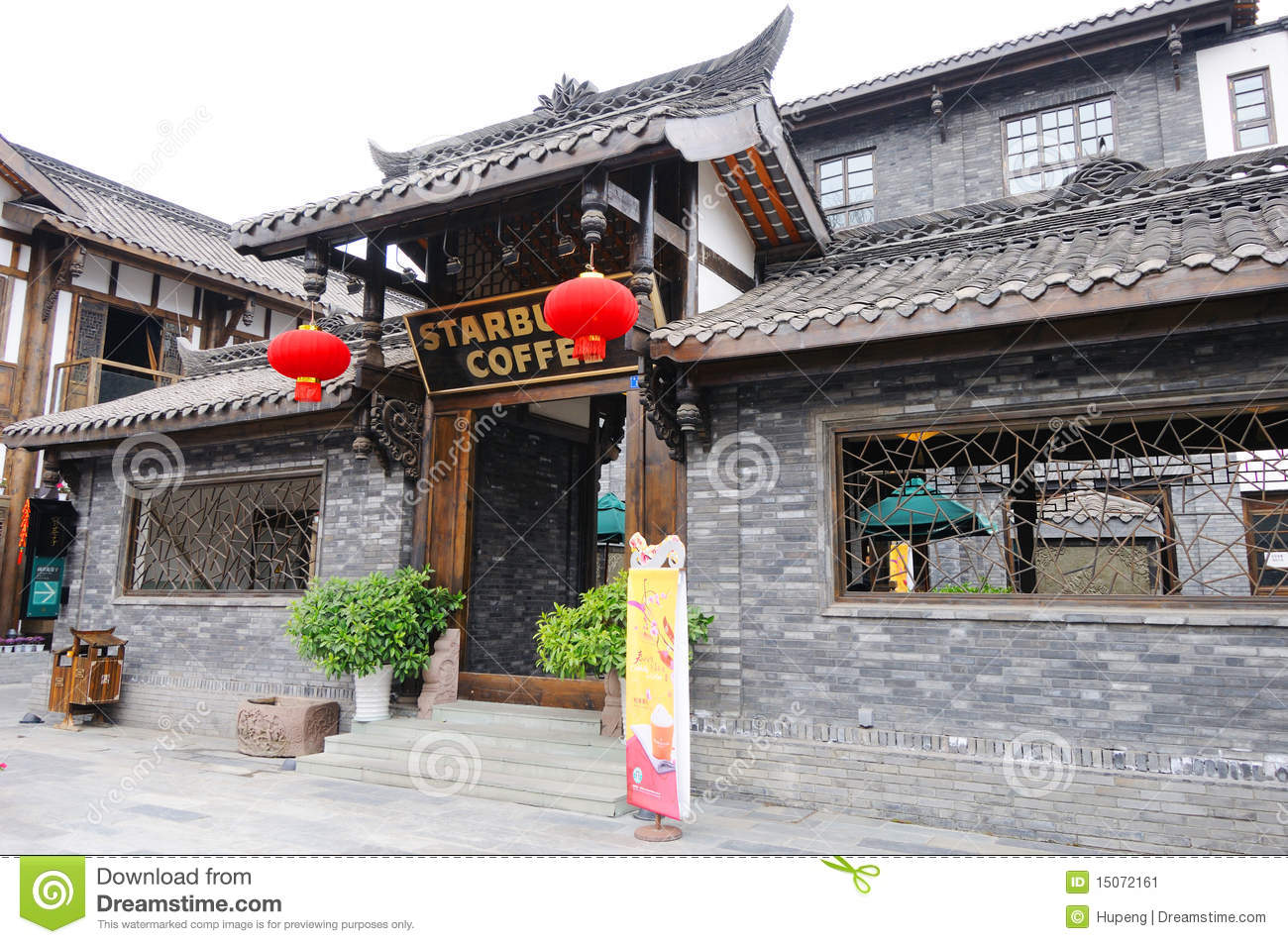
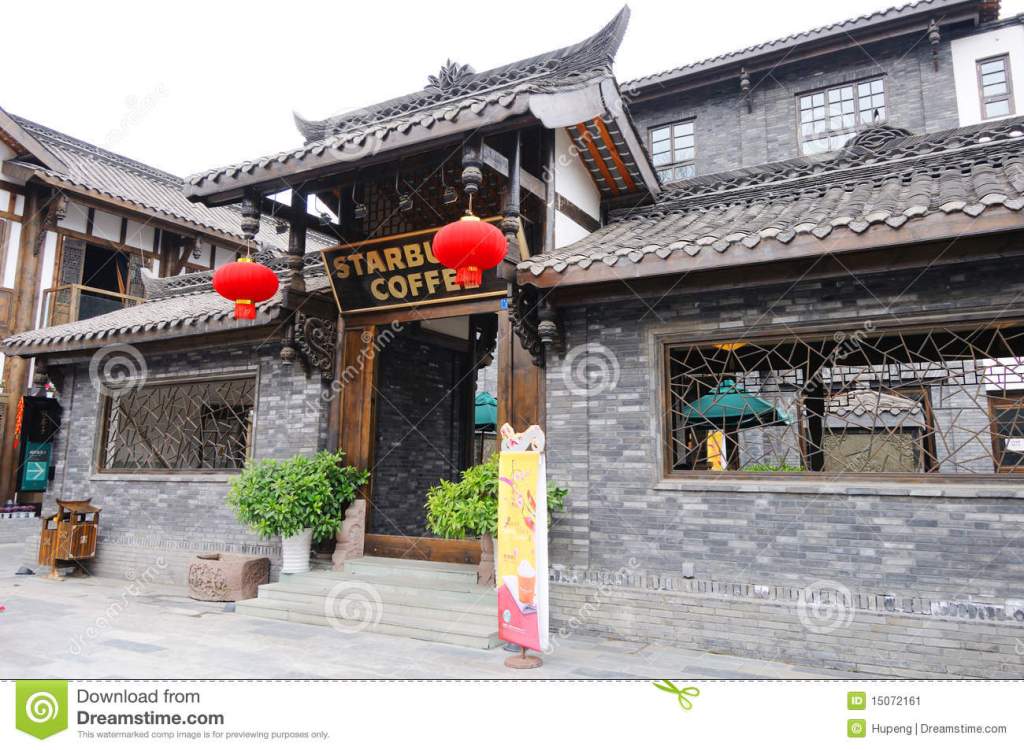
Tibet Awareness – Starbucks Opens Up Shops on the Tibetan Plateau
Any mountain climber will be able to describe the shortness of breath that normally comes with altitude. It’s not that the air has a lower percentage of oxygen – it’s around 21% wherever you stand in the world. But air pressure decreases the further you walk or fly from the sea’s surface, allowing the gas molecules to spread out in all directions, and a lung can only stretch so far to compensate. The Tibetan plateau is one of the highest regions on Earth. It has an average elevation of ∼4,000 m, a barometric pressure of <500 mmHg, and an ambient partial pressure of oxygen (Po2) of 80 mmHg. At more than 4,000m (13,000ft) above Sea Level, each breath contains around a third less oxygen than the same breath far below. At this altitude, the oxygen level in the air is roughly 60% of what is found at sea level, meaning people breathe in considerably less oxygen with each breath. Low oxygen levels can cause various health issues including nausea, dizziness, headaches, fatigue, and in severe cases, altitude sickness.
I am sharing this story published by Brandchannel with the hope generated by my prediction of Red China’s sudden downfall. There is a chance that I may be attending festivities in Lhasa to celebrate Tibet’s Liberation from Communist occupation. I would be happy to sip a cup of hot, freshly brewed Starbucks coffee to begin my day in Lhasa on a bright note. The Coffee is going to taste better when there is Freedom in the thin air of Tibetan Plateau.
BRANDCHANNEL:
Starbucks Opens Up Shops on the Tibetan Plateau
Posted September 15, 2015 by MARK J. MILLER
A trip to Tibet has long been considered a journey one takes when seeking internal peace. Escaping Western creature comforts can help an individual reprioritize what life is all about.
That image may still be true, but Starbucks is inching closer to getting its caffeine and sugar into the country. On Friday, it opened two locations on the Tibetan Plateau over the border in the northern Chinese city of Xining.
The locations are strangely only 300 meters away from each other in a city of 2.2 million people. “Young people are very excited by the Starbucks,” student Padma Yangkyi told the Xinhua News Agency. “The fondness for traditional buttered tea and Tibetan opera doesn’t weaken our love for coffee and pop songs.”
China now has about 1,700 Starbucks, passing Canada as the country with the second-most locations outside the US, according to Quartz. The plan is to double that number in the next five years.
It isn’t clear when Starbucks will get to Tibet proper but it seems inevitable. The Australian reports that new Sinopec gas stations have popped up, there’s a shiny new Tibet Tiandi Green Barley brewery, and China is pumping “capital into the area, funding new infrastructure and providing subsidies and assistance, including free education, to many of its population.”
A railway opened in 2006 that brings travelers from Qinghai, Tibet, saw 15 million tourists last year, up 20 percent from 2013. Where the people go, Starbucks will surely follow.

 Whole Dude - Whole Concept