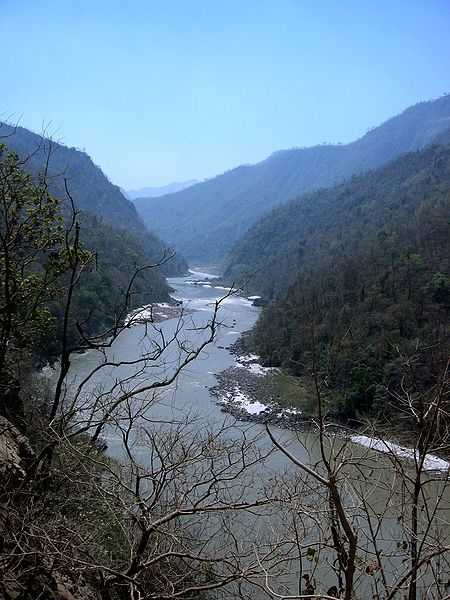
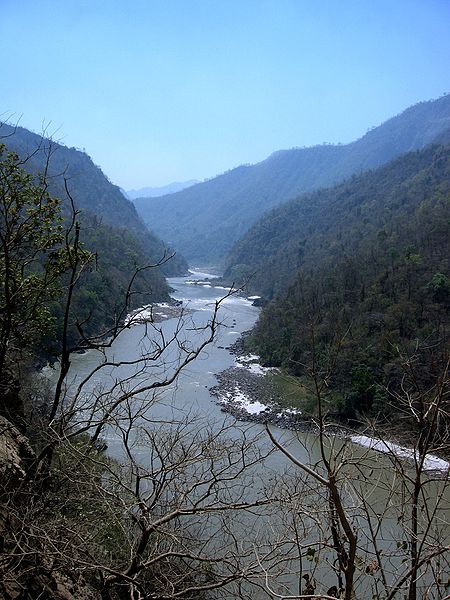
Whole Dude – Whole Ganges: Defining Indian Identity – The Spirit of Nationalism. Mother Ganges is the Spirit of the Nation called India or Bharat.Whole Dude – Whole Ganges: The Spirit of India
“….The Ganges,above all is the river of India,which has held India’s heart captive and drawn uncounted millions to her banks since the dawn of history.The story of the Ganges,from her source to the sea,from old times to new,is the story of India’s civilization and culture,of the rise and fall of empires,of great and proud cities,of adventures of man….”
Discovery of India, Jawaharlal Nehru
Whole Dude – Whole Ganges: Jawaharlal Nehru, India’s First Prime Minister speaks eloquently about River Ganges shaping the lives of Indians throughout History. Mother Ganges is the Spirit of the Nation.
Jis Desh Mein Ganga Behati Hai (The Country Where River Ganges Flows)
Whole Dude – Whole Ganges: WHAT IS INDIA? INDIA IS DEFINED AS THE LAND OR COUNTRY WHERE RIVER GANGES FLOWS. INDIA CAME INTO EXISTENCE WHEN GANGES STARTED FLOWING THROUGH THIS LAND. RIVER GANGES IS THE SPIRIT OF THIS NATION
Raj Kapoor won Filmfare’s Best Actor Award in 1961 for his portrayal of ‘Raju’, a song writer, in his film titled ‘Jis Desh Mein Ganga Behati Hai’. The picture was released during 1960 when I was twelve years old and was studying in VI-Form (S.S.L.C. Class of March 1961) in Danavaipeta Municipal High School, Rajahmundry, East Godavari District, Andhra Pradesh, India.We had a beautiful marble statue of Mahatma Gandhi right in front of our school.I studied Indian History as part of my school curriculum.I used to score well in my History tests. It was not too difficult for me to remember all those dates,names and other facts that constitute the subject matter of History. I have a deep sense of appreciation for all those leaders who orchestrated the political struggle against the British Rule.The Freedom Movement did indeed foster a sense of purpose and united people to achieve a common goal. It could be true that the fight against the Colonial powers gave a sense of Identity and very often the freedom fighters were called ‘Satyagrahis’. I have great admiration for their sense of patriotism and I am ever grateful for the sacrifices they made to win our independence. I saw this movie ‘ Jis Desh Mein ‘ just once and may have heard the title song on the radio on a few occasions.But the song , “Hotoan pe sachhai rahati hai, jahan dil me safaai rahati hai, Hum uss desh ke vaasi hai, Hum uss desh ke vaasi hai, Jis Desh Mein Ganga Behati Hai” never faded from my memory.
Whole Dude – Whole Ganges: Defining Indian Identity – Mother Ganges is the Spirit of the Nation called India or BharatWhole Dude – Whole Ganges: Defining Indian Identity – Mother Ganges is the Spirit of the Nation called India or Bharat
Ten years after seeing the movie, in the year 1970, at the age of 22 years , I was granted President’s Commission and joined the Indian Armed Forces in the rank of Lieutenant.While joining Service,we accept the risks that naturally accompany such an occupation and reflect upon the motivation that shapes the decision.I understand that the Freedom Struggle was important but that Struggle does not define my sense of National Identity.I have known that the country that we call India has existed long before the invasion by the Mughals,the country that we call India has existed during centuries of British Rule and now the country that we call India exists in spite of the changes in the political landscape and the political fortunes of the Parties that we elect from time to time. My sense of National Identity is not dependent upon the political history of our country. My sense of National Identity does not depend upon the language that I speak at home and it is not related to the regional customs pertaining to food or dress. I have known my country from its Cultural Traditions. In 1970,I joined the Indian Army to defend the country which lives in my mind as the Land where River Ganga flows.
Whole Dude – Whole Ganges: Mahatma Gandhi is revered as the Father of the Nation and had promoted the Spirit of Nationalism during India’s long Struggle for Freedom. But, Mother Ganges is the Spirit of this Nation called India or Bharat.
In my opinion, the country that we call India is not a mere political entity. It is true that India gained its political freedom in 1947. The country is existing ever since the River Ganges started flowing across its Land.
I am not surprised that the song “Jis Desh Mein” still plays and I still hear the golden voice of immortal Mukesh, whenever my heart dreams about India. Most certainly, the Spirit of Nationalism is inspired by a history which reaches back to a period earlier than the British occupation of India.
Jis Desh Mein Ganga Behti Hai Lyric
Whole Dude – Whole Ganges: Defining Indian Identity – Mother Ganges is the Spirit of the Nation called India or Bharat.
hothon pe sachchaaee rahatee hain, jahaan dil mein safaee rahatee hain hum us desh ke waasee hain, jis desh mein gangaa bahatee hain hothon pe sachchaaee rahatee hain, jahaan dil mein safaee rahatee hain hum us desh ke waasee hain, jis desh mein gangaa bahatee hain mehmaan jo humaaraa hotaa hain, wo jaan se pyaaraa hotaa hain mehmaan jo humaaraa hotaa hain, wo jaan se pyaaraa hotaa hain jyaadaa kee nahee laalach hum ko, thode mein gujaaraa hotaa hain thode mein gujaaraa hotaa hain
bachchon ke liye jo dharatee maan, sadiyon se sabhee kuchh sahatee hain
hum us desh ke waasee hain, jis desh mein gangaa bahatee hain
kuchh log jo jyaadaa jaanate hain, insaan ko kam pahachaanate hain kuchh log jo jyaadaa jaanate hain, insaan ko kam pahachaanate hain
ye poorab hain, poorabawaale, har jaan kee kimat jaanate hain milajul ke raho aaur pyaar karo, ik cheej yahee jo rahatee hain
jo jisase milaa sikhaa hum ne, gairon ko bhee apanaayaa hum ne jo jisase milaa sikhaa hum ne, gairon ko bhee apanaayaa hum ne matalab ke liye andhe ho kar, rotee ko nahee poojaa hum ne rotee ko nahee poojaa hum ne
ab hum to kyaa saaree duniyaan, saaree duniyaan se kahatee hain
hum us desh ke waasee hain, jis desh mein gangaa bahatee hain
Whole Dude – Whole Ganges: Defining Indian Identity – Mother Ganges is the Spirit of the Nation called India or Bharat.
Whole Dude – Whole Baptism: Defining Indian Identity – The Tradition of River Worship. River Godavari at RajahmundryWhole Dude – Whole Baptism: Defining Indian Identity. The tradition of River Worship. River Godavari at Rajahmundry.
CULTURAL UNIFICATION OF INDIA – THE PRACTICE OF TIRTHA SNAN ( BATHING IN HOLY RIVERS )
Whole Dude – Whole Baptism: Defining Indian Identity. The tradition of River Worship. River Godavari at Rajahmundry.
Water plays an important role in a variety of Cultures and religious practices prevalent in this world.The role of water constitutes one of the most remarkable aspects of Indian religious life. Hindu religion is often described as Sanatana Dharma. The practice of bathing in a river is an unusual example of the continuance of an ancient tradition and hence I can refer to the practice of Tirtha Snan (The ritual of River Bathing) as “Sanatana” (of great antiquity) in its origin. Simply touching water is a purifying gesture in the Vedas. Pilgrimages (Tirtha Yatras) to holy rivers (Tirtha) was already known in Vedic and Epic times and it remains extremely popular up to the present day. In fact,my impression is that the practice has become more popular and a far greater number of people are participating due to the availability of modern time conveniences for travel and lodging.The news media consistently report that our river festivals such as “Kumbh Mela” and “Pushkarams” have established world records as the largest gathering of human beings upon this earth in one single day and for one single purpose.
The sacredness of a place is often due to the sanctity it derives from its location on the bank of a holy river (Tirtha Sthan or Tirtha Kshetra). The following verse is an example of such belief. The simple act of remembering the various places that River Ganges traverses through, is equivalent to the worship of all Gods and it bestows great blessings (Punya).
Tatra tatra sthita Ganga, Sarva Punya phala prada
Bhaveth smarana maatrena, Sarva Deva namaskruta.
Apart from bathing (Snan), holy waters are used in the ritualistic worship of deities,and the water used in the worship is used to sprinkle upon the heads of the devotees and also consumed by the devotee in acceptance of the blessings from the Deity. The devotee hopes for deliverance from sin or pollution (“Paap”), seeks preservation or enrichment of his religious merit (“Punya”), hopes for a reward such as rebirth in a heaven (“Swarg Lok”)and even total emancipation (“Moksha or Mukti”). There are instances when people had actually traveled to the holy city of Varanasi to die near the holy River Ganges. More often, the cremated remains, the ashes are carried by the loved ones and are physically sprinkled and immersed in the holy rivers such as Ganges to help the onward journey of the departed soul.
Whole Dude – Whole Baptism: Defining Indian Identity. The tradition of River Worship. River Godavari at Rajahmundry.
The worship of rivers and the practice of bathing is a belief that is connected with the traditional Indian views of earthly life. Indians believe in the theory of Karma. They believe that the acts of their present lives and their past lives would be a factor that determines the condition into which a being is reborn. The Karma binds the soul and compels it to go through an endless series of births and deaths. The cycle of birth, death and rebirth is called Samsara. In my previous entry, I described the fear of Samsara as the defining attribute of Indian Identity. The practice of bathing in a holy river is an example of the doctrine of Individualism. Even when millions of people travel and gather together to bathe in a river on one day, each is acting strictly to earn his own merit and to reap his own benefit and the community does not expect any share of the rewards that the bather may be granted. I bathe and wash my own sins and I can not be of any help to others if they carry the burden of their own sins. Each person has to accept individualistic responsibility for their own actions and if necessary they can seek help from others to get to the river and ask for assistance to bathe in the river.
Whole Dude – Whole Baptism: River worship appears to be a communal event but its usefulness is strictly individualistic in nature.
River worship appears to be a communal event but its usefulness is strictly individualistic in nature. Bathing is not viewed as a simple act of personal hygiene, it constantly reminds us of the need to seek purification and makes us aware of our responsibility for own actions and challenges us to face the consequences in our future lives. People are encouraged to seek the blessings that bathing in holy rivers would contribute even while they may be showering at home. The following verse is an example of our connection to the rivers that flow across our Land.
Meaning: 1: O Holy Rivers Ganga and Yamuna, and also Godavari and Saraswati, 2: O Holy Rivers Narmada, Sindhu and Kaveri; Please be Present in this Water (and make it Holy).
My introduction to River Worship
Whole Dude – Whole Baptism: Defining Indian Identity. The tradition of River Worship. The celebration of Godavari River.
Culture represents ideas and thoughts transmitted by one generation to the next. It indeed gives me a great pleasure to recall my learning of this unique Cultural Tradition while I lived at my Grandfather’s mansion in Innespeta of Rajahmundry town in East Godavari District of Andhra Pradesh. During 1950s, I lived with my parents,two brothers, grand mother, her sister and my great grand mother. The house had bath rooms and we had regular piped water supply from the municipality. We would generally shower at home and on important festival days, we would bathe in River Godavari. My great grand mother was an exception to this bathing practice. She firmly believed in the practice of river worship and adhered to it every single day and almost till her final days of earthly existence. She was of short stature and she was already in her ninety’s and due to her age, her spine curved and made her even smaller. Her vision had deteriorated and she was able to see only a few feet ahead of her. Our house was located at the corner of Kalabargivari Street and the Ramalayam street.The Lord Sri Rama Temple of Innespeta is a well known land mark and it stands next to the protective river embankment. The river bank is fairly wide, it includes the railway tracks and a motor-able road. Much later, the second rail cum road bridge was built across Godavari River using these railway tracks. My great grand mother would walk to the river all by herself and used a walking stick to support herself. The walk to the river is short but she faced a lot of dangers on the street. Those days, the vehicular traffic was not a problem and crossing the railway tracks was not a problem. The biggest threat was posed by the stray animals such as goats and cows that roam freely on the streets. She was practically defenseless. As young boys at home, myself and my elder brother were often given the chore of escorting my great grand mother during her walk to the river. When we followed her as her escort, the animals always behaved better and would not come to attack her. The reward myself and my brother Pratap reaped was that of getting into the emerald green, crystal clear, cool waters of River Godavari and frolic in the shallow waters as my great grand mother did her worship. But for my great grand mother’s tenacity and perseverance, myself and my brother would never have ventured to make a trip to the river in the morning.
Whole Dude – Whole Baptism: Defining Indian Identity. The tradition of River Worship. Pilgrims at Godavari River.
It was a joyful experience and the Tradition of River Worship gave us some very fond memories of our life in Rajahmundry. The following verse speaks of the importance that we attach to rivers of India and they are treated with great respect as they are deemed to be the same as Ganges:
Whole Dude – Whole Baptism: Defining Indian Identity. The tradition of River Worship.
Kaveri,Tungabhadra cha, Krishnaveni cha, Gautamee
Bhagirathi cha vikhyata, Pancha Ganga prakirtita.
Whole Dude – Whole Baptism: Defining Indian Identity. The tradition of River Worship. River Godavari Bridge in Rajahmundry.Whole Dude – Whole Baptism: River worship appears to be a communal event but its usefulness is strictly individualistic in nature.
Whole Dude – Whole Person: The Making of a Whole Name for the Whole Person. The Choice of the Name is predestined by the Science of Light called Jyotish .Whole Dude – Whole Person: The Making of a Whole Name for the Whole Person. The Choice of the Name is predestined by the Science of Light called Jyotish.
The name ‘ Indian ‘ is related to the great river Sindhu which is also known as Indus. In 1492, Christopher Columbus sailed westwards towards setting sun to reach the shores of India. He discovered people living on islands whom he had mistakenly named as Indians. Apart from those island dwellers, the natives of the entire American continent, the so-called New World were named Indians. In spite of concerted efforts to rename them as Native Americans, the name Indian is still in use.
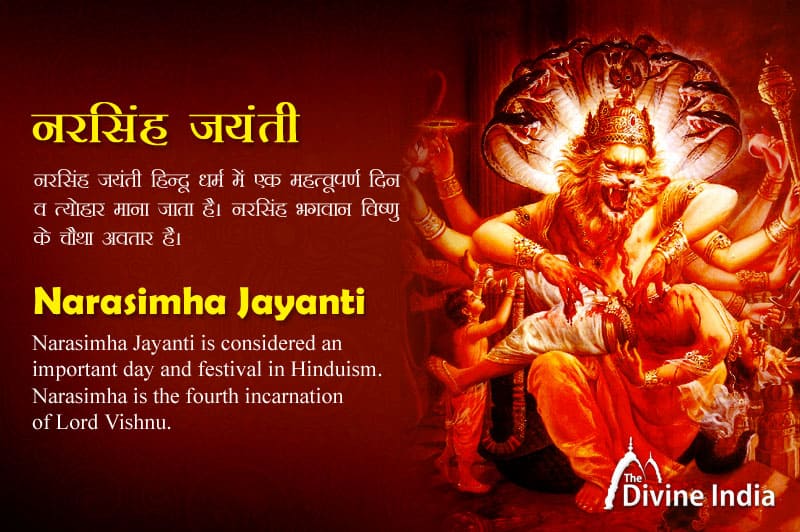
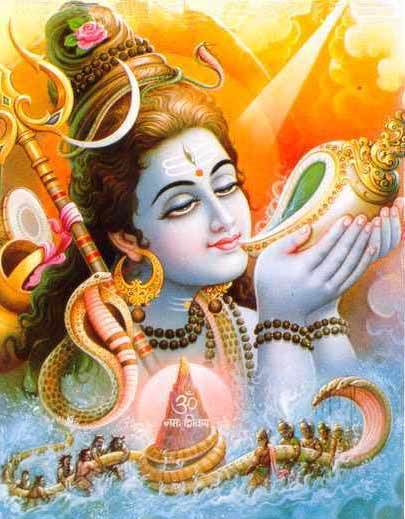
What’s in a Name?The Rudra Dimension of ShivaWhat’s in a Name? NarasimhaWhole Dude – Whole Person: The Making of a Whole Name for the Whole Person. The Choice of the Name is predestined by the Science of Light called Jyotish.
Name is a very important tool to describe personal identity. The word name as a noun, describes a person, place or thing. It is also a word or words by which an object of thought is known. Indians did not choose the name India or Indian. However, the people of our Land of BHARAT, are extremely fond of choosing names. This fondness for selecting, using and remembering names is an important Cultural attribute which defines our identity. In my case, the choice of the Name is predestined by the Science of Light. Earthly events have celestial connections.
The Tradition of Giving Names:
Whole Dude – Whole Person: The Making of a Whole Name for the Whole Person. Lord Shiva is known as Rudra, Neela Kantha, Pasupati and several other names. This fondness for selecting, using, and remembering names is an important cultural attribute which defines Indian Identity. The Choice of my Name is predestined.
The name ” Rudra ” is one of the earliest names known to humanity. According to legend, the Vedic God Rudra acquired His name from His Creator Brahma. As per the story, a boy was seen ‘crying’ and ‘wandering’. The father had asked the boy the reason for his ‘howling’. The boy had answered that he was ‘weeping’ for he was not given a name. So, the father created a name by bringing together two Sanskrit words which mean ‘crying’ and ‘wandering’. Thus the name Ru+dra was born. This legend is an example of our emotional dependence upon the need for names. The major Deities such as VISHNU and SHIVA that Indians worship are known by thousands of names and remembering those names is deemed as an act of devoted worship. The use of these names is a fundamental right and I understand the term religious freedom in the context of my freedom to choose the name that I would worship. The religious experience that I had gained while growing up in India relates to the use of names as an act of worship. Worship would have no meaning or purpose and would not give me a sense of direction if I do not remember the beautiful names that I have come to know.
A Personal Name and a Personal Story:
Whole Dude – Whole Person: The choice of my Name is predestined. This landmark Temple of Kapaleeswarar binds me to my birthplace Mylapore, Madras (Chennai). If my birthplace had been different, my Name would have been different. The Presiding Deity of this Temple is chosen as my personal Protector and hence I am given the name of RUDRA.
My personal name is very much a part of my personal story. If my birthplace had been different, my Name would have been different. My Name is chosen entirely due to the circumstances of my birth and I remain connected to the persons and the places for the rest of my life. I describe MYLAPORE of MADRAS city (CHENNAI) as my birth place and I describe RAJAHMUNDRY of East Godavari District as my native place.
Whole Dude – Whole Person: MY IDENTITY AND MY CONNECTION. I CALL MYSELF AS ‘REBBAPRAGADA’; MY MOTHER BELONGS TO THE ‘KASTURI’ FAMILY. THIS IS A PICTURE OF KASTURI BROTHERS. FROM LEFT TO RIGHT, 1. DR. KASTURI NARAYANA MURTHY, M.D. (MY MATERNAL GRANDFATHER), 2. KASTURI. SESHAGIRI RAO (MARRIED TO MRS. RUKMINI, DAUGHTER OF DR. SARVEPALLI RADHAKRISHNAN), 3. KASTURI NARASIMHA RAO, 4. KASTURI KRISHNA RAO, 5. KASTURI SOMESHWARA RAO, 6. KASTURI RAMACHANDRA RAO, AND 7. KASTURI SIVAPRASADA RAO (FAR RIGHT).
My mother had given birth to me at my maternal grandfather’s residence 2/37 KUTCHERY road in Mylapore. Corporation of Chennai, Public Health Department entered my birth in the Birth Register and issued a birth certificate which records my gender, the date and time of my birth, the place of my birth, the names of my father and mother, the registration number and it does not show my name as my parents did not give me a name while reporting my birth.
Whole Dude – Whole Person: My paternal grandfather. The family astrologer who had prepared my horoscope predicted an inauspicious event and the prediction came true five months after my birth. But the prediction did not deter my grandfather in any manner. My grandmother whose name I had acquired told me that my grandfather had loved me with all his heart without any concern about the astrological prediction.
I spent the years of my early childhood at my paternal grandfather’s mansion in INNESPETA of Rajahmundry, East Godavari District of Madras Presidency and later Andhra Pradesh, India.
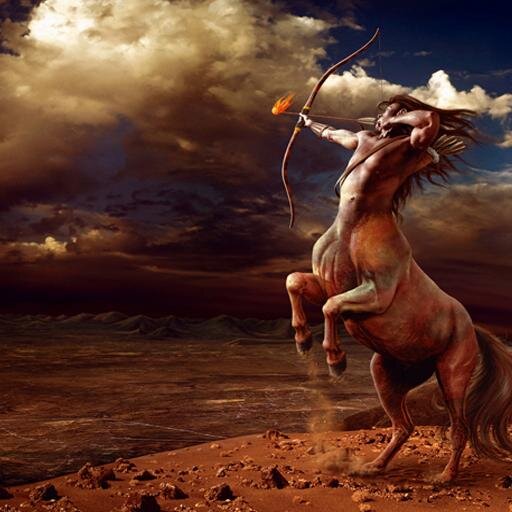
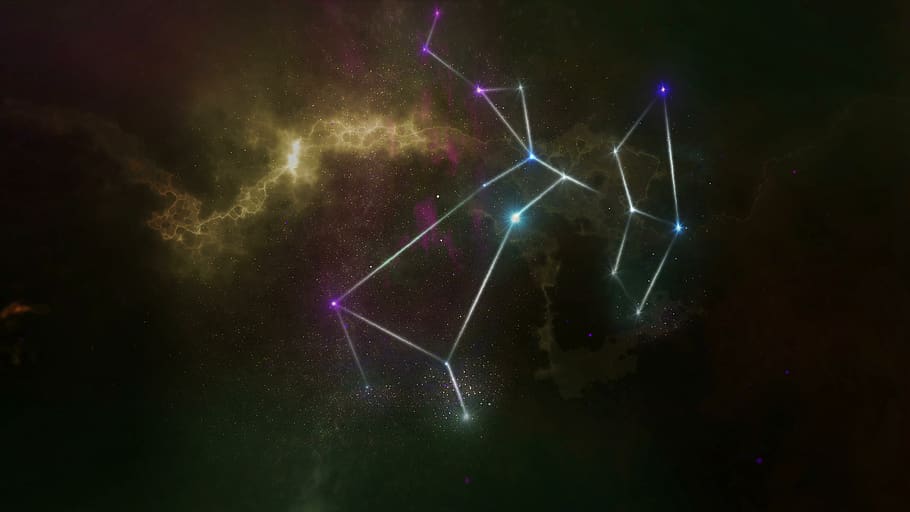
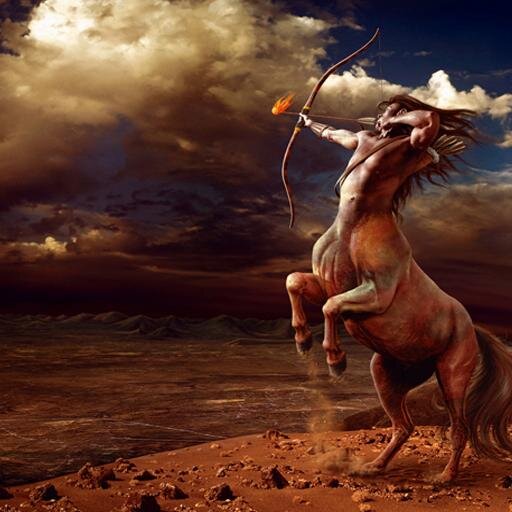
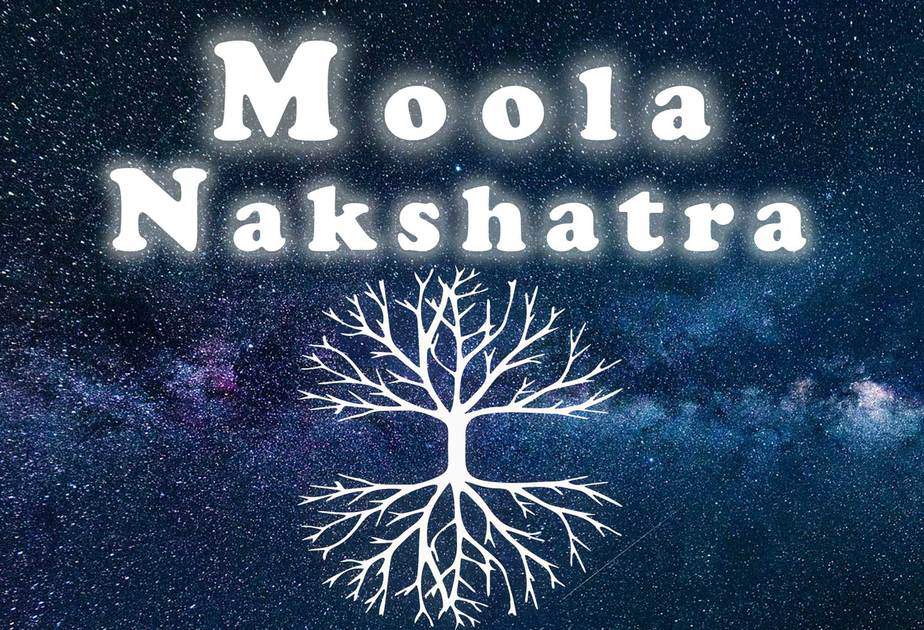
My birth sign: SagittariusMy birth Star: MoolaSagittarius constellationMoola Star of SagittariusKey Themes of Moola Birth StarWhole Dude – Whole Person: The Making of a Whole Name for the Whole Person. The choice of Name is predestined by the Science of Light called Jyotish.
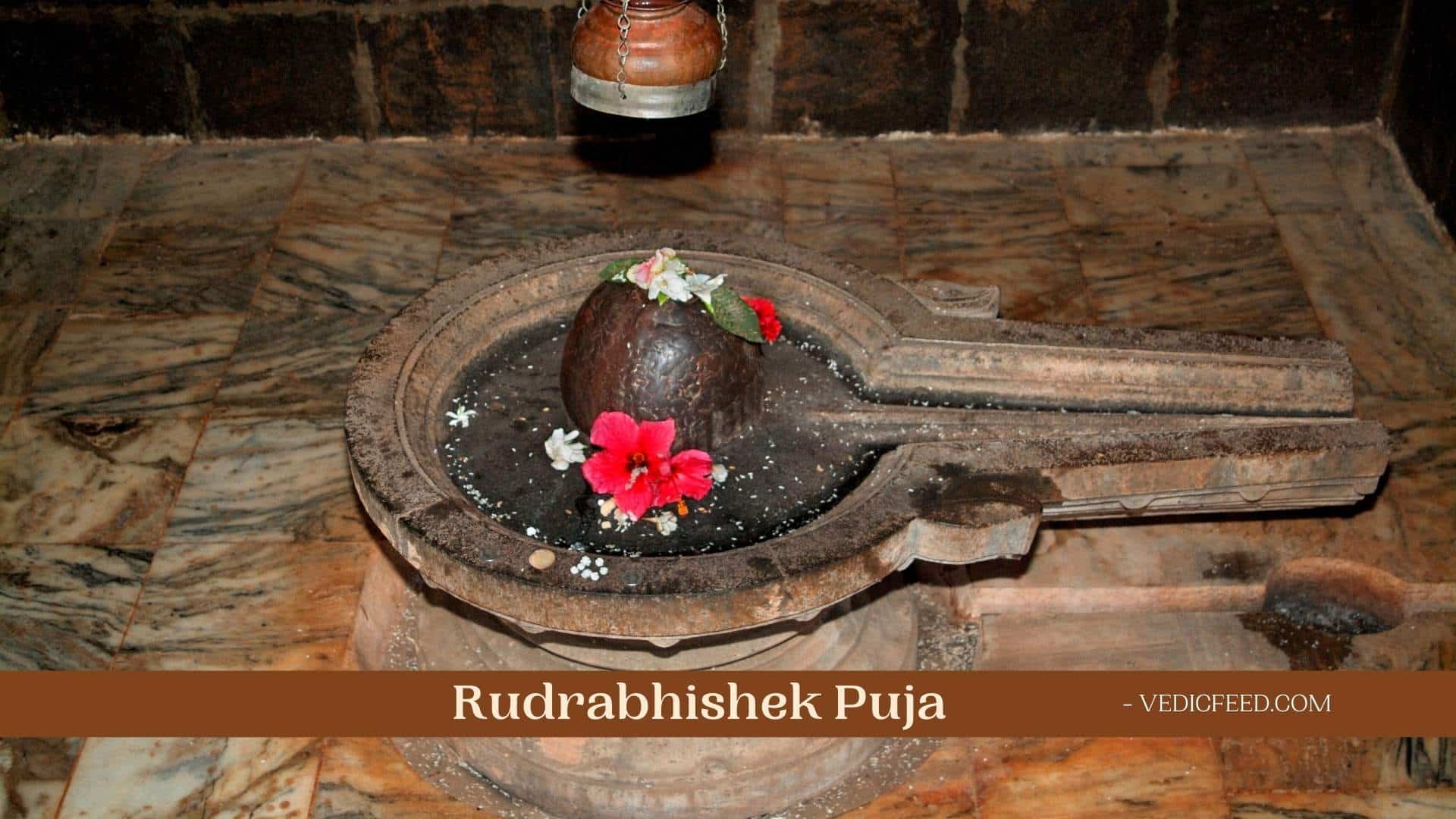
As per the traditional belief and the practice of Vedic Astrology known as Jyotish (Science of Light), my birth star predicted and warned about some forthcoming inauspicious events. The astrological calculations suggested that remedial action is needed to counter the negative aspects of the birth star. Accordingly, my father had performed a ritualistic worship popularly known as Rudra Abhishekam and worshiped Lord Shiva at the beautiful KAPALEESWARAR temple of Mylapore. To ensure that I would always enjoy the blessings of Lord Shiva, my father decided to name me as Rudra. Hence, the name of Rudra instantly connects me to my birth place of Mylapore and to KAPALEESWARAR as my personal protector.
Whole Dude – Whole Person: What’s in a Name? The making of a Whole Name for the Whole Person. The choice of the Name is predestined by the Science of Light called Jyotish.
My birth star also had forewarned about consequences that would impact my paternal grandfather. There was no easy escape from the influences and the second part of my personal name was carefully chosen to please my paternal grandmother, Srimati. Lakshmi Narasamma. Because of the gender variation, the name Narasamma got transformed to Narasimham. This name immediately connects me to the Laws of Karma.
Whole Dude – Whole Person: The Making of a Whole Name for the Whole Person. The choice of the Name is predestined by the Science of Light called Jyotish.
These names are well-known and particularly in the southern States of India, the name Narasimham or variations of that name are frequently used. As long as I remain a conscious entity, my grandparents live in my consciousness. Astrology or Jyotish may not be a perfect Science. Horoscopes may not predict the future course of events in a person’s life. I exist in this world and I am known by a name which was specifically selected for me because of the predictions cast by my horoscope and the prediction came true and I find enough justification for this Indian Cultural Tradition called Jyotish.
Whole Dude – Whole person: The Rebbapragadas Group describes people related to this group of people and others connected to Rebbapragadas.
A unique name and a unique perspective:
In 1965, I joined Kurnool Medical College after I obtained a Bachelor of Science degree from Osmania University, Hyderabad. At Kurnool, a batch of B.Sc., degree students were directly admitted into the second year of the medical education program that awards the M.B.B.S degree. Professor Rama Murthy of the Anatomy Department was very fond of knowing and recognizing each of his students by their personal names. On the first day of our Anatomy class, the attendance register was not ready and Professor Rama Murthy had decided to call out names from the list of selected candidates. He very solemnly announced to the class that the roll call begins with a very angry and fiery name. We were intently listening to know what that name could be. Apparently, the list of selected students was prepared according to merit and my name was placed at the top of the list. He called my name and expressed his sense of disbelief. He asked me to verify my name and told the class that it was the first time in his life that he encountered a person with the personal name of Rudra Narasimham. His statement appears to be right and I have not known any other person who may have the same name. It is one of its own kind and is unique and special and these two names were put together to establish me as a Whole Person.
Whole Dude – Whole Person: Socrates implored people to ‘know thy self.’ He had stated that the unexamined life is not worth living. Understanding life involves understanding personal identity and name is a word by which an object of thought is known.
The name Rudra, the first part of my first name is related to SHIVA who is recognized as the God of Learning. Shiva is like Socrates. Socrates of 5th century B.C. is claimed to be the father of western thought. He had implored people to “know thy self.”Socrates had stated that the ‘unexamined life is not worth living’. Shiva guides me to reflect upon life. Shiva encourages introspection, reflecting upon your own mind and thoughts. Shiva defines that the purpose of learning is to acquire the ability to think for oneself.
The name Narasimham represents to me a Whole Person who defends my right to choose the Name for my worship. The story about PRAHLAD represents the Cultural importance attached to personal choice in matters of religious worship. Names of persons, places and the legends form a part of Cultural legacy of our Land and define the Indian Identity described by the Name Bharat.
Whole Dude – Whole Name – The Making of a Name by the Science of Light. The performance of Rudra Puja at Kapaleeswarar Temple, Mylapore, Madras, Chennai was predestined.Whole Dude – Whole Name – The Making of a Name by the Science of Light. Moola Star belongs to the Sagittarius constellation.Whole Dude – Whole Name – The Making of a Name by the Science of Light. Moola Star of Sagittarius constellation.Whole Dude – Whole Name – The Making of a Name by the Science of Light.
Whole Dude – Whole Etiquette: Goddess Sarasvati is known as the Goddess of Speech or Vag Devi and She symbolizes the importance of Speech Etiquette and Speech Discipline.Whole Dude – Whole Etiquette: Mother India, or Bharat Mata is defined by Her Speech which is Sweet, Elegant, Pleasant, and gives pleasure and Happiness to all Her listeners.Whole Dude – Whole Etiquette: India’s National Song, popularly known as ‘VANDE MATARAM’ was composed by Shri. Bankim Chandra Chatterjee/Chattopadhyay. It describes India’s Speech Tradition.
Bankim Chandra Chatterjee composed India’s National Song BANDE MATARAM (“Hail to Thee, Mother”). “Vande Mataram” became the Mantra and slogan of people of India in their struggle for independence.
Whole Dude – Whole Etiquette: Defining Indian Identity. The Tradition of Speech Etiquette.Whole Dude – Whole Etiquette: Defining Indian Identity. The Tradition of Speech Etiquette.
In the Song Vande Mataram, the Land of India is described as Suhasini, and Sumadhura Bhashini .Suhasini refers to a person who can speak in a pleasant manner without being rude or offensive and provide a sense of cheer and humor to the listener. Sumadhura Bhashini refers to a person who speaks good and sweet words which gives a sense of pleasure to the listener.
Speech is the oral, audible expression of human language while talking. Man became characteristically human when he learned to speak. All human Culture and its propagation appears to depend on some form of language to serve as the vehicle for teaching, persuasion and tradition.
Speech is a very important aspect of human personality. Culture plays a significant role in the development of speech behavior. Particularly, in the Indian society, there are social expectations in the use of speech, speech mannerisms and in the observation of speech etiquette.The manner of speech is predictive of human behavior. Indians are expected to speak softly, in a sweet and pleasant manner. A loud-mouthed person is generally viewed as disrespectful, disobedient and disruptive. In the following poem, the famous Telugu Poet Vemana describes the importance of speech behavior.
Whole Dude – Whole Etiquette: Telugu Poet, ‘SARVAJNA’, Yogi Vemana had described the importance of Speech Etiquette in a few simple sentences.
Sri Kumaragiri Vema Reddy is popularly known as Vemana, Yogi Vemana (Telugu: వేమన) was a telugu poet. C.P. Brown, known for his research on Vemana, estimates the year of birth to be the year 1652 based on some of his verses. Vemana was the third and youngest son of Gaddam Vema, then the king of Kondaveedu in Andhra Pradesh.
Whole Dude – Whole Etiquette: Defining Indian Identity. The Tradition of Speech Etiquette.
Brass can produce high volume sound as compared to Gold but we consider Gold to be a precious metal and value its high quality in spite of its lack of ability to generate a loud sound. People who are mean-spirited and low in virtue speak in tones that reflects a sense of arrogance and self-importance. People of high virtue and good character would speak in a gentle and pleasant manner that reflects a sense of humility and the listeners would be pleased by listening to the words spoken. While speaking,the pitch and the volume of the sound is less important and we need to focus on the contents of our speech and offensive words must never be spoken raising the volume of speech.
Speech Etiquette and Indian Culture:
Whole Dude – Whole Etiquette: Defining Indian Identity. The Tradition of Speech Etiquette.
Indian Culture describes “Saraswati” as the Goddess of Speech or “VAK”. She is known as VAG DEVI. Indians worship her to obtain fluency and to become eloquent speakers. Our identity is related to the quality and content of our speech. Speech mannerisms, speech etiquette and speech discipline are parts of the grooming process of the children in our homes. In fact, the Indian Tradition of Learning begins only after imparting the importance of Speech Etiquette in the learning Process. Children are generally counseled to use some restraint in their speech. There are several words and phrases that identify an Indian speaker according to their speech quality and content.The phrase ‘Su Bhasini’ directs us to use good and pleasing words. The phrase ‘Mita Bhasini’ directs us to speak to the point using only a few appropriate words. The phrase ‘Manjula Vani’ directs us to speak in a beautiful and elegant manner.
Whole Dude – Whole Etiquette: Indian Speech Etiquette is duly reflected in the Indian Traditional Greeting.
The Indian traditional greeting Namaskar or Namaste represents the devotion to showing respect and displaying an attitude of obedience in public conduct. We can only meet this Cultural expectation by using a manner of speech which would convey the qualities of respect and obedience.
Whole Dude – Whole Etiquette: The Tradition of Speech Etiquette. Speech reflects the character of the person who is speaking.
Dr.Martin Luther King, the famous Civil Rights Leader of the United States wished for that day when his sons would not be judged by the color of their skin but by the content of their character. Similarly, a person’s identity should not be assumed by the person’s physical attributes but by his attitude and behavior. As an Indian, I wish to be identified not by the color of my skin. ‘Sumadhura Bhashini’ is the Cultural standard of our speech behavior. If you care enough, listen to me, my speech would reveal to you the country of my origin.
Whole Dude – Whole Etiquette: Defining Indian Identity. The Tradition of Speech Etiquette.Whole Dude – Whole Etiquette: Defining Indian Identity. The Tradition of Speech Etiquette. The Light reflects the traditions of Speech Etiquette.
Defining Indian Identity – Guru Puja. The Worship of Jagat Guru, the Great Teacher of the World.Defining Indian Identity – Guru Puja. The Worship of Jagat Guru, the Great Teacher of the World.Defining Indian Identity – Guru Puja. The Worship of Jagat Guru, the Great Teacher of the World.
Defining Indian Identity – Guru Puja. The Worship of Jagat Guru, the Great Teacher of the World.Defining Indian Identity – Guru Puja. The Worship of Jagat Guru, the Great Teacher of the World.Defining Indian Identity – Guru Puja. The Worship of Jagat Guru, the Great Teacher of the World.
THE TRADITION OF “GURU” WORSHIP (PUJA):
Defining Indian Identity – Guru Puja. The Worship of Jagat Guru, the Great Teacher of the World.
Since Vedic times, in the Land of India, teachers are held in high esteem and the reverence is reflected in the following verse. According to my uncle, Capt.R. R. Rao, “there is no Mantra greater than this”:
Defining Indian Identity – Guru Puja. The Worship of Jagat Guru, the Great Teacher of the World.
My Guru:
Defining Indian Identity – Guru Puja. The Worship of Jagat Guru, the Great Teacher of the World.
After joining Kurnool Medical College in 1965, I started visualizing Lord Sri Krishna as my personal Guru.I had a pocket-size edition of Bhagavad Gita published by Gita Press, Gorakhpur, Uttar Pradesh, India.The book includes the verses in Sanskrit with its English translation.That format allowed me to read the verse in its original form and understand its purport through my own efforts.I had a hectic time at the School and was exposed to new information every day.
Whole Dude – Whole Puja: My Guru
Over four and half years time, I studied Physics, Human Anatomy, Human Physiology, Medical Biochemistry, Pharmacology, Microbiology, Pathology, Forensic Medicine, Ear, Nose & Throat diseases, Ophthalmology, Social & Preventive Medicine, General Medicine, Surgery, and Obstetrics & Gynecology. Simultaneously, I was reading one or more chapters from Gita every day and was slowly incorporating Krishna as my Guru. I was more attracted to His teaching of “Karma Yoga” and I would still consider Him as my Guru even if “Gita” is the only known contribution made by Him.
Defining Indian Identity – Guru Puja. The Worship of Jagat Guru, the Great Teacher of the World.
My other Guru:
Defining Indian Identity – Guru Puja. The Worship of Jagat Guru, the Great Teacher of the World.Adi Shankaracharya has emphatically stated that his identity is neither that of Guru nor that of a student or disciple. I am not free to describe him as my Guru and I cannot call myself his disciple. I need to reflect upon my Identity and seek that Identity to experience the Reality.
Fortunately,I did not spend any time and energy to search and discover the right Guru.The choice was made for me the moment I arrived on this planet.I grew up in a family which followed the “Smartha” tradition established by Adi Shankaracharya. I have the freedom to designate Shiva as my personal Protector. I am free to choose Rama as my Benefactor.I seek favors from Sarasvathi in my pursuit of Pure Knowledge.I make the perilous journey across the ocean with encouragement from Hanuman. Ganesha assures me of success in my personal endeavors. In my struggles and battle of life, Krishna guides me to find the winning strategy. If I have to defend my self, I draw courage from Bhavani. I love to read and memorize the beautiful verses composed by Adi Shankaracharya. I would just quote a verse which my eldest brother,Prof. R. Subba Rao recognizes as a very powerful thought:
Defining Indian Identity – Guru Puja. The Worship of Jagat Guru, the Great Teacher of the World.Defining Indian Identity – Guru Puja. The Worship of Jagat Guru, the Great Teacher of the World.
Even after learning every thing that is humanly possible,we still need to desire and focus upon the lotus feet of the Master, the giver of Knowledge or the One who dispels ignorance. With the blessings from my other Guru,I describe my attitude about human existence as that of “Individualism.”
Defining Indian Identity – Guru Puja. The Worship of Jagat Guru, the Great Teacher of the World.
Na me mrtyu shanka na mejati bhedaha Pita naiva me naiva mataa na janmaha Na bandhur na mitram gurur naiva shisyaha Chidananda rupah shivo’ham shivo’ham Chidananda rupah shivo’ham shivo’ham
I have no fear of death, no caste or creed, I have no father, no mother, for I was never born, I am not a relative, nor a friend, nor a teacher nor a student, I am the form of consciousness and bliss, I am the eternal Shiva…
My elder brother Pratap stressed about the importance of “Guru Krupa” (Master’s Compassion). My Guru’s Mercy is revealed to me in the fact that I am able to work seven days a week.I can very easily manage to work eighty or more hours per week on account of this Guru-Sishya relationship while I maintain that I am a mere Individual and I am neither a Guru nor a disciple. I do not experience any stress or mental fatigue on account of sixteen hour work schedules. At the same time, I am mentally alert and could indulge in a bit of creative writing every now and then. Apart from this ability to work 365 days each year while I am 59 years old, the following verse shows that they are advantages in having Krishna as personal Guru:
Defining Indian Identity – Guru Puja. The Worship of Jagat Guru, the Great Teacher of the World.
bhagavadh giitaa kijnchidadhiitaa
gangaa jalalava kanikaapiitaa .
sakridapi yena muraari samarchaa
kriyate tasya yamena na charchaa
भगवद् गीता किञ्चिदधीता गङ्गा जललव कणिकापीता . सकृदपि येन मुरारि समर्चा क्रियते तस्य यमेन न चर्चा .. २१..
Defining Indian Identity – Guru Puja. The Worship of Jagat Guru, the Great Teacher of the World.Defining Indian Identity – Guru Puja. The Worship of Jagat Guru, the Great Teacher of the World.
My Indian Perspective on Current Events and Current Affairs
Excerpt: The given text presents a series of letters to the editor of The Ann Arbor News, addressing various topics including global issues, economics, social inequalities, religious sentiments, immigrant rights, military operations, scientific theories, relationships, capital punishment, autonomy in biological existence, embryonic rights, judicial insensitivity in the Schiavo case, and aspirations for peace. The writer emphasizes the importance of being aware of the Chinese domination of oil and its effects on geopolitical equilibrium. He critiques the military spending by the US in Iraq, advocate for the respectful treatment of immigrants, and stress China’s potential threat. His letters also encapsulate thoughts on citizens’ duty towards national growth and social justice, the significance of religious sanctity, and the role of self-awareness in promoting peace.
Sunday, June 15, 2008
If China dominates oil, it will dominate region
Letters to the Editor, The Ann Arbor News: If China Dominates Oil, it will Dominate Region. HISTORY OF THE US-INDIA-TIBET RELATIONS: BIRTH OF THE RED DRAGON. OCTOBER 01, 1949.
As the gas prices across the nation hit record high levels, I am not concerned about the United States’ dependence upon oil from the Middle East.
If the United States is not willing to buy its oil from the Middle East, China is in a position to gobble it up. The position of the United States as a global superpower is dependent upon its level of oil consumption. If and when China steps in to dominate the oil market, it would proportionately increase its military supremacy and we would witness the Chinese war ships patrolling the Persian Gulf.
The United States may forego its need for oil from the Middle East, but could it step back from its role to provide peace and stability in that region ?
Wednesday, April 09, 2008
McCain’s pragmatic approach preferable
Letters to the Editor, The Ann Arbor News: McCain’s Pragmatic Approach Preferable
It has been claimed that what is good for America is good for the rest of the world. America’s total spending for the Iraq war is about $617 billion. Does this military spending boost the national economy and create jobs? The verdict is that the military spending is draining resources from the productive economy. It has a detrimental impact on many sectors of the economy. It has resulted in slow economic growth, less investment, higher trade deficits and fewer jobs. The American economy has slowed down. The federal deficit spending has weakened the U.S. dollar in the global currency market.
Meantime, the national debt is expanding at about $1.4 billion a day. Currently, the national debt stands at about $9.4 trillion. In the fiscal year 2006, the U.S. government spent$406 billion on interest payments to the holders of the national debt. The national debt is projected to grow beyond $10 trillion by January 2009 when the new president takes office.
In spite of this bleak economic forecast, American national security will remain hostage to events on the ground in Iraq and Afghanistan. There is no easy way out. I would prefer to endorse the pragmatic approach of Sen. John McCain and that the U.S. troops can not really come home as being promised by his Democratic rivals.
Wednesday, February 27, 2008
Celebrities’ boycott of China deserves support
Letters to the Editor, The Ann Arbor News. Celebrities Boycott of China Deserves Support.
I am filled with optimism when I heard the news about the boycott of the Summer Olympic Games in Beijing by film director Steven Spielberg and actress Mia Farrow. I am hopeful that movements like the “Global Action Plan Day” would one day liberate the Tibetan people and people across the globe can work together to end the illegal occupation of Tibet and restore their rights for freedom and preserve their cultural identity.
Tuesday, December 25, 2007
Wage workers’ plight deserves attention
Letters to the Editor, The Ann Arbor News: Hourly Wage Workers’ Plight Deserves Attention.
While The Ann Arbor News remains focused on the importance of hiring a new football coach, no one has the time to pay attention to the minimalistic existence of countless numbers of hourly wage workers who toil in your neighborhood friendly grocery stores/supermarkets and at the numerous strip malls that have sprung up in this city. These workers are unorganized, their wages are stagnant and their work-related benefits are getting gradually eliminated season after season. As the workers have no protection, they swallow unfair treatment which, if not rampant, is a fact of life.
Friday, October 12, 2007
Cartoon of beheaded Buddha reprehensible
Letters to the Editor, The Ann Arbor News. Cartoon of beheaded Buddha reprehensible.
The editorial cartoon picture of a decapitated Buddha that was published in The Ann Arbor News on Oct 3 is plainly disgusting and is clearly an insult. It serves no purpose other than to hurt the feelings of people who respect Lord Gautama Buddha. Having worked for the Central Intelligence Agency’s “Campaign for Tibet” for more than four years in the past, I have come to the following conclusions.
1. America’s support for democracy and human rights is good when and where it serves its selfish interests.
2. America does not care to give a hoot to Buddha.
Friday, July 27, 2007
Encourage immigrants to become taxpayers
Letters to the Editor, The Ann Arbor News: Encourage immigrants to become taxpayers.
I would like to commend Jean Miller for her July 23 Other Voices essay asking that each and every immigrant should be treated with dignity. There is also a valid and genuine concern expressed by others who claim that some of the undocumented immigrants may avail services without paying for them and become a burden upon the society.
I would suggest that every person arriving in the country should be encouraged and be given the opportunity to pay federal, state and local taxes on every penny they earn, even without showing any proof of legal immigrant status.The government has an obligation to protect the borders as best as is feasible and it will be easier to identify taxpaying aliens. Individuals who earn enough credits to derive benefits such as Social Security and Medicare should be given a preferential treatment to adjust their status, provided they maintain a clean, crime-free record during their stay.
Wednesday, April 25 , 2007
U.S. could give Iraqi families assistance
I served in the Land Forces of Sultanate of Oman from January 14, 1984 to July 26, 1986. I served in several different locations and had participated in several Security and Intelligence Operations in the Persian Gulf and particularly at Strait of Hormuz. The decision to embark upon a Journey to United States was made at KHASAB, Headquarters Peninsular Sector Force (Hq PENSEC). The airfield at Khasab was built by American engineers and I have reasons to believe that Khasab was used as a launching pad for the failed Helicopter Rescue Operation to save the American Hostages trapped inside Iran. At Khasab, we provide logistical support to all United States Naval vessels passing through the Strait of Hormuz. The Khasab Air base also played a crucial role during the Gulf Wars. I had also supported other American military operations in Sultanate of Oman during my tenure of service in Oman.
On Easter Sunday morning I contemplated if the search for insurgents in Iraq could also include providing immediate relief to the inhabitants of the homes that are entered by the American troops.If no evidence of involvement in insurgency is discovered, the inmates of a home that is searched should be compensated for any property damage, their living conditions should be evaluated and relief aid should be delivered simultaneously.
The assistance could include giving bottled water, non-perishable food, nutritional supplements and oral rehydration fluids for children. Very sick persons when found should be transported to a field hospital.
Before I had arrived in Ann Arbor in 1986, I was taking part in a military operation of village patrolling to adddress the threat of Iranian infiltration across the narrow Strait of Hormuz. I could successfully reidrect the military intelligence operation into providing relief to people living in the remote and inaccessible villages of Musandam Peninsula of Sultanate of Oman. Amongst other things, I could use the military helicopters to transport people to visit the dentist at Khasab hospital.The air base at Khasab plays a significant role in the Persian Gulf and could be used to provide humanitarian services.
Money spent upon the reconstruction effort is not making a positive impact on the quality of life of ordinary Iraqi people. The principle of dignity of human life should be upheld at all times. The military security and intelligence operation to find insurgents in Iraq should include some elements of mercy and compassion.
Wednesday, December 27, 2006
Sound of the ‘big bang’ impossible to prove
Letters to the Editor, The Ann Arbor News: Sound of the Big Bang Impossible to Prove. A Designer Universe is described by a Greek word called ‘COSMOS’ which means Beauty and Order.
Writers of Other Voices and letters to the editor on the subject of creation/evolution frequently mention the “big bang theory.”
On this planet Earth, a sudden loud noise is often accompanied by destruction.Our telescopes and other instruments observe dramatic stellar events like supernovae, but do not record any evidence of loud sounds.Sound needs an elastic medium such as solid, liquid or gas through which sound waves could propagate.Sound cannot exist in a vacuum. There is no way a scientist could prove or verify the sound the “big bang” might have caused.
So, who created this “void” and made it impossible to hear the bang?
Thursday, November 23, 2006
Gratitude for the rising and the setting sun
Letters to the Editor, The Ann Arbor News: Gratitude for the rising and the setting sun. What is the “Connection” between man and Sun? Does man have the physical and intellectual ability or capacity to directly harness Solar Energy to maintain his living functions?
This Thanksgiving Day, I want to give my thanks to The Ann Arbor News editor who is in charge of publishing the daily weather report. The weather forecast includes two tiny bits of information which I value immensely. The time of sunrise and sunset are the most important events that shape my life. The reality of my human existence is totally dependent upon this illusionary effect of sunrise and sunset. Apart from the physiological functions of my body, the existence of my mind in its three different states (awake and alert, resting and at sleep, partly conscious and dreaming) depend upon these cycles of periods of light and darkness.Dreaming is a very valuable human experience and I would not like to have that experience during daytime. In reality, the sun shines all the time but I am more happy with the illusion. In India, our people had given beautiful names to the sun. Some of those names are Aditya, Bharga, Divakar, Prabhakar, Ravi, Savitur and Surya.
The daily weather report reminds me that I should remain thankful for my existence and remember the Creator who made possible day and night without turning out sunlight.
Sunday, September 24, 2006
Gay relationships deserve respect
Letters to the Editor, The Ann Arbor News: “That which is done out of Love always takes place beyond Good and Evil.” Man with his Good or Evil actions and behavior cannot control the flow of God’s Unconditioned or ‘WholeLove’.
As another election season arrives in this country, we need to recognize the unfortunate fact that the issue of according equal rights to gay and lesbian couples got buried in the quagmire of ignorance, religious fanaticism and political opportunism.
Gay and lesbian relationships are neither deviant nor represent the overstepping of any spiritual laws. All human relationships, whether between members of the same sex or members of the opposite sexes, are motivated and driven by the same emotional factors that are an integral part of human nature. Humans are ruled by their emotional needs and less so by the biological insticts of reproduction. Any woman on this planet with the strongest of maternal instincts would still desire companionship as much as motherhood.
Reproductive success or failure does not determine if the relationship survives or perishes. The relationships among humans neither succeed nor fail on account of the sexual orientation of the partners. Partners in a married relationship could stay together for decades even in the total absence of sexual activity and no social benefits are denied to such couples.
Truthfulness is the core value of human existence. Being truthful, you would hope to build up a true relationship with your God.
Since all relationships are equal, no particular relationship should be placed on a pedestal while other relationships are ignored or put to ridicule. It is morally imperative to treat all relationships with a sense of fairness and equality.
Thursday, July 13, 2006
Death penalty’s correct purpose is retribution
Letters to the Editor, The Ann Arbor News: Death Penalty’s Correct Purpose is Retribution
An article June 19 in The Ann Arbor News on state Rep. Dan Acciavatti’s initiative to amend the state’s constitution to provide the option of the death penalty doesn’t mention the word “retribution.” The purpose of the death penalty is not to protect the rest of the society from violent and vicious criminals. The state has a moral obligation to respect a natural entitlement of the murder victim. The victim’s right to retribution is the real issue in all cases of murder.
Murder is inhumane because it takes away a human being’s right to exist. Murder is immoral because it is a sign of disrespect and disobedience of law. The law that states that “thou shalt not kill” is not a law instituted by man. It is the law given to man. The state should impose death upon people who violate and disobey this law. The death penalty is a just and reasonable consequence of the murderous action of the violator.
Michigan should not shirk from its duty to recompense the murder victims. The state should join the ranks of the rest of the civilized society where people have the opportunity to learn and understand the consequences for their actions and appreciate the values of personal responsibility and accountability.
Tuesday, March 7, 2006
Nature hasn’t given humans right to choose
Letters to the Editor, The Ann Arbor News: Nature hasn’t given humans right to choose. Could we teach Wisdom to this Cell ? Could we alter the nature of a Cell as a Self-Contained or Autonomous Body?
The words choice and autonomy are frequently mentioned while people express their opinions about issues that pertain to life, issues such as when life begins and the manner in which it may end.
The right to abortion and the right to assisted suicide may lead us to this question. Is there choice or autonomy in the biological existence of human life?
The human body is made up of trillions of cells. The cells perform a variety of fuctions. For human growth and development, a very important function would be that of cell division and multiplication, also known as reproduction. Is there a single cell whose functions we can choose to control and regulate as we please? There is no choice if we do not have the freedom to choose. Is there a single cell whose functions we can directly govern? There is no autonomy when we do not have the ability to govern.
We may cause cellular death to protect the rest of the body from death. This principle is widely used in treating various cancers and to safeguard maternal health while managing complications of pregnancy.
Nature has neither endowed us with the liberty to choose nor bestowed us with the right to govern the cells that make up the human being. The cycle of birth and death may give us pain and we may experience severe loss of function.
Fortunately, there is hope.We can cope with the problems of human existence with our great ability to show compassion.
Sunday, August 07, 2005
Embryo has natural right to growth, development
Letters to the Editor, The Ann Arbor News: Embryo has the Natural Right to Growth and Development. Human Embryo Implantation at about six days after Conception. The Single, fertilized Egg Cell and the Human Embryo that develops from it is Conscious of its existence reflecting its Spiritual Nature.
The ethical concerns that are involved in the conduct of research on living human embryos stem from the unique status of the embryo. It is prudent to discuss if the embryo could be assigned any rights that are entitled by a research subject. The embryo has a natural right to growth and development. We need to ask what actions constitute the misuse or abuse of an embryo.
During the biological life cycle, the human being should have a constitutional right to live with dignity at every stage of natural existence. The society has no inherent right to conduct research on embryos. We need to spell out the role of biological parents. Parental accountability and responsibility should be stated in clear terms to ensure that the embryo receives fair and ethical treatment.
Tuesday, April 19, 2005
Court decision in Schiavo case is insensitive
Letters to the Editor, The Ann Arbor News: Court Decision in Schiavo Case is Insensitive.
The attitude displayed by the U.S. judicial system is very shocking and disturbing. Justice proved itself to be not only blind but also totally insensitive to the human condition.
To offer water to a dying person is an ultimate act of kindness and compassion. Customs and traditions established in the ancient land of India make it obligatory to pour water into the mouth of a dying person even if the person is totally unconscious.
A person may not vocalize the sensation, but thirst is experienced till the final moments of life.
The U.S. Supreme Court helped to transform the legal guardian into a brutal dictator. Terri Schiavo was a disabled person who was murdered in broad day light. A handicapped person was legally exterminated in a very calculated and deliberate manner by the acts of a heartless, loveless, materialistic society.
WEDNESDAY, DECEMBER 29, 1999
We can attain peace if price is affordable
Letters to the Editor, The Ann Arbor News:We can attain Peace if Price is Affordable
As we await the dawn of a new year, a phrase that comes to my mind is that of “peace on Earth.”
The history of international peace keeping efforts and the various peace movements is well documented. The annual costs of peace keeping efforts in Bosnia have been reported as $5 billion. If the assessment of Israeli officials is correct, they can make peace with Syria at a nominal price of $18 billion. It appears that we can attain peace if the price is right and affordable.
Is peace a mere absence of war and international conflicts? If society and the times we are witnessing are any reflection on the state of peace, we should definitely ask ourselves the question, is peace attainable?
The various manifestations of violence in our society, whether it is gun violence at schools, violence at work-places, or domestic violence are all aspects of a lack of peace-keeping ability. In general terms, violence is seen as a law and order problem. We can approach the problem of violence in a different manner. Violence may be seen as the expression of a mind that is not at peace. Violence may be attributable to a mind, which is not experiencing an inner feeling of tranquility.
The way to prevent violence would be through promoting self-awareness. You do not really need a teacher to achieve self-awareness. You are the observed as well as the observer. Your inner eye keeps a constant watch on all of your thoughts, feelings, emotions and moods. Your vigilance would have an effect and subdue the anger or rage you may be experiencing.
People need to learn and practice the simple task of observing their own thoughts. The essence of human existence is self-knowledge and the ultimate goal of living would be self-awareness. Every human being is capable of exhibiting kindness and tolerance, is capable of expressing sympathy and is capable of sensing happiness.
While the government is busy spending billions of dollars to secure peace elsewhere on this planet, it will be a wise and an inexpensive step on our part to pay attention to our own inner peace and attaining that peace through self-awareness.
Letters to the Editor, The Ann Arbor News – Peace through Self-AwarenessWhole Dude – Whole Editor: The Final Edition of The Ann Arbor News
Whole Dude – Whole Family – Vasudhaika Kutumbam, the concept of One Global Family with One Universal Divine Mother.
Parvati is Mother, Lord Shiva is Father, His devotees are relatives and all the three worlds (Bhu Loka, Bhuvar Loka and Suvar Loka – Earth, Sky and Heaven/SAT, CHIT, ANANDA) are my native place.
The Theory of Samsara and the Social Concept of Vasudhaika Kutumbam
Whole Dude – Whole Family – Vasudhaika Kutumbam, the concept of One Global Family
As a student of Natural Science, the study of relationships has always interested me.The scientific study of Ecology describes the interconnectedness, the interrelatedness and the interdependence of living creatures in a given environment.A study of Ecosystems deals with the concepts of Mineral Sharing, Energy Flow and Population Control.Living organisms belong to social communities.The understanding of ecological principles would help us to come together as one large global community and it would enable us to treat life with a sense of respect and appreciate the intrinsic beauty and value of all living creatures.
Whole Dude – Whole Family: The concept of Vasudhaika Kutumbakam, the concept of One Global Family
By birth, I belong to the Land of India where I inherited my views about human existence and the social community.The word ‘relative’ when used as a noun describes a person who is connected to the other by way of birth or by way of marriage.
Whole Dude – Whole Family: The concept of One Global Family
By birth, I am connected to the Land of India and by acquiring the theory of ‘SAMSARA’, I am related to all the living creatures of this planet Earth. My soul while transmigrating over several cycles of birth and rebirth has become connected not only to the human beings but also developed relationships with plants and animals.This is a fundamental concept that defines my Indian Identity. I am an eternal being and I am related to a myriad of life forms.
Whole Dude – Whole Family: Vasudhaika Kutumbam, the concept of One Global Family.
While living in Ann Arbor, Michigan I met with a group of young students of Pakistani descent at the local Huron High School. I am a total stranger to this group of young people. The older kid in the group came forward and addressed me as Uncle.This is precisely my own social experience.While growing up as a kid in India, I was always encouraged to recognize other members of the community as if I am related to them by birth. The social norm is to address others in an appropriate manner and even total strangers are treated with respect and are included as a part of an extended circle of family members.I greeted people living in my neighborhood as uncles and aunts. Amongst the members of the Armed Forces and their families this kind of affiliation and a sense of togetherness is much more pronounced. While I served in Uniform, the members of Service families always spoke to me as if I am their brother or their uncle. This social custom of inclusiveness is reflected in our popularly expressed sentiments. Mahatma Gandhi is recognized as “BAPU”(Father). As a child, I grew up knowing the Prime Minister Jawaharlal Nehru as “CHA CHA” (Uncle)Nehru.
Whole Dude – Whole Family – Vasudhaika Kutumbam, the concept of one Global Family. BOTH ANIMATE AND INANIMATE MATTER DERIVE THEIR IDENTITY BECAUSE OF UNVARYING OR UNCHANGING NATURE OF CHEMICAL ELEMENTS THAT CONTINUOUSLY FLOW IN NATURAL NUTRIENT CYCLES.
Plants obtain their minerals and other nutrients from the soil. Calcium is an important mineral constituent of my bones and it helps to define my physical identity. Iron is the other mineral which is important to the blood that flows through my body and sustains my physical existence. By sharing the minerals and from the energy that flows into my life from plants and animals, I get connected to the soil and I get related to the Land of my birth. I further strengthened my connection to the Land by choosing to serve it and defend it.
Whole Dude – Whole Family – Vasudhaika Kutumbam, the concept of One Global Family: Life depends on the interwoven and interdependent relationships between living organisms and the environment. No organism leads a truly independent existence of its own. Each organism lives by either consuming other organisms or the products from other organisms. In a Biological Community, Life and Death have a relationship which has a Spiritual Basis.
We are all connected and we are all related to each other. Either you could explain it in terms of Cellular Biology and Ecology or you could see it as a consequence of the cycles of birth and rebirth and transmigration of the soul through living entities.
Whole Dude – Whole Family: Vasudhaika Kutumbakam, the concept of One Global Family.
Whole Dude – Whole Oppression:The Ten Commandments – A Challenge to Hindu Existence.
The Ten Commandments:
Whole Dude – Whole Oppression:Ten Commandments – A Challenge to Hindu Existence.
The “TenCommandments” are given in the Book of Exodus, The Second BookofMoses, The Old Testament of Holy Bible and are repeated in the Book of Deuteronomy,The Fifth Book of Moses. In Exodus, Chapter 20, verses 1-5 read as follows:
And God spoke all these words, saying:
2. “I am the LORD your God, who brought you out of the land of Egypt, out of the house of bondage”.
3. “You shall have no other gods before Me.”
4. “You shall not make for yourself a carved image-any likeness of anything that is in heaven above, or that is in the earth beneath, or that is in the water under the earth.”
5. “You shall not bow down to them nor serve them. For I, the LORD your God, am a jealous God, visiting the iniquity of the fathers upon the children to the third and fourth generations of those who hate Me.”
Whole Dude – Whole Oppression:Ten Commandments – A Challenge to Hindu Existence.
The ideas and thoughts that are expressed in the above Commandments basically oppose attitudes and personal behaviors which constitute and define Indian Identity. If I accept the Ten Commandments, even the simple practice of traditional greeting of “Namaskar” would be prohibited. I greet my God with ‘Namaskar’ and so also I greet my parents, my teacher, my guests, the Sun, the Light, the river, the mountain, the monkey, the cow, the plant, the tree, the rock, the idol with the same reverence and in the same way.
Whole Dude – Whole Oppression: Ten Commandments – A Challenge to Hindu Existence.
The term ‘omnipresent’, being present everywhere at the same time describes God’s Absolute nature and Indians are culturally driven to seek divinity in all living objects and in all objects of this created world and universe. I touch and worship feet, I worship the fire, the water, the sky and the earth. I have a complete freedom of choice. I choose the object that I want to worship and do it at a time, place and manner that appeals to my free will.The Commandments intend to take away that freedom of expression and the manner in which I worship God.
I expressed my concerns about “The Ten Commandments” in an essay that was published in ‘The Ann Arbor News‘ in its daily edition dated Wednesday, March 1, 2000. I am reproducing the “OTHER VOICES” essay:
Whole Dude – Whole Oppression:The Ten Commandments – A Challenge to Hindu Existence.
Indiana on verge of imposing religion on people
The Ten Commandments and the imposition of Religion on people.
I am indeed distressed to read the news report from Indiana announcing that the state House as well as the Senate had overwhelmingly approved a bill that would permit the display of the Ten Commandments at public buildings, including schools.
This is not a trivial matter. That state is on the verge of imposing religion upon its people. A similar bill was introduced in the U.S. Congress during 1999. The idea of displaying the Ten Commandments is receiving widespread support from the conservative Christians. I am shocked there has been no public opposition to such bills apart from a small concern about violating the spirit of the U.S. Constitution.
Indiana state Rep. Jerry Denbo assumed that the Ten Commandments are not bad principles. Unfortunately, most Christians presume that the Ten Commandments are divine law and that they are benign and noncontroversial principles. Many proponents of these bills also believe that they can prevent juvenile crime and violence by propagating the Commandments.
What is generally not known to supporters of these bills is the fact that the First and Second Commandments have actually sown the seeds of religious intolerance, disharmony and hatred and inspired communal violence of an epic proportion.
These Commandments have curbed the religious freedom of innocent people who are totally unaware of the existence of the jealous God who delivered people from their bondage in Egypt. These Commandments have provoked and gave legitimacy to the religious persecution of helpless people who never even heard of a prophet by the name of Moses. These Commandments specifically deny an individual’s freedom to choose any god of personal choice and prohibit the right to offer worship to an image or form of one’s liking. These Commandments divide the people into two groups, the believers and the non believers.
Whole Dude – Whole Oppression: Ten Commandments – A Challenge to Hindu Existence.
In spite of their profound religious philosophy and the strength of spiritual knowledge, the Hindu community landed in the camp of non believers with very tragic consequences.
Unlike the Old Testament, the New Testament has no coercive language, and the ministry of Jesus has been a lot more tolerant of the non believers. Islam which emerged later, gave full recognition to Prophet Abraham and Prophet Moses. Islam only recognized Jesus as a prophet of lesser importance. Their holy book Koran or Quran, vehemently opposes the claim of Jesus to be the son of God.
However, Islam became a very strong and ruthless advocate of the first two of the Ten Commandments. Starting from early 11th century A.D., Muslim forces repeatedly invaded and attacked the people of the Indian subcontinent, for the Muslims hated the Indian people who are known for worshiping idols.
The Muslim armies carried out brutal and vicious campaigns, looting and plundering India with a belief that they were justly punishing people who are non believers. The Muslim attackers destroyed Hindu temples and ruined priceless pieces of art and architecture. The Muslim invaders not only enslaved the Indian people but also built their mosques over the sites where the Hindu temples stood before.
This religious persecution on such a vast scale continued unabated for several centuries.The memories of repression still linger in the minds of the victims and are reflected in the distrust and tension between the Hindu and the Muslim communities of the present day.
If the governor of Indiana decides in favor of displaying the Ten Commandments at public expense, he should omit the first two. He should refrain from promoting a bigoted notion that people who worship idols deserve to be punished, and he should not directly or indirectly infringe on the rights of the religious minorities of his State.
Whole Dude – Whole Oppression:The Ten Commandments – A Challenge to Hindu Existence. Lord Rama whom I adore, during His life journey described in the epic poem of Ramayana worships His parents, His guru, the River Ganges, the Sun God, Lord Shiva, and others just like any other ordinary mortal being of Indian origin . Gods whom Indians worship participate in similar acts of worship. Lord Shiva worships Lord Rama and Lord Rama worships Lord Shiva.
The Ten Commandments pose a challenge to the survival of the seeds of ideas and thoughts that are planted in the Land of Bharat and the Indian Identity would only exist if people are willing to stand up to this challenge.
Whole Dude – Whole Oppression:The Ten Commandments – A Challenge to Hindu Existence.
Whole Dude – Whole Favorite: Prince Karna my favorite Hero.
Dana, Veera, Soora Karna (Generous, Brave and Courageous) is a man ‘True to his Salt’. But for his unflinching loyalty to his benefactor, the Story of Mahabharata would have been different. The Book of Matthew, Chapter 5, verse 13, reads, “You are the salt of the earth. But if the salt loses its saltiness, how can it be made salty again? It is no longer good for anything, except to be thrown out and trampled by men.” A man without character should be rejected.
Whole Dude – Whole Favorite: Prince Karna my favorite Hero. The New Testament Book, the Gospel according to Saint Matthew, Chapter 5 is popularly known as ‘The Beatitudes’. Verse 13, Jesus says, “You are the salt of the earth. But, if the salt loses its saltiness, how can it be made salty again? It is no longer good for anything except to be thrown out and trampled by men.”
THE ROLE OF CHARACTER IN DEFINING IDENTITY
Dr. Martin Luther King wished for the day when his sons would not be judged by the color of the skin but by the content of their character. Character is defined as the combination of qualities or features that distinguishes one person, group or thing from another. Character is a description of a person’s attributes, traits or abilities.
PRINCE KARNA – A TRUE HERO:
Whole Dude – Whole Favorite: Prince Karna, a true hero.
In the Indian epic of Mahabharata, Prince Karna is allied with the enemies of the Pandavas. Karna is the first son of Queen Kunti and is the half brother to the Pandavas and is the eldest of them. However, Queen Kunti abandoned him after his birth and he is known as “ Radheya” and as ‘Suta Putra” as he grew up in the house of a charioteer. Karna sought a position at the court in Hastinapura. His identity as a low-caste person came in the way of his quest for knowledge and mastering the art of archery. Dronacharya the teacher of Kuru princes refused to teach him. Later, Dronacharya held an archery contest in Hastinapura and Karna was publicly humiliated as he was made ineligible to participate in the competition for he had no princely status. Duryodhana, the eldest of the Kaurava brothers came to the rescue of Karna to spare him from public humiliation. He immediately appoints Karna as the King of ‘Anga’ province and made him eligible to participate in the archery contest. Thus Karna became a true friend and a loyal ally of Prince Duryodhana. Karna fought for the Kauravas in the great battle at Kurukshetra. Because of the fear of the impending battle, Queen Kunti approached Karna and for the first time revealed her identity as his mother and addressed him as “Kunteya.” The true character of Karna comes out when he told his mother that he must fight the Pandavas but promised not to kill any of them other than Prince Arjuna. On the 15 th day of the battle, Karna was appointed as the Commander-in-Chief of the Kaurava forces. Karna braved impossible odds in his whole life and died with great courage, valor and honor. It was Karna’s fate to be sacrificed in a climatic battle with Arjuna. It is a death that is a reminder of the necessity of sacrificial destruction for redemption.
The dignity with which Karna conducted his life makes him my favorite hero and I claim Loyalty, Dependability and Trustworthiness as the bench marks of Indian Character and Indian Identity.
ESSENCE AND EXISTENCE:
Whole Dude – Whole Favorite: Prince Karna my favorite Hero. Salt enjoys a special status among all food substances that man consumes. The intimate connection of salt with the idea of a “COVENANT” or binding contract or binding relationship, as a mark of Loyalty and Faithfulness, between man and God and between man and man is recognized in all human cultures.
The essence of salt exists in its flavor and if salt loses its taste and flavor, its existence has no purpose and it would be discarded. A man has to define as to who he is, his true nature and his existence would be valued as long as he retains the flavor of his essence. The reality of existence is a prerequisite for having essence and a man of character and integrity would only exist to display his true nature.
Whole Dude – Whole Favorite: Prince Karna is my favorite Hero. The Indian Army values Naam (Reputation, Dignity, Honor), Namak (Fidelity, Loyalty), and Nishan (the Symbols of National and Regimental Identity).
To many of us who have the privilege to serve in Uniform, nothing is really more important than being true to the Covenant of Salt or Namak which stands for our true nature or character. Many had cheerfully accepted the test of Loyalty and willingly sacrificed their precious lives in the discharge of their military duty and I am proud to describe this as our national character and as our true Identity.
Whole Dude – Whole Favorite: Prince Karna my favorite Hero. Statue of Karna in Karan Tal Park, Karnal, Haryana.
Whole Dude – Whole Values: Bharat, the Land of Cultural Values. Vande Mataram. Salutations to Mother India.
Bharat: The Land of Cultural Values:
Whole Dude – Whole Values: Bharat, the Land of Cultural Values.
Blessed are the meek, for they will inherit the earth”.
The Book of Matthew, Chapter 5,verse 5 of The Holy Bible teaches that humility has its own rewards. But, Bible fails to offer the tools to practice the Art of Humility.
Whole Dude – Whole Values: Bharat, the Land of Cultural Values
I inherited a sense of humility from the Land of Bharat.I consider humility as my acquired behavior and my Culture helped me to learn it through repeated practice and by giving me opportunities to display it in every aspect of my life. My Indian Identity is defined by this Cultural value. The ultimate purpose of life is defined as getting back to the Lotus Feet of the Lord. I am encouraged to touch and worship feet to reach my goal with a sense of humility. I began the process of learning with a sense of meekness. First I was directed to humble myself before Lord Shiva. I seek pure and perfect knowledge and humility is the light that shines on the path to wisdom. Humility is the gentle wind that dispels the dark clouds that prevent you from viewing the brilliant sun shining in the sky. Ego, like the cloud that causes darkness, could be driven away by learning to be humble. In my daily life, I am given the opportunity to humble myself several times.
Whole Dude – Whole Values: Bharat, the Land of Cultural Values
My living experience is full of interactions with objects which I am guided to treat with a sense of reverence. The Sun, the Sky, the Moon and the Stars, the Wind, the Earth, the River and Water, the Fire and the Light, the Mountain and the Hill, the Plants and the Trees, the flowers, the fruits, the grains and the orchards, the lion, the tiger, the elephant, the Cow, the Bull, the Monkey, the Eagle and the Peacock, the Snake, the Spider, the Rat and the changing seasons I view with respect. As a kid , my learning experience began with showing respect to my parents, my elders, my teachers and the idols and the images that receive worship. The essence of my learned behavior is humility. The Land has given me a sense of meekness and with that I may inherit the Identity of the Ultimate Reality.
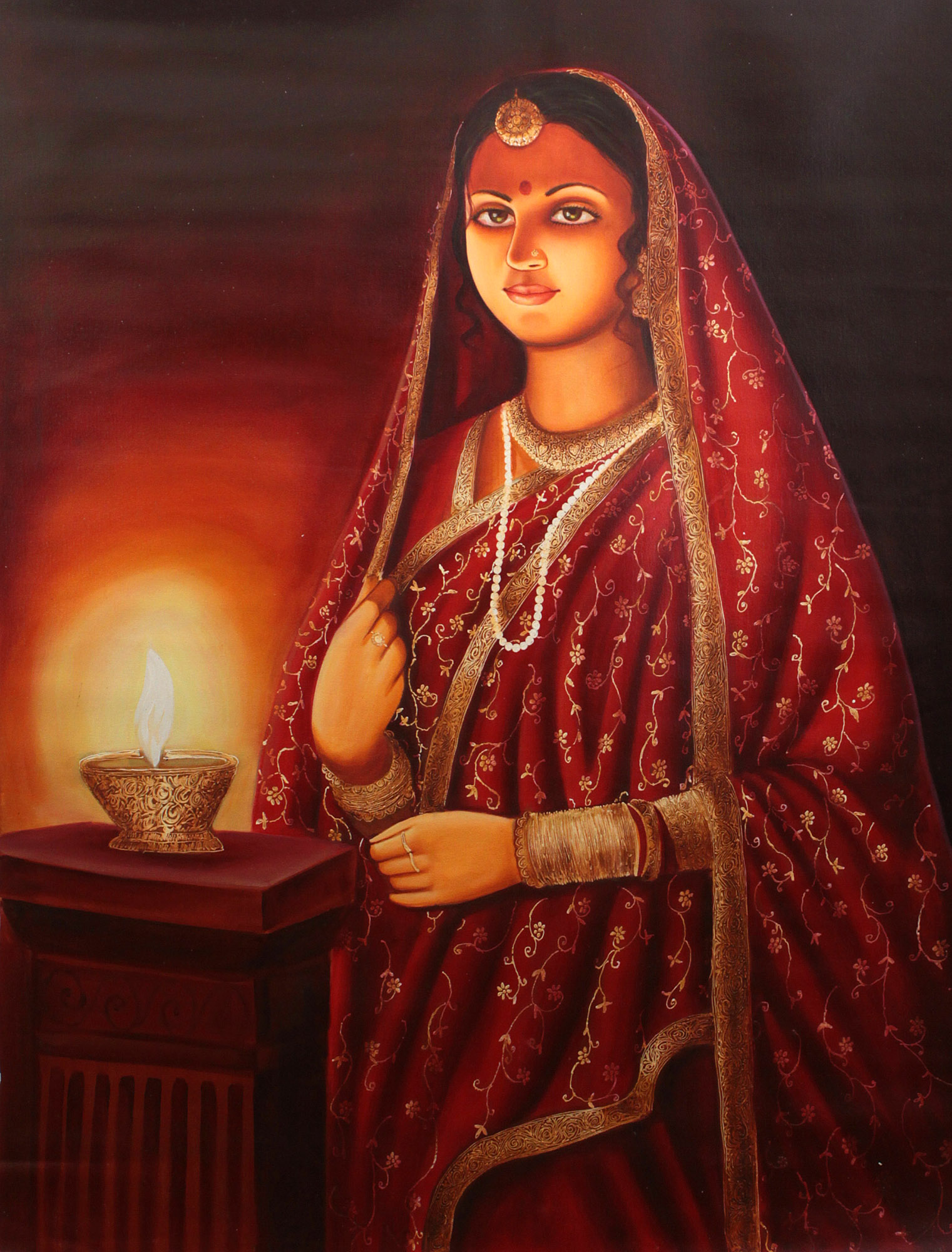
Whole Dude – Whole Values: Bharat, the Land of Cultural Values. THIS ARTICLE IS DEDICATED TO THIS INDIAN LADY WHO SYMBOLIZES THE PRINCIPLE OF UNITY THAT APPEARS AS THE VERBAL SOUND OR SHABDA CALLED “ASMI” WHICH MEANS ALWAYS PRESENT, OR EVER-EXISTING.





















 Whole Dude - Whole Concept