Whole Dude – Whole Katha

Burra Katha – My Connection to the Telugu Revolutionary Freedom Fighter

Burra Katha-My Connection to the Nation and Nationalism. A tribute to Telugu Revolutionary Freedom Fighter Alluri Sitarama Raju.
Burrakatha-My Connection to the Nation and Nationalism. A tribute to Telugu Revolutionary Freedom Fighter Alluri Sitarama Raju.

THE PRIDE OF TELUGU PEOPLE-ALLURI SITA RAMA RAJU
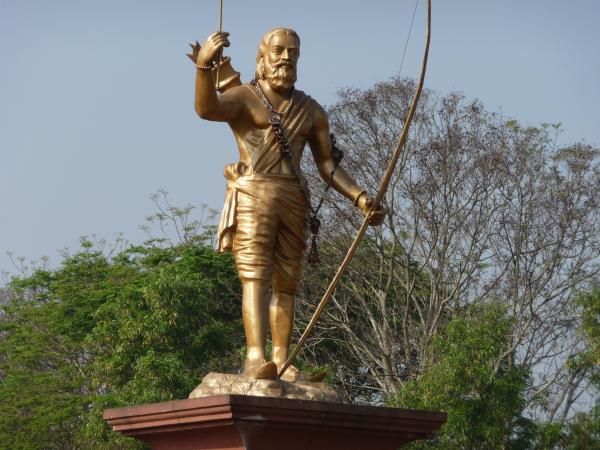
Burra Katha-My Connection to the Nation and Nationalism. A tribute to Telugu Revolutionary Freedom Fighter Alluri Sitarama Raju.

BURRA KATHA: THE TRADITIONAL ART FORM OF NARRATIVE ENTERTAINMENT OF ANDHRA PRADESH, INDIA

Burra Katha is the most popular art form of narrative entertainment for the Telugu-speaking Indians. A tribute to Telugu Revolutionary Freedom Fighter Alluri Sitarama Raju.

Burra Katha is the most popular art form of narrative entertainment in the State of Andhra Pradesh, India. In this theatrical form, a story teller accompanied by two partners, one on either side, recites a story while speaking, singing and dancing. The term “BURRA” refers to a stringed musical instrument called TAMBURA. The resonating chamber is made of a hollow shell (and the word ‘burra’ also refers to the human skull in the Telugu language). The main performer wears this instrument across his right shoulder. The term “KATHA” means a story. Storytelling is an important Oral Tradition in India and there are several traditional ways of narrating a story.

The main performer (‘KATHAKOODU’) plays the ‘tambura’ as he dances rhythmically moving forwards and backwards on the stage while reciting a story. He also wears a metal ring and carries a ring in his palm to add to the tempo while he sings. The co-performers play two-headed earthen drums (‘DAKKI’)to accentuate the songs. All the three performers will be wearing anklets with tiny bells called ‘ANDELU’ or ‘GAJJALU’ which add to the music when they dance and perform. One of the drummer is referred to as the ‘RAJKIYA’ and he comments on contemporary political and social issues even if the main story concerns historical or mythological events. The other drummer is known as ‘HASYAM’ and he cracks jokes and provides comic relief and constantly keeps the audience well entertained and keeps up their interest in the performance. The performers regularly address each other and the co-performers often interrupt the main performer to ask doubts and they add emphasis to the main events in the story with short words and phrases. Generally, the performance would begin with a prayer song. Then the main performer introduces the story by establishing the place, time and historical context of the action. The co-performers repeat the refrain of the narrative. The story begins with the statement, “VINARA BHARATA VEERA KUMARA, VEERA GADHA VINARA” which means, HEAR, THE YOUNG BRAVE SON OF BHARAT (INDIA), HEAR THE STORY OF THE BRAVE and the co-performers affirm the proceedings with the words ‘TANDHANA TANE TANDHANA’. After these introductions, the main plot begins in which all three performers take an active role assuming various characters in the incidents, as well as providing narrative bridges between incidents. Thus, dance, recitation, songs, dialogues and enactment of scenes provide variation within a strong narrative line of Burra Katha.

Burra Katha – My Connection to Nation and Nationalism

Burra Katha stories could be mythological, historical and sociopolitical. It became the medium to enlighten the people about the political situation and played an effective role in conveying the message to people and awakening them during Indian Independence Movement. This art form became so popular, the British government banned its performance in the Madras Presidency and Nizam, the ruler of the princely State of Hyderabad, prohibited these shows in Telengana region.

MY CONNECTION TO THE NATION AND NATIONALISM:

I am connected to the place known as Rajahmundry of East Godavari district by way of my family connections. The most important connection is that my father and my grandfather belong to Rajahmundry and both of them worked for the ‘CROWN’ while the British ruled India. The British created opportunities to render public service and Natives who served in the name of the Crown remained in their jobs even after Independence as their services were very much appreciated by the community and such public service was not seen as a hindrance to winning the political freedom. I arrived on the scene after India’s independence and the relics of the colonial rule were still fully evident. For example, the elementary school in my neighborhood was known as King George Elementary School. As I grew up, it is Rajahmundry which shaped my connection to the rest of the country. The spirit of ‘NATIONALISM’ was fully thriving even after the departure of the British. The people of Rajahmundry loved all types of freedom fighters. On one hand, they adored Mahatma Gandhi and on the other hand, they embraced ‘NETAJI’ Subhash Chandra Bose, a revolutionary as their true hero. They made no distinction between the non-violence, ahimsa credo of Gandhi and the revolutionary tactics of armed rebellion advocated by Bose. Fighting the foreign occupier was important to the natives of Rajahmundry and all kinds of tactics were equally welcome. The story that connected me to this spirit of ‘nationalism’ reached me by way of Burra Katha performances that I witnessed in Rajahmundry. The one story that made a lasting impression was about a young revolutionary freedom fighter known popularly as “RAJU.”

ANDHRA SRI , ALLURI SITA RAMA RAJU ( July 4, 1897- May 7, 1924):

Burrakatha-My Connection to the Nation and Nationalism. A tribute to Telugu Revolutionary Freedom Fighter Alluri Sitarama Raju.

He lives in the hearts of the Telugu people as the “Manyam Veerudu” (Hero of the Jungles). He was Andhra’s early revolutionaries. He was inspired by the patriotic zeal of the revolutionaries in Bengal. He fought for social justice, for freedom and to liberate the innocent tribals from ruthless exploitation and oppression. The tribal corridor known as ‘MANYAM’ extends from Vijayanagaram to Godavari districts. He made this Agency area as his home and launched his struggle against the British with the help of the tribal people. This young man renounced his marital life and became the leader of what is known as the ‘RAMPA REBELLION’. In the Telugu language, it is known as the ‘RAMPA PITURI’. The word ‘pituri’ means complaints. He believed that freedom is not something to be begged for. He waged a successful but short lived guerilla warfare against the British occupiers from 1922 to 1923. The British General Rutherford who was deputed to crush the uprising used trickery and enticed Raju with a deal for peace. The British burnt down entire villages of the tribals, beaten the old and the children, molested the women, killed the young and tortured the captives. Raju who had innocently shown up to talk peace to save the tribals from the campaign of terror unleashed by the British forces was unceremoniously captured, was tied up to a tamarind tree and was brutally shot dead with a rifle in Mampa village, in the forests of Chintapalli. He became a martyr at the young age of 28. He was executed without a trial on May 7, 1924. His story generates the feelings of nationalism and is very effectively narrated to the people in the format of Burra Katha. Raju had his early education at Rajahmundry and I feel connected to my place and to the rest of the country because of this man of great spirit and honor.
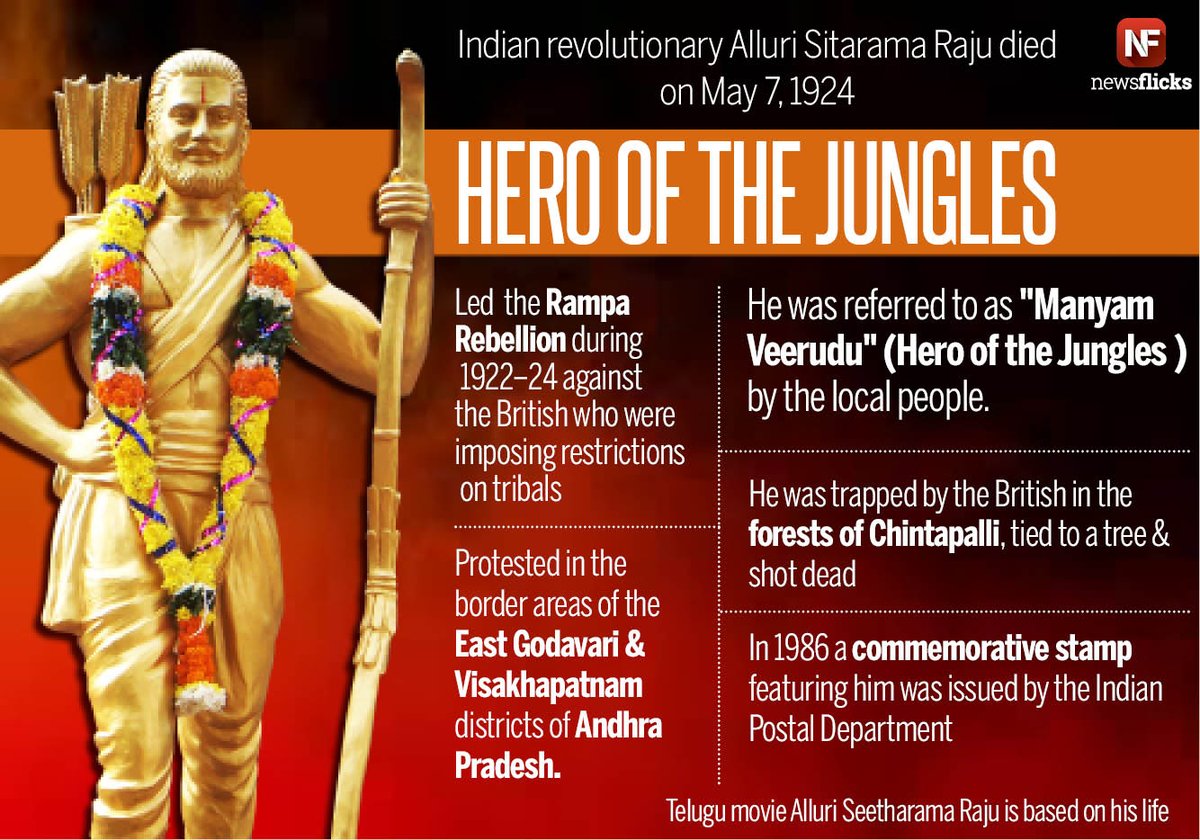
Burrakatha-My Connection to the Nation and Nationalism. A tribute to Telugu Revolutionary Freedom Fighter Alluri Sitarama Raju.

Whole Dude – Whole Path

The Fear of the Beaten Path vs The Security of Guided Path

The Fear of the ‘Beaten Path’ – Defining Indian Identity.

‘The Order of the Star’ was an organization built around Jiddu Krishnamurti by Ms. Annie Besant and other Theosophists with the hope that he would be the vehicle for the return of the Christ or ‘Maitreya’ (the reincarnation of the Lord of Compassion).

The Dissolution of ‘The Order of The Star’

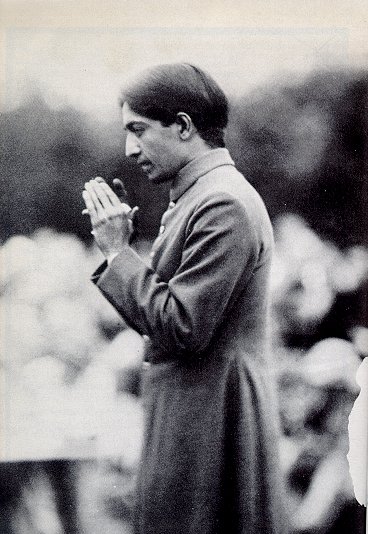
The Fear of the ‘Beaten Path’ – Defining Indian Identity. JIDDU KRISHNAMURTI GIVING HIS SPEECH IN 1929 DISSOLVING ‘THE ORDER OF THE STAR‘.
The Fear of the ‘Beaten Path’ – Defining Indian Identity

Aug-Sept 1929: I maintain that Truth is a pathless land, and you cannot approach it by any path whatsoever, by any religion, by any sect. Truth, being limitless, unconditioned, unapproachable by any path whatsoever, cannot be organized; nor should any organization be formed to lead or to coerce people along any particular path. You must climb towards the Truth. It cannot be ‘stepped down’ or organized for you.

1933: I feel that no one can lead another to truth, because truth is infinite; it is a pathless land, and no one can tell you how to find it. No one can teach you to be an artist; another can only give you the brushes and canvas and show you the colours to use.

1948: You cannot discover the path, because there is no path, Truth is a thing that is living, and to a living thing there is no path – it is only to dead things that there can be a path. Truth being pathless, to discover it you must be adventurous, ready for danger; and do you think a guru will help you to be adventurous, to live in danger? To seek a guru obviously indicates that you are not adventurous, that you are merely seeking a path to reality as a means of security.

1957: There is no path to reality. Reality is a pathless land, and you must venture out and discover it for yourself. It is because you are frightened inwardly that you depend on something, on the priest, or on a belief, and so you get caught in the net of an organized religion.

1976: But as truth is a pathless land, you can’t lay down a line, a direction, a path to it and practise it, discipline yourself, learn a technique. It is immovable. There is no technique to truth.

1982: So one has to be totally free from all that because truth has no path to it. It is a pathless land, like a ship that has no rudder. You have to walk out of darkness, out of your own chaos, out of your own confusion, out of the forest of ignorance and come to that by yourself, your own comprehension of perception.

1982: Because if there is any form of conditioning, psychically, inwardly, truth cannot be found. Truth is a pathless land, and it must come to one when there is total freedom from conditioning.

The Story about The Star of Bethlehem:

The Fear of the ‘Beaten Path’ – Defining Indian Identity

The New Testament Book Matthew, Chapter 2, verse 1 and 2 describe the visit of the ‘Magi’. After Jesus was born in Bethlehem in Judea, during the time of King Herod, Magi from the east came to Jerusalem and asked, “Where is the one who has been born King of the Jews? We saw his Star in the East and have come to worship him.”

The Fear of the ‘Beaten Path’ – Defining Indian Identity

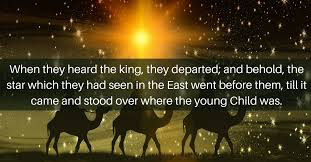
And Matthew 2:9-10 further states, when they heard the king, they (Magi) went on their way, and the Star they had seen in the East went ahead of them until it stopped over the place where the child was. When they saw the Star, they were overjoyed. On coming to the house, they saw the child with his mother Mary, and they bowed down and worshiped him.

The Fear of the ‘Beaten Path’ – Defining Indian Identity

The Magi, the three wise men of the East did not traverse on a beaten path to discover the newborn Jesus. As there is no beaten path, the Star of Bethlehem clearly guided them to find the truth or reality of the newborn baby.

The Fear of the ‘Beaten Path’ – Defining Indian Identity

Jesus shows the Way to The Father, Truth, and Life:

The Fear of the ‘Beaten Path’ – Defining Indian Identity

The New Testament Book John, Chapter 14, verse 6 describes Jesus as the way to the Father. Jesus answered, “I am the Way and the Truth and the Life. No one comes to the Father except through me.”

“TRUTH IS A PATHLESS LAND”

The Fear of the ‘Beaten Path’ – Defining Indian Identity

‘Truth is a pathless land’ was the speech made by Jiddu Krishnamurti in 1929 when he dissolved the Order of the Star. “I maintain that Truth is a pathless land, and you can not approach it by any path whatsoever, by any religion, by any sect. Truth, being limitless, unconditioned, unapproachable by any path whatsoever, cannot be organised; nor should any organisation be formed to lead or coerce people along any particular path.” Krishnamurti believed that the individual must establish his uniqueness, he should discover for himself that absolute, unconditioned Truth.

The Fear of the Beaten Path:

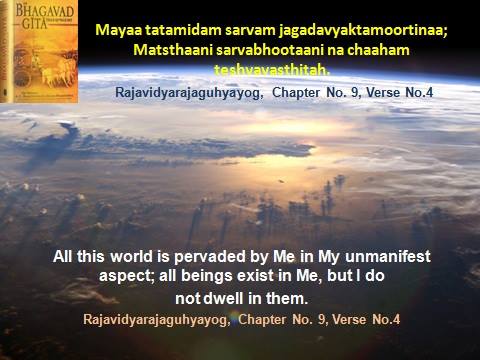
The Fear of the Beaten Path. Defining Indian Identity. The Impersonal God is Unknowable and hence there is no Path to discover the Absolute Truth or Absolute Reality described as Brahman. THE THOUGHTS OF VARIOUS INDIAN THINKERS HAVE TO BE CAREFULLY INTERPRETED. EVERYTHING THAT EXISTS IS NOT EXACTLY THE SAME OR IDENTICAL TO BRAHMAN. IT WILL BE CORRECT TO INTERPRET THE ABOVE STATEMENT IN THE CONTEXT OF UNITY BETWEEN ORDERS LIKE GOD, ENERGY, MATTER, AND LIVING THINGS. THIS UNITY OR EIKYATA IS THE FUNDAMENTAL BASIS FOR EXISTENCE AND IS CALLED “ASMI” TO DESCRIBE BRAHMAN AS THE ‘CAUSE’ OF EXISTENCE.

The much traveled or a beaten path is recommended if you are aware of your destination. The beaten path provides the wayfarer a sense of security and comfort.

The Fear of the Beaten Path. Defining Indian Identity. As Brahman is Unknowable, the personification of Brahman works like the Star of Bethlehem, a Guiding Star when there is no beaten track to arrive at the destination.

In India, thinkers tend to believe that the principles underlying macrocosm (Universal) and microcosm (Individual) are related. According to Vedas which guide the Indian mind, the ‘Brahman’ (the Absolute Reality or ‘The Father’) cannot be known by any empirical means of knowledge. Socrates states, ‘Know thyself, and you will know the universe and the gods.’ In a similar manner Indian thinkers have always encouraged the values of introspection, to reflect upon your own mind and thoughts to understand Self and Self-Knowledge is a tool, is the way and the path to the Truth. As an Indian, I always experience a sense of fear about the ‘Beaten Path’ and the assurance given by Jesus that He is the Way somehow does not dispel the sense of fear to travel on that path. I need an unbeaten path.

The Fear of the Beaten Path. Defining Indian Identity. The concept of Purusha or True Self guides the man on the Path of Self-Discovery.
Jiddu Krishnamurti (1895-1986)
Whole Dude – Whole Path: The Fear of Beaten Path vs the Security of Guided Path

Whole Dude – Whole Conquest

A Barrier to conquer the Cultural Barrier

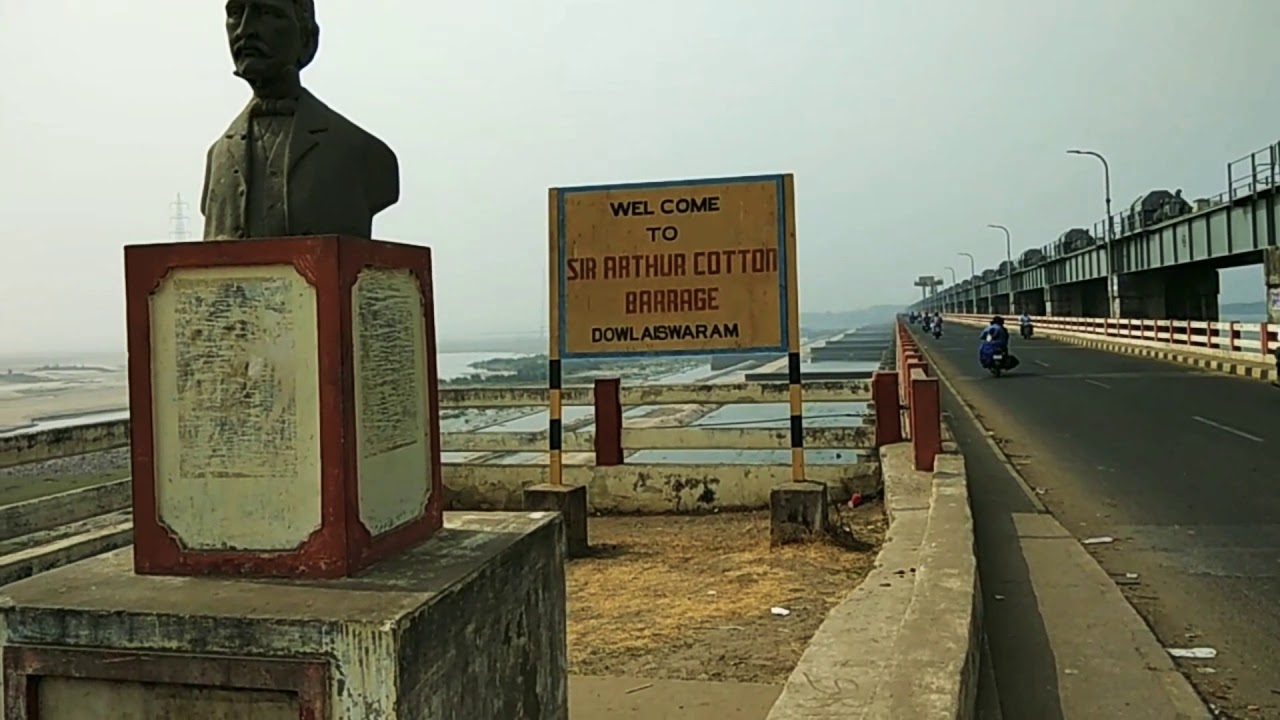
A Barrier to Conquer the Cultural Barrier. A tribute to Sir Arthur Cotton.

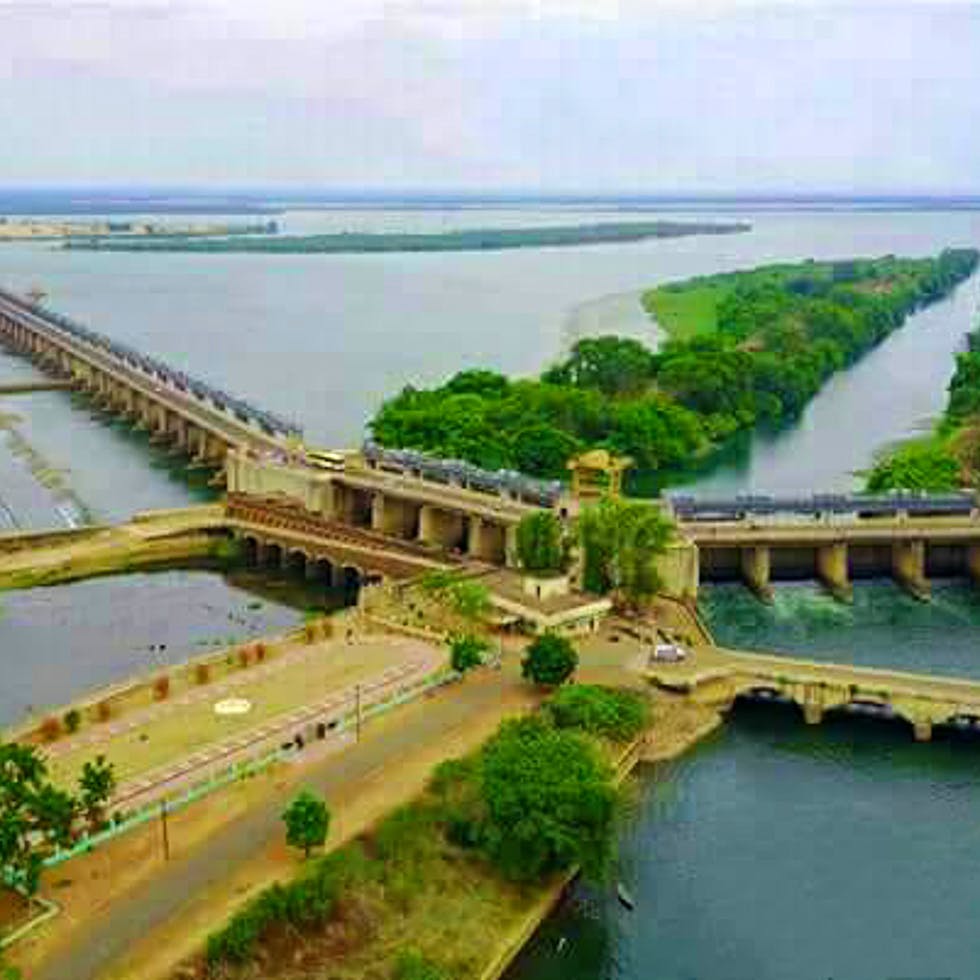
Sir Arthur Cotton is popularly known as “Irrigation Cotton” or “Cotton Dora” (Cotton the Noble). In 1821, at the very young age of 18, he had arrived in India and was appointed to service with the Madras Engineers. He served in the First Burmese War (1824-26). The military Corps of Engineers also undertake civilian construction projects. Cotton became responsible for greatest civil engineering projects of his time. He worked in the face of stiff opposition, discouragement and criticism from the Madras government. In 1828, by constructing barrages across river Cauvery, he transformed the drought-stricken Tanjore district into the richest part of the State of Madras. In 1838, he designed and built sea defenses for Visakhapatnam. In 1847-52, he masterminded the Godavari delta project. He constructed Asia’s largest barrage across river Godavari a few miles south of Rajahmundry, my native place. This masonry dam is 2.25 mile (3,500 metres)long and is 12 feet high. It helped to irrigate 720,000 acres of land and created 500 mile long navigable channels connecting Godavari delta with the port of Kakinada. He was responsible for bringing prosperity to the farmers of the Godavari delta region. He was elevated to the post of Chief Engineer of the Madras Presidency. He retired from government service in 1862 and in 1876 he was knighted. His name is much honored to this day and the spirit of public service he displayed is still remembered with love and admiration.

GENERAL SIR ARTHUR THOMAS COTTON(b. MAY 15, 1803, WOOD COTE, OXFORDSHIRE, ENGLAND. _ d. JULY 14, 1899, DORKING, SURREY, ENGLAND.)

“OH, EAST IS EAST, AND WEST IS WEST,

AND NEVER THE TWAIN SHALL MEET.”

A BARRIER THAT CONQUERED THE EAST-WEST CULTURAL BARRIER. A TRIBUTE TO SIR ARTHUR THOMAS COTTON

There could be social and cultural barriers between humans but those man-made barriers could be conquered by people who are dedicated to serving the humanity. Sometimes, a man-made barrier can bridge that cultural divide and could bring people together. A barrage is described as a man-made barrier in a stream or a river. By constructing barrages, Sir Arthur Thomas Cotton had shown that public service could help people to love one another.

A Barrier that conquered the East-West Barrier. A tribute to Sir Arthur Cotton.
A Barrier that Conquered the East-West Cultural Barrier. A tribute to Sir Arthur Cotton.

Whole Dude – Whole Performance

Whole Dude – Whole Performance: A tribute to Rajahmundry’s traditions of Performing Arts

Bharat Darshan – A tribute to Rajahmundry’s traditions of Performing Arts

Whole Dude – Whole Performance – A tribute to Rajahmundry’s traditions of Performing Arts

GOVERNMENT ARTS COLLEGE, RAJAHMUNDRY WHERE STUDENTS EXCEL IN PERFORMING ARTS

The Traditions of Performing Arts in Rajahmundry

Whole Dude – Whole Performance – A Tribute to Rajahmundry’s Traditions of Performing Arts.

Rajahmundry gets credit for being the home for great artists. The first drama in Telugu language was written by Kandukuri Veeresalingam, a native of Rajahmundry. During the few years I spent in Rajahmundry, I had witnessed several wonderful performances and all of them without paying an entrance fee or buying a ticket. The community supports these performances and they are staged for public enjoyment free of cost. I had earlier mentioned about a traditional art form known as ‘BURRA KATHA‘. There is another traditional form of story narration known as ‘HARI KATHA’ and it introduced to me several interesting stories from the Indian epic poems.

Whole Dude – Whole Performance – A Tribute to Rajahmundry’s Traditions of performing Arts. The Tradition of story-telling called Harikatha.

Apart from story narration, Rajahmundry is a great place to witness artists performing drama. The themes are selected from mythology, history, social satire and modern social life. We have several companies in Rajahmundry that provide costumes, makeup artists, and stage equipment. During the major festivals and summer school vacations, we very often get a chance to enjoy the performances on makeshift stages putup at road intersections during night time. At the Government Arts College, Rajahmundry, students always celebrate their annual functions with several drama performances.

Just in Time- A Little Performance for Little Kids:

Whole Dude – Whole Performance – A Tribute to Rajahmundry’s Traditions of Performing Arts

There is a memorable performance that I witnessed at the Government Arts College, Rajahmundry, fully enacted by little kids. I remember some of the lines from this song drama :

A little girl sings,

“Found a peanut, Found a peanut, Found a peanut Just Now,”

The girl relishes eating the peanut,

Very soon, the girl is in trouble,

“Stomach aching, Stomach aching, Stomach aching Just Now,”

The girl can not bear the pain and asks for help,

“Call the Doctor, Call the Doctor, Call the Doctor Just Now”,

A young kid in doctor’s costume arrives, and the girl instructs the doctor,

“Cut it Open, Cut it Open, Cut it Open Just Now”,

The young doctor performs the mock surgery as the girl demands,

“Find the Peanut, Find the Peanut, Find the Peanut Just Now”,

The doctor successfully removes the offending Peanut, and the girl recovers,

“Thank You Doctor, Thank You Doctor, Thank You Doctor Just Now.”

Whole Dude – Whole Performance – A Tribute to Rajahmundry’s Traditions of performing Arts

My sister was the little girl in this performance and the audience received this brief show with a great sense of amusement and because of that pleasurable experience, I still happen to remember the lines.

This is my tribute to the great lovers of performing arts whose patronage makes Rajahmundry a wonderful place and I still cherish those pleasant memories of spending the evening hours watching very entertaining dramas.

Dr. R. Rudra Narasimham, B.Sc., M.B.B.S.,

DANAVAIPETA MUNICIPAL HIGH SCHOOL, RAJAHMUNDRY,

S.S.L.C.  CLASS OF MARCH, 1961.

Whole Dude – Whole Performance – A Tribute to Rajahmundry’s Traditions of Performing Arts. The tradition of story-telling called Burrakatha.

Whole Dude – Whole Peninsula

Bharat Darshan: From Kashmir to Kanyakumari – One Land and One Destiny
Whole Dude – Whole Peninsula: From Kashmir to Kanyakumari – One Land and One Destiny.

Excerpt: The article talks about the geographical history and future of India, specifically focusing on the Himalayas. It explains that India was part of a supercontinent called Pangea and moved towards Euro Asia to form the Himalayas. It further elaborates on how the Indian plate continues to collide beneath Tibet, causing shifts in the landscape. The post raises concerns about the potential disappearance of Nepal and the threat of global warming on the Himalayan glaciers, which are vital water sources. It concludes with the idea that India must defend Tibet and the Himalayas, as its destiny is strongly tied to their well-being.

Whole Dude – Whole Peninsula: From Kashmir to Kanyakumari – One Land and One Destiny.

The Continental Shuffle 

Whole Dude – Whole Peninsula: From Kashmir to Kanyakumari – One Land and One Destiny

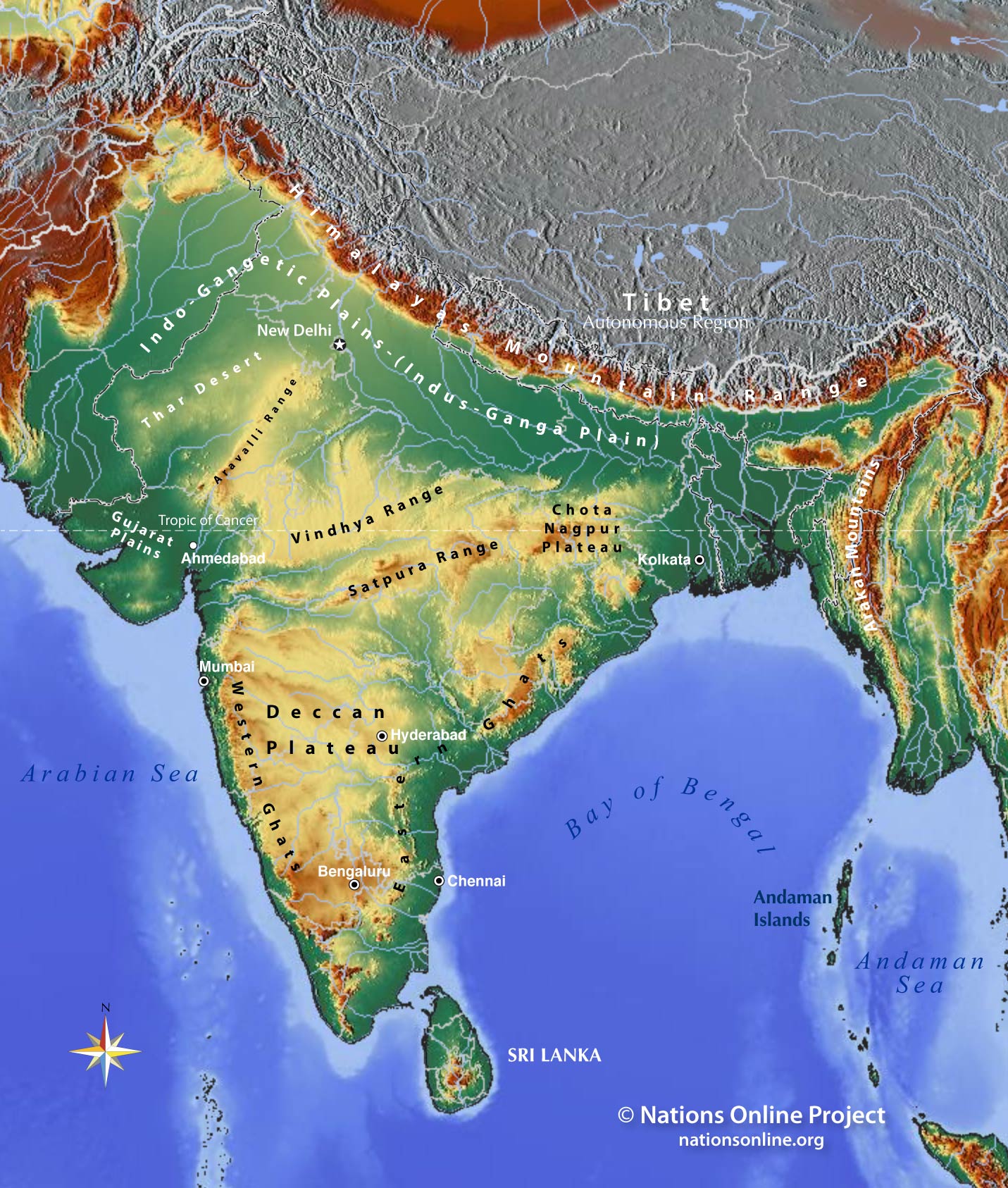
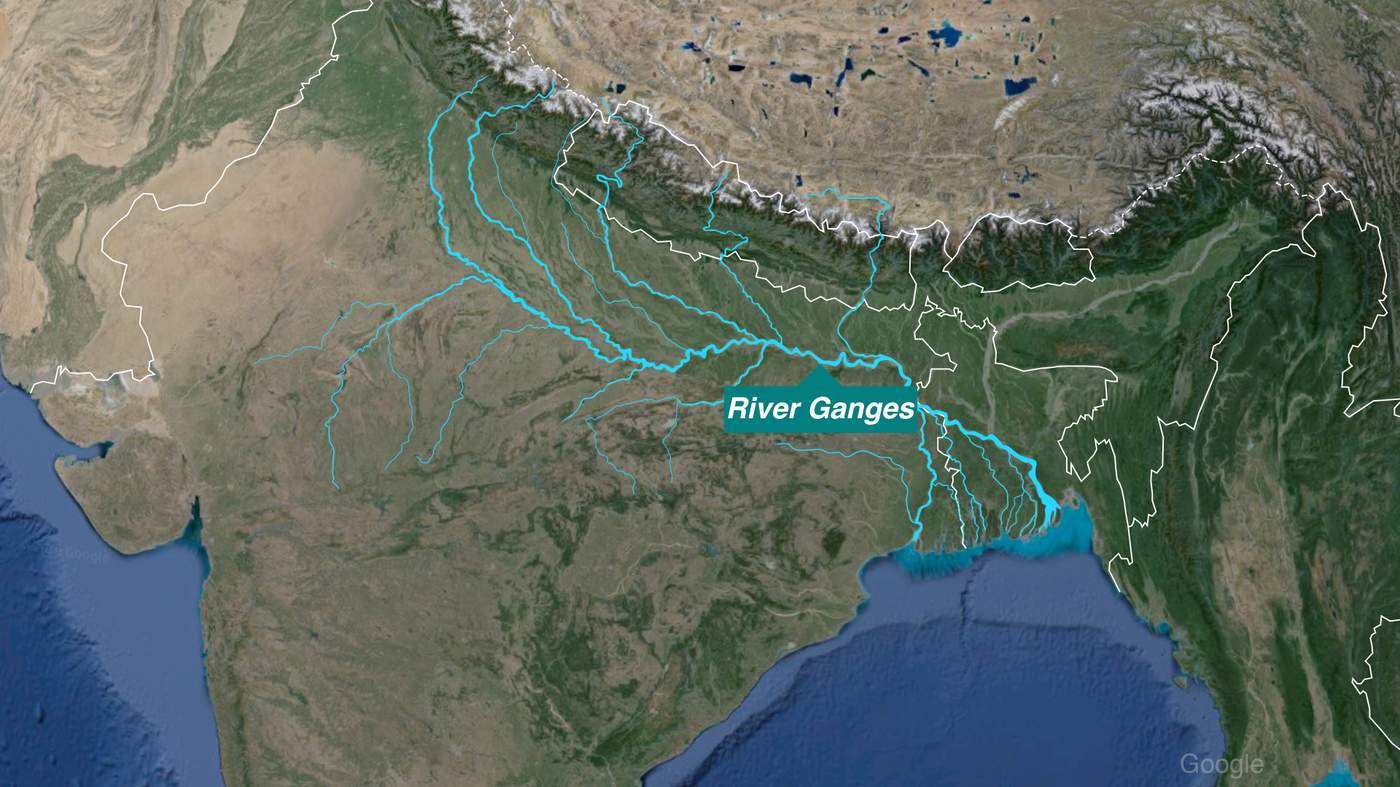
The Land of India as we know today did not exist when our planet Earth was created and had arrived to take its place in the solar system.Our lives depend upon the life giving force of the rivers that flow down our Land and the most important rivers such as Sindhu, Ganges and Brahmaputra take their birth in the Himalayan mountains.We need to know about the formation of the Himalayas, the future of Himalayas and also know the consequences of climate change and be aware of the dangers of losing the glaciers which are the life giving source of our fresh water.We need to defend our Himalayan Frontier as our destiny is inexorably linked to their health and vitality. In an emotional sense, the idea of defending Himalayas has a great appeal and in response to the Chinese aggression in 1962, I served in the Indian Army to defend the Himalayan frontier. Apart from the threat posed by the enemy, we need to understand the bigger threat of global warming and its impact upon the Himalayan glaciers.

Whole Dude – Whole Peninsula: From Kashmir to Kanyakumari – One Land and One Destiny

Over 250 million years ago, India, Africa, Australia, South America and Antarctica were all one continent called Pangea and is also known as Gondwana Land.

Whole Dude – Whole Peninsula: From Kashmir to Kanyakumari – One Land and One Destiny

Over the next several million years, this giant southern continent proceeded to break up, forming the continents we know today. What ultimately formed the majestic Himalayas about 60 million years ago, was the rapid movement of India northward toward the continent of Euro Asia (Laurasia). India charged across the equator at rates up to 15 cm/year in the process closing an ocean named Tethys that separated fragments of Pangea. This ocean is entirely gone today.

Whole Dude – Whole Peninsula: From Kashmir to Kanyakumari – One Land and One Destiny

To understand the fascinating mechanics of the collision of India with Asia, we must first look beneath the Earth’s surface. For at least 80 million years, the oceanic Indian Plate continued its inexorable collision with southern Asia, including Tibet. The Indian sub-continent began to be driven horizontally beneath Tibet like a giant wedge, forcing Tibet upwards and this process continues today. In about 10 million years, India will plow into Tibet a further 180 km and the country of Nepal will technically cease to exist. But the mountain range we know as the Himalaya will not go away.

We are assured that the Himalaya would continue to exist in the future but our future depends upon the survival of the snow fields of the Himalaya.

Whole Dude – Whole Peninsula: From Kashmir to Kanyakumari – One Land and One Destiny. India must defend Tibet to defend its Himalayan Frontier.
Bharat Darshan: From Kashmir to Kanyakumari – One Land and One Destiny

From Kashmir to Kanyakumari, Indian People belong to this Indian Landmass and hence have a common Destiny.

Bharat Darshan: From Kashmir to Kanyakumari – One Land and One Destiny

Whole Dude – Whole Ahimsa

Whole Dude – Whole Ahimsa: Defining Indian Identity-The Tradition of Ahimsa. The Tradition of Cow Worship and Cow Protection.

Excerpt: The tradition of Ahimsa, or non-violence, is integral to Indian identity according to this post. Lord Krishna, Mahatma Gandhi, Lord Gautama Buddha, and the founder of Jainism, Lord Mahavira, all championed reverence for all living beings and the practice of Cow Protection. The author places great emphasis on how the legacy of Ahimsa manifests itself in the daily acts of mercy by people like an unidentified man working for a charity who rescued him from a potential abduction. The post posits that the principle of Ahimsa enhanced the rescuer’s ability to detect the author’s distress and act on it, thereby evidencing the ongoing importance of this ethos in Indian society.

Lord Krishna in Bhagavad Gita, Chapter 11, Visvarupa-Darsana Yoga, The Vision of the Universal Form, verse 55 proclaims “Advesham Sarva Bhuteshu”- Being devoid of enmity towards all living entities is a must and laid the foundational principle of Ahimsa. Krishna is most popularly known as Govinda, a provider of a great sense of Joy to cattle.

Defining Indian Identity-Ahimsa-Mahatma Gandhi
Whole Dude – Whole Ahimsa: Defining Indian Identity. The Tradition of Ahimsa. Mahatma Gandhi was a staunch advocate of Cow Protection and Prevention of Animal Cruelty.

Mahatma Gandhi applied the principles of ‘Ahimsa’ to fight for India’s Freedom. 

“Cow protection to me is not mere protection of the cow. It means protection of all that lives and is helpless and weak in the world.” -Mahatma Gandhi.

Defining Indian Identity-Ahimsa-Lord Gautama Buddha
Whole Dude – Whole Ahimsa: Defining Indian Identity. The Tradition of Ahimsa. Lord Gautama Buddha preached Nonviolence and Kindness towards all living things.

Siddhartha Gautama Buddha lived in India, c. 563 B.C. – c. 483 B.C. was the founder of Buddhism. 

Lord Mahavira - The Tradition of Ahimsa
Whole Dude – Whole Ahimsa: Defining Indian Identity. The Tradition of Ahimsa. LORD MAHAVIRA – Jainism is founded in the 6th century B.C. emphasized the importance of reverence for all living things.

Lord Mahavira – Jainism is founded in the 6th century B.C. emphasized the importance of reverence for all living things. 

In the ancient land of India, the tradition and practice of ‘Ahimsa'(noninjury) has been well established. This entry is not intended to speak about the greatness of Lord Mahavira, Lord Gautama Buddha or Mahatma Gandhi. Their contributions are well-known and well-respected by all. As a beneficiary of this great tradition, I want to claim that Ahimsa helps humans as much as it promotes the well-being of animals. Animals give us a chance to learn and practice the habit of showing compassion. Animals may not be able to speak and communicate their fears, pain, and suffering. But they provide us with the skills to listen and know the emotion of fear. Animals give us the ability to discern pain when we are not in a position to speak for ourselves. I want to describe as to how a person, experienced in preventing cruelty to animals, is well equipped to rescue humans.  

Child Abduction and the story of a miraculous rescue:

Swami Karunyananda 1894 - 1997 - The Tradition of Ahimsa.
Whole Dude – Whole Ahimsa: Swami Karunyananda ( One who delights himself or experiences a sense of Joy by showing Karuna or Compassion. His birth name was Venkata Subbiah. His birthplace was Kammavarpalayam, a tiny village in Madras or Tamil Nadu State of India. He founded and established Sri Gowthami Jeevakarunya Sangham at Rajahmundry during 1940.

Swami Karunyananda, One who delights himself or experiences a sense of Joy by showing Karuna or Compassion. His birth name was Venkata Subbiah. His birthplace was Kammavarpalayam, a tiny village in Madras or Tamil Nadu State of India. He founded and established Sri Gowthami Jeevakarunya Sangham at Rajahmundry during 1940. 

Image result for gowthami jeevakarunya sangam, rajahmundry
Whole Dude – Whole Ahimsa: Defining Indian Identity – The Tradition of Ahimsa

I am narrating my personal story to recall an event and express my gratitude to a person whose name is not known to me but whom I remember for his timely intervention to rescue me. Otherwise, my life’s journey would have proceeded on an altogether different track. This very simple, down to earth, the unassuming person acted in a manner that had made a lasting impression on my mind and I am able to recollect the incident without any effort.

In 1951, that is 56 years ago, I lived in the town of Rajahmundry, East Godavari district of the present State of Andhra Pradesh. The town is on the left bank of river Godavari which enters the town from the north and flows towards the south. I lived in a residential neighborhood known by the name Innispet and it is located next to the river bank.

Those days, many of the streets had no given names and the houses had no designated house numbers. The part of the street where I  lived was later named as ‘KALABARGI VARI’ street. Our house was built by my grandfather (Late)Shri.R.Subbarao who had earlier worked as the District Public Prosecutor. I lived with my grandmother Smt. Lakshmi Narasamma, my parents and two elder brothers. My great-grandmother and my grandmother’s sister had also lived in this mansion. My younger brother and sister are not yet born. I may also mention that my father had chosen my personal name to be Rudra Narasimham and he had made this choice to please and honor my grandmother. For this reason, I had also enjoyed her affectionate treatment.

At the age of three and a half years, I was able to walk and move freely. My elder brothers had already joined schools. I whined about it and my father got me enrolled at King George Elementary School which was on the same street at a short distance from my home. The name King George reminds us of our colonial past. The School had a very modest structure. There was no kindergarten class and hence I joined the grade 1 class.

A little while after the monsoon season had finished, the School was temporarily closed because of a panic created by a string of child abduction incidents. My father was in the habit of going out for an evening walk. That day, the evening was cool and pleasant and the sky was clear. I insisted that I would accompany my father during his evening walk. He tried to talk me out of it and more so out of concern about the child lifting incidents. He left for his walk leaving me at home. I slipped out of the house and I thought I would be able to follow him from behind while he walked ahead of me.

I was walking south on the street and very soon lost sight of him. I kept walking, went past an intersection and at the next intersection, the street had ended. I made a right turn as I had noticed that a lot of people were walking in that direction towards the ‘Main Street’ of our town. The streets had no sidewalks and the pedestrians walk all over the street and there was not much of vehicular traffic.

Soon after I made the right turn, I was suddenly lifted up by a stranger and was handed over to a woman who accompanied him. I instantaneously recognized that I was in some big trouble. I started crying loudly but was not able to express my sense of fear in words. The pedestrian crowd around me paid no attention and my crying aroused no particular concern.

This terrible situation suddenly changed when a man wearing simple, white, hand-spun garments (‘KHADI’) came by riding on a bike. He spontaneously reacted to my crying. In my speechless voice, like any other dumb animal, I could communicate to him that I was very apprehensive and that I was gripped with a sense of fear and pain. He read my emotions correctly and he lost no time and decided to intervene.

He stopped the pair and started grilling them with questions and insisted that I was not their child. They initially argued that I was their child. My rescuer did not relent a bit and eventually, he demanded that the pair should accompany him to the Police Station to verify my identity. I remained a silent spectator and the sense of fear would not let me speak up the fact that I was not their child and that woman was not my mother.

As the heat of the argument built up, the pair decided to get away and the woman dropped me down leaving me with the man on the bike. I was at ease in the company of this unknown man and the sense of fear vanished and I stopped crying.

He placed me on the front bar of his bike. He inquired about my address. The only information that I could provide was that my house was located near a doctor’s clinic. Meantime, the evening had already turned into night. He decided to return me to my home. Before doing so, he took me to a street vendor selling sweets and snacks. He asked me to pick an item of my choice. He paid the merchant. After I finished eating my snack, I felt a lot more relaxed and was ready for the bike ride through the neighborhood.

After spending some time conversing with me, he began his search at the north end of the street where I lived. The street was fairly long and had several houses on either side. Those were the days when we had no television; before retiring for sleep, people were in the habit of relaxing in front of their homes after it gets dark. House after house, he was checking with people and was inquiring about any missing child.

Finally, we arrived at the intersection where my house stood on the street corner. At that point, to recognize my house was very easy for me. I saw my grandmother and my mother standing on the front porch with a very worried expression on their faces. The search was over and I simply jumped out from the bike and literally ran into my home. I was not around when my mother and grandmother thanked him for bringing me back home safely and they were shocked to know that I was briefly got abducted. Later, my mother tried to gently admonish me and asked if I would ever go out alone all by myself. By then, I had lost the fear that gripped my mind and I was happy with my experience of meeting this man who got me back home and very boldly I answered my mother that I am not afraid of going out on my own.  

This unknown man worked for a charitable organization by the name “Sri Gowthami Jeeva Karunya Sangham.” This organization provides animal shelters and a variety of humanitarian services. The employees patrol the streets on bikes to detect and to prevent cruelty to animals.

His belief in Ahimsa or Non-Injury, his personal experience in dealing with the pain and suffering of dumb animals had also given him the insight to recognize my plight when I was lifted up from the street. On a crowded street, while I was snatched, no one had paid attention to my cries, but for this person, the abduction would have proceeded unnoticed.

I describe that this person has the Indian Identity that I cherish and value. This Identity springs from our long-established Cultural tradition of Ahimsa. I would consider him to be a true practitioner of Ahimsa.

I have not personally known or seen Sri. Karunyananda (1894- 1997) who established Sri Gowthami Jeeva Karunya Sangham in Rajahmundry during the year 1940. Karunyananda was at Swami Sivananda’s Ashram at Rishikesh in northern India. Mahatma Gandhi visited Rishikesh and addressed the group of young ‘sanyasins’ at the Ashram. He encouraged them to render humanitarian service and serve others to practice the principle of ‘Ahimsa’ which involves treating all living entities with a sense of respect and dignity.

This concept of ‘Ahimsa’ reached me through the service rendered by a man who practiced the principle of ‘Ahimsa’ and gained the ability to recognize pain and suffering even when there is no verbal communication to express that condition.   

Dr. R. Rudra Narasimham, B.Sc., M.B.B.S.,  

Danavaipeta Municipal High School, Rajahmundry, East Godavari District, Andhra Pradesh, India,  

S.S.L.C.,  Class  of March   1961.

Whole Dude – Whole Ahimsa: Defining Indian Identity – The Tradition of Ahimsa. A tribute to the founder of Shri Gowthami Jeeva Karunya Sangham, Rajahmundry.


Whole Dude Worships Whole Idol

Whole Dude Worships Whole Idol

Excerpt: “Whole Dude Worships Whole Idol” examines the role of idol worship in Indian culture and the author’s personal experiences with it. The author recalls childhood memories of participating in idol worship, helping gather flowers for ritualistic offerings, and waiting for divine offerings. The depth of the cultural practice is epitomized in a personal account where the author and his siblings prayed at a temple for their father’s sudden abdominal pain. The reassurance they felt from the silent communication with the idol was unforgettable. Despite criticisms and claims of superstition, the author defends idol worship as a source of comfort and a genuine personal experience.

Whole Dude Worships Whole Idol – Idol Worship – A Learning Experience

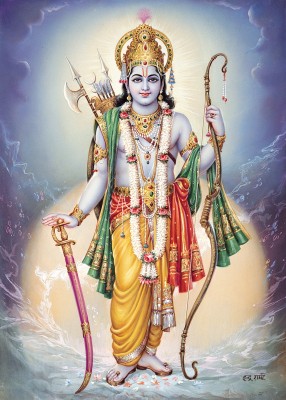
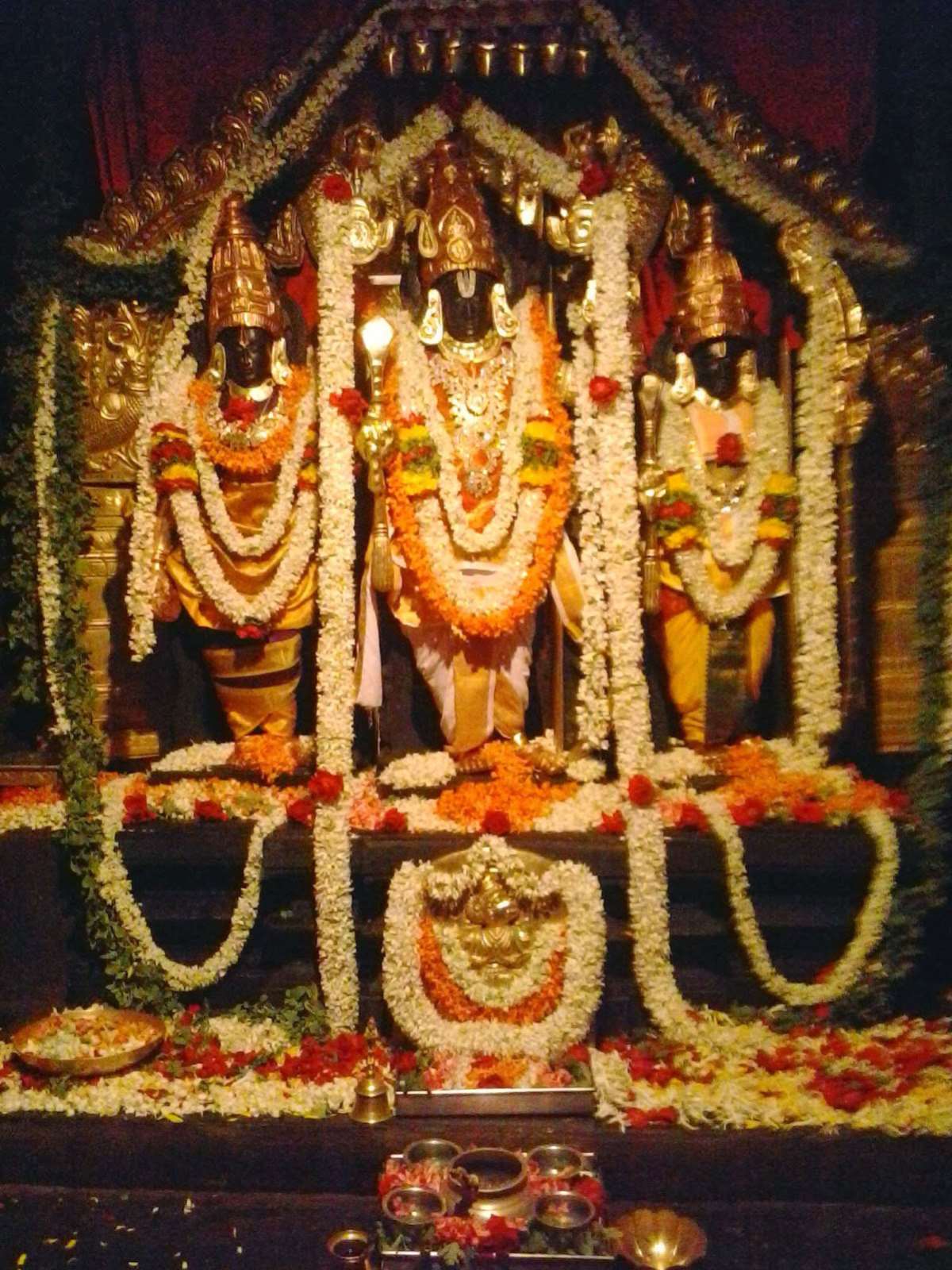
Sri Raghavam Dasarathatmajam aprameyam  

Sita-patim Raghu kulanvaya ratna deepam  

Ajanubahum aravinda-dalayataksham  

Ramam nisachara vinashakaram Namami.  

Idol Worship – A Way of Life:  

Whole Dude – Whole Idol: Defining Indian Identity – Idol Worship – A Way of Life

Worship of idols and images is an part of daily life in many Indian homes. Long before its birth as a political entity, the Land of India was recognized by the outside world as a Land where people worship idols. The plurality of gods in daily worship is a way of life. Indian people worship idols and images of one or another of the innumerable gods in their homes, in public places as well as in temples.  

Childhood is a time of great learning experiences. A child imbibes Cultural values and learns Cultural traditions mainly at home while the child is dependent on and is educated by parents and other adults. Children acquire the Culture of the society they live in through a gradual learning process.  My childhood learning experience of idol worship occurred in two places. While I was in Mylapore (Madras/Chennai City), the day would generally begin with a small errand. Myself and my elder brother Pratap would go out with a basket and gather flowers by just walking around in the neighborhood. Every home would keep some flowering plants which are traditionally used in daily worship. We were fond of gathering a variety of flowers for my maternal grandmother’s morning worship. It was a pleasant task and the fragrance of ‘Parijatham’ flowers that we gathered still lingers in my memory. I also spent my early childhood in Rajahmundry at my paternal grandfather’s home in Innispeta. My grandmother would also worship the morning rising Sun before starting her idol worship. Very often, we wait in the courtyard and alert our grandmother when Sun shows up in the sky. During the monsoon season, one has to patiently wait for the rain clouds to drift and let the Sun come out. At the end of her worship, we were always ready to receive the offerings (PRASAD) and there was always a sense of pleasure while waiting for these daily morning treats. Childhood was spent in observing the adults and on special occasions, the children at home participate in the worship while the elders give directions. The worship at temples was done in the company of parents and elders.  

A Learning Experience from 1954:

Whole Dude – Whole Idol: Defining Indian Identity – Idol Worship – A Way of Life

I was six years old and was a fourth class student at King George Elementary School, in Innispeta of Rajahmundry. One evening, just after it became dark, my father experienced sudden abdominal pain. The intensity of his pain was very severe and he was alarmed by his condition. As the pain persisted, he started pressing people to notify others about his predicament and I remember that he wanted that his younger brother (a doctor) who was then working in Nagpur City, should be alerted with a telegram. At one point of this painful state, my father had even asked that he should be laid on the floor in the anticipation of an impending death.

My two elder brothers, Hari and Pratap, and myself watched this scene and were moved into action. At my eldest brother Hari’s initiative, the three of us proceeded to Lord Sri Rama’s temple which is located near the Godavari river bank, a short walking distance from our home. The temple was still open and had only a very few worshipers as night had set in. We stood before the idols in total silence and paid our respects with the traditional greeting of ‘Namaskar’. Temple worship is a simple act. You just need to come before the idol and you are not really required to speak out your concerns and spell out the reasons for seeking the darshan (viewing the idol). It took a couple of minutes and the priest graciously gave us a mango fruit as ‘prasad’. Those few minutes that I spent standing mutely before Rama’s idol at night-time, is the reason that I still remember and recall my father’s abdominal pain after a lapse of about fifty-three years. I went to the temple with a sense of anxiety and with a sense of expectation that visiting the idol of Rama would somehow help my father to get rid of that terrible pain. I silently communicated my concern to the idol and I received a response. The response that I received was that of reassurance and comfort. I felt immediately relieved of a burden and felt upbeat and the feeling was one of instant gratification. Myself and my brothers returned home from the temple. I wanted to tell my father about our visiting the temple and I wanted to assure him that he would be alright if he would take a few drops of the juice from the mango fruit that we received from the priest. When we got back, the scene had changed. I did not get a chance to speak to my father and offer him the mango fruit. He had a large vomiting and threw up the food that he ate before. It helped him, his pain started to subside and he could rest without further problems. We retired for the night and the next day was just a routine day at the school. We never discussed that painful episode again and the communication that I received from Rama’s idol got preserved in my memory and my family had no chance to know about it. 

Whole Dude Worships Whole Idol.

The rest of the world may call my visiting Lord Rama’s idol as an act of superstition or false belief. My heart knows and my mind remembers that the idol gave me a sense of relief and comfort and my experience was real and genuine. Every one is welcome to take the place of that idol and if they are willing to be a source of comfort, and I am willing to have their darshan and worship them just like the idols that I would like to worship seeking a personal experience which is real while the basis for the belief is not easy to verify.  

Whole Dude Worships Whole Idol

Whole Dude – Whole Indian

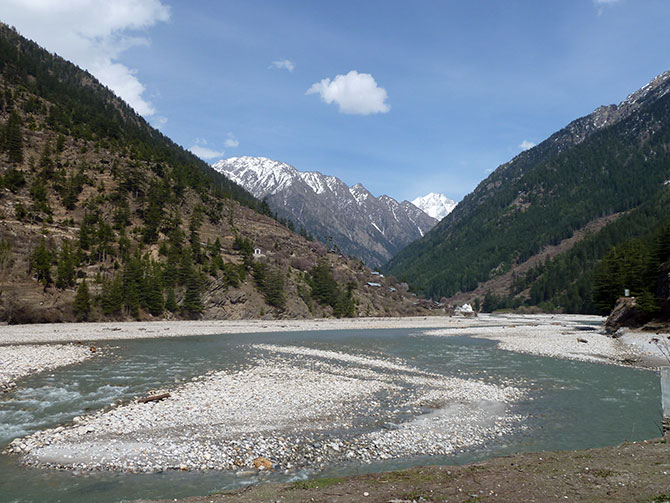
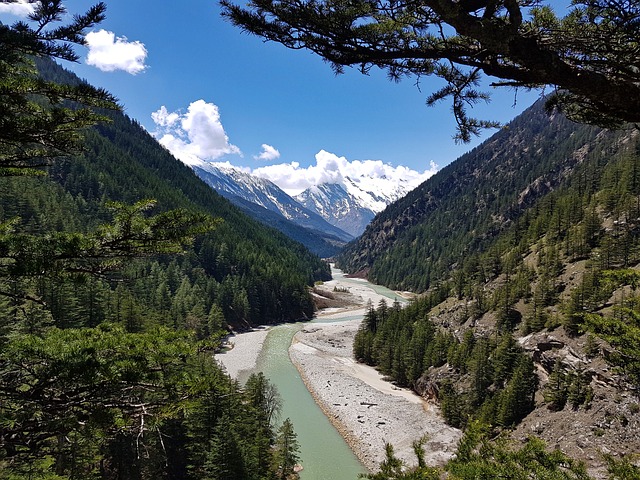
Whole Dude – Whole Indian: Defining Indian Identity – The Spirit of Nationalism. Mother Ganges is the Spirit of the Nation called India or Bharat.

Excerpt: This article emphasizes the River Ganges as the defining symbol and spirit of India, uniting the country across changing political and historical landscapes. While acknowledging India’s freedom struggle and leaders like Jawaharlal Nehru and Mahatma Gandhi, it argues that India’s identity is far deeper and not reliant on political history, language or regional customs. Highlighting a song from the 1961 film ‘Jis Desh Mein Ganga Behati Hai’, it asserts that India has always existed wherever the Ganges flows. This spiritual connection overrides every other consideration, encapsulating the essence of Indian nationalism and the country’s cultural traditions.

Whole Dude – Whole Indian: The country where River Ganges flows.

“….The Ganges,above all is the river of India,which has held India’s heart captive and drawn uncounted millions to her banks since the dawn of history.The story of the Ganges,from her source to the sea,from old times to new,is the story of India’s civilization and culture,of the rise and fall of empires,of great and proud cities,of adventures of man….”  

Discovery of India, Jawaharlal Nehru  

Whole Dude – Whole Indian: Jawaharlal Nehru, India’s First Prime Minister speaks eloquently about River Ganges shaping the lives of Indians throughout History. Mother Ganges is the Spirit of the Nation.

Jis Desh Mein Ganga Behati Hai (The Country Where River Ganges Flows)

Whole Dude – Whole Indian: The country where River Ganges flows.
Whole Dude – Whole Indian: WHAT IS INDIA? INDIA IS DEFINED AS THE LAND OR COUNTRY WHERE RIVER GANGES FLOWS. INDIA CAME INTO EXISTENCE WHEN GANGES STARTED FLOWING THROUGH THIS LAND. RIVER GANGES IS THE SPIRIT OF THIS NATION

Raj Kapoor won Filmfare’s Best Actor Award in 1961 for his portrayal of ‘Raju’, a song writer, in his film titled ‘Jis Desh Mein Ganga Behati Hai’. The picture was released during 1960 when I was twelve years old and was studying in VI-Form (S.S.L.C. Class of March 1961) in Danavaipeta Municipal High School, Rajahmundry, East Godavari District, Andhra Pradesh, India.We had a beautiful marble statue of Mahatma Gandhi right in front of our school.I studied Indian History as part of my school curriculum.I used to score well in my History tests. It was not too difficult for me to remember all those dates,names and other facts that constitute the subject matter of History. I have a deep sense of appreciation for all those leaders who orchestrated the political struggle against the British Rule.The Freedom Movement did indeed foster a sense of purpose and united people to achieve a common goal. It could be true that the fight against the Colonial powers gave a sense of Identity and very often the freedom fighters were called ‘Satyagrahis’. I have great admiration for their sense of patriotism and I am ever grateful for the sacrifices they made to win our independence. I saw this movie ‘ Jis Desh Mein ‘ just once and may have heard the title song on the radio on a few occasions.But the song , “Hotoan pe sachhai rahati hai, jahan dil me safaai rahati hai, Hum uss desh ke vaasi hai, Hum uss desh ke vaasi hai, Jis Desh Mein Ganga Behati Hai” never faded from my memory. 

Whole Dude – Whole Indian: Defining Indian Identity – Mother Ganges is the Spirit of the Nation called India or Bharat

Ten years after seeing the movie, in the year 1970, at the age of 22 years , I was granted President’s Commission and joined the Indian Armed Forces in the rank of Lieutenant.While joining Service,we accept the risks that naturally accompany such an occupation and reflect upon the motivation that shapes the decision.I understand that the Freedom Struggle was important but that Struggle does not define my sense of National Identity.I have known that the country that we call India has existed long before the invasion by the Mughals,the country that we call India has existed during centuries of British Rule and now the country that we call India exists in spite of the changes in the political landscape and the political fortunes of the Parties that we elect from time to time. My sense of National Identity is not dependent upon the political history of our country. My sense of National Identity does not depend upon the language that I speak at home and it is not related to the regional customs pertaining to food or dress. I have known my country from its Cultural Traditions. In 1970,I joined the Indian Army to defend the country which lives in my mind as the Land where River Ganga flows.

Whole Dude – Whole Indian: Mahatma Gandhi is revered as the Father of the Nation and had promoted the Spirit of Nationalism during India’s long Struggle for Freedom. But, Mother Ganges is the Spirit of this Nation called India or Bharat.

In my opinion,the country that we call India is not a mere political entity. It is true that India gained its political freedom in 1947. The country is existing ever since the River Ganges started flowing across its Land. 

I am not surprised that the song “Jis Desh Mein” still plays and I still hear the golden voice of immortal Mukesh, whenever my heart dreams about India. Most certainly, the Spirit of Nationalism is inspired by a history which reaches back to a period earlier than the British occupation of India.

Jis Desh Mein Ganga Behti Hai Lyric

Whole Dude – Whole Indian: Defining Indian Identity – Mother Ganges is the Spirit of the Nation called India or Bharat.

hothon pe sachchaaee rahatee hain, jahaan dil mein safaee rahatee hain
hum us desh ke waasee hain, jis desh mein gangaa bahatee hain
hothon pe sachchaaee rahatee hain, jahaan dil mein safaee rahatee hain
hum us desh ke waasee hain, jis desh mein gangaa bahatee hain
mehmaan jo humaaraa hotaa hain, wo jaan se pyaaraa hotaa hain
jyaadaa kee nahee laalach hum ko, thode mein gujaaraa hotaa hain
thode mein gujaaraa hotaa hain

bachchon ke liye jo dharatee maan, sadiyon se sabhee kuchh sahatee hain

hum us desh ke waasee hain, jis desh mein gangaa bahatee hain

kuchh log jo jyaadaa jaanate hain, insaan ko kam pahachaanate hain

ye poorab hain, poorabawaale, har jaan kee kimat jaanate hain
milajul ke raho aaur pyaar karo, ik cheej yahee jo rahatee hain

jo jisase milaa sikhaa hum ne, gairon ko bhee apanaayaa hum ne
matalab ke liye andhe ho kar, rotee ko nahee poojaa hum ne
rotee ko nahee poojaa hum ne

ab hum to kyaa saaree duniyaan, saaree duniyaan se kahatee hain

hum us desh ke waasee hain, jis desh mein gangaa bahatee hain

Whole Dude – Whole Indian: Defining Indian Identity – Mother Ganges is the Spirit of the Nation called India or Bharat.

Whole Dude – Whole Tradition

Whole Dude – Whole Tradition: Defining Indian Identity-The Tradition of Ahimsa. The Tradition of Cow Worship and Cow Protection.

Lord Krishna in Bhagavad Gita, Chapter 11, Visvarupa-Darsana Yoga, The Vision of the Universal Form, verse 55 proclaims “Advesham Sarva Bhuteshu”- Being devoid of enmity towards all living entities is a must and laid the foundational principle of Ahimsa. Krishna is most popularly known as Govinda, a provider of a great sense of Joy to cattle.

Defining Indian Identity-Ahimsa-Mahatma Gandhi
Whole Dude – Whole Tradition: Defining Indian Identity. The Tradition of Ahimsa. Mahatma Gandhi was a staunch advocate of Cow Protection and Prevention of Animal Cruelty.

Mahatma Gandhi applied the principles of ‘Ahimsa’ to fight for India’s Freedom. 

“Cow protection to me is not mere protection of the cow. It means protection of all that lives and is helpless and weak in the world.” -Mahatma Gandhi.

Defining Indian Identity-Ahimsa-Lord Gautama Buddha
Whole Dude – Whole Tradition: Defining Indian Identity. The Tradition of Ahimsa. Lord Gautama Buddha preached Nonviolence and Kindness towards all living things.

Siddhartha Gautama Buddha lived in India, c. 563 B.C. – c. 483 B.C. was the founder of Buddhism. 

Lord Mahavira - The Tradition of Ahimsa
Whole Dude – Whole Tradition: Defining Indian Identity. The Tradition of Ahimsa. LORD MAHAVIRA – Jainism is founded in the 6th century B.C. emphasized the importance of reverence for all living things.

Lord Mahavira – Jainism is founded in the 6th century B.C. emphasized the importance of reverence for all living things. 

In the ancient land of India, the tradition and practice of ‘Ahimsa'(noninjury) has been well established. This entry is not intended to speak about the greatness of Lord Mahavira, Lord Gautama Buddha or Mahatma Gandhi. Their contributions are well-known and well-respected by all. As a beneficiary of this great tradition, I want to claim that Ahimsa helps humans as much as it promotes the well-being of animals. Animals give us a chance to learn and practice the habit of showing compassion. Animals may not be able to speak and communicate their fears, pain, and suffering. But they provide us with the skills to listen and know the emotion of fear. Animals give us the ability to discern pain when we are not in a position to speak for ourselves. I want to describe as to how a person, experienced in preventing cruelty to animals, is well equipped to rescue humans.  

Child Abduction and the story of a miraculous rescue:

Swami Karunyananda 1894 - 1997 - The Tradition of Ahimsa.
Whole Dude – Whole Tradition: Swami Karunyananda ( One who delights himself or experiences a sense of Joy by showing Karuna or Compassion. His birth name was Venkata Subbiah. His birthplace was Kammavarpalayam, a tiny village in Madras or Tamil Nadu State of India. He founded and established Sri Gowthami Jeevakarunya Sangham at Rajahmundry during 1940.

Swami Karunyananda, One who delights himself or experiences a sense of Joy by showing Karuna or Compassion. His birth name was Venkata Subbiah. His birthplace was Kammavarpalayam, a tiny village in Madras or Tamil Nadu State of India. He founded and established Sri Gowthami Jeevakarunya Sangham at Rajahmundry during 1940. 

Image result for gowthami jeevakarunya sangam, rajahmundry
Whole Dude – Whole Tradition: Defining Indian Identity – The Tradition of Ahimsa

I am narrating my personal story to recall an event and express my gratitude to a person whose name is not known to me but whom I remember for his timely intervention to rescue me. Otherwise, my life’s journey would have proceeded on an altogether different track. This very simple, down to earth, the unassuming person acted in a manner that had made a lasting impression on my mind and I am able to recollect the incident without any effort.

In 1951, that is 56 years ago, I lived in the town of Rajahmundry, East Godavari district of the present State of Andhra Pradesh. The town is on the left bank of river Godavari which enters the town from the north and flows towards the south. I lived in a residential neighborhood known by the name Innispet and it is located next to the river bank.

Those days, many of the streets had no given names and the houses had no designated house numbers. The part of the street where I  lived was later named as ‘KALABARGI VARI’ street. Our house was built by my grandfather (Late)Shri.R.Subbarao who had earlier worked as the District Public Prosecutor. I lived with my grandmother Smt. Lakshmi Narasamma, my parents and two elder brothers. My great-grandmother and my grandmother’s sister had also lived in this mansion. My younger brother and sister are not yet born. I may also mention that my father had chosen my personal name to be Rudra Narasimham and he had made this choice to please and honor my grandmother. For this reason, I had also enjoyed her affectionate treatment.

At the age of three and a half years, I was able to walk and move freely. My elder brothers had already joined schools. I whined about it and my father got me enrolled at King George Elementary School which was on the same street at a short distance from my home. The name King George reminds us of our colonial past. The School had a very modest structure. There was no kindergarten class and hence I joined the grade 1 class.

A little while after the monsoon season had finished, the School was temporarily closed because of a panic created by a string of child abduction incidents. My father was in the habit of going out for an evening walk. That day, the evening was cool and pleasant and the sky was clear. I insisted that I would accompany my father during his evening walk. He tried to talk me out of it and more so out of concern about the child lifting incidents. He left for his walk leaving me at home. I slipped out of the house and I thought I would be able to follow him from behind while he walked ahead of me.

I was walking south on the street and very soon lost sight of him. I kept walking, went past an intersection and at the next intersection, the street had ended. I made a right turn as I had noticed that a lot of people were walking in that direction towards the ‘Main Street’ of our town. The streets had no sidewalks and the pedestrians walk all over the street and there was not much of vehicular traffic.

Soon after I made the right turn, I was suddenly lifted up by a stranger and was handed over to a woman who accompanied him. I instantaneously recognized that I was in some big trouble. I started crying loudly but was not able to express my sense of fear in words. The pedestrian crowd around me paid no attention and my crying aroused no particular concern.

This terrible situation suddenly changed when a man wearing simple, white, hand-spun garments (‘KHADI’) came by riding on a bike. He spontaneously reacted to my crying. In my speechless voice, like any other dumb animal, I could communicate to him that I was very apprehensive and that I was gripped with a sense of fear and pain. He read my emotions correctly and he lost no time and decided to intervene.

He stopped the pair and started grilling them with questions and insisted that I was not their child. They initially argued that I was their child. My rescuer did not relent a bit and eventually, he demanded that the pair should accompany him to the Police Station to verify my identity. I remained a silent spectator and the sense of fear would not let me speak up the fact that I was not their child and that woman was not my mother.

As the heat of the argument built up, the pair decided to get away and the woman dropped me down leaving me with the man on the bike. I was at ease in the company of this unknown man and the sense of fear vanished and I stopped crying.

He placed me on the front bar of his bike. He inquired about my address. The only information that I could provide was that my house was located near a doctor’s clinic. Meantime, the evening had already turned into night. He decided to return me to my home. Before doing so, he took me to a street vendor selling sweets and snacks. He asked me to pick an item of my choice. He paid the merchant. After I finished eating my snack, I felt a lot more relaxed and was ready for the bike ride through the neighborhood.

After spending some time conversing with me, he began his search at the north end of the street where I lived. The street was fairly long and had several houses on either side. Those were the days when we had no television; before retiring for sleep, people were in the habit of relaxing in front of their homes after it gets dark. House after house, he was checking with people and was inquiring about any missing child.

Finally, we arrived at the intersection where my house stood on the street corner. At that point, to recognize my house was very easy for me. I saw my grandmother and my mother standing on the front porch with a very worried expression on their faces. The search was over and I simply jumped out from the bike and literally ran into my home. I was not around when my mother and grandmother thanked him for bringing me back home safely and they were shocked to know that I was briefly got abducted. Later, my mother tried to gently admonish me and asked if I would ever go out alone all by myself. By then, I had lost the fear that gripped my mind and I was happy with my experience of meeting this man who got me back home and very boldly I answered my mother that I am not afraid of going out on my own.  

This unknown man worked for a charitable organization by the name “Sri Gowthami Jeeva Karunya Sangham.” This organization provides animal shelters and a variety of humanitarian services. The employees patrol the streets on bikes to detect and to prevent cruelty to animals.

His belief in Ahimsa or Non-Injury, his personal experience in dealing with the pain and suffering of dumb animals had also given him the insight to recognize my plight when I was lifted up from the street. On a crowded street, while I was snatched, no one had paid attention to my cries, but for this person, the abduction would have proceeded unnoticed.

I describe that this person has the Indian Identity that I cherish and value. This Identity springs from our long-established Cultural tradition of Ahimsa. I would consider him to be a true practitioner of Ahimsa.

I have not personally known or seen Sri. Karunyananda (1894- 1997) who established Sri Gowthami Jeeva Karunya Sangham in Rajahmundry during the year 1940. Karunyananda was at Swami Sivananda’s Ashram at Rishikesh in northern India. Mahatma Gandhi visited Rishikesh and addressed the group of young ‘sanyasins’ at the Ashram. He encouraged them to render humanitarian service and serve others to practice the principle of ‘Ahimsa’ which involves treating all living entities with a sense of respect and dignity.

This concept of ‘Ahimsa’ reached me through the service rendered by a man who practiced the principle of ‘Ahimsa’ and gained the ability to recognize pain and suffering even when there is no verbal communication to express that condition.   

Dr. R. Rudra Narasimham, B.Sc., M.B.B.S.,  

Danavaipeta Municipal High School, Rajahmundry, East Godavari District, Andhra Pradesh, India,  

S.S.L.C.,  Class  of March   1961.

Whole Dude – Whole Tradition: Defining Indian Identity – The Tradition of Ahimsa. A tribute to the founder of Shri Gowthami Jeeva Karunya Sangham, Rajahmundry.


Whole Dude – Whole Greeting

A Keralite Dancer in Sari( Mohini Attam: a dan...
Whole Dude – Whole Greeting: Defining Indian Identity – The Traditional Greeting.
Whole Dude – Whole Greeting: Om, Namah Sivaya – The Five Letter Mantra – Traditional Indian Greeting-Namaskar

TheTradition of Respect and Obedience: 

Whole Dude – Whole Greeting: Defining Indian Identity – The Traditional Greeting

Deuteronomy, 5th Book of Moses, The Old Testament, The Holy Bible: Chapter 10, verse 16:

“Circumcise therefore the foreskin of your heart, and be no more stiff necked.”

The word ‘Namah’ means one that bends which implies obedience. The one word ‘Namaskar’ represents the full spectrum of the legacy of India’s Culture.

Namah Shivaya:

Whole Dude – Whole Greeting: Defining Indian Identity – The Traditional Greeting. Five Letter Mantra for Learning. AUM NAMAH SHIVAYA. Namah is the most used Sanskrit word in all human interactions, worship, and the Learning Process.

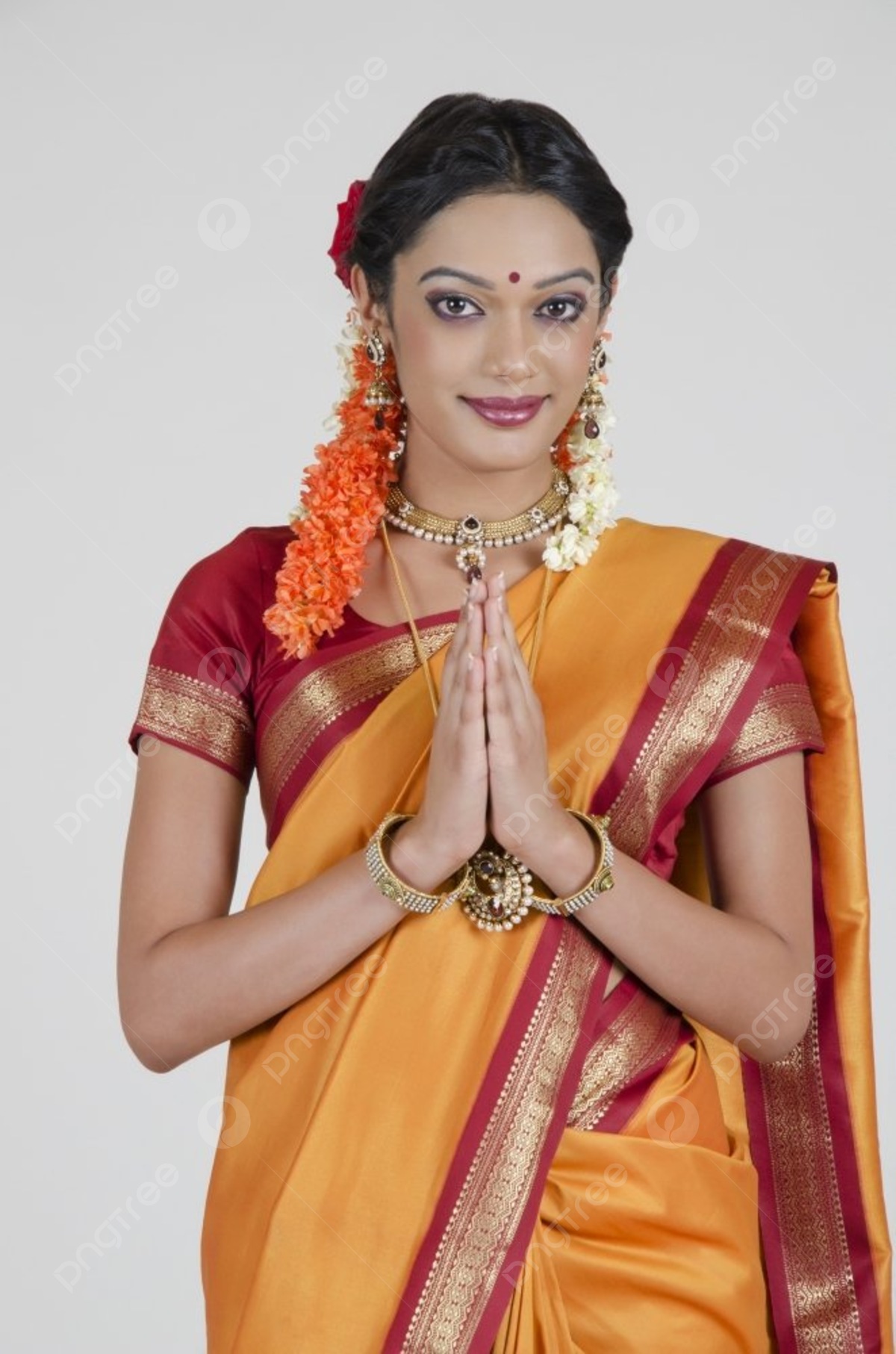
I shall begin this entry with a traditional greeting. As a kid I was trained to greet and acknowledge others. The greeting is called ‘Namaskar’ or ‘Namaste’. I would begin by greeting all of you who may read this entry with my ‘Namaskar’. Namaskar is the essence of our Culture and this single word can represent the full spectrum of our Cultural legacy.

Whole Dude -Whole Greeting: Defining Indian Identity – The Traditional Greeting. Lieutenant General T A D’ Cunha, Director General of Ordnance Services is seen saluting the Corps Colors in this photo image taken during AOC 8th Reunion Celebration at AOC Centre Secunderabad.

I served in Uniform. The lesson I grasped is that to Salute is the foundation upon which the entire structure of military discipline is built.Service in the Armed Forces depends upon team work.The team structure depends upon the ability of team members to recognize and acknowledge each other at all times. I salute to acknowledge the person as a member of my team. Army accomplishes great things only when the team members follow this ground rule for their conduct and behavior. Namaskar is the tool given to me by the Culture of my Land and this tool shapes my attitude and personal behavior and this tool helps me to attain my life’s goals.

Defining Culture:

Whole Dude – Whole Greeting: Defining Indian Identity – The Traditional Greeting. Namaskar

Culture is defined as learned or acquired behavior in contrast to biological behavior which is genetically endowed. Human Culture is defined as learned behavior acquired by individuals as members of a social group.Culture denotes a people’s heritage of custom and belief. It is a system of ideas that has been transmitted down through the generations. It includes assumptions about the world, about life and existence, rules and ways to act, goals and ways of achieving them. People’s ideas about ways to live may shape the ways they actually do live.Beginning at birth, each individual is encultured by a body of norms governing behavior and other knowledge that the society has. Thus Cultural Heritage can be defined as the sum total of human knowledge and acquired behavior.

Whole Dude – Whole Greeting: Defining Indian Identity – The Traditional Greeting Namaskar

Namaskar represents the essence of my Cultural heritage. Culture gives people a sense of personal identity. Defining that ‘identity’ helps in understanding the Culture. Namaskar is the behavior I learned and Namaskar defines my ‘identity’. It is a behavior transmitted to me through the generations.

Culture of the Land:

Whole Dude – Whole Greeting: Defining Indian Identity – The Traditional Greeting. The Land of India or Bharat Varsha is traditionally identified as ‘KARMA KSHETRA’ or ‘KARMA BHUMI’.Human Existence is operated by the ‘Law of Karma’.

The Land of India in our Culture and tradition is referred to as the land of Bharat. My purpose is to learn the ideas and thoughts that have found their roots in this particular Land. Ideas and thoughts help in developing and defining our attitudes.Our attitudes are reflected in our behaviors.The behavior which springs from the seeds of ideas and thoughts that were planted in the soil could be described as the Culture of the Land. The ancient Hindu Scripture known as Rig Veda has recommended that we should keep our minds open to receive noble thoughts from all directions. I studied Natural Sciences and I gained much of my information from ideas and thoughts expressed in books that were published in the West.The basic idea and thought that I had received was that we need to carefully sort out the information that we gather. Assimilation of information would be possible only when facts are considered in a systematic manner. I learned about plants and animals as a part of my study called Biological Science. Living things are connected and are related to each other.This interconnectedness and the interrelatedness describes the ecological system.There is a great amount of diversity in nature.To understand living things, we need to group them and learn about them as a part of an ecological system. We can not understand existence if we look at individual creatures.The reactions between the players of a given geographical area gives a better understanding of life and existence. I would like to use this kind of scientific tool to identify ideas and thoughts.Some ideas and thoughts could be assigned to a particular land in the same manner that a natural scientist would identify some species are ‘NATIVE’ and others as ‘NON-NATIVE’ in the description of an Ecological System. To prove that an idea is culturally derived, we need to demonstrate that the idea is transmitted through generations.To arrive at ideas that originated in the Land of India, I would prefer to obtain a sense of direction from my great grand mother, my grand mothers and my mother. If an idea was not known to them, it may not be a part of my cultural legacy. If they had known very little, I would deem it as my good fortune and that little is my whole inheritance. Namaskar thus represents the best of my acquired knowledge.

The importance of Namaskar:

Whole Dude – Whole Greeting: Defining Indian Identity – The Traditional Greeting

The word Namaskar is usually accompanied with the action of joining hands and bringing them together in front of the body with the elbows flexed and the neck slightly bent forwards.The joining of hands symbolizes respect and the bending of the neck signifies obedience. A person with ‘stiff neck’ is generally considered to be disobedient, rude, arrogant or proud. Respect can not be shown if the person does not display an attitude of obedience.The very essence of Indian Culture can be stated as that of showing respect and obedience. This is the most important behavior that is expected of every one. It is not merely about showing respect and of obedience to the Gods that people worship. Even the Gods that people worship also implicitly observe the rule about showing respect and obedience.This social expectation rules every relationship and activity. It is the basic expectation, let it be parent-child relationship, husband-wife relationship, teacher-student relationship, employer-employee relationship, the Ruler and the subject relationship, the relationship between siblings and even between friends. Respectful conduct is expected while receiving guests, while dealing with any elderly person even though the person may not be related. In addition, several plants, trees, birds, animals, rivers, the sea and the the hills and mountains enjoy a special status and are treated with great respect.This social behavior is encouraged at all times and specially kids are trained and tutored to display this behavior. I grew up in India and my childhood is shaped by learning this behavior. Also my culture has given the freedom of choice. I am free to worship several entities in addition to God. If I am not inclined to worship God, I may choose a living person, a plant, a tree, an animal, some element of nature or even a name and shapeless stone and I am free to worship that object with the same and similar amount of respect that one may give to God.The Gods of my Culture would not get angry or jealous if I am totally preoccupied with showing respect to an object of my choice. Most people of the Land of India get used to showing respect to a variety of objects.

Showing respect and obedience is considered as the most important learning tool to acquire humility. Through humility, the individual can subdue his ‘ego’. Ego is viewed as a great obstacle in the pursuit of self-knowledge. Self-Knowledge is the chisel that lets an individual to break the shackles of all attachments. Freedom from all attachments is described as Moksha or Liberation and as Mukti or Release.This cultural norm of showing respect and obedience and the use of Namaskar would help us in attaining life’s goal or to realize man’s purpose in life.

Defining Indian Identity – The Traditional Greeting provides the tool to learn the cultural values of respect and obedience.