Tibet Crisis. The Circular Movement. Tibet remains under Communist China’s Military Occupation for there is no Movement to take Tibet Forwards.
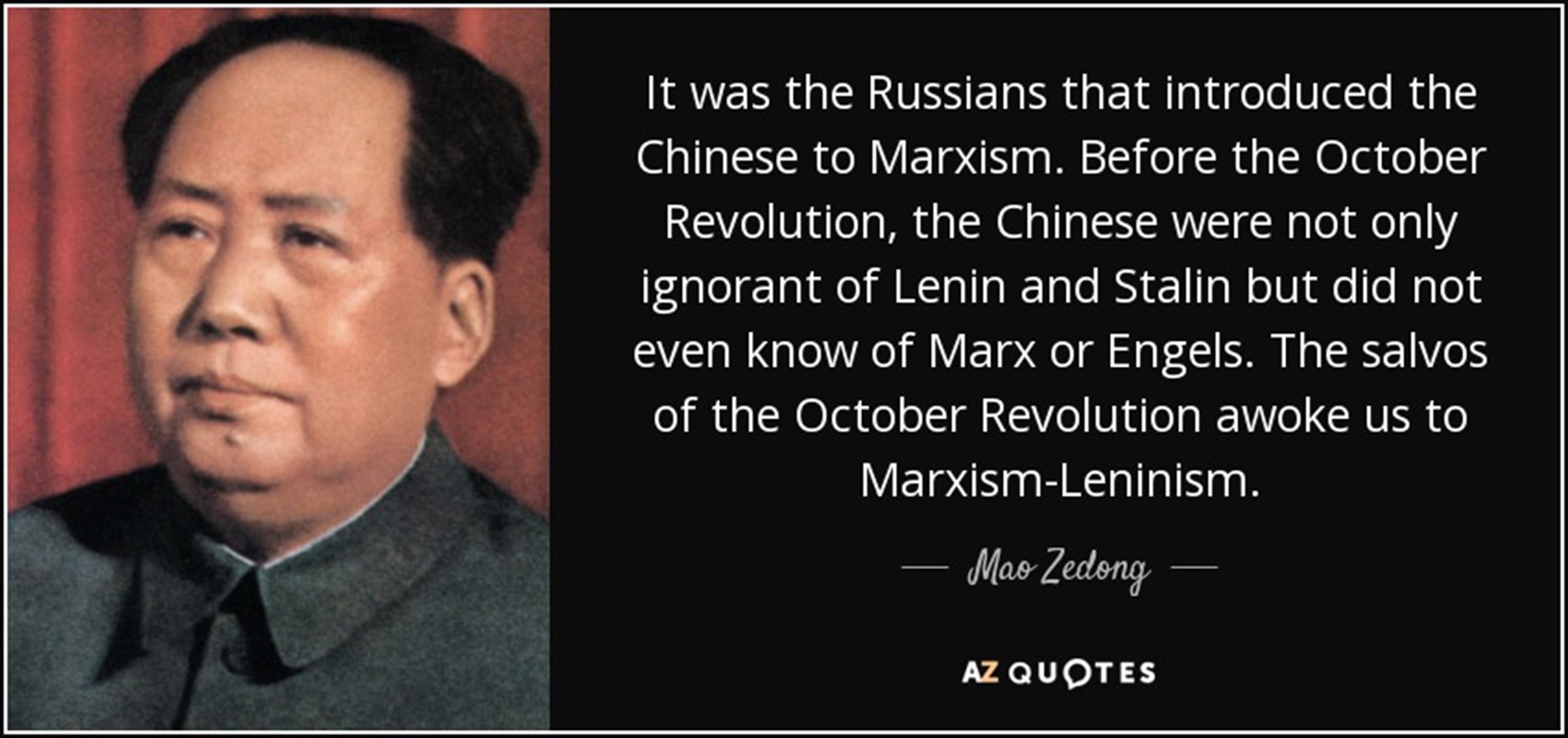
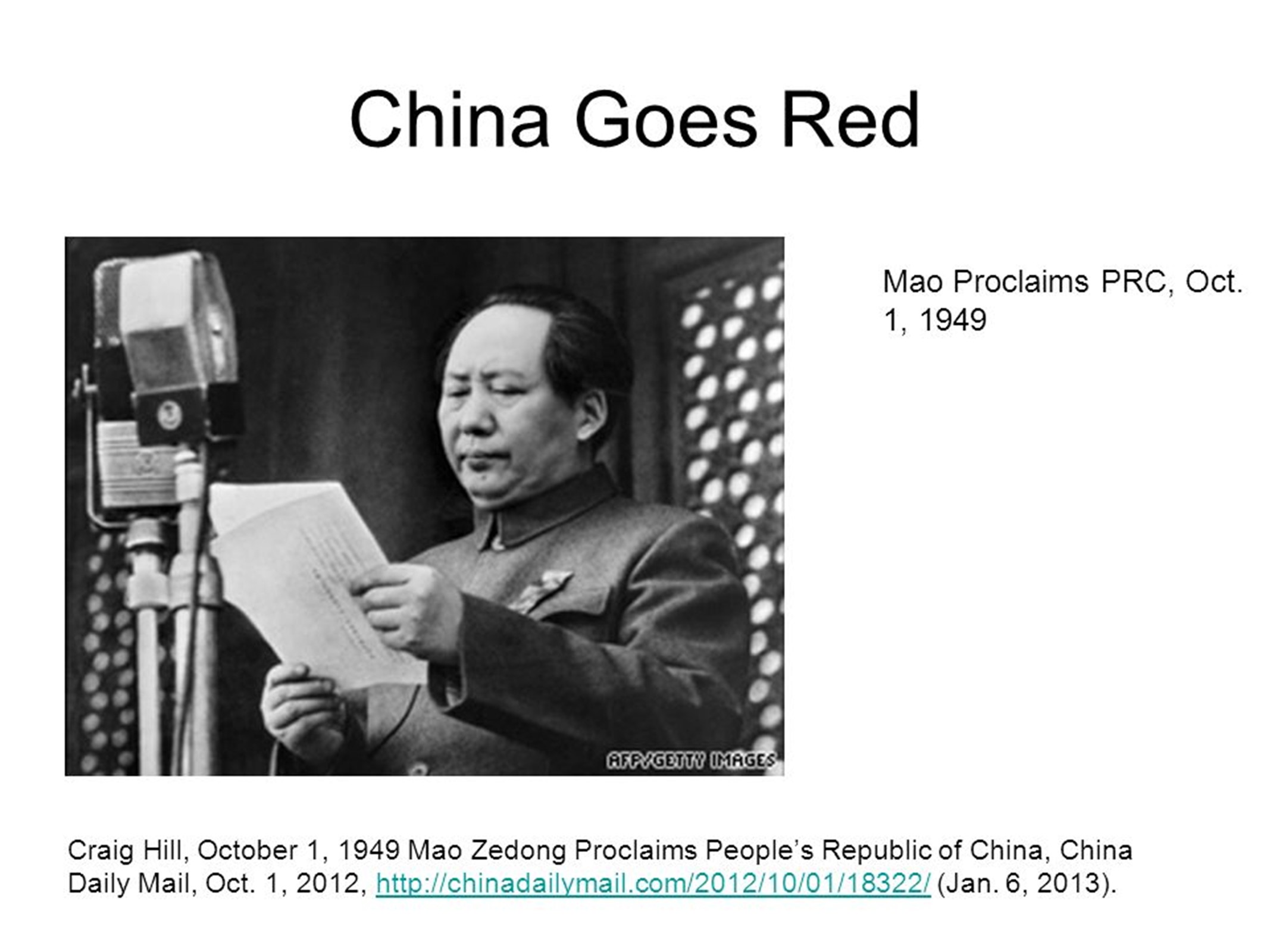
Tibet Crisis began soon after the expansion of Communism to Asia with the emergence of the People’s Republic of China on October 01, 1949. Tibetans anticipated great ‘Trouble’ but hoped to ward off belligerent Communist Regime through peaceful negotiations.
Tibet Crisis. The Circular Movement. The Middle Way Approach fails to Move Tibet Forwards.
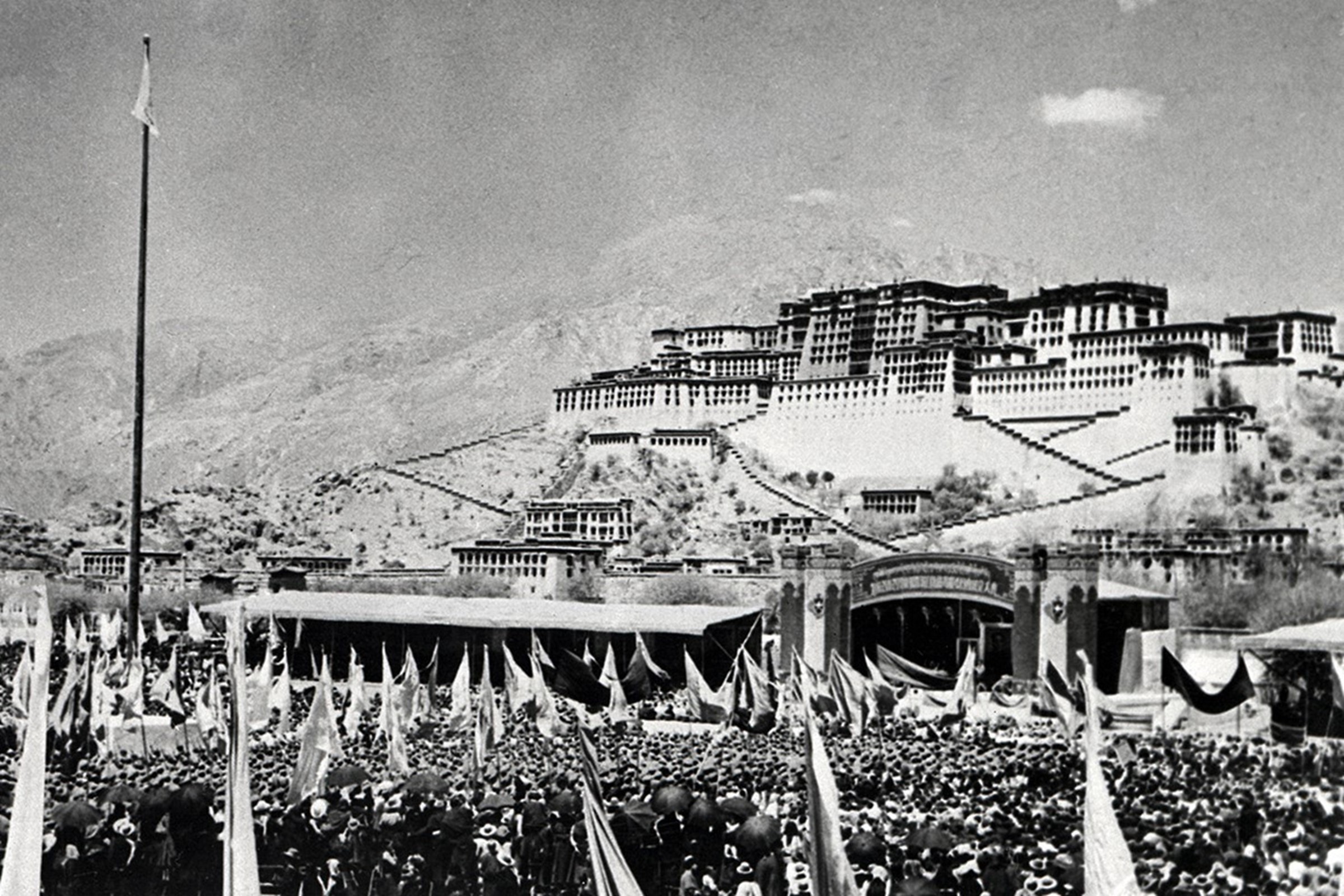
Tibet, to defend vital national interests, agreed to accept military assistance from the United States with the cooperation and help from India. Communist China used this Tibetan response for nationalistic survival as an excuse to invade Tibet. This illegal invasion of Tibet by Communist China in 1950 precipitated the Tibet Crisis.
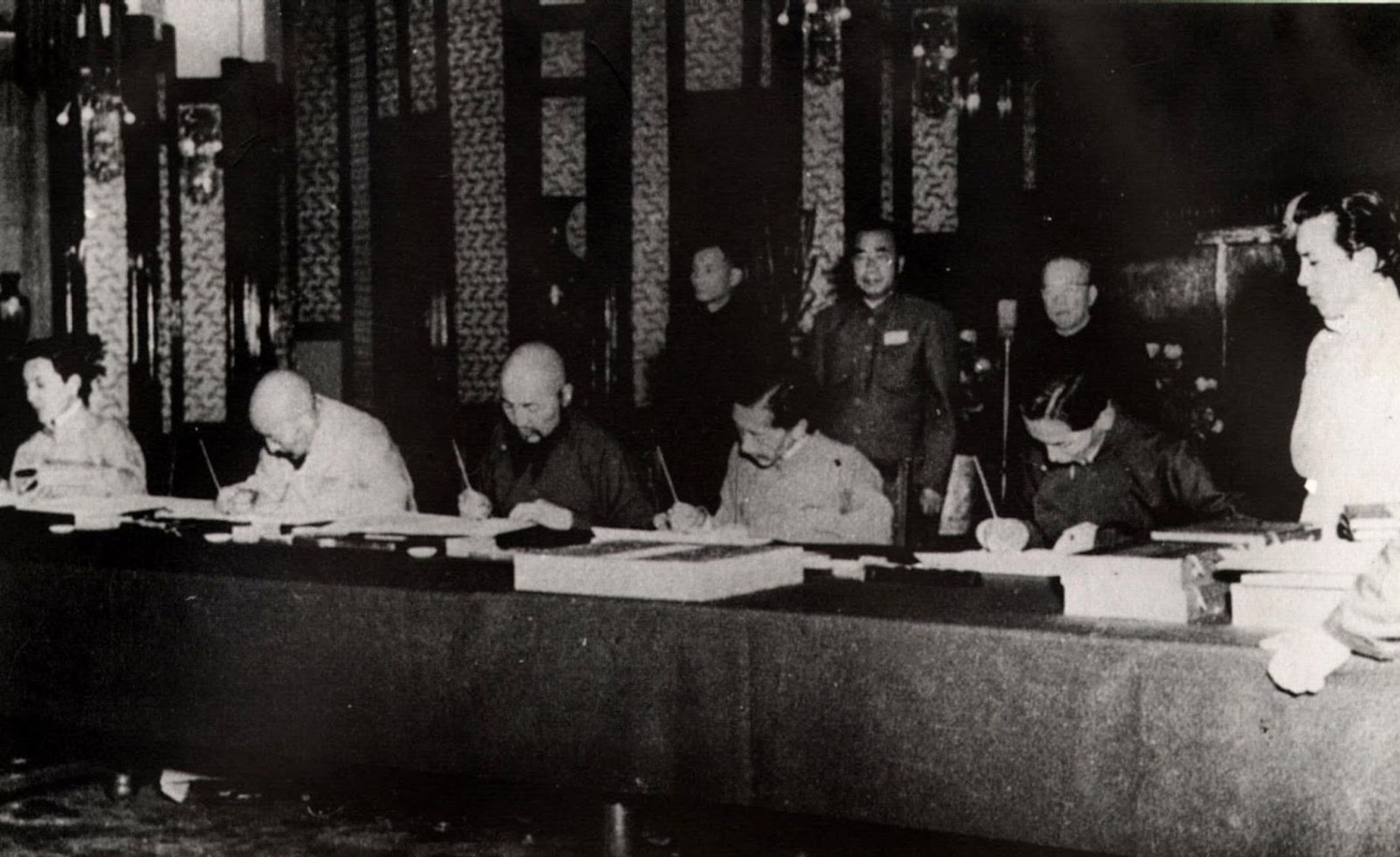
Whole Deception – The 17-Point Plan to consolidate Occupation of Tibet was signed on May 23, 1951.
To move forward, Tibet requested “Meaningful Autonomy” to reconcile with China’s military occupation. On May 23, 1951, using deception and intimidation tactics, China forced Tibetans to sign the 17-Point Plan or the Seventeen-Point Agreement for Peaceful Liberation of Tibet. This Agreement grants “Autonomy” to Tibetans to manage their internal affairs. By 1957, Tibetans recognized China’s deception. They watched helplessly as China launched measures to fully consolidate its hold over every aspect of Tibetan National Life.
Tibet Crisis. The Circular Movement. Public Revolt, the Tibetan National Uprising against the Measures for Peaceful Liberation of Tibet.
In 1959, Tibetans launched an unsuccessful, massive, National Uprising to break China’s military grip over Tibet. As a consequence of this public revolt, the Supreme Ruler of Tibet was forced to live in exile. Tibet Crisis remains unresolved as the tyrannical Communist Regime always finds justification to deny the just demands of Tibetan people. Tibetans are not able to move forward to bring the Tibet Crisis to a peaceful conclusion.
Tibet Crisis. The Circular Movement. Umay Lam or the Middle Way. The Way Backwards.
In my analysis, ‘The Middle Way Approach’ or the ‘UMAYLAM’ does not help to move forward. It represents a Circular Movement taking Tibetans Backwards from 2018 to 1951 when Tibet and China agreed upon the grant of Autonomy to Tibetans under the Chinese Rule.
Rudra Narasimham Rebbapragada
SPECIAL FRONTIER FORCE
Tibetans come up with a film to resolve Tibet crisis
CTA releases a film titled ‘Umay Lam: Middle Way – The Way Forward’.
Tibet Crisis. The Circular Movement. Umay Lam or the Middle Way. The Way Backwards.
A screenshot of the film Umay Lam Middle Way – The Way Forward. (Photo: SNS)
The Central Tibetan Administration (CTA) on Wednesday released a film titled ‘Umay Lam: Middle Way-The Way Forward’ to resolve Tibet issue.
A CTA official said Umay Lam in Tibetan means the Middle Way Approach and this policy is proposed by Tibetan spiritual leader Dalai Lama to peacefully resolve the issue of Tibet.
The policy also aims to bring about stability and co-existence between the Tibetan and Chinese people based on equality and mutual co-operation.
It is also a policy adopted democratically by the CTA and the Tibetan people through a series of discussions held over a long time, he added.
Produced by Tibet TV and directed by Tibetan filmmaker Tenzin Kalden, the film showcases the relevance of the Middle Way Approach as the Tibetan freedom struggle enters its 60th-year threshold.
The film shows the first generation of Tibetans who lived through the invasion, are now slowly phasing out and the new generation of Tibetans have taken over the mantle of the freedom struggle.
The 18-minute film features leading Tibetan political personalities engaged in Sino-Tibetan negotiations to share their experience and provide commentary on the Middle Way Approach.
The film also highlights how in their own homeland, Tibetans continue to resist the repressive Chinese policies threatening their religion, culture, and identity.
The film illustrates how Umay Lam (Middle Way Policy) which proposes a mutually beneficial solution for Tibet and China wherein Tibetans seek ‘Genuine Autonomy’ within the framework of the People’s Republic of China.
And in return, China maintains, its territorial integrity, is the way forward and the most viable solution to resolving the longstanding Sino-Tibetan issue.
Tibet Crisis. The Circular Movement. Umay Lam or the Middle Way. The Way Backwards.
The Retirement Crisis in America. Human Dignity is the most important concern in the study of the Retirement Crisis in America.The Retirement Crisis in America
I am pleased to share an article published by Ms. Juliana Kaplan in Business Insider to report the problem of retirement crisis in America.
The Retirement Crisis in America – #CARDPLAYINGDAY FOR RETIREMENT INSURANCE BENEFIT, WHO IS HOLDING THE CARDS? WHO IS PLAYING THE GAME? WHAT ARE THE RIGHTS OF SUBSCRIBER TO PLAY THE CARDGAME?
There is a problem with employer provided 401(k) retirement accounts. These investments are not secure for they are not insured. The risk of loss is more certain than the chance to get some secure income in old age. The employer chooses the investor who charges the administrative fees irrespective of gain or loss in the invested funds. I struggled for over twenty five years with such accounts and was forced to close the account and paid penalty for premature closure. I used the funds to pay off credit card debt. At age 75, I am still working a full time hourly wage job and reopened the 401(k) account in Jan 2024 to reduce the federal tax. There is no law to compel the employer to provide any matching contributions to the employee retirement fund. In my experience, the employer’s matching contribution doesn’t even pay the costs of the administrative fees.
The Retirement Crisis in America: America must follow the concepts of retirement/pension fund programs of other nations.
I like to recommend the concept of Provident Fund offered to employees of state and federal government in countries like India. The Provident Fund is in addition to the retirement pension which is unlike the Social Security Old Age Monthly Retirement Benefit. The pension plan is operated by the State or Federal Employer for their own employees and not the general public.
The Retirement Crisis in America. Old Age Retirement Income Benefit must be viewed as a Human Right as all human beings are impacted by the aging process without any exceptions.
When speaking about economic security and defending the dignity of people during old age, I wish to add the concept of Human Rights. It is about the attainment of complete Human Rights during old age. The concept of Human Rights and Human Dignity may help people to seek the Right to Life during their old age when they may lose the physical ability to work.
The Retirement Crisis in America. All American workers pay the same taxes and yet alien workers are excluded from receiving the benefits such as the Old Age Retirement Monthly Income Benefit.
The term ‘American’ is used as if aging is the peculiar problem of a particular nationality or the citizenship status of people. In my analysis, there are numerous human beings who currently reside in the United States who pay all taxes like the American citizens but are denied access to the Social Security Old Age Monthly Retirement Benefit as they are identified as unqualified aliens by the Social Security Act that was amended by President Clinton’s Welfare Reform Act (PRWORA) of 1996. From a human perspective of old age, economic security impacts the lives of all people without any concern for their nationality, country of origin, or citizenship status.
The Retirement Crisis in America
Just over half of Americans over the age of 65 are earning under $30,000 a year, and it shows how stark the retirement crisis is
The Retirement Crisis in America. Photo Credit: Westend61/Getty Images
A new report from Sen. Bernie Sanders signals a looming retirement crisis for Americans.
Many older folks are financially vulnerable, with over half living on incomes of $30,000 or less a year.
Solutions might include enhancing Social Security checks and setting up automatic retirement accounts.
There’s a retirement crisis looming for many Americans — and some are already living on scant incomes. Retirement is becoming a luxury for Americans hoping to get a reprieve in their later years, and it’s something a handful of lawmakers are hoping to change.
A new report from Sen. Bernie Sanders, the chair of the Senate Health, Education, Labor, and Pensions Committee, looks at the bleak future facing some older Americans and those who hope to retire someday.
The report cited the National Retirement Risk Index, which found that about half of households “will not be able to maintain their” preretirement living standard and that 56% of low-income households — and 45% of those who are middle income — were “at risk” of not maintaining those preretirement standards at age 65.
Even more glaringly, 73% of those in the bottom group of wealth holders were similarly at risk, compared with 28% of people in the highest wealth group.
“After a lifetime of hard work, Americans deserve to retire with dignity,” Sanders’ report said. “But with our retirement system focused on increasing profits for Wall Street, a financially secure retirement is beyond the grasp of many workers. The time to change that is now.”
Americans’ struggle to comfortably retire could prove costly and devastating for retirees who may find themselves cash-strapped and unable to healthcare or housing in their later years. A 2023 Pew Charitable Trusts study suggests that as more households with older Americans become financially vulnerable from 2021 to 2040, state governments will take a $1.3 trillion hit.
And for some, the retirement crisis is already here. Just over half of Americans older than 65 are living on incomes of $30,000 or less a year, according to the Census Bureau’s Current Population Survey. The largest share — just under 23% — has incomes between $10,000 and $19,999.
How much income Americans 65 and older have
The Retirement Crisis in America
$1-9,999: 10.3%
$10,000-19,999: 22.8%
$20,000-29,999: 17.3%
$30,000-39,999: 11.9%
$40,000-49,999: 8.2%
$50,000-59,999: 6.8%
$60,000-69,999: 5.00%
$70,000-79,999: 3.5%
$80,000-89,999: 2.6%
$90,000-99,999: 2.0%
$100,000 and over: 9.6%
Chart: Juliana Kaplan/Business Insider Source: Census Bureau Current Population Survey for 2022
Many Americans hoping to age out of work may also not have retirement accounts to fall back on, or to use as a cushion. In the Federal Reserve’s Survey of Consumer Finances, just 42% of Americans 75 and older reported holding retirement accounts as of 2022. Similarly, only 51% of Americans 65 to 74 said they held retirement accounts.
Retirement accounts by age
The Retirement Crisis in America. Chart: Juliana Kaplan/Business Insider Source: Federal Reserve Survey of Consumer Finances
And, as Sanders’ report said, about 10% of older Americans live in poverty, an analysis from the Center on Budget and Policy Priorities found. Without Social Security income, about 38% of Americans 65 and older would be living below the poverty line. Even so, America’s Social Security benefits lag programs of many other wealthy countries; benefits amount to, on average, 51.8% of workers’ earnings across the Organization for Economic Co-operation and Development member countries. In the US, they fall under 40%.
Among G7 countries — a group of wealthy, industrialized democracies — the US trails Japan only slightly when it comes to elder poverty rates, defined by the OECD as making less than half a country’s median income.
Old age income poverty rate below 50% of median income among G7 countries
Japan: 15.7%
United States: 15.1%
Italy: 13.5%
United Kingdom: 11.2%
Germany: 10.9%
Canada: 8.6%
France: 8.4%
Chart: Juliana Kaplan/Business Insider Source: OECD Data Explorer
The Retirement Crisis in AmericaOld Age Poverty Rate among G 20 Countries. The Retirement Crisis in America.
Some lawmakers, including Sanders, have proposed legislative solutions, such as beefing up Social Security checks, setting up kids with automatic savings accounts, or automatically setting up retirement accounts for lower- and middle-income Americans whose workplaces might not offer them.
All that comes as older Americans see their adult children leaning on them financially and Gen Zers and millennials weather their own economic storms.
“I’m really expecting the landscape of the economy for this generation that my children are in to be dismal,” Jane, a boomer who unretired to help support her Gen Z kids, previously told BusinessInsider.
Are you struggling to retire or worried you’ll never be able to retire? Contact this reporter at jkaplan@businessinsider.com.






 Whole Dude - Whole Concept