It is interesting to learn that some Red China’s Communist Party members are willing to Stand Up for Tibet. My primary concern is about people who live in Free World. I ask ‘Free World’ to Stand Up for Tibet to secure the Blessings of Freedom, Democracy, Peace, and Justice in Occupied Tibet.
Special Frontier Force – The Doctrine of Tibetan Resistance: The tools of Tibetan Resistance are 1. Patience, 2. Persistence, and 3. Perseverance. Man opposes the reign of force by standing firm or by working against the force without yielding. To oppose and to withstand a force, man needs the virtues of Temperance, Tolerance, and Tranquility to remain calm, unperturbed to maintain “Inner Peace” while reacting to an external force. The virtue of Perseverance triumphs for it preserves the “Inner Peace” while the external reality is described by Violence or War.
UNITED STATES SUPPORTS TIBET’S FREEDOM: FOR MAN IS BORN FREE, MAN HAS A NATURAL RIGHT TO FREEDOM. UNITED STATES OPPOSES MILITARY OCCUPATION THAT DESTROYED TIBET’S NATURAL FREEDOM.
Rudra Narasimham Rebbapragada Ann Arbor, MI 48104-4162 USA Special Frontier Force-Establishment 22-Vikas Regiment
THE WASHINGTON POST
China accuses party members of support for Dalai Lama and even terrorism
Whole Support – Stand Up for Tibet
The Dalai Lama speaks at a conference in New Delhi in November. (Tsering Topgyal/AP) By SIMON DENYER December 4 at 6:10 AM
BEIJING — China has mounted an extraordinary set of attacks against Communist Party members in the troubled western regions of Xinjiang and Tibet, with accusations of disloyalty, secret participation in religious activity, sympathy with the Dalai Lama and even support for terrorism.
The accusations reflect a hardening of the party’s stance in Buddhist Tibet and in Muslim- majority Xinjiang, experts said, as well as President Xi Jinping’s determination to push for ideological purity within the party nationwide, quashing debate and dissent.
But critics say they also reflect the fact that the party’s hard-line approach toward crushing “the three evils of separatism, terrorism and religious extremism” in both regions has not only alienated many ordinary ethnic Tibetan and Uighur people but has also provoked significant disquiet in its own ranks.
Some party officials openly criticize policies handed down from above, complained Xu Hairong, secretary of Xinjiang’s Commission for Discipline Inspection, making the unusual admission in a commentary published last month.
“Some waver on clear-cut issues of opposing ethnic division and safeguarding ethnic and national unity, and even support participating in violent terrorist attacks,” Xu wrote in his agency’s official newspaper.
“This does not mean the cadres participated in attacks,” said Nicholas Bequelin, East Asia director for Amnesty International, “but rather is the equivalent of local officials saying: ‘The central authorities are sending leaders who are so ham-fisted they have driven people to the edge and understandably they have started blowing up things.’ ”
With Xi taking the lead in formulating policy toward Xinjiang, “everybody has to march to the same drumbeat,” Bequelin said.
An article published Friday on China Tibet Online, a party Web site, said 355 party members had been punished in Xinjiang last year for violating “political discipline.” The article said that one had joined a social media chat group titled “Uighur Muslim” that was meant to undermine ethnic unity, while another had reposted an interview given by prominent Uighur intellectual Ilham Tohti, who was sentenced last year to life in prison on charges of advocating separatism.
Written by Zhao Zhao, the article said that some officials blame social problems on ethnic discrimination, thereby inciting ethnic hatred. “There is also a lack of faith in Marxism. Some grass-roots party members even participate in religious activities,” he wrote, adding that this would never be allowed.
Critics say there is widespread economic, cultural and religious discrimination against Uighurs and Tibetans.
After 2009 riots in Xinjiang’s capital, Urumqi, left at least 192 people dead, the party acknowledged that it needed to address Uighur grievances, Bequelin said. But later, with an increase in violent attacks by Uighurs, the party changed course, asserting at a major meeting on the region in 2014 that the priorities were stability and unity rather than economic development and combating discrimination.
The imprisonment of Tohti, a moderate economist whose work had detailed the problems Uighurs face, sent a strong signal to academics and party officials alike that the debate about discrimination had been closed, Bequelin said. The party now vehemently asserts that Uighur terrorism is directed by Islamist militants based abroad and is increasingly rooted in extremist ideas picked up on the Internet.
At the same time, the Communist Party has been recruiting, and the number of members in Xinjiang is reported to have risen by 21,000 to 1.45 million in 2014. And that has brought other problems.
“The Chinese Communist Party believes that it is witnessing a ‘crisis of faith’ in Xinjiang and Tibet in particular,” said Julia Famularo, an International Securities Studies Fellow at Yale University.
“It has actively endeavored to draw ever greater numbers of ethnic minorities into the party, but it now fears that these new recruits possess only superficial loyalty to the party-state,” Famularo wrote in an e-mail. “Beijing laments that these minority party members still make clandestine visits to mosques and monasteries, and that they still have stronger ties to their own people than to the party or to China.”
In Tibet, 15 party members were investigated last year and 20 this year for violating political discipline, China Tibet Online reported, saying that some had participated in organizations supporting “Tibetan independence.”
Last month, Tibet party boss Chen Quango said the party would go after officials who held “incorrect views” on minority issues or who “profess no religious belief but secretly believe,” including those who follow the Dalai Lama or listen to religious sermons.
China accuses the Dalai Lama, the exiled spiritual leader of Tibetan Buddhists, of trying to divide the country and pry Tibet away from China. The Dalai Lama insists he only wants meaningful autonomy for the region.
Xu Yangjingjing contributed to this report.
Simon Denyer is The Post’s bureau chief in China. He served previously as bureau chief in India and as a Reuters bureau chief in Washington, India and Pakistan.
Whole Support – Stand Up for TibetWhole Support – Stand Up for TibetSpecial Frontier Force – The Doctrine of Tibetan Resistance: The tools of Tibetan Resistance are 1. Patience, 2. Persistence, and 3. Perseverance. Man opposes the reign of force by standing firm or by working against the force without yielding. To oppose and to withstand a force, man needs the virtues of Temperance, Tolerance, and Tranquility to remain calm, unperturbed to maintain “Inner Peace” while reacting to an external force. The virtue of Perseverance triumphs for it preserves the “Inner Peace” while the external reality is described by Violence or War.
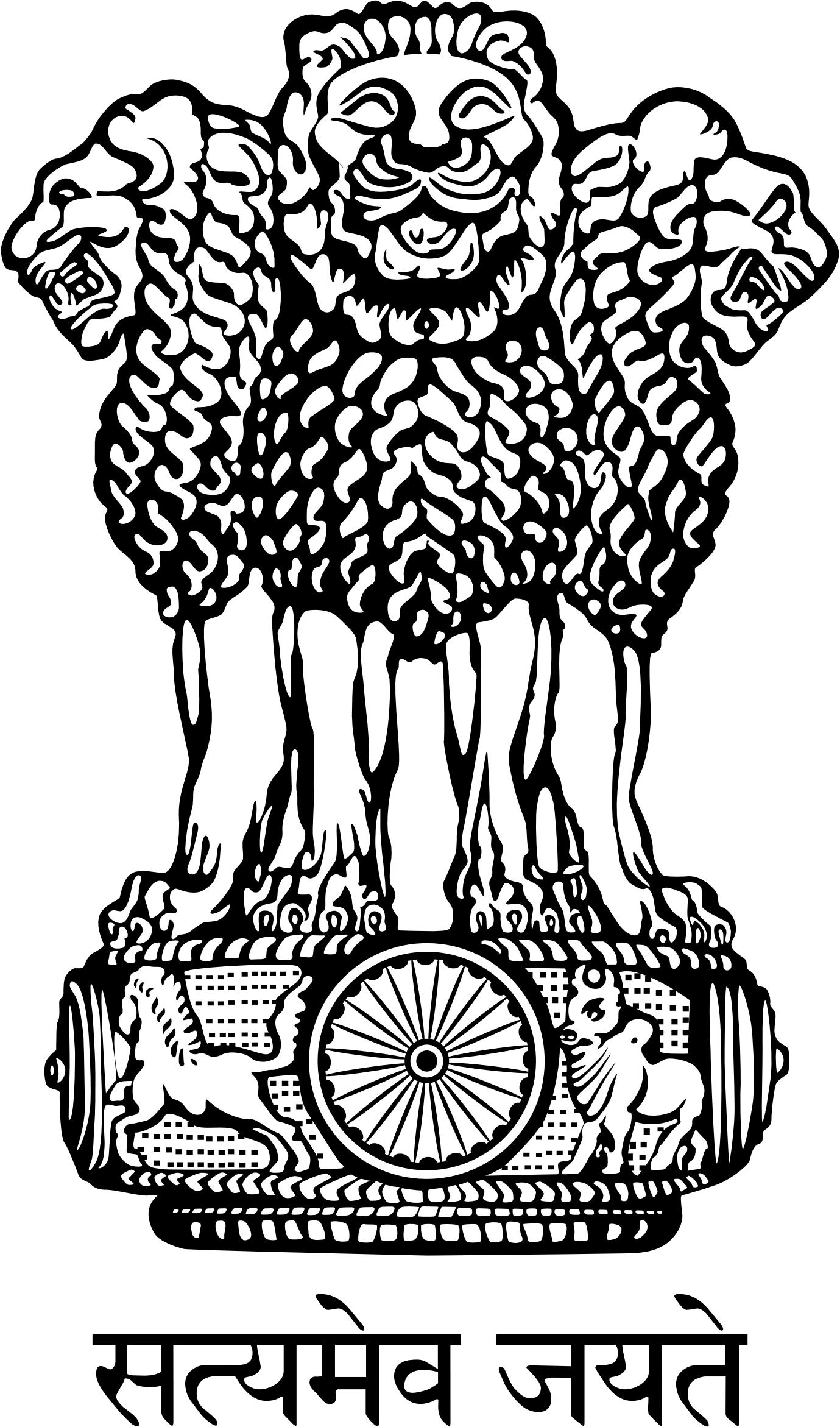
Whole Dude – Whole Secret: SPECIAL FRONTIER FORCE – THE OFFICIAL SECRETS ACT: INDIA’S NATIONAL EMBLEM PROCLAIMS THE OFFICIAL MOTTO OF INDIA, “SATYA MEVA JAYATE,” TRUTH ALONE TRIUMPHS. I SHALL TRUTHFULLY SUPPORT INDIA’S RELATIONS WITH FOREIGN STATES
Tibet Awareness – Project Circus
Whole Dude – Whole Secret: The beginning of the Cold War in Asia in 1949 with the Communist takeover of mainland China.
Excerpt: Both the US Government and the Central Intelligence Agency maintain their silence about the support given to the Tibetan Resistance Movement and the eventual creation of Establishment -22/Special Frontier Force, a military alliance/pact between the US, Tibet, and India to fight the military threat posed by Communist China when it occupied Tibet in 1950 and forced His Holiness the 14th Dalai Lama to lead a life in exile. Indeed, that is the Whole Secret. The US, India and Tibet agreed to keep the US role in Tibet as a Secret and I signed a Declaration in Chakrata, India during September 1971 to keep the Tibet Operation as a Secret under the provisions of the Official Secret Acts of India.
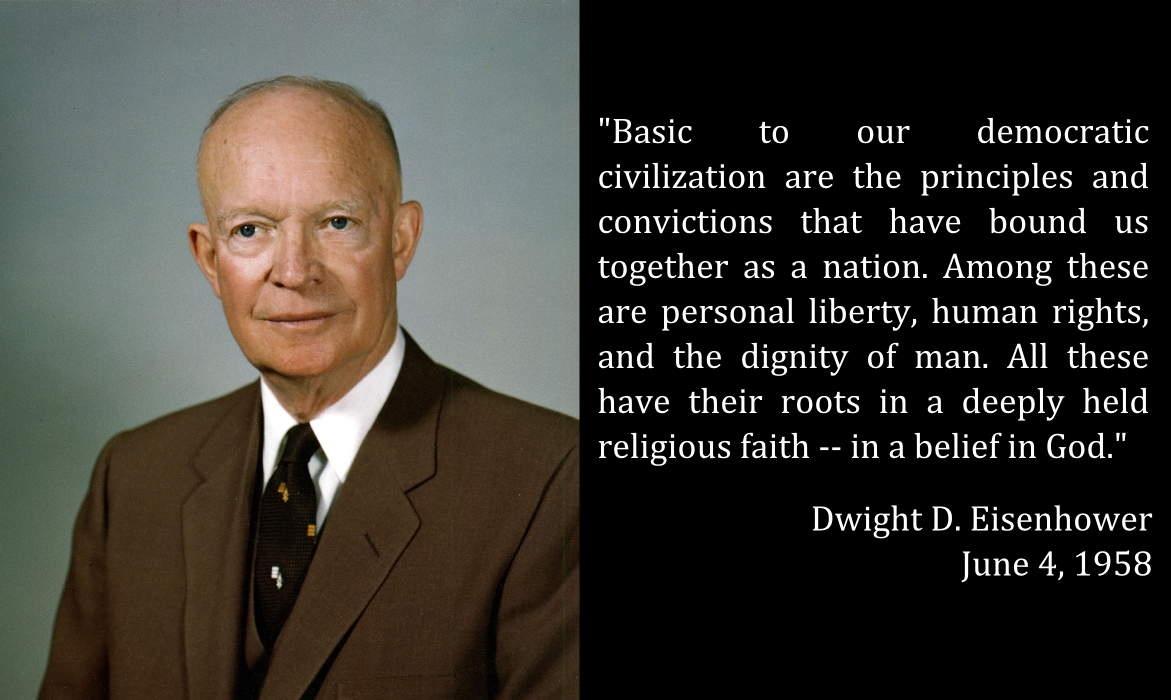
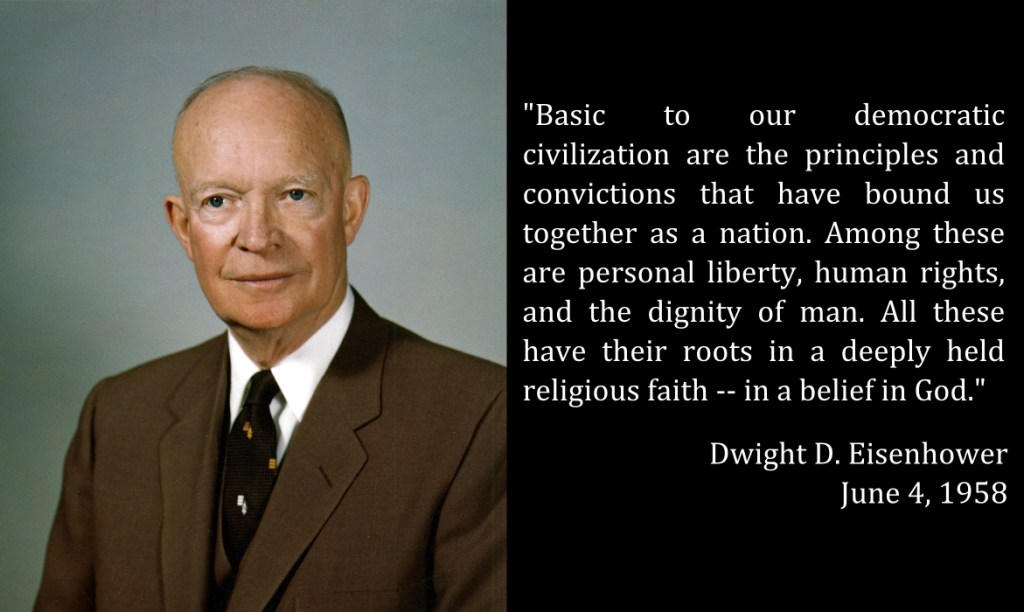
Whole Dude – Whole Secret: The CIA covert operations inside Tibet led to the creation of a military organization called Establishment Number. 22, or Special Frontier Force which was formed in 1962 during the presidency of John F. KennedyTIBET AWARENESS – PROJECT CIRCUS. TRIBUTE TO PRESIDENT DWIGHT DAVID EISENHOWER.
The New York Review of Books reviewed the book, ‘TIBET: THE CIA’S CANCELLED WAR’ by Jonathan Mirsky. My readers may know that the US Central Intelligence Agency or CIA has no constitutional powers to wage wars or to make treaties. I am glad to inform my readers that the War is not over; Tibetan Resistance Movement is alive and Red China’s military occupation is opposed with patience and perseverance while Tibetans continue to endure pain and suffering.
Whole Dude – Whole Secret: “In God We Trust.”
The New York Review of Books
NYR DAILY
TIBET: THE CIA’S CANCELLED WAR
JONATHAN MIRSKY
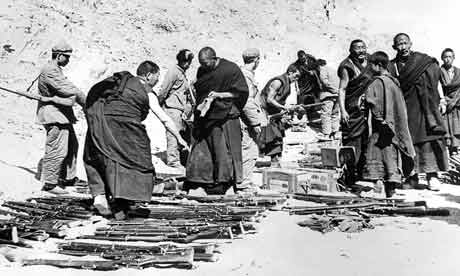
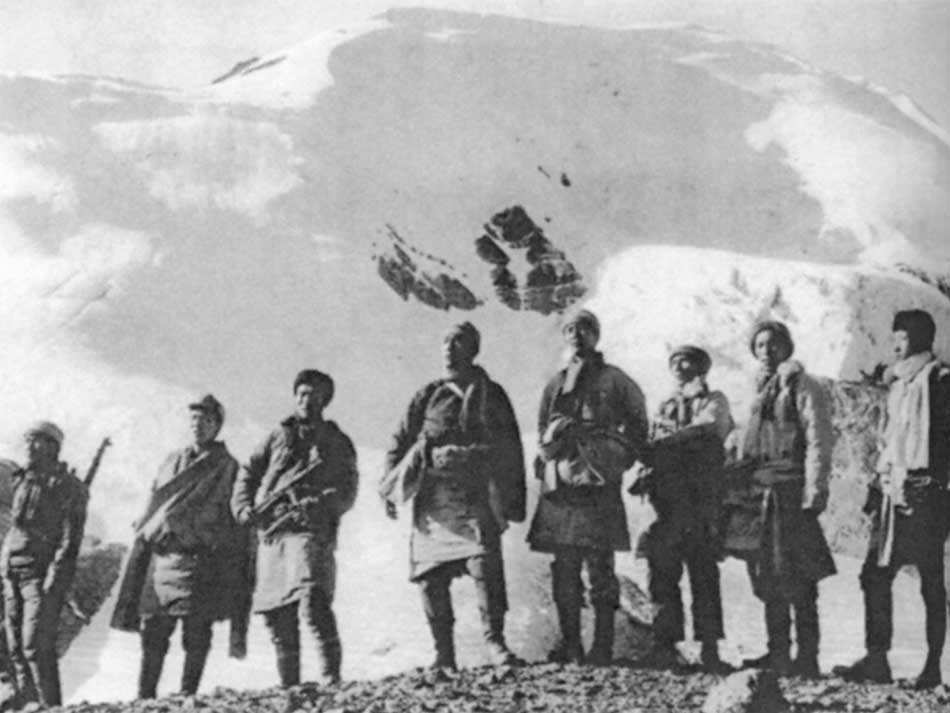
Whole Dude – Whole Secret: Lhamo Tsering Collection Resistance fighters on the Tibetan border during the early years of the CIA’s Tibet program
For much of the past century, US relations with Tibet have been characterized by kowtowing to the Chinese and hollow good wishes for the Dalai Lama. As early as 1908, William Rockhill, a US diplomat, advised the Thirteenth Dalai Lama that “close and friendly relations with China are absolutely necessary, for Tibet is and must remain a portion of the Ta Ts’ing [Manchu] Empire for its own good.” Not much has changed with the Fourteenth Dalai Lama one hundred years later. After a meeting in 2011 with President Obama in the White House Map Room—the Oval Office being too official—the Dalai Lama was ushered out the back door, past the garbage cans. All this, of course, is intended to avoid condemnation from Beijing, which regards even the mildest criticism of its Tibet policy as “interference.”
However there was one dramatic departure from the minimalist approach. For nearly two decades after the 1950 Chinese takeover of Tibet, the CIA ran a covert operation designed to train Tibetan insurgents and gather intelligence about the Chinese, as part of its efforts to contain the spread of communism around the world. Though little known today, the program produced at least one spectacular intelligence coup and provided a source of support for the Dalai Lama. On the eve of Richard Nixon’s historic 1972 meeting with Mao, the program was abruptly cancelled, thus returning the US to its traditional arm’s-length policy toward Tibet.
Whole Dude – Whole Secret: I was serving in D-Sector, Establishment No. 22 during February 1972 while US President Richard M. Nixon visited Peking. I confirm that the CIA Tibet Program was not cancelled but got modified. Special Service Award presented by all Officers D Sector, Establishment -22 on 19 January 1973.
But this did not end the long legacy of mistrust that continues to color Chinese-American relations. Not only was the Chinese government aware of the CIA program; in 1992 it published a white paper on the subject. The paper included information drawn from reliable Western sources about the agency’s activities, but laid the primary blame for the insurgency on the “Dalai Lama clique,” a phrase Beijing still uses today.
The insurgency began after the People’s Liberation Army invaded Tibet following its defeat of the Nationalists, and after Beijing forced the Dalai Lama’s government to recognize Chinese administration over the region. In 1955, a group of local Tibetan leaders secretly plotted an armed uprising, and rebellion broke out a year later, with the rebels besieging local government institutions and killing hundreds of government staff as well as Han Chinese people. In May 1957, a rebel organization and a rebel fighting force were founded, and began killing communist officials, disrupting communication lines, and attacking institutions and Chinese army troops stationed in the region.
Whole Dude – Whole Secret: The US military support to Tibet began during Hump Airlift Operation. I served at Dum Duma (Doom Dooma, Assam). Some flights delivered weapons and ammunition to Tibet. Special Frontier Force Reviews Hump Airlift Operation 1942 – 1945.
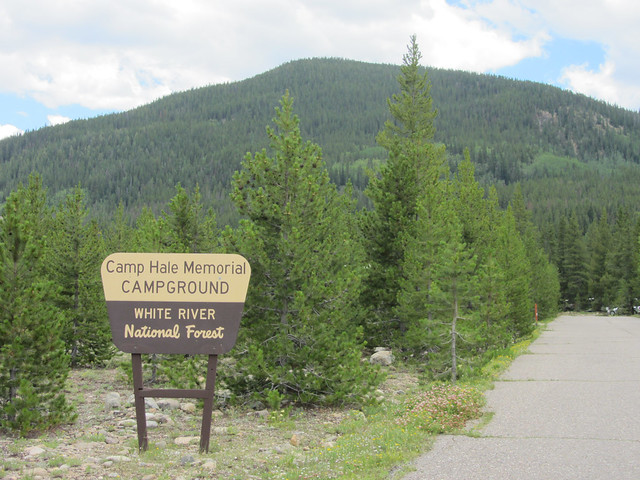
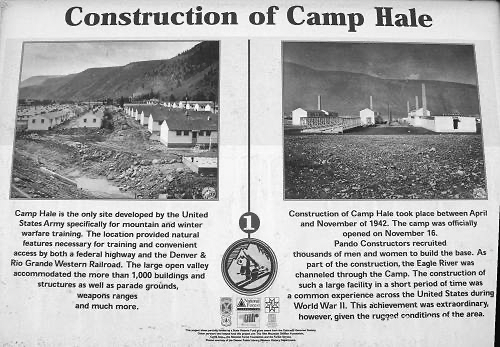
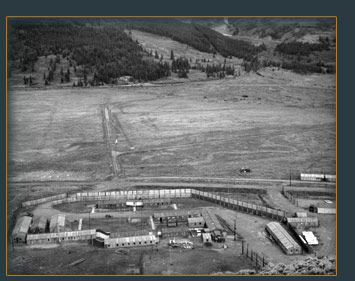
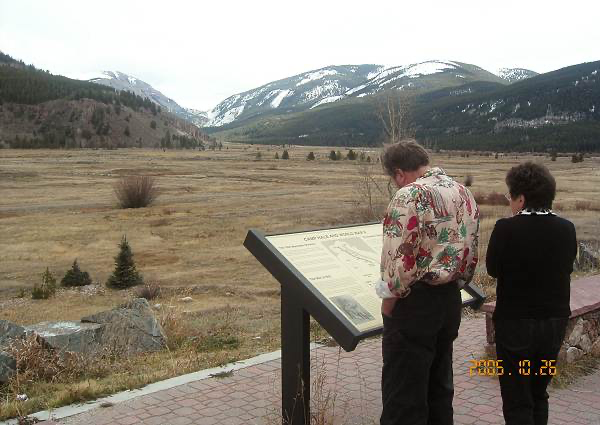
By that point, the rebellion had gained American backing. In the early 1950s, the CIA began to explore ways to aid the Tibetans as part of its growing campaign to contain Communist China. By the second half of the decade, “Project Circus” had been formally launched, Tibetan resistance fighters were being flown abroad for training, and weapons and ammunition were being airdropped at strategic locations inside Tibet. In 1959, the agency opened a secret facility to train Tibetan recruits at Camp Hale near Leadville, Colorado, partly because the location, more than 10,000 feet above sea level, might approximate the terrain of the Himalayas. According to one account, some 170 “Kamba guerrillas” passed through the Colorado program.
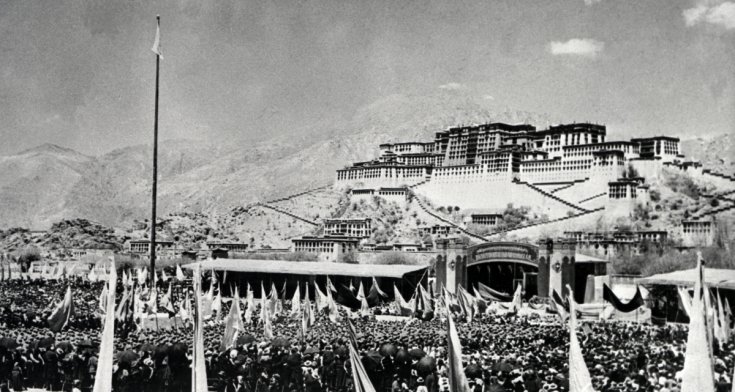
Whole Dude – Whole Secret: TIBETAN RESISTANCE MOVEMENT. A DAY TO REMEMBER, MARCH 10, 1959. TIBETAN NATIONAL UPRISING DAY. IN MY ANALYSIS, THE MASS UPRISING IN TIBET IS THE SYMBOL OF CIA TIBET PROGRAM. IT FAILED FOR WE UNDERESTIMATED THE ENEMY’S MILITARY POWER.
While the CIA effort never produced a mass uprising against the Chinese occupiers (I want to correct this statement; CIA Tibet Program helped the Tibetan National Uprising on March 10, 1959), it did provide one of the greatest intelligence successes of the Cold War, in the form of a vast trove of Chinese army documents captured by Tibetan fighters and turned over to the CIA in 1961. These revealed the loss of morale among Chinese soldiers, who had learned of the vast famine that was wracking China during The Great Leap Forward. Over the next decade, however, there was growing disagreement in Washington over the CIA’s activities in Tibet, and in 1971, as Henry Kissinger prepared for Nixon’s meeting with Mao, the program was wound down (I want to confirm that the Program was not cancelled).
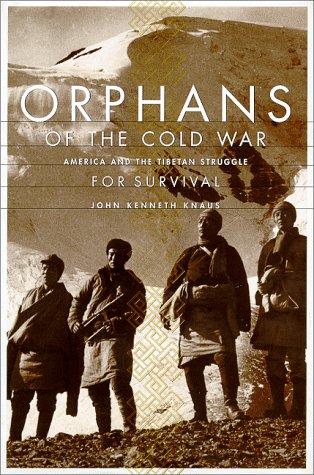
“Although Tibet may not have been on the table in the Beijing talks, the era of official US support for the Tibetan cause was over,” recalled John Kenneth Knaus, a forty-year CIA veteran, in his 1999 book Orphans of the Cold War: America and the Tibetan Struggle for Survival. “There was no role for Tibet in Kissinger’s new equation.” By 1975, President Gerald Ford was able to say to a skeptical Deng Xiaoping, China’s future leader, “Let me assure you, Mr. Vice-Premier, that we oppose and do not support any [United States] governmental action as far as Tibet is concerned.”Indeed, that is the Whole Secret. The US, India and Tibet agreed to keep the US role in Tibet as a Secret and I signed a Declaration in Chakrata, India during September 1971 to keep the Tibet Operation as a Secret under the provisions of the Official Secret Acts of India.
Whole Dude – Whole Secret: SPECIAL FRONTIER FORCE – THE OFFICIAL SECRETS ACT: THE ACT MAY PROHIBIT THE SHARING OF CERTAIN KINDS OF INFORMATION AND AT THE SAME TIME IT DEMANDS ME TO REMEMBER THE AFFILIATION WITH GOVERNMENT OF INDIA AND ITS ORGANIZATIONS DURING MY ENTIRE LIFETIME WITHOUT ANY TIME LIMITS.
Many friends of Tibet and admirers of the Dalai Lama, who has always advocated nonviolence, believe he knew nothing about the CIA program. But Gyalo Thondup, one of the Dalai Lama’s brothers, was closely involved in the operations, and Knaus, who took part in the operation, writes that “Gyalo Thondup kept his brother the Dalai Lama informed of the general terms of the CIA support.” According to Knaus, starting in the late 1950s, the Agency paid the Dalai Lama $15,000 a month. Those payments came to an end in 1974.
In 1999, I asked the Dalai Lama if the CIA operation had been harmful for Tibet. “Yes, that is true,” he replied. The intervention was harmful, he suggested, because it was primarily aimed at serving American interests rather than helping the Tibetans in any lasting way. “Once the American policy toward China changed, they stopped their help,” he told me. “Otherwise our struggle could have gone on. Many Tibetans had great expectations of CIA [air] drops, but then the Chinese army came and destroyed them. The Americans had a different agenda from the Tibetans.”
This was exactly right, and the different goals of the Agency and the Tibetans are explored fully by the Tibetan-speaking anthropologist Carole McGranahan in her Arrested Histories: Tibet, the CIA, and Memories of a Forgotten War (2010). Although sometimes clouded by anthropological jargon, her account fascinatingly explores how differently from their American counterparts the Tibetan veterans remember the CIA operation. A striking example is the matter of the Chinese army documents, whose capture in a Tibetan ambush of a high-ranking Chinese officer is depicted in grisly detail in a huge painting in the CIA’s museum in Washington. In addition to revealing low Chinese morale, the documents disclosed the extent of Chinese violence in Tibet. “This information was the only documentary proof the Tibetan government [in exile] had of the Chinese atrocities and was therefore invaluable,” MacGranahan notes. Yet the documents and their capture rarely came up during her long interview sessions with the veterans. “Why is it that this particular achievement, so valued by the US and Tibetan governments, is not remotely as memorable for [the] soldiers?”
One reason is that the Tibetan fighters were told nothing about the value of the documents, which they couldn’t read. One veteran explains to her:
Our soldiers attacked Chinese trucks and seized some documents of the Chinese government. After that the Americans increased our pay scale. Nobody knew what the contents of those documents were. At that time, questions weren’t asked. If you asked many questions, then others would be suspicious of you.
Whole Dude – Whole Secret: That is the very essence of covert operations. Information is never shared with the person or party who gathers the information.
The leader of the ambush tells her that “as a reward the CIA gave me an Omega chronograph,” but he, too, had little knowledge of the documents’ importance. As McGranahan shows in extensive detail, the veterans were preoccupied above all by their devotion to the Dalai Lama, whom they wanted to resume his position as supreme leader of an independent Tibet.
Whole Dude – Whole Secret: TIBET CONSCIOUSNESS – TIBET PROBLEM ON THE BACK BURNER. IN 1971, INDIA REFUSED TO KEEP THE PROBLEM OF BANGLADESH ON THE BACK BURNER. INDIA TOOK UNILATERAL, DECISIVE ACTION TO RESOLVE HUMANITARIAN CRISIS IN BANGLADESH.
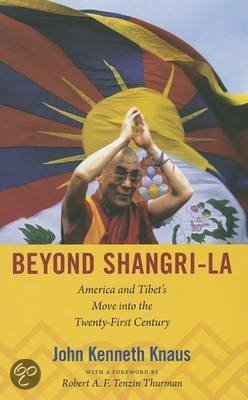
After the CIA mission was ended (I clarify that the CIA mission has not ended but remains on ‘The Back Burner’), Tibet became increasingly marginal to Washington’s China policy, as Knaus has now made clear in a second book, Beyond Shangri-la: America and Tibet’s Move into the Twenty-First Century. The reality is that American presidents now face a world power in Beijing. In language that sums up the cats-cradle of American justifications for ignoring Tibet, ex-Assistant Secretary of State for East Asia Marshall Green recalls to Knaus, “there was nothing we could do to help the Tibetans except by improving our relations with the Chinese Communists so that we might be in a position to exert pressure on them to moderate their policies towards the Tibetans.” Green “admitted that this was ‘perhaps a rationalization.’”
President Obama will soon meet the new Chinese leader, Xi Jinping. His advisers will have reminded him of the encounter between his predecessor, Bill Clinton, and then-Chinese president Jiang Zemin on June 27, 1998. In that meeting, Clinton assured Jiang that, “I agree that Tibet is a part of China, an autonomous region of China. And I can understand why the acknowledgement of that would be a precondition of dialog with the Dalai Lama.” Banking on his well-known charm, Mr. Clinton added, “I have spent time with the Dalai Lama. I believe him to be an honest man, and I believe if he had a conversation with President Jiang, they would like each other very much.” Jiang, it is reported, threw back his head and laughed. Clinton’s suggestion was omitted from the official Chinese transcript.
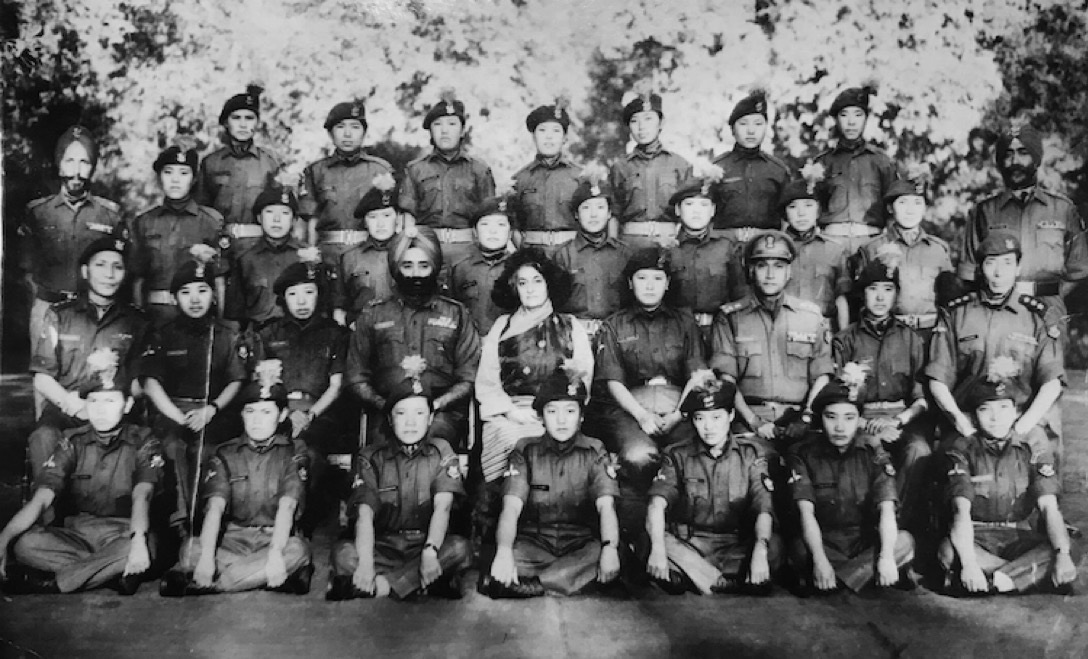
Whole Dude – Whole Secret: The CIA covert operations inside Tibet led to the creation of a military organization called Establishment Number. 22, or Special Frontier Force which was formed in 1962 during the presidency of John F. Kennedy. Indian Prime Minister Mrs. Indira Gandhi’s visit to Hq Establishment 22.Whole Dude – Whole Secret: CIA Tibet Operation.Whole Dude – Whole Secret: CIA Tibet Operation.Whole Dude – Whole Secret: CIA Tibet Operation.Whole Dude – Whole Secret: The CIA Tibet Operation.Whole Dude – Whole Secret: CIA Tibet OperationWhole Dude – Whole Secret: CIA Tibet OperationWhole Dude – Whole Secret: CIA Tibet OperationWhole Dude – Whole Secret: CIA Tibet OperationWhole Dude – Whole Secret: CIA Tibet Operation
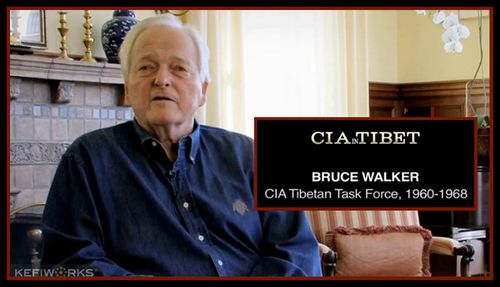
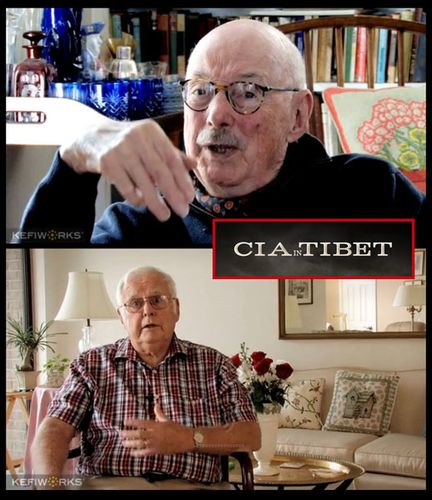
Whole Dude – Whole Secret: TIBET AWARENESS – PROJECT CIRCUS. The quest for Freedom in Tibet. A military training Camp known as Camp Hale was established in Colorado under the supervision of CIA officers Roger E. McCarthy and John Reagan.TIBET AWARENESS – PROJECT CIRCUS . A TRIBUTE TO JOHN KENNETH KNAUS OF CIA FOR RENDERING SERVICE IN SUPPORT OF TIBET’S FREEDOM AND LIBERATION FROM MILITARY OCCUPATION.Whole Dude – Whole Secret: TIBET AWARENESS – PROJECT CIRCUS – BRUCE WALKER, OFFICIAL OF CIA.Whole Dude – Whole Secret: TIBET AWARENESS – PROJECT CIRCUS – CIA OFFICIALS JOHN KENNETH KNAUS AND JOHN GREANEY.Whole Dude – Whole Secret: TIBET AWARENESS – PROJECT CIRCUS – ‘ORPHANS OF THE COLD WAR’ BOOK BY JOHN KENNETH KNAUS.Whole Dude – Whole Secret: TIBET AWARENESS – PROJECT CIRCUS. THE CIA’S SECRET WAR IN TIBET BY KENNETH CONBOY AND JAMES MORRISON.Whole Dude – Whole Secret: Tibet Awareness – Project CIRCUS. A special tribute to Allen Welsh Dulles, the Director of CIA who organized training of Tibetans at Camp Hale, Colorado (May 1959 to November 1964).
















 Whole Dude - Whole Concept