
Excerpt: The author, identifying as a rational thinker, questions who truly deserves credit for historical structures like the Taj Mahal or the Setu Bandhanam (Adam’s Bridge). They believe such recognition should go to the nameless workers who constructed these impressive works, rather than the kings and emperors who ordered their creation. Expressing a concern about personal and cultural identity, they imply that the credit for structures like Adam’s Bridge could potentially belong to the Dravidian people of Southern India, rather than simply to legendary figures like Prince Rama, as the epic poem Valmiki Ramayana would suggest. Also mentioned, is the importance of preserving such historical structures for their heritage significance.
I would very much love to be known as a rational thinker and my faith is just a byproduct of my rational thinking. I started my life in Mylapore, Madras and shared my story as to how Dravida Munnetra Kazhagam gave me concerns about my Identity. Kindly refer to my entry titled ‘Defining Indian Identity – The Language Factor’
https://bhavanajagat.wordpress.com/2007/08/13/defining-indian-identity-the-language-factor/ .
I grew up in the Smarta tradition founded by Adi Shankaracharya, and rational thinking is always acceptable to me. The ancient Land of India is known for lively debates and the battle of intellects at all of its seats of higher learning.

We often attach too much importance to the Kings and the Emperors who had ordered building of monuments such as the Pyramids or the Taj Mahal. The real credit should be given to those nameless workers who had actually labored, carved and lifted the stones and made the monuments a cherished reality.
The ‘Adam’s Bridge has generated some controversy. The DMK Party leader M.K. Karunanidhi would prefer to view this structure as the legacy of Prince Rama, an Aryan person. I would like to say that we must give recognition to the denizens who lived south of Vindhya mountains. They lifted the stones and the trees and built this land connection to Sri Lanka. If these workers were of Dravidian origin, the Adam’s Bridge represents the heritage of Dravidians.

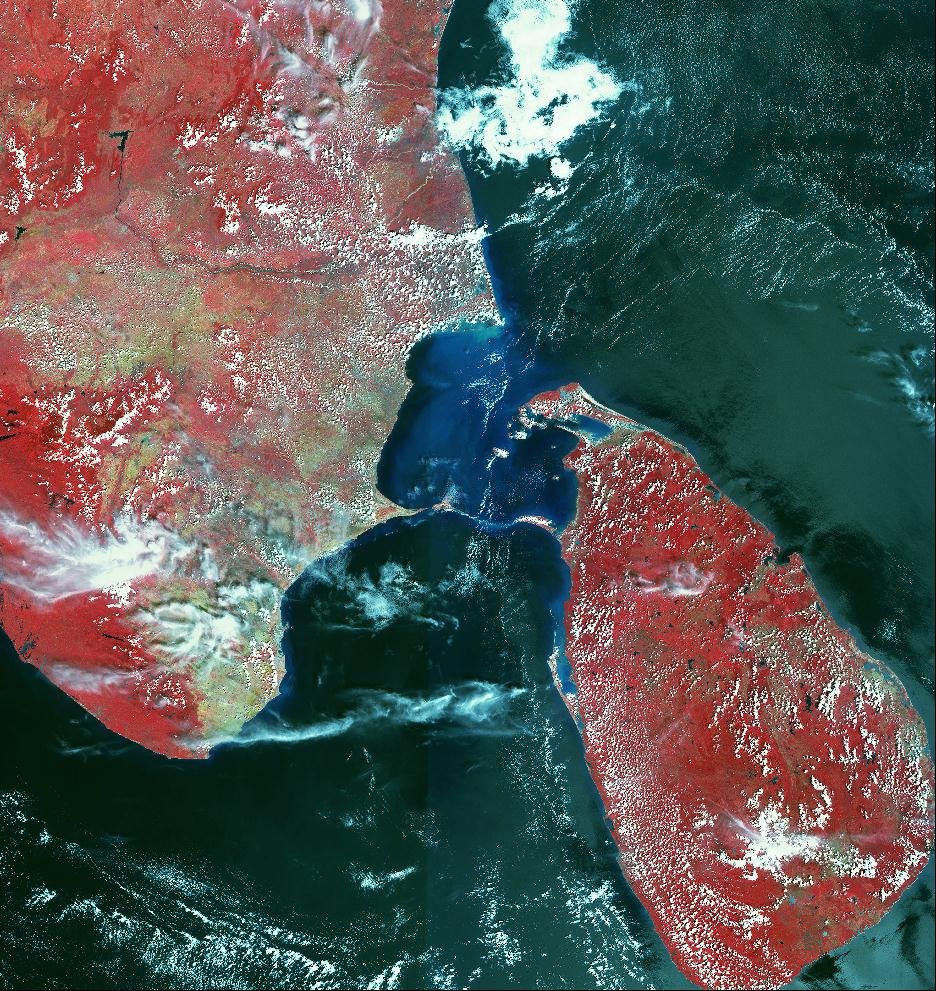
India’s epic poem Valmiki Ramayan describes building of a Causeway across the narrow strait that separates India and Sri Lanka.


Apart from literary evidence, there is evidence particularly gathered by satellite images to verify the fact of a Causeway built over shallow waters. This historical construction may belong to 5076 BCE and this site deserves protection as World Heritage Site just like the Pyramids or Taj Mahal. In the past, Supreme Court of India restrained Government of India from constructing a shipping channel called ‘Setu Samudram’ and the project was suspended. In my view, Government of India has no right to destroy this site for purposes of building a shipping channel.


 Whole Dude - Whole Concept