Whole Dude – Whole Struggle

The Clinton Curse – Superpower -Super Struggle against Debt

Excerpt: The “Repeal PRWORA Project” advocates for the repeal of Public Law 104-193, also known as the Personal Responsibility and Work Opportunity Reconciliation Act (PRWORA) signed by US President Bill Clinton in 1996. The organizers argue that this law reintroduced varieties of slavery, including involuntary servitude and forced labor, by unfairly denying retirement income benefits to non-citizen taxpayers who cannot provide proof of lawful residency. Critics claim this law infringes on the constitutional rights of these workers, violating principles of equal treatment, protection, and justice under law. They demand for a strict adherence to the natural law principles abolishing any form of slavery.

Whole Dude – Whole Struggle: The Clinton Curse – Superpower – Super Struggle against Debt

US President Bill Clinton Launched A ‘New Beginning’ On August 22, 1996, With A View To Balance The Budget Unfairly Targeting The Financial Contributions Made By The Hourly Wage Workers Toiling In The US. I Trace America’s Economic Downfall From That Day.

The three dimensions of ‘The Clinton Curse’ are 1. Shrinking National Economy, 2. Growing Federal Budget Deficit, and 3.  Steadily worsening Foreign Indebtedness.

 
The three dimensions of ‘The Clinton Curse’ are 1. Shrinking National Economy, 2. Growing Federal Budget Deficit, and 3.  Steadily worsening Foreign Indebtedness.
 

THE CLINTON CURSE. A BALANCED BUDGET vs FOREIGN DEBT
 
US Deficit Estimated To Hit $1
 
Trillion For 2020, CBO Says
 
Finance NowCNN — By Donna Borak, CNN
 
THE CLINTON CURSE. SUPERPOWER. SUPER STRUGGLE AGAINST DEBT.
 
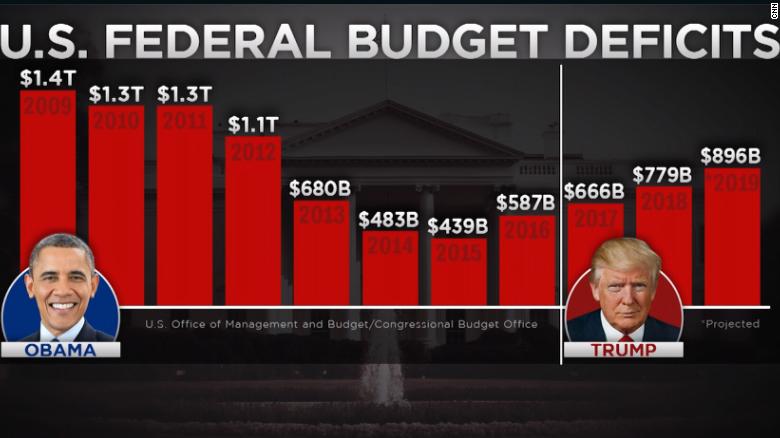
The Congressional Budget Office raised its estimate of the projected federal budget deficit Wednesday and is now predicting that the deficit will reach $960 billion for the 2019 fiscal year, which ends on September 30, and reach $1 trillion for the 2020 fiscal year.

The CBO had previously estimated an $896 billion deficit for 2019 and $892 billion for 2020.

  • The Treasury Department reported earlier this month that the US budget deficit has already hit $867 billion for the first 10 months of the fiscal year, an increase of 27% over this time last year.
       “The nation’s fiscal outlook is challenging,” said Phill Swagel, director of the CBO. “Federal debt, which is already high by historical standards, is on an unstainable course, projected to rise even higher after 2029 because of the aging of the population, growth in per capita spending on health care and rising interest costs.”

He added that to put spending on a sustainable course, “lawmakers will have to make significant changes to tax and spending policies — making revenues larger than they would be under current law, reducing spending below projected amounts, or adopting some combination of those approaches.”

The White House’s Office of Management Budget has run slightly higher numbers, predicting that the deficit will exceed $1 trillion for the entire fiscal year.

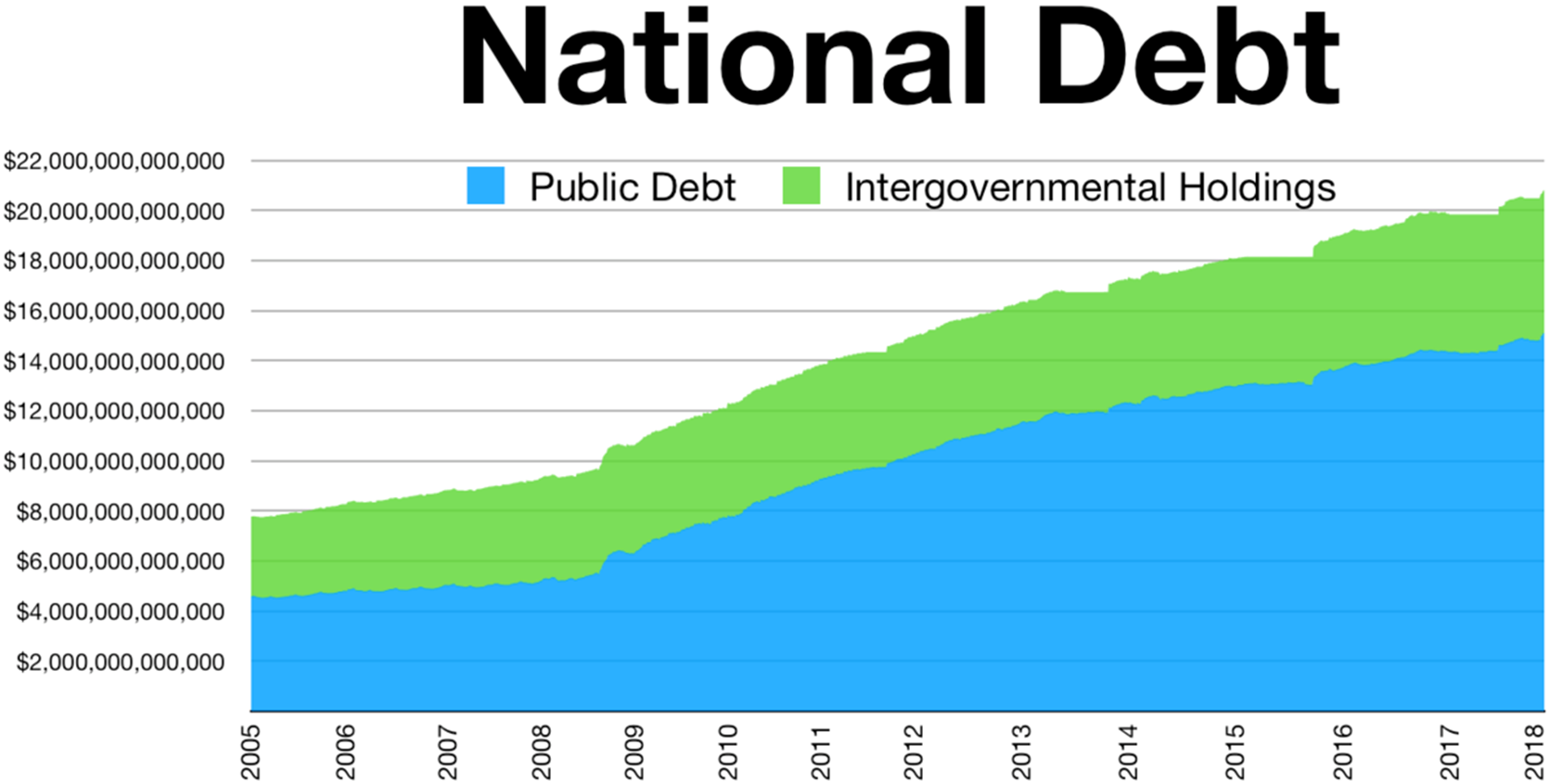
The country’s debt has been piling higher under the Trump administration in part due to a $1.5 trillion tax cut signed into law in 2017 along with a massive spending package passed by Congress. Adding to the amassing heap is a two-year budget deal, signed by President Donald Trump, set to raise government spending by hundreds of billions of dollars.

Trump pledged to eliminate the federal debt during the 2016 campaign.

“CBO projects that the recent budget deal will add $1.5 trillion, plus interest, to our rapidly growing debt over the next decade,” said Michael Peterson, CEO of the Peter G. Peterson Foundation in a statement. “That’s on top of an already unsustainable outlook driven by major structural factors like demographics and rising health care costs.”

The dismal economic forecast also comes as the President said his administration is weighing several tax cut proposals to help keep the economy moving. Doing so would only further reduce the government’s revenue and add to the country’s deficit.

“The recent budget deal was a budget buster, and now we have further proof,” said Maya MacGuineas, president of the Committee for a Responsible Federal Budget, in a statement. “Both parties took an already unsustainable situation and made it much worse. Debt is now going to grow to almost the size of the economy within the decade. If Congress keeps extending tax cuts, debt will likely exceed the size of the economy within the decade.
 
Whole Dude – Whole Struggle: The Clinton Curse – Superpower – Super Struggle against Debt. Why the United States failed on August 22, 1996?

The Campaign to Repeal the Welfare Reform Act of 1996 is not about giving citizenship rights to non-citizens. It is about upholding the Supreme Law of the Land to abolish bondage, servitude, and slavery. The Reconstruction of America is not yet over. Slavery re-appeared in this Land in a new form and remains hidden or unnoticed. ‘The Clinton Curse’ explains as to why the United States failed on August 22, 1996. The Curse reveals the nature of The Beast that is waiting to overtake this nation.

THE CLINTON CURSE – THE BEAST IS WAITING TO OVERTAKE THE UNITED STATES
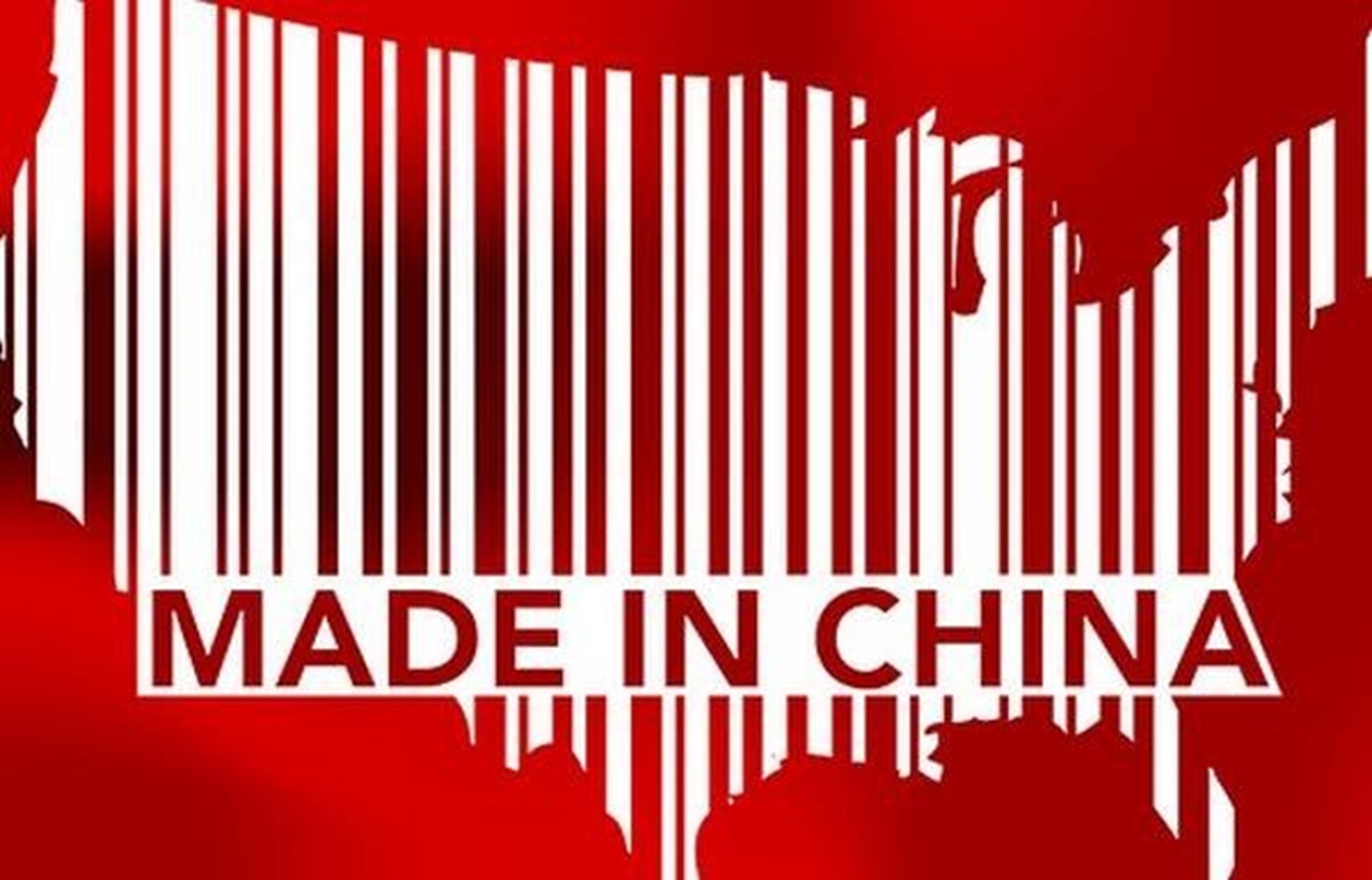
Whole Dude – Whole Struggle: The Clinton Curse – Superpower – Super Struggle against Debt. Why the United States failed on August 22, 1996?

WHERE IS PROTECTION FOR MAN DURING GOLDEN YEARS OF HIS LIFE? HOW TO SURVIVE THE CLINTON CURSE?

Whole Dude – Whole Struggle: The Clinton Curse – Superpower – Super Struggle against Debt. Why the United States failed on August 22, 1996?

THE GREAT AWAKENING MOVEMENT – SPIRITUAL WARFARE AGAINST THE CLINTON CURSE
Whole Dude – Whole Struggle: The Clinton Curse – Superpower – Super Struggle against Debt. Why the United States failed on August 22, 1996?

A NEW BEGINNING IN AUGUST 1996 TO BALANCE THE BUDGET – RECOGNIZE REALITY OF THE CLINTON CURSE

Whole Dude – Whole Struggle: The Clinton Curse – Superpower – Super Struggle against Debt. Why the United States failed on August 22, 1996?

PRESIDENT CLINTON’S NEW BEGINNING IN 1996.

ECONOMIC OPPRESSION OF ALIEN WORKERS

Whole Dude – Whole Struggle: The Clinton Curse – Superpower – Super Struggle against Debt. Why the United States failed on August 22, 1996?

On August 22, 1996, US President Bill Clinton (Democrat) signed into Law that reintroduced Slavery, Involuntary Servitude, Serfdom and Forced Labor in the pretext of making ‘A New Beginning’. Welfare Reform Act or Personal Responsibility and Work Opportunity Reconciliation Act (PRWORA) is unjust and unfair for it violates Constitutional Law that defends natural rights of all people living in the United States. All US taxpayers must be treated as equals for receiving retirement income benefits for which they paid taxes. President Clinton’s action constitutes a transgression of President Abraham Lincoln’s Emancipation Proclamation that saved US Non-Citizens or Aliens from the indignity of Slavery.

Whole Dude – Whole Struggle: The Clinton Curse – Superpower – Super Struggle against Debt. Why the United States failed on August 22, 1996?

EXPOSING THE CLINTON CURSE – TRAVESTY OF EMANCIPATION PROCLAMATION
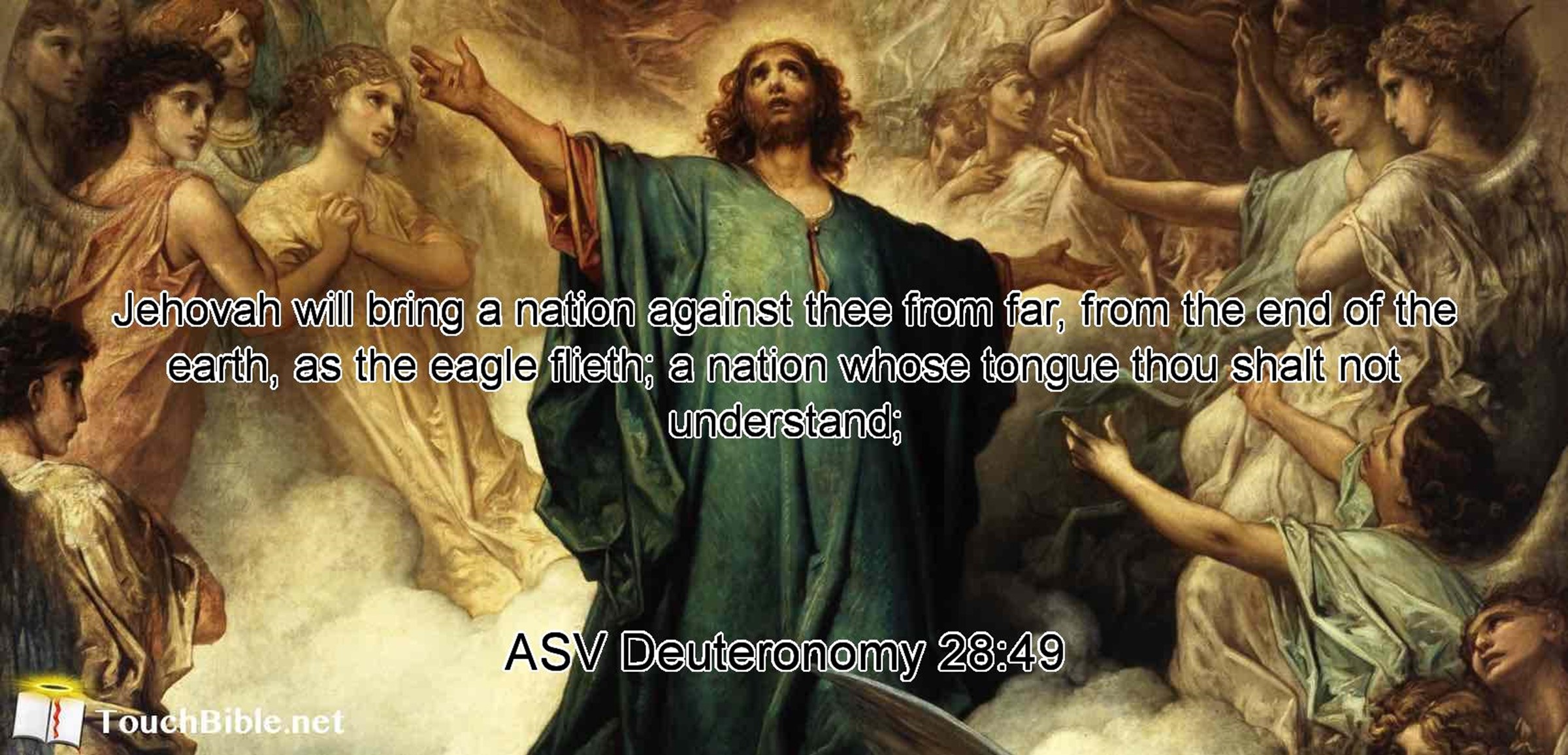
Whole Dude – Whole Struggle: The Clinton Curse – Superpower – Super Struggle against Debt. Why the United States failed on August 22, 1996?

NATURAL LAW vs MAN MADE LAW – SLAVERY IS CONTEMPT OF OVER 600,000 AMERICANS WHO DIED BECAUSE OF SLAVERY

Whole Dude – Whole Struggle: The Clinton Curse – Superpower – Super Struggle against Debt. Why the United States failed on August 22, 1996?

US CONGRESS MUST DO THE RIGHT THING TO SAVE AMERICA FROM THE CLINTON CURSE

Whole Dude – Whole Struggle: The Clinton Curse – Superpower – Super Struggle against Debt. Why the United States failed on August 22, 1996?

I ask my readers to review 43-word 13th Amendment and tell me if those words still govern, rule, and operate the lives of all people, wage earners who perform labor paying taxes.

My readers should not be surprised if I describe the US Congress as “Slave Driver.” The reason for my claim is based on PRWORA enacted by the US Congress in 1996 that amended The US Social Security Act of 1935. This legal provision enacted by 104th US Congress is incorporated as Section 202(y) of the Social Security Act. It mandates that no Retirement Income benefits shall be payable to registered alien (non-citizen) taxpayers in the United States without showing proof of lawful residency as determined by the Attorney General. In my view, unexpired Employment Authorization Document (EAD) must not be demanded if a worker has attained full retirement age as determined by law.

Social Security Act, Section 202(y) violates the principle enshrined in those 43 words called the 13th Amendment. This 1996 amendment to the Social Security Act is fundamentally flawed for it is unconstitutional. It takes away the property rights (earnings, wages, and retirement income) of individuals who paid Federal, State, Local, Social Security and Medicare Taxes working in this country to attain full retirement age.

The Emancipation Proclamation issued by President Abraham Lincoln (Republican) in September 1862 came into effect on January 01, 1863 freeing slaves in all territory still at War with the Union. These slaves were not citizens of the Land and had no political rights of their own. In Law, Servitude or Slavery refers to the burden imposed upon the property of a person by a specified right another has in its use. Servitude involves labor in which the person who performs labor has no right to his earnings from labor. The Emancipation Proclamation specifically protects, defends, preserves and safeguards rights of aliens or non-citizens residing in the United States.

The amended Social Security Act unconstitutionally gives power to Social Security Administration to withhold the property (wages, earnings, monthly retirement income benefits) of alien workers who are not convicted by US Court of Law. In my analysis, The Social Security Act of 1935 amended in 1996 fails to uphold the US Constitution as the Supreme Law of this Land.

Whole Dude – Whole Struggle: The Clinton Curse – Superpower – Super Struggle against Debt. Why the United States failed on August 22, 1996?

I ask my readers to make the distinction between Social Security Tax and Monthly Retirement Benefit. The first represents the tax paid to the government and the second represents earning or wage entitled to a retired person to provide income and security during old age.

Whole Dude – Whole Struggle: The Clinton Curse – Superpower – Super Struggle against Debt. Why the United States failed on August 22, 1996?
The 150th Anniversary of the 13th Amendment

December 9, 2015.|Speaker Ryan’s Press Office

WASHINGTON – Earlier today, at a ceremony in Emancipation Hall of the United States Capitol Visitor Center, President Obama and leaders of Congress commemorated the 150th anniversary of the 13th amendment to the Constitution. Following are House Speaker Paul Ryan’s (R-WI) remarks at the ceremony, as prepared for delivery:
The Thirteenth Amendment is just 43 words long. It is so short that, when you read it, you can almost miss the whole significance. You have to stop and remind yourself that 600,000 people died in the Civil War—600,000 died over 43 words. Or to be more precise, they died in a war that decided whether those 43 words would ever be written.

All said and done, President Clinton’s Evil Plan failed to resolve the problem of National Debt. The Repeal Movement exposes President Clinton’s contemptuous violation of Constitutional Principles of equal protection, equal justice and equal treatment under Law.

Whole Dude – Whole Struggle: The Clinton Curse – Superpower – Super Struggle against Debt. Why the United States failed on August 22, 1996?

US Social Security Administration must either obtain a criminal conviction or designate septuagenarian Senior Alien as “SLAVE” to withhold the payment of his monthly retirement income.

Whole Dude – Whole Struggle: The Clinton Curse – Superpower – Super Struggle against Debt. Why the United States failed on August 22, 1996?

President Clinton’s Slavery Law of 1996 tramples upon fundamental freedoms and human dignity entitled to all human beings without any concern for their country of origin or citizenship status.

Whole Dude – Whole Struggle: The Clinton Curse – Superpower – Super Struggle against Debt. Why the United States failed on August 22, 1996?

The US Congress can levy taxes but cannot deprive any person of Life, Liberty, and Property without due process of law. The United States Cannot Balance the Budget and cannot solve the problem of mounting National Debt without reaping the Blessings of God’s Promise. President Clinton’s tricks and gimmicks will utterly ruin and destroy the Nation for he failed to obey the LORD.
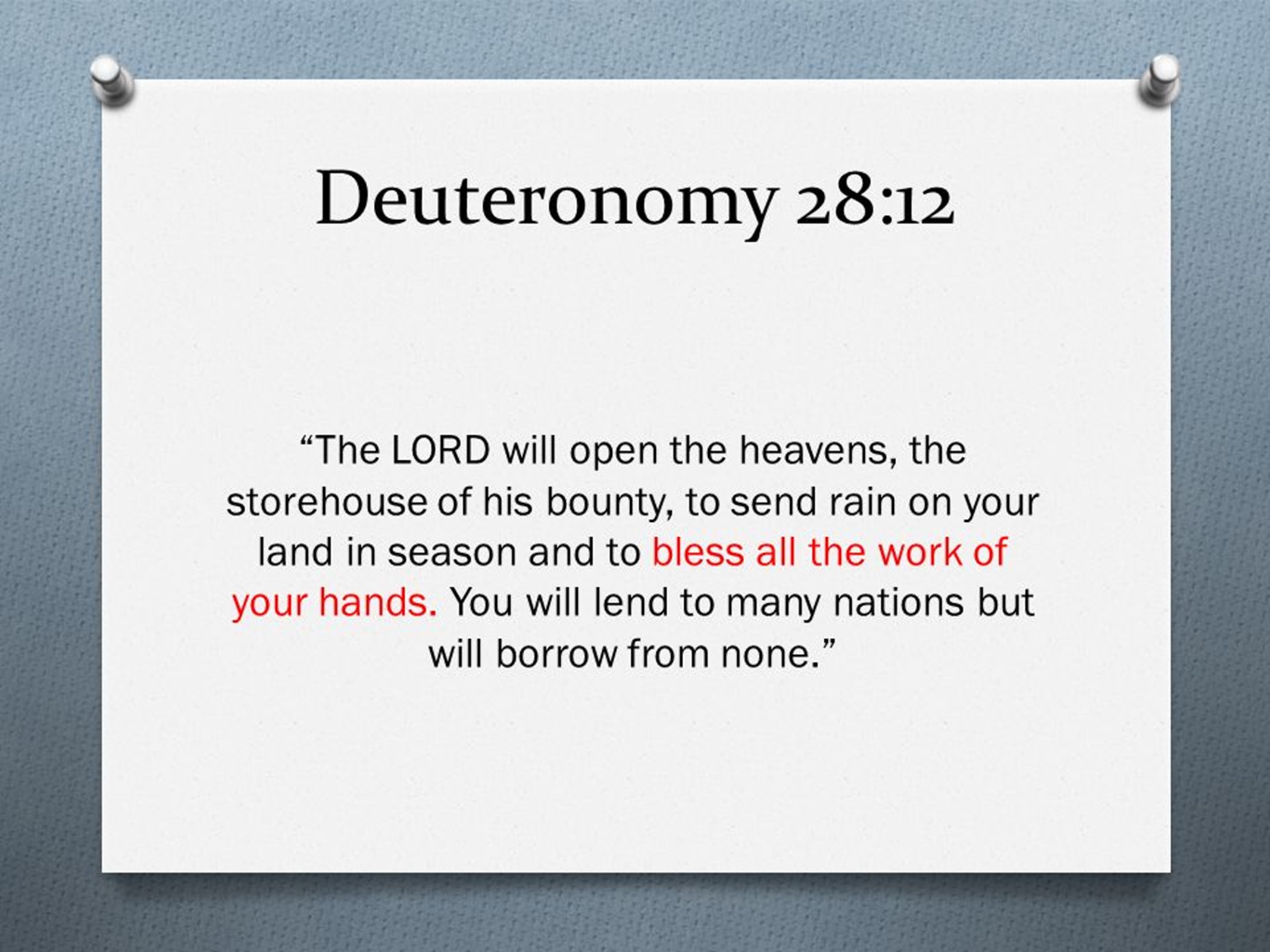
Whole Dude – Whole Struggle: The Clinton Curse – Superpower – Super Struggle against Debt. Why the United States failed on August 22, 1996?


I AM A REFUGEE. I DO NOT ENJOY AMERICA’S FREEDOM

I AM A REFUGEE. I DO NOT ENJOY AMERICA’S FREEDOM. MY FREEDOM IS STOLEN.

His Holiness the Dalai Lama had to flee from Tibet in 1959 for he sensed a threat to his life from the Chinese authority. I joined the Tibetan Resistance Movement in India on September 22, 1971. I experienced threat to my existence on three separate occasions from the Chinese authority that forces the Dalai Lama to live in Exile. The threat posed by China has stolen my freedom.

I AM A REFUGEE. I DO NOT ENJOY AMERICA’S FREEDOM.

I have chosen the profile image of my stolen Indian Army picture ID to describe my plight on account of my stolen freedom. My Indian Army picture ID was stolen in 1972 at Cuttack, near Charbatia Air Base operated by Aviation Research Centre (ARC). My Indian Army picture ID was purposefully stolen because of my association with The Research and Analysis Wing (R&AW or RAW), the Intelligence Agency of India which formulated my association with The U.S. Central Intelligence Agency (CIA). My stolen Indian Army ID of 1972 resurfaced in Indian Movie TE3N in 2016. It accounts for the loss of my freedom and the fear it arouses in my heart since 1972.

Rudra Narasimham Rebbapragada

SPECIAL FRONTIER FORCE-ESTABLISHMENT NO. 22

Am a refugee but I enjoy India’s freedom: Dalai Lama

By: FE Online | Published: October 14, 2019, 4:16:48 PM

I am a Refugee. I do not enjoy America’s Freedom for I have no Refuge.

Dalai Lama has been living in India since 1959. He had to flee Tibet after he sensed a threat to his life from the Chinese authority in the wake of Tibetan uprising. Former Prime Minister Jawahar Lal Nehru offered Dalai Lama to set up the Government of Tibet in Exile in Dharamshala, Himachal Pradesh. 

I am a Refugee. I do not enjoy America’s Freedom.

Tibetan spiritual leader Dalai Lama on Sunday hailed India for its freedom and said that he has been here for the last 60 years as a refugee but still enjoys the freedom that this country offers. “We already enjoy freedom in India. It’s been 60 years…one way, I am a refugee, but I enjoy India’s freedom,” he said while responding to a question on his freedom struggle for Tibet. When asked about whether he thinks that Tibetans can get freedom by living in India, Dalai Lama said that he had tried to go back to Tibet but that could not happen because there was no freedom to preserve “our own culture”. The spiritual leader said that he had also appealed to the United Nations in this regard.

“At that time Pandit (Jawahar Lal) Nehru advised me that the United Nations can not do much…sooner or later much better to approach Chinese and talk to China. I think that was realistic advice. And in 74, we decide(ed) not to take independence, (we) tried to remain within the Republic of China but we should have got certain rights (from China) for the preservation of our own culture,” he told news agency ANI.

HISTORY OF THE US-INDIA-TIBET RELATIONS. I AM A REFUGEE. I DO NOT ENJOY AMERICA’S FREEDOM.


MARIJUANA IS LEGAL, BUT FREE SPEECH IS ILLEGAL

IN MICHIGAN, MARIJUANA IS LEGAL, BUT FREE SPEECH IS ILLEGAL

Marijuana faces the second phase of legalization in small-town Michigan

(Joel Bissell | MLive.com file photo)

Joel Bissell | MLive.com

(Joel Bissell | MLive.com file photo)

The promise of marijuana legalization was attractive to voters in November 2018: even in many parts of small-town Michigan, the proposal passed.

But that doesn’t mean rural Michigan is ready for a weed shop.

Now marijuana in Michigan is undergoing its second phase of legalization as every city, township and village is grappling with if — or where — they want the cannabis industry.

Of the 792 cities and townships that passed Proposal 1, 308 have ended up banning adult-use marijuana businesses so far, according to an analysis by MLive. That’s about 39 percent.

Map: Michigan communities that have banned adult-use marijuana businesses

Scroll over cities and townships to see how they voted on the marijuana legalization ballot question — Proposal 1 — in November 2018.

Bruce Barcott, deputy editor of the marijuana news and information website Leafly, called the phenomenon of local bans on cannabis businesses the “second phase of legalization.”

“Smaller municipalities tend to want the big cities to go first and offer them reassurance that the sky won’t fall, that crime rates won’t skyrocket, that teen access won’t go up,” Barcott said.

The trend repeats itself throughout states that have legalized marijuana for adult-use, Barcott said.

“California really has a problem with local bans, and it’s stifling the transition from the illicit market to the legal regulated market,” Barcott said. “They’re not seeing as much tax revenue as they had planned for because so many counties and towns have prohibited farmers and stores from opening up shop.”

Banning legal marijuana businesses in a community only allows the black market to thrive, Barcott said.

“You’re enabling and encouraging the illicit sale of cannabis,” Barcott said.

Emergency rules for the adult-use marijuana industry were released by state officials in July, giving Michigan’s local governments a matter of months to react. Communities without a ban on businesses in place by the time the state starts taking business license applications Nov. 1 risk losing control over how and where the industry operates in their towns.

Residents recently tried to overturn bans on marijuana businesses in two Michigan towns by collecting signatures and putting initiatives on the ballot. But in Highland Park, a city of 11,776 people in Wayne County, and in Vanderbilt, a village of 562 people in northern Michigan, the efforts failed at the polls.

Both communities had passed Proposal 1 in November 2018. The bans on marijuana businesses still stand.

Barcott said that’s partly due to the timing of elections. The big legalization proposals tend to be timed with large-turnout elections with presidential or gubernatorial races on the ballot, he said.

“The theory is that you get a wide and deep pools of voters in those legalization votes and then when the town votes on it, it tends to be in the very small turnout primary elections,” Barcott said. “Those are the hardcore city council-watching voters. They tend to be more conservative they tend to be older.”

— Amy Biolchini is the marijuana beat reporter for MLive. Contact her with questions, tips or comments at abiolch1@mlive.com. Read more from MLive about medical and recreational marijuana.

MONDAY, JANUARY 21. THE CELEBRATION OF THE CIVIL RIGHTS MOVEMENT

MONDAY, JANUARY 21. THE CELEBRATION OF THE CIVIL RIGHTS MOVEMENT


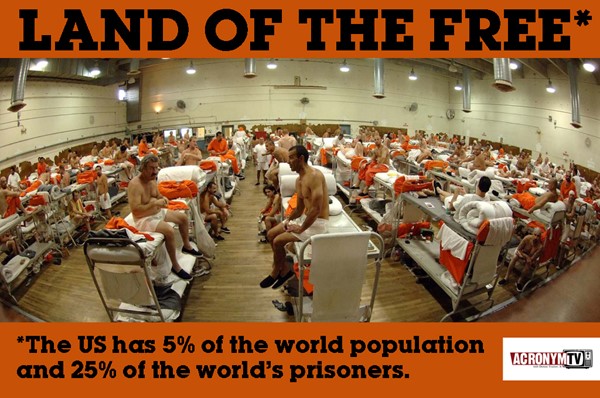
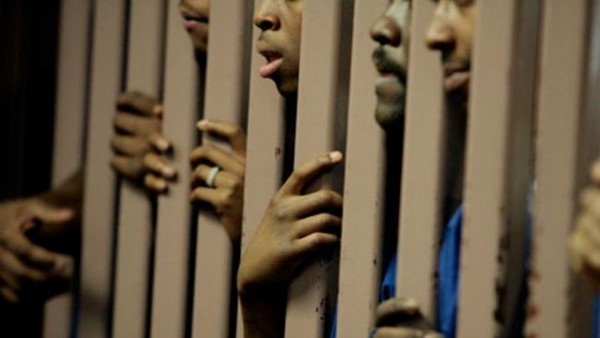
On Monday, January 21, 2019, I celebrate Dr. Martin Luther King Jr.Day reflecting on America’s March from the Civil Rights Movement to the founding of a Police State that houses nearly half-a-million African Americans apart from others in its vast Prison System.


Rudranarasimham Rebbapragada

SPECIAL FRONTIER FORCE

Monday, January 21. The Celebration of the Civil Rights Movement.

11 iconic photos of Martin Luther King Jr.

Clipped from: https://www.msn.com/en-us/news/us/11-iconic-photos-of-martin-luther-king-jr/ss-AAvtF9r?li=BBnbcA1&ocid=BHEA000

1/12 SLIDES © Wikimedia Commons

Slide 1 of 12:  Reverend Martin Luther King Jr., considered one of the greatest Americans to ever live, was assassinated 50 years ago on a balcony at the Lorraine Motel in Memphis, Tennessee. King rose to prominence after helping lead the Montgomery bus boycott, which led to a US Supreme Court decision that desegregated Alabama's bus system.  King went on to be the first president of the Southern Christian Leadership Council, leading marches from Selma to Montgomery. A moving orator, King delivered his famous "I Have a Dream" speech at the March on Washington in 1963. Inspiring generations to come, King's work and activism led to the Civil Rights Act of 1964, the Voting Rights Act of 1965, and more.  Here are 11 of the most iconic photos of King ever taken:

Reverend Martin Luther King Jr., considered one of the greatest Americans to ever live, was assassinated 50 years ago on a balcony at the Lorraine Motel in Memphis, Tennessee.

King rose to prominence after helping lead the Montgomery bus boycott, which led to a US Supreme Court decision that desegregated Alabama’s bus system.

King went on to be the first president of the Southern Christian Leadership Council, leading marches from Selma to Montgomery. A moving orator, King delivered his famous “I Have a Dream” speech at the March on Washington in 1963.

Inspiring generations to come, King’s work and activism led to the Civil Rights Act of 1964, the Voting Rights Act of 1965, and more.

Here are 11 of the most iconic photos of King ever taken:

2/12 SLIDES © Associated Press

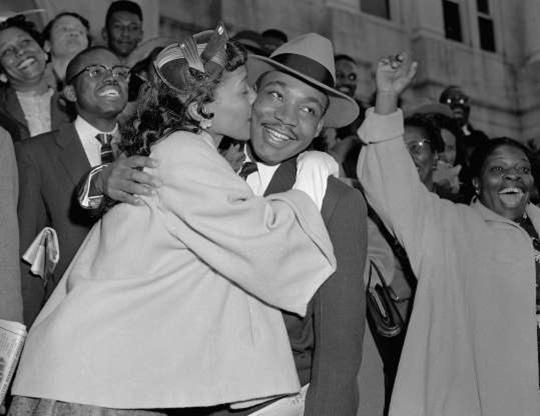
King receives a kiss from his wife, Coretta Scott King, on March 22, 1956, after being released from a Montgomery jail.

King was instrumental in leading the more than year-long Montgomery bus boycott to desegregate the bus system, which was sparked by Rosa Parks’ refusal to give up her seat. The picture was taken after King had been found guilty of conspiracy to boycott the buses, but the judge suspended his $500 fine.

3/12 SLIDES © Associated Press

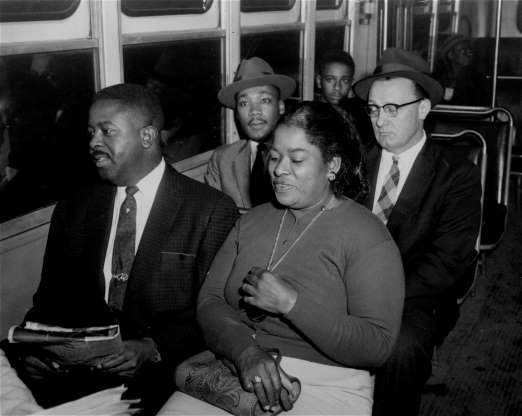
King rides a Montgomery bus on December 21, 1956, after the US Supreme Court ordered the desegregation of Alabama buses.

4/12 SLIDES © Wikimedia Commons

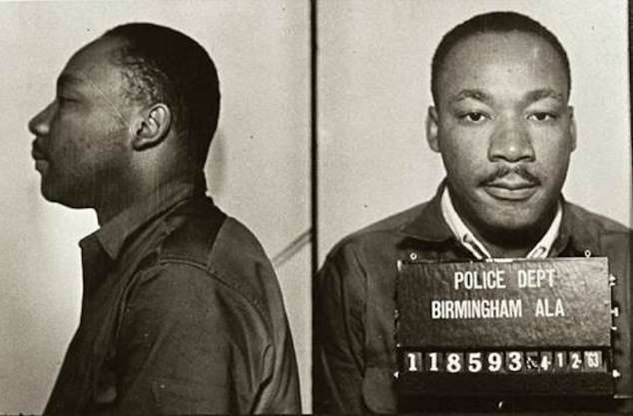
King’s mugshot after he was arrested in Birmingham on April 12, 1963 — Good Friday — for violating an anti-protest injunction.

In April 1963, King and the Southern Christian Leadership Council organized the Birmingham Campaign to protest segregation, which involved a series of sit-ins and marches.

After King was arrested, and while in solitary confinement, he penned his famed “Letter From a Birmingham Jail,” which responded to a number of local religious leaders who criticized the Birmingham campaign.

5/12 SLIDES © Associated Press

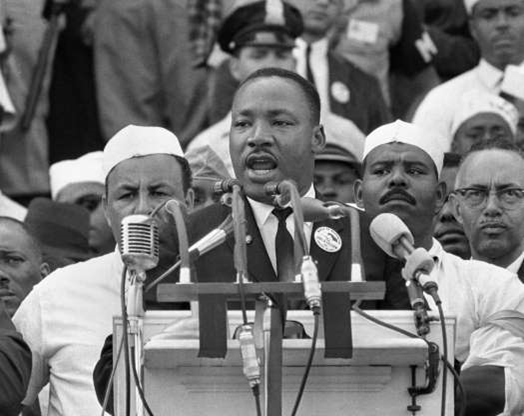
King delivers his famous “I Have a Dream” speech at the Lincoln Memorial in Washington DC on August 28, 1963.

“I have a dream that my four little children will one day live in a nation where they will not be judged by the color of their skin but by the content of their character,” King said in perhaps his most famous line of the speech. “I have a dream today.”

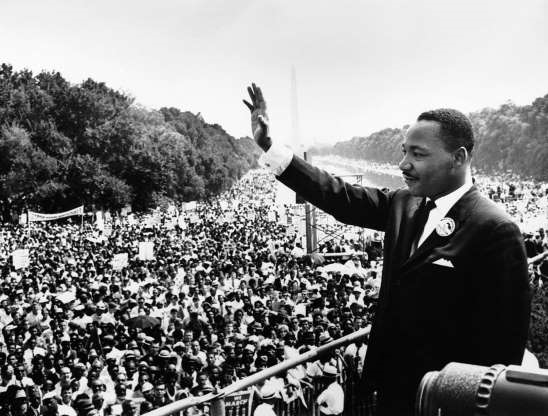
6/12 SLIDES © Wikimedia Commons

The March on Washington for Jobs and Freedom, in which about 250,000 people gathered, drew attention to the continuing inequality and struggles of African Americans.

7/12 SLIDES © Associated Press

King shakes hands with Malcolm X in Washington DC in March 1964.

The picture was taken shortly after Malcolm X split with the Nation of Islam.

Malcolm X would later travel to Mecca, where he learned that orthodox Muslims preach equality of the races, leading him to abandon the belief that all white people are devils.

8/12 SLIDES © Associated Press

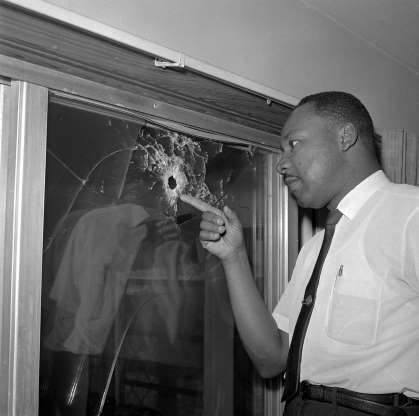
King points to a bullet hole in his rented St. Augustine, Florida home on June 5, 1964.

King was in St. Augustine to help end segregation in one of the US’ oldest cities, hoping that it would also garner more support for the pending Civil Rights Act, which was passed less than a month later.

9/12 SLIDES © Wikimedia Commons

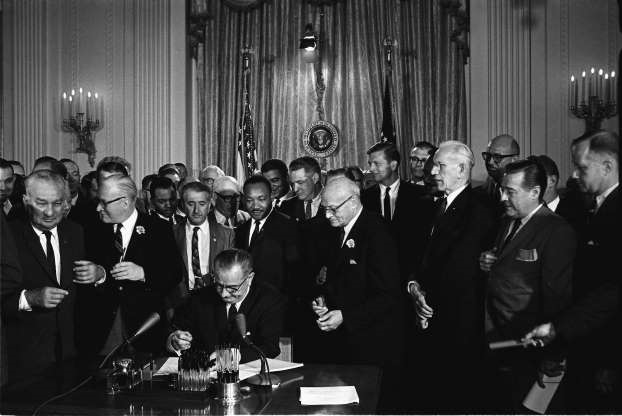
King stands behind President Lyndon B. Johnson as he signs the Civil Rights Act of 1964.

10/12 SLIDES © Wikimedia Commons

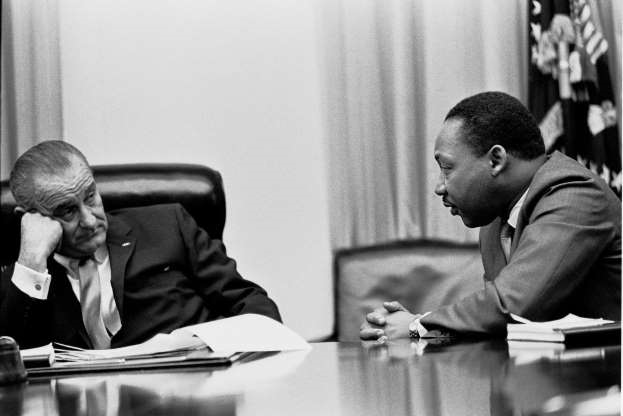
King meets with President Johnson in January 1965 at the White House to discuss the Voting Rights Act of 1965, which would be passed about eight months later.

11/12 SLIDES © Associated Press

King marches and civil rights marchers cross the Edmund Pettus Bridge in Selma, Alabama, on March 21, 1965, during their 50-mile march to Montgomery to protest voting laws.

King organized three marches from Selma to Montgomery in March 1965, the first of which later became known as “Bloody Sunday” after state troopers brutally assaulted the activists, galvanizing Congress to pass the Voting Rights Act of 1965.

12/12 SLIDES © Associated Press

King delivers his last speech on April 3, 1968, at the Mason Temple in Memphis, Tennessee.

“I just want to do God’s will,” King said at the end of his speech. “And he’s allowed me to go up to the mountain. And I’ve looked over. And I’ve seen the promised land. I may not get there with you. But I want you to know tonight that we as a people will get to the promised land. So I’m happy tonight, I’m not worried about anything – I’m not fearing any man. My eyes have seen the coming of the Lord.”

King was assassinated the next day, April 4th, on a balcony at the Lorraine Motel.

12/12 SLIDES