MONDAY, JANUARY 21. THE CELEBRATION OF THE CIVIL RIGHTS MOVEMENT
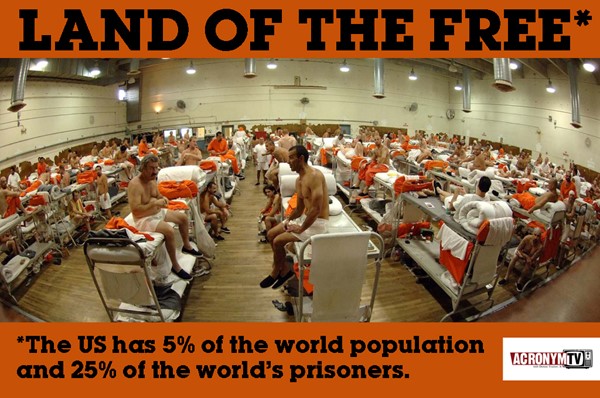
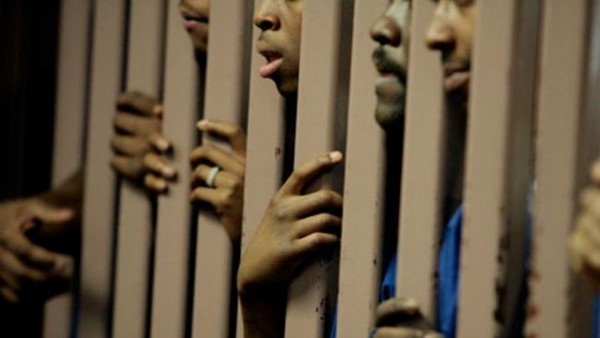
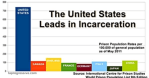
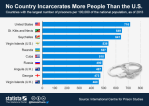
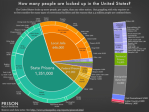
On Monday, January 21, 2019, I celebrate Dr. Martin Luther King Jr.Day reflecting on America’s March from the Civil Rights Movement to the founding of a Police State that houses nearly half-a-million African Americans apart from others in its vast Prison System.
Rudranarasimham Rebbapragada
SPECIAL FRONTIER FORCE

11 iconic photos of Martin Luther King Jr.
Clipped from: https://www.msn.com/en-us/news/us/11-iconic-photos-of-martin-luther-king-jr/ss-AAvtF9r?li=BBnbcA1&ocid=BHEA000
1/12 SLIDES © Wikimedia Commons

Reverend Martin Luther King Jr., considered one of the greatest Americans to ever live, was assassinated 50 years ago on a balcony at the Lorraine Motel in Memphis, Tennessee.
King rose to prominence after helping lead the Montgomery bus boycott, which led to a US Supreme Court decision that desegregated Alabama’s bus system.
King went on to be the first president of the Southern Christian Leadership Council, leading marches from Selma to Montgomery. A moving orator, King delivered his famous “I Have a Dream” speech at the March on Washington in 1963.
Inspiring generations to come, King’s work and activism led to the Civil Rights Act of 1964, the Voting Rights Act of 1965, and more.
Here are 11 of the most iconic photos of King ever taken:
2/12 SLIDES © Associated Press
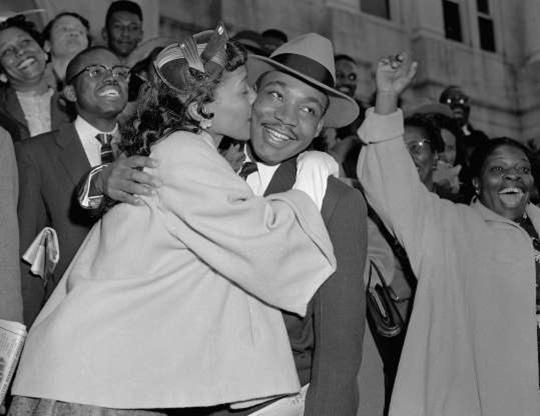
King receives a kiss from his wife, Coretta Scott King, on March 22, 1956, after being released from a Montgomery jail.
King was instrumental in leading the more than year-long Montgomery bus boycott to desegregate the bus system, which was sparked by Rosa Parks’ refusal to give up her seat. The picture was taken after King had been found guilty of conspiracy to boycott the buses, but the judge suspended his $500 fine.
3/12 SLIDES © Associated Press
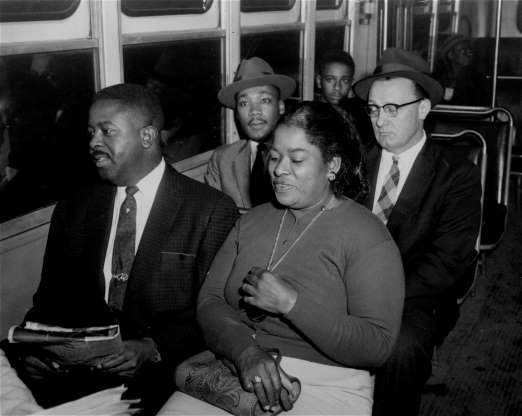
King rides a Montgomery bus on December 21, 1956, after the US Supreme Court ordered the desegregation of Alabama buses.
4/12 SLIDES © Wikimedia Commons
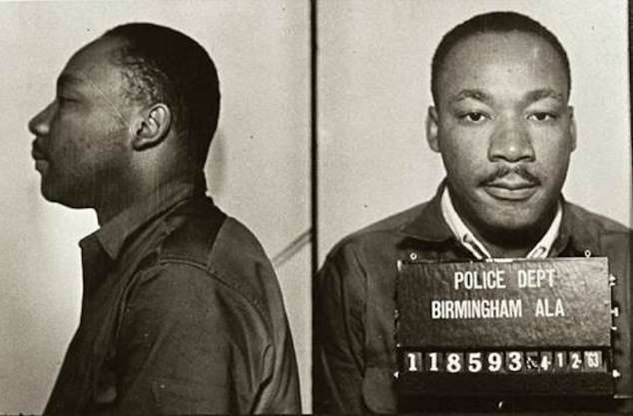
King’s mugshot after he was arrested in Birmingham on April 12, 1963 — Good Friday — for violating an anti-protest injunction.
In April 1963, King and the Southern Christian Leadership Council organized the Birmingham Campaign to protest segregation, which involved a series of sit-ins and marches.
After King was arrested, and while in solitary confinement, he penned his famed “Letter From a Birmingham Jail,” which responded to a number of local religious leaders who criticized the Birmingham campaign.
5/12 SLIDES © Associated Press
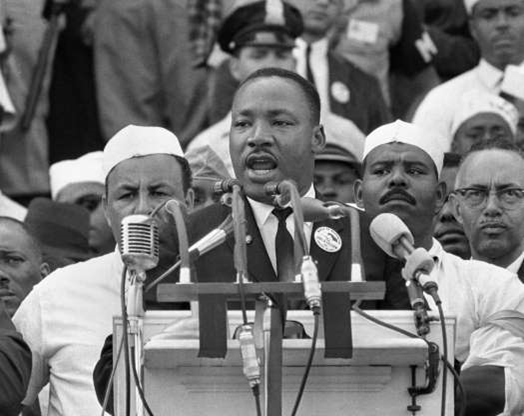
King delivers his famous “I Have a Dream” speech at the Lincoln Memorial in Washington DC on August 28, 1963.
“I have a dream that my four little children will one day live in a nation where they will not be judged by the color of their skin but by the content of their character,” King said in perhaps his most famous line of the speech. “I have a dream today.”
6/12 SLIDES © Wikimedia Commons
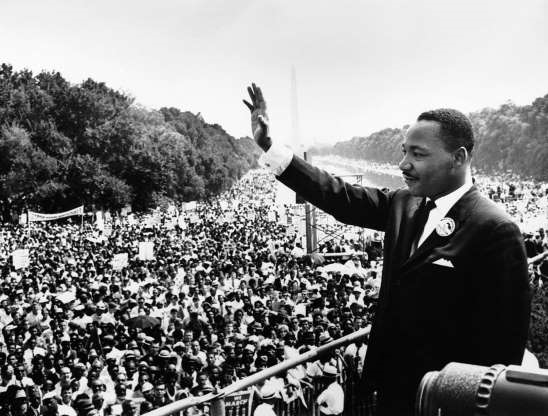
The March on Washington for Jobs and Freedom, in which about 250,000 people gathered, drew attention to the continuing inequality and struggles of African Americans.
7/12 SLIDES © Associated Press

King shakes hands with Malcolm X in Washington DC in March 1964.
The picture was taken shortly after Malcolm X split with the Nation of Islam.
Malcolm X would later travel to Mecca, where he learned that orthodox Muslims preach equality of the races, leading him to abandon the belief that all white people are devils.
8/12 SLIDES © Associated Press
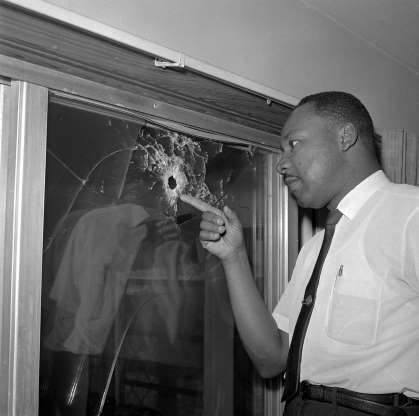
King points to a bullet hole in his rented St. Augustine, Florida home on June 5, 1964.
King was in St. Augustine to help end segregation in one of the US’ oldest cities, hoping that it would also garner more support for the pending Civil Rights Act, which was passed less than a month later.
9/12 SLIDES © Wikimedia Commons
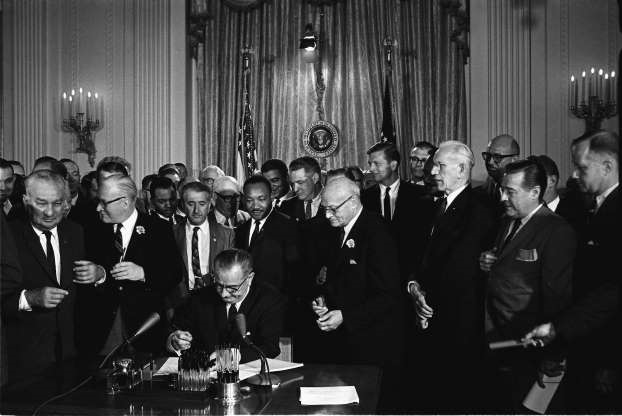
King stands behind President Lyndon B. Johnson as he signs the Civil Rights Act of 1964.
10/12 SLIDES © Wikimedia Commons
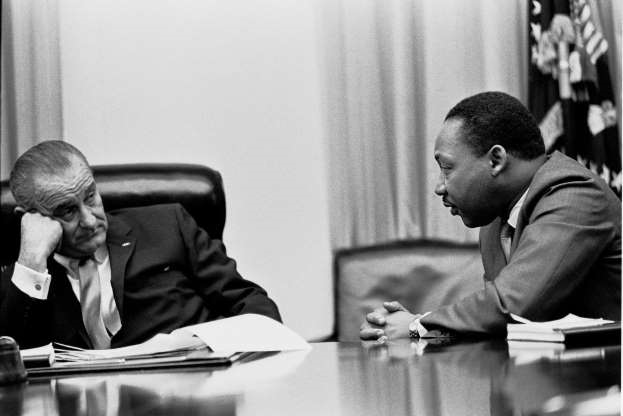
King meets with President Johnson in January 1965 at the White House to discuss the Voting Rights Act of 1965, which would be passed about eight months later.
11/12 SLIDES © Associated Press

King marches and civil rights marchers cross the Edmund Pettus Bridge in Selma, Alabama, on March 21, 1965, during their 50-mile march to Montgomery to protest voting laws.
King organized three marches from Selma to Montgomery in March 1965, the first of which later became known as “Bloody Sunday” after state troopers brutally assaulted the activists, galvanizing Congress to pass the Voting Rights Act of 1965.
12/12 SLIDES © Associated Press

King delivers his last speech on April 3, 1968, at the Mason Temple in Memphis, Tennessee.
“I just want to do God’s will,” King said at the end of his speech. “And he’s allowed me to go up to the mountain. And I’ve looked over. And I’ve seen the promised land. I may not get there with you. But I want you to know tonight that we as a people will get to the promised land. So I’m happy tonight, I’m not worried about anything – I’m not fearing any man. My eyes have seen the coming of the Lord.”
King was assassinated the next day, April 4th, on a balcony at the Lorraine Motel.
12/12 SLIDES









 Whole Dude - Whole Concept