Whole Dude – Whole Eternal: River Ganga meandering through the Shivalik ranges near Rishikesh symbolizes my WAVE THEORY OF IMMORTALITY. Man always exists in constant relationship with his physical environment. Immortality is not about perpetual residence in a Heavenly Mansion. Immortality is associated with the idea of Ultimate Reality which is represented by SAT+CHIT+ANANDA. In this physical world, the Indian Identity is immortalized by the flowing River adoringly described as Mother Ganges.Whole Dude – Whole Eternal: The Land personified as Bharat is immortalized by the River Ganges that flows down this Land.
Tarangini – A Flowing River or Stream – River Ganga or Ganges emerging from the Shivalik Hills, Rishikesh. She symbolizes an immortal stream of thoughts, ideas, and mental conceptions that drench the soils of the Land of Bharat and the minds of its inhabitants.
How can a Man survive after his death?
This is not a discussion about “Afterlife”, or “Hereafter”. This is not a discussion about death, resurrection and then “EverlastingLife.” This is not a discussion about man’s historical legacy, his enduring fame after death, or about his perpetual existence in a Heavenly Mansion after his physical death. This is also not a discussion about transmigration or reincarnation of the humansoul.
Whole Dude – Whole Life: Transient Being vs Eternal Being. The Two Facets of the Human Existence. The Two Facets of the Lotus Flower. Mortal vs Everlasting Life.
The concept of immortality describes deathlessness or the idea of “Lasting forever”. In the material realm, everything that is born must die. The fleeting experience of human existence is often compared to the existence of an air bubble on the surface of a Lotus leaf. The material body cannot enter the immaterial realm. Only a “Tarang” or a ‘Wave’ that is not attached to any physical or material entity, a Wave that is set free and remains in motion, could make the transition and journey into the immortal realm. Does Individuality survive the physical death of the Individual?
Whole Dude – Whole Eternal: Transient Being vs Eternal Being
What it is to be a Substance? and What it is to Exist? We need to establish knowledge about the man on a firm basis and the information it provides must be tested for its accuracy and consistency with an external reality. We have to make the fundamental distinction between the living and the non-living matter. The scientific advances of the 19th and 20th centuries reinforced the materialistic position concerning the basic similarity of organic living and inorganic physical matter. The man is viewed as a product of natural evolution and is thought to be subject to the same laws of Physics and Chemistry or mechanistic principles.
We need a methodology to study philosophy and to understand philosophical statements. Logical Positivism, also known as Scientific Empiricism aims to clarify concepts in both everyday and scientific language. It describes analysis of language as the function of philosophy. This analysis of language and of concepts is important to understand questions of belief and ideology which affect what we think we ought to do individually and socially.
Whole Dude – Whole Eternal: Transient Being vs Eternal Being. The Two Facets of the Human Existence. The Two Facets of the Lotus Flower.Mortal vs Everlasting Life.Whole Dude – Whole Eternal: Transient Being vs Eternal Being. The Two Facets of the Human Existence. The Two Facets of the Lotus Flower.Mortal vs Everlasting Life.
I use this method of ‘Analytic Philosophy’ to analyze the concept of Spiritual Optics, the Spiritual dimension of the Man’s experience of Life in the Natural World. There are two facets of the man’s experience of his own existence. These are, 1. The Identity which keeps changing or varying over the entire lifetime, and 2. The Individuality which continues to be the same without changing under the influence of time. The man can be presented as the constantly changing or varying, transitory, mortal, physical being on the basis of his Identity and on the flip side there is the dimension of unvarying, unchanging, constant, and eternal being defined by his Individuality.
Whole Dude – Whole Eternal: Transient Being vs Eternal Being
Whole Dude – Whole Life: Transient Being vs Eternal Being. The Two Facets of the Human Existence. The Two Facets of the Lotus Flower. Mortal vs Everlasting Life.
The Experience of Life in the Natural World
Whole Dude – Whole Life: Transient Being vs Eternal Being. The Two Facets of the Human Existence. The Two Facets of the Lotus Flower.Mortal vs Everlasting Life.
What it is to be a Substance? and What it is to Exist? We need to establish knowledge about the man on a firm basis and the information it provides must be tested for its accuracy and consistency with an external reality. We have to make the fundamental distinction between the living and the non-living matter. The scientific advances of the 19th and 20th centuries reinforced the materialistic position concerning the basic similarity of organic living and inorganic physical matter. The man is viewed as a product of natural evolution and is thought to be subject to the same laws of Physics and Chemistry or mechanistic principles.
We need a methodology to study philosophy and to understand philosophical statements. Logical Positivism, also known as Scientific Empiricism aims to clarify concepts in both everyday and scientific language. It describes analysis of language as the function of philosophy. This analysis of language and of concepts is important to understand questions of belief and ideology which affect what we think we ought to do individually and socially.
Whole Dude – Whole Life: Transient Being vs Eternal Being. The Two Facets of the Human Existence. The Two Facets of the Lotus Flower.Mortal vs Everlasting Life.Whole Dude – Whole Life: Transient Being vs Eternal Being. The Two Facets of the Human Existence. The Two Facets of the Lotus Flower.Mortal vs Everlasting Life.
I use this method of ‘Analytic Philosophy’ to analyze the concept of Spiritual Optics, the Spiritual dimension of the Man’s experience of Life in the Natural World. There are two facets of the man’s experience of his own existence. These are, 1. The Identity which keeps changing or varying over the entire lifetime, and 2. The Individuality which continues to be the same without changing under the influence of time. The man can be presented as the constantly changing or varying, transitory, mortal, physical being on the basis of his Identity and on the flip side there is the dimension of unvarying, unchanging, constant, and eternal being defined by his Individuality.
The Lotus Effect -The Two Facets of Lotus Flower
Whole Dude – Whole Life: Transient Being vs Eternal Being. The Two Facets of the Human Existence. The Two Facets of the Lotus Flower. Mortal vs Everlasting Life.
Botanist Wilhelm Barthlott of the University of Bonn in Germany discovered in 1982 that the lotus leaf has a naturally self-cleaning, water-repellent surface. The secret lies in waxy microstructures and nanostructures that, by their contact angle with water, cause water to bead and roll away just like mercury. Barthlott patented his discovery, calling it the Lotus Effect.
Whole Dude – Whole Life: Transient Being vs Eternal Being. The Two Facets of the Human Existence. The Two Facets of the Lotus Flower. Mortal vs Everlasting Life.
While Barthlott takes credit for his discovery of the waxy surface of the lotus leaf, Indians have known the Lotus, an aquatic plant, for a very long time. Lord Vishnu, the Protector always carries a Lotus flower in his hand, He is generally depicted in images in a lying pose with a lotus springing out of His belly button, His eyes are always compared to the petals of the Lotus flower and His consort Goddess Lakshmi prefers to be seated on top of a Lotus flower. Indians use the Lotus flower for their worship and in Indian Art and Literature, Lotus finds a prominent place and the Lotus is given the official status of the National Flower. Indians are also equally impressed about the waxy nature of the surface of the lotus leaf and they know that the surface causes the water to bead and the drops rollaway with great ease. This phenomenon is very often used to describe the transient nature of human existence.
But, the Lotus is the only flower that is constantly held in the hand of Eternal God.
Two Faces of the Coin – Two Facets of Existence:
Whole Dude – Whole Life: Transient Being vs Eternal Being. If Identity described by the Phenotype establishes one face of the Coin, the Individuality describes the second face of the same coin and is established by the Genotype. The same Individual with the same Genotype exists as different Individuals with varying features of Identification. Whole Dude – Whole Life: Transient Being vs Eternal Being. Identity and Individuality are the two sides of the same Coin. The Phenotype establishes the Identity, and the Genotype establishes the Individuality of a Living Cell or of a Living Organism.Whole Dude – Whole Life: Transient Being vs Eternal Being. The Two Facets of the Human Existence. The Two Facets of the Lotus Flower. Mortal vs Everlasting Life.
The coins that we use are minted with two different faces and we need to flip the coin to see the face on the opposite side. So also, human existence has its two sides, an eternal entity and at the same time a transient, perishable, temporary, ephemeral, fleeting, and finite entity. I would refer to the following two verses to illustrate this view-point.
THE BHAGAVAD GITA, CHAPTER II, VERSE 13:
Whole Dude – Whole Life: Transient Being vs Eternal Being. The Two Facets of the Human Existence.The Two Facets of the Lotus Flower. Mortal vs Everlasting Life.
“As the embodied soul continually passes, in this body, from boyhood to youth, and then to old age, similarly, the soul also passes into another body at death. The self-realized soul is not bewildered by such a change”.
Since every living entity is an individual soul, each is changing his body at every moment, manifesting sometimes as a child, sometimes as a youth, and sometimes as an old man, the spirit soul however remains the same and does not undergo any change. The individual soul eventually changes the body itself, the soul transmigrates from one body to another body and hence death is viewed as the soul changing bodies from old to new one. According to one’s work in the present life, the living entity experiences enjoyment or suffering with the changing of bodies. This view helps the individual not to lament about death.
SHANKARA’S BHAJA GOVINDAM AND NIRVANA SHATAKAM LYRICS:
Whole Dude – Whole Life: Transient Being vs Eternal Being. The Two Facets of the Human Existence. The Two Facets of the Lotus Flower. Mortal vs Everlasting Life.
The life of a man is as uncertain as rain drops trembling on a lotus leaf. Know that the whole world remains a prey to disease, ego and grief.
Whole Dude – Whole Life: Transient Being vs Eternal Being. The Two Facets of the Human Existence. The Two Facets of the Lotus Flower. Mortal vs Everlasting Life.
The ‘ADVAITA’ school of Indian philosophy was founded by the great teacher Shankara who is popularly referred to as Adi Shankaracharya. He composed lyrics known as Bhaja Govindam (Praise Lord Vishnu, the Protector) in which he describes the transient, ephemeral, and fleeting nature of human life and existence.
He compares human life to that of the bead of water drop on the surface of the Lotus leaf. He reminds us to understand that the body’s existence is very temporary and he observes that the entire humanity is suffering due to sickness caused by ignorance which makes people to crave with a sense of attachment and desire to keep their impermanent existence.
Whole Dude – Whole Life: Transient Being vs Eternal Being. The Two Facets of the Human Existence. The Two Facets of the Lotus Flower. Mortal vs Everlasting Life.
The very same Adi Shankaracharya in the lyrics known as Nirvana Shatakam describes the individual entity as an embodied Soul. The Soul is eternal but the physical body is temporary and just like the water drop on the surface of the Lotus leaf, the drop could roll away any moment, and the Soul may change bodies sooner than we wish or desire. There is no point in cultivating a sense of attachment to the body as the Soul is not willing to cling to the physical body.
Man is a created being, exists as an Individual with Individuality, and has living substance constituted by Chemical Elements that are immortal, imperishable, or eternal. However, Man, the physical being with a shape and form is transient as he is born with a plan for the dissolution of its form.
Whole Dude – Whole Life: Transient Being vs Eternal Being. The Two Facets of the Human Existence. The Two Facets of the Lotus Flower. Mortal vs Everlasting Life. The Lotus Leaf displays the dimension of Transient Being, and the Flower symbolizes the dimension of Eternal Being as the Everlasting God is always seen holding the Lotus Flower.Whole Dude – Whole Life: Transient Being vs Eternal Being. The Two Facets of the Human Existence. The Two Facets of the Lotus Flower. Mortal vs Everlasting Life. The Lotus Leaf displays the dimension of Transient Being, and the Flower symbolizes the dimension of Eternal Being as the Everlasting God is always seen holding the Lotus Flower
Whole Dude – Whole Realism: Half Full or Half Empty? – What is the real Question?
Half Full or Half Empty is not the Right Question – Can You Drink the Cup I Drink?
Whole Dude – Whole Realism: Half Full or Half Empty? – What is the real Question? Can You Drink the Cup I Drink?
Excerpt: When I drink from the ‘Cup of my Life’; What I truly experience from my life, the reality of my condition is more important than my attitude towards existence. The man has no hope to find happiness until and unless he renounces all desires including the desire to find happiness. The man has no choice other than that of living in the moment without concern for either pessimism or optimism. The attitude of dispassion automatically excludes both pessimism and optimism.
Whole Dude – Whole Realism: Half Full or Half Empty? What is the real Question? Can You Drink the Cup I Drink?
HALF FULL OR HALF EMPTY? IS THAT REALLY IMPORTANT?
Whole Dude – Whole Realism: Half Full or Half Empty? – What is the real Question? Can You Drink the Cup I Drink?
I drank from that cup. Now, the cup could be described as half full or half empty. Is that really important? The cup that I drink from gives me pain and I experience suffering. What would be the right question if I have to drink from that cup? What I truly experience from my life, the reality of my condition is more important than my attitude towards my existence. The issue is not about optimism or pessimism. I need to focus on knowing the reality and I need to face the reality about what I experience when I drink from that Cup of my Life.
IS IT POSSIBLE FOR THIS CUP TO BE TAKEN AWAY FROM ME ?
Whole Dude – Whole Realism: Half Full or Half Empty? – What is the real Question? Can You Drink the Cup I Drink?
I would answer this question from a reading from The New Testament of The Holy Bible. I would like to quote verses 36 to 44, chapter 26, The Gospel According to Matthew.
Whole Dude – Whole Realism: Half Full or Half Empty? – What is the real Question? Can You Drink the Cup I Drink?
36. Then Jesus came with His disciples to a place called Gethsemane and said to them, “Sit here while I go and pray over there.”
Whole Dude – Whole Realism: Half Full or Half Empty? – What is the real Question? Can You Drink the Cup I Drink?
37. And He took with Him Peter and the two sons of Zebedee, and He began to be sorrowful and deeply distressed.
Whole Dude – Whole Realism: Half Full or Half Empty? – What is the real Question? Can You Drink the Cup I Drink?
38. Then He said to them, “My soul is exceedingly sorrowful, even to death. Stay here and watch with Me.”
Whole Dude – Whole Realism: Half Full or Half Empty? – What is the real Question? Can You Drink the Cup I Drink?
39. He went a little farther and fell on His face, and prayed, saying, “O My Father, if it is possible let this cup pass from Me; nevertheless not as I will, but as You will.”
Whole Dude – Whole Realism: Half Full or Half Empty? – What is the real Question? Can You Drink the Cup I Drink?
40. Then He came to the disciples and found them sleeping, and said to Peter, “What! Could you not watch with Me one hour?
41.”Watch and pray, lest you enter into temptation. The spirit indeed is willing, but the flesh is weak.”
Whole Dude – Whole Realism: Half Full or Half Empty? – What is the real Question? Can You Drink the Cup I Drink?
42. Again, a second time, He went away and prayed, saying, “O My Father, if this cup cannot pass away from Me unless I drink it, may Your will be done.”
43. And He came and found them asleep again, for their eyes were heavy.
Whole Dude – Whole Realism: Half Full or Half Empty? – What is the real Question? Can You Drink the Cup I Drink?
44. So He left them, went away again, and prayed the third time, saying the same words.
Whole Dude – Whole Realism: Half Full or Half Empty? – What is the real Question? Can You Drink the Cup I Drink?
Jesus had prayed three times, saying the same words. It was not possible for the cup to pass away and Jesus had to drink from the cup.
Whole Dude – Whole Realism: Half Full or Half Empty? – What is the real Question? Can You Drink the Cup I Drink?
THE TEACHINGS OF GAUTAMA BUDDHA:
Whole Dude – Whole Realism: Lord Gautama Buddha has laid the foundation for understanding Pain and Suffering that is implicit in Human Existence. Half Full or Half Empty? – What is the real Question? Can You Drink the Cup I Drink?
At age 29, Prince Siddhartha realized that humans are subject to old age, sickness, disability and death. He became aware of the suffering implicit in human existence. Buddha described the nature of reality and Dharma (“true law”) as the Four Noble Truths (1) life is fundamentally disappointment and suffering; (2) suffering is a result of one’s desires for pleasure, power, and continued existence; (3) to stop disappointment and suffering one must stop desiring and (4) the way to stop desiring and thus suffering is the Noble Eightfold Path- right views, intention, speech, conduct, livelihood, effort, mindfulness, and concentration.
From the hymns popularly known as Bhaja Govindam, while I drink from the Cup of my Life, I will keep contemplate on the concept of dispassion:
“KASYA SUKHAM NA KAROTI VIRAGAH”
Whole Dude – Whole Realism: Half Full or Half Empty? What is the real Question? Can You Drink the Cup I Drink?
Living in temples or at the foot of trees, sleeping on the ground, wearing deer-skin, renouncing all possessions and their enjoyment – to whom will not dispassion bring happiness?
The verse 19 in Shankaracharya’s Bhaja Govindam questions, “Kasya sukham na karoti viragah?”, which means, “What pleasure cannot be given by dispassion?” It gives all the pleasures because you are so totally living in the moment.
The man has no hope to find happiness until and unless he renounces all desires including the desire to find happiness. The man has no choice other than that of living in the moment without concern for either pessimism or optimism. The attitude of dispassion automatically excludes both pessimism and optimism.
Whole Dude – Whole Realism: Half Full or Half Empty? – What is the real Question?Whole Dude – Whole Realism: Half Full or Half Empty doesn’t change the reality of the experience.Whole Dude – Whole Realism: The Cup of Life holds for me Pain, Humiliation, and Loss of Face.
Human existence evokes a sense of fear and anxiety from two directions. 1. The fear is associated with the idea that the journey is long and tedious and the uncertainty of reaching the final destination. 2. The anxiety is because of the fact that the life span is over as the time marches on relentlessly. The passage of day and night, the change of seasons, the spring and the winter, the life span is over even if the individual wants to cling to his life.
Whole Dude – Whole Peace
The life span is often compared to bubbles and beads on the surface of lotus leaf. The water beads and the air bubbles exist only for a moment evoking a sense of anxiety about the transient, ephemeral, mortal existence. The long journey generates fear and the short life span produces anxiety. When the heart is troubled and when the mind is afraid, there is no peace.
Searching for Peace when the heart is troubled:
Whole Dude – Whole Peace
1. Rejoice in the Lord always. I will say it again: Rejoice! Let your gentleness be evident to all. The Lord is near. Do not be anxious about anything, but in everything, by prayer and petition, with thanksgiving, present your requests to God. And the peace of God, which transcends all understanding, will guard your hearts and your minds in Christ Jesus. (PHILIPPIANS4:4-7)
Whole Dude – Whole PeaceWhole Dude – Whole Peace: The Fruit of Spirit is Love
2.But the fruit of the Spirit is love, joy, peace, patience, kindness, goodness, faithfulness, gentleness and self-control. (GALATIANS 5:22-23)
Whole Dude – Whole Peace
3. “Peace I leave with you; my peace I give you. I do not give to you as the world gives. Do not let your hearts be troubled and do not be afraid”. (JOHN14:27)
Whole Dude – Whole PeaceWhole Dude – Whole PeaceWhole Dude – Whole PeaceWhole Dude – Whole PeaceWhole Dude – Whole Peace: Peace is attained through the idea of Refuge and Strength
Yes indeed! Life is complicated for we often get confused and do not know if we eat to live or live to eat. Very often, people display their ignorance by asking the question, What do you do for living?
Whole Dude – Whole Time: What do you do for your living?
Whole Dude – Whole Time – Whole Job – Whole Life
What do you do for your living? I live on Whole Food.
WHOLE DUDE WHOLE TIME: NOT PART-TIME, NOT TEMPORARY, NOT SEASONAL, AND NOT FULL-TIME. I LIVE ON WHOLE FOOD. We’re growing something good and we want you to be part of it. If you’re ready to make a difference, bring your Whole Self to Whole Foods. Whole Dude-Whole Time makes the Whole Difference.
On Tuesday, the Sixth Day of August 2019, I coined the phrase Whole Dude – Whole Time to answer the question, “What do you do for Your Living?” I live on Whole Food to do the Whole Job during my Whole Life.
In my analysis, I cannot be classified either as White-Collar, or Blue-Collar Worker. I cannot be described as Part-Time, Temporary, Seasonal, or Full-Time Employee of any entity that provides the earnings, or wages in exchange for any mental or physical work performed by my human body.To live as Whole Dude is a Whole Time Job.
Whole Dude, Whole Man, Whole Person , or Whole Self works Whole Time during his Whole Life, from the moment of his conception until his death, by performing the Whole Job described as Cellular Respiration even when he watches TV relaxing on his couch or even when he is snoring, fast asleep in his bed.
Whole Dude – Whole Time: Cellular respiration is a set of metabolic reactions and processes that take place in the cells of organisms to convert biochemical energy from nutrients into adenosine triphosphate (ATP), and then release waste products.
The Fair Labor Standards Act (FLSA) does not define full-time employment or part-time employment. This is a matter generally to be determined by the employer. Whether an employee is considered full-time or part-time does not change the application of the FLSA, nor does it affect the application of the Service Contract Act or Davis-Bacon and Related Acts wage and fringe benefit requirements.
Whole Team Members who need to upgrade their work status to “Whole Time” can apply for the same Online at WholeDude.com
WHOLE DUDE-WHOLE TIME-WHOLE JOB-WHOLE LIFE: WHOLE DUDE’S WHOLE DEAL, 365 EVERYDAY VALUE MISMATCHED SANDWICH CREMES SERVED AS A BEDTIME SNACK. SORRY. MILK IS NOT INCLUDED IN THIS WHOLE DEAL. APPLY TODAY TO GET YOUR WHOLE TIME STATUS.
The first 200 Whole Team Members who apply for the Whole Time Work Status Upgrade will get a box of 365 Everyday Value Mismatched Cookies as Sign -Up Bonus.
Whole Dude – Whole Time – Whole Difference
I ask my readers to totally avoid the narrow perspective of your School Education while you attempt your own Self-Discovery. You should submit to God and search for the Human Identity created by God. I am not saying that you should just give up your present Identity either in terms of your language, religion, gender, culture and etc., I am asking you to step outside the “BOX.” I am not asking you to compromise your human aspirations for political rights. The Identity given by God is not bound by our nationality or citizenship status.
I ask you to learn the correct manner in which you answer the basic questions about Life and Living. What do you for your living? The answer does not require your nationality, citizenship status, your race, your gender, your educational experience, and not even your occupational history. When you recognize God as the Supreme Controller, the Supreme Sustainer, and the Supreme Maintainer of Life on planet Earth, you will find a perspective different from all other human perspectives.
What do You do for Your Living?
This blog post is dedicated to Goddess Sarasvati, the Goddess of Pure Knowledge and Perfect Wisdom. The question, “What do you do for your Living” must be answered by attaching meaning to terms such as ‘Life’, and ‘Living’ using the information provided by Science. If the human Subject called “I” is existing, it has to be accounted for by the description of work or job performed to maintain or sustain the fact of its existence.
Whole Dude – Whole Time: Living as the Whole Dude is a Whole Time Whole Job for Whole Life.
Goddess Sarasvati symbolizes the pursuit of Knowledge and Wisdom and helps me to define Life as Knowledge in Action.
Whole Job-Whole Life. What are Living Functions?
Whole Dude-Whole Time. Living as the Whole Dude is a Whole Time Whole Job for Whole Life.
Spirituality Science. What do you do for Living?
THE PROCESS, THE MECHANISM CALLED CELLULAR RESPIRATION IS NOT LEARNED OR ACQUIRED EXPERIENCE. NO SPIRITUAL TEACHER, NO SPIRITUAL MASTER, AND NO SPIRITUAL GUIDE CAN IMPLANT THIS KNOWLEDGE IN MAN.
At a fundamental level, the Living System called man is thermodynamically unstable and it means that the System demands a constant supply of energy from an external source. The process or the mechanism called ‘Cellular Respiration’ is involved in energy acquisition, energy manipulation, energy transformation, and energy expenditure involved in the performance of the numerous Living Functions that establish the fact of the Living Thing existing in its given environment at any given place and time.
Whole Dude-Whole Time. Living as the Whole Dude is a Whole Time Job for Whole Life.
THE LIVING CELL IS THERMODYNAMICALLY UNSTABLE. TO EXIST, THE LIVING CELL NEEDS CONTINUOUS SUPPLY OF MATTER AND ENERGY FROM ITS EXTERNAL ENVIRONMENT. PROTOPLASM OR CYTOPLASM USES THE POWER OF NUTRITION TO ACQUIRE MATTER AND ENERGY FROM ITS EXTERNAL ENVIRONMENT AND ENABLES THE LIVING CELL TO PERFORM A VARIETY OF LIVING FUNCTIONS CALLED METABOLISM.
The Knowledge Theory vs The Living Functions:
Whole Dude-Whole Time. Living as the Whole Dude is a Whole Time Job for Whole Life.
Spirituality Science. What do you do for Living? Many important biological processes involve Redox or Oxidation and Reduction Chemical Reactions. These chemical reactions reveal a dynamic process that is the characteristic of both Life and Death. If Life is explained by a series of chemical reactions, the same process continues into Death.
I ask my readers to carefully examine the role of Knowledge in the performance of human living functions. The man exists in the physical world, not on account of learned experience, or acquired Knowledge which he may use in the performance of actions that relate to his social occupation that provides him with earnings or income with which he caters for his physiological needs like food, water, clothing, and housing.
Man’s physical and mental work is not the ultimate basis of his existence. For example, the man has no direct sensory awareness of the numerous Redox or Oxidation and Reduction Chemical Reactions involved in the dynamic process called Life and Death.
What is Knowledge?
Whole Dude – Whole Time: Life is defined as Knowledge in Action.
Knowledge is defined as the act, fact, or state of knowing a range of information. The act of knowing requires knowledge or information relevant to a particular act. The state of knowledge describes the condition that characterizes an object in which such knowledge or information exists. If knowledge is defined as a fact of knowing some information, it describes a clear perception, or understanding, or awareness, or cognizance of information that pertains to that fact. Knowledge can only exist, can only be found in an object which has the abilities of perception, understanding, awareness, or cognition. In other words, knowledge is an attribute of the act, fact, or state of living. A living object is the seat of knowledge and the presence of knowledge could be verified or detected in any of the actions or activities of that living matter. The act of living requires a state or condition of knowing information relevant to sustaining life’s functions.
Whole Dude-Whole Time. Living as the Whole Dude is a Whole Time Job for Whole Life.
If the human brain or mind is viewed as the Seat of Knowledge, hands, and feet, or the muscles used in vocalization are the sites where Knowledge is transformed into Action.In common usage, the word knowledge is used to describe all that has been perceived or grasped by the human brain or mind. The learning, the body of facts, principles, etc., accumulated by man is stated as his knowledge. The state of knowing becomes evident only when knowledge is transformed into action. The man displays knowledge in the use of his hands and feet in the performance of his actions. Man can communicate his knowledge in his speech, in his writings, and in his use of a variety of tools, instruments, gadgets, and machines. If the human brain or mind is viewed as the seat of knowledge, hands, and feet, or the muscles used in vocalization are the sites where knowledge is transformed into action. Knowledge involves receiving/storing information at one site and using that information in the performance of action at a different site. The ability and the quality of a man’s function reflect upon his state of knowledge relative to that function. Knowledge is verified during its application to perform a function. This concept or understanding of knowledge in action could also be used in the context of describing functions at the cellular level.
Whole Dude-Whole Time. Living as the Whole Dude is a Whole Time Job for Whole Life.
The Da Vinci Telerobotic Surgical System permits the surgeon to perform an operation on a patient from a remote site. The mechanical robotic arm could perform tasks with great precision while it has no knowledge of its own.While information can be found in books, in writings, in speech/ speech recordings, and etc., it should not be described as knowledge. A robotic, mechanical arm could perform tasks with great precision while it has no knowledge of its own. Knowledge, awareness, and ability to use information exist only as an attribute of life or as an act of living.
What is Life? Life is Knowledge in Action:
Whole Dude-Whole Time. Living as the Whole Dude is a Whole Time Job for Whole Life.Whole Dude-Whole Time. Living as the Whole Dude is a Whole Time, Whole Job for Whole Life.Whole Dude-Whole Time. Living as the Whole Dude is a Whole Time Whole Job. for Whole LifeWhole Dude-Whole Time. Living as the Whole Dude is a Whole Time Whole Job for Whole Life.Whole Dude-Whole Time. Living as the Whole Dude is a Whole Time Whole Job for Whole Life.Whole Dude-Whole Time. Living as the Whole Dude is a Whole Time Whole Job for Whole Life.
Anatomy of Plant Cell clearly illustrates that Life exists because of the establishment of Knowledge, the source of Information for a variety of biological functions. Both Bacterial (Prokaryotic), Animal, and Plant (Eukaryotic) Cells share similar characteristics. The Living Cell functions by application of the information contained in its genetic material. Use of information to perform action describes the Knowing and it represents Knowledge in Action. Virus particles composed of Nucleic Acids either RNA or DNA within a case of Protein, in it’s Free State the Virus particle behaves like Inert matter and when it infects living cells of plants, animals, or bacteria the Virus starts replicating using the Chemical Energy and Nucleic Acid synthesizing abilities of the host Cell. The Application of Knowledge in Viral Replication is very interesting. The Structure of the Influenza Virus reveals its Functional Organization. Each function involves the application of Knowledge. This Knowledge is derived from its hereditary information. The Virus exists because of genetic material which provides it the information to perform its function that is characteristic of its existence.
What is Life? Life is Knowledge in Action. A living cell performs a variety of functions that are characteristic of its life. The Cell Structure known as Nucleus is the Seat of Knowledge. In structures known as Chromosomes it stores hereditary, and biological information for its growth, development, replication, reproduction, and metabolic functions such as protein synthesis for its growth and maintenance. Protein Synthesis takes place in structures known as Ribosomes that are located in Cytoplasm outside the Nucleus. Nucleus transfers information to Ribosomes by using Transfer RNA. Nucleus provides only information and to use that information for its function of Protein Synthesis, the Ribosome derives Energy from another Cell Structure known as Mitochondrion. This process of Cellular Function describes Knowledge in Action.Life is described as a state of an organism characterized by certain processes or abilities that include metabolism, nutrition, growth, motion, replication, reproduction, responsiveness to stimuli, and awareness of its own condition of existence or living in an environment.
Whole Dude – Whole Time: In mitochondria, many substances (food) are oxidized and ATP, the energy-storing chemical of the Cell is produced. The most important equations for living things are mutually inverse. Respiration of humans, and Cellular Respiration represents the reverse of Photosynthesis.
The act of living could be stated by describing the functions that characterize life. Functions depend upon the use of information; the information that is stored at a particular site or location is transferred to a different site or location where it is transformed into action which constitutes the nature of functioning. Life is always associated with its living functions and these functions depend upon the use of energy. If the Nucleus is viewed as the Seat of Knowledge of a Living Cell, it communicates its Knowledge to another Cell Structure known as Ribosome which is the Site of Action for the Knowledge transferred from the Nucleus. The Ribosome performs its action of Protein Synthesis drawing Energy provided by another Cell Structure known as Mitochondrion.
So also the human brain provides information and sends signals to muscles to perform actions. Muscle cells perform actions drawing Energy from Mitochondria of their Cells. This process called Living depends upon the use of Energy. If Life is a manifestation of an Energy or Life Force, Life could be defined as Knowing the Connection between ‘energy-Seeker’ (or energy-demanding molecules) and an ‘Energy-Provider’ or Source of Energy (or energy-yielding molecules).
Life and its functions are evidence of its State of Knowledge. Hence, Life could be defined as “Knowledge in Action.” Life comes into existence or into a state called Living, and Life begins with the establishment of Knowledge in an object or matter that gains the identity of a Living Organism.
Whole Dude-Whole Time. What do you do for your living? Living as the Whole Dude is a Whole Time Whole Job for Whole Life.
I SAY I GRIND, YOU GRIND, LIFE IS NOTHING BUT A DAILY GRIND.
Whole Dude – Whole Time – Whole Life – Whole Grind: Genesis 3:19.
Whole Dude – Whole Sabbath: The Sixth-Day Adventism of the Rudi-Grant Connection at Whole Foods. The Sabbath is made for man and not man for the Sabbath. SPIRITUALITY SCIENCE – THE ETERNAL LAW OF AGING: THE EPIGENETIC CLOCK, HORVATH’S CLOCK IS A BIOLOGICAL CLOCK TO MEASURE THE AGE OF MOST HUMAN TISSUES, CELL TYPES, AND ORGANS IN THE SAME INDIVIDUAL WHICH CAN HELP IN PREDICTING THE AGING PROCESS.
“The sabbath was made for man, and not man for the sabbath” (Mark 2:27). These words of the Savior remind us that the Sabbath day was meant to be a blessing rather than a burden to those who observe it.
Whole Dude – Whole Sabbath: Sixth-Day Adventism – The Sabbath is made for man, not man for the SabbathWhole Dude – Whole Sabbath: Sixth-Day Adventism – The Sabbath is made for man, not man for the Sabbath
The US Labor Law, Fair Labor Standards Act (FLSA) is fundamentally flawed for it is not designed to achieve Work-Life Balance of the US workers without making any artificial classes of people according to their wages or qualifications. The Natural Law demands Equal Treatment of all people at the place of Employment. If a place of Employment is open for the Seven Days of a Week, the Employees have to labor for Six Days with a Day for Rest planned by the Work Schedule.
Sixth-Day Adventist integrated plan for physical, mental, social, moral, and spiritual wellbeing of all classes of workers
Sixth-Day Adventism – The Sabbath is made for man, not man for the Sabbath. Sixth-Day Adventist integrated plan for physical, mental, social, moral, and spiritual wellbeing of all classes of workers
Professional Wellness Month is celebrated each year in June and it throws light on the workplace’s role in creating a holistic environment for employees. It also focuses on how organizations that place emphasis on professional wellness are largely successful, attract top talent, and drive employee retention.
I ask my readers to reject the assumptions and the criteria described by the Fair Labor Standards Act as they contribute to Unequal Employment Opportunities at the American Workplace. As such the Fair Labor Standards Act is not consistent with the Natural Law principle of Equality that formulates the Supreme Law of this Land. We need just one plan to promote the wellness of all workers without making any distinctions such as the hourly wage earners and the salaried class imposed by the US Labor Law FLSA.
Sixth-Day Adventist Work Culture vs Seventh-Day Adventist Sabbath Culture
Whole Dude – Whole Sabbath: Sixth-Day Adventism – The Sabbath is made for man, not man for the Sabbath. Sixth-Day Adventist vs Seventh-Day Adventist. The formula for Positive Work Culture.
The Seventh-Day Adventists believe that the Sabbath should be observed on the seventh day of the week, i.e. from Friday sunset to Saturday sunset.
I coined the phrase Sixth-Day Adventist to give my highest priority to God’s Commandment asking man to perform labor or work for Six Days.
In my analysis, God ordained a Six-Day Work Schedule without which man cannot seek the blessings of Sabbath.
The Rudi-Grant Connection at Whole Foods follows the Six-Day Weekly Work Schedule.
The Sixth-Day Adventist Perfect Work Culture formulates a Six-Day Work Week
Whole Dude – Whole Sabbath: Six-Day Adventism. Sabbath is made for man and not man for the Sabbath. The benefits of Sixth-Day Adventist Positive Work Culture. This article is dedicated to the loving memory of Jessica Cole of Seventh-Day Adventist Church, Bangalore (Bengaluru), India.
This article is dedicated to the loving memory of Jessica Cole, my relative who lived in Bangalore (Bengaluru), India as a member of the Seventh-Day Adventist Church. She inspired me to formulate the Sixth-Day Adventist Positive Work Culture.
Whole Dude – Whole Sabbath: Sixth-Day Adventism. The Sabbath is made for man and not man for the Sabbath. Weekly Work Schedule of Six Days.
The U.S. Working Week
Whole Dude – Whole Sabbath: Sixth-Day Adventism – The Sabbath is made for man, not man for the Sabbath. 40 hours can be spread over Six Days for Six is a good number.
As in most industrialized countries, the Standard Work Week in the United States begins on Monday and ends on Friday. During the Depression, President Herbert Hoover called for a reduction in Work Hours in lieu of layoffs. Later, President Franklin Roosevelt signed the Fair Labor Standards Act of 1938, which established a five-day, 40-hour workweek for many workers.
Whole Dude – Whole Sabbath: Sixth-Day Adventism – The Sabbath is made for man, not man for the Sabbath.
Benefits of a Healthy Work Culture
Whole Dude – Whole Sabbath: Sixth Day Adventism. Six – Day Work Schedule. The Sabbath is made for man and not man for Sabbath.
The benefits of a healthy workplace culture are innumerable. Some of the most astounding benefits that a strong culture has to offer include
Highly engaged and productive teams—Research shows that when employees view their organization’s culture positively, they are 3.8 times more likely to be engaged at work; in fact, a staggering 89 percent of “highly engaged” employees claim that the culture in their organization is positive.1 Some of the markers that are associated with increases in employee engagement rates include workplace connections2; clear communication around organizational goals, objectives, and plans for implementation or execution3; community, inclusivity, and teamwork; learning and development opportunities4; frequent feedback; commitment to wellbeing and wellness programs; and above all, trust in senior management.
Whole Dude – Whole Sabbath: Sixth-Day Adventism – The Sabbath is made for man, not man for the Sabbath.
Improved retention and recruitment—In a study conducted by Deloitte, organizations that had the strongest workplace cultures were much more likely to attract and keep talent, including 59 percent less attrition. Given that corporate culture is now more important than compensation or material benefits when employees decide whether to work for a certain organization, organizations with high employee satisfaction rates and employee experience stories testifying to a strong workplace culture are likely to have a larger pool of potential hires to choose from compared to their competitors, and are likely to hold on to new talent for the long-term—a needed perk amongst mounting evidence that suggests that Gen Z, on average, is spending significantly less time at a given job compared to older generations.
Whole Dude – Whole Sabbath: Sixth-Day Adventism – The Sabbath is made for man, not man for the Sabbath.
Healthier employees—While toxic work cultures are linked to poor health outcomes, the opposite is also true. Research shows that employees who think positively of their workplace culture tend to have lower heart rates and blood pressure, as well as stronger immune systems. As this makes employees less likely to get sick, organizations that tout healthy workplace environments also observe 41 percent reductions in absenteeism and presenteeism.
Whole Dude – Whole Sabbath: Sixth-Day Adventism – The Sabbath is made for man, not man for the Sabbath.
Fewer accidents, injuries, and mistakes—In addition to fewer absences and less sick days, founder and CEO of Choose People, Kris Boesch, reports that organizations with people-centric or “people-first” cultures boast 26 percent fewer mistakes, accidents, and work-related injuries.
Whole Dude – Whole Sabbath: Sixth-Day Adventism – The Sabbath is made for man, not man for Sabbath.
Greater customer satisfaction and higher profitability—When employees feel healthier and happier in the workplace thanks to a positive work culture, research shows that such feelings tend to rub off on the customers they interact with, making for an improved customer service experience. Consequently, PwC insights reveal that organizations with strong cultures are a whopping 89 percent more likely to report higher customer satisfaction.—but not only that, they are also more likely to report revenue increases up to four times that of their competitors (with an average increase of up to 682 percent for organizations with thriving cultures compared to just 166 percent for organizations with poor cultures).
Organizational resiliency and adaptability—Managers almost unanimously agree that a positive workplace culture creates more resilient teams. In fact, a strong company culture is responsible for helping nearly 70 percent of organizations adapt better to the pandemic. According to new insights from PwC, 67 percent of senior leaders cited a strong culture as the tool that helped change initiatives happen and helped them to maintain and drive successful outcomes.
The Concept of Positive Sixth-Day Adventist Work Culture is inspired by God’s Work Week:
Whole Dude – Whole Planet: Sixth-Day Adventism – The Sabbath is made for man, not man for the Sabbath. God’s Account is for God. Man’s Account just reflects man’s conditioned existence under the influence of Grand Illusion.
The details of God’s Work Week are vividly described in Genesis, Chapter 1.
Whole Dude – Whole Sabbath: Sixth-Day Adventism – The Sabbath is made for man, not man for the Sabbath.Whole Dude – Whole Sabbath: Sixth-Day Adventism – The Sabbath is made for man, not man for the Sabbath.Whole Dude – Whole Sabbath: Sixth-Day Adventism – The Sabbath is made for man, not man for the Sabbath. Whole Dude – Whole Sabbath: Sixth-Day Adventism – The Sabbath is made for man, not man for the Sabbath.Whole Dude – Whole Sabbath: Sixth-Day Adventism – The Sabbath is made for man, not man for the Sabbath.Whole Dude – Whole Sabbath: Sixth-Day Adventism – The Sabbath is made for man, not man for the Sabbath.Whole Dude – Whole Sabbath: Sixth-Day Adventism – The Sabbath is made for man, not man for the Sabbath.Whole Dude – Whole Sabbath: Sixth-Day Adventism – The Sabbath is made for man, not man for the Sabbath.Whole Dude – Whole Sabbath: Sixth-Day Adventism – The Sabbath is made for man, not man for the Sabbath.Whole Dude – Whole Sabbath: Sixth-Day Adventism – The Sabbath is made for man, not man for the Sabbath.Whole Dude – Whole Sabbath: Sixth-Day Adventism – The Sabbath is made for man, not man for the Sabbath. The benefits of Sixth-Day Adventist Positive Work Culture
Six is a number perfect in itself. God created the world and the man in Six Days because this number is perfect. For that reason, the man must also choose a Six-Day Work Week.
Whole Dude – Whole Sabbath: Sixth-Day Adventism – The Sabbath is made for man, not man for the Sabbath. The benefits of Sixth-Day Adventist Positive Work Culture. The Seventh-Day Adventist Church in Loma Linda, California inspires me to formulate the Sixth-Day Adventist Positive Work Culture.
The Fair Labor Standards Act (FLSA) is fundamentally flawed for it is not inspired by the Sixth-Day Adventist Positive Work Culture
Whole Dude – Whole Sabbath: Sixth-Day Adventism – The Sabbath is made for man, not man for the Sabbath. The benefits of Sixth-Day Adventist Positive Work Culture
Six-Day Work Culture vs Seventh-Day Sabbath Culture – Supreme Court Broadens Protections to Workers
Sixth-Day Adventism – The US Supreme Court defends the Right to Labor for Six Days in a Week
Sixth-Day Adventism – God’s Work for Six Days precede God’s rest on the Seventh Day
Sixth-Day Adventism – The US Supreme Court defends the Right to Labor for Six Days in a Week
The Seventh-Day Adventists believe that the Sabbath should be observed on the seventh day of the week, i.e. from Friday sunset to Saturday sunset. I coined the phrase Sixth-Day Adventist to give my highest priority to God’s Commandment asking man to perform labor or work for Six Days. In my analysis, God ordained a Six-Day Work Schedule without which man cannot seek the blessings of Sabbath. The Rudi-Grant Connection at Whole Foods follows the Six-Day Weekly Work Schedule.
Sixth-Day Adventism – The US Supreme Court defends the Right to Labor for Six Days in a Week
As in most industrialized countries, the Standard Work Week in the United States begins on Monday and ends on Friday. During the Depression, President Herbert Hoover called for a reduction in Work Hours in lieu of layoffs. Later, President Franklin Roosevelt signed the Fair Labor Standards Act of 1938, which established a five-day, 40-hour workweek for many workers.
The Fair Labor Standards Act (FLSA) is fundamentally flawed for it is not inspired by the Sixth-Day Adventist Positive Work Culture.
Sixth-Day Adventism – The US Supreme Court defends the Right to Labor for Six Days in a WeekSixth-Day Adventism – The US Supreme Court defends the Right to Labor for Six Days in a WeekSixth-Day Adventism – The US Supreme Court defends the Right to Labor for Six Days in a WeekSixth-Day Adventism – The US Supreme Court defends the Right to Labor for Six Days in a WeekSixth-Day Adventism – The US Supreme Court defends the Right to Labor for Six Days in a Week
The Concept of Positive Sixth-Day Adventist Work Culture is inspired by God’s Work Week:
Sixth-Day Adventism – The US Supreme Court defends the Right to Labor for Six Days in a Week
Six is a number perfect in itself. God created the world and the man in Six Days because this number is perfect. For that reason, the man must also choose a Six-Day Work Week.
Supreme Court broadens religious protections for workers
Sixth-Day Adventism – The US Supreme Court defends the Right to Labor for Six Days in a Week
Unanimous ruling finds employers must show ‘substantial increased costs’ to deny an accommodation
By RyanTarinelli
Posted June 29, 2023 at 1:22pm
The Supreme Court broadened religious protections for workers Thursday in a ruling that clarified when employers can refuse religious accommodations for workers.
The unanimous opinion, written by Justice Samuel A. Alito Jr., found that employers must show that granting such an accommodation would lead to “substantial increased costs” in relation to the conduct of its business.
Alito wrote that justices are “brushing away” an incorrect interpretation of a previous Supreme Court case on Title VII of the Civil Rights Act. He pointed out that a diverse group of religious organizations contended that the interpretation had “blessed the denial of even minor accommodation in many cases, making it harder for members of minority faiths to enter the job market.”
The case stems from a suit brought by a rural mail carrier in Pennsylvania, Gerald Groff, who quit rather than deliver Amazon packages on Sundays, citing his Christian religion. He then sued the U.S. Postal Service for discrimination.
The U.S. Court of Appeals for the 3rd Circuit ruled in the Postal Service’s favor, citing a landmark decision from the Supreme Court in 1977, Transworld Airlines, Inc. v. Hardison, which found employers did not have to bear “undue hardship” to accommodate employees’ religious observance.
In court filings, Groff argued that the 1977 decision tamped down on the religious rights of employees that Congress meant to protect in the 1972 amendments to the Civil Rights Act.
The 3rd Circuit and other lower courts — based on a line in the 1977 decision — interpreted “undue hardship” to mean any cost or effort that is more than “de minimis,” Alito wrote in the ruling.
But that interpretation is “erroneous,” Alito wrote, and “may have had the effect of leading courts to pay insufficient attention to what the actual text of Title VII means with regard to several recurring issues.”
“We think it is enough to say that an employer must show that the burden of granting an accommodation would result in substantial increased costs in relation to the conduct of its particular business,” the opinion states.
The Supreme Court found that the law requires that an employer reasonably accommodate a worker’s religious practice, “not merely that it assess the reasonableness of a particular possible accommodation or accommodations.”
“This distinction matters. Faced with an accommodation request like Groff’s, it would not be enough for an employer to conclude that forcing other employees to work overtime would constitute an undue hardship,” the court ruled. “Consideration of other options, such as voluntary shift swapping, would also be necessary.”
Some congressional Republicans had backed such an interpretation in briefs filed in the case.
The Biden administration had argued that the court should leave the issue for members of Congress, who have spent decades considering and rejecting a higher standard to accommodate religious employees.
The Justice Department told the justices that Groff asked “this Court to do what Congress would not” by rewriting the law.
The existing law may provide too little protection for religious workers, according to the Biden administration brief, but “that argument should be directed to Congress, which is better positioned to weigh the competing interests in this sensitive area and strike the appropriate balance.”
U.S. Supreme Court buoys religious employees who seek accommodations at work
Sixth-Day Adventism – The US Supreme Court defends the Right to Labor for Six Days in a Week
By Andrew Chung
June 29 (Reuters) – The U.S. Supreme Court on Thursday bolstered the ability of employees to obtain accommodations at work for their religious practices, reviving a lawsuit by an evangelical Christian former mail carrier accusing the Postal Service of discrimination after being disciplined for refusing to show up for work on Sundays.
The 9-0 ruling threw out a lower court’s decision rejecting a claim by Gerald Groff, a former mail carrier in Pennsylvania, that the Postal Service’s actions refusing to exempt him from working on Sundays, when he observes the Sabbath, violated federal anti-discrimination law.
Groff’s case centered on a federal anti-discrimination law called Title VII of the Civil Rights Act of 1964, which prohibits employment discrimination based on religion and other factors including race, sex and national origin.
Under Title VII, employers must make allowances for a worker’s religious observance or practices unless that would cause the business “undue hardship” – which the Supreme Court in a 1977 case called Trans World Airlines v. Hardison determined to be anything imposing more than a minor, or “de minimis,” cost.
The court in Thursday’s ruling clarified the Hardison precedent. Conservative Justice Samuel Alito, who authored the decision, wrote, “We hold that showing ‘more than a de minimis cost,’ as that phrase is used in common parlance, does not suffice to establish ‘undue hardship’ under Title VII.”
Alito added, “We think it is enough to say that an employer must show that the burden of granting an accommodation would result in substantial increased costs in relation to the conduct of its particular business.”
Groff’s attorney Aaron Streett praised the ruling, saying, “This is an important victory for Americans of all faiths, who may now follow their religious consciences in the workplace.”
Groups representing some religions that are in the minority in the United States including Islam, Judaism and Hinduism had backed Groff in the case, saying they are disproportionately denied religious accommodations, forcing them to choose between their religion and their jobs.
US Supreme Court Issues Historic Ruling Strengthening Religious Accommodation Protections for Workers
Sixth-Day Adventism – The US Supreme Court defends the Right to Labor for Six Days in a Week
In a unanimous decision issued on Thursday, June 29, the United States Supreme Court has discarded decades-long precedent by strengthening legal protections for workers whose religious beliefs conflict with their job obligations. The ruling in Groff v. DeJoy is expected to have a significant impact on job opportunities for Americans of various faiths who have frequently faced challenges due to their Sabbath-keeping practices. The Court’s decision will reshape how businesses offer religious accommodation under Title VII of the Civil Rights Act of 1964.
The legal team representing Groff included Adventist attorney Alan Reinach, who serves as director of Public Affairs and Religious Liberty for the Pacific Union Conference of Seventh-day Adventists. During the appeals process, First Liberty, a prominent religious freedom advocacy group, joined the litigation team and recruited appellate counsel Aaron Streett from the law firm Baker Botts, LLP. The case was argued before the Court on April 18, 2023.
Sixth-Day Adventism – The US Supreme Court defends the Right to Labor for Six Days in a Week
Speaking for the General Conference of Seventh-day Adventists and its North American Division, Todd McFarland, Deputy General Counsel, who also wrote the amicus brief filed by the church, said, “We are very pleased this morning that the Supreme Court took an important step towards protecting people of faith in the workplace. No one should have to choose between their job and their faith. Today’s decision reaffirms that employers cannot use an employee’s religious belief as an excuse to terminate them.”
Sixth-Day Adventism – The US Supreme Court defends the Right to Labor for Six Days in a Week
A diverse group of faith-based and religious liberty organizations filed amicus briefs with the Supreme Court supporting Groff, including the General Conference of Seventh-day Adventists, The American Center for Law And Justice, The Sikh Coalition, the Union of Orthodox Jewish Congregations of America, the Council on American-Islamic Relations, the Church of Jesus Christ of Latter-day Saints, the American Hindu Coalition, the Becket Fund for Religious Liberty, and the Baptist Joint Commission.
Sixth-Day Adventism – The US Supreme Court defends the Right to Labor for Six Days in a Week
Drawing on the 1977 case, employers only had to suffer a bare minimum amount of hardship to justify denying religious accommodation to an employee,” Reinach said. “This standard neutered the law and led to the termination of employment for literally thousands of Americans of all faiths. Seventh-day Adventists were especially harmed in that hourly wage workers are frequently assigned shift schedules including Sabbath hours.”
Sixth-Day Adventism – The US Supreme Court defends the Right to Labor for Six Days in a Week
The Supreme Court’s ruling in Groff v. DeJoy not only acknowledged the unfair burden placed on workers with religious conflicts but also highlighted the need for a more robust approach to religious accommodation.
Sixth-Day Adventism – The US Supreme Court defends the Right to Labor for Six Days in a Week
The ruling is expected to have far-reaching implications for workers across the country. By raising the standard for employers to justify denying religious accommodation, the Court’s decision provides greater protection for employees with sincerely held religious beliefs. It sends a clear message that employers must make reasonable efforts to accommodate their employees’ religious practices, even if it requires some degree of hardship.
Sixth-Day Adventism – The US Supreme Court defends the Right to Labor for Six Days in a Week
The decision in Groff v. DeJoy is seen as a significant victory for religious freedom advocates who have long argued for stronger legal protections. It marks a shift toward a more equitable approach that recognizes the importance of accommodating the diverse religious practices of American workers. As a result of this ruling, employees who face conflicts between their job requirements and their religious beliefs can expect increased opportunities to obtain reasonable accommodations from their employers.
Sixth-Day Adventism – The US Supreme Court defends the Right to Labor for Six Days in a Week
Attorney Mitch Tyner, retired associate general counsel for the church and also a former Capitol Hill liaison, was both pleased and cautious about the Court’s decision. “First, kudos to Todd McFarland and team who finally got the court to right a wrong from fifty years ago,” Tyner said. “I spent more than 40 years working toward that end, and they were able to get the job done. That said, note that the opinion leaves lots of wiggle room for lower courts to decide what constitutes a substantial cost increase in each case. The Court has changed the recipe to be used to arrive at a correct decision. But remember, the ultimate proof is in the pudding, not in the recipe.” As the ruling sets a new precedent for religious accommodation, it remains to be seen how rapidly employers will adapt their policies and practices. Further litigation to clarify the Supreme Court’s new thresholds is anticipated. It is clear, however, that this decision marks a significant milestone in protecting the rights of workers with religious conflicts.
Sixth-Day Adventism – The US Supreme Court defends the Right to Labor for Six Days in a Week
Sixth-Day Adventist integrated plan for physical, mental, social, moral, and spiritual wellbeing of all classes of workers
Professional Wellness Month is celebrated each year in June and it throws light on the workplace’s role in creating a holistic environment for employees. It also focuses on how organizations that place emphasis on professional wellness are largely successful, attract top talent, and drive employee retention.
Sixth-Day Adventist integrated plan for physical, mental, social, moral, and spiritual wellbeing of all classes of workers
I ask my readers to reject the assumptions and the criteria described by the Fair Labor Standards Act as they contribute to Unequal Employment Opportunities at the American Workplace. As such the Fair Labor Standards Act is not consistent with the Natural Law principle of Equality that formulates the Supreme Law of this Land. We need just one plan to promote the wellness of all workers without making any distinctions such as the hourly wage earners and the salaried class imposed by the US Labor Law FLSA.
Holistic Wellness at Work:
Sixth-Day Adventist integrated plan for physical, mental, social, moral, and spiritual wellbeing of all classes of workers
In order to undertake a holistic and personalized approach to care, this will require that employers look beyond the immediate or perhaps visible needs of their employees, and instead seek to offer care that will support them as a whole person, including their
Cultural needs (i.e. expression of self, sense of identity, values, beliefs, practices; cultural capability or competency, awareness, and safety; linguistic support)
Financial needs (i.e. money for housing, transportation, utilities, food, tuition, health care)
Mental and emotional needs (i.e. mindfulness, self-efficacy and self-esteem, coping strategies, resiliency, hope)
Physical health needs (i.e. exercise, nutrition, sleep, drug use)
Safety needs (i.e. security of body, employment, and resources; law and order, and stability)
Social needs (i.e. strong social networks, friendship, love, intimacy, family planning, home, and family maintenance)
Spiritual needs (i.e. connection to others, sense of belonging, meaning, and purpose)
Self-actualization needs (i.e. self-fulfillment, personal growth)
An integrated approach to Physical, Mental, Social, Moral, and Spiritual Wellbeing
This painting the Vitruvian Man( c. 1492 ) by Leonardo da Vinci displays a spirit of scientific inquiry. What is Man? The understanding of human nature will help to promote man’s well-being.Sixth-Day Adventist integrated plan for physical, mental, social, moral, and spiritual wellbeing of all classes of workers
Our efforts to support the well-being of Man get affected by our understanding the ‘real’ or ‘true’ nature of Man. I recognize Man’s Existence with Seven Forms or Dimensions. These are, 1. the Physical Being described by Human Anatomy, Human Physiology and other Medical Sciences, the human being in health and sickness, 2. the Mental Being, the intellect, thoughts and emotional states of Man described by Psychology and Psychiatry, 3. the Social Being described by Social Sciences, 4. the Moral Being described by Moral Science and Ethics, the power of discernment used by Man to make distinction between good and evil, and right and wrong, 5. the Spiritual Being described by Vital Power, Animating /Sensible Properties, and Conscious/Cognitive abilities of Man’s Corporeal Substance that develops and builds the cells, tissues, and organs of Human Body, 6. the Created Being which is reflected in the existence of man as an Individual with Individuality without any choice, and 7. the Rational Being which directs man to reconcile his behavior with his true or real nature that makes the man to review the actions performed in the external environment.
The Six Dimensions of Man contribute to six kinds of Behavior of Man; the physical, mental, social, moral, spiritual and creative facets of Behavior. For example, muscle cell displays the behavior of contraction in response to a stimulus; it is able to contract because of its contractile nature which gives it the power of contracting.
I account for Spiritual Dimension of Human Nature as that of generating a Singular, Harmonious Effect in the working of trillions of cells giving Man power or ability to perform his living functions such as Respiration and display his characteristic Behaviors like Feeding, and Reproduction.
The Diagnosis of Good Health is better than the diagnosis of ill-health
The Diagnosis of Good Health is better than the diagnosis of ill-health: The Diagnostic Process must begin before a person experiences a health problem.
To diagnose ill-health is easy. The sick person may describe his ailments. In addition to a person’s subjective symptoms, ill-health shows objective manifestations. The art of clinical diagnosis in sickness and disease involves the use of signs and symptoms attributable to specific conditions that affect the state of health of an individual. However, the mere absence of ill-health does not necessarily mean that the person is positively healthy. Health, like beauty is often a matter of subjective impression. But, while beauty is in the eyes of the beholder, the diagnosis of perfect and positive health is a verdict rendered after a carefully executed medical examination. The Diagnostic Process must be applied to the evaluation of the man to diagnose the condition called Good, Perfect, and Positive health.Medicine is not merely the Art of Diagnosing ill-health and it is equally the Art of Diagnosing Good and Positive Health.
The Rudi Connection at Whole Foods arrives at the Concept of Whole Medicine
SPIRITUALITY SCIENCE – WHOLISTIC MEDICINE: THE DEFINITION OF WHOLE PERSON. 1. CONSCIOUS BEING, 2. PHYSICAL BEING, 3. MENTAL BEING, 4. SOCIAL BEING, 5. MORAL BEING, 6. SPIRITUAL BEING, and 7. CREATED BEING. This entire Human Organism is derived from a Single, Fertilized Egg Cell.
I define the phrase “Whole Medicine” as a systematic study of the Physical, Mental, Moral, Social, and Spiritual aspects of Man’s Well-Being in relation to health and disease while the man exists as a Created Being.
The Rudi Connection at Whole Foods defines the Concept of Whole Medicine
Yes indeed, Life is Complicated. The complexity of Life includes not only the complicated problems of shopping for healthy foods but also the problems of shopping for Wholesome Health Care.
SPIRITUALITY SCIENCE – WHOLE MEDICINE: If man is viewed as a “WHOLE” Organism, the organism is derived by the growth, multiplication, and development of this “Whole Cell”, the fertilized Ovum. I am advocating a systematic study of the Physical, Mental, Moral, Social, and Spiritual aspects of man’s well-being in relation to health and disease. Such as study must include the concept of this “WHOLE CELL” which has all the attributes that can be observed in man
In my view, Medicine must be concerned with the status of man in the universe, in his natural environment, in his social community while the man exists as an individual with individuality. In other words, Medicine as a Science must primarily be concerned with the biological basis for the reality of man’s physical existence in the world. A systematic study of the biological basis of human existence would demand the study of Soul and Spirit as the vital, animating principle found in all living things. I seek the existence of Soul and Spirit in a substance that is basic to life activities. Spirit or Soul must be found in a living material substance that is responsible for all living processes. The term Soul and Spirit belong to the materialistic realm where the physical reality of man’s biological existence is established. Further, I do not intend to use the term Soul or Spirit as a metaphysical or transcendental reality independent of the living organism. I define the phrase “Whole Medicine” as a systematic study of the Physical, Mental, Moral, Social, and Spiritual aspects of Man’s Well-Being in relation to health and disease while the man exists as a Created Being.
Sixth-Day Adventist integrated plan for physical, mental, social, moral, and spiritual wellbeing of all classes of workers
Sixth-Day Adventist vs Seventh-Day Adventist. The formula for Positive Work Culture
The Seventh-Day Adventists believe that the Sabbath should be observed on the seventh day of the week, i.e. from Friday sunset to Saturday sunset. I coined the phrase SixthDay Adventist to give my highest priority to God’s Commandment asking man to perform labor or work for Six Days. In my analysis, God ordained a Six-Day Work Schedule without which man cannot seek the blessings of Sabbath. The Rudi-Grant Connection at Whole Foods follows the Six-Day Weekly Work Schedule.
Six-Day Work SceduleWeekly Work Schedule of Six DaysMan must labor for Six Daya.Sixth-Day Adventist vs Seventh-Day Adventist. The formula for positive work cultureJune is Professional Wellness Week – The benefits of Sixth-Day Adventist Positive Work Culture. This article is dedicated to the loving memory of Jessica Cole of Seventh-Day Adventist Church, Bangalore (Bengaluru), India.
This article is dedicated to the loving memory of Jessica Cole, my relative who lived in Bangalore (Bengaluru), India as a member of the Seventh-Day Adventist Church. She inspired me to formulate the Sixth-Day Adventist Positive Work Culture.
June is Professional Wellness Week – The benefits of Sixth-Day Adventist Positive Work Culture
The U.S. Working Week
June is Professional Wellness Week – The benefits of Sixth-Day Adventist Positive Work Culture
As in most industrialized countries, the Standard Work Week in the United States begins on Monday and ends on Friday. During the Depression, President Herbert Hoover called for a reduction in Work Hours in lieu of layoffs. Later, President Franklin Roosevelt signed the Fair Labor Standards Act of 1938, which established a five-day, 40-hour workweek for many workers.
June is Professional Wellness Week – The benefits of Sixth-Day Adventist Positive Work Culture
Benefits of a Healthy Work Culture
June is Professional Wellness Week – The benefits of Sixth-Day Adventist Positive Work Culture
The benefits of a healthy workplace culture are innumerable. Some of the most astounding benefits that a strong culture has to offer include
Highly engaged and productive teams—Research shows that when employees view their organization’s culture positively, they are 3.8 times more likely to be engaged at work; in fact, a staggering 89 percent of “highly engaged” employees claim that the culture in their organization is positive.1 Some of the markers that are associated with increases in employee engagement rates include workplace connections2; clear communication around organizational goals, objectives, and plans for implementation or execution3; community, inclusivity, and teamwork; learning and development opportunities4; frequent feedback; commitment to wellbeing and wellness programs; and above all, trust in senior management.
June is Professional Wellness Week – The benefits of Sixth-Day Adventist Positive Work Culture
Improved retention and recruitment—In a study conducted by Deloitte, organizations that had the strongest workplace cultures were much more likely to attract and keep talent, including 59 percent less attrition. Given that corporate culture is now more important than compensation or material benefits when employees decide whether to work for a certain organization, organizations with high employee satisfaction rates and employee experience stories testifying to a strong workplace culture are likely to have a larger pool of potential hires to choose from compared to their competitors, and are likely to hold on to new talent for the long-term—a needed perk amongst mounting evidence that suggests that Gen Z, on average, is spending significantly less time at a given job compared to older generations.
June is Professional Wellness Week – The benefits of Sixth-Day Adventist Positive Work Culture
Healthier employees—While toxic work cultures are linked to poor health outcomes, the opposite is also true. Research shows that employees who think positively of their workplace culture tend to have lower heart rates and blood pressure, as well as stronger immune systems. As this makes employees less likely to get sick, organizations that tout healthy workplace environments also observe 41 percent reductions in absenteeism and presenteeism.
June is Professional Wellness Week – The benefits of Sixth-Day Adventist Positive Work Culture
Fewer accidents, injuries, and mistakes—In addition to fewer absences and less sick days, founder and CEO of Choose People, Kris Boesch, reports that organizations with people-centric or “people-first” cultures boast 26 percent fewer mistakes, accidents, and work-related injuries.
June is Professional Wellness Week – The benefits of Sixth-Day Adventist Positive Work Culture
Greater customer satisfaction and higher profitability—When employees feel healthier and happier in the workplace thanks to a positive work culture, research shows that such feelings tend to rub off on the customers they interact with, making for an improved customer service experience. Consequently, PwC insights reveal that organizations with strong cultures are a whopping 89 percent more likely to report higher customer satisfaction.—but not only that, they are also more likely to report revenue increases up to four times that of their competitors (with an average increase of up to 682 percent for organizations with thriving cultures compared to just 166 percent for organizations with poor cultures).
June is Professional Wellness Week – The benefits of Sixth-Day Adventist Positive Work Culture
Organizational resiliency and adaptability—Managers almost unanimously agree that a positive workplace culture creates more resilient teams. In fact, a strong company culture is responsible for helping nearly 70 percent of organizations adapt better to the pandemic. According to new insights from PwC, 67 percent of senior leaders cited a strong culture as the tool that helped change initiatives happen and helped them to maintain and drive successful outcomes.
The Concept of Positive Sixth-Day Adventist Work Culture is inspired by God’s Work Week:
June is Professional Wellness Week – The benefits of Sixth-Day Adventist Positive Work Culture
The details of God’s Work Week are vividly described in Genesis, Chapter 1.
June is Professional Wellness Week – The benefits of Sixth-Day Adventist Positive Work CultureJune is Professional Wellness Week – The benefits of Sixth-Day Adventist Positive Work CultureJune is Professional Wellness Week – The benefits of Sixth-Day Adventist Positive Work CultureJune is Professional Wellness Week – The benefits of Sixth-Day Adventist Positive Work CultureJune is Professional Wellness Week – The benefits of Sixth-Day Adventist Positive Work CultureJune is Professional Wellness Week – The benefits of Sixth-Day Adventist Positive Work CultureJune is Professional Wellness Week – The benefits of Sixth-Day Adventist Positive Work CultureJune is Professional Wellness Week – The benefits of Sixth-Day Adventist Positive Work CultureJune is Professional Wellness Week – The benefits of Sixth-Day Adventist Positive Work CultureJune is Professional Wellness Week – The benefits of Sixth-Day Adventist Positive Work CultureJune is Professional Wellness Week – The benefits of Sixth-Day Adventist Positive Work Culture
Six is a number perfect in itself. God created the world and the man in Six Days because this number is perfect. For that reason, the man must also choose a Six-Day Work Week.
June is Professional Wellness Week – The benefits of Sixth-Day Adventist Positive Work Culture. The Seventh-Day Adventist Church in Loma Linda, California inspires me to formulate the Sixth-Day Adventist Positive Work Culture.
The Fair Labor Standards Act (FLSA) is fundamentally flawed for it is not inspired by the Sixth-Day Adventist Positive Work Culture
June is Professional Wellness Week – The benefits of Sixth-Day Adventist Positive Work CultureSixth-Day Adventist vs Seventh-Day Adventist. The formula for Positive Work Culture
The American Employer-Employee Relations are fundamentally flawed for want of holistic workplace environment. Hourly Wage vs Salaried Employee is the symptom of the lack of holistic environment for employees.
Professional Wellness Month is celebrated each year in June and it throws light on the workplace’s role in creating a holistic environment for employees. It also focuses on how organizations that place emphasis on professional wellness are largely successful, attract top talent, and drive employee retention.
I ask my readers to reject the assumptions and the criteria described by the Fair Labor Standards Act as they contribute to Unequal Employment Opportunities at the American Workplace. As such the Fair Labor Standards Act is not consistent with the Natural Law principle of Equality that formulates the Supreme Law of this Land.
The American Employer-Employee Relations are fundamentally flawed for want of holistic workplace environment. Hourly Wage vs Salaried Employee is the symptom of the lack of holistic environment for employees.
Cultivating a Healthier, Happier Workplace
The American Employer-Employee Relations are fundamentally flawed for want of holistic workplace environment. Hourly Wage vs Salaried Employee is the symptom of the lack of holistic environment for employees.
Despite the vast advantages of a healthy workplace culture, new insights from Gallup show that only about a quarter of U.S. employees strongly agree that their organization delivers on its mission and promises, say that they can apply their organization’s values to their work, and actually believe in those values. This once again goes back to the employer-employee disconnect driving attrition and toxic workplace environments: When leaders attempt to unite their workplace around a common goal, value, or mission without taking into proper account the needs, concerns, or values of their employees, such efforts ultimately fail.
Instead, the cultivation of a healthy, harmonious workplace culture happens only when everyone in the organization is involved, and not just those at the top. That said, some of the best practices that can help organizations to improve their environment and enhance their workplace culture include those listed below.
Incorporating Diversity, Equity, and Inclusion into Daily Operations
The American Employer-Employee Relations are fundamentally flawed for want of holistic workplace environment. Hourly Wage vs Salaried Employee is the symptom of the lack of holistic environment for employees.
First and foremost, building a healthy work environment and a strong culture requires that organizations reimagine what diversity, equity, and inclusion (DEI) in the workplace looks like (or the alternative acronym, EDI). Without ensuring that discriminatory, oppressive, or limiting policies, practices, and biases are absent or disbarred from the workplace (i.e. without ensuring that the workplace is equitable), toxicity in the workplace will prevail, as will its numerous costs and consequences.
That said, employers need to look beyond diversity recruitment and pivot their focus toward creating a sustainable environment that treats all employees as equals, helps them to reach their full potential, and motivates them to stay. This may include ensuring that all groups present in the workplace (namely, all ages, genders, races, ethnicities, etc.) are accounted and spoken for before any important decision is made, that everyone has a chance to be heard during meetings, that everyone has the same opportunities for growth and promotion within the organization, and that everyone is treated with the same level of respect.
Providing Training Opportunities for Leaders and Managers
The American Employer-Employee Relations are fundamentally flawed for want of holistic workplace environment. Hourly Wage vs Salaried Employee is the symptom of the lack of holistic environment for employees.
While healthy workplace cultures revolve around the equitable treatment and involvement of all members of an organization, establishing that workplace culture starts at the top. How leaders communicate, behave, and defend or explain their behaviors in the workplace inevitably influences employee behavior, sentiment, and their experience at large. That said, many experts on corporate culture underscore the importance of providing training opportunities to teach leaders from all levels of the organization about the signs and characteristics of toxic workplace cultures, the role they play in determining workplace culture, and how they can prevent toxic cultures and, alternatively, foster positive cultures. This includes encouraging leaders to seek out cross-cultural experiences that help them to enhance their awareness of other cultures and really connect with the needs, interests, and values of their employees; allowing them the time and opportunity to help them build key skills, like empathy, active listening, and recognition; and organizing workshops dedicated to teaching leaders how they can be supportive of employees’ workplace mental health and wellbeing needs, and be accommodating toward their personal and professional goals.
Offering Educational and Professional Development Opportunities
The American Employer-Employee Relations are fundamentally flawed for want of holistic workplace environment. Hourly Wage vs Salaried Employee is the symptom of the lack of holistic environment for employees.
As leaders are trained to be more empathic, inclusive, and accommodating. One of the best ways in which they can show support to their workforce, according to employees, is by offering career-enhancing education and continual development opportunities that tie them to their organization’s key missions or purpose, reassures them that their work and talents matter and are valued, and motivates them to look for new and improved ways of contributing to their organization. Research shows that employees who feel as though their employer not only values their work but cares about their long-term career prospects and individual success are likely to feel happier and more secure, creating a culture of celebration instead of cutthroat competition. Some of the most sought-after professional development opportunities include management and leadership training, certification programs, technical and interpersonal skills training, and employer-subsidized degree programs. By incorporating development opportunities into daily operations, leaders establish an equitable and inclusive culture in which all believe they have the potential to rise to the top, regardless of connections, backgrounds, or other unfair advantages that, when advantageous, perpetuate toxic cultures.
Prioritizing Holistic Wellbeing; Implementing Wellness Programs and Flexible Benefits
The American Employer-Employee Relations are fundamentally flawed for want of holistic workplace environment. Hourly Wage vs Salaried Employee is the symptom of the lack of holistic environment for employees.
When employees feel as though their leaders look down on their health and wellness needs as a detriment or burden to the organization, they are more likely to feel detached from their leaders and peers, disinterested in their work, and overall, less committed to their roles and employment with the organization. In fact, a new study has found that the majority of today’s workforce (86 percent) would be more likely to leave a job if it did not support their wellbeing, while 83 percent say they are more attracted to organizations that demonstrate a “progressive culture” that cares about workers’ holistic health and wellbeing. In order to create such a culture, numerous studies point to the importance of maintaining workers’ work-life balance and upholding their “right to disconnect”; prioritizing flexibility and autonomy when designing benefits offerings, such as by offering work-from-home and choose-your-own-hours opportunities, unlimited paid time off (PTO), as well as health and wellness stipends; and incorporating stress-reduction, mindfulness, and meditation practices into the workday. When employees are given the okay to relax, recharge, and recover, they’re protected against chronic or excessive stress, which not only improves their performance, but also improves their mood, which in turn creates a happier, more cooperative, and good-natured culture.
The Hourly vs the Salaried Employees. The Fair Labor Standards Act (FLSA) is fundamentally flawed
The Hourly vs the Salaried Employees.In my analysis, FLSA is fundamentally flawed for it divides workers into categories such as the Hourly and the Salaried without understanding the basis for the man’s existence in the natural world.
The Fair Labor Standards Act (FLSA) was signed into law on June 25, 1938 claiming that it will provide protection to people working in the US.
Knowledge Work vs Manual Work.In my analysis, FLSA is fundamentally flawed for it divides workers into categories such as “White Collar” and “Blue Collar” without understanding the basis for the man’s existence in the natural world.
In my analysis, FLSA is fundamentally flawed for it divides workers into categories such as “White Collar” and “Blue Collar” without understanding the basis for the man’s existence in the natural world.
The Blue Collar vs the White Collar Employees. The Fair Labor Standards Act (FLSA) is fundamentally flawed.
There can be no distinction such as the Skilled and Unskilled among the workers as Life can only be defined as ‘Knowledge in Action’. All human beings process similar kind of information and use chemical energy to perform similar kinds of sequential, guided, purposeful and goal-oriented actions described as ‘Metabolism’. In fact, no man can perform Unskilled work.
In my analysis, FLSA is fundamentally flawed for it divides workers into categories such as “White Collar” and “Blue Collar” without understanding the basis for the man’s existence in the natural world.
I ask the US Congress and The US Department of Labor to discard the flawed Act and dump into the dustbin to put an end to the division of workers into White and Blue Collar. As such, each employee and his or her employer must make the determination about compensation or remuneration and agree upon the terms for wages and benefits for performing any kind of labor.
In my analysis, FLSA is fundamentally flawed for it divides workers into categories such as “White Collar” and “Blue Collar” without understanding the basis for the man’s existence in the natural world. In my analysis, FLSA is fundamentally flawed for it divides workers into categories such as “White Collar” and “Blue Collar” without understanding the basis for the man’s existence in the natural world.
In my view, the Natural Sciences and the Medical Science in particular does not validate the concept of the White-Collar or the Managerial Class as no human being performs executive, administrative, or professional service while operating the metabolic functions of human bodies of their own. No man lives as the boss, the manager, the administrator, the executive officer, the ruler, the governor, or the controller of his own body.
I ask my readers to reject the assumptions and the criteria described by the Fair Labor Standards Act as they contribute to Unequal Employment Opportunities at the American Workplace. As such the Fair Labor Standards Act is not consistent with the Natural Law principle of Equality that formulates the Supreme Law of this Land.
In my analysis, FLSA is fundamentally flawed for it divides workers into categories such as “White Collar” and “Blue Collar” without understanding the basis for the man’s existence in the natural world.
FACT SHEET – WAGE AND HOUR DIVISION (WHD) – U.S. DEPARTMENT OF LABOR
In my analysis, FLSA is fundamentally flawed for it divides workers into categories such as “White Collar” and “Blue Collar” without understanding the basis for the man’s existence in the natural world.
Fact Sheet #17S: Higher Education Institutions and Overtime Pay Under the Fair Labor Standards Act (FLSA)
The FLSA requires that a non-exempt employee receive minimum wages for his or her work, as well as overtime wages whenever he or she works more than 40 hours in a workweek. Section 13(a)(1) of the FLSA, however, exempts certain employees who perform bona fide executive, administrative, professional, and outside sales duties from minimum wage and overtime requirements. These exemptions are often called the “white-collar” exemptions. This fact sheet discusses the applicability of these exemptions to jobs that are common in higher education institutions.
The Exempt vs the Non-Exempt Employees. The Fair Labor Standards Act (FLSA) is fundamentally flawed.
General Requirements for Exemptions
To qualify for a white collar exemption, an employee must generally satisfy three tests:
1. The employee must be paid on a salary basis that is not subject to reduction based on the quality or quantity of work (the “salary basis test”), rather than, for example, on an hourly basis;
2. The employee must receive a salary at a rate not less than $455* per week (the “salary level test”); and
3. The employee’s primary duty must involve the kind of work associated with the exempt status sought, such as executive, administrative, or professional work (the “duties test”).
A teacher is exempt if his or her primary duty is teaching, tutoring, instructing, or lecturing to impart knowledge, and if he or she is performing that duty as an employee of an educational establishment. See 29 C.F.R. § 541.303. Educational establishments include elementary school systems, secondary school systems, institutions of higher education, and other educational institutions. See 29 C.F.R. § 541.204(b). If a bona fide teacher meets this duty requirement, the salary level and salary basis tests do not apply. See 29 C.F.R. §§ 541.303(d), 541.600(e). Given these standards, professors, instructors, and adjunct professors typically qualify for this exemption.
A faculty member who teaches online or remotely also may qualify for this exemption. The regulations do not restrict where bona fide teaching may take place, to whom the knowledge can be imparted, or how many hours a teacher must work per week to qualify for the exemption. The exemption would therefore ordinarily apply, for example, to a part-time faculty member of an educational establishment whose primary duty is to provide instruction through online courses to remote non-credit learners. The exemption could likewise apply, for example, to an agricultural extension agent who is employed by an educational establishment to travel and provide instruction to farmers, if the agent’s primary duty is teaching, instructing, or lecturing to impart knowledge. To determine a teacher’s primary duty, the relevant inquiry in all cases is the teacher’s actual job duties. Job titles or full/part-time status alone do not determine exempt status.
A teacher does not become non-exempt merely because he or she spends a considerable amount of time in extracurricular activities (such as coaching athletic teams or supervising student clubs), provided the teacher’s primary duty is teaching.
Coaches
Athletic coaches employed by higher education institutions may qualify for the teacher exemption. After all, teaching may include instructing student-athletes in how to perform their sport. But a coach will not qualify for the exemption if his or her primary duties are recruiting students to play sports or visiting high schools and athletic camps to conduct student interviews. The amount of time the coach spends instructing student-athletes in a team sport is relevant, but not the exclusive factor, in determining the coach’s exempt status.
Professional Employees
The FLSA provides for several kinds of exempt professional employees—such as learned professionals, creative professionals, teachers, and employees practicing law or medicine. In higher education, employees eligible for the professional exemption are often either teachers (as discussed above) or learned professionals (as described below). To qualify as a learned professional, the employee must satisfy three requirements:
1. The employee’s primary duty must be the performance of work requiring advanced knowledge;
2. The advanced knowledge must be in a field of science or learning; and
3. The advanced knowledge must be customarily acquired by a prolonged course of specialized intellectual instruction.
See 29 C.F.R. § 541.301. Unless the employee is a teacher or practicing law or medicine, he or she must also satisfy the above-referenced salary basis and salary level tests to be an exempt professional.
In higher education, examples of exempt non-teacher learned professionals generally include certified public accountants, psychologists, certified athletic trainers, and librarians. Postdoctoral fellows, who conduct research at a higher education institution after completing their doctoral studies, likewise generally meet the duties requirements of the learned professional exemption, and they may additionally qualify for the teacher exemption if teaching is their primary duty. Of course, an employee’s qualification for the exemption depends on his or her actual job duties and education. Job titles alone are not sufficient for determining whether an employee satisfies the duties test.
Administrative Employees
Various employees at higher educational institutions may qualify as exempt administrative employees. The administrative exemption applies when the following requirements are met:
1. The employee’s compensation must satisfy the above-referenced salary basis and salary level tests;
2. The employee’s primary duty must be the performance of office or non-manual work directly related to the management or general business operations of the employer or the employer’s customers; and
3. The employee’s primary duty must include the exercise of discretion and independent judgment with respect to matters of significance.
See 29 C.F.R. § 541.200. Such administrative employees in higher education might include, for example, admissions counselors or student financial aid officers. An employee’s qualification for the exemption depends on his or her actual job duties; job titles alone are not sufficient for determining whether an employee satisfies the duties test.
Notably, there are specific regulatory provisions for certain administrative employees—known as “academic administrative employees”—whose primary duty is performing administrative functions directly related to academic instruction or training in an educational establishment. To be exempt as an academic administrative professional:
1. The employee must satisfy the above-referenced salary basis and salary level tests or receive a salary of at least the entrance salary for teachers in the same educational establishment; and
2. The employee’s primary duty must be to perform administrative functions directly related to academic instruction or training in an educational establishment.
See 29 C.F.R. § 541.204. Employees who work in higher education but whose work does not relate to the educational field (such as work in general business operations) do not qualify as exempt academic administrative employees. See id.
In higher education institutions, exempt academic administrative personnel generally include department heads, intervention specialists who are available to respond to student academic issues, and other employees with similar responsibilities. Exempt administrative personnel would likewise generally include academic counselors who administer school testing programs, assist students with academic problems, and advise students concerning degree requirements. Again, whether an employee satisfies the duties test for these exemptions depends on the employee’s actual job duties, not just the employee’s job title.
Executive Employees
To qualify for the executive exemption, an employee must satisfy the following tests:
1. The employee must receive compensation that satisfies the above-referenced salary basis and salary level tests;
2. The employee’s primary duty must be managing the enterprise or a customarily recognized department or subdivision thereof;
3. The employee must customarily and regularly direct the work of at least two or more other full-time employees or their equivalent (for example, one full-time and two half-time employees); and
4. The employee must have the authority to hire or fire other employees, or in the alternative, the employee’s suggestions and recommendations as to the hiring, firing, advancement, promotion, or any other change of status of other employees must be given particular weight.
See 29 C.F.R. § 541.100. Various positions in higher education institutions might qualify for the executive exemption, including deans, department heads, directors, and any other manager or supervisor whose job duties and compensation satisfy the above criteria.
Student-Employees
As a general matter, most students who work for their college or university are hourly non-exempt workers and do not work more than 40 hours per week. The following, however, are examples of students who often receive a salary or other non-hourly compensation:
· Graduate Teaching Assistants. Graduate teaching assistants whose primary duty is teaching are exempt. Because they qualify for the teacher exemption, they are not subject to the salary basis and salary level tests.
· Research Assistants. Generally, an educational relationship exists when a graduate or undergraduate student performs research under a faculty member’s supervision while obtaining a degree. Under these circumstances, the Department would not assert that an employment relationship exists with either the school or any grantor funding the student’s research. This is true even though the student may receive a stipend for performing the research.
· Student Residential Assistants. Students enrolled in bona fide educational programs who are residential assistants and receive reduced room or board charges or tuition credits are not generally considered employees under the FLSA. They therefore are not entitled to minimum wages and overtime under the FLSA.
An employment relationship will generally exist when a student receives compensation and his or her duties are not part of an overall education program. For example, students who work at food service counters, sell programs or usher at events, or wash dishes in dining halls and anticipate some compensation (for example, money or meals) are generally considered employees entitled to minimum wage and overtime compensation.
Compensatory Time at Public Universities
Public universities or colleges that qualify as a “public agency” under the FLSA may compensate non-exempt employees with compensatory time off (or “comp time”) in lieu of overtime pay. A college or university is a public agency under the FLSA if it is a political subdivision of a State. When determining whether a college or university is a “political subdivision,” the Department considers whether (1) the State directly created the entity, or (2) individuals administering the entity are responsible to public officials or the general electorate.
If the public university or college qualifies as a public agency, non-exempt employees generally may not accrue more than 240 hours of comp time. However, employees engaged to work in a public safety activity, an emergency response activity, or a seasonal activity may accrue as much as 480 hours of comp time. See 29 U.S.C. 207(o)(3)(A). Private higher education institutions may not pay employees comp time in lieu of overtime pay.
Where to Obtain Additional Information
This publication is for general information and is not a regulation. For additional information, visit our Wage and Hour Division Website: http://www.wagehour.dol.gov and/or call our toll-free information and helpline, available 8 a.m. to 5 p.m. in your time zone at: 1-866-4USWAGE (1-866-487-9243).
The Department of Labor is undertaking rulemaking to revise the regulations located at 29 C.F.R. part 541, which govern the exemption of executive, administrative, and professional employees from the Fair Labor Standards Act’s minimum wage and overtime pay requirements. Until the Department issues its final rule, it will enforce the part 541 regulations in effect on November 30, 2016, including the $455 per week standard salary level. These regulations are available at: https://www.dol.gov/whd/overtime/regulations.pdf.
In my analysis, FLSA is fundamentally flawed for it divides workers into categories such as “White Collar” and “Blue Collar” without understanding the basis for the man’s existence in the natural world. In my analysis, FLSA is fundamentally flawed for it divides workers into categories such as “White Collar” and “Blue Collar” without understanding the basis for the man’s existence in the natural world. In my analysis, FLSA is fundamentally flawed for it divides workers into categories such as “White Collar” and “Blue Collar” without understanding the basis for the man’s existence in the natural world. The American Workplace lacks a holistic environment for employees



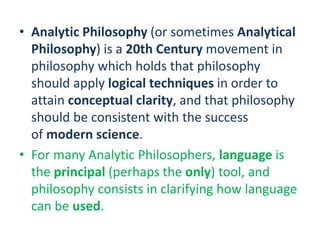
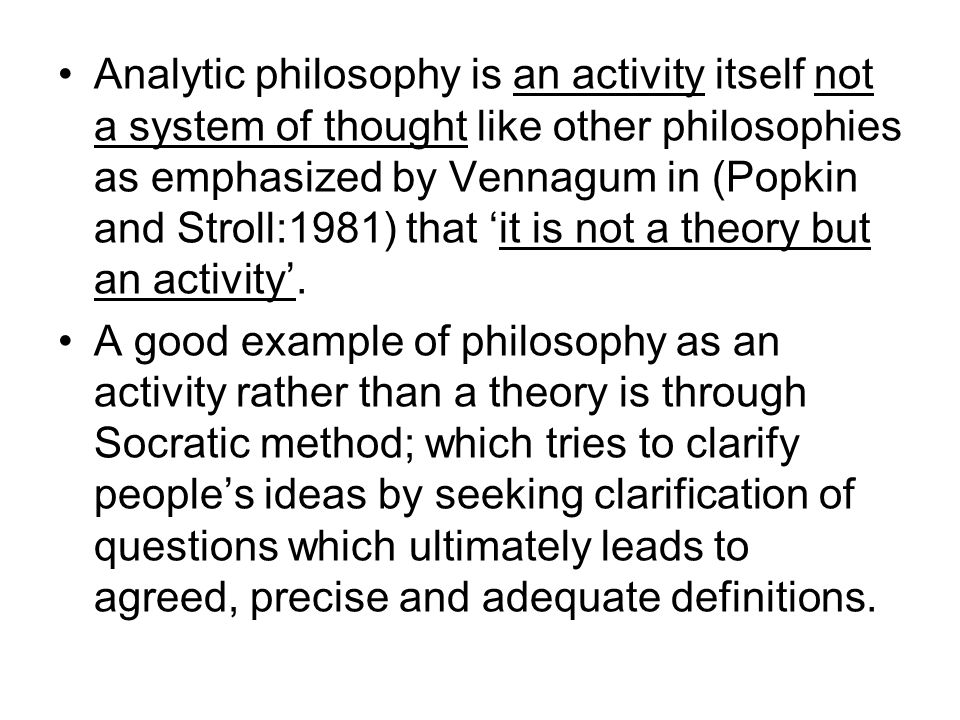



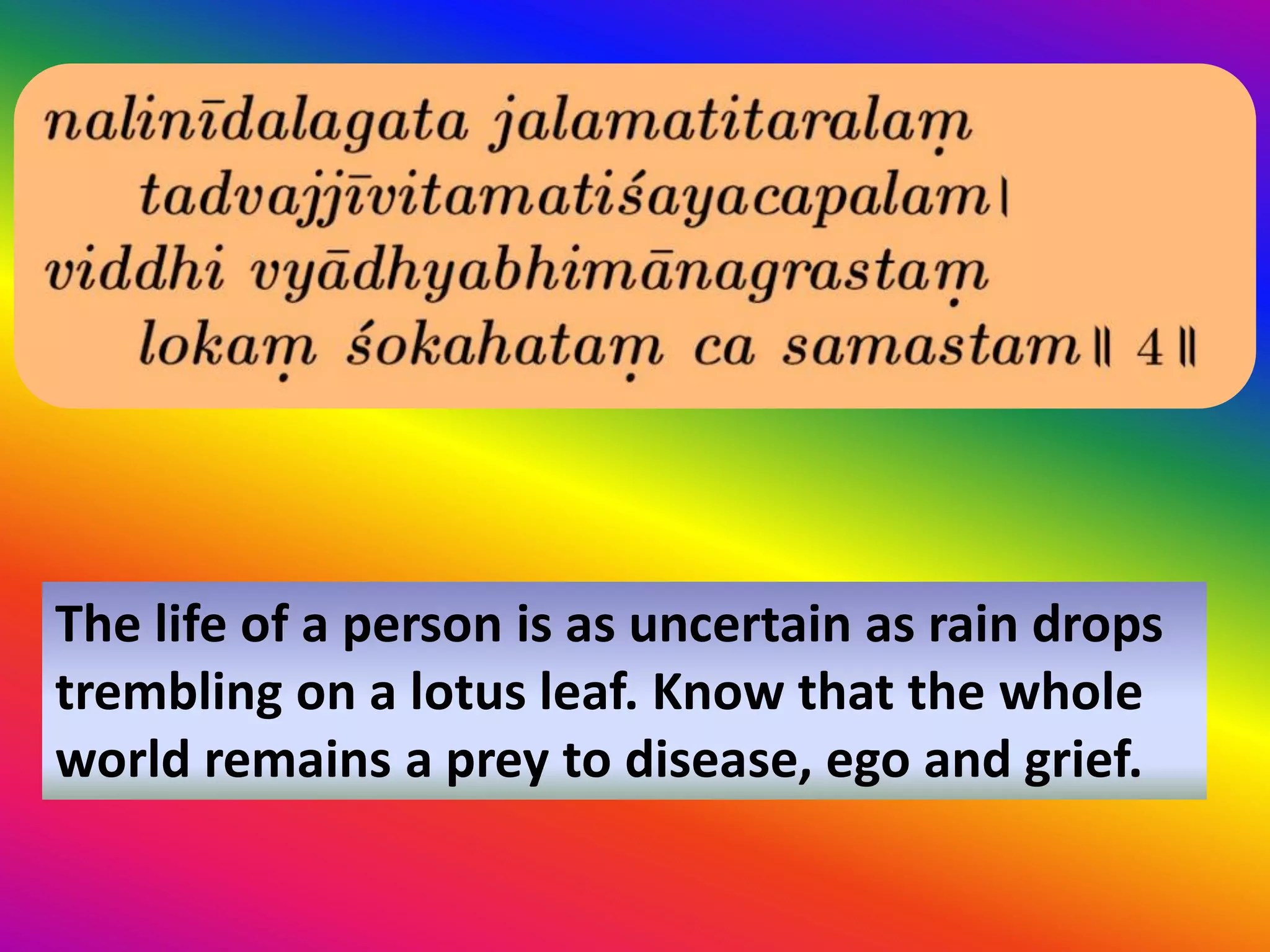









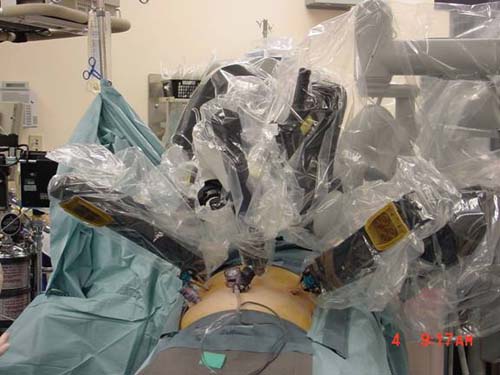





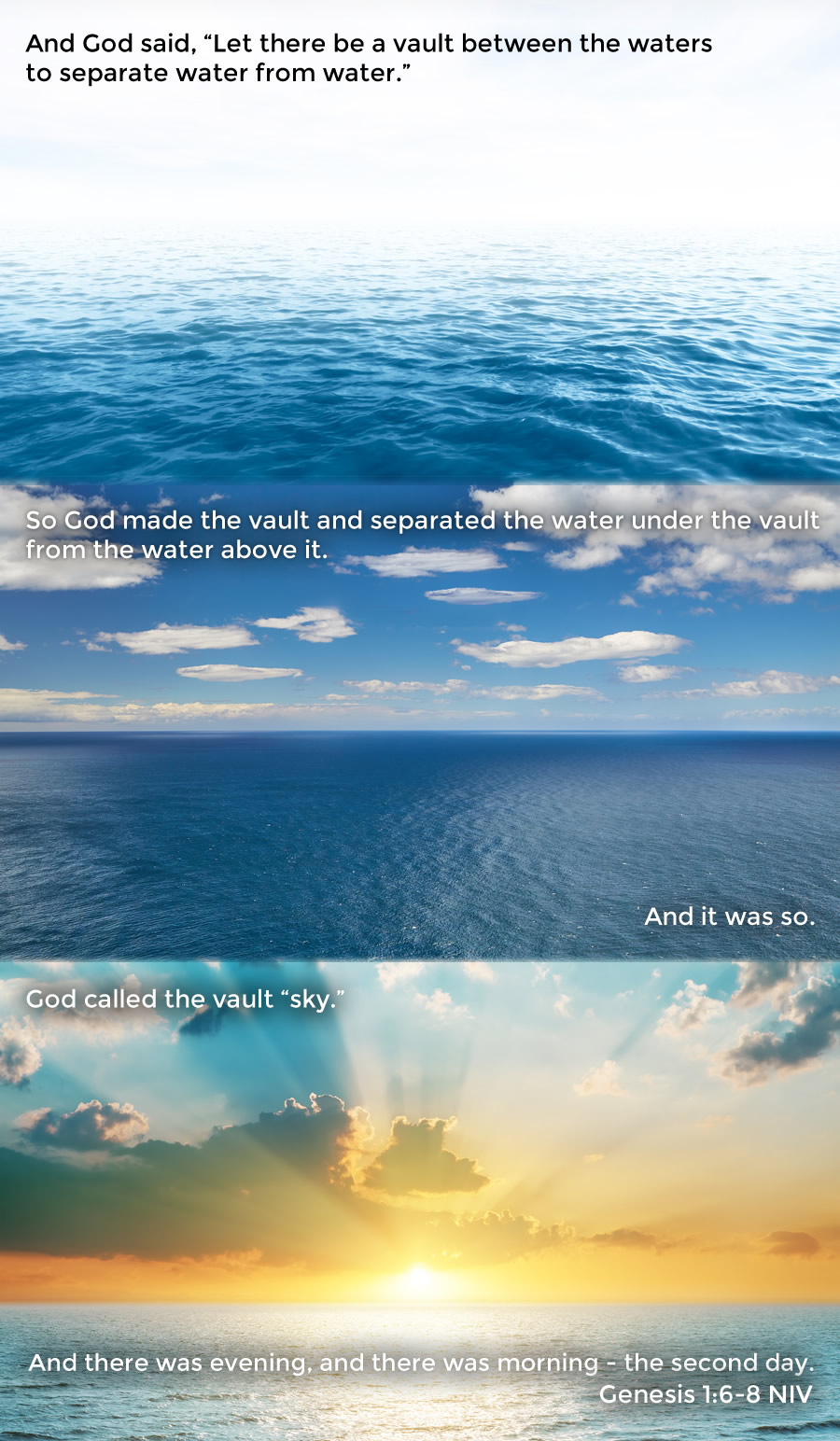

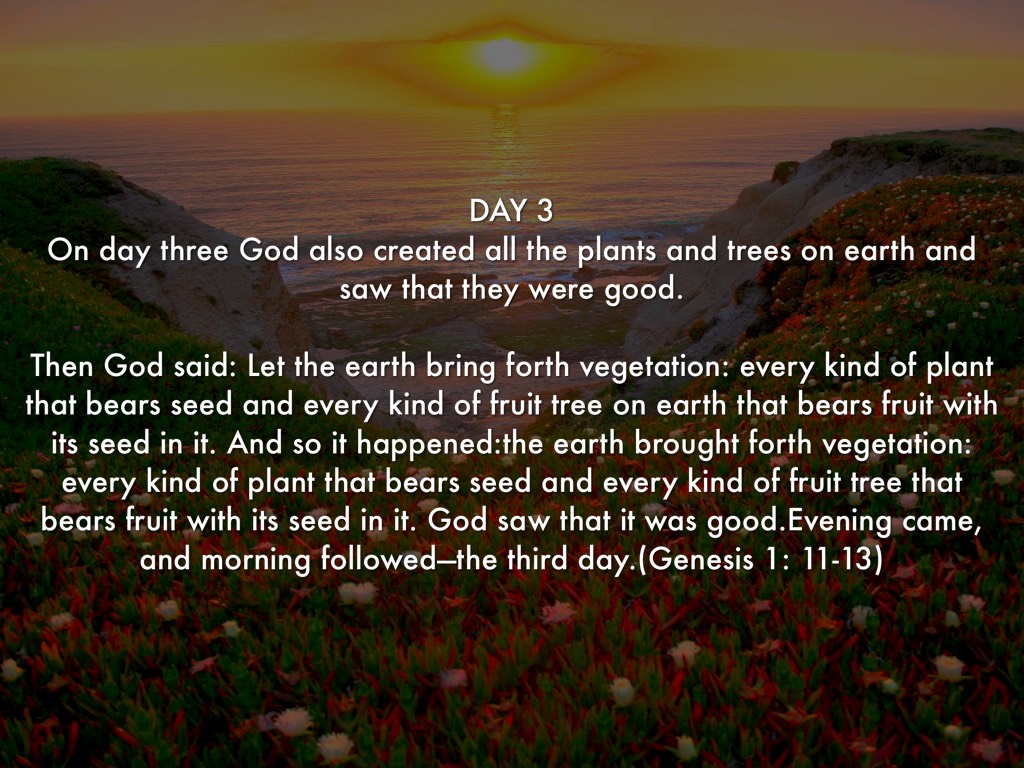
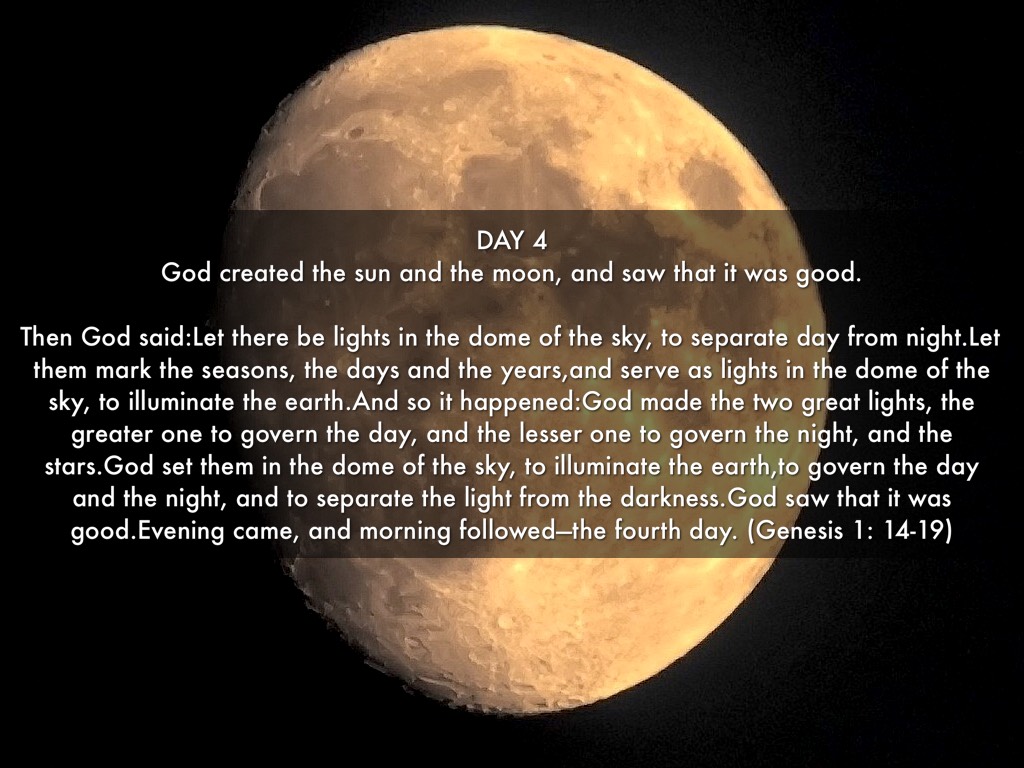

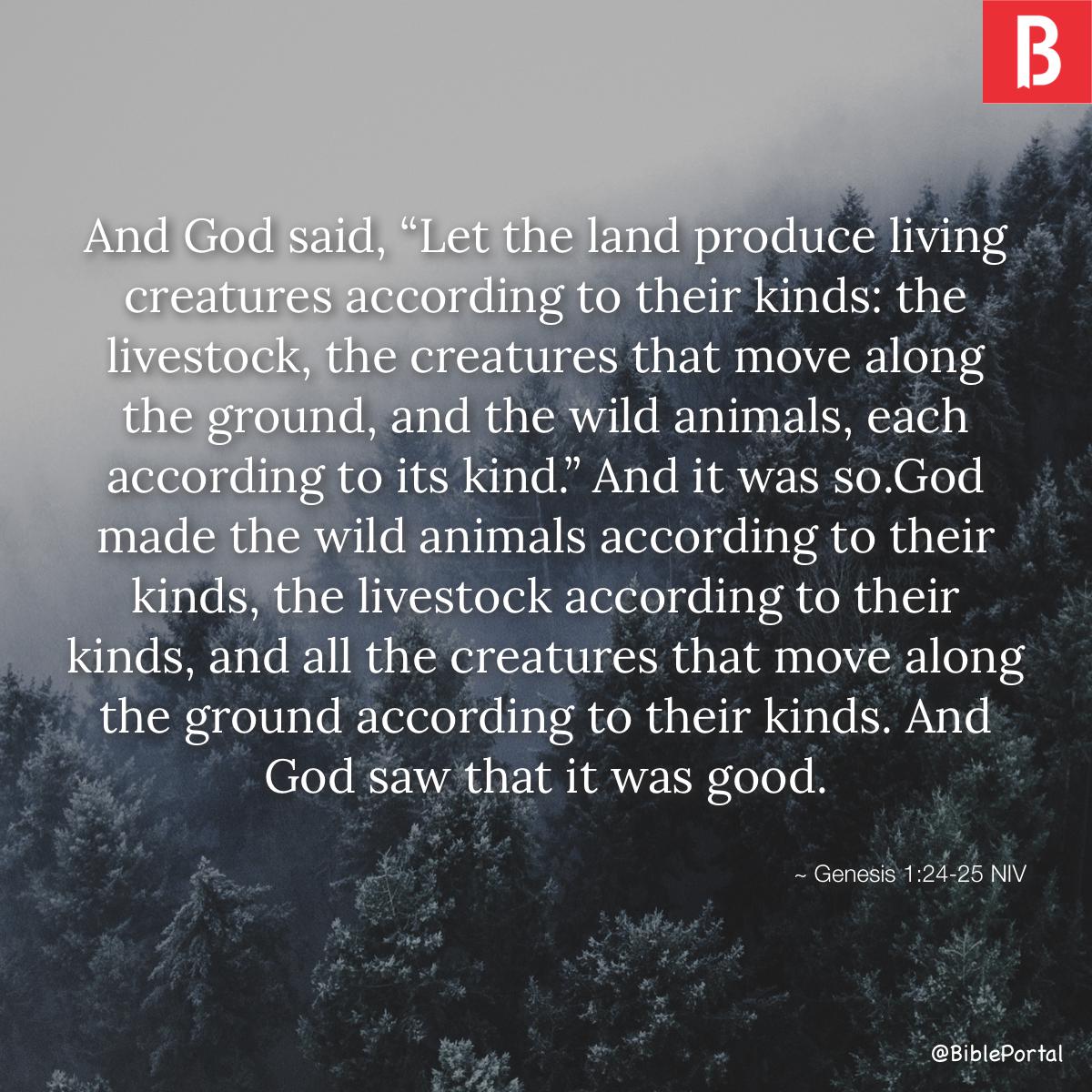

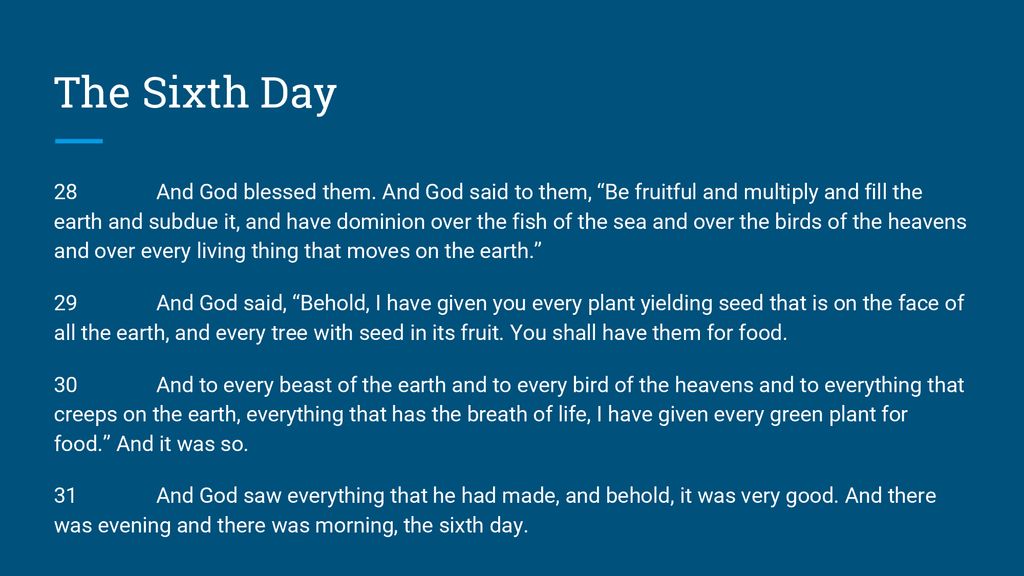

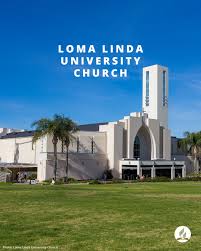


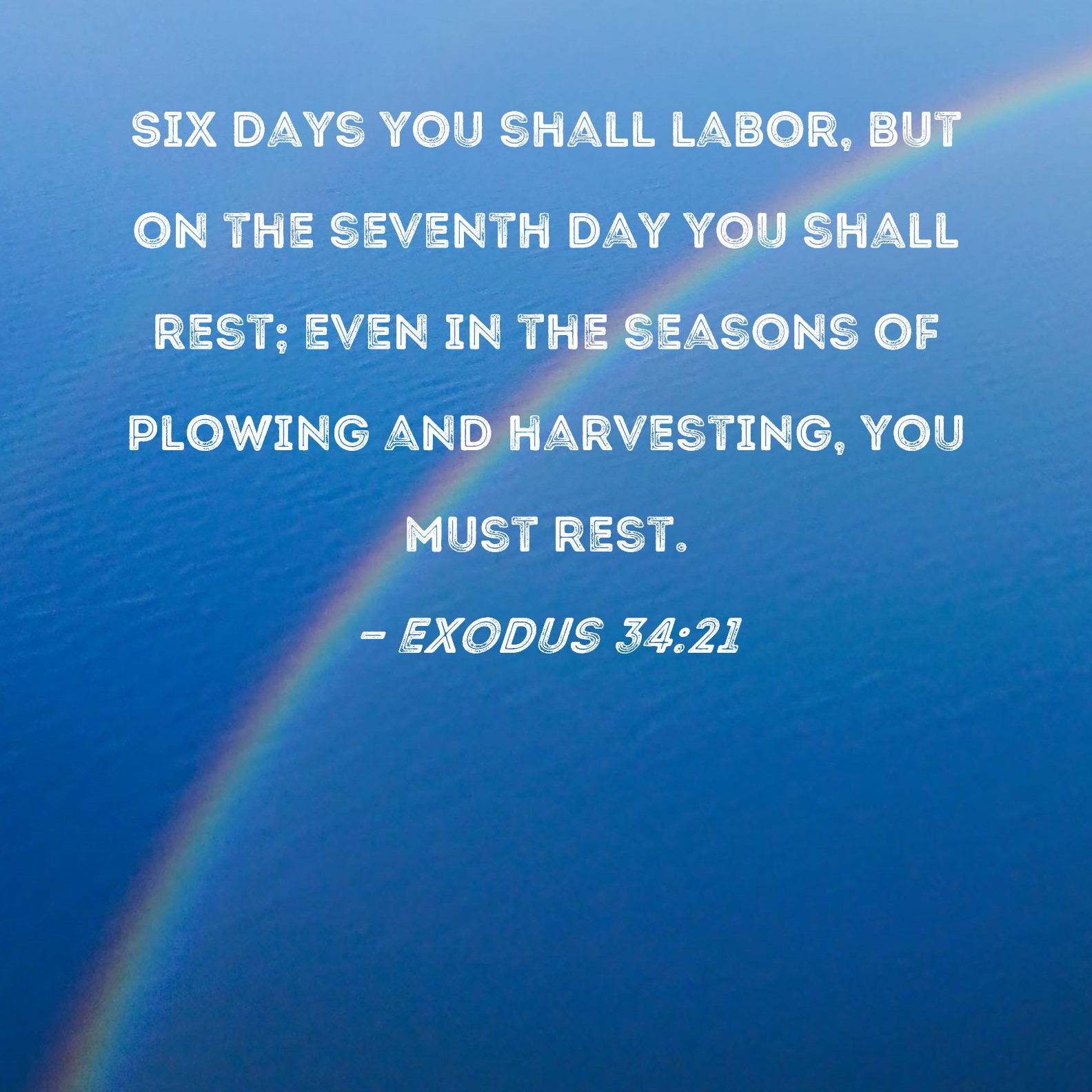






 Whole Dude - Whole Concept


