
Dr. Oliver Wendell Holmes, Professor of Anatomy and Physiology, Dean of the Harvard Medical School 1847-1882, says, “To live is to function and that is all there is in living.” Life is defined by the nature of its living functions. Consciousness is the absolute characteristic of all living functions and so I define Life as “Knowledge in Action.”
What is Consciousness?
Consciousness is described as a state of knowing, or awareness, or recognizing the existence, truth, or fact of ‘something’. What is that ‘something’ that is known or recognized by Consciousness? I propose to explore the contents of Consciousness to answer the question of what is Consciousness?
Consciousness is a Sense Experience:


Consciousness is generally viewed as a form of relationship or act of the mind towards objects in nature. Consciousness has been described as a continuous field or stream of mental sense-data. Some biologists and neurophysiologists view Consciousness as a brain function and describe it as an exclusive function of the nerve cells; neuronal and axonal function. Dr. Florian Mormann and Dr. Christof Koch have defined Neural Correlates of Consciousness (Florian Mormann & Christof Koch (2007) NCC, Scholarpedia 2(12):1740 ) as the minimal neuronal mechanisms jointly sufficient for any one specific conscious percept. Further, Mormann & Koch state that, “Consciousness is a puzzling, state-dependent property of certain types of complex, biological, adaptive, and highly connected systems. A Science of Consciousness must strive to explain the exact relationship between phenomenal, mental states and brain states.” They have posed the question: ” What is the nature of the relationship between the immaterial, conscious mind and its physical basis in the electro-chemical interactions in the body?
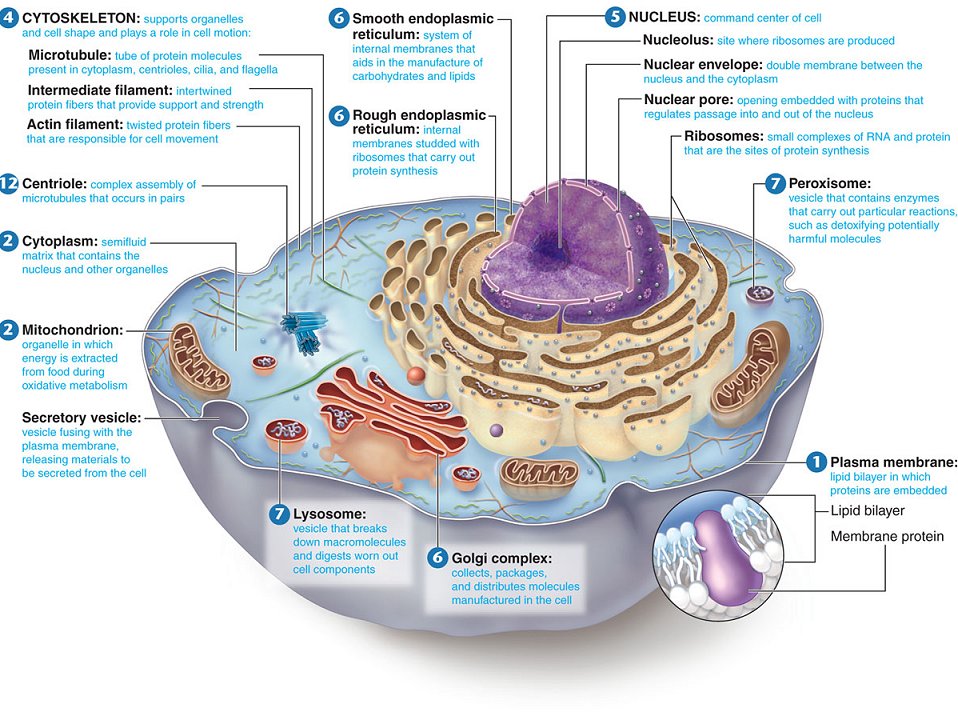
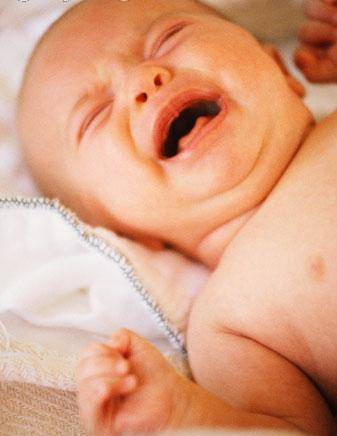
The answer to the above question is very simple. Consciousness is related to a material substance that is called Protoplasm and electro-chemical interactions in the body describe the properties of this living substance or material. The brain cells and all other cells have the same basic features; they are constituted by Protoplasm which has a Biological Membrane to define the limits of the Cell. Mormann & Koch also erroneously suggest that, “Only a few particular systems can experience anything, why they are Conscious and other systems such as the enteric nervous system or the immune system are not Conscious.” The enteric nervous system does in fact provide a wide range of Conscious experiences. A baby would respond with a cry when it experiences gripes or colic. In the practice of Clinical Medicine, the evaluation of pain as a symptom and as a diagnostic clinical sign plays a very significant role. The pain experienced by an individual with gastrointestinal, or genitourinary problems, or from inflammation of tissues and organs, and from problems with skeleton and musculature is registered by Consciousness. The immune system behaves in a Conscious manner and displays specificity, selectivity, and memory. A Living Cell is a highly complex, biological, adaptive, and highly connected system known in Natural Science. A simple understanding of various cell functions would explain this issue. For example, mitochondria are organelles found within most cells which provide the cells with energy. Extensive protein translocation occurs in mitochondria where about one thousand different polypeptides are imported from the cytosol. This event is orchestrated by distinct translocation machineries in the outer and the inner mitochondrial membranes. Mitochondria display functional awareness and perform the task of oxidising sugars and fats in a deliberate, and sequential manner that involves the use of different enzymes to facilitate each chemical reaction.
Consciousness is a Physical or Body Experience – The Concept of Homeostasis:
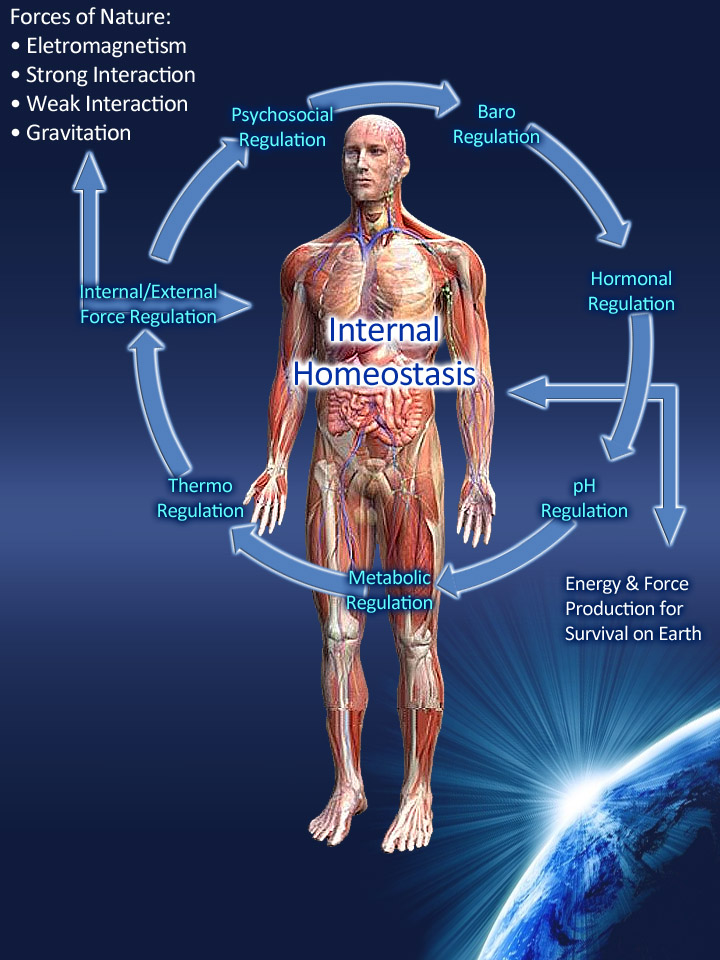
Apart from thoughts, intellect, feelings, moods, and perception of various sensory information, man is aware of the fact of and the state or condition of his physical existence. Man is aware or Conscious of hunger, thirst, and sexual drive. Man is aware of vital functions like respiration, and circulation. Man is alerted and often reacts with a sense of fear when these vital functions are disturbed or threatened in a significant manner. Consciousness or awareness includes awareness of bodily functions such as appetite, lack of appetite, nausea, vomiting sensation, deglutition (the act of swallowing food and drink), satiation, and the functions of excretion and the associated sensations like the fullness of the bladder, and rectum. The human organism has awareness of its internal condition such as the state of hydration, water and electrolyte balance, and acid/base balance. The chemical events collectively called “metabolism” require the concentration of hydrogen ions and electrolytes to remain within narrow limits in the tissue cells and in the fluids which bathes them. Body responds to both volume changes and changes in the osmotic pressure of the body fluids. Life is possible only if the hydrogen ion concentration of body fluid is kept within a narrow range. In health, a blood hydrogen ion concentration of 36-44 nmol/liter or pH 7.37 – 7.45 is maintained by several closely integrated but widely differing mechanisms.
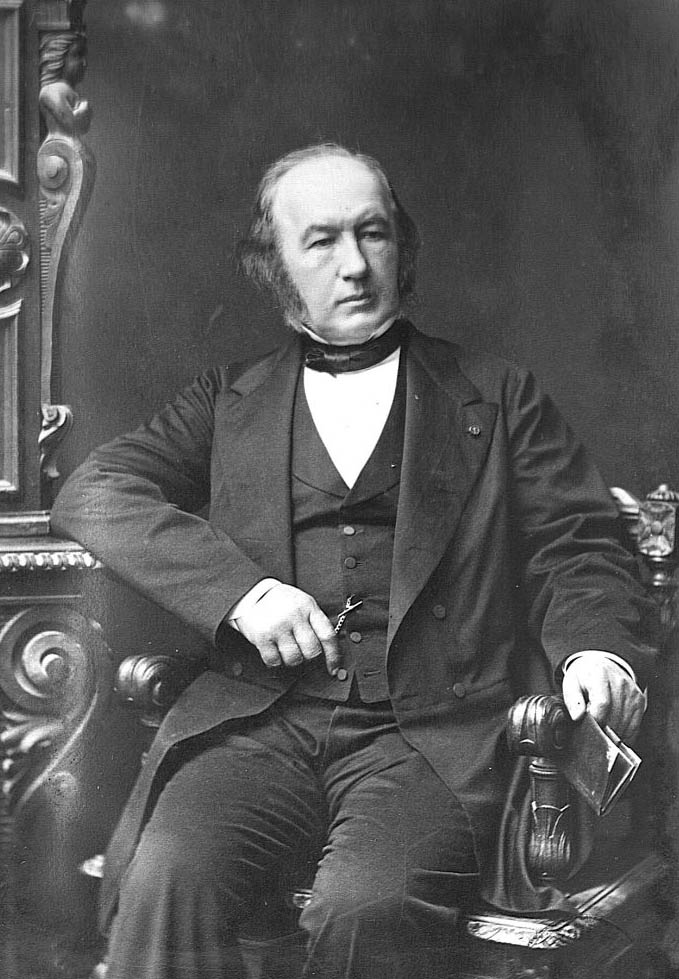
19th century French physiologist Claude Bernard had defined “Homeostasis” as “all the vital mechanisms, varied as they are, have only one object; that of preserving constant the conditions of life.” All living things maintain a constant internal environment or Internal Milieu. Living cells and organisms are aware or Conscious of the environment in which they exist as well as the state of their own internal environment making possible to witness this phenomenon of Homeostasis.
Consciousness is a Cellular Experience:

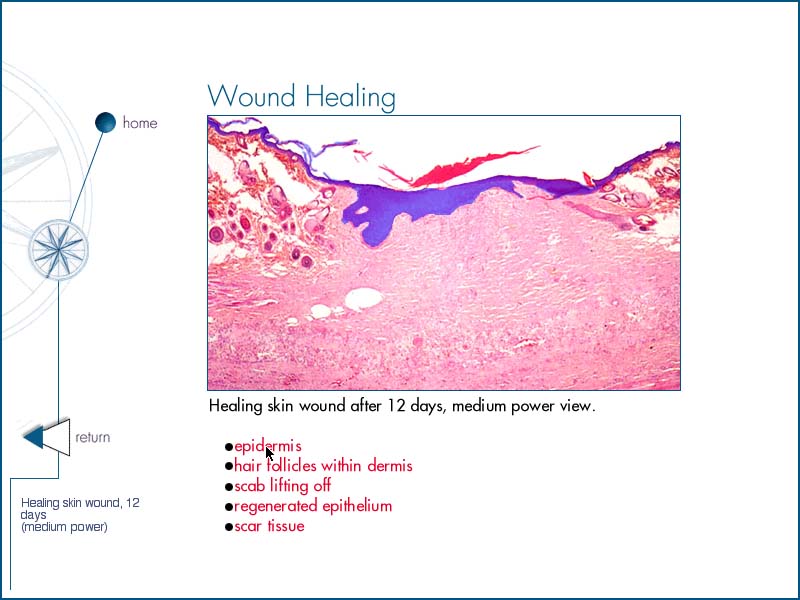
Dr. Oliver Wendell Holmes, the former Dean of Harvard Medical School had defined Life by stating that, “To live is to function and that is all there is in living.” Who or what is the subject who lives because of its living functions? Consciousness is a cellular experience of the cells of the brain and the body. It is an experience shared by the Whole Organism. It is an experience shared by all the living cells. The living functions of cells include uptake and conversion of nutrients, synthesis of new molecules, production of energy, and regulation and coordination of metabolic sequences apart from the function of reproduction by asexual cell division. All the solid tissues in the human body can be shown to consist largely of similar cells, differing it is true, but that are essentially similar to an ovum. The most significant feature of similarity between the cells is the presence of a soft, gelatinous, semi-fluid, granular material inside the cell. This substance known as Protoplasm is similar to that found in the ovum or the egg cell. This viscous, translucent, colloidal substance is enclosed in a membrane called Plasma Membrane or Biological Membrane. A small, spherical body called nucleus is embedded in the protoplasm. The protoplasm could be differentiated into cytoplasm/cytosol, and nucleoplasm based upon its location. Cytoplasm refers to protoplasm located outside the nucleus. Nucleoplasm refers to the protoplasm located inside the nucleus. The two essential features of any living cell in the human body are that of the presence of protoplasm and the nucleus. The most striking characteristics of protoplasm are its vital properties of “Motion”, and “Nutrition.” Protoplasm has the intrinsic power to change its shape and position and the motion is described as amoeboid movement as the motion is similar to the motion that is observed in Amoeba proteus. Nutrition is the power which protoplasm has of attracting or drawing the materials that are necessary for its growth and maintenance from surrounding matter/environment. Nutrition is not a passive, unguided, and physical event. The Biological Membrane or the Plasma Membrane allows a highly controlled exchange of matter across the barrier it poses; some compounds are able to pass through the Membrane easily, others are completely blocked. The Biological Membrane helps to maintain cell’s internal environment or constant interior milieu in which intracellular reactions occur. To maintain life, the cell not only repairs or replaces, (or both) its structures by continual synthesis of new organic molecules. This is characteristic of functional awareness or Consciousness that is at work at the cellular level. The human organism uses a repair process and it is described as Inflammation and Repair. Wound healing, and hemostasis (or blood leakage or bleeding from an injured blood vessel is controlled) are natural mechanisms operated by Cellular Consciousness. Human existence is possible because of this valuable and protective healing process which comes into immediate play after an injury or damage. Similarly, the human organism defines its identity and defends its existence by deploying unique protein molecules such as the antibodies. Antibodies recognize their antigens or foreign protein molecules with high affinity and extreme selectivity. The ability to develop specific immunity to infection is only one consequence of a wider capacity in the individual to recognize and to specifically respond to the foreignness of an extensive range of biological substances that are not normally present in the body of that individual. The adaptive immune system remembers that particular infectious agent and can prevent it causing disease later. The immune system consists of a variety of molecules and cells that are distributed throughout the body. They play an important role in inflammation, tissue damage and repair, the killing of bacteria, viruses, and tumor cells. Cellular Consciousness defends human existence.
Consciousness is a Social Experience:

Sociology lays claim to the whole of human life beyond the biological level because virtually all human activities possess a social aspect. Consciousness can be viewed as the capacity in an individual to form harmonious relations with others and to participate in or contribute constructively to changes in the social environment. Man is a social being and he is aware of the social structures and the social organization that he is part of. Parental instincts and social instincts describe an aspect of social behavior exhibited by all animals. Animals exhibit social behaviors and form parental societies to care for their offspring. Bacteria come together to live as colonies. At cellular level, the social aspect of Consciousness is reflected by the cell’s abilities such as association, cooperation, communication using signaling molecules, recognition, and functional subordination in its interactions with other living cells present in its environment. In an Ecological System, the Consciousness plays the role to establish the interrelatedness, the interdependence, and the interconnectedness.
Consciousness is a Moral Experience:
Consciousness is the attribute of a conscientious person. Conscious behavior is often described as conscientious action that is scrupulous, characterized by or done with careful attention. Conscience describes awareness of one’s own acts and the application of knowledge to discern an act as right or wrong, good or evil, selfish or altruistic. Man has the intrinsic ability to recognize his acts of transgression or sinful conduct. Man is a creature with conscience and hence exists as a moral being.
Consciousness is a Spiritual Experience:
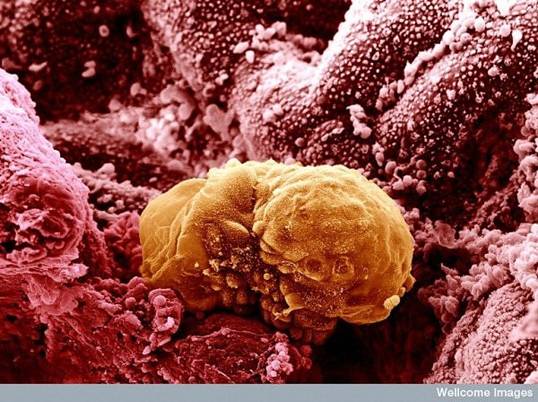
The word spiritual is often used to describe the fact of having a relationship based on sympathy of thought or feeling. Consciousness has a spiritual function as it establishes a relationship between the energy dependent living cell and its energy provider. The living cell is a thermodynamically unstable system. This means that without continuous input of energy, a cell will degrade spontaneously into a nonliving collection of molecules. The life’s journey of the human organism begins as a single cell, that of a fertilized egg cell. This single fertilized egg cell is Conscious of its existence, is Conscious of its energy dependence and it promptly connects itself to its energy provider. Human life begins to move forward when this egg cell implants itself into the maternal tissue and the biological mother has no cortical awareness of this implantation. Cortical awareness does not describe the Totality of Consciousness. The Science of Consciousness must describe the mental, the sensory, the physical, the cellular, the social, the moral, and the spiritual aspects of Consciousness.
Consciousness is awareness of Existence in an Environment:

Consciousness describes the condition of an individual; the condition of knowing, awareness, or recognizing the fact, the state, and the act of existence or living in a given environment. Thus, Consciousness is a natural principle that could explain what an individual knows and experiences about the world around one and inside one. There are two aspects of Consciousness that is registered subjectively by an individual; 1. Consciousness is a state of knowing or awareness of what goes on around an individual, and 2. Consciousness is a state of knowing or awareness of what goes on within the individual. Who is this individual who has the ability to know and be aware of its external and internal environment? The term environment refers to all the conditions, circumstances, and influences surrounding, and affecting the existence of a given individual, or group of individuals. The individual is a living organism and the organism could be unicellular or multicellular.
Consciousness and Material Substance:

Consciousness is an absolute attribute of Life; it is the fundamental characteristic of living matter or living substance described as Protoplasm or Cytoplasm, the essential living matter or material substance of all animal, and plant cells. Wherever Protoplasm is found, irrespective of the size, shape, and form of the cell or of the living organism, the contents of its Consciousness could be discovered.
Consciousness – The Law of Individuality and Creation:

The contents of Consciousness vary from individual to individual. There are individualistic variations in the contents of Consciousness. There can never be two identical living individuals. Even when the cells are cloned and have the same or identical genomes, the state, or condition of Protoplasm that is Conscious is never identical. With the same genome, or different genomes, the living cells can only exist or live as individuals and they have no other choice. The living substance is the same, and the nature of Consciousness is the same and yet the contents of Consciousness are not the same. This Individualistic variation of Consciousness is the characteristic of what I describe as ‘The Law of Individuality and Creation’.
The Principles of Consciousness:

Consciousness is the natural principle, the vital principle that moves and animates all Life. It has a set of defining features; it is the principle by which a living cell or organism knows the fact of its own existence, it knows as to where it exists, and knows as to how it is existing. Cognition is described as the act of knowing. Cognitive Science involves the study of all human activities related to Knowledge. These activities include attention, creativity, memory, perception, problem solving, thinking, and the use of language. Cognition is the process involved in knowing, or the act of knowing which includes awareness and judgment. The nature of cognition, the relationship between the knowing mind and external reality, is applicable in the study of living functions that are characteristic of the living substance or material called Protoplasm. These functions at cellular level that require cognition include nutrition, reproduction, metabolism, and association with other living cells present in the immediate environment. The human brain is often viewed as the Seat of Knowledge. Human brain’s ability to acquire, process, store, and use of information is essentially a function of the cytoplasm of the brain cells. Cognitive functions like perception and memory would establish Protoplasm as the Seat of Knowledge.
Consciousness in the Human Multicellular Organism:

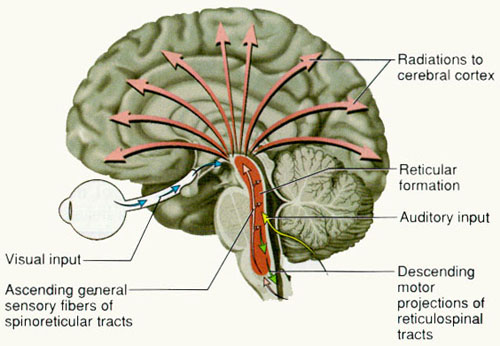
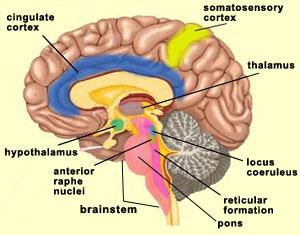
There are two distinct aspects of human Consciousness namely the Capacity for Consciousness and the Contents of Consciousness. When Consciousness is viewed as a psychological or strictly as a mental function, it is represented by the Contents of Consciousness which is a function of the Cerebral Cortex. When Consciousness is understood as a biological or living function, it is represented by the aspect of Capacity for Consciousness. The upper brain-stem, the neural structures like the Reticular Formation, and Thalamus function to compose the contents of Consciousness and project the contents to the cerebral hemispheres via the tracts of the Ascending Reticular Activating System. The integrity of these neurons and neural connections is important to maintain the alertness, and Arousal State of the Whole Organism in its relationship to its environment and internal maintenance of coordination of various living functions.
The grading of Consciousness in Clinical Medicine:

Apart from philosophers, psychologists, psychics, theologians and others, the term Consciousness is frequently used by the practitioners of Clinical Medicine. It is a useful term with several practical applications in the management of individuals with a variety of conditions that impact the neural functions, particularly the Arousal. In medical practice, the assessment and grading of Consciousness serves the purpose of being good predictor of the eventual long-term outcome or prognosis of the underlying disease or medical condition.

In Clinical Medicine, the medical practitioner evaluates the Level of Arousal or Alertness of his patient. The different levels of Consciousness are:
a. alert or awake, fully Conscious and fully Oriented to person, place, and time. This Orientation represents the normal operation of Higher Intellectual Functions. A person who is Conscious, but is under the influence of alcohol or other psychotropic drugs, neural stimulants or depressants may not be fully oriented.
b. phase of automatism – the person is not fully alert as in Sleep-walking, or recovering from the effects of anesthesia.
c. Lethargic – drowsy, sleepy, but easily arousable.
d. Delirium – a state of mental confusion, a toxic condition, altered physical, and mental state or condition.
e. Stupor – semiconscious, responsive only to painful stimuli.
f. Coma – Unconscious or not responsive to painful stimuli.
Similarly, the Edinburgh method of grading Consciousness is:
Grade 0 – Fully Conscious
Grade 1 – drowsy but responsive to vocal command.
Grade 2 – Unconscious but responsive to minimal painful stimuli.
Grade 3 – Unconscious but just responsive to strong painful stimuli.
Grade 4 – Unconscious with no response to verbal commands and all other painful stimuli.
The Glasgow Coma Scale (GCS ) is universally used in the assessment of the head injury victim. This Scale measures and provides a score that ranges from 3 to 15 points by evaluating three kinds of responses from the patient.
1. Eye Opening: Spontaneous eye opening=4; Eye opening in response to command=3; Eye opening in response to painful stimuli=2; and no response of eye opening=1.
2. Motor Response: Obeys commands=6; Localizes pain=5; Shows flexion( decorticate ) response to pain=3; Shows extension ( decerebrate ) response to pain=2; and no response( no reflex muscular activity )=1.
3. Vocal Response: Oriented to person, place, and time=5; Confused=4; Shows inappropriate speech=3; Makes incomprehensible sounds=2; and no vocal sounds=1.
Such neurological evaluations are repeated periodically to record significant changes in the medical condition of the patient. However, it must be noted that Clinical Medicine always evaluates the totality of all living functions and the medical usage of the terms Conscious and Unconscious represent a careful interpretation in the context of the medical condition of the patient.
The Totality of Consciousness:
The Science of Consciousness must explore and investigate the entire contents of Consciousness. By understanding the nature of experience provided by the Totality of Consciousness, the condition, the state, or the act of being Conscious could be explained.
Consciousness is a Mental Experience:

The term consciousness is most widely used as meaning ” attention to the contents or workings of one’s own mind.” English philosopher John Locke defined Consciousness as a psychological condition; it is described as the perception of what passes in a man’s own mind. In Indian tradition, mental activities are of four kinds and collectively constitute what is named as “ANTAHKARANAM”; these are : 1. “MANAS”- the seat of thoughts, 2. “BUDDHI” or intellect and knowledge, 3. “CHITTA” or the seat of emotions such as Kindness and Love, and 4. “AHAMKARA” or self-ego. The mental experience or knowing of these activities of thoughts, intellect, moods, feelings, and self-ego describe Consciousness as a mental experience. Using this view, many philosophers, religious thinkers, and mystics have shared their experience of different levels of Consciousness and have given names to the higher levels or states of Consciousness. Terms such as Pure Consciousness, Cosmic Consciousness, and Super Consciousness may describe some kind of mental experience and such terms may not add any information to understand the Totality of Consciousness and its experience.