Whole Dude – Whole Oppression

Whole Dude – Whole Oppression:The Ten Commandments – A Challenge to Hindu Existence.

The Ten Commandments:

Whole Dude – Whole Oppression:Ten Commandments – A Challenge to Hindu Existence.

The “Ten Commandments” are given in the Book of Exodus, The Second Book of Moses, The Old Testament of Holy Bible and are repeated in the Book of Deuteronomy,The Fifth Book of Moses. In Exodus, Chapter 20, verses 1-5 read as follows:

And God spoke all these words, saying:

2. “I am the LORD your God, who brought you out of the land of Egypt, out of the house of bondage”.

3. “You shall have no other gods before Me.”

4. “You shall not make for yourself a carved image-any likeness of anything that is in heaven above, or that is in the earth beneath, or that is in the water under the earth.”

5. “You shall not bow down to them nor serve them. For I, the LORD your God, am a jealous God, visiting the iniquity of the fathers upon the children to the third and fourth generations of those who hate Me.”

Whole Dude – Whole Oppression:Ten Commandments – A Challenge to Hindu Existence.

The ideas and thoughts that are expressed in the above Commandments basically oppose attitudes and personal behaviors which constitute and define Indian Identity. If I accept the Ten Commandments, even the simple practice of traditional greeting of “Namaskar” would be prohibited. I greet my God with ‘Namaskar’ and so also I greet my parents, my teacher, my guests, the Sun, the Light, the river, the mountain, the monkey, the cow, the plant, the tree, the rock, the idol with the same reverence and in the same way.

Whole Dude – Whole Oppression: Ten Commandments – A Challenge to Hindu Existence.

The term ‘omnipresent’, being present everywhere at the same time describes God’s Absolute nature and Indians are culturally driven to seek divinity in all living objects and in all objects of this created world and universe. I touch and worship feet, I worship the fire, the water, the sky and the earth. I have a complete freedom of choice. I choose the object that I want to worship and do it at a time, place and manner that appeals to my free will.The Commandments intend to take away that freedom of expression and the manner in which I worship God.

I expressed my concerns about “The Ten Commandments” in an essay that was published in ‘The Ann Arbor News‘ in its daily edition dated Wednesday, March 1, 2000. I am reproducing the “OTHER VOICES” essay:

Whole Dude – Whole Oppression:The Ten Commandments – A Challenge to Hindu Existence.

Indiana on verge of imposing religion on people

The Ten Commandments and the imposition of Religion on people.

I am indeed distressed to read the news report from Indiana announcing that the state House as well as the Senate had overwhelmingly approved a bill that would permit the display of the Ten Commandments at public buildings, including schools.

This is not a trivial matter. That state is on the verge of imposing religion upon its people. A similar bill was introduced in the U.S. Congress during 1999. The idea of displaying the Ten Commandments is receiving widespread support from the conservative Christians. I am shocked there has been no public opposition to such bills apart from a small concern about violating the spirit of the U.S. Constitution.

Indiana state Rep. Jerry Denbo assumed that the Ten Commandments are not bad principles. Unfortunately, most Christians presume that the Ten Commandments are divine law and that they are benign and noncontroversial principles. Many proponents of these bills also believe that they can prevent juvenile crime and violence by propagating the Commandments.

What is generally not known to supporters of these bills is the fact that the First and Second Commandments have actually sown the seeds of religious intolerance, disharmony and hatred and inspired communal violence of an epic proportion.

These Commandments have curbed the religious freedom of innocent people who are totally unaware of the existence of the jealous God who delivered people from their bondage in Egypt. These Commandments have provoked and gave legitimacy to the religious persecution of helpless people who never even heard of a prophet by the name of Moses. These Commandments specifically deny an individual’s freedom to choose any god of personal choice and prohibit the right to offer worship to an image or form of one’s liking. These Commandments divide the people into two groups, the believers and the non believers.

Whole Dude – Whole Oppression: Ten Commandments – A Challenge to Hindu Existence.

In spite of their profound religious philosophy and the strength of spiritual knowledge, the Hindu community landed in the camp of non believers with very tragic consequences.

Unlike the Old Testament, the New Testament has no coercive language, and the ministry of Jesus has been a lot more tolerant of the non believers. Islam which emerged later, gave full recognition to Prophet Abraham and Prophet Moses. Islam only recognized Jesus as a prophet of lesser importance. Their holy book Koran or Quran, vehemently opposes the claim of Jesus to be the son of God.

However, Islam became a very strong and ruthless advocate of the first two of the Ten Commandments. Starting from early 11th century A.D., Muslim forces repeatedly invaded and attacked the people of the Indian subcontinent, for the Muslims hated the Indian people who are known for worshiping idols.

The Muslim armies carried out brutal and vicious campaigns, looting and plundering India with a belief that they were justly punishing people who are non believers. The Muslim attackers destroyed Hindu temples and ruined priceless pieces of art and architecture. The Muslim invaders not only enslaved the Indian people but also built their mosques over the sites where the Hindu temples stood before.

This religious persecution on such a vast scale continued unabated for several centuries.The memories of repression still linger in the minds of the victims and are reflected in the distrust and tension between the Hindu and the Muslim communities of the present day.

If the governor of Indiana decides in favor of displaying the Ten Commandments at public expense, he should omit the first two. He should refrain from promoting a bigoted notion that people who worship idols deserve to be punished, and he should not directly or indirectly infringe on the rights of the religious minorities of his State.    

Whole Dude – Whole Oppression:The Ten Commandments – A Challenge to Hindu Existence. Lord Rama whom I adore, during His life journey described in the epic poem of Ramayana worships His parents, His guru, the River Ganges, the Sun God, Lord Shiva, and others just like any other ordinary mortal being of Indian origin . Gods whom Indians worship participate in similar acts of worship. Lord Shiva worships Lord Rama and Lord Rama worships Lord Shiva.

The Ten Commandments pose a challenge to the survival of the seeds of ideas and thoughts that are planted in the Land of Bharat and the Indian Identity would only exist if people are willing to stand up to this challenge.

Whole Dude – Whole Oppression:The Ten Commandments – A Challenge to Hindu Existence.

Whole Dude – Whole Favorite

Whole Dude – Whole Favorite: Prince Karna my favorite Hero.

Dana, Veera, Soora  Karna (Generous, Brave and Courageous) is a man ‘True to his Salt’. But for his unflinching loyalty to his benefactor, the Story of Mahabharata would have been different. The Book of Matthew, Chapter 5, verse 13, reads, “You are the salt of the earth. But if the salt loses its saltiness, how can it be made salty again? It is no longer good for anything, except to be thrown out and trampled by men.” A man without character should be rejected.

Whole Dude – Whole Favorite: Prince Karna my favorite Hero. The New Testament Book, the Gospel according to Saint Matthew, Chapter 5 is popularly known as ‘The Beatitudes’. Verse 13, Jesus says, “You are the salt of the earth. But, if the salt loses its saltiness, how can it be made salty again? It is no longer good for anything except to be thrown out and trampled by men.”

THE ROLE OF CHARACTER IN DEFINING IDENTITY 

Dr. Martin Luther King wished for the day when his sons would not be judged by the color of the skin but by the content of their character. Character is defined as the combination of qualities or features that distinguishes one person, group or thing from another. Character is a description of a person’s attributes, traits or abilities. 

PRINCE KARNA – A TRUE HERO: 

Whole Dude – Whole Favorite: Prince Karna, a true hero.

In the Indian epic of Mahabharata, Prince Karna is allied with the enemies of the Pandavas. Karna is the first son of Queen Kunti and is the half brother to the Pandavas and is the eldest of them. However, Queen Kunti abandoned him after his birth and he is known as “ Radheya” and as ‘Suta Putra” as he grew up in the house of a charioteer. Karna sought a position at the court in Hastinapura. His identity as a low-caste person came in the way of his quest for knowledge and mastering the art of archery. Dronacharya the teacher of Kuru princes refused to teach him. Later, Dronacharya held an archery contest in Hastinapura and Karna was publicly humiliated as he was made ineligible to participate in the competition for he had no princely status. Duryodhana, the eldest of the Kaurava brothers came to the rescue of Karna to spare him from public humiliation. He immediately appoints Karna as the King of ‘Anga’ province and made him eligible to participate in the archery contest. Thus Karna became a true friend and a loyal ally of Prince Duryodhana. Karna fought for the Kauravas in the great battle at Kurukshetra. Because of the fear of the impending battle, Queen Kunti approached Karna and for the first time revealed her identity as his mother and addressed him as “Kunteya.” The true character of Karna comes out when he told his mother that he must fight the Pandavas but promised not to kill any of them other than Prince Arjuna. On the 15 th day of the battle, Karna was appointed as the Commander-in-Chief of the Kaurava forces. Karna braved impossible odds in his whole life and died with great courage, valor and honor. It was Karna’s fate to be sacrificed in a climatic battle with Arjuna. It is a death that is a reminder of the necessity of sacrificial destruction for redemption.

The dignity with which Karna conducted his life makes him my favorite hero and I claim Loyalty, Dependability and Trustworthiness as the bench marks of Indian Character and Indian Identity. 

ESSENCE AND EXISTENCE: 

Whole Dude – Whole Favorite: Prince Karna my favorite Hero. Salt enjoys a special status among all food substances that man consumes. The intimate connection of salt with the idea of a “COVENANT” or binding contract or binding relationship, as a mark of Loyalty and Faithfulness, between man and God and between man and man is recognized in all human cultures.

The essence of salt exists in its flavor and if salt loses its taste and flavor, its existence has no purpose and it would be discarded. A man has to define as to who he is, his true nature and his existence would be valued as long as he retains the flavor of his essence. The reality of existence is a prerequisite for having essence and a man of character and integrity would only exist to display his true nature. 

Whole Dude – Whole Favorite: Prince Karna is my favorite Hero. The Indian Army values Naam (Reputation, Dignity, Honor), Namak (Fidelity, Loyalty), and Nishan (the Symbols of National and Regimental Identity).

To many of us who have the privilege to serve in Uniform, nothing is really more important than being true to the Covenant of Salt or Namak which stands for our true nature or character. Many had cheerfully accepted the test of Loyalty and willingly sacrificed their precious lives in the discharge of their military duty and I am proud to describe this as our national character and as our true Identity. 

Whole Dude – Whole Favorite: Prince Karna my favorite Hero. Statue of Karna in Karan Tal Park, Karnal, Haryana.

Whole Dude – Whole Values

Whole Dude – Whole Values: Bharat, the Land of Cultural Values. Vande Mataram. Salutations to Mother India.

Bharat: The Land of Cultural Values:

Whole Dude – Whole Values: Bharat, the Land of Cultural Values.

Blessed are the meek, for they will inherit the earth”.

The Book of Matthew, Chapter 5,verse 5 of The Holy Bible teaches that humility has its own rewards. But, Bible fails to offer the tools to practice the Art of Humility.

Whole Dude – Whole Values: Bharat, the Land of Cultural Values

I inherited a sense of humility from the Land of Bharat.I consider humility as my acquired behavior and my Culture helped me to learn it through repeated practice and by giving me opportunities to display it in every aspect of my life. My Indian Identity is defined by this Cultural value. The ultimate purpose of life is defined as getting back to the Lotus Feet of the Lord. I am encouraged to touch and worship feet to reach my goal with a sense of humility. I began the process of learning with a sense of meekness. First I was directed to humble myself before Lord Shiva. I seek pure and perfect knowledge and humility is the light that shines on the path to wisdom. Humility is the gentle wind that dispels the dark clouds that prevent you from viewing the brilliant sun shining in the sky. Ego, like the cloud that causes darkness, could be driven away by learning to be humble. In my daily life, I am given the opportunity to humble myself several times.

Whole Dude – Whole Values: Bharat, the Land of Cultural Values

My living experience is full of interactions with objects which I am guided to treat with a sense of reverence. The Sun, the Sky, the Moon and the Stars, the Wind, the Earth, the River and Water, the Fire and the Light, the Mountain and the Hill, the Plants and the Trees, the flowers, the fruits, the grains and the orchards, the lion, the tiger, the elephant, the Cow, the Bull, the Monkey, the Eagle and the Peacock, the Snake, the Spider, the Rat and the changing seasons I view with respect. As a kid , my learning experience began with showing respect to my parents, my elders, my teachers and the idols and the images that receive worship. The essence of my learned behavior is humility. The Land has given me a sense of meekness and with that I may inherit the Identity of the Ultimate Reality.

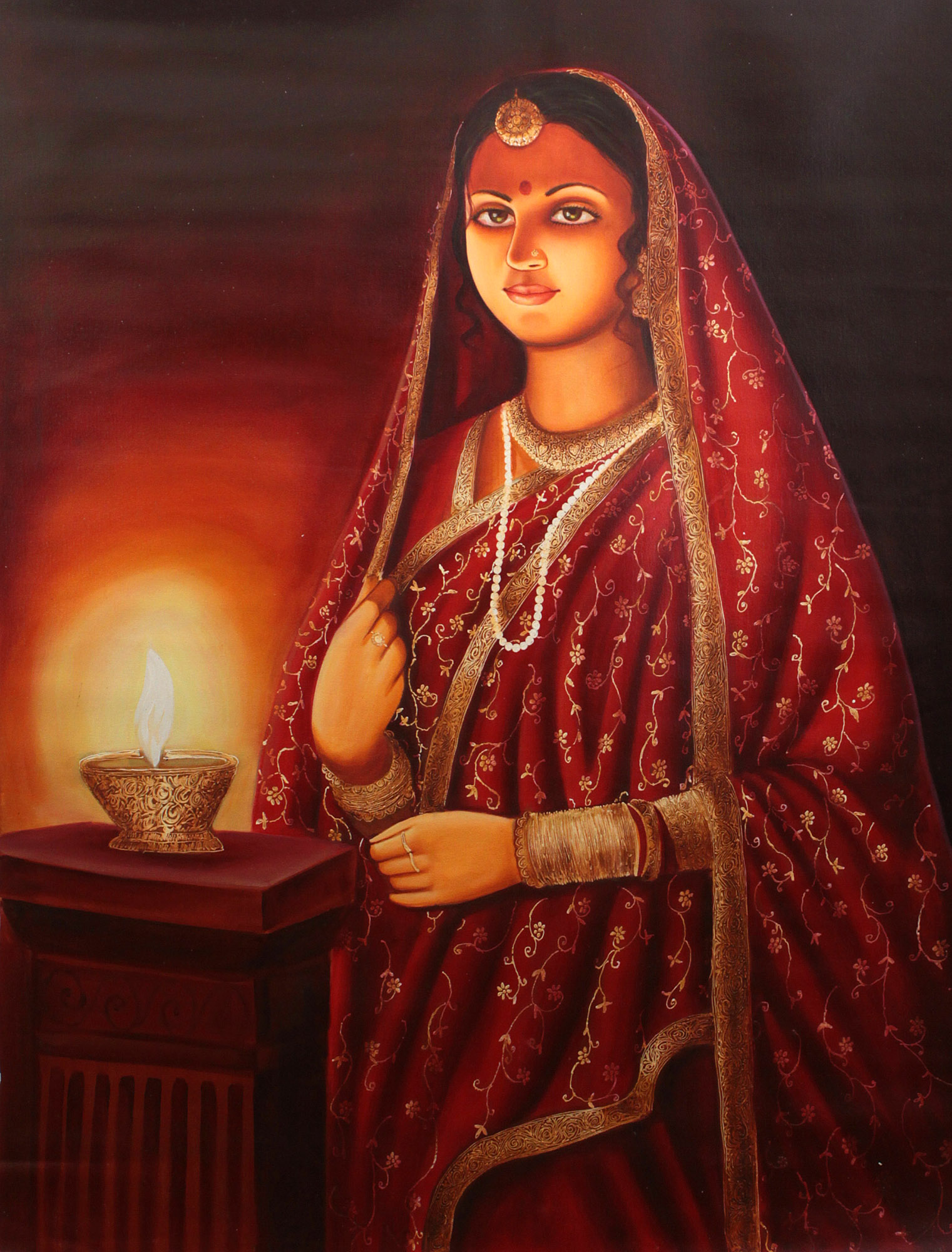
Whole Dude – Whole Values: Bharat, the Land of Cultural Values. THIS ARTICLE IS DEDICATED TO THIS INDIAN LADY WHO SYMBOLIZES THE PRINCIPLE OF UNITY THAT APPEARS AS THE VERBAL SOUND OR SHABDA CALLED “ASMI” WHICH MEANS ALWAYS PRESENT, OR EVER-EXISTING.

Whole Dude – Whole Mylapore

BHARAT DARSHAN - DEFINING INDIAN IDENTITY - MY BIRTHPLACE. SAINT POET OF INDIA, THIRUVALLUVAR LIVED IN MYLAPORE, MY BIRTHPLACE.
BHARAT DARSHAN – DEFINING INDIAN IDENTITY – MY BIRTHPLACE. SAINT POET OF INDIA, THIRUVALLUVAR LIVED IN MYLAPORE, MY BIRTHPLACE

Mylapore – My birthplace:

BHARAT DARSHAN – DEFINING INDIAN IDENTITY – MYLAPORE – MY BIRTHPLACE IS KNOWN AS THE TOWN OF PEACOCKS

The Tamils called it Mailapur (town of peacocks), Mailiga Vandha Voor (town where peacock offers worship) and in the Sanskrit language it is known as Mayurpuri (the abode of peacocks). Greeks called it Maliarpha and the Portuguese called it Meliapur. Finally, the English called it Mylapore.

Bharat Darshan – Defining Indian Identity: My birthplace, Mylapore derives its name from peacock birds. A peacock displays its brilliant plumage.

Mylapore is a known center of human habitation for thousands of years. Even before the birth of Jesus Christ, the Tamil Saint Poet Thiruvalluvar lived here.He conveyed his noble thoughts in the form of poems and his work known as Thirukkural can rightly be claimed as a gift of God to mankind. I am happy to present some poems translated into English by Shri.J Narayanaswamy.

Reading From Thirukkural.10. Kindness in Words

91. Sweet words laced with love, free from 

deceit, are the gift of the enlightened 

92. Saying sweet things with a smile, is as 

good as munificence of a kind soul 

93. Earnest words from the mind, conveyed 

with a smile, have virtue in them 

94. The woe of unfriendliness does not afflict 

those who instil mirth by sweet words 

95. Those adorned with modesty, speaking sweet 

truths do not need other decorations 

96. Pursuing virtue in the goodness of 

fruitful words, vanishes harm

97. Graceful words of kindness

yield fruitful good deeds

98. Sweet words free from deceit, afford

pleasure to life and fame beyond it

99. Who perceives seeds of goodness in sweet

words have no mind for harsh things

100. None having ripe fruits relish raw ones; who will

speak harsh when sweetness can achieve good.

Please feel free to spread those sweet words which took birth in Mylapore.

Bharat Darshan – Defining Indian Identity: Mylapore, Madras is my birthplace. I was born at the residence of my maternal grandfather on Kutchery Street, a very short distance from the Kapaleeswara Temple and the Santhome Cathedral near Santhome Beach.
Bharat Darshan-Defining Indian Identity-My Birthplace. Mylapore, Madras is my birthplace. I was born at the residence of my maternal grandfather on Kutchery Street, a very short distance from the Kapaleeswara Temple and the Santhome Cathedral.
Bharat Darshan – Defining Indian Identity: Mylapore, Madras is my birthplace. I was born at the residence of my maternal grandfather on Kutchery Street, a very short distance from the Kapaleeswara Temple and the Santhome Cathedral.
Kapaleeswara Temple
Bharat Darshan – Defining Indian Identity – My birthplace Mylapore: This landmark Temple of Kapaleeswarar binds me to my birthplace Mylapore, Madras (Chennai). The Presiding Deity of this Temple is my personal Protector and hence I am “RUDRA.” 
Bharat Darshan – Defining Indian Identity: Mylapore, Madras is my birthplace. I was born at the residence of my maternal grandfather on Kutchery Street, a very short distance from the Kapaleeswara Temple and the Santhome Cathedral. A view of Kapaleeswara Temple, Mylapore, Madras.
Bharat Darshan – Defining Indian Identity: My birthplace was a residence on Kutchery Street, a short distance from the Luz Corner and the Santhome Beach
Bharat Darshan – Defining Indian Identiny: My birthplace was a residence on Kutchery Street, a short distance from the Luz Corner and the Santhome Cathedral
Bharat Darshan – Defining Indian Identity: My birthplace was a residence on Kutchery Street, a very short distance from the Santhome Cathedral and Luz Corner.
Bharat Darshan – Defining Indian Identity: My birthplace was a residence on Kutchery Street, a short distance from the Luz Corner and the Santhome Cathedral.
Bharat Darshan – Defining Indian Identity: My birthplace was a residence on Kutchery Street, a short distance from the Luz Corner and the Santhome Beach. A view of Marina Beach, Mylapore, Madras.
Bharat Darshan – Defining Indian Identity: Mylapore, Madras is my birthplace. I have known this house of Dr. Sarvepalli Radhakrishnan on Royapettah High Road since my early childhood due to the Kasturi-Sarvepalli Family Connection.
Bharat Darshan - Defining Indian Identity - Saint Poet of India, Thiruvalluvar defines Identity of my Birthplace.
Bharat Darshan-Defining Indian Identity – The Saint Poet of India, Thiruvalluvar defines Identity of my Birthplace

Whole Dude – Whole Divine

Whole Dude – Whole Divine: Matru Devo Bhava. Tridevi, the Divine Trinity, or Three-in-One Concept of Motherhood. 1. Mother is the Original Source of the Living Matter, 2. Mother is the Original Source of Life Force, Prana or Energy obtained by oxidation of food, and 3. Mother is the Original Source of Consciousness and Intellect.

THE DIVINITY OF MOTHER  AND FATHER:  

Whole Dude – Whole Divine: The Divinity of Father and Mother

Jesus taught this prayer to His disciples and it is given in The Book of Matthew, Chapter 6, verses 9-13. ” Our Father in heaven, hallowed be your name, your kingdom come, your will be done on earth as it is in heaven…” In relation to God whom He called Father, Jesus claimed the unique and distinctive relationship of Son. In an absolute and unqualified way, Jesus claimed that He is the Father’s unique Son. “No one knows the Son except the Father and no one knows the Father except the Son” (MATTHEW 11:27). Jesus expresses this intimacy of relationship by addressing God as “ABBA”,  the word for father in Aramaic language. Nowhere in the literature and the prayers of ancient Judaism is this invocation of God as “ABBA” to be found. The final words of Jesus when He died on the cross were,” Father, into your hands I commit my Spirit ” (LUKE 23:46).    

The Divinity of Motherhood:

Whole Dude – Whole Divine: Matru Devo Bhava. Tridevi, the Divine Trinity, or Three-in-One Concept of Motherhood. 1. Mother is the Original Source of the Living Matter, 2. Mother is the Original Source of Life Force, Prana or Energy obtained by oxidation of food, and 3. Mother is the Original Source of Consciousness and Intellect. The Land where River Ganga or Ganges flows is known as India and the River defines Indian Identity.
Whole Dude – Whole Divine: Matru Devo Bhava. Tridevi, the Divine Trinity, or Three-in-One Concept of Motherhood. 1. Mother is the Original Source of the Living Matter, 2. Mother is the Original Source of Life Force, Prana or Energy obtained by oxidation of food, and 3. Mother is the Original Source of Consciousness and Intellect. MOTHER GANGES OR GANGA DEFINES THE MOTHER MOTHER PRINCIPLE – RIVER GANGES OR RIVER GANGA IS VIEWED WITH REVERENCE AND AFFECTION BY PEOPLE OF THE LAND OF INDIA.

My Indian Identity is directly attributable to my claim of the Divinity of my Mother. When I speak to God, I refer to the Divine Entity as my Mother and Father. In Indian literature, while speaking of parents, invariably the word mother takes precedence over the word father. In my prayers, I address God as my Mother and Father. My traditions, my rituals and Cultural practices stress the Divinity of Mother. The river I worship is Ganga Ma (Mother Ganges), the cow I worship is Go Mata, the provider of my linguistic identity is Telugu Talli, the country of my origin is Bharat Mata. The following prayer is an example of my belief in a Divine, Universal Mother:    

सिद्धि बुद्धि प्रदे देवि भुक्ति मुक्ति प्रदायिनि 

मन्त्रमूर्ते सदा देवि महालक्ष्मि नमोऽस्तुते

Siddhi-Buddhi-Prade Devi Bhukti-Mukti-Pradaayini

Mantra-Muurte Sadaa Devi Mahaalakssmi Namostute

सिद्धिबुद्धिप्रदे (Siddhi-Buddhi-Prade) – Giver of Success and Intelligence

देवि (Devi) – Goddess

भुक्तिमुक्तिप्रदायिनि (Bhukti-Mukti-Pradaayini) – Giver of Wordly Enjoyment and Liberation

मन्त्रमूर्ते (Mantra-Muurte) – Embodiment of Mantra (mystical power of Sound)

सदा (Sadaa) – Always, देवि (Devi) – Goddess

महालक्ष्मि (Mahaalakssmi) – Devi Mahalakshmi नमोऽस्तुते (Namostute) – Reverential Salutations to You

1: (Salutations to Devi Mahalakshmi) The Devi who Gives Success and Intelligence and Gives Wordly Enjoyment and Liberation,

2: The Devi who Always abides as the Embodiment of Mantra; Salutations to that Mahalakshmi

Whole Dude – Whole Divine: Matru Devo Bhava. Tridevi, the Divine Trinity, or Three-in-One Concept of Motherhood. 1. Mother is the Original Source of the Living Matter, 2. Mother is the Original Source of Life Force, Prana or Energy obtained by oxidation of food, and 3. Mother is the Original Source of Consciousness and Intellect.


THE MOTHER PRINCIPLE IN THE INDIAN TRADITION:

Whole Dude – Whole Divine: Matru Devo Bhava. Tridevi, the Divine Trinity, or Three-in-One Concept of Motherhood. 1. Mother is the Original Source of the Living Matter, 2. Mother is the Original Source of Life Force, Prana or Energy obtained by oxidation of food, and 3. Mother is the Original Source of Consciousness and Intellect. BHARAT MATA OR MOTHER INDIA REPRESENTS THE COUNTRY AND THE LAND OF MY ORIGIN.

The term or word mother describes a female parent and it also conveys an idea that mother gives birth to something, it is the source, or origin of something, it nurtures something in a manner like that of a mother, and it also speaks of having the responsibility, and authority of a mother. The word mother could be used as a title to address a female person with respect and affection. The word mother is also often used as an adjective to describe something derived or learned from one’s mother. Indian Culture has given three icons who represent the three aspects of motherhood. Goddess Lakshmi, the Original Source of Mercy and Grace, represents the mother who nurtures, the provider of material wealth, prosperity, and well-being. Goddess Parvati, the Original Source of Compassion, represents the mother who defends, the source of energy, and the sustainer. Goddess Sarasvati represents the Original source of Innate knowledge and consciousness, the provider of learning, speech, and wisdom.


Whole Dude – Whole Divine: Matru Devo Bhava. Tridevi, the Divine Trinity, or Three-in-One Concept of Motherhood. 1. Mother is the Original Source of the Living Matter, 2. Mother is the Original Source of Life Force, Prana or Energy obtained by oxidation of food, and 3. Mother is the Original Source of Consciousness and Intellect. GREETINGS TO BELOVED MOTHER TELUGU. TELUGU TALLI, THE MOTHER OF LINGUISTIC TRADITIONS OF TELUGU LANGUAGE, MY MOTHER TONGUE.
Whole Dude – Whole Divine: Goddess Laxmi – The Mother Principle that is the Origin of Life, the Original Source of Living Matter and its material well-being.
Whole Dude – Whole Divine: Goddess Shakti or Goddess Parvati, The Divine Mother, The Original Source of Vital Force called Prana, Chemical Energy that Sustains Life and its Living Functions..
Whole Dude – Whole Divine: Goddess Sarasvati, The Divine Mother, the Source of Innate Knowledge, the Source of Consciousness and Intellect. The Provider of Pure Knowledge and Perfect Wisdom.
Whole Dude – Whole Divine: MOTHER IS A BIOLOGICAL PARENT, THE SOURCE OF MY LIFE, THE SOURCE OF MY ENERGY, THE SOURCE OF MY KNOWLEDGE TO PERFORM MY LIVING FUNCTIONS.
Whole Dude – Whole Divine: Matru Devo Bhava. Tridevi, the Divine Trinity, or Three-in-One Concept of Motherhood. 1. Mother is the Original Source of the Living Matter, 2. Mother is the Original Source of Life Force, Prana or Energy obtained by oxidation of food, and 3. Mother is the Original Source of Consciousness and Intellect.


Whole Dude – Whole Icons

Whole Dude – Whole Icon: A visual representation of God for religious devotion and worship.

An icon is a religious work of art, most commonly a painting. They are not simply artworks; “an icon is a sacred image used in religious devotion”. Icons (from the Greek eikones) are sacred images. “Icon” and “symbol” are terms that we often use interchangeably, but there’s actually a subtle difference: An icon is a literal, visual representation of the thing it represents, whereas a symbol can be a more abstract representation of something.

Whole Dude – Whole Icons: Defining Indian Identity – The portrayal of religious icons.

कस्तूरितिलकं ललाटपटले वक्षःस्थले कौस्तुभं
नासाग्रे नवमौक्तिकं करतले वेणुं करे कंकणम् ।
सर्वांगे हरिचंदनं सुललितं कंठे च मुक्तावलिं
गोपस्त्री परिवेष्ठितो विजयते गोपाल चूडामणिम् ।।

kastūritilakaṃ lalāṭapaṭale vakṣaḥsthale kaustubhaṃ
nāsāgre navamauktikaṃ karatale veṇuṃ kare kaṃkaṇam .
sarvāṃge haricaṃdanaṃ sulalitaṃ kaṃṭhe ca muktāvaliṃ
gopastrī pariveṣṭhito vijayate gopāla cūḍāmaṇim ..

Whole Dude – Whole Icon: A visual representation of God for religious devotion and worship

With the fragrant kasturi-mark on the forehead, the precious Kaustubha gem on the chest, the lovely pearl-jewel at the nose tip, the flute in the palm and the kankan (bangle) encircling the hand, the scented sandalwood paste all over the body, the pearl-necklace around the beautiful neck, surrounded by milk-maids – may victory be yours, O crown gem of Gopalas.

The Portrayal of Religious Icons:

Whole Dude – Whole Icons: Defining Indian Identity – The portrayal of religious icons

Apart from the basic differences in the ideas and thoughts of various religious traditions of this world, there is a fundamental difference in the visual characterization of the religious icons. The first thing that strikes the mind of the reader of religious scriptures is the difference in the way the scriptures portray their icons. When I read The Holy Bible, The Holy Quran, no religious image comes before my eyes. I have to really struggle hard to imagine as to who is speaking to me.These Scriptures have several characters which are clearly human but there is no description of their physical attributes and the portrayal is lacking in information that would help the reader to develop a visual image. If you read the above verse, the beautiful image of Lord Krishna automatically comes before you without any effort. I define this as Indian Identity, it is a reflection upon our nature and our literature does a marvellous job giving life and color to the icons and I feel it becomes very easy for me to get connected to them and listen to them as they guide us in our spiritual journey.

Whole Dude – Whole Icon: Defining Indian Identity – The portrayal of religious icons

yasya smaraNa-mAtreNa janma-samsAra-bandhanAt
vimuchyate namas-tasmai vishNave prabhavishNave.
Om namo vishNave prabhavishNave.
[ My salutations to that superior diety vishNu, by a mere thought of Whose name all persons are freed from the bonds of samsara (birth and death).

Whole Dude – Whole Icon: A visual representation of God for religious devotion and worship

Just remembering Vishnu’s name could deliver us from the trappings of Samsara and the remembrance becomes all the more easier when you recall the image.

Whole Dude – Whole Icons: Defining Indian Identity – The portrayal of religious icons.
Whole Dude – Whole Icons: A visual representation of God for religious devotion and worship.

Whole Dude – Whole Terror

Whole Dude – Whole Terror: Defending Indian Identity-The Challenge of Terror. The tragic scene at Lumbini Amusement Park, Hyderabad, India on August 25, 2007 (Hyderabad Bombings).

Excerpt: In the Land of Bharat from where beautiful thoughts have blossomed, the people have now become increasingly vulnerable to Terror Attacks and a countless number of innocent lives have already perished because of evil forces which desire to wipe out our Identity as a people.

Whole Dude – Whole Terror: Defending Indian Identity-The Challenge of Terror. The tragic scene at Lumbini Amusement Park, Hyderabad, India on August 25, 2007 (Hyderabad Bombings).

In the Land of Bharat from where beautiful thoughts have blossomed, the people have now become increasingly vulnerable to Terror Attacks and a countless number of innocent lives have already perished because of evil forces which desire to wipe out our Identity as a people. While we commit ourselves to promote peace and goodwill and work for the well- being of all people, there is no escape from the challenge that we face today. As a community and as a nation, we have no alternative other than preparing ourselves to this threat that is showing its ugly face without prior notice or warning.

A Strategy to face the Security Challenges of Terrorism

Whole Dude – Whole Terror: Defending Indian Identity-The Challenge of Terror. The tragic scene at Lumbini Amusement Park, Hyderabad, India on August 25, 2007 (Hyderabad Bombings).

Terror and ruthless violence have become the tools of fanatics who would like to impose their socio-cultural agenda to bring about large scale societal changes by using coercion and not negotiation. The recent bomb attacks in the city of Hyderabad on August 25, 2007 is establishing a trend. The targets of terror are very soft and nothing was known about an impending attack. There is no easily identifiable group. There is no proclaimed goal or agenda other than that of destroying the fabric of the Indian society.

We should stop clinging to the traditional views of conventional wars between countries. Each incident of terror attack should be legally defined as an act of war and the suspects should be held accountable for war crimes. The Armed Forces of the country should be equipped, prepared and redeployed to join this battle at a short notice.The military planners need to evolve a strategy for urban warfare and to pursue an enemy hiding in densely populated areas and to engage enemy targets with great precision and fire power which could be delivered with greater accuracy. The military intelligence capabilities should be enhanced to evolve military operations against internal enemies. We may need trained, rapid response teams to respond to this kind of aggression and its aftermath of wounded victims. The asymmetrical war unleashed by the terror groups is of equal importance in terms of the danger it poses to our national sovereignty. The response to each attack should come from the nation as a whole with the Armed Forces keeping the option of a military strike in retaliation.

The most important task following a terror attack would be that of caring for the victims. The Army Response Teams should be called in to arrange for the evacuation and treatment of the victims in the same manner that casualties from a battle field are taken care of. The wounded should be treated, rehabilitated and be provided followup care and paid a disability pension if required. We need to take care of victims instead of forgetting about them after paying some compensation. The investigation of the incidents and the prosecution of suspects should happen under the jurisdictional directions from the military authority.There should be no public disclosures about the evidence and the tools and methods used for collection of evidence. Such disclosures would only help the terror groups to plan their future attacks better. The suspects should be tried under the provisions of the military law in military courts. Indian citizens who are accomplices to these acts of war should be charged with treason and tried as traitors. If we are at war with groups and terror outfits based in foreign countries, our trade and diplomatic relationships should reflect the state of war that exists and there should be no normalization of relationships till such time the threat is neutralized.

Our government has an obligation to protect and defend the rights of the people and we need to step up our response to these acts of war of aggression.

Whole Dude – Whole Terror: Defending Indian Identity-The Challenge of Terror

Whole Dude – Whole Purification

Sanatana Dharma of India. Theertham, Tirtha, Tirthasthan, Tirtha Yatra, Tirtha Snan, and the ritual of Bathing and Purification.

The ancient traditions of India are often described as ‘Sanatana Dharma’. Indians for a very long time recognized the significance of Water and use it in various rituals, particularly for the purification of the human body which is prone to sickness or illness attributed to sinful thoughts, words, and actions. The term ‘Theertham’ refers to water that is sanctified by prayerful thought and by using it in the devotional worship of God.

Sanatana Dharma of India – Theertam, Tirtha, Tirthasthan, Tirtha Yatra, Tirtha Snan and the ritual of Bathing and Purification.

The term ‘Tirtha’ refers to a body of water such as a well, pond, lake, river, or sea which gets an elevated status because of its geographical association with a physical location, place, or position named ‘Sthan’ or ‘Kshetra’. The physical journey to visit the place of Tirthasthan is called Tirtha Yatra.

Sanatana Dharma of India – Theertham, Tirtha, Tirthasthan, Tirtha Yatra, Tirtha Snan, and the ritual of Bathing and Purification.

The act of taking a bath or dipping into the water at a Tirthasthan is called Tirtha Snan.

Sanatana Dharma of India – Theertham, Tirtha, Tirthasthan, Tirtha Yatra, Tirtha Snan, and the rituals of Bathing and Purification.

I ask my readers to reflect on the divine attributes of the Water Molecule. The original, sweet taste of fresh water cannot be discovered by the study of the properties of the Chemical Elements, Hydrogen and Oxygen which combine to form the Chemical Compound called Water. Man, like several other terrestrial creatures, depends upon Fresh Water delivered from Heaven.

Kumbh Mela: Millions of Indians take a holy dip – BBC News

Clipped from: https://www.bbc.com/news/world-asia-india-46860409

Sanatana Dharma of India – The rituals of Bathing and Purification.

Image copyright Ankit Srinivas

Millions of people have taken to the waters at the confluence of India’s sacred Ganges and Yamuna rivers as part of the Kumbh Mela festival – humanity’s largest gathering.

Officials told the BBC some 15m people bathed on Tuesday. They expect about 120m visitors over 49 days.

Hindus believe bathing at the rivers will cleanse their sins and bring salvation.

The holy men were among the first procession to arrive early Tuesday.

Sadhus – or ascetics – smeared ash on their bodies as they came out of the water and chanted “Har Har Gange”, or “Mother Ganges”, and danced while posing for photographers.

Sanatana Dharma of India – The rituals of Bathing and Purification.

Image copyright Ankit Srinivas

The Naga sadhus are the biggest draw of the festival – held in the northern city of Allahabad, recently renamed Prayagraj – and arrived early in the morning in massive colorful processions.

Thousands of the Sadhus – naked and wearing marigold garlands around their necks – were escorted by police to the river as they chanted slogans invoking Shiva, the Hindu god of destruction. Many were waving tridents and swords.

At the last Kumbh in 2013, female ascetics were allowed to bathe at the confluence of the rivers – known as the Sangam – for the first time. A few hundred transgender people were among those who bathed on Tuesday morning.

More than a million foreign pilgrims will also take part in the festival, senior administration official Rajeev Rai told the BBC.

He and other organizers had been preparing for more than a year for the event, which dwarfs the annual Hajj pilgrimage to Islam’s holiest sites in Saudi Arabia.

Sanatana Dharma of India – The Rituals of Bathing and Purification.

Image copyright Ankit Srinivas Image caption Religious sects arrived in processions to take a dip

The mela (meaning “fair” in Hindi) has been held in Allahabad for centuries now, but it has grown into a mega event in the past two decades.

Sanatana Dharma of India – The Rituals of Bathing and Purification

Image copyright Getty Images

This year the gathering will be particularly huge and many believe India’s Hindu nationalist government has organized it with an eye on key general elections due in the summer.

Massive billboards of Prime Minister Narendra Modi dot Allahabad city and the Mela ground. Huge cardboard cut-outs have been placed strategically at the bathing areas.

Sanatana Dharma of India: The Rituals of Bathing and Purification

Image copyright Ankit Srinivas

A temporary tent city spread over 32 sq km (12 sq miles) has been set up to accommodate the masses, complete with hundreds of kilometers of new roads. Hospitals, banks, and fire services have been set up just for the festival, along with 120,000 toilets.

Hundreds of new train services are running to and from Allahabad to tackle the rush of pilgrims and more than 30,000 police and paramilitaries have been deployed to provide security and manage the crowds.

In the run-up to the festival, religious sects held daily processions marked by much pomp and show.

Sanatana Dharma of India – The Rituals of Bathing and Purification

Image copyright Ankit Srinivas

At one such procession on Sunday night, there were elephants, camels, and horses. Brass bands and drummers played, as religious leaders sitting atop several vehicles threw marigold flowers to thousands of devotees.

On Monday – a day before the official start of the festival – tens of thousands of pilgrims bathed at the Sangam. Some then lit clay lamps and floated them along with flowers in the Ganges.

Sanatana Dharma of India: The Rituals of Bathing and Purification

Image copyright Ankit Srinivas

Sanatana Dharma of India: The Rituals of Bathing and Purification

Image copyright Ankit Srinivas

The atmosphere at the mela is festive, and the authorities have announced a calendar of music and dance performances. But there’s plenty of impromptu entertainment taking place by the roadside, with children performing rope tricks and shows by drummers and ballad singers.

Most pilgrims, however, say they are here to “answer the call of Mother Ganges”.

“We believe that bathing here will destroy our sins,” farmer Pramod Sharma said.

“The waters here have regenerative properties. Bathing here can cure your ailments. It also removes obstacles from your way,” Shahbji Raja said.

Sanatana Dharma of India: The Rituals of Bathing and Purification.

Kumbh Mela at a glance

  • A pilgrimage in which Hindus gather at points along the Ganges, Yamuna and mythical Saraswati rivers
  • This year’s event expects 120 million visitors over seven weeks, dwarfing last year’s Hajj pilgrimage in Saudi Arabia which drew about 2.4 million
  • Astrology determines most aspects of the festival, including its date, duration, and location
  • The most recent full Kumbh, held in 2013 in Allahabad, was also a Maha (or great) Kumbh, which happen every 144 years. It attracted an estimated 100 million visitors
  • A lost-and-found camp was set up in 1946 and has since helped reunite countless family members and friends who get separated in the vast crowds
  • This year, 15 lost-and-found camps have been set up. These computerized centers are interconnected and their announcements will be heard across the Mela grounds. Details will also be uploaded on Facebook and Twitter to help trace the missing
India’s Sanatana Dharma. Theertham, Tirtha, Tirtha Yatra, and Tirtha Snan. The Rituals of Bathing and Purification.


Whole Dude – Whole Person

Kapaleeshwarar temple in Mylapore, Chennai.
Whole Dude – Whole Person: The Making of a Whole Name for the Whole Person. The Choice of the Name is predestined by the Science of Light called Jyotish .
Whole Dude – Whole Person: The Making of a Whole Name for the Whole Person. The Choice of the Name is predestined by the Science of Light called Jyotish.

The name ‘ Indian ‘ is related to the great river Sindhu which is also known as Indus. In 1492, Christopher Columbus sailed westwards towards setting sun to reach the shores of India. He discovered people living on islands whom he had mistakenly named as Indians. Apart from those island dwellers, the natives of the entire American continent, the so-called New World were named Indians. In spite of concerted efforts to rename them as Native Americans, the name Indian is still in use.  

Name is a very important tool to describe personal identity. The word name as a noun, describes a person, place or thing. It is also a word or words by which an object of thought is known. Indians did not choose the name India or Indian. However, the people of our Land of BHARAT, are extremely fond of choosing names. This fondness for selecting, using and remembering names is an important Cultural attribute which defines our identity. In my case, the choice of the Name is predestined by the Science of Light. Earthly events have celestial connections.  

The Tradition of Giving Names:  

Whole Dude – Whole Person: The Making of a Whole Name for the Whole Person. Lord Shiva is known as Rudra, Neela Kantha, Pasupati and several other names. This fondness for selecting, using, and remembering names is an important cultural attribute which defines Indian Identity. The Choice of my Name is predestined.

The name ” Rudra ” is one of the earliest names known to humanity. According to legend, the Vedic God Rudra acquired His name from His Creator Brahma. As per the story, a boy was seen ‘crying’ and ‘wandering’. The father had asked the boy the reason for his ‘howling’. The boy had answered that he was ‘weeping’ for he was not given a name. So, the father created a name by bringing together two Sanskrit words which mean ‘crying’ and ‘wandering’. Thus the name Ru+dra was born. This legend is an example of our emotional dependence upon the need for names. The major Deities such as VISHNU and SHIVA that Indians worship are known by thousands of names and remembering those names is deemed as an act of devoted worship. The use of these names is a fundamental right and I understand the term religious freedom in the context of my freedom to choose the name that I would worship. The religious experience that I had gained while growing up in India relates to the use of names as an act of worship. Worship would have no meaning or purpose and would not give me a sense of direction if I do not remember the beautiful names that I have come to know.  

A Personal Name and a Personal Story:

This landmark Temple of Kapaleeswara binds me to my birthplace of Mylapore, Madras(Chennai). The Presiding Diety of this Temple is chosen as my personal Protector and hence I am given the name of "RUDRA".
Whole Dude – Whole Person: The choice of my Name is predestined. This landmark Temple of Kapaleeswarar binds me to my birthplace Mylapore, Madras (Chennai). If my birthplace had been different, my Name would have been different. The Presiding Deity of this Temple is chosen as my personal Protector and hence I am given the name of RUDRA.

My personal name is very much a part of my personal story. If my birthplace had been different, my Name would have been different. My Name is chosen entirely due to the circumstances of my birth and I remain connected to the persons and the places for the rest of my life. I describe MYLAPORE of MADRAS city (CHENNAI) as my birth place and I describe RAJAHMUNDRY of East Godavari District as my native place.

Whole Dude – Whole Person: MY IDENTITY AND MY CONNECTION. I CALL MYSELF AS ‘REBBAPRAGADA’; MY MOTHER BELONGS TO THE ‘KASTURI’ FAMILY. THIS IS A PICTURE OF KASTURI BROTHERS. FROM LEFT TO RIGHT, 1. DR. KASTURI NARAYANA MURTHY, M.D. (MY MATERNAL GRANDFATHER), 2. KASTURI. SESHAGIRI RAO (MARRIED TO MRS. RUKMINI, DAUGHTER OF DR. SARVEPALLI RADHAKRISHNAN), 3. KASTURI NARASIMHA RAO, 4. KASTURI KRISHNA RAO, 5. KASTURI SOMESHWARA RAO, 6. KASTURI RAMACHANDRA RAO, AND 7. KASTURI SIVAPRASADA RAO (FAR RIGHT).

My mother had given birth to me at my maternal grandfather’s residence 2/37  KUTCHERY road in Mylapore. Corporation of Chennai, Public Health Department entered my birth in the Birth Register and issued a birth certificate which records my gender, the date and time of my birth, the place of my birth, the names of my father and mother, the registration number and it does not show my name as my parents did not give me a name while reporting my birth.

Whole Dude – Whole Person: My paternal grandfather. The family astrologer who had prepared my horoscope predicted an inauspicious event and the prediction came true five months after my birth. But the prediction did not deter my grandfather in any manner. My grandmother whose name I had acquired told me that my grandfather had loved me with all his heart without any concern about the astrological prediction.

I spent the years of my early childhood at my paternal grandfather’s mansion in INNESPETA of Rajahmundry, East Godavari District of Madras Presidency and later Andhra Pradesh, India.

As per the traditional belief and the practice of Vedic Astrology known as Jyotish (Science of Light),  my birth star predicted and warned about some forthcoming inauspicious events. The astrological calculations suggested that remedial action is needed to counter the negative aspects of the birth star. Accordingly, my father had performed a ritualistic worship popularly known as Rudra Abhishekam  and worshiped Lord Shiva at the beautiful KAPALEESWARAR temple of Mylapore. To ensure that I would always enjoy the blessings of Lord Shiva, my father decided to name me as Rudra. Hence, the name of Rudra instantly connects me to my birth place of Mylapore and to KAPALEESWARAR as my personal protector.

Whole Dude – Whole Person: What’s in a Name? The making of a Whole Name for the Whole Person. The choice of the Name is predestined by the Science of Light called Jyotish.

My birth star also had forewarned about consequences that would impact my paternal grandfather. There was no easy escape from the influences and the second part of my personal name was carefully chosen to please my paternal grandmother, Srimati. Lakshmi Narasamma. Because of the gender variation, the name Narasamma got transformed to Narasimham. This name immediately connects me to the Laws of Karma.

Whole Dude – Whole Person: The Making of a Whole Name for the Whole Person. The choice of the Name is predestined by the Science of Light called Jyotish.

These names are well-known and particularly in the southern States of India, the name Narasimham or variations of that name are frequently used. As long as I remain a conscious entity, my grandparents live in my consciousness. Astrology or Jyotish may not be a perfect Science. Horoscopes may not predict the future course of events in a person’s life. I exist in this world and I am known by a name which was specifically selected for me because of the predictions cast by my horoscope and the prediction came true and  I find enough justification for this Indian Cultural Tradition called Jyotish.   

Whole Dude – Whole person: The Rebbapragadas Group describes people related to this group of people and others connected to Rebbapragadas.

 A unique name and a unique perspective:  

In 1965, I joined Kurnool Medical College after I obtained a Bachelor of Science degree from Osmania University, Hyderabad. At Kurnool, a batch of B.Sc., degree students were directly admitted into the second year of the medical education program that awards the M.B.B.S degree. Professor Rama Murthy of the Anatomy Department was very fond of knowing and recognizing each of his students by their personal names. On the first day of our Anatomy class, the attendance register was not ready and Professor Rama Murthy had decided to call out names from the list of selected candidates. He very solemnly announced to the class that the roll call begins with a very angry and fiery name. We were intently listening to know what that name could be. Apparently, the list of selected students was prepared according to merit and my name was placed at the top of the list. He called my name and expressed his sense of disbelief. He asked me to verify my name and told the class that it was the first time in his life that he encountered a person with the personal name of Rudra Narasimham. His statement appears to be right and I have not known any other person who may have the same name. It is one of its own kind and is unique and special and these two names were put together to establish me as a Whole Person. 

Whole Dude – Whole Person: Socrates implored people to ‘know thy self.’ He had stated that the unexamined life is not worth living. Understanding life involves understanding personal identity and name is a word by which an object of thought is known.

The name Rudra, the first part of my first name is related to SHIVA who is recognized as the God of Learning. Shiva is like Socrates. Socrates of 5th century B.C. is claimed to be the father of western thought. He had implored people to “know thy self.” Socrates had stated that the ‘unexamined life is not worth living’. Shiva guides me to reflect upon life. Shiva encourages introspection, reflecting upon your own mind and thoughts. Shiva defines that the purpose of learning is to acquire the ability to think for oneself.

The name Narasimham represents to me a Whole Person who defends my right to choose the Name for my worship. The story about  PRAHLAD represents the Cultural importance attached to personal choice in matters of religious worship. Names of persons, places and the legends form a part of Cultural legacy of our Land and define the Indian Identity described by the Name Bharat. 

A view of the eastern Gopuram from inside the ...
Whole Dude – Whole Person: What’s in a name? The choice of my Name is predestined by the Science of Light called Jyotish. Kapaleeswarar temple in Mylapore, Madras. This Temple contributed to the first part of my first name. A view of the eastern Gopuram from inside the temple. (Photo credit: Wikipedia)

Whole Dude – Whole Bharat

Whole Dude – Whole Bharat: BHARAT DARSHAN – A PRESENTATION AT HURON HIGH SCHOOL, ANN ARBOR, MICHIGAN, USA
Whole Dude – Whole Bharat: BHARAT DARSHAN – A PRESENTATION ON INDIAN HISTORY, CULTURE, AND CIVILIZATION AT HURON HIGH SCHOOL ANN ARBOR, MICHIGAN, USA. ‘Bharat Darshan’ is the title of one of my presentations at Huron High School, Ann Arbor. The School offers a course titled ‘ Asian Civilization ‘. The students who take this class learn about India.  I was invited to this class as a guest speaker and I took the opportunity as a learning tool and I started learning to express my ideas and thoughts about India. I still continue to learn and I use ‘ BHAVANA JAGAT ‘ to continue my learning experience. I am happy to express my sense of gratitude to the Class Teacher, Ms. Nadine Ghawi who initiated my desire for learning by inviting me to speak to her class. The following is the notes that I had prepared for one such speaking event at Huron High School.  

Bharat Darshan:

Whole Dude – Whole Bharat: National Flag of India – Bharat Darshan, a presentation at Huron High School, Ann Arbor, offers glimpses of India’s History, Culture, Civilization and Traditions.

I shall begin with a traditional greeting. As a kid, I was trained to greet and acknowledge others. The greeting is called Namaskar or Namaste.  

Today’s presentation is named Bharat Darshan. The Land of India in our Culture and tradition is referred to as the Land of Bharat. ‘Darshan’ means viewing a place or an event. During this brief tour, I would present to you a few glimpses of India’s history and Culture. I would launch you on a journey to Discover India. 

Culture is defined as learned behavior. My traditions teach me that I should approach life with a sense of abundant caution. I am cautioned to avoid absolute optimism. It is like fastening your seat belt before you begin to drive. In any human endeavor, I am told to expect a positive outcome only after taking care of any possible negative outcomes. If you are driving your car, the State Law dictates that you would reach your destination safely only after taking precautions such as the wearing of seat belt to avoid serious injury. My success is guaranteed only if I anticipate and overcome all the obstacles that I might face along the road. However, my success is never entirely mine. I am trained to believe that my success is a blessing and that I should accept success with a sense of humility.  

Whole Dude – Whole Bharat: Bharat Darshan, a presentation at Huron High School, Ann Arbor. Lord Ganesha, the Remover of Obstacles. A Prayer for Success with Humility. Sri Vakratunda Mahaa kaya, Koti Surya samaprabha; Nirvighnam kurume Deva, Subha karyeshu Sarvada.

To remove obstacles that may hinder me on my path, my Culture offers an icon who is designated as the remover of obstacles. This icon is known as Ganesha. He is also the mentor of learning. The learning process begins after seeking His blessings. Today, I like to succeed in my speaking event. I ask Him to help me in presenting this project which I call Bharat Darshan. My prayerful thoughts are expressed by this Sanskrit verse :  

‘Shuklaam bara dharam, Vishnum, sasi varnam chaturbhujam  

Prasanna Vadanam dhyaaye, tsarva vighno pa shantayey’.  

The key phrase in this verse is ‘Prasanna Vadanam’. All obstacles are removed and subdued if I meditate upon His face which is a picture of relaxation and total composure. This prayer specifically guides me to overcome problems by focusing on positive energy that can be gained by reflecting upon a face that promotes tranquility.  

Brief overview of Bharat Darshan:

Whole Dude – Whole Bharat: The National Bird of India. A peacock displays its brilliant plumage. The Discovery of India, a presentation at Huron High School, Ann Arbor, Michigan.

During this presentation, I would address the following questions.  

1. Who is an Indian?  

2. What was the single most important event in India’s history?  

3. What is the essence of Indian Culture?  

4. What is the role of icons, symbols, idols and images in Indian Culture?  

I . Who is an Indian?  

Whole Dude – Whole Bharat: Bharat Darshan, a presentation at Huron High School, Ann Arbor. The Land where River Ganga or Ganges flows is known as India and the River defines Indian Identity.

Culture gives people a sense of personal identity. Defining that identity helps in understanding the Culture.  

Whole Dude – Whole Bharat. The Discovery of India, a presentation at Huron High School, Ann Arbor, Michigan. Mother Ganga or Ganges describes the Identity of the Land and its people.

The name Indian is related to the great river SandHumility which is also known as Indus. After the political partition of the Indian subcontinent in 1947, much of the river Sindhu traverses across the land of Pakistan. However, at no time in our existence we regarded Sindhu river as our symbol of identity. We view ourselves as people of a Land where the river Ganga or the Ganges flows. Indians cherish the value of keeping their hearts and minds pure and clean. We very fondly believe that Mother Ganga or the Ganges can cleanse us and help us to attain that purity. It is like the practice of Water Baptism. Secondly, we belong to a Land where people cherish the value of speaking the truth. Indians claim that God is Truth and believe that Truth is God. This belief is reflected in the motto of our nation. The motto is ‘ Satya Meva Jayate ‘ meaning that Truth alone triumphs.  

II . What was the single most important event in India’s History?  

Whole Dude – Whole Bharat: The Rig Vedic River Sarasvati is associated with the birth of Devnagari Script and Sanskrit Language. The ideas and thoughts that are expressed in Sanskrit Language flow through our National Life and the Language has become the Language of our actions, interactions, our Culture, our Customs, and our Traditions.

The single most important event in the entire history of India, the defining moment of our history was the birth of the Sanskrit language, the Language of people who identified themselves as “Aryans” around 1500 B.C. The introduction of the Sanskrit language was indeed a blessed event. Sanskrit became the language of our Culture. Sanskrit enriched all other Indian languages and encouraged the growth of literature in almost every region of India. The Aryan Culture flows in India and joins the colorful streams of all other regional Indian Cultures. This Cultural influx can be compared to the confluence of the rivers Ganga and Yamuna at Prayag which we consider as the holiest of all holy places in India. Outwardly, the combined stream of life appears to be the same, but inwardly it illuminated our minds and vitalized our hearts.  

III . What is the essence of Indian Culture?  

Whole Dude – Whole Bharat: The Discovery of India, a presentation at Huron High School, Ann Arbor, Michigan

I must again mention that Culture is defined as learned behavior. The most important behavior that is expected of me is that of showing respect and obedience. It is not merely about showing respect to the Gods we worship. Even the Gods that we worship also implicitly observe the rule about showing respect and obedience. This social expectation rules every relationship and activity. It is the basic expectation let it be parent-child relationship, husband-wife relationship, teacher-student relationship, employer-employee relationship, the relationship between the Ruler and the ruled, relationship between siblings and very often even between friends. Respectful conduct is expected while receiving guests, while dealing with any elder even though the person may not be related to you. In addition, several plants, trees, birds, animals, rivers and mountains enjoy a special status and are treated with great respect. This social behavior is encouraged at all times and we are trained as kids to display this behavior. Instead of God, I am free to choose a human, a plant, a tree, an animal, some element of nature or even a stone and worship that object with the same and similar amount of respect that I may give to God. The Gods of our Culture would not get angry or jealous if I get totally preoccupied with showing respect to someone else other than the Gods. Most of us get used to showing respect to a variety of objects.  

IV . What is the role of icons, symbols,idols, and images in Indian Culture?  

Whole Dude – Whole Bharat: The Fear of Samsara. Samsara portrays the picture of life’s journey as a tedious,difficult and challenging swim across an unknown,uncharted and treacherous ocean

I am trained to believe that life is a complex and challenging experience. The life’s journey is compared to swimming across a vast and unknown deep ocean. The journey as perceived is neither simple nor easy. We are provided with icons and symbols as our navigational tools. We derive our comfort and strength by our dependence upon idols and images. We imbibe values by simply imitating the chosen role models. Personal responsibility and self-motivation are very important but for companionship and guidance we look towards one or the other idol. To draw a comparison, it is like using icons on your computer screen to travel
upon the so-called information super highway. Every icon that we use has become a part and parcel of our Cultural legacy. I shall explain a few of them:  

Lord Shiva:  

Whole Dude – Whole Bharat: Bharat Darshan, a presentation at Huron High School, Ann Arbor. Lord Shiva the God of Learning

Lord Shiva is like Socrates of 5 Th century B.C. who is claimed to be the father of western thought. He implored people to ” know thy self “. Socrates stated that the ‘unexamined life is not worth living’. Shiva guides me to reflect upon life. Shiva encourages introspection, reflecting upon your own mind and thoughts. Shiva is recognized as the God of learning. To commence learning, we respectfully tell Shiva that we are ready and prepared to receive our learning instructions. In Sanskrit, the phrase that is used is ‘Siddham’ meaning ready. Shiva ensures that we are willing and obedient before we start the first day of our schooling career. Shiva defines that the purpose of learning is to acquire the ability to think for oneself.  

Whole Dude – Whole Bharat: Bharat Darshan, a presentation at Huron High School. A Mantra to commence Learning. OM, NAMAH SHIVAYA

Lord Ganesha:  

Whole Dude – Whole Bharat: The Discovery of India. A presentation at Huron High School, Ann Arbor, Michigan.

Ganesha is the mentor of learning. He symbolizes the values of attentive listening, writing down words as instructed and patience. In the learning process, He works like a catalyst. He facilitates achievement by removing obstacles. He helps me to gain success with humility.  

Goddess Sarasvati:  

Whole Dude – Whole Bharat: Bharat Darshan, a presentation at Huron High School. Goddess Sarasvati – The Goddess of Pure Knowledge and Perfect Wisdom.

Sarasvati, the Goddess of Wisdom represents the value of acquiring pure knowledge. She is very much like the person described as ‘ Wisdom ‘ in the Book of Proverbs, Chapter 1, 3 and 4 of the King James version of Holy Bible. To optimize our learning potential, to draw upon the immense powers of a creative mind, She recommends an attitude of humility, obedience and discipline. All the Gods of our Culture including Her spouse Brahma worship Her to avoid mental lethargy. She defines that the goal of learning is to transform our minds to make us creative individuals.  

Conclusion:  

Whole Dude – Whole Bharat: Bharat Darshan, a presentation at Huron High School.The Discovery of India – The Indian Traditional Greeting known as ‘NAMASKAR’ represents the essence of Indian Culture.

Discovering India demands knowledge of plants, trees, birds, animals, rivers and mountains that are a part of our landscape. The Culture is reflected in the national symbols that we chose. A single word that can represent the full spectrum of our cultural legacy is Namaskar. 

Whole Dude – Whole Bharat: The Discovery of India. A presentation at Huron High School, Ann Arbor, Michigan
Whole Dude – Whole Bharat: The Discovery of India. A presentation at Huron High School, Ann Arbor, Michigan.