

Michigan Medicine Neglects Taking Care of Common Cold

On October 17, 2015, No. 7 Michigan State defeated No. 12 Michigan 27–23 in Ann Arbor following a disastrous, mishandled punt by Michigan with 10 seconds left. Spartans player Jalen Watts-Jackson recovered the fumble and ran 38 yards for a touchdown as time expired, creating one of the most iconic, shocking endings in college football history. Similarly, Michigan Medicine neglects the Golden Rules of Clinical Medicine to diagnose the challenge that can be posed by a humble medical condition called Upper Respiratory Tract Infection. In their Game Plan, Michigan Medicine jumps into action if and only if the Challenge comes in the shape of a High-Risk Pneumonia.
What is the Screening Protocol for Cancer Infusion Therapy at Rogel Cancer Center?

Before chemotherapy is administered, healthcare providers follow a rigorous multi-step screening and assessment protocol to ensure the patient’s body can safely handle the treatment. This process includes baseline medical evaluations, specific lab tests, and safety verifications. Unfortunately, Hi-Tech Michigan Medicine neglects the Clinical Diagnosis of Common Cold until it poses a life-threatening danger called Viral Pneumonia.
Mcdonald’s Screening Protocol to provide Service
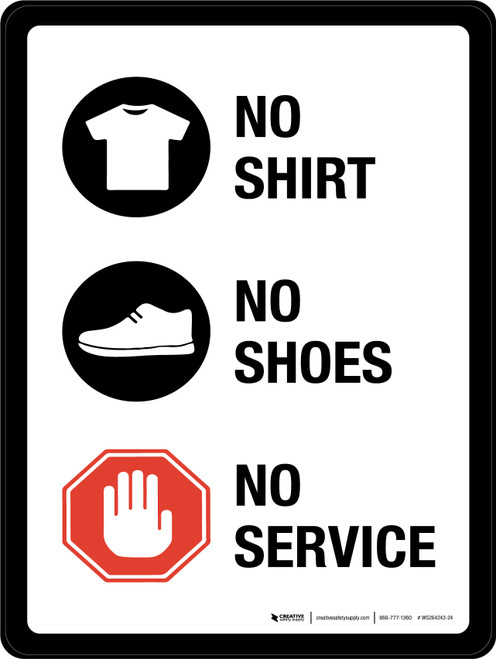
McDonald’s frequently displays “No Shirt, No Shoes, No Service” signs, a common, lawful policy used by businesses to ensure customer safety and maintain service standards. These signs are largely aimed at preventing safety hazards, such as slip-and-fall risks for customers walking in wet from nearby pools or protecting customers from hazards.

Michigan Medicine Oncology Department has no Clinical Medicine Protocol to Screen Patients with Upper Respiratory Tract Infections as the Medical Problem does not demand Hi-Tech Medical Interventions.

Reporting Concerns to Michigan Medicine Patient Relations and Clinical Risk Management Program

The Michigan Medicine Office of Patient Relations & Clinical Risk (734-936-4330) manages patient feedback, investigates complaints, and works to improve safety and care quality. They handle concerns when care does not meet expectations, offering a formal process for resolution. The team also manages medical professional liability and investigates safety incidents.
From Patient Relations: Apr 28Apr 28 at 1:20 PM
What specifically led you to believe the screening protocol is “dangerously inadequate” and “medically unethical”?Was there a particular date, visit, or appointment when this occurred?When you say the patient was “deliberately exposed to the consequences of a viral infection,” what do you mean? For example, was the concern about possible exposure to others who were ill, or about proceeding with treatment despite symptoms?Regarding the persistent, recurrent cough, when was this ignored by caregivers?
| You are receiving this secure, encrypted email message because it may contain sensitive information. If you have concerns about the validity of this message, contact the sender directly and ensure the email address is a known @med.umich.edu email address. |
| Secured by Proofpoint Encryption, Copyright © 2009-2025 Proofpoint, Inc. All rights reserved. |
Sent: Tuesday, April 28, 2026 at 12:16:28 PM EDT
Subject: [SECURE] Patient Relations Concern
I want to bring to your attention that a patient received corticosteroid therapy (Tablet Dexamethasone twice daily on Monday, April 06, Tuesday, April 07, and on Wednesday, April 08, while she was experiencing an Upper Respiratory Tract Infection. This steroid therapy can easily mask symptoms like fever while aggravating the severity of the infection.
Taking dexamethasone tablets during an upper respiratory tract infection (URTI) poses significant risks due to its immunosuppressant nature, which can worsen or mask infections. It may delay viral clearance, promote bacterial superinfections, and increase risks for serious complications like pneumonia or secondary fungal infections.
Key Risks of Dexamethasone with URTIs:
- Increased Infection Severity: Dexamethasone lowers your immune system, making it easier to catch infections and harder for your body to fight existing ones. It can cause infections to become more severe or fatal.
- Masking Symptoms: By suppressing inflammation, dexamethasone can mask signs of infection, such as fever, causing a delay in necessary medical treatment.
- Secondary/Reactivated Infections: It can increase the risk of developing secondary infections or causing latent infections (like tuberculosis or hepatitis B) to become active again.
- Increased Viral Load: Evidence suggests that corticosteroids like dexamethasone can delay the clearance of viruses from the body.
- Respiratory Complications: The use of dexamethasone in patients with viral infections can be associated with increased mortality and, in some cases, exacerbation of respiratory conditions.
- Systemic Side Effects: Even short-term use can lead to side effects such as high blood pressure, hyperglycemia (high blood sugar), and fluid retention. This patient reported to the Clinic with hyperglycemia on the day of Infusion therapy.
1. It is medically unethical to administer drugs without fully disclosing the side effects of the medications. The patient must be duly informed about the risks involved and the patient must get an opportunity to make an informed choice about the therapeutic intervention. The Hospital has billed the patient $400.00 to impart education to learn about the drugs and their adverse effects which could be life threatening. The educator provided by the Hospital has the fundamental duty to assess the risks that of direct concern to the particular, specific patient. The Screening is put in place to avoid negative outcomes for the patient. The Screening Protocol must determine the medical fitness of the patient to receive the therapy planned. Patient’s life is endangered by the administration of Chemotherapy while the patient is infected by an infectious agent and exhibiting clear symptoms of an active infection that produces charateristic symptoms.
2. This unfortunate incident took place on Tuesday, April 7 at the University Hospital and the event is recorded in the patient’s medical documents and the aftercare summary notes available on the patient portal.
3. Patient is placed at the extreme risk of losing life on account of administering a therapeutic agent while immunocompromised. The patient’s age and her medical condition are known risk factors and the presence of an active infection is a known contraindications to the planned infusion therapy on April 07. The treatment plan must not proceed even if the patient with symptomatic Upper Respiratory Tract infection has come to the clinic.
4. On April 07, at the University Hospital, the Physician Assistant deliberately ignored the concerns shared by the patient, her son and her spouse about Dry persistent Cough. The educator gave false assurances by dismissing the concern and suggested that viral infections in the community cause these problems like cough and failed to mention the risk of Pneumonia that can cause respiratory failure and death.
The patient talked to Patient Relations on the phone on April 28. 2026 to confirm that she has concerns to share about her Office Visit with PA-C on Tuesday, April 07, 2026, 2.40 P.M., at Thoracic Oncology Clinic, University of Michigan Health Infusion Area, Rogel Cancer Center for assessment of her medical fitness prior to Infusion Therapy prescribed by Michigan Medicine Oncologist. The Medical Negligence of this caregiver directly resulted in patient’s admission to University Hospital on April 12, 2026 and she remains in the Hospital on this day, Wednesday, April 29, 2026 suffering from the direct consequences of infection with Human Metapneumovirus (hMPV) and lost the benefit of receiving the planned palliative care scheduled for April 28, 2026. The evidence of this infection was apparent on Tuesday, April 07, 2026 during the above mentioned Office Visit.
Medical negligence is a legal concept defining when a healthcare professional deviates from the accepted standard of care, causing injury or death to a patient. It occurs when a provider acts—or fails to act—in a way a reasonably competent professional would not, often labeled as medical malpractice. Key elements include duty, breach, causation, and damages.
- Failure to Obtain Informed Consent: Failing to inform a patient of the risks of a procedure, leading to an injury they would have otherwise avoided.
- World Class Medical Care refers to Stringent Quality Standards: Adherence to superior clinical guidelines that often result in significantly lower readmission rates compared to national averages.
- Screening Protocol for giving Cancer Chemotherapy to Patients: Before chemotherapy is administered, healthcare providers follow a rigorous multi-step screening and assessment protocol to ensure the patient’s body can safely handle the treatment. This process includes baseline medical evaluations, specific lab tests, and safety verifications.
High-tech Medicine falls short for neglecting clinical medicine
High-tech medicine often falls short of its promise because an overemphasis on technological solutions frequently leads to the neglect of essential clinical skills and humanistic care. While advanced diagnostic tools and AI have enhanced medical capabilities, they have also contributed to a “high-tech, low-touch” environment that can dehumanize patient care, reduce, and increase.
Impact of Neglecting Clinical Medicine
Erosion of the Patient-Physician Relationship: Technology has become an obstacle to direct patient-physician interaction. The art of listening and physical examination is being lost as clinicians focus more on screen-based data and automated tools.
Dehumanization of Care: Patients are increasingly treated as a collection of data points rather than whole individuals. The subjective, personal experience of illness is often ignored in favor of biochemical or imaging results.
Data Overload vs. Meaningful Care: Modern, and are often, leading to “drowning in data but starving for meaning”.
Increased Medical Errors: Over-reliance on technology (e.g., or) can lead to new types of errors. Poorly designed Electronic Health Records (EHRs) lead to “check-the-box” workflows that obscure the patient’s true narrative.
The “High-Tech” Paradox
“Prisoner’s Dilemma”: Hospitals often invest in expensive technology (e.g.,) to attract talent, not necessarily because it improves patient outcomes.
False Efficiency: The time spent on and digital documentation contributes to clinician burnout and reduces the time available for direct patient care.
Misleading Solutions: AI and High-Tech gadgets cannot replace the compassionate, “high-touch” care required to treat anxious and uncertain patients.
The Need for Balance
To avoid falling short, healthcare must reintegrate the “art” of medicine—empathy, communication, and physical touch—with technological advancements. Experts suggest that technology should be a supportive tool, not a substitute for the patient-physician connection.
Prioritize Human Interaction: Reimbursement models should value time spent listening to patients over simply conducting tests and procedures.
Improve Technology Design: Future development must focus on usability and reducing, rather than adding to, the burden on clinicians.
Acknowledge Limits: Michigan Medicine must recognize that it is not ready to replace human judgment with high-cost technology to address the health care challenges posed by the most common illnesses that impact the Community.


