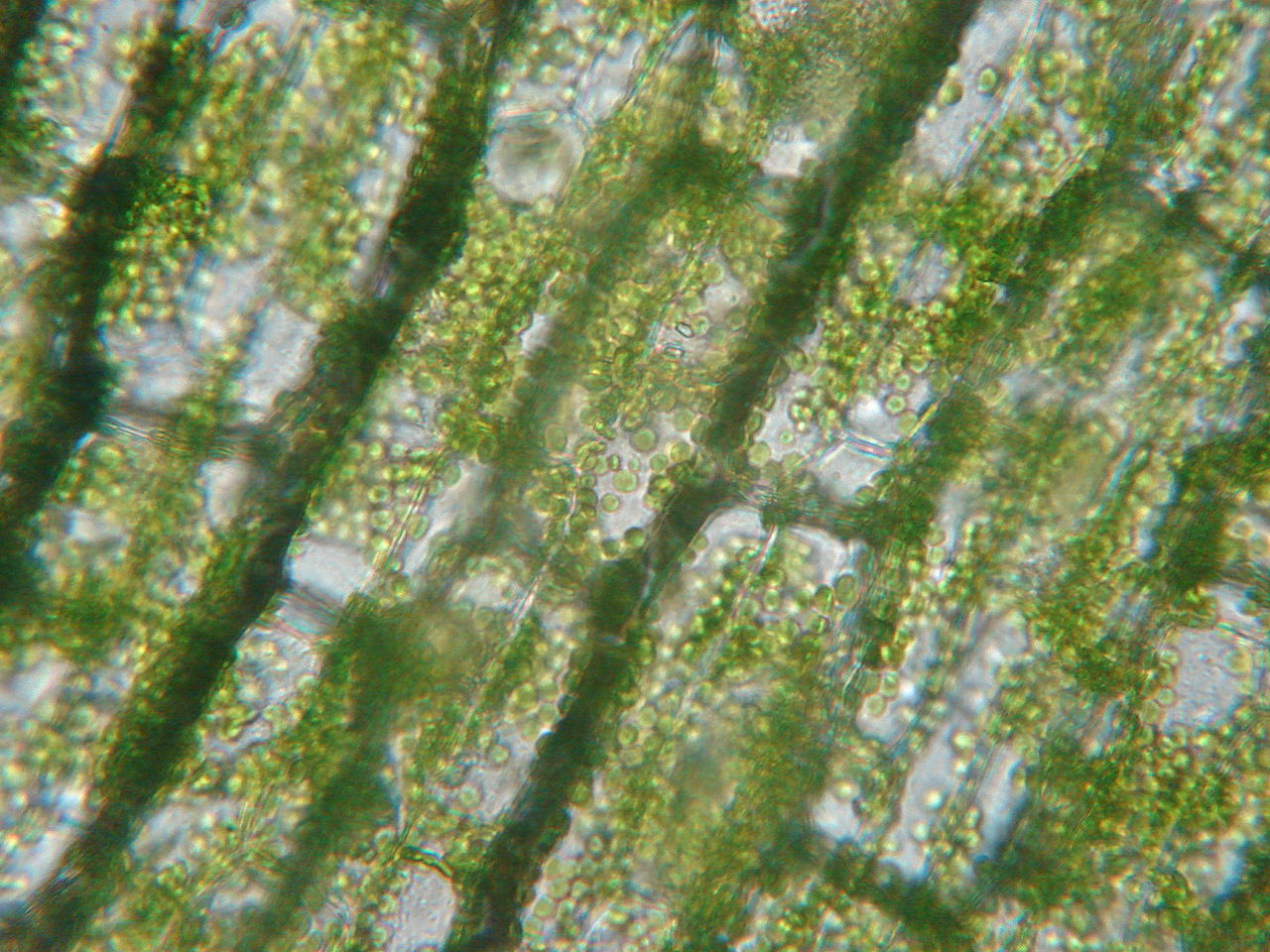
Whole Dude-Whole Designer-Chlorophyll: Cyanobacterial chains (Blue-Green Algae) appear Blue-Green as the Green pigment is masked by the presence of other pigments. They could be some of the oldest living organisms of planet Earth. Their use of photosynthesis to convert Carbon Dioxide into organic compounds with the release of Oxygen into atmosphere serves a basic purpose to support the existence of other living organisms that depend upon Oxygen.Whole Dude-Whole Designer-Chlorophyll: These filaments of Cyanobacteria are thought to be algae in the past. We speak about the Theory of Evolution and in reality the Chlorophyll molecules have retained their molecular structure over billions of years without any apparent modification.Whole Dude-Whole Designer-Chlorophyll: Chlorella vulgaris, spherical, unicellular organisms with Chlorophyll pigment have no capacity called visual perception. However, man can easily recognize the green coloration and can look for the presence of Chlorophyll. In the final analysis, the function of the design is not simply a matter of producing visual satisfaction.
The word Chlorophyll is derived by combining two Greek words; Chloros means green, and Phyllon means a leaf. It refers to the green pigment found in the Cyanobacteria (Blue-Green algae), and in the chloroplasts of Grass-Green algae, and plant cells. Chlorophyll occurs in five forms; especially Chlorophyll a, and Chlorophyll b. Chlorophyll a is the most widely distributed form in nature.
Whole Dude-Whole Designer-Chlorophyll: This simple, unicellular, flagellate organism called Chlamydomonas, Grass-Green algae, Division Chlorophyta, contains the photosynthetic pigments Chlorophyll a and b, and Xanthophyll in the same proportions as those seen in other higher plants.Whole Dude-Whole Designer-Chlorophyll: Chlorophyll pigments are found in all green plant cells and they are the most important biomolecules in nature.
The pigments of biological tissues that reflect or transmit light are known as biochromes. Apart from causing, or generating color, biochromes play a pivotal role in metabolic processes. Chlorophyll is a nitrogenous biochrome, an organic molecule that contains nitrogen. It is the only substance in nature that has the ability to trap and store the energy of Sunlight. It absorbs light most strongly in the blue portion of the electromagnetic spectrum followed by the red portion. It is a poor absorber of green and near-green portions of the spectrum. The green portion of the spectrum is reflected and thus Chlorophyll appears green.
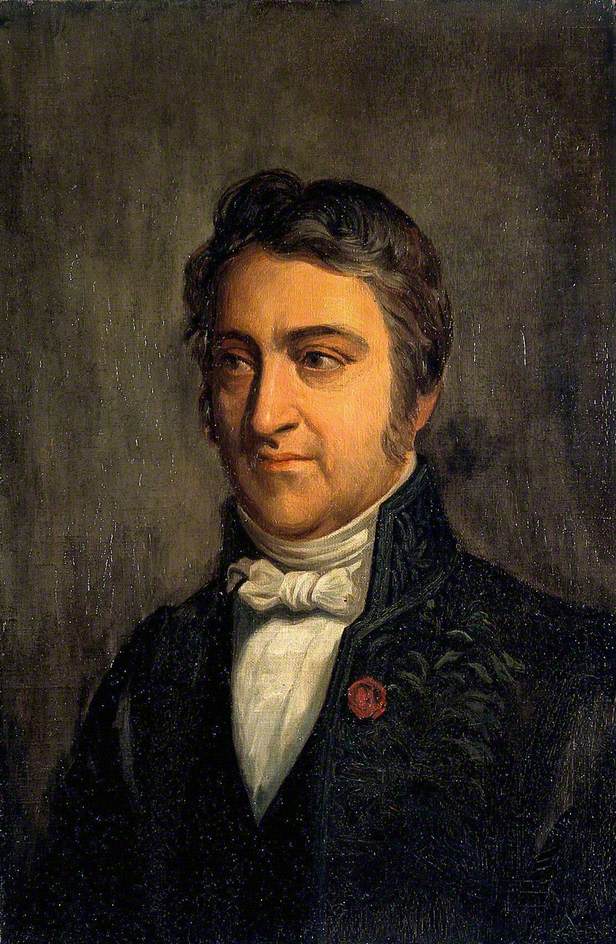
Whole Dude-Whole Designer-Chlorophyll: Pierre Joseph Pelletier (1788-1842), French chemist worked along with Joseph Bienaime Caventou (1795-1877) at Ecole de Pharmacie Paris and first isolated Chlorophyll in 1817. They established the basis for Alkaloid Chemistry. They paved the way for the use of chemical compounds found in the nature.WholeDude-WholeDesigner-Chlorophyll: Joseph Bienaime Caventou (1795-1877), French chemist was the first to isolate Chlorophyll and shares this credit with Pelletier.
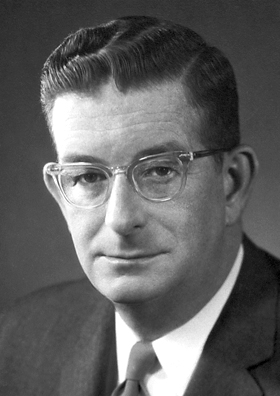
French chemists, Joseph Bienaime Caventou and Pierre Joseph Pelletier get the credit for first isolating Chlorophyll in 1817. They paved the way for research on natural organic compounds and had established the foundation for Alkaloid Chemistry. They isolated several plant alkaloids like Quinine, Strychnine, Emetine, and Caffeine. The general molecular structure of Chlorophyll was first described by Hans Fischer, a German chemist in 1940. Fischer investigated pigments in blood, bile, and Chlorophyll in leaves. He was awarded 1930 Nobel Prize for Chemistry.
Whole Dude-Whole Designer-Chlorophyll: Hans Fischer (1881-1945), German chemist investigated Chemistry of Pyrrole compounds from which the pigments found in blood, bile, and leaves are derived. He was awarded 1930 Nobel Prize for Chemistry.
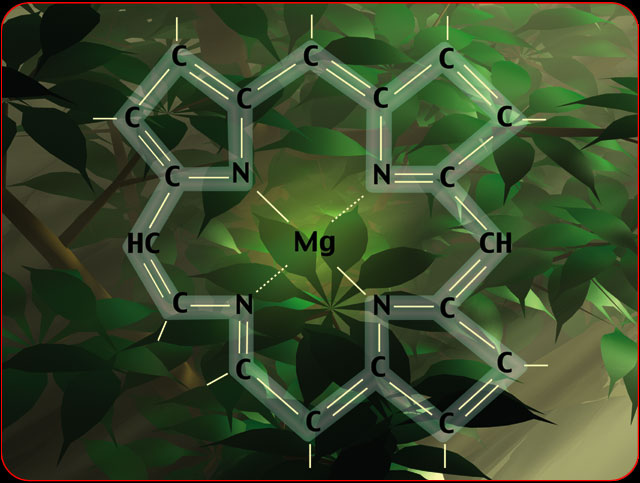
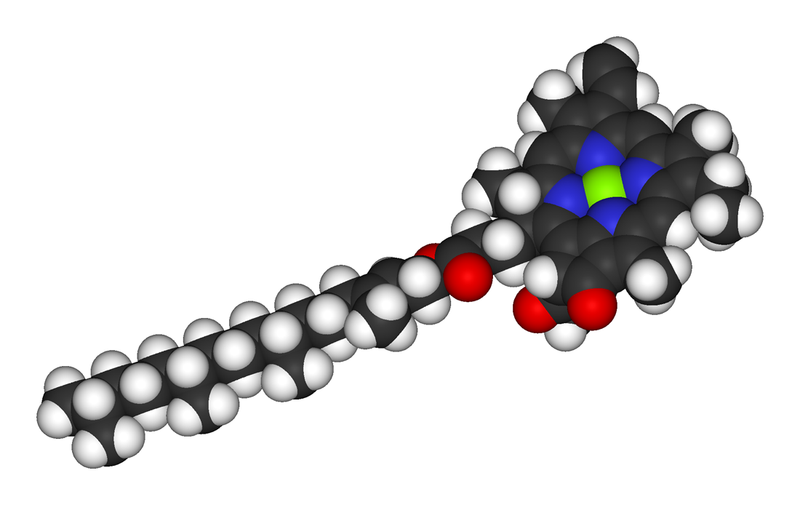
Pyrrole describes a class of organic compounds of the heterocyclic series characterized by a ring structure composed of four carbon atoms and one nitrogen atom. In Chlorophyll, four Pyrrole rings (Tetrapyrrole) are joined in a larger ring system known as Porphyrin. Porphyrins are a group of water-soluble, nitrogenous Pyrrole derivatives that combine with either Iron, or Magnesium. Chlorophyll has a Porphyrin ring (Chlorin ring) coordinated to a central Magnesium ion.
Whole Dude-Whole Designer-Chlorophyll: Chlorin ring, Tetrapyrrole Porphyrin Ring called Chlorophyll with central ion of Magnesium.WholeDude-WholeDesigner-Chlorophyll: Robert Burns Woodward (1917-1979) American chemist who worked at Harvard University published a total synthesis of Chlorophyll molecule in 1960. He synthesized many complex natural products. He was awarded 1965 Nobel Prize for Chemistry.
Robert Burns Woodward, American chemist who worked at Harvard University determined the structure of organic compounds such as Penicillin, Terramycin, and Aureomycin. During 1940s, he had synthesized many complex natural products including Quinine, Cholesterol, Cortisone, Strychnine, Lysergic Acid, Reserpine, Cephalosporin, and Colchicine. He was the first to synthesize Chlorophyll during 1960.
Whole Dude-Whole Designer-Chlorophyll: Three-dimensional view of Chlorophyll molecule.Whole Dude-Whole Designer-Chlorophyll: The light absorption spectra of chlorophyll molecules a and b.
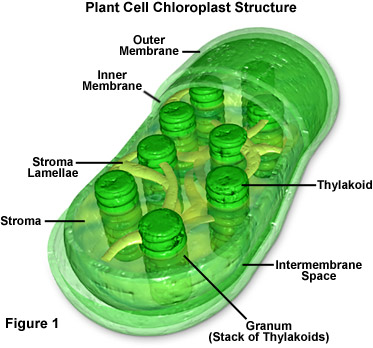
The Chlorophyll molecule is the active part that absorbs the Sunlight. In order to do this job called photo reception, Chlorophyll needs to be attached to the backbone of a very complicated protein. This protein may look haphazard in design, but it has exactly the correct structure to orient the Chlorophyll molecules in the optimal position to enable them to react with Carbon Dioxide, and Water molecules in a very efficient manner. The Chlorophyll photosynthetic pigments performs the light harvesting function because of Chlorophyll-Protein Complex that is part of the Thylakoid Membrane of the Chloroplast, the disc-like structures in which the pigment is found.
Whole Dude-Whole Designer-Chlorophyll: Thylakoid Membrane bound proteins form a Complex with Chlorophyll pigments to perform the photosynthetic function.
Whole Designer – Whole Architect:
Whole Dude – Whole Designer -Chlorophyll: Chlorophyll molecule is the green pigment found in the Chloroplasts of plant cells is uniquely capable of converting active light energy into a latent form(Glucose or Sugar)using the photosynthetic mechanism. Carbon is the central or key element in the compounds of which organisms are composed; the Carbon is derived from the Carbon Dioxide found in atmospheric air or dissolved in water. Plants incorporate Carbon into Carbohydrates and other complex organic molecules. During Respiration or Oxidation, Oxygen combines with portions of Carbohydrate molecule, releasing Carbon in the form of Carbon Dioxide and Water.
Chlorophyll is not simply about generating coloration in plant leaves. It describes the work, the imagination, the inspiration used by a Master Architect who uses matter, energy, time, space, and color in a very creative manner.
The green pigment called Chlorophyll is the only substance in nature able to trap and store the energy of Sunlight. The light absorbed by Chlorophyll molecules is mainly in the red and blue-violet parts of the visible spectrum; the green portion is not absorbed but reflected, and thus Chlorophyll appears Green. The function of Light and Color is that of Creation of Life.
Whole Dude – Whole Colors: The green pigment called Chlorophyll is the only substance in nature able to trap and store the energy of Sunlight. The light absorbed by Chlorophyll molecules is mainly in the red and blue-violet parts of the visible spectrum; the green portion is not absorbed but reflected, and thus Chlorophyll appears Green. The function of Light and Color is that of Creation of Life.
Whole Man - Whole Theory: I intentionally combined the words Whole and Dude to describe the Unity of Body, Mind, and Soul to establish the singularity called Man.
View more posts







 Whole Dude - Whole Concept
Leave a comment