


India celebrates its 74th Republic Day on 26 January this year. The day is observed to honour the day when the Constitution of India was enacted in 1950. January 26 was chosen as the date to implement the Constitution because on this day in 1930, the Indian National Congress (INC) declared Purna Swaraj (complete independence), opposing dominion status by the Britishers.
Abdel Fattah el-Sisi: First President of Egypt to Visit India on Republic Day

President Droupadi Murmu unfurled the national flag at Kartavya Path, which was followed by the national anthem and 21-gun salute. Egyptian President Abdel Fattah El-Sisi is the Chief Guest this year.

On the eve of the 74th Republic Day, the president of Egypt; Abdel Fattah el-Sisi has been formally invited by the prime Minister of India, Shri Narendra Modi. The President of Egypt, Abdel Fattah Saeed Hussein Khalil el-Sisi; commonly known as Abdel Fattah el-Sisi was born on 9th November 1954 in Cairo, Egypt. He is not only the Executive Head of Egypt but also a retired Military Officer. Abdel Fattah el-Sisi is the sixth President of Egypt.
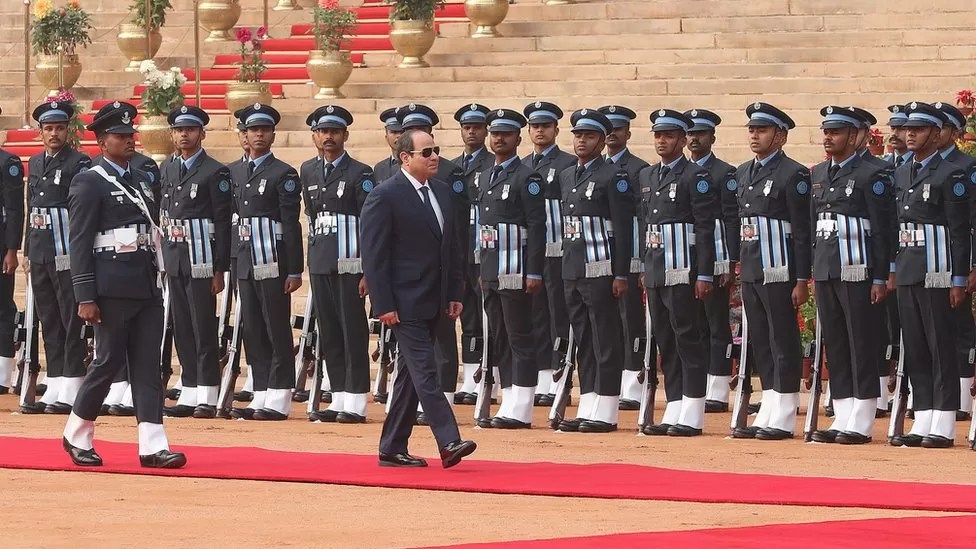


India and Egypt enjoy warm and friendly relations based on civilizational and deep-rooted people-to-people ties. India has invited Egypt, an Islamic nation for the very first time for the celebrations of the Republic Day that takes place on 26th January, every year. Abdel Fattah el-Sisi has an interesting political life. Before retiring from the Military as a General in 2014, he served as the Deputy Prime Minister of Egypt from 2013-2014. He served as the Minister of Defense from 2012-2013 and as its Director of Military Intelligence from the year 2010-2012. Later on, Abdel Fattah el-Sisi was promoted to the rank of Field Marshal in January 2014.

In this context about the President of Egypt who will be India’s Chief Guest during the 74th Republic Day celebration on 26th January, I would like to mention the name of Colonel Gamal Abdel Nasser, the second President of Egypt. India’s first Prime Minister Jawaharlal Nehru founded the famous Non-Alignment Movement along with President Nasser of Egypt, Marshal Tito, president of the Republic of Yugoslavia, President Sukarno of Indonesia, and Mrs. Sirimavo Bandaranaike, Prime Minister of Sri Lanka.


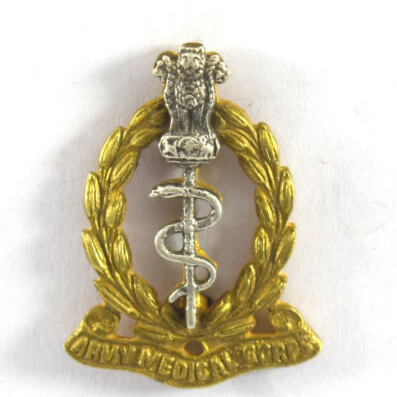
Most interestingly, my service in the Indian Army Medical Corps includes my tenure at Special Frontier Force where I served under the Command of Lieutenant Colonel B K Narayan in the conduct of our military operation in the Chittagong Hill Tracts to initiate the Liberation of Bangladesh in 1971. Prior to joining Special Frontier Force, Colonel B K Narayan served as a Military Attaché at the Indian Embassy in Cairo. He was indeed a great Islamic Scholar who served in the Indian Army in its Olive Green uniform. He learned Arabic language and mastered it. While he served in Cairo, his expertise attracted the attention of President Nasser and Colonel Anwar Sadat who became the third president of Egypt in 1970. Colonel Anwar Sadat had several friendly conversations with Colonel Narayan to gain insights from the holy Quran which he used to formulate his peace initiative with Israel.


In 1971, I became aware of President Sadat’s peace initiatives and as to how Colonel Narayan helped him and guided him in the process using his Islamic scholarship. Prior to returning to India, Colonel Narayan had the unique opportunity to perform the Hajj pilgrimage sponsored by President Nasser and Colonel Anwar Sadat.
The national capital witnessed a spectacular presentation of discipline and grit as Army contingents and other personnel marched on the Kartavya Path on 26 January.

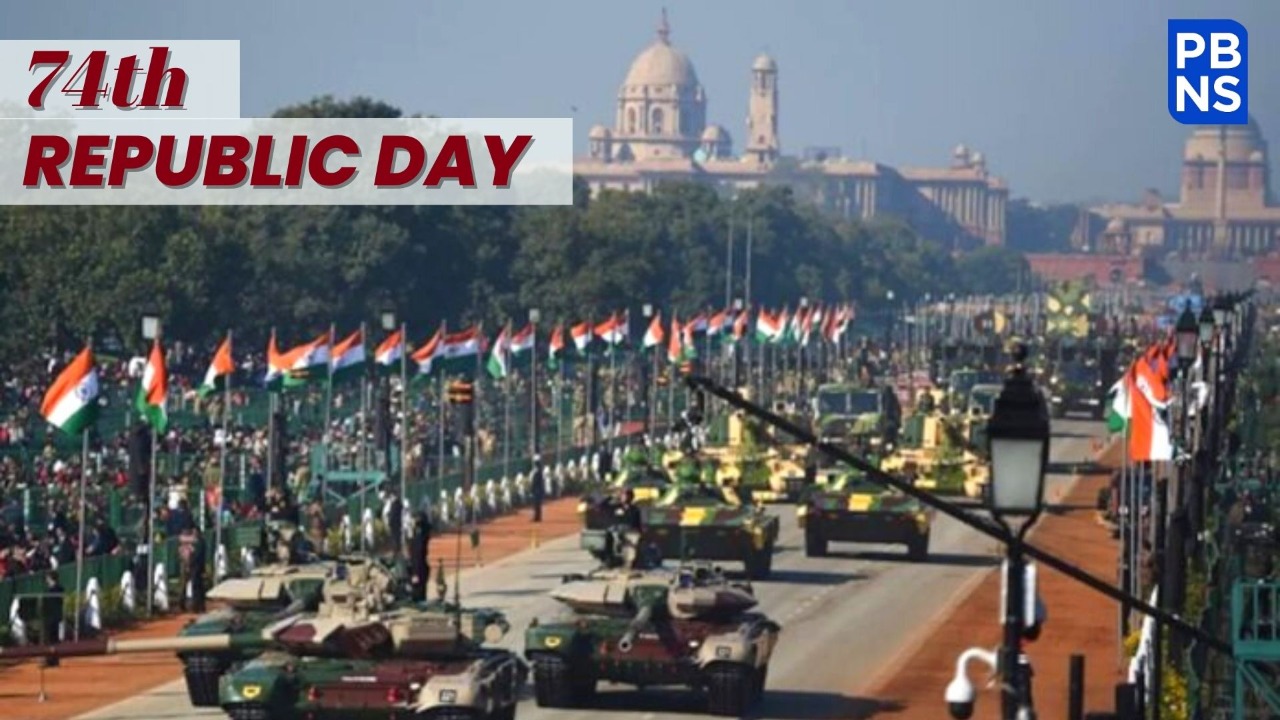

A plethora of events will be organized on this day with the centre of attraction being the annual parade held at the Kartavya Path (formerly Rajpath) near the Rashtrapati Bhavan. During the official ceremony, the President of India acknowledges and pays tribute to the courageous officers of the police department and armed forces for their exceptional bravery in the field. Additionally, several awards are given to citizens who have displayed courage in various circumstances.

For the first time, an Egyptian Army contingent led by Colonel Mahmoud Mohamed Abdel Fattah El Kharasawy marched on Kartayvta Path.
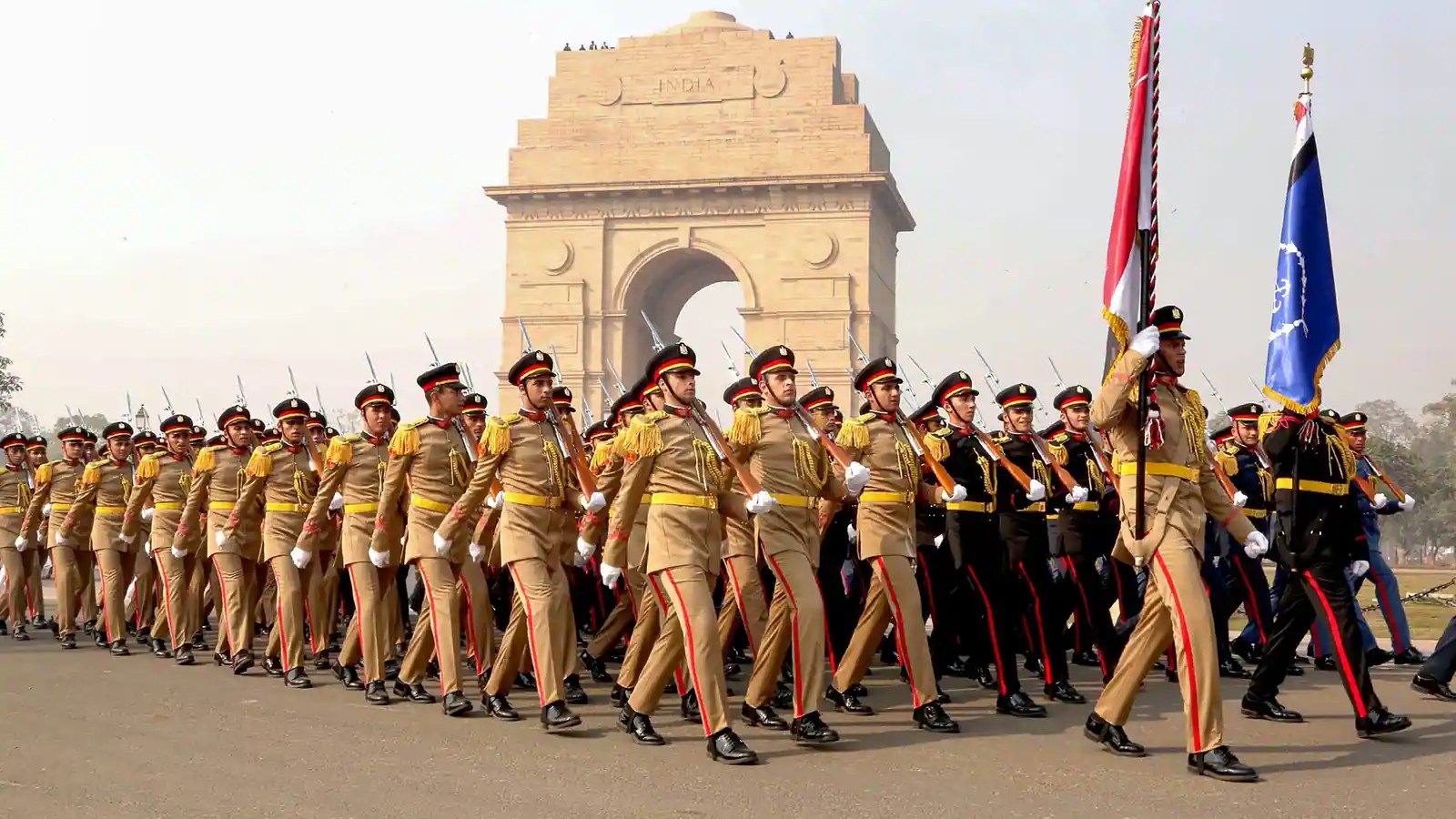

The military parade group of the Egyptian Armed Forces consisted of 144 soldiers representing the main branches of the Egyptian Armed Forces reflecting the greatness of the Egyptian state and its pride in its ancient history.


An all-women contingent of the Central Reserve Police Force is one of the highlights this year.

Several other marching contingents, including those of the Navy, featured women. The Naval contingent, led by a woman officer, featured 3 women, and 6 Agniveers — soldiers in the first batch of the new armed forces recruitment scheme.

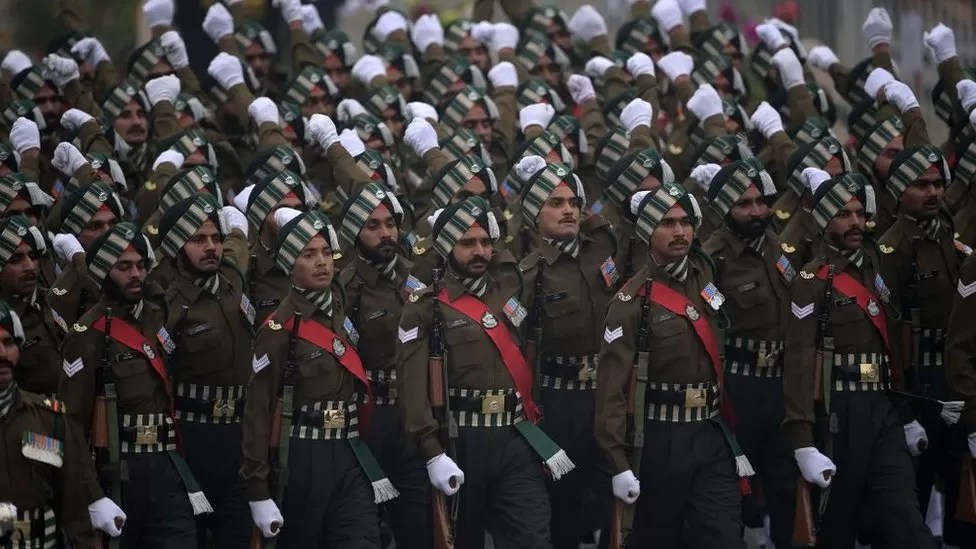
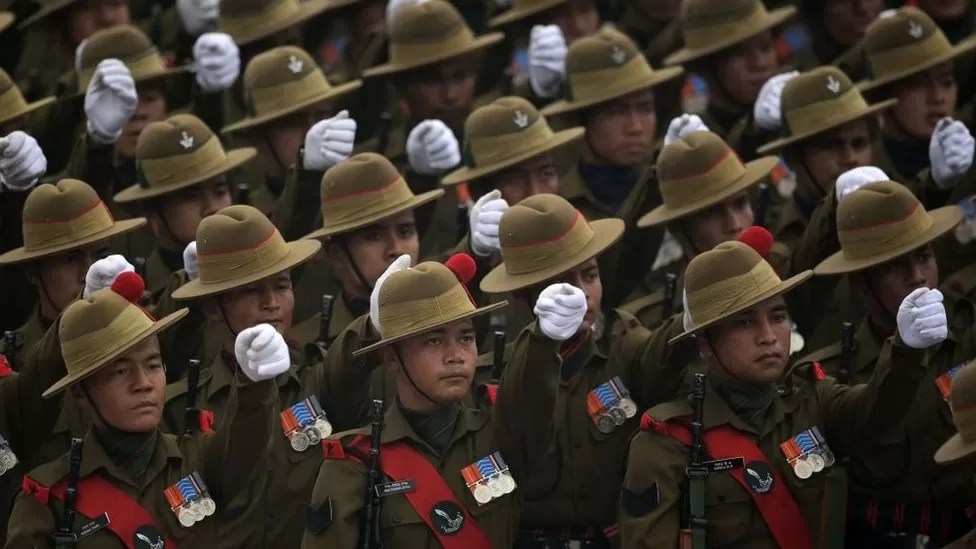
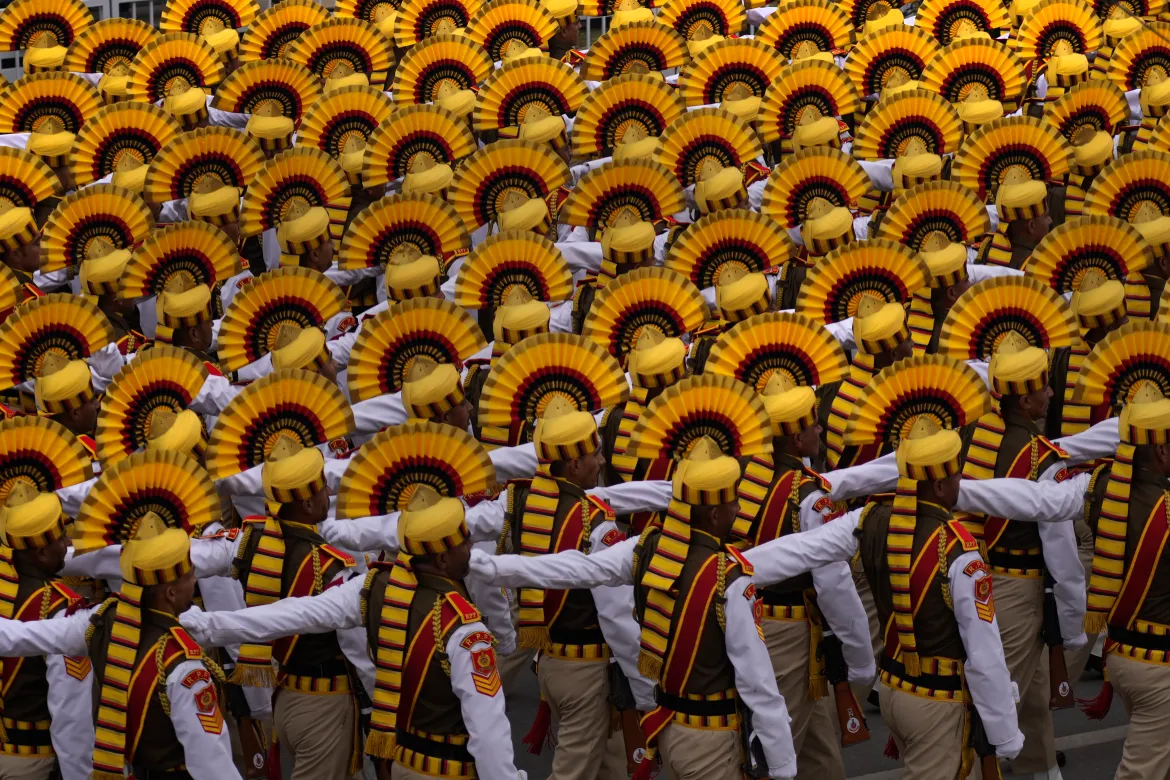
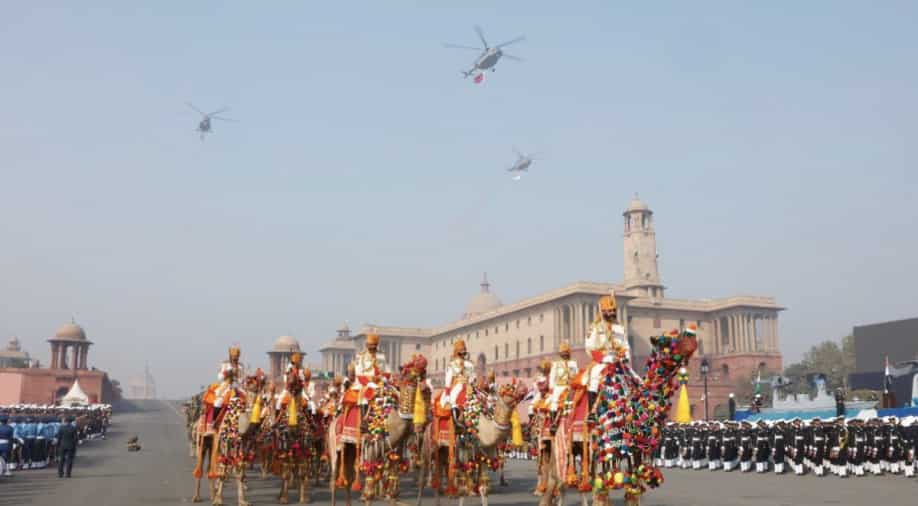
Indian made Arjun, and other made in India, including the Akash missile system, were on display.

The first-ever women riders took part in the camel contingent of the Border Security Forces.

Delhi Police Women Pipe Band of 35 women constables participated in the Republic Day parade for the first time.

Agniveers (new Armed Forces Recruitment Scheme) were part of the Republic Day parade for the first time.






 Whole Dude - Whole Concept